
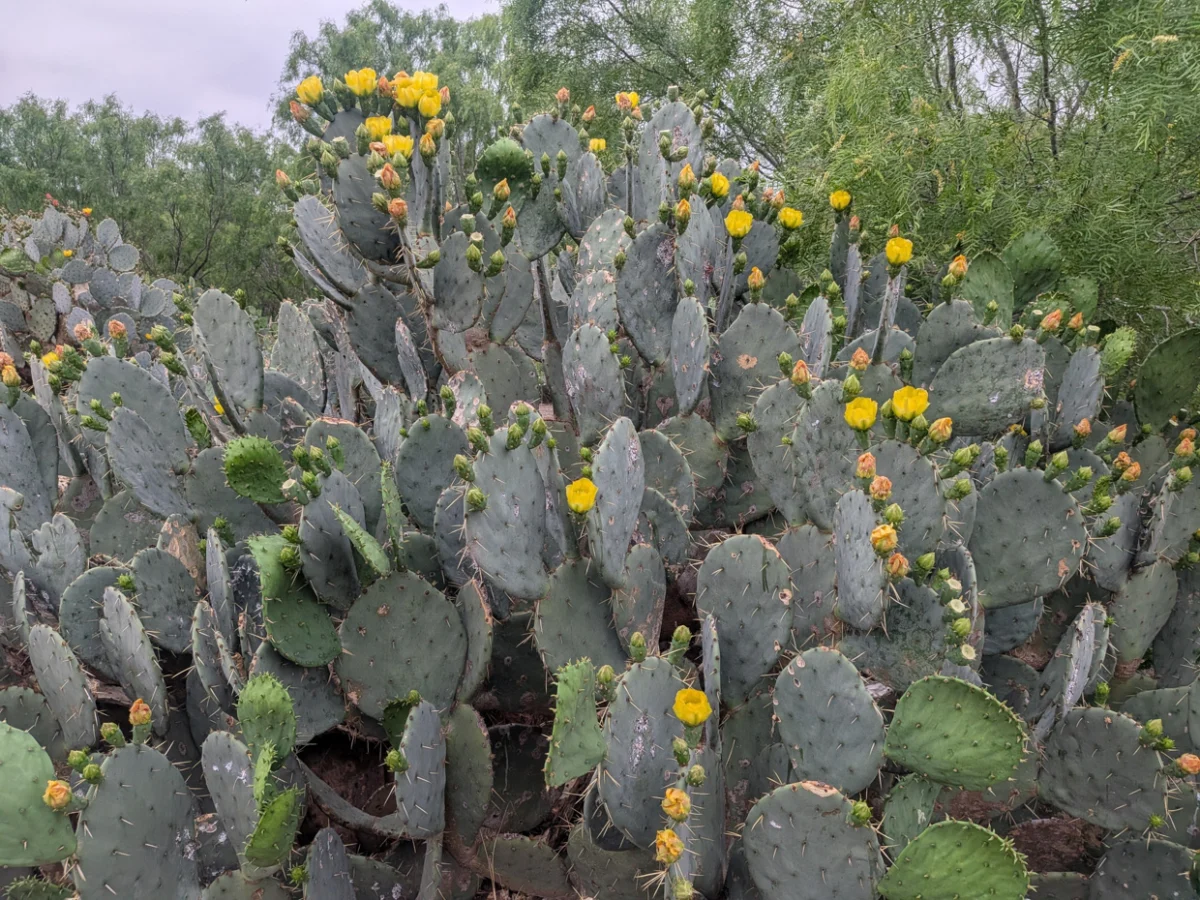
The 2026 Texas spring migration season has culminated in a significant documentation of North American avian biodiversity, as a week-long ornithological survey spanning from the Edwards Plateau to the Upper Texas Coast recorded 229 distinct bird species. This extensive field observation, conducted throughout April 2026, highlights the critical role of the Texas Central Flyway as a corridor for neotropical migrants and a sanctuary for several endangered and range-restricted species. Led by expert naturalists, the expedition documented a diverse array of taxa, including 27 species of warblers, 25 types of shorebirds, and 16 raptor species, alongside a variety of regional mammals, reptiles, and amphibians. The findings underscore the ecological complexity of the Texas landscape, where eastern and western ecological zones converge, providing a unique vantage point for monitoring the health of North American bird populations.
The Ecological Significance of the Texas Hill Country and Edwards Plateau
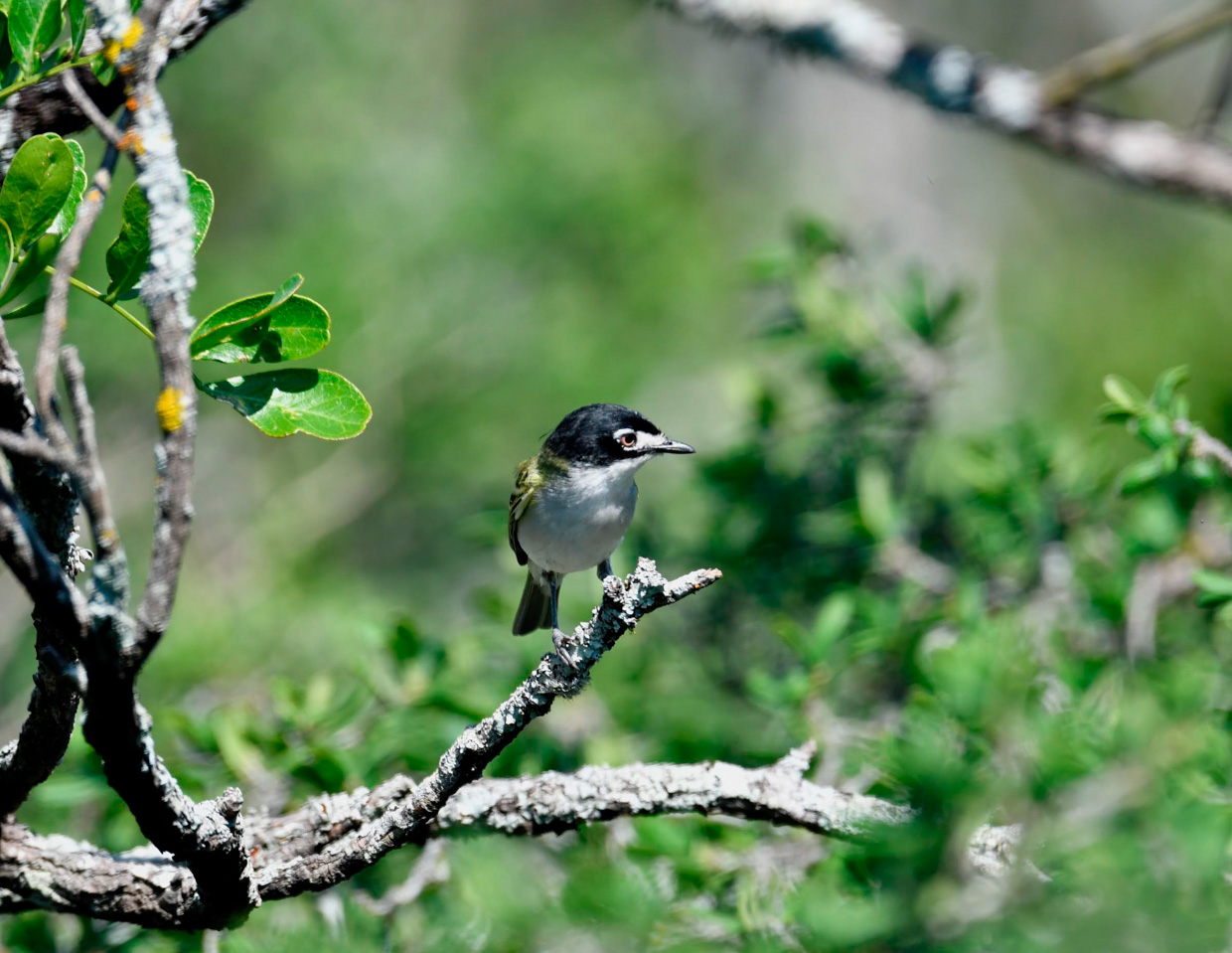
The survey commenced in the Texas Hill Country, specifically focusing on the Edwards Plateau. This region serves as a vital transition zone where the humid eastern forests meet the arid western scrublands. The plateau is characterized by its oak-juniper woodlands and limestone bluffs, which provide essential nesting habitat for two of the continent’s most high-priority conservation species: the Golden-cheeked Warbler (Setophaga chrysoparia) and the Black-capped Vireo (Vireo atricapilla).
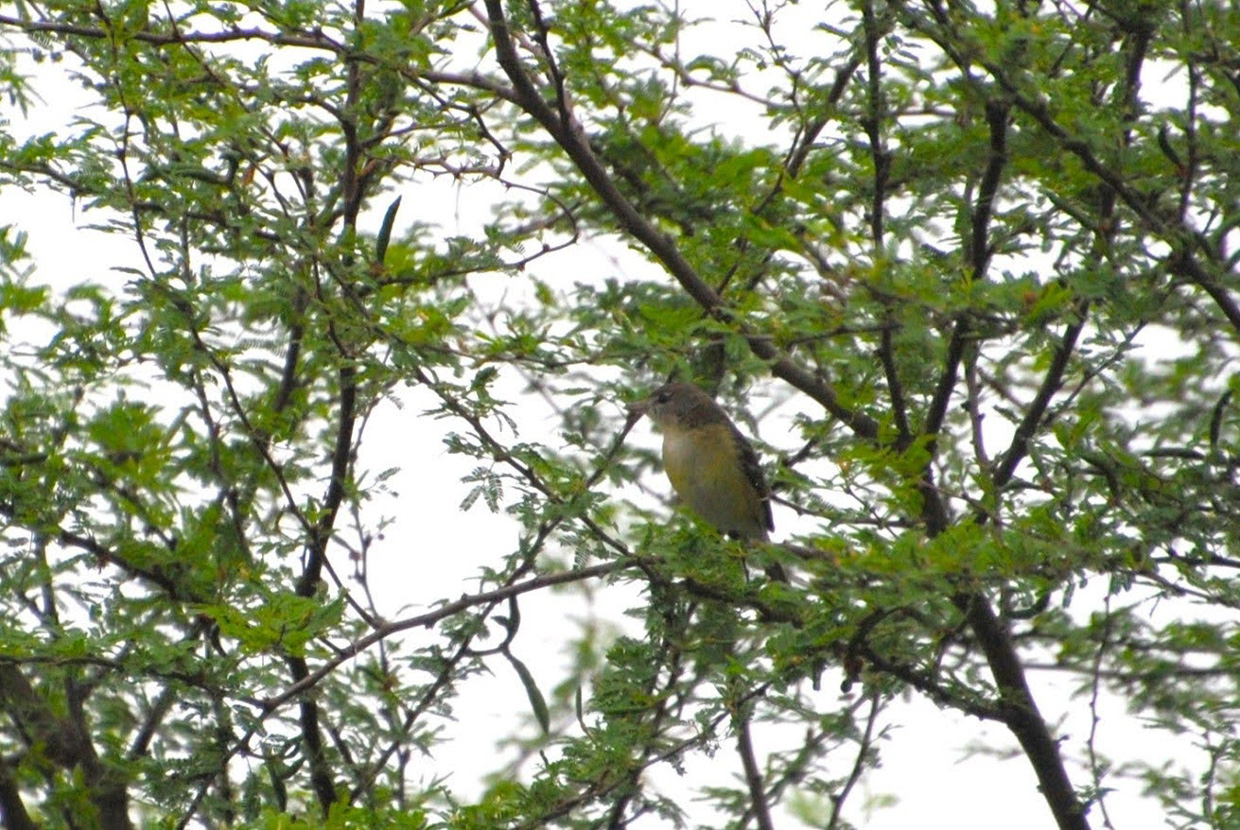
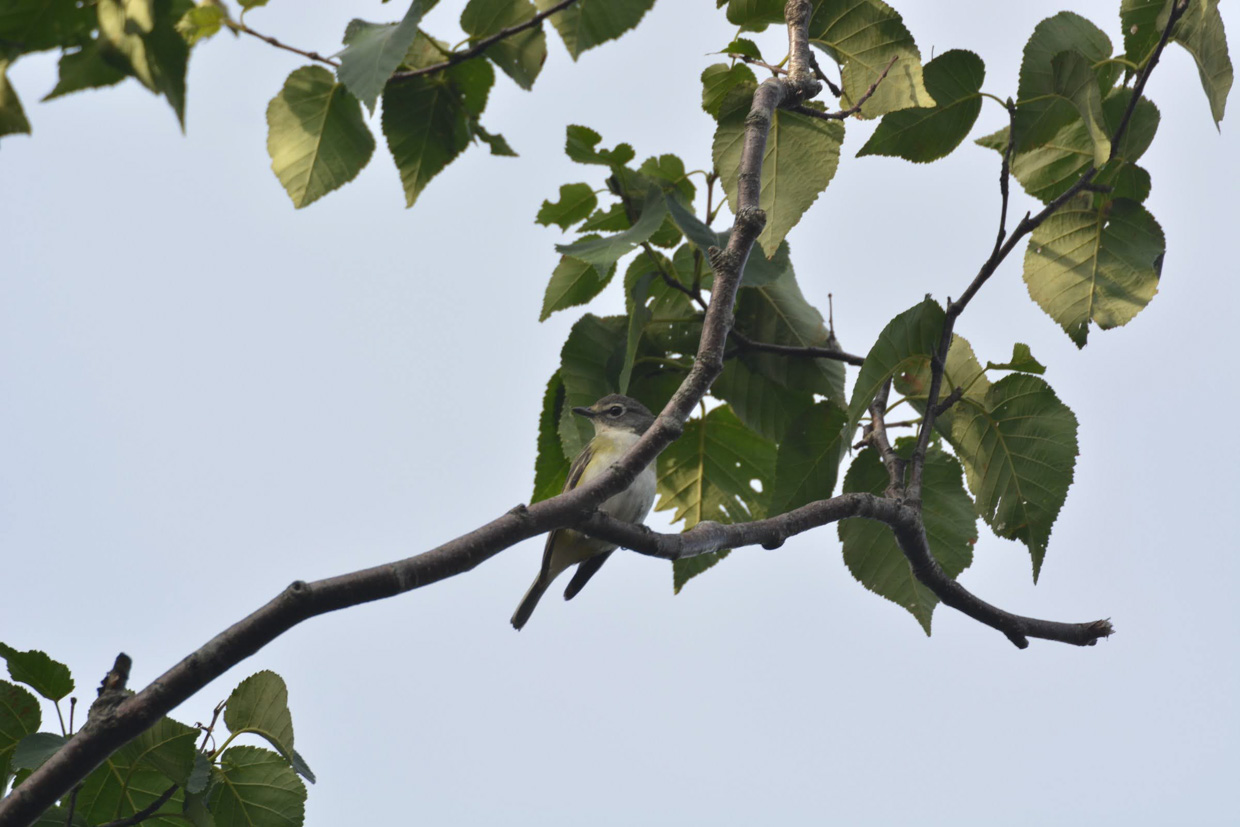
The Golden-cheeked Warbler is particularly significant as it is the only bird species with a breeding range entirely restricted to the state of Texas. During the 2026 survey, multiple individuals were observed, providing data on the continued presence of this endangered warbler in its specialized Ashe juniper habitat. Similarly, the Black-capped Vireo, which was delisted from the federal Endangered Species Act in 2018 but remains a species of intense conservation concern, was documented in the scrubby oak habitats of the Lost Maples State Natural Area. These observations suggest that while populations are stable in managed areas, they remain heavily dependent on the preservation of specific successional stages of vegetation.
Chronology of the 2026 Ornithological Survey
The expedition followed a rigorous seven-day timeline designed to capture the peak of the spring migration, moving from the inland canyons of the west to the coastal marshes of the east.
Day 1 and 2: Western Canyons and the Edwards Plateau
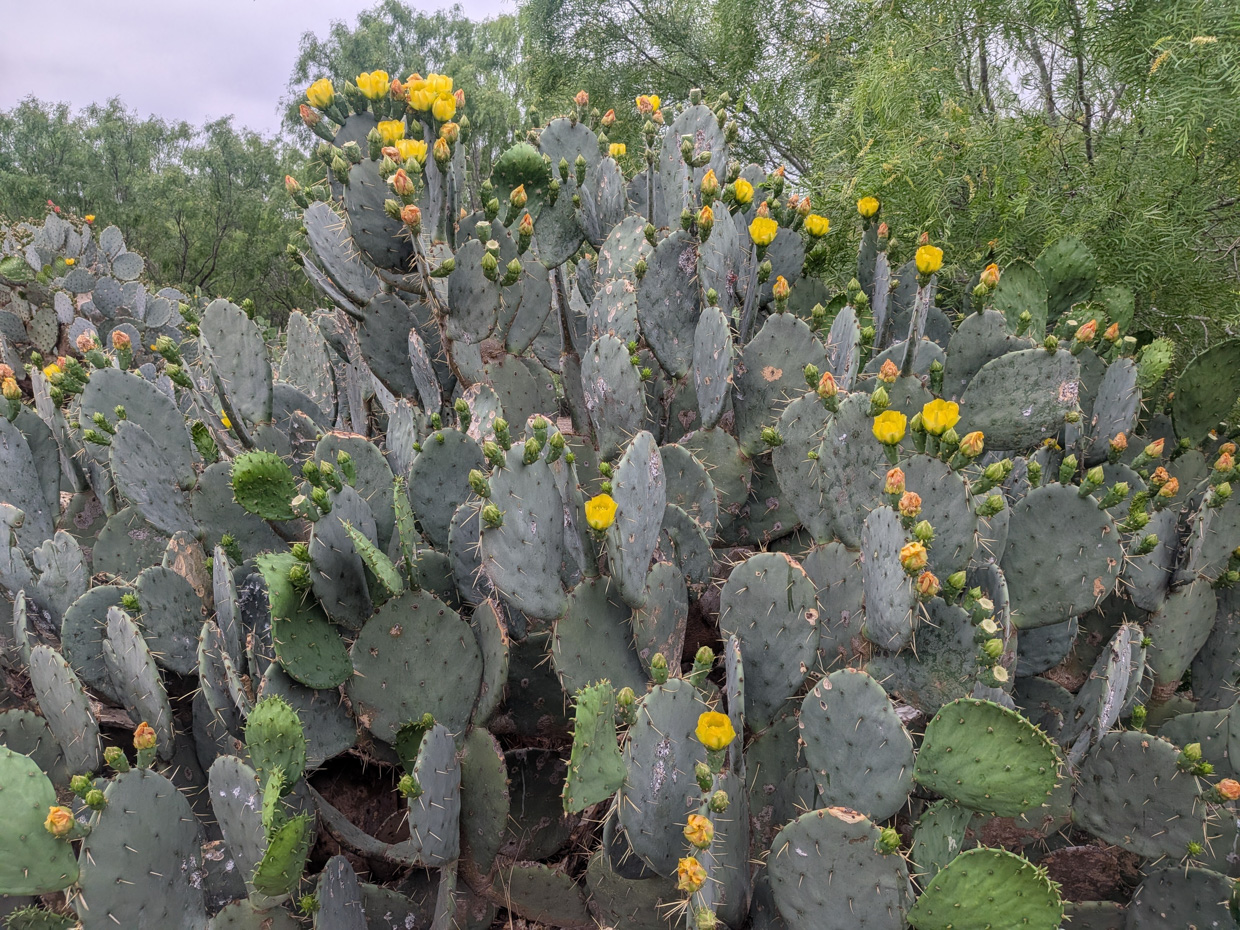
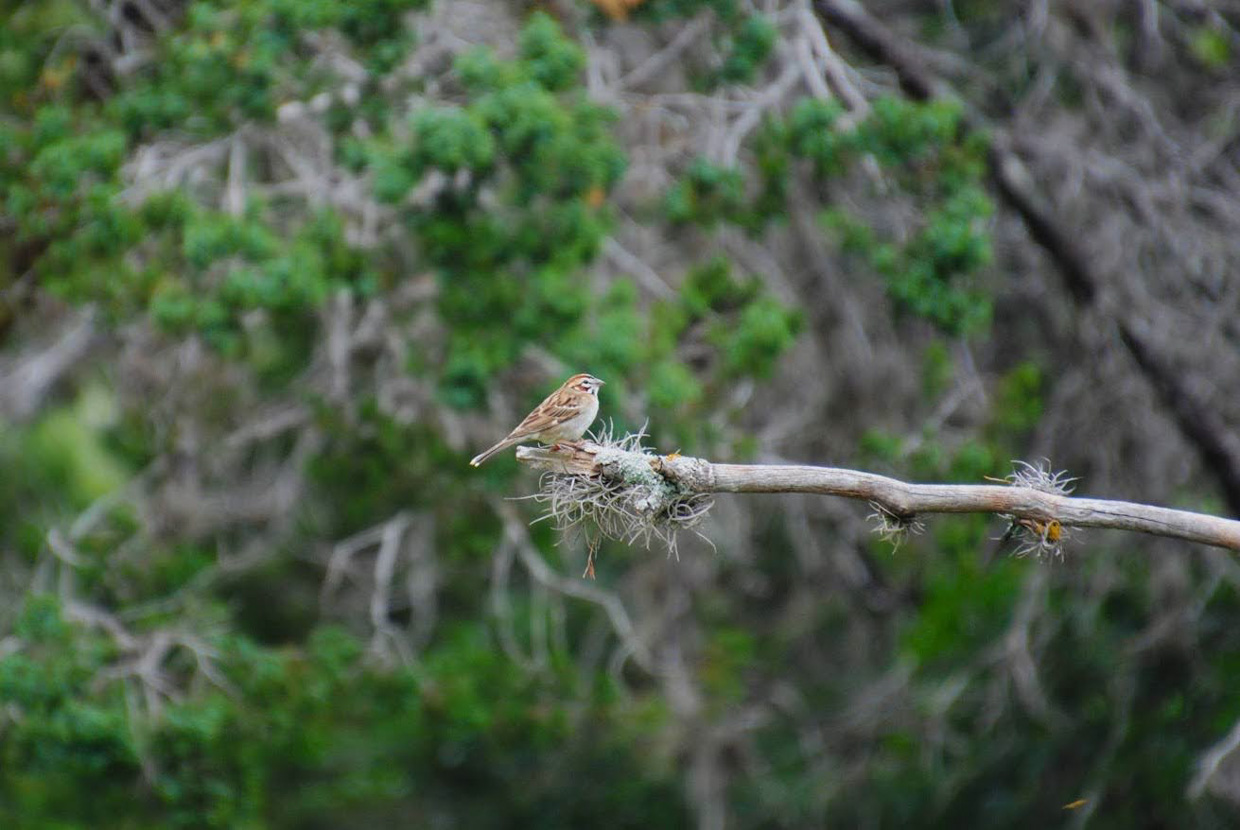
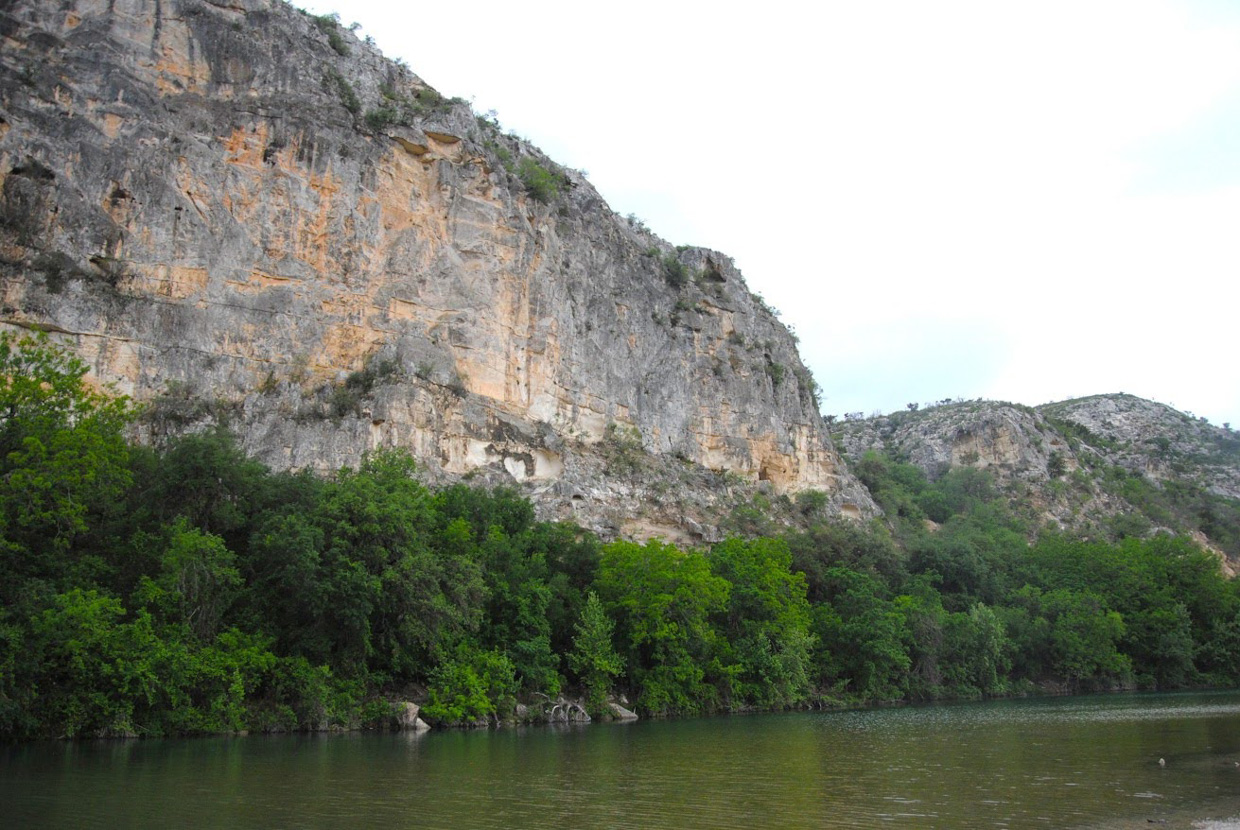
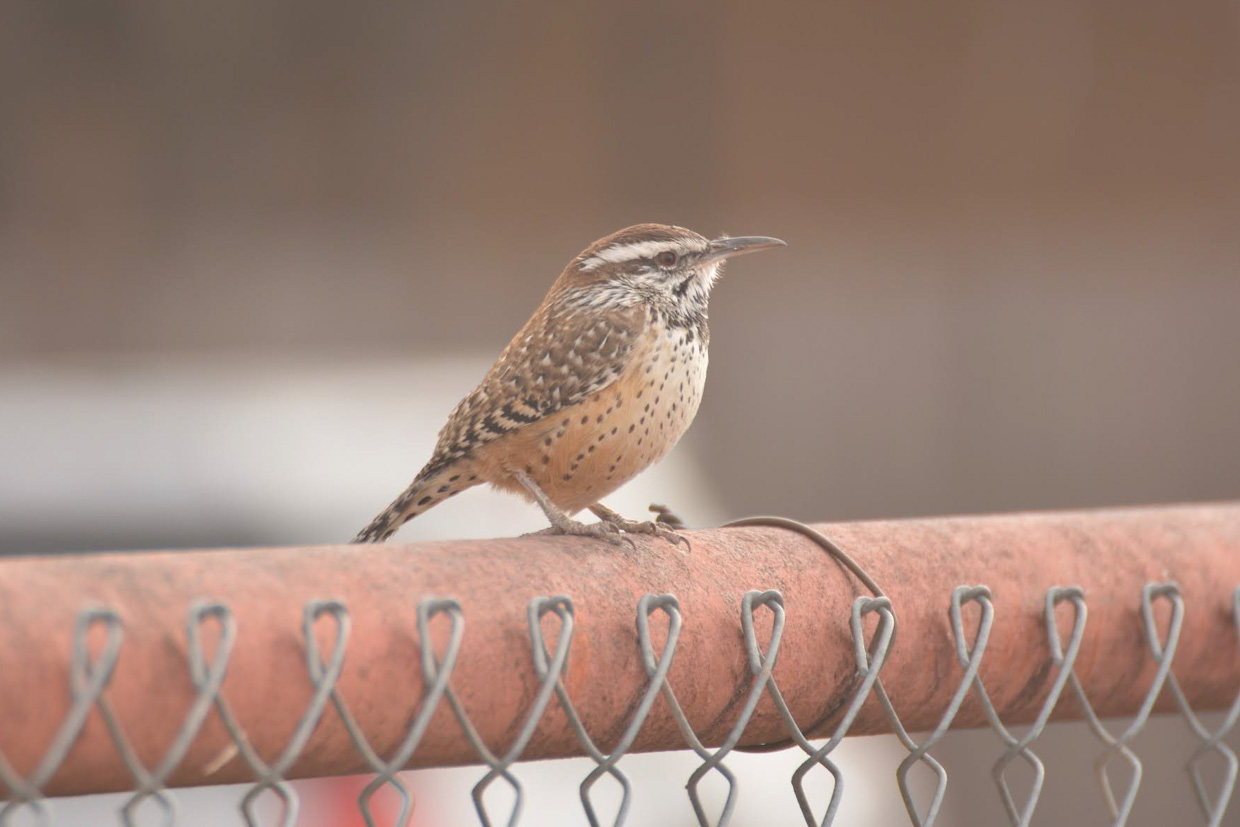
The survey began at Cook’s Slough Sanctuary near Uvalde and Chalk Bluff River Park. Initial observations focused on resident "yellow flycatchers," including the Great Kiskadee and Couch’s Kingbird, alongside western specialties like the Pyrrhuloxia and the Cactus Wren. The second day centered on the Lost Maples State Natural Area, where the team successfully located the aforementioned Golden-cheeked Warblers and Black-capped Vireos.
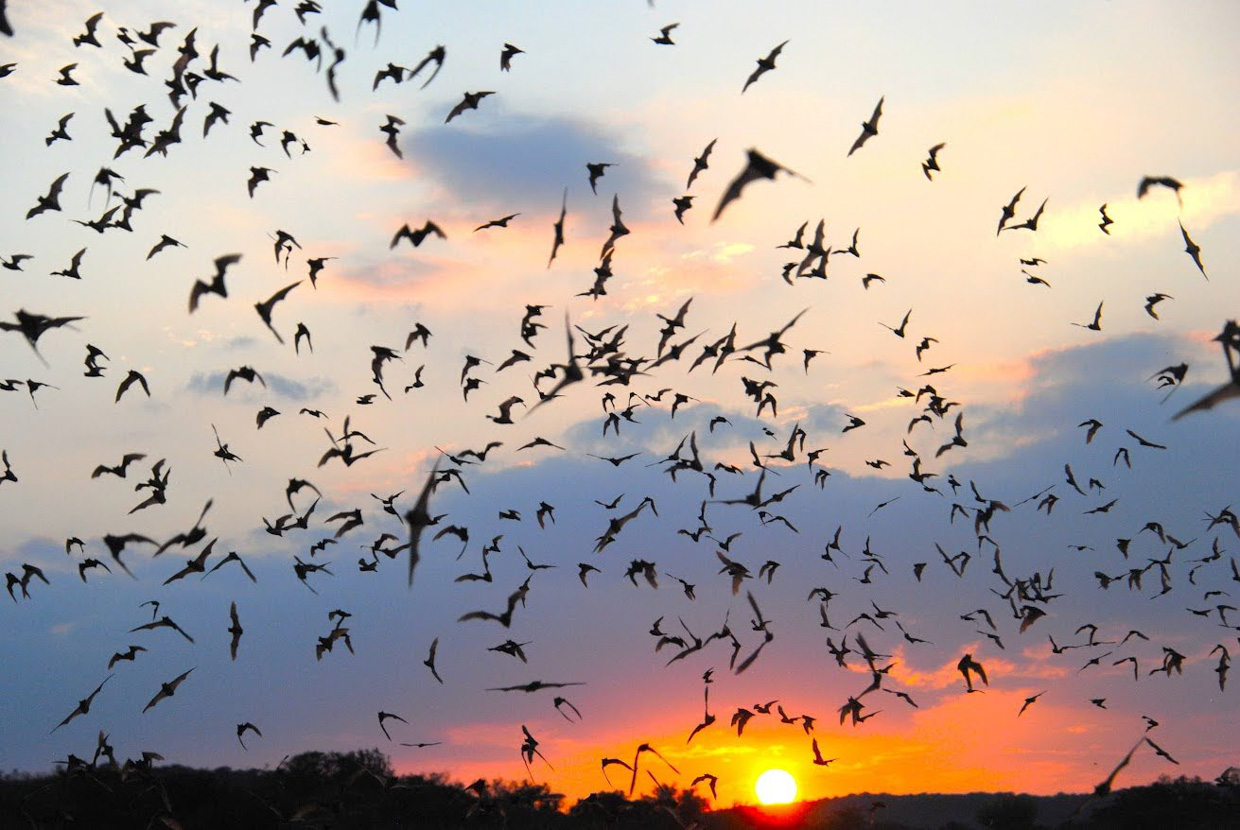
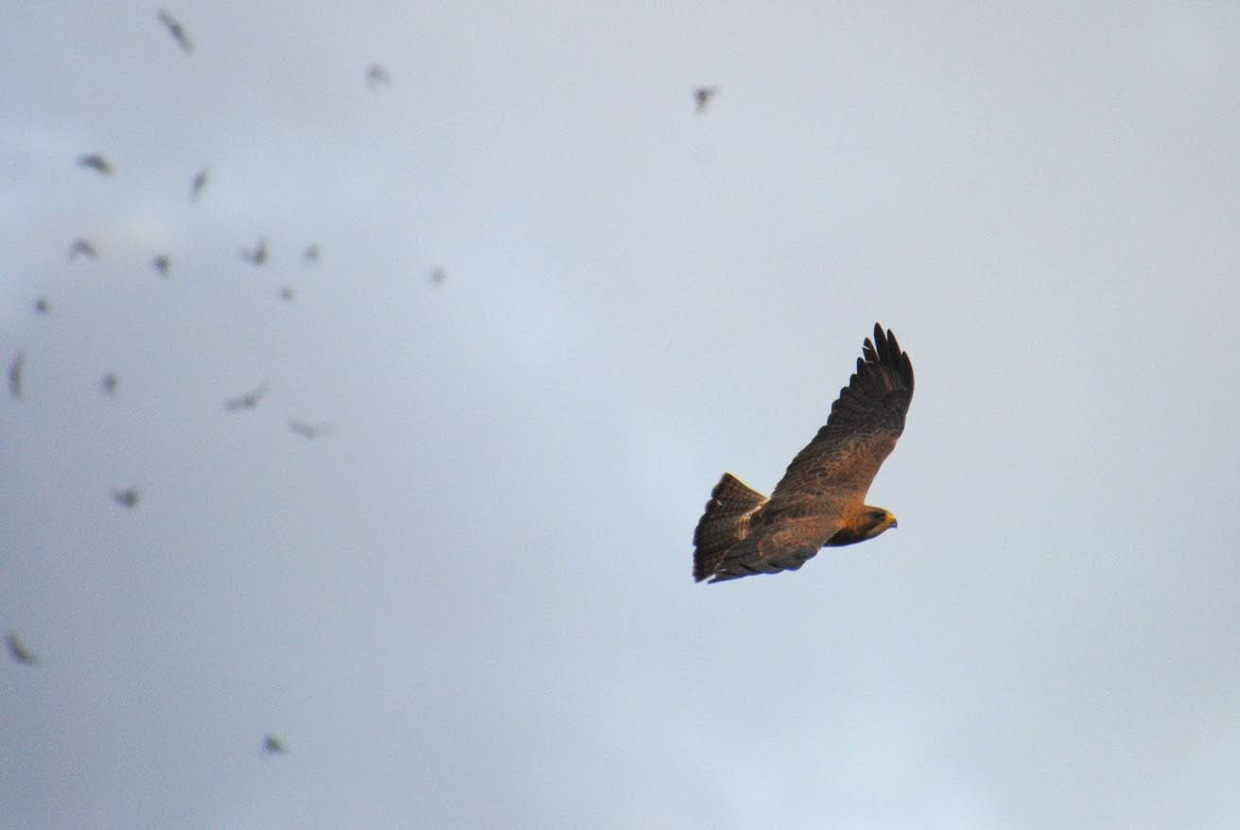
A major highlight of the inland survey occurred at the Frio Bat Cave. The team witnessed the evening exodus of millions of Mexican Free-tailed Bats (Tadarida brasiliensis). This event is not only a mammalian spectacle but an avian one as well; raptors such as Swainson’s Hawks, Red-tailed Hawks, and Harris’s Hawks were documented hunting the bats mid-air. This interaction provides a rare look at opportunistic predation patterns during the bats’ foraging flights.
Day 3 and 4: Transition to the Upper Texas Coast
On the third day, the survey shifted eastward, traversing the state to reach the coastal town of Winnie. This transition marked a change from scrubland specialists to water-dependent species. By Day 4, the team reached High Island, a world-renowned "migrant trap" where birds crossing the Gulf of Mexico first make landfall.
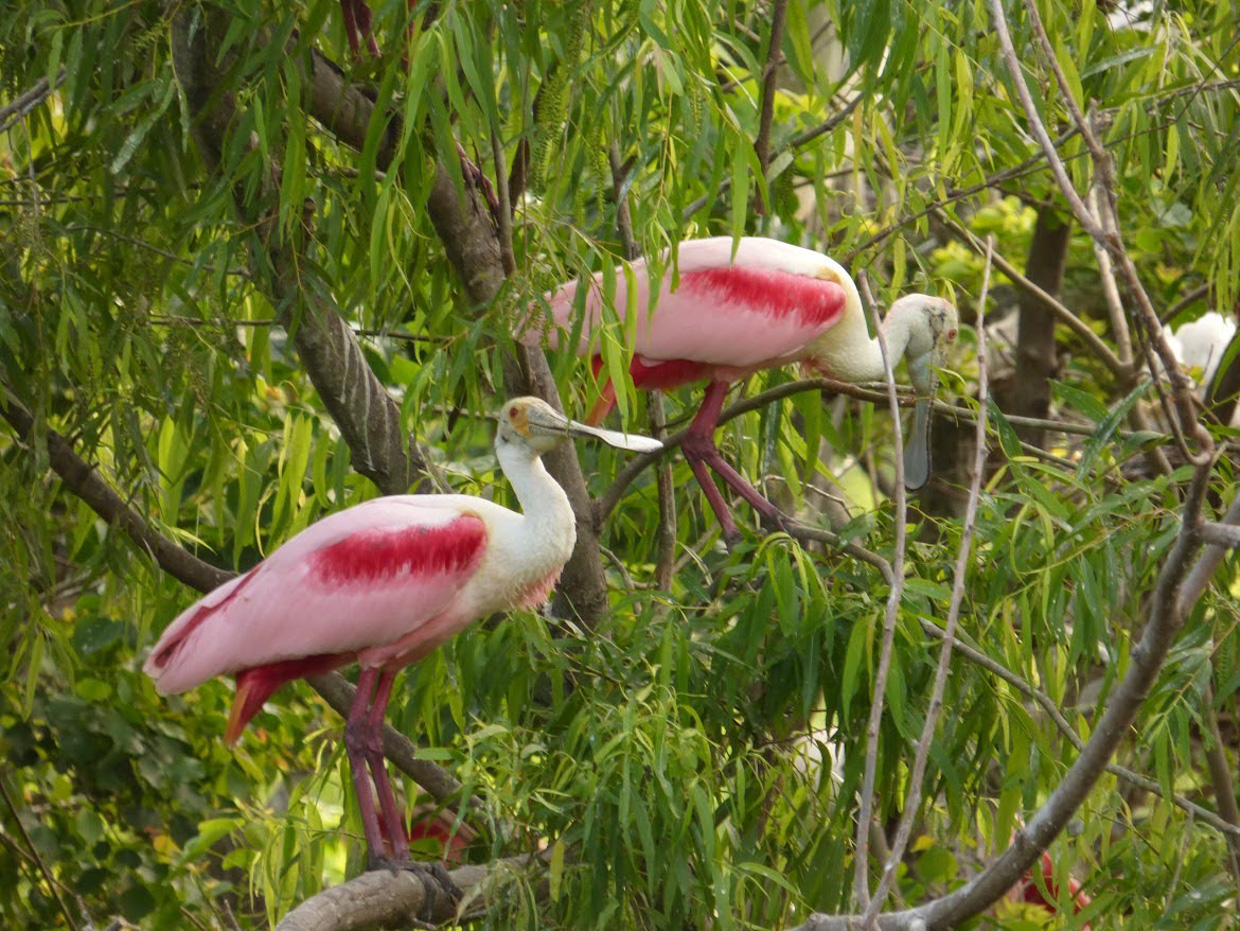
At the Smith Oaks Sanctuary, the survey recorded a high-density waterbird rookery. Species including Roseate Spoonbills, Tricolored Herons, and Neotropic Cormorants were documented in peak breeding plumage. The data collected at this site showed active nesting and chick-rearing, confirming the sanctuary’s status as a premier breeding ground for colonial waterbirds. Concurrently, at the Jocelyn Nungaray National Wildlife Refuge, the team tallied 16 species of shorebirds, dominated by a flock of over 800 Long-billed Dowitchers.
Day 5 and 6: Deep Thicket and Coastal Migration
The fifth day involved a survey of the Big Thicket National Preserve, an area of dense pines and bottomland hardwood forests. Here, the team focused on furtive forest dwellers, recording the Kentucky Warbler and the elusive Swainson’s Warbler. The latter is a high-priority species for birders due to its secretive nature and specific habitat requirements in canebrakes and dense understories.
Day 6 was dedicated to the Bolivar Flats Shorebird Sanctuary and the Sabine Woods Sanctuary. Despite strong coastal winds, the team identified several Piping Plovers and Snowy Plovers—both species of high conservation concern due to habitat loss on sandy beaches. The survey at Sabine Woods was particularly productive for neotropical migrants, recording 14 warbler species in a single day, including the Cerulean Warbler.
Day 7: Wetland Specialized Species and Final Assessment
The final day focused on the Shoveler Pond at the Jocelyn Nungaray National Wildlife Refuge. In damp conditions, the team documented the King Rail, a large, secretive marsh bird that is increasingly rare due to the degradation of freshwater and brackish wetlands. The survey concluded in the W.G. Jones State Forest north of Houston, where the team observed Brown-headed Nuthatches and Eastern Bluebirds, completing the 229-species tally.
Supporting Data and Taxonomical Breakdown
The 2026 survey provided a robust dataset for analyzing the current state of migration. The "speciose" nature of the trip is reflected in the following breakdown:
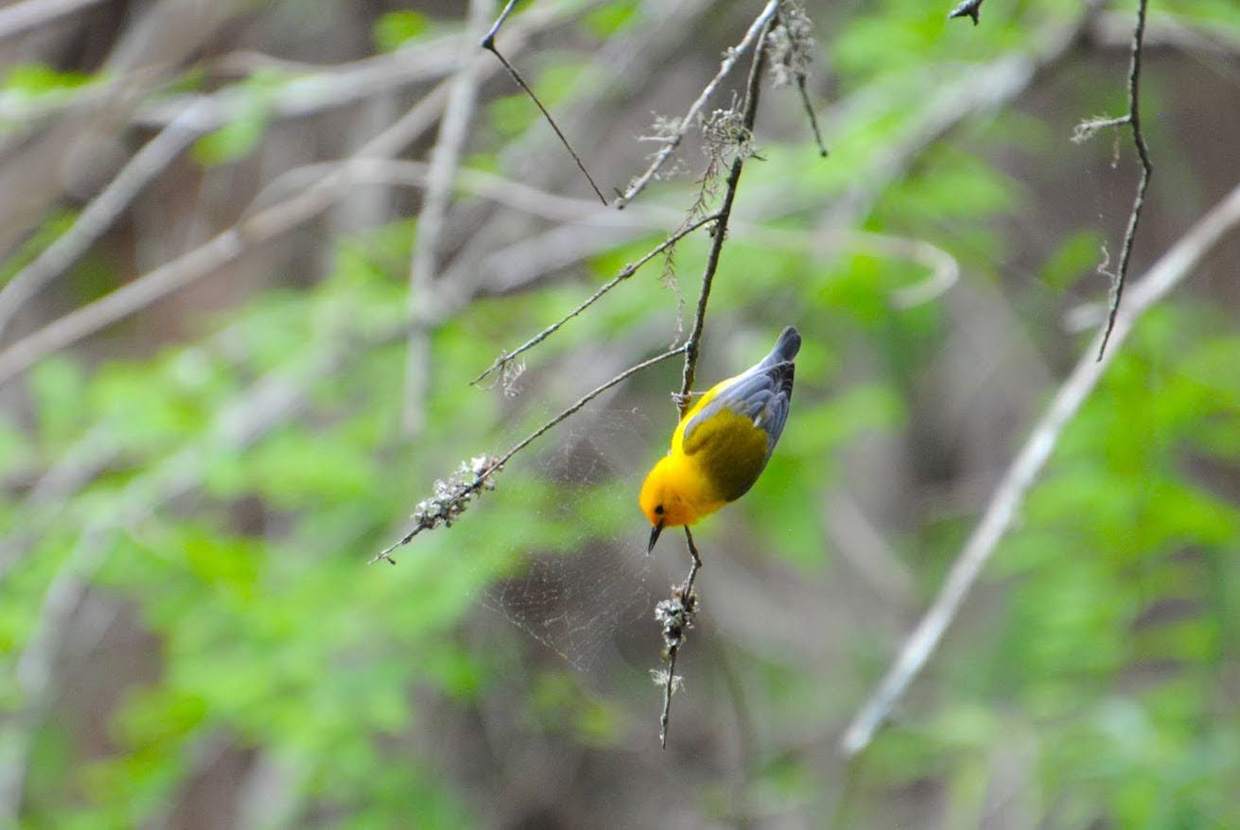
- Warblers: 27 species (Top species: Hooded Warbler, Tennessee Warbler, Prothonotary Warbler)
- Shorebirds: 25 species (Top species: Long-billed Dowitcher, American Avocet, Piping Plover)
- Raptors: 16 species (Including the locally uncommon White-tailed Hawk)
- Waders: 15 species (Including Roseate Spoonbill and Least Bittern)
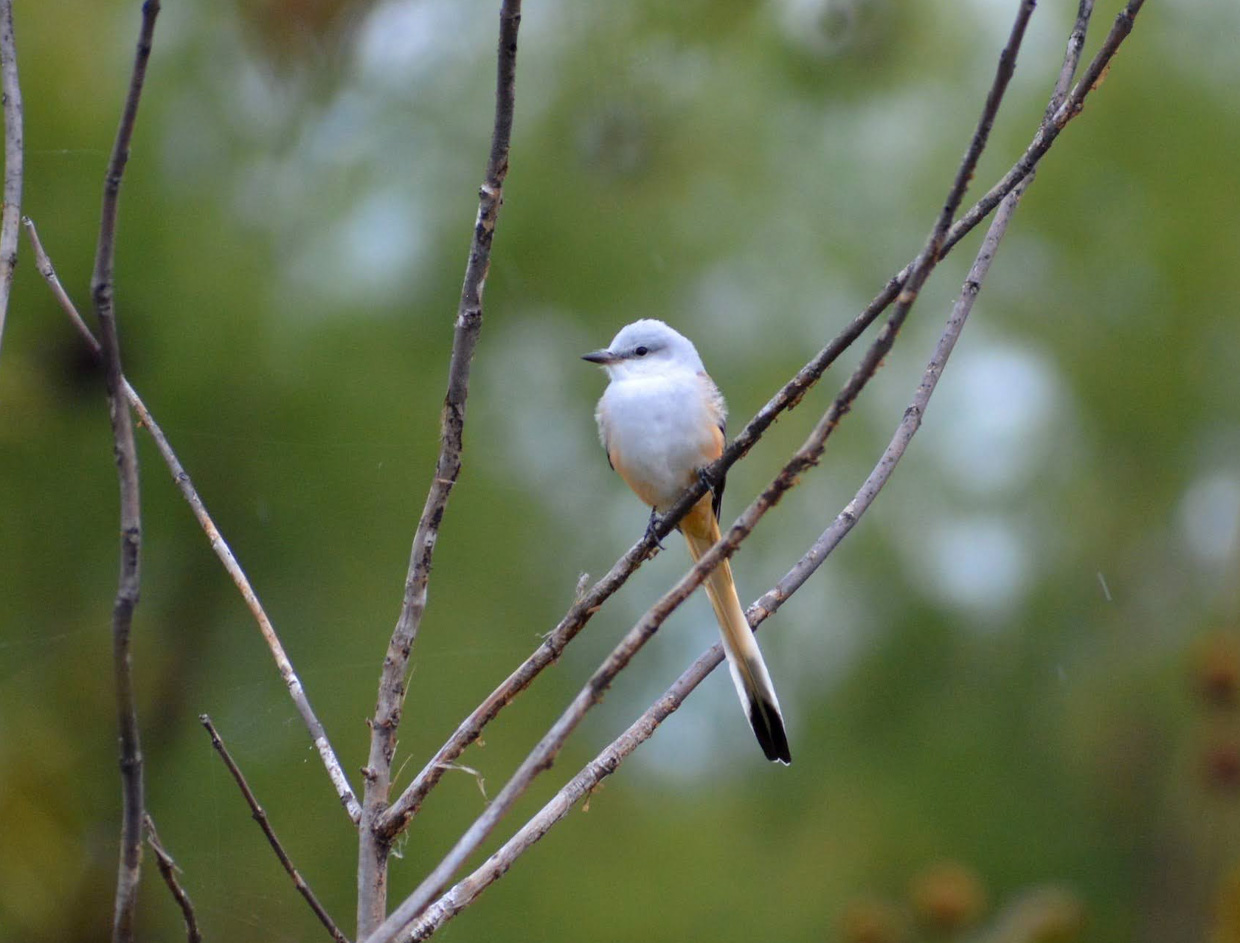
- Flycatchers: 13 species (Including Vermilion Flycatcher and Scissor-tailed Flycatcher)
Beyond avian life, the survey documented 9 mammal species, 9 reptile species, and 5 amphibian species, offering a holistic view of the ecosystem’s health.
Analysis of Conservation Implications
The observation of the Cerulean Warbler (Setophaga cerulea) during the survey highlights a broader environmental concern. According to the North American Breeding Bird Survey, the Cerulean Warbler has faced a staggering 68% population decline since the 1960s. Its presence during the 2026 Texas migration emphasizes the importance of maintaining "stopover habitats"—the coastal woodlots where these birds rest and refuel before continuing their journey to the northern hardwood forests.
Furthermore, the documentation of millions of Mexican Free-tailed Bats at the Frio Bat Cave serves as a reminder of the economic value of biodiversity. These bats are estimated to save the U.S. agricultural industry billions of dollars annually by consuming massive quantities of crop-destroying moths. The presence of raptors hunting these bats during the survey illustrates the complex food webs that depend on these large mammalian colonies.
Inferred Reactions and Environmental Context
Participants and leaders of the 2026 survey noted the "unseasonably chilly" weather during the mid-portion of the trip. Such weather patterns can lead to "fallouts"—events where migrating birds are forced to land in large numbers due to adverse winds or temperatures. While a boon for birdwatchers, these events can be physically taxing for the birds. The observation of a male Blue Grosbeak feeding on grass seeds directly at the feet of observers at Boy Scout Woods suggests a high level of fatigue and a desperate need for caloric intake among the migrants.
Naturalists involved in the survey emphasized the "team player" aspect of modern birding, where citizen science and collaborative observation help track the movement of rare species like the King Rail and the Black-capped Vireo. The success of the 2026 tour is seen as a testament to the ongoing conservation efforts in Texas, particularly the work of the Houston Audubon Society and the National Wildlife Refuge system in protecting vulnerable coastal and inland habitats.
Broader Impact and Future Outlook
The 2026 Texas Spring Migration survey serves as a vital benchmark for future ornithological studies. As climate change continues to alter migration timings and habitat availability, consistent data collection across key locations like the Edwards Plateau and the Upper Texas Coast is essential. The high species count recorded this year suggests that, despite global declines in many bird populations, the Texas corridor remains a robust and indispensable link in the life cycles of North American birds.
The economic impact of birding tourism in Texas also cannot be overlooked. Towns like Winnie and High Island see significant seasonal revenue from "nature tourists" who travel from across the globe to witness the spring migration. This economic incentive continues to drive local and state-level support for habitat preservation, ensuring that the "raucous waterbird rookeries" and "secretive warbler retreats" remain intact for future generations of both birds and observers.
