
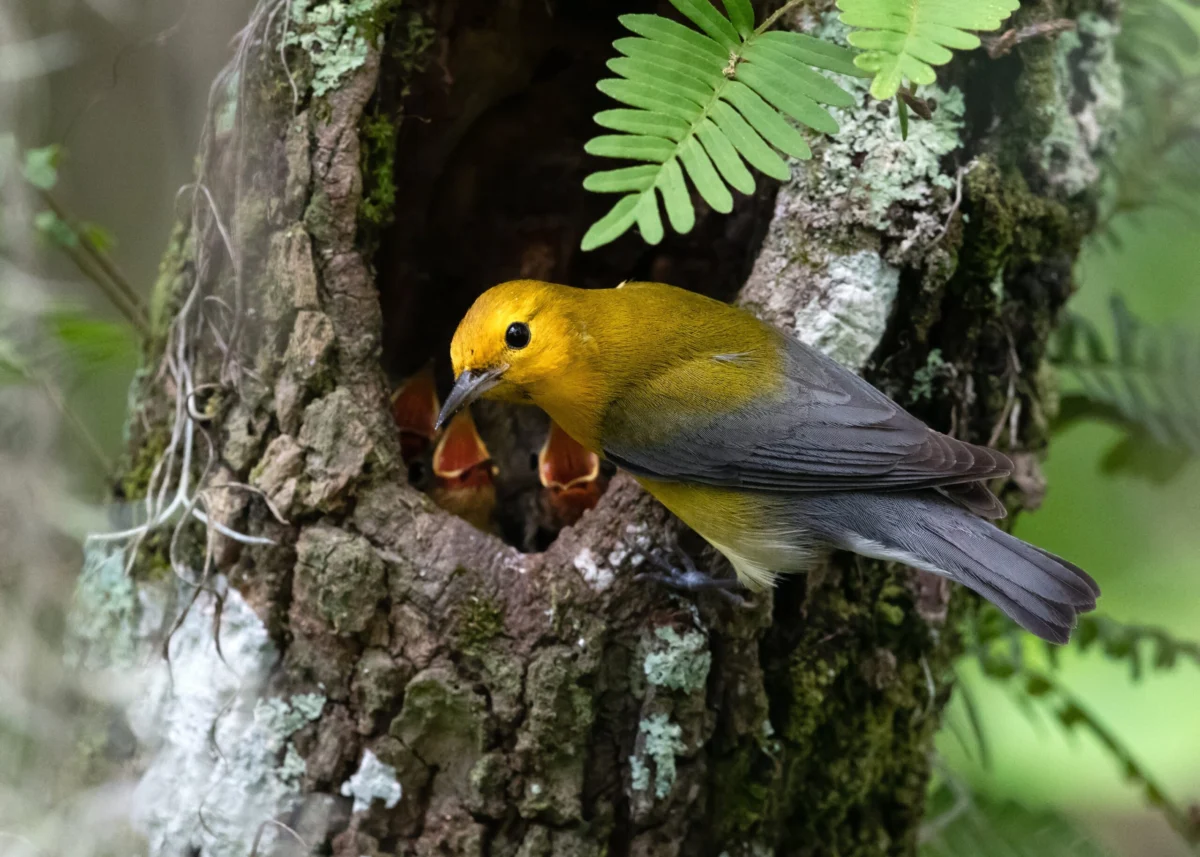
The monumental five-year endeavor to meticulously count North Carolina’s overwintering and breeding birds has officially concluded, marking a pivotal moment as researchers now embark on the extensive process of analyzing the vast dataset. This ambitious citizen science project, the North Carolina Breeding Bird Atlas 2.0 (NCBBA2), represents an unprecedented collaborative effort, synthesizing the dedication of thousands of volunteers with scientific rigor to forge a comprehensive understanding of the state’s avian populations. The insights gleaned from this colossal undertaking are anticipated to reshape conservation strategies, inform habitat management, and guide future ecological research across the Tar Heel State for decades to come.
The Genesis of an Avian Census: Background and Objectives
The concept of a "breeding bird atlas" is a cornerstone of avian conservation science, providing a detailed snapshot of the distribution and abundance of bird species within a defined geographical area during their breeding season. These atlases are critical for identifying changes in species ranges, tracking population declines or expansions, and pinpointing vital habitats. North Carolina’s first comprehensive breeding bird atlas was completed in the early 1990s, providing an essential baseline. However, ecological landscapes are dynamic, constantly shifting under pressures from development, climate change, habitat fragmentation, and altered land use practices. The NCBBA2 was initiated to provide a much-needed, updated inventory, reflecting contemporary realities and equipping conservationists with current, granular data.
Launched in 2021, the project spanned an intensive five-year period, culminating in 2026, during which an army of dedicated volunteers meticulously scoured every geographic corner of North Carolina. From the highest peaks of the Appalachian Mountains, through the diverse ecological zones of the Piedmont’s urban centers and agricultural lands, to the intricate barrier islands and coastal marshes of the Atlantic, no stone was left unturned in the quest to document the state’s avian residents. The primary objective was not merely to list species, but to confirm breeding activity, offering a robust indicator of a species’ sustained presence and reproductive success within specific habitats. This comprehensive approach differentiates an atlas from simpler bird counts, providing a deeper ecological understanding of species viability and habitat reliance. The atlas aimed to precisely map where each species was breeding, which would then inform targeted conservation actions.
Unprecedented Engagement: The Power of Community Science in Action
The sheer scale of volunteer participation in the NCBBA2 stands as a testament to the power of community science and the profound passion North Carolinians hold for their natural heritage. Over the course of the project, an astounding 3,525 individuals, affectionately known as "Atlasers," collectively devoted an incredible 234,495 hours to fieldwork. To put this into perspective, this volunteer effort is equivalent to nearly 10,000 full eight-hour days of continuous bird surveying, or approximately 112 person-years of dedicated observation. This level of sustained, widespread engagement is remarkable for any scientific endeavor and underscores the project’s broad appeal, the commitment of its participants, and the effective coordination by the North Carolina Wildlife Resources Commission and its partners.
Volunteers, ranging from seasoned ornithologists with decades of experience to enthusiastic amateur birdwatchers new to the hobby, embraced the challenge with fervor. They traversed diverse terrains, navigating remote river systems, hiking through dense forests, meticulously observing in bustling urban parks, and patiently scanning the expansive horizons of sandy beaches and coastal estuaries. Their crucial task was to identify and record specific breeding behaviors that, with varying degrees of certainty, confirm a bird is breeding in the state. These behaviors included the tell-tale signs of courtship rituals (like elaborate displays or duet singing), the industrious gathering of nesting materials (twigs, mud, feathers), the diligent defense of territories (chasing off rivals), the meticulous construction of nests, the patient incubation of eggs, and the tireless feeding of hungry chicks. Each confirmed observation contributed a vital piece to the vast ecological puzzle, building a mosaic of avian life across the state.
The data collected is staggering in its volume and detail. Atlasers submitted an impressive 332,343 checklists, which collectively contained an astonishing 4,774,640 individual breeding observations. From these myriad observations, volunteers were able to confirm 73,839 distinct breeding pairs of birds. This meticulous data collection, systematically gathered across hundreds of standardized survey areas (known as "blocks"), has culminated in what officials describe as one of the most comprehensive and detailed snapshots of North Carolina’s bird populations ever created. It represents a biological inventory unparalleled in its scope for the state, providing an invaluable, contemporary baseline against which future changes can be measured, and against which conservation efforts can be designed and evaluated.
The Rigorous Journey from Raw Data to Actionable Insights
With the fieldwork now complete, the focus shifts to the critical phase of data analysis. This is where the raw observations are transformed into meaningful scientific conclusions that can directly influence conservation policy and practice. Scott Anderson, Science Support Coordinator for the North Carolina Wildlife Resources Commission, articulated the profound gratitude felt towards the volunteers. "We are extremely grateful for every single birder who traveled across the state, including extremely rural areas, to count birds," Anderson stated. "We engaged communities, landowners, citizen scientists, and partners around a large-scale conservation effort in a way we never have before." This sentiment highlights not only the scientific achievement but also the unprecedented social mobilization around a shared environmental goal, fostering a broader sense of stewardship.
The initial steps in data analysis involve a meticulous quality control process. Researchers will systematically review the submitted observations, fact-checking for accuracy, cross-referencing with known species ranges and behaviors, and identifying any potential outliers or anomalies that may require further investigation or clarification. This rigorous validation ensures the integrity and reliability of the dataset, which is paramount for drawing sound scientific conclusions. Following this internal vetting, the North Carolina Wildlife Resources Commission will collaborate closely with a network of partners, including academic institutions such as North Carolina State University and the University of North Carolina system, non-governmental organizations like Audubon North Carolina, and other state and federal agencies such as the U.S. Fish and Wildlife Service. This collaborative approach ensures a diversity of expertise is brought to bear on the data, maximizing the potential for profound discoveries and broad application.
Researchers anticipate uncovering a wealth of information from this rich dataset. They will be looking for significant shifts in species distribution since the last atlas, identifying which species may be expanding their ranges (perhaps due to climate change or habitat restoration) and which might be experiencing contractions, potentially indicating population declines or habitat loss. The data will also allow for a more precise understanding of habitat preferences for various breeding birds, revealing critical areas that support high avian diversity or host vulnerable species. Furthermore, by analyzing the confirmed breeding records, scientists can assess the reproductive success of different species across various regions, providing early warnings for populations under stress. The sheer volume of data will also enable more robust modeling of population trends and the impact of environmental factors, including urbanization, agricultural practices, and climate change, on North Carolina’s avifauna. This will provide unprecedented detail into the state of birdlife in North Carolina.
Far-Reaching Implications for Conservation and Policy
The ultimate goal of the NCBBA2 is to translate scientific knowledge into tangible conservation action. The detailed information on where specific species are currently breeding and spending the winter will empower conservationists to direct their efforts to the places and species that need it most urgently. This targeted, evidence-based approach is crucial in an era of limited resources and escalating environmental challenges.
The results of the atlas will serve as a foundational pillar for a wide array of conservation initiatives:
- Informing Conservation Planning: By mapping the precise breeding distributions of hundreds of species, conservation planners can identify critical habitats that warrant immediate protection, strategic restoration, or careful management. This includes identifying key breeding grounds, migratory stopover sites, and ecological corridors essential for avian movement and genetic exchange.
- Strengthening Habitat Management Decisions: Land managers, from state park officials and forest service personnel to private landowners and agricultural producers, will gain invaluable insights into how best to manage their properties to support specific bird populations. This could involve recommending specific forestry practices (e.g., maintaining old-growth stands for cavity nesters), wetland restoration techniques, native plant landscaping to provide food and shelter, or implementing strategies for controlling invasive species that outcompete native flora and fauna. For example, if the atlas reveals significant breeding populations of a particular forest-dwelling warbler in a certain type of timber stand, it can directly inform sustainable logging practices.
- Supporting Funding Proposals: Robust, data-driven evidence is essential for securing grants and other financial support for conservation projects from federal agencies, private foundations, and philanthropic organizations. The comprehensive findings of the atlas will provide compelling justification for funding requests aimed at protecting and enhancing bird habitats across the state, demonstrating a clear need and potential for impact.
- Guiding Future Bird Conservation Work: The atlas will establish a critical baseline for monitoring future changes in bird populations and distributions over time. This allows conservation organizations and agencies to track the effectiveness of their efforts, adapt strategies as environmental conditions evolve, and respond proactively to emerging threats. It will also highlight species of greatest conservation need, focusing limited resources where they can have the most profound and lasting impact.
Beyond these direct applications, the atlas data will be instrumental in understanding the broader ecological health of North Carolina. Birds are often considered indicator species; changes in their populations can signal broader environmental shifts. For instance, declines in insectivorous birds might indicate issues with insect populations, which in turn could affect agricultural productivity or ecosystem services. The data can help identify areas particularly vulnerable to climate change impacts, such as coastal erosion affecting beach-nesting birds or altered weather patterns impacting migratory timing and breeding success. The atlas, therefore, serves as a powerful tool for holistic ecosystem management, extending its utility far beyond just avian conservation.
Immediate Impact and the Future of Community Science
Even before the full analytical results are published, the NCBBA2 has already demonstrated a significant positive impact on community engagement and data collection. According to Scott Anderson, the atlas project spurred an estimated 81 percent increase in North Carolina eBird checklists compared to the preceding five-year period. eBird, a global online database of bird observations managed by the Cornell Lab of Ornithology, is a crucial tool for both citizen scientists and professional researchers. This dramatic increase signifies not only a surge in public engagement with birdwatching but also a continuous influx of valuable, real-time data into a publicly accessible platform.
Already, the observations submitted by Atlasers and other eBird users are being utilized to strengthen range and population maps accessible to anyone with an eBird account. This immediate feedback loop allows participants to see their contributions making a tangible difference, fostering continued involvement and reinforcing the value of community science. It democratizes scientific data, making sophisticated ecological information available to a broader audience, which in turn can inspire more individuals to become advocates for conservation and deepen their connection to the natural world.
The North Carolina Wildlife Resources Commission and its partners are keen to sustain this momentum, encouraging all citizens to remain actively involved in community science initiatives. The spirit of the NCBBA2 extends beyond its official conclusion, inspiring a lasting legacy of engagement and environmental stewardship.
Stay Involved: Pathways for Continued Community Science
For those inspired by the success of the NCBBA2 and eager to continue contributing to avian conservation, numerous opportunities abound, offering accessible ways for individuals of all ages and experience levels to make a difference:
- Continue Submitting eBird Checklists: The simplest and most impactful way to contribute regularly is by continuing to submit bird observations through eBird. Every checklist, whether from a backyard feeder, a local park, or a remote wilderness area, adds valuable data to the global dataset, helping scientists track bird populations year-round, identify migratory patterns, and monitor long-term trends.
- Participate in the Annual Christmas Bird Count (CBC): As the nation’s longest-running community science project, the CBC has been fueling Audubon’s conservation work for over a century. This annual event, occurring from December 14 to January 5 each season, mobilizes thousands of volunteers across the Western Hemisphere to count birds during the early winter. The data collected provides crucial insights into wintering bird populations, species distribution in winter, and long-term population trends, serving as an invaluable dataset for conservationists.
- Join the Great Backyard Bird Count (GBBC): Held annually in February, the GBBC is a free, fun, and accessible event for birdwatchers of all ages and skill levels. Participants simply count birds in their chosen location for at least 15 minutes over a four-day period, creating a real-time snapshot of bird populations. It’s an excellent entry point for new birders and a vital data source for researchers, providing critical information on winter bird movements.
- Engage in Species-Specific Initiatives: Beyond these broad counts, specific projects target particular species or issues. In North Carolina, this includes initiatives like counting Chimney Swifts as they gather in large numbers at communal roosts, whose distinctive aerial displays and communal roosting habits make them fascinating subjects for monitoring and understanding urban bird ecology. The state also has programs for monitoring colonial nesting birds and wading birds.
- Support "Lights Out" Programs: To protect migratory birds, many organizations promote "Lights Out" campaigns during spring and fall migration periods. By turning off unnecessary lights, especially in urban areas and tall buildings, communities can help prevent birds from becoming disoriented by artificial light and colliding with structures, a significant threat to migratory populations.
- Become a Member of a Local Audubon Chapter or Other Conservation Groups: Local chapters and environmental organizations provide a community for bird enthusiasts, offering educational programs, guided field trips, and opportunities to participate directly in local conservation projects, habitat restoration, and advocacy efforts. They are vital hubs for grassroots conservation efforts and a powerful collective voice for environmental protection. Further opportunities can be found through the North Carolina Audubon website.
The successful completion of the North Carolina Breeding Bird Atlas 2.0 is more than just the end of a data collection phase; it is the beginning of a new chapter for avian conservation in the state. It stands as a powerful testament to what can be achieved when scientific expertise converges with community passion. The legacy of this atlas will not only be found in scientific papers and conservation plans but also in the continued vibrant presence of North Carolina’s diverse bird populations, safeguarded for future generations through informed action and enduring public engagement. The dedicated efforts of thousands of volunteers have laid a robust foundation for a future where North Carolina’s birds can thrive, reinforcing the state’s commitment to protecting its invaluable natural heritage.
