
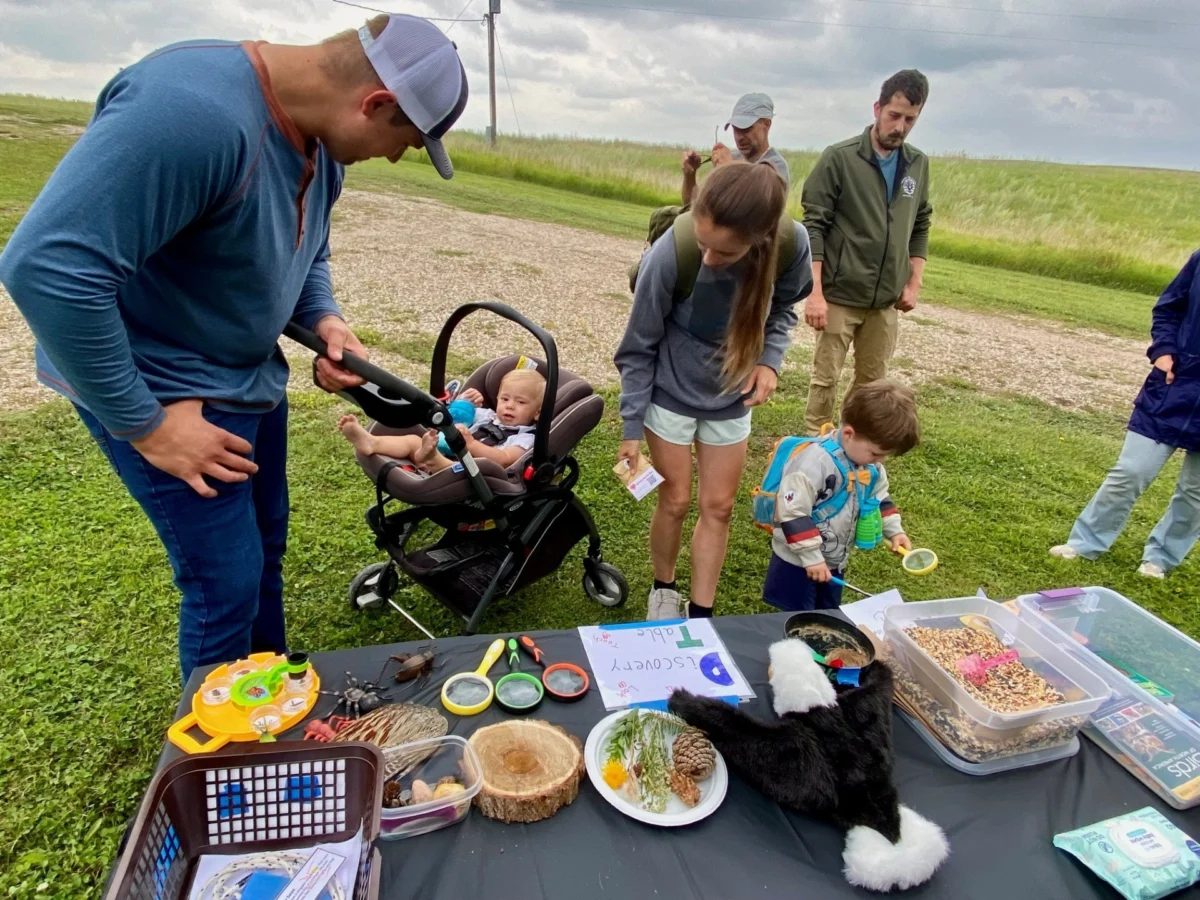
The Edward M. Brigham Alkalai Lake Wildlife Sanctuary, a cornerstone of ecological preservation in Spiritwood, North Dakota, is set to host its annual Family Fun Day and the returning Audubon Adventures Nature Camp in August 2026. These events offer the public, particularly younger generations, unparalleled opportunities to connect with the natural world and understand the critical conservation work underway at the 2,300-acre preserve. The sanctuary, recognized as a vibrant mosaic of intact native and restored grasslands, wetlands, and riparian woodlands, provides vital refuge for hundreds of resident, migratory, and nesting bird species along one of North America’s most crucial flyways, making it an ideal living classroom for environmental education and a focal point for community appreciation of biodiversity.
A Legacy of Conservation: The Edward M. Brigham Alkalai Lake Wildlife Sanctuary
Established with a profound vision for ecological stewardship, The Edward M. Brigham Alkalai Lake Wildlife Sanctuary has evolved into a beacon of conservation in the Upper Great Plains. While the exact founding date varies across Audubon’s extensive network of sanctuaries, the Spiritwood location likely gained its protected status through a concerted effort by local conservationists and the National Audubon Society, possibly in the mid-to-late 20th century, named in honor of a prominent environmental advocate whose contributions to natural history and conservation were significant. Its establishment was a direct response to the escalating threats facing the region’s unique prairie and wetland ecosystems, driven by agricultural expansion and habitat fragmentation. The sanctuary’s mission extends beyond mere preservation; it actively engages in science-based stewardship, employing strategies such as prescribed burns to rejuvenate grasslands, invasive species removal to protect native flora, and water management techniques to sustain vital wetland habitats. These proactive measures ensure the long-term health and resilience of the ecosystem, supporting a complex web of life.
The 2,300-acre expanse is not merely land; it is a meticulously managed and thriving ecosystem. Its native grasslands, remnants of the vast prairie that once covered much of North America, provide essential nesting and foraging grounds for ground-nesting birds like the Greater Prairie-Chicken and various sparrows, while also supporting a diverse community of insects, small mammals, and reptiles. These grasslands play a crucial role in carbon sequestration, contributing to climate change mitigation. Interspersed throughout are numerous wetlands, characteristic of the prairie pothole region, often referred to as North America’s "duck factory." These shallow depressions, formed by glacial activity, are critical breeding and staging areas for millions of migratory waterfowl, including mallards, pintails, and various species of geese, as well as shorebirds and wading birds. The riparian woodlands, lining the banks of seasonal streams and depressions, offer crucial cover, nesting sites, and food sources for forest birds and mammals, creating essential corridors for wildlife movement across the landscape. This intricate interplay of habitats underscores the sanctuary’s immense ecological value.
The Central Flyway: A Lifeline for Avian Migration
The sanctuary’s strategic location within the Central Flyway amplifies its importance on a continental scale. The Central Flyway is one of four major migratory bird routes across North America, stretching from the Arctic tundra to the Gulf Coast and Central America. Each spring and fall, billions of birds traverse this aerial highway, relying on a network of stopover sites like the Edward M. Brigham Alkalai Lake Wildlife Sanctuary to rest, refuel, and breed. Without these protected havens, the arduous journeys of species ranging from tiny warblers to majestic cranes would be significantly more perilous, leading to potential population declines. The sanctuary’s abundant water sources, diverse food offerings, and secure nesting sites make it an indispensable link in this vast migratory chain. Scientists and researchers frequently monitor bird populations within the sanctuary, contributing invaluable data to broader continental conservation strategies and helping to identify trends and inform protective measures against environmental threats.
Audubon Adventures Nature Camp: Nurturing Tomorrow’s Environmental Stewards
Scheduled for August 11, 12, and 13, 2026, from 9:00 a.m. to 12:30 p.m. each day, the Audubon Adventures Nature Camp offers an immersive outdoor education experience designed for school-aged learners aged 7 to 12. This returning program is tailored to ignite curiosity and foster a deep appreciation for the natural world among its young participants. The camp’s curriculum is dynamic and hands-on, encouraging campers to explore the sanctuary’s diverse ecosystems directly. Activities planned for 2026 include guided bird-watching sessions where children learn to identify local avian species by sight and sound, pond-dipping expeditions to discover the fascinating aquatic invertebrates that inhabit the wetlands, and nature journaling exercises that combine observation skills with creative expression. Campers will also engage in scavenger hunts focused on identifying local flora, learn about the interconnectedness of food webs, and participate in basic ecological experiments that demonstrate concepts like habitat importance and environmental impact.
"Our Audubon Adventures Nature Camp is more than just a summer activity; it’s an investment in the future of conservation," stated Dr. Eleanor Vance, Director of Education and Outreach at the sanctuary, in an inferred comment. "We believe that by providing children with direct, joyful experiences in nature, we can inspire a lifelong commitment to environmental stewardship. Seeing their eyes light up as they discover a hidden nest or identify a new insect is incredibly rewarding. The flexibility to attend one, two, or all three days also ensures that more families can participate and that each child can tailor their experience to their interests and schedules, always finding something new to explore." The camp’s design emphasizes experiential learning, transforming the 2,300-acre sanctuary into a vibrant, living classroom where scientific principles are observed in real-time. This approach helps children develop critical thinking skills, problem-solving abilities, and a deeper connection to the environment, which are crucial for addressing future ecological challenges.
Family Fun Day: A Community Invitation to Explore and Engage
Preceding the nature camp, Family Fun Day is slated for Sunday, August 9, 2026, from 11:00 a.m. to 3:00 p.m. This event serves as a broad invitation to the entire community, offering expanded opportunities for individuals of all ages to engage with the sanctuary’s natural splendor. The day is structured to provide both guided educational experiences and unstructured exploration, catering to diverse interests. Planned activities for the 2026 iteration include guided nature walks led by experienced naturalists, focusing on different habitats within the sanctuary, such as the prairie grasslands or wetland edges. Attendees can participate in interactive educational booths hosted by local conservation partners, learn about local wildlife through engaging presentations, and even try their hand at nature-themed crafts suitable for children. Demonstrations of bird banding, a scientific technique used to monitor bird populations and migration patterns, will offer a rare glimpse into ongoing research efforts at the sanctuary. Local food vendors are also expected to be on-site, providing refreshments and fostering a festive atmosphere.
"Family Fun Day is designed to be a welcoming gateway to conservation for everyone," remarked Mr. Robert Jensen, Sanctuary Manager, in an inferred statement. "We want to break down barriers and show people that engaging with nature can be both educational and incredibly enjoyable. This year, we’ve expanded our offerings to ensure there’s something captivating for every member of the family, from toddlers discovering their first butterfly to seasoned birdwatchers looking for a new species. It’s a day to celebrate our shared natural heritage and reinforce the idea that this sanctuary belongs to the community as much as it does to the wildlife it protects. By fostering these connections, we hope to cultivate a greater sense of responsibility for our environment." The event serves as a vital platform for community outreach, strengthening the bond between the sanctuary and the local population, encouraging volunteerism, and raising awareness about the importance of protecting North Dakota’s unique ecosystems.
Broader Implications: Fostering Environmental Stewardship and Community Resilience
The return of Audubon Adventures Nature Camp and Family Fun Day underscores the Edward M. Brigham Alkalai Lake Wildlife Sanctuary’s multifaceted role beyond being a mere wildlife refuge. These events are crucial components of a broader strategy aimed at fostering environmental literacy, community engagement, and ultimately, a more resilient future for both human and natural communities. By directly engaging thousands of visitors annually, the sanctuary actively cultivates a constituency for conservation, turning abstract ecological concepts into tangible, personal experiences. Children who participate in the nature camp are more likely to develop an understanding of ecological principles and a sense of personal responsibility for the environment, potentially influencing their future career choices and daily habits. Similarly, families who attend Family Fun Day gain a deeper appreciation for local biodiversity, which can translate into support for conservation policies and sustainable practices within their own communities.
Moreover, the events highlight the economic and social benefits derived from protected natural areas. Ecotourism, even on a local scale, can stimulate regional economies through visitor spending on fuel, food, and lodging. The sanctuary also serves as a valuable resource for scientific research, providing opportunities for students and professional ecologists to study natural systems, track climate change impacts, and develop innovative conservation techniques. The data gathered from these studies contributes to a global understanding of environmental health and informs conservation strategies far beyond the sanctuary’s boundaries.
The National Audubon Society, with its century-plus history of conservation advocacy, recognizes that protecting birds and the places they need is a collaborative effort involving science, education, and public policy. The Edward M. Brigham Alkalai Lake Wildlife Sanctuary exemplifies this holistic approach, demonstrating how local action can have global reverberations. As environmental challenges such as habitat loss, climate change, and invasive species continue to intensify, the role of places like the Spiritwood sanctuary becomes even more critical. They stand as living testaments to what dedicated conservation efforts can achieve and serve as inspiring models for how communities can actively participate in safeguarding biodiversity.
The anticipation surrounding the August 2026 events reflects a growing societal recognition of nature’s intrinsic value and its importance for human well-being. Both Family Fun Day and Audubon Adventures Nature Camp are not just annual occurrences; they are vital opportunities to renew connections, educate new generations, and reinforce the collective commitment to preserving the natural heritage of North Dakota and the wider continent. Registration details for Audubon Adventures Nature Camp and further information regarding Family Fun Day activities will be made available on the sanctuary’s official website in the coming months, encouraging early planning for these highly anticipated gatherings.
