
By WBU Inc. | Birds
The arrival of hummingbirds each spring marks a significant, albeit often delayed, herald of warmer weather and renewed natural activity. For many enthusiasts, the anticipation of these tiny avian marvels gracing backyard feeders is a cherished annual ritual, promising a guaranteed uplift in spirits and a source of consistent delight. This extended period of waiting is underscored by the arduous journeys these birds undertake, making their eventual appearance a rewarding culmination of nature’s resilience and migratory prowess.
The Grand Migration: A Journey of Thousands of Miles
Hummingbirds, particularly species like the Ruby-throated Hummingbird prevalent in eastern North America, undertake migrations of remarkable scale, often traversing distances exceeding 2,000 miles. These journeys originate from wintering grounds in Central America, a testament to the birds’ incredible stamina and navigational abilities. Their migratory patterns are intrinsically linked to seasonal changes, following blooming flora and insect populations that provide essential sustenance. The timing of their arrival is not arbitrary; it is a finely tuned response to ecological cues, and therefore, patience is a prerequisite for witnessing this spectacle.
The journey itself is fraught with peril. Hummingbirds face challenges such as navigating vast bodies of water, avoiding predators, and enduring unpredictable weather conditions. Their ability to survive and complete these migrations is a marvel of biological adaptation. For instance, the Ruby-throated Hummingbird, weighing less than a nickel, can sustain flight for up to 18 hours continuously over the Gulf of Mexico, relying on stored fat reserves for energy. This feat alone highlights the extraordinary nature of their annual pilgrimage.
Western Wonders: Resident and Migratory Species
While eastern hummingbirds embark on long-distance migrations, the western United States hosts a more diverse array of species, some of which are year-round residents. Species such as Anna’s Hummingbird, Costa’s Hummingbird, and Allen’s Hummingbird are found in the far west and are already actively engaged in breeding and raising young by early spring. For residents in these regions, the anticipation shifts from waiting for arrival to observing the development of new generations. Witnessing newly fledged hummingbirds take their first tentative flights and explore feeders adds another layer of joy to the hummingbird-watching experience.
Anna’s Hummingbirds, for example, are known to breed year-round in mild coastal climates, making them a consistent presence in many western gardens. Their adaptability to urban and suburban environments, often nesting in hedges and trees near human habitation, increases the likelihood of observation. This resident status means that the "wait" for hummingbirds in these areas is significantly shorter, often transitioning directly into observing active nesting behaviors.
The Art of Observation: Unveiling Hummingbird Behavior
Observing hummingbirds at feeders offers a captivating window into their intricate behaviors. These small birds are characterized by their energetic displays, often involving rapid aerial maneuvers, territorial disputes, and courtship flights. Watching them fan their tails, dart at one another, and meticulously probe flowers or feeders provides endless fascination. Evidence of their foraging can often be seen in the form of yellow pollen dusted on their foreheads, a direct link to their crucial role as pollinators.
Their vocalizations, though subtle, are also a key aspect of their communication. Hummingbirds produce a variety of chittering and squeaking sounds, alongside the unmistakable, pervasive hum of their wings, which beats at an astonishing rate – anywhere from 50 to over 80 times per second, depending on the species and activity. This rapid wingbeat is fundamental to their ability to hover and fly backward, a unique capability among birds.
The Science of Feeding: Beyond Simple Nectar
A common misconception is that hummingbirds "suck" nectar through their bills. In reality, their feeding mechanism is far more specialized. Hummingbirds utilize a deeply grooved, forked tongue that acts like a capillary tube. As they rapidly flick their tongue in and out of their bill, up to 12 times per second, the nectar is drawn into their mouth through capillary action and the grooved structure of the tongue. This remarkable adaptation allows them to efficiently extract the sugary liquid from flowers and feeders.
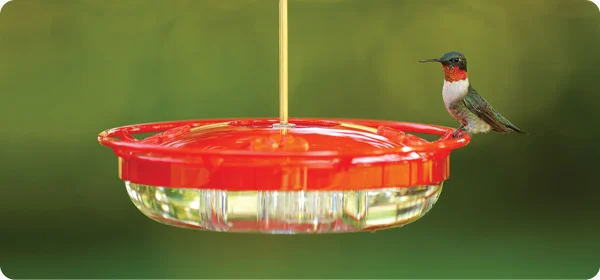
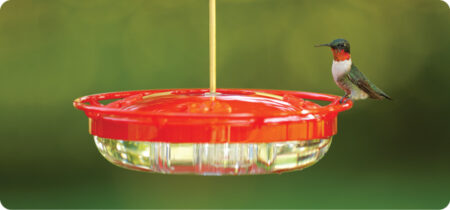
To enhance the viewing experience of this intricate feeding process, specialized feeders have been developed. Feeders with clear plastic bases, such as those offered by Wild Birds Unlimited (WBU), provide an unobstructed view of the hummingbird’s tongue in action. This direct observation allows enthusiasts to witness firsthand the rapid lapping motion that sustains these energetic birds. The design of these feeders also aims to mimic natural nectar sources, often featuring red accents that attract hummingbirds, as well as ports that are easy for them to access.

Sustaining Hummingbird Populations: The Role of Feeders and Native Plants
Attracting hummingbirds to a backyard involves more than just placing a feeder. Providing a consistent supply of appropriate nectar is crucial, particularly during their migratory periods when natural food sources may be scarce. A standard nectar solution is typically made from a mixture of one part refined white granulated sugar to four parts boiling water. It is imperative to use only white granulated sugar, as other sweeteners, such as honey or artificial sweeteners, can be harmful or even fatal to hummingbirds. The mixture should be boiled to dissolve the sugar completely and then cooled before being placed in feeders.
Regular cleaning of feeders is paramount to prevent the growth of mold and bacteria, which can sicken birds. It is recommended to clean feeders every few days, especially in warm weather, using hot water and a mild soap or vinegar solution. Rinsing thoroughly is essential to remove any residual cleaning agents.
Beyond feeders, incorporating native plants that provide natural nectar sources and attract insects, which are also a vital part of a hummingbird’s diet, significantly enhances habitat suitability. Plants such as bee balm (Monarda spp.), cardinal flower (Lobelia cardinalis), columbine (Aquilegia spp.), and salvia species are particularly attractive to hummingbirds due to their tubular, brightly colored flowers, which are well-suited for hummingbird beaks and tongues. These plants also offer perching sites and shelter, further encouraging sustained visits.
Expert Insights and Further Exploration
For those seeking to deepen their understanding and appreciation of hummingbirds, educational resources are readily available. The Wild Birds Unlimited Nature Centered Podcast, for instance, features an episode titled "Hooray for Hummingbirds." This podcast provides entertaining and informative content from experts John and Brian, offering practical advice on attracting and observing these fascinating creatures, thereby maximizing the joy derived from their presence. Such resources serve to educate the public and foster a greater connection with the natural world.
Broader Implications: Conservation and Ecological Balance
The presence of hummingbirds in backyards is not merely a source of aesthetic pleasure; it signifies a healthy local ecosystem. Hummingbirds, as pollinators, play a vital role in the reproduction of numerous plant species. Their migratory patterns also connect ecosystems across vast distances, acting as indicators of environmental health. Declines in hummingbird populations can signal broader ecological issues, such as habitat loss, pesticide use, and climate change.
Conservation efforts aimed at protecting migratory birds and their habitats are therefore of significant importance. Supporting organizations that work to preserve natural landscapes, reduce pesticide use, and promote native planting can have a far-reaching impact on hummingbird populations and the ecosystems they inhabit. The act of providing feeders and suitable habitat in one’s own backyard, while seemingly small, contributes to a larger network of support for these remarkable avian travelers. The continued fascination and dedication of individuals to observe and support hummingbirds underscore their value, not just as beautiful visitors, but as integral components of our planet’s biodiversity.
The Payoff of Patience: A Rewarding Natural Encounter
In conclusion, while the wait for hummingbirds can test the patience of even the most dedicated observer, the reward is invariably worth the anticipation. From the epic journeys undertaken by migratory species to the intricate behaviors of resident populations, hummingbirds offer a consistent source of wonder and connection to the natural world. Their vibrant presence, energetic flight, and specialized feeding mechanisms provide a captivating spectacle that enriches the lives of those fortunate enough to witness them. By understanding their needs and providing appropriate resources, individuals can play a role in ensuring the continued success of these tiny, iridescent jewels for generations to come. The simple act of providing nectar and habitat transforms backyards into vital waystations, supporting not only the birds themselves but also the broader ecological balance they represent.
