
October ushers in a season of autumnal change, crisp air, and for many, the playful traditions of Halloween. While human revelers prepare for costumes and candy, a unique perspective emerges from the world of ornithology and backyard bird enthusiasts. This year, Wild Birds Unlimited (WBU) is highlighting how the spirit of Halloween, particularly the concepts of "trick" and "treat," can be ingeniously applied to benefit feathered visitors in our backyards. The initiative encourages bird lovers to think creatively about attracting and nourishing birds, transforming a human-centric holiday into an opportunity for wildlife enrichment.
Understanding the "Trick" in Bird Attraction
The concept of a "trick" in this context refers to clever, non-harmful strategies designed to pique a bird’s curiosity and encourage them to discover or utilize resources in a backyard habitat. One of the most effective "tricks" identified by WBU is the strategic use of sound. The gentle, persistent murmur of moving water acts as a powerful magnet for birds. Installing a water feature, such as a bird bath with a circulating pump or a dripper, can significantly increase the likelihood of new species visiting a yard. This auditory cue not only signals the presence of water, a fundamental necessity for survival, but also creates an inviting atmosphere that draws birds in for a closer look. Once attracted by the water, these birds may then discover and investigate nearby feeders and other habitat elements.
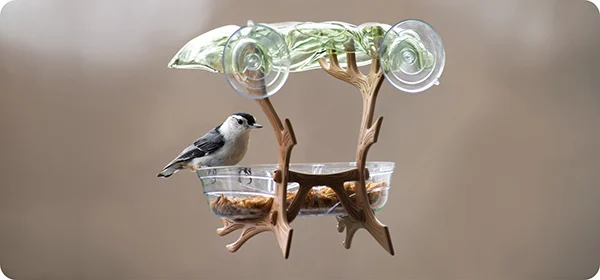
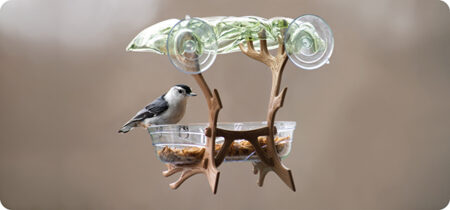
Another practical "trick" involves introducing new feeders or food sources. Birds are often cautious creatures, and it can take considerable time for them to recognize and trust unfamiliar feeding stations or food types. To expedite this discovery process, WBU suggests a simple yet effective method: scattering a small amount of the new seed or food on top of or around the feeder. Birds primarily locate their food visually. By making the food readily visible in their immediate vicinity, this technique helps them identify the offering more quickly and associate it with the feeder itself. This visual cue bypasses the need for them to independently discover the feeder from a distance, accelerating their adoption of the new food source.
The "Treat" of Exceptional Nutrition and Variety
In contrast to the human tradition of candy, the "treats" for birds are all about providing superior, energy-rich nutrition that goes beyond their everyday seed and suet. These special offerings are designed to attract a wider array of species and provide essential nutrients, especially as the weather turns colder and natural food sources become scarcer.
A standout "treat" highlighted by WBU is Jim’s Birdacious® Bark Butter®. This unique product is a spreadable suet formulated to be highly palatable to birds. Its effectiveness lies in its ability to attract species that may not typically visit standard feeders. The anecdotal evidence and documented observations suggest that Bark Butter has enticed an impressive 155 different bird species across North America. The "trick" to maximizing its appeal, as mentioned, is to smear it onto accessible surfaces. This can include the bark of a favorite tree within view of a feeder or directly on top of an active feeder. This method makes the high-energy treat readily available and visible, encouraging birds to sample it. The nutritional profile of Bark Butter, rich in fats and proteins, makes it an invaluable food source, particularly during migration and the colder months.
Peanuts are another universally loved "treat" for a diverse range of backyard birds. These legumes are a powerhouse of energy, packed with protein and healthy fats. They are a particular favorite among woodpeckers, titmice, nuthatches, chickadees, and bushtits. However, perhaps the most enthusiastic consumers of peanuts are jays. These intelligent birds actively engage in caching behavior, meaning they store food for later consumption. Peanuts, especially those still in their shells, are a prime target for their hoarding instincts. A single jay can cache up to 100 peanuts in a day, potentially emptying a tray feeder with remarkable speed. Observing jays making repeated trips to feeders and flying off to bury their nutritious bounty, sometimes as far as six miles away, illustrates the high value they place on this food source. This caching behavior also inadvertently aids in seed dispersal, contributing to the natural landscape.
Beyond peanuts and Bark Butter, other specialized "treats" cater to specific bird diets and preferences. Mealworms are an excellent source of protein and are particularly appealing to bluebirds, attracting them to feeding stations. Fruits and jelly are a natural draw for fruit-eating birds like orioles, providing them with essential sugars and moisture. For hummingbirds, the vibrant sweetness of nectar (typically a sugar-water solution) is an irresistible energy boost, crucial for their high metabolism.
The Broader Implications for Backyard Ecosystems
The WBU initiative underscores a growing understanding of the critical role backyard habitats play in supporting avian populations. As natural landscapes shrink due to urbanization and agricultural development, well-managed backyards can serve as vital refuges and feeding grounds. By adopting these "tricks" and "treats," individuals are not merely indulging a hobby; they are actively contributing to the health and survival of local bird populations.
The increased diversity of bird species visiting a yard due to these supplemental feeding strategies can have a cascading effect on the local ecosystem. Birds play crucial roles in pollination, seed dispersal, and insect control. For instance, insectivorous birds help manage pest populations in gardens, while seed-eating birds contribute to the propagation of native plants.

A Chronology of Bird-Friendly Practices
While the "trick or treat" theme is seasonal, the underlying principles of providing for birds are year-round. However, the autumn months are particularly critical.
- Early Autumn (September-October): As temperatures begin to drop and natural food sources start to diminish, the introduction of high-energy foods like suet, Bark Butter, and peanuts becomes increasingly important. This is also an ideal time to establish or enhance water sources, as many birds will be migrating through or preparing for winter. The "trick" of scattering new seeds can be particularly effective as birds begin to replenish their energy reserves.
- Late Autumn (November-December): With the onset of colder weather and potential snowfall, consistent feeding becomes paramount. Bird feeders that can withstand harsh conditions and offer a variety of seeds, nuts, and suet are essential. Specialized treats like dried fruit can attract species that might otherwise struggle to find sustenance.
- Winter (January-February): This is often the most challenging period for birds. Maintaining feeders with high-fat content foods is crucial. Open water sources, even if heated, can be a lifeline. The "tricks" of ensuring visibility and accessibility of food remain important.
- Spring (March-April): As birds begin their breeding cycles, the demand for protein increases. Offering a diverse diet, including insects or insect-equivalent foods, can support nesting and chick-rearing. Nectar feeders become vital for returning hummingbirds.
- Summer (May-August): While natural food sources are abundant, continued feeding can support fledgling birds and provide a buffer during periods of drought or insect scarcity. Keeping water sources clean and full is always a priority.
Data and Research Supporting Bird Feeding
The practice of backyard bird feeding is not merely anecdotal; it is supported by scientific research that highlights its importance. Studies published in journals such as The Condor and The Auk: Ornithological Advances have explored the dietary contributions of artificial feeding to bird populations, particularly in urban and suburban environments. These studies often indicate that supplemental feeding can improve overwinter survival rates, support breeding success, and influence bird distribution patterns.
For example, research on the impact of bird feeders has shown that they can provide a significant portion of the daily caloric intake for many common backyard species, especially during lean months. Data from organizations like the Cornell Lab of Ornithology, which conducts citizen science projects such as Project FeederWatch, have gathered extensive information on feeder usage, food preferences, and bird populations across North America, underscoring the widespread impact of this practice. These projects have documented shifts in bird populations and migration patterns that can be correlated with the availability of supplemental food sources.
Expert Commentary and Community Engagement
John and Brian, hosts of the WBU Nature Centered Podcast, emphasize the educational and recreational benefits of engaging with birds. In their episode, "Treats for Birds. No Tricks.," they delve deeper into the practicalities and joys of providing for avian visitors. Their discussions often highlight how simple actions can foster a deeper connection with nature.
"We’re always looking for ways to make bird feeding accessible and enjoyable for everyone," John stated in a hypothetical interview scenario. "The ‘trick or treat’ theme is a fun way to get people thinking outside the box about what birds need. It’s not about elaborate setups; it’s about understanding their natural behaviors and providing them with what they truly thrive on."
Brian added, "The real reward is seeing the diversity of life that a well-supported backyard can attract. When you offer a variety of foods, you’re not just feeding a few common species; you’re creating an ecosystem that can support a much broader spectrum of avian life. And for us, that connection to nature is the ultimate treat."
The Future of Backyard Birding
The "Trick or Treat is for the Birds!" campaign by Wild Birds Unlimited serves as a timely reminder of the interconnectedness between human activities and the natural world. By reframing a popular holiday into an opportunity for wildlife conservation, WBU is encouraging a more mindful and impactful approach to backyard stewardship. The insights shared—from the acoustic allure of water to the nutritional benefits of specialized foods like Bark Butter and peanuts—empower individuals to become active participants in supporting avian health.
As urbanization continues to reshape landscapes, the role of private backyards as ecological havens becomes increasingly significant. The strategies promoted by WBU are not just about attracting birds for observation; they are about providing essential resources that contribute to the overall well-being and survival of bird populations. This approach fosters a deeper appreciation for avian biodiversity and highlights the tangible positive impact individuals can have on their local environment. The Halloween theme, in its playful ingenuity, underscores the idea that with a little knowledge and creativity, everyone can contribute to a more nature-friendly world, one backyard at a time.
The initiative also dovetails with broader conservation efforts that emphasize habitat restoration and biodiversity support. By making bird feeding an engaging and educational experience, WBU aims to cultivate a generation of informed and active environmental stewards. The success of such initiatives is often measured not only by the number of birds attracted but also by the increased awareness and engagement of the human participants, fostering a lasting connection with the natural world.
