
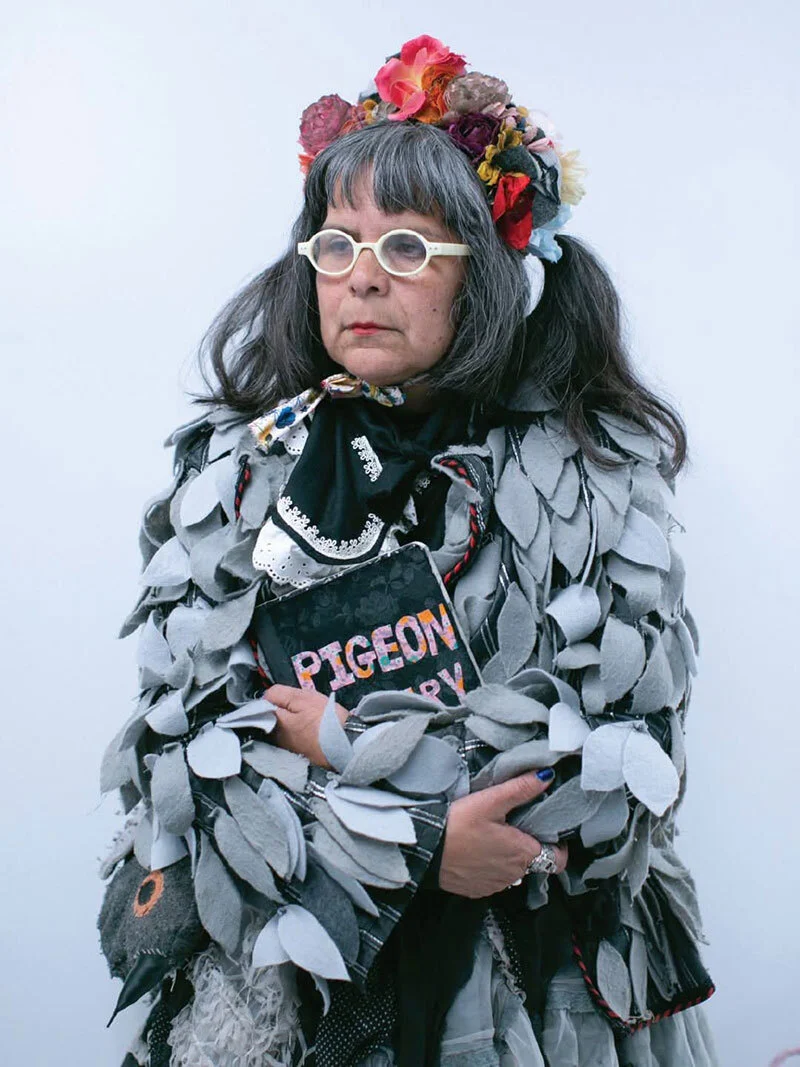
The vibrant and often chaotic tapestry of New York City has long been a breeding ground for unique individuals who channel their passions into compelling forms of artistic expression and social activism. Among these dynamic personalities is Tina Piña Trachtenburg, an artist, street performer, and dedicated animal rights advocate who has adopted the persona of "Mother Pigeon." Trachtenburg is currently at the forefront of a campaign to raise awareness and actively protest the controversial practice of capturing New York City’s pigeons for live pigeon shoots, a grim ritual that sends these birds to Pennsylvania for use as targets in competitive shooting events. Her multifaceted approach, blending performance art, digital media, and direct advocacy, aims to shed light on the plight of these often-maligned urban dwellers and to disrupt the cruel tradition.
The Genesis of Mother Pigeon: An Artistic Response to Animal Cruelty
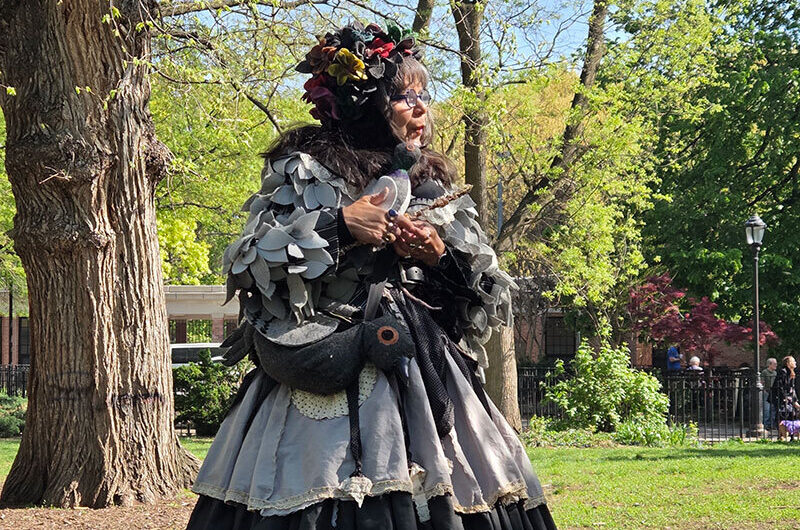
Trachtenburg’s transformation into "Mother Pigeon" is rooted in her profound empathy for the city’s avian inhabitants. For years, she has observed the urban pigeon, a species frequently dismissed as pests, and recognized their resilience and intrinsic value. Her artistic endeavors, therefore, became a vehicle for championing their cause. The persona of Mother Pigeon is not merely a moniker; it represents a deliberate artistic choice to embody the protective and nurturing spirit that Trachtenburg believes these birds deserve. Her work transcends traditional activism by infusing it with creativity and a distinctive New York sensibility.
The immediate impetus for Trachtenburg’s intensified advocacy stems from the practice of live pigeon shoots, where captured birds are released from mechanical traps to be shot at by participants. This method, particularly prevalent in some areas of Pennsylvania, has drawn sharp criticism from animal welfare organizations and ethical shooting associations alike. Trachtenburg has actively sought to expose and halt this practice by offering a tangible incentive for public participation in documenting the captures. She has publicly stated a $300 reward for individuals who can provide photographic and video evidence, with clear identification, of anyone capturing pigeons within Maria Hernandez Park in Brooklyn. This direct appeal to the public underscores her commitment to gathering concrete evidence of the practice and its local impact.
A Multifaceted Campaign: From Puppets to Policy
Trachtenburg’s activism is characterized by its innovative and multi-platform approach, ensuring that her message reaches a broad audience. Her artistic output is a testament to her dedication, weaving together performance, music, and digital storytelling.
A significant component of her campaign is the YouTube channel, "Mother Pigeon’s Impeckable Musical Puppet Show." Over the past year, Trachtenburg has produced a series of ten videos that utilize hand puppets, notably Frankie the Pigeon and Max the Rat, to deliver her message. These engaging and often whimsical productions serve as an accessible entry point for discussing sensitive issues like animal welfare and ethical treatment. The puppet show is not just entertainment; it’s a Trojan horse for education and advocacy, designed to resonate with viewers of all ages.
Beyond the visual and narrative elements, Trachtenburg has also leveraged her musical talents. The puppet show project has culminated in the release of nine original songs, further amplifying her artistic voice. In addition, a bonus reading of her published book is available, offering a deeper dive into her perspectives and motivations. These creative works are accessible to the public through Bandcamp, providing a platform for fans and supporters to engage with her art and contribute to her cause.
Digital Footprint and Public Engagement
In today’s interconnected world, a strong digital presence is crucial for any advocacy movement. Trachtenburg has masterfully utilized social media to build a substantial following and disseminate her message. Her Instagram account, @motherpigeonbrooklyn, boasts over 38,000 followers, making it a primary hub for her advocacy. With more than a thousand posts, the account meticulously documents her work, her interactions with the city’s pigeons, and her ongoing campaign against live pigeon shoots. The visual nature of Instagram allows her to share compelling imagery and personal narratives, fostering a sense of connection with her audience.
Complementing her Instagram presence, Trachtenburg also maintains a Facebook page, further expanding her reach and providing another avenue for engagement. She has also shared a short YouTube video detailing her personal inspirations and motivations, offering viewers a direct and intimate glimpse into the heart of her advocacy. This transparency is vital for building trust and encouraging broader participation in her cause.
The Legal and Ethical Landscape of Live Pigeon Shoots
The practice of live pigeon shoots, while seemingly confined to specific sporting events, has broader legal and ethical implications that Trachtenburg and her allies are actively addressing. The New York City Bar Association’s Animal Law Committee has officially voiced its opposition to practices involving the release of feral and domesticated pigeons from mechanical traps for shooting purposes. This stance carries significant weight, lending institutional credibility to the animal welfare concerns raised by Trachtenburg.
Furthermore, the committee has thrown its support behind H.B. 1097 (2025–2026) legislation in Pennsylvania. This proposed bill aims to prohibit the use of live pigeons as targets in trap and block shooting events within the state. The legislative effort signifies a growing recognition among legal and policy-making bodies that such practices are ethically untenable and warrant prohibition. The timeline of this legislative push, spanning the 2025-2026 session, indicates a sustained effort to bring about legal change.
Background and Chronology of the Issue
The practice of live pigeon shooting, often referred to as "clay pigeon" shooting’s precursor, has a long, albeit controversial, history. Historically, it was a popular sport, with pigeons released from cages for marksmen to shoot. However, as animal welfare concerns gained prominence throughout the 20th century, the practice faced increasing scrutiny and was banned in many jurisdictions. Despite these shifts, live pigeon shoots persisted in certain regions, often operating under the guise of traditional sporting events.
The current wave of advocacy against these shoots, spearheaded by individuals like Trachtenburg, is part of a broader, evolving public consciousness regarding animal cruelty. The ease of documenting and disseminating information through digital platforms has empowered activists to bring such issues to light with unprecedented speed and reach. Trachtenburg’s efforts in Brooklyn, while localized, are symptomatic of a larger national and international movement to end animal exploitation in various forms. Her active presence in Maria Hernandez Park, a well-known public space, ensures that the issue is not hidden away but brought into the public consciousness of a major metropolitan area.
Supporting Data and Broader Implications
While specific, publicly available data on the exact number of pigeons captured and shipped from New York City for these shoots is not readily available, the very existence of Trachtenburg’s reward offer suggests a discernible pattern of activity. The fact that pigeons are being captured in a public park like Maria Hernandez indicates that this is not an isolated incident but a discernible practice within the city.
The implications of Trachtenburg’s work extend beyond the immediate concern for the pigeons themselves. Her artistic approach challenges prevailing negative stereotypes associated with urban wildlife, particularly pigeons. By portraying them as subjects worthy of artistic attention and advocacy, she encourages a re-evaluation of their place in the urban ecosystem. Her efforts highlight the intersection of art, activism, and urban ecology, demonstrating how creative expression can be a powerful tool for social change.
Moreover, Trachtenburg’s campaign underscores the growing importance of citizen-led initiatives in addressing animal welfare issues. While legislative action is crucial, grassroots efforts often lay the groundwork for such policy changes by raising public awareness and creating a demand for reform. Her success in building a significant online following indicates that there is a substantial segment of the public that is receptive to her message and willing to support animal welfare causes.
Reactions and Future Prospects
While specific official reactions from the organizers of live pigeon shoots are not detailed in the provided information, it is reasonable to infer that such advocacy poses a direct challenge to their activities. Animal welfare organizations, however, have largely applauded Trachtenburg’s efforts. The support from the New York City Bar Association’s Animal Law Committee signals a growing consensus that these practices are ethically problematic.
The future of live pigeon shoots in Pennsylvania and elsewhere will likely depend on the continued pressure from activists like Trachtenburg and the progress of legislative efforts such as H.B. 1097. The success of Trachtenburg’s multifaceted campaign, which effectively utilizes artistic expression, digital media, and direct public engagement, serves as a compelling model for animal advocacy in the 21st century. Her work as Mother Pigeon is a testament to the power of individual passion and creative ingenuity in driving meaningful change for the voiceless inhabitants of our urban landscapes. The narrative of Mother Pigeon is a powerful reminder that even the most overlooked creatures can become the focus of significant artistic and social movements, transforming public perception and fostering a more compassionate approach to the natural world within our cities.
