
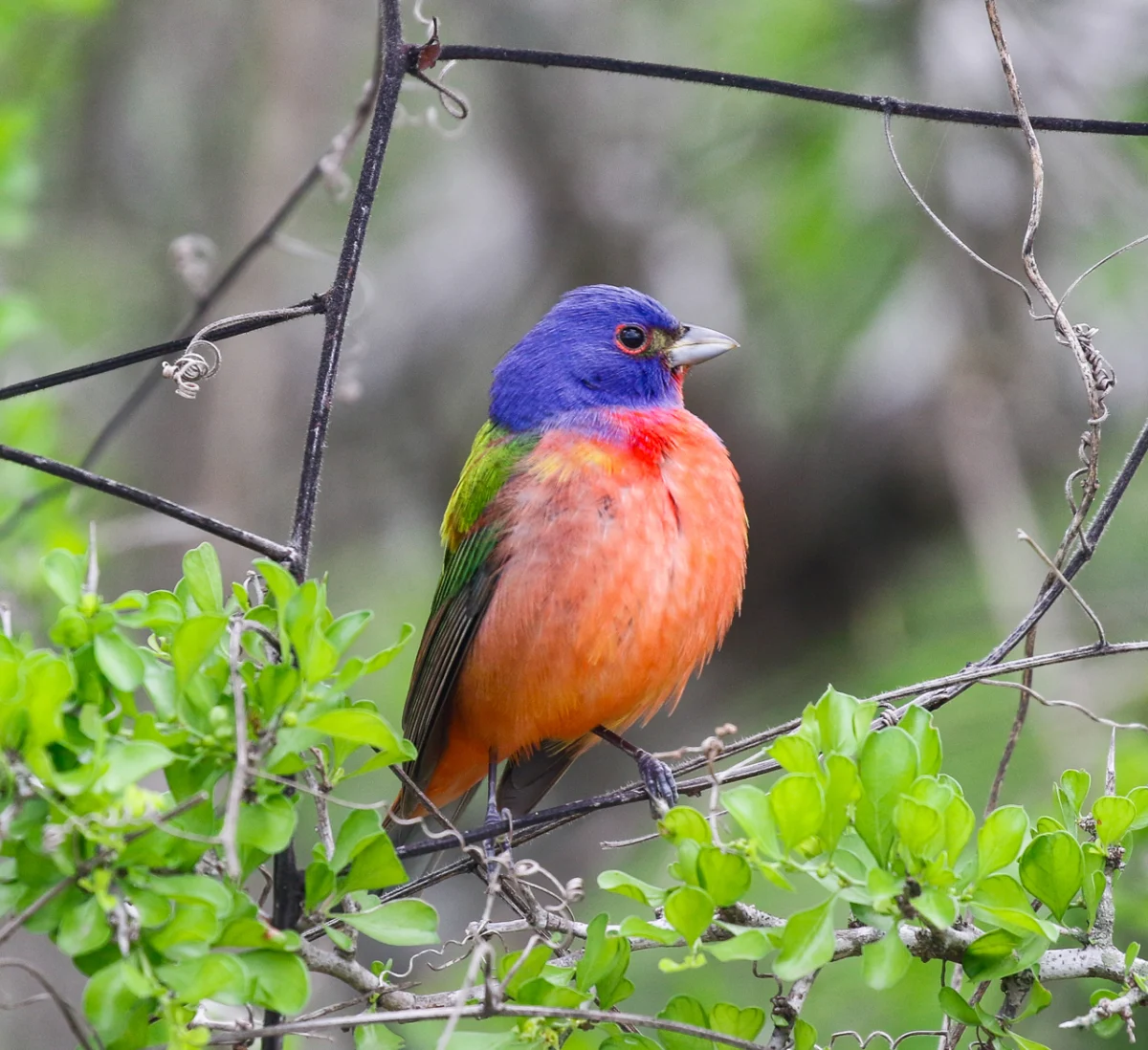
The annual spring migration tour across the state of Texas has concluded with a recorded total of 247 avian species, marking one of the most successful seasons for regional biodiversity observation in recent years. Spanning a diverse geographical transect from the arid fringes of the Chihuahuan Desert to the lush Pineywoods of East Texas, the expedition documented a wide array of migratory and resident birds, including rare sightings of the Ruff and a highly unusual hybrid warbler. Led by expert naturalists, the journey provided a comprehensive overview of the Central Flyway’s importance, highlighting the critical role that Texas habitats play in the life cycles of North American birds.
Regional Geography and Ecological Transects
The expedition followed a strategic route designed to capture the maximum variety of habitats during the peak of the spring migration. The journey commenced in San Antonio, moving northwest into the Edwards Plateau, a region characterized by its karst topography and juniper-clad hills. From the plateau, the group transitioned to the upper Texas coast, focusing on the "migrant traps" of High Island and the extensive salt marshes of the Gulf Coast. The tour concluded in the Pineywoods north of Houston, an area defined by its towering loblolly pines and specialized ecosystems.
This trans-Texas route is ecologically significant because it intersects multiple biomes. The Edwards Plateau serves as a breeding ground for several endemic or near-endemic species, while the coastal oak mottes (clumps of trees in an otherwise open landscape) act as the first available landing sites for exhausted songbirds crossing the Gulf of Mexico. The diversity of the 247 species recorded reflects the health of these varied environments and the timing of the expedition with favorable meteorological conditions.
Chronology of the Expedition: From the Desert Fringe to the Hill Country
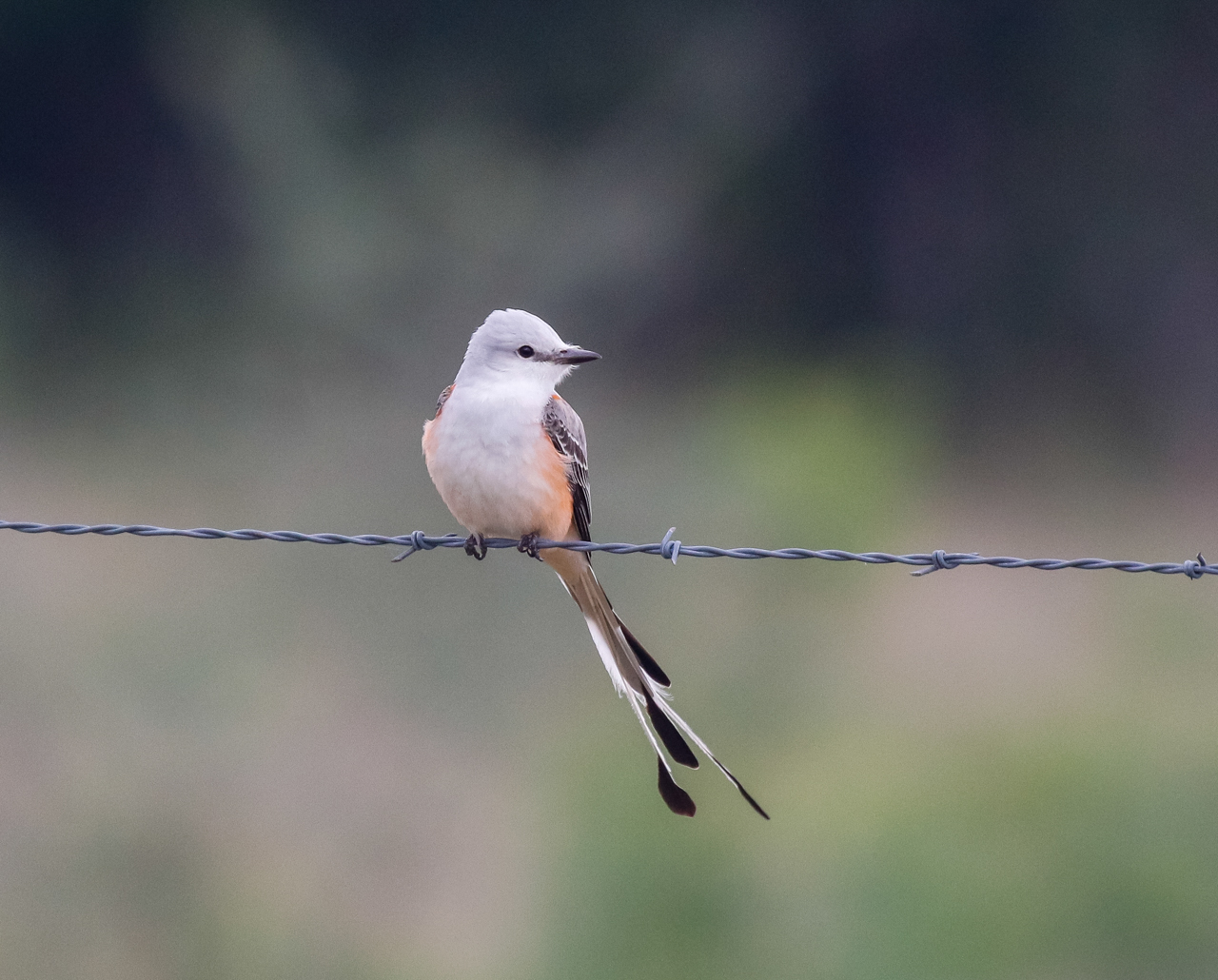
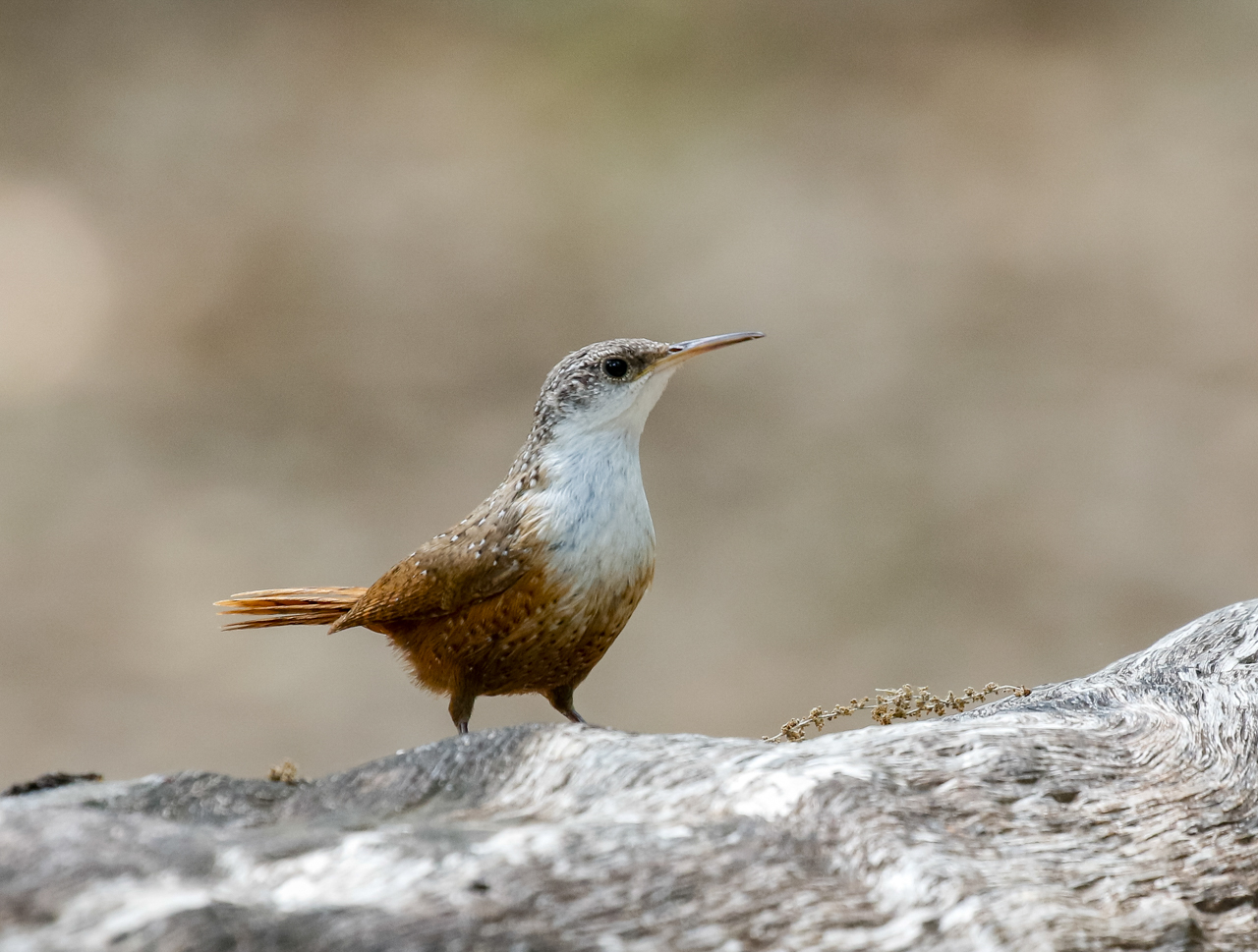
The first leg of the journey began with a drive from San Antonio toward the Hill Country. Even during transit, the group encountered significant avian activity. At initial rest stops, Scissor-tailed Flycatchers—noted for their long, bifurcated tails and elegant aerial maneuvers—were a primary highlight. Other early sightings included the Crested Caracara, Chihuahuan Raven, and Golden-fronted Woodpecker, species typical of the brushlands and semi-arid regions of South and Central Texas.
Upon reaching the riparian zones of the Edwards Plateau, the expedition identified several Rio Grande Valley specialties that reach their northern breeding limits in this area. Notable observations included the Audubon’s Oriole, Great Kiskadee, and Couch’s Kingbird. The surrounding mesquite woodlands yielded desert-adapted species such as the Verdin and the Ladder-backed Woodpecker. The group’s focus on vireo diversity was particularly successful, recording four species on the first day—Bell’s, White-eyed, Red-eyed, and Yellow-throated—out of an eventual nine-vireo total for the trip.
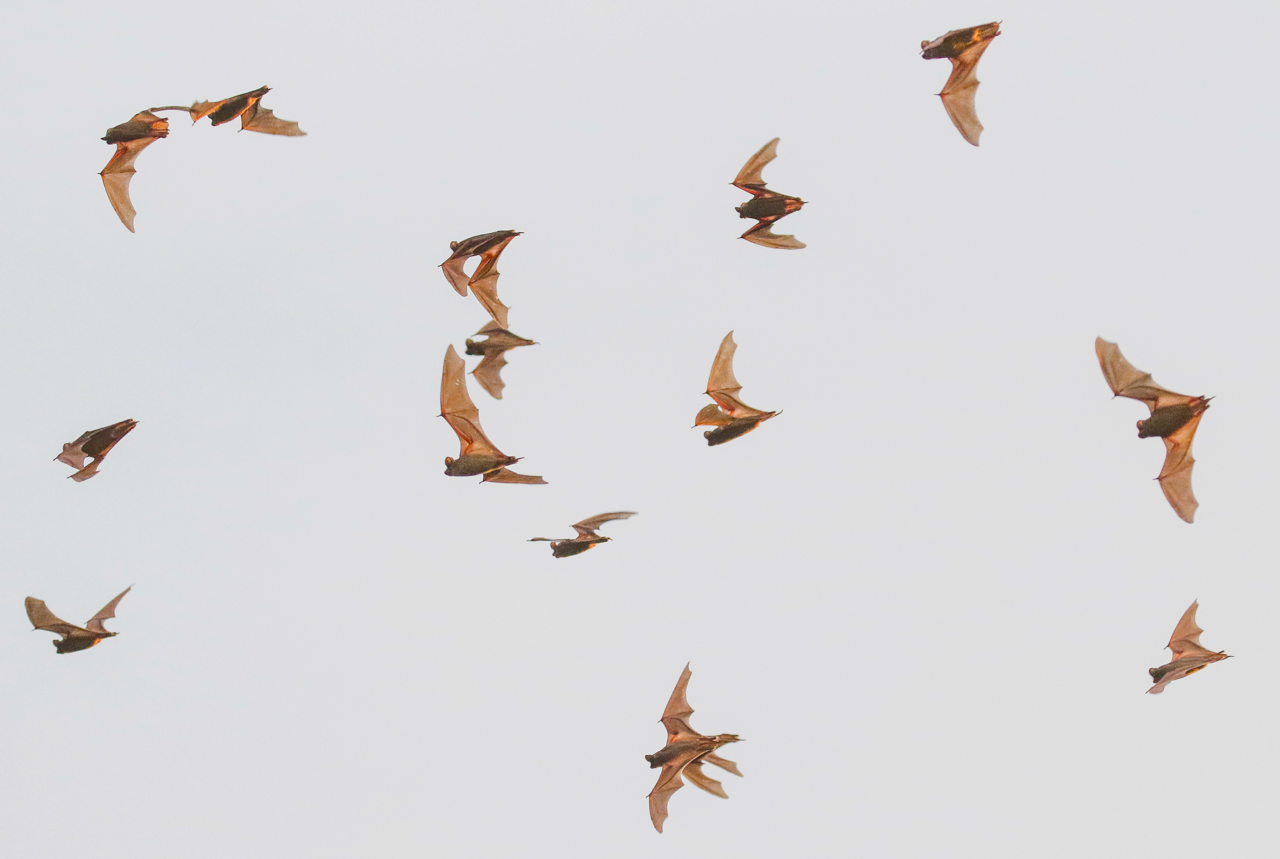
As dusk approached, the group visited a local cave system to witness the emergence of thousands of Mexican Free-tailed Bats. This biological spectacle was complemented by the presence of Cave Swallows and the dramatic appearance of three different hawk species, which utilized the bat emergence as a hunting opportunity. This intersection of mammalian and avian activity underscores the complex predator-prey dynamics within Texas’s unique geological features.
High-Altitude Observations and Rare Hybrids at Lost Maples
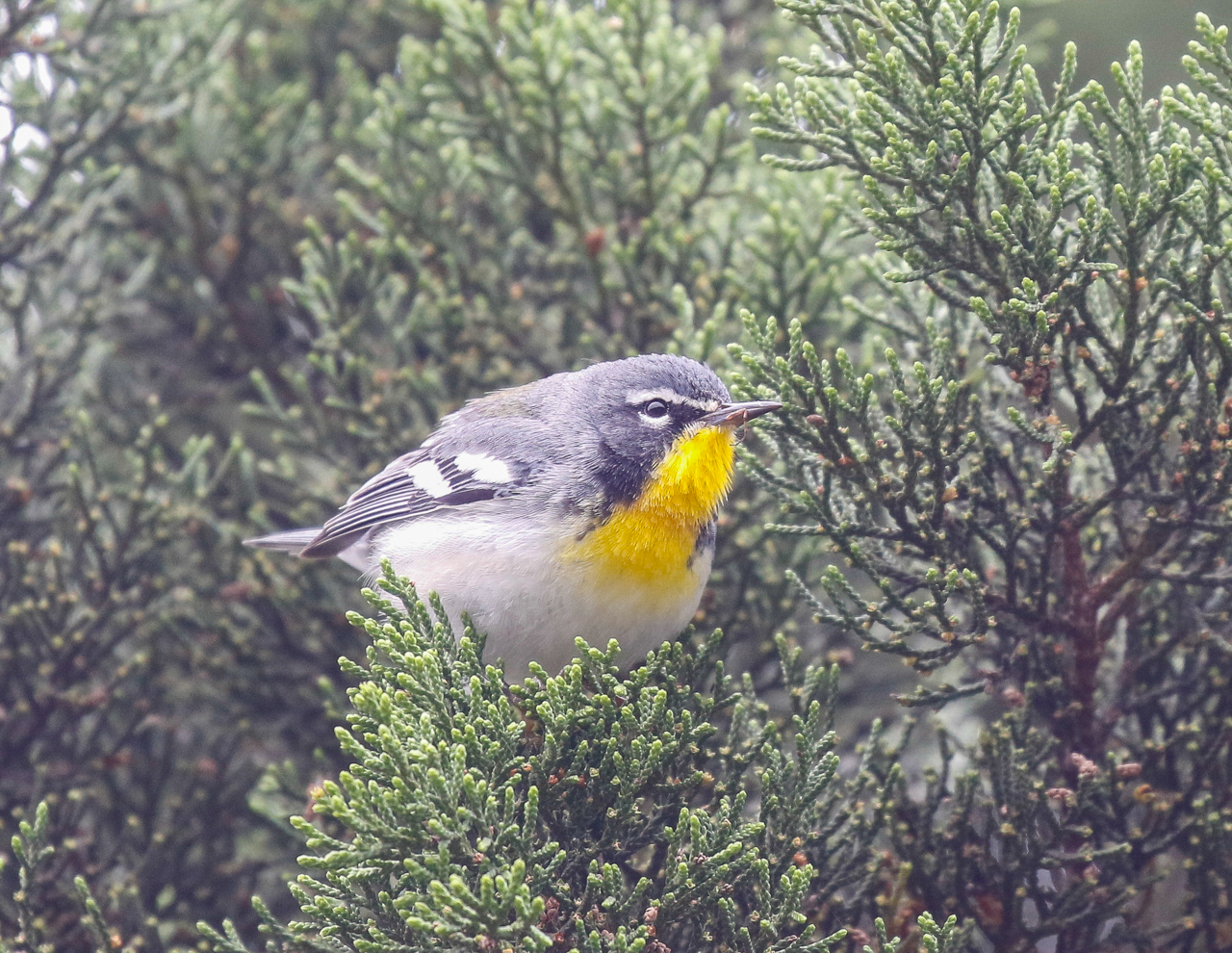
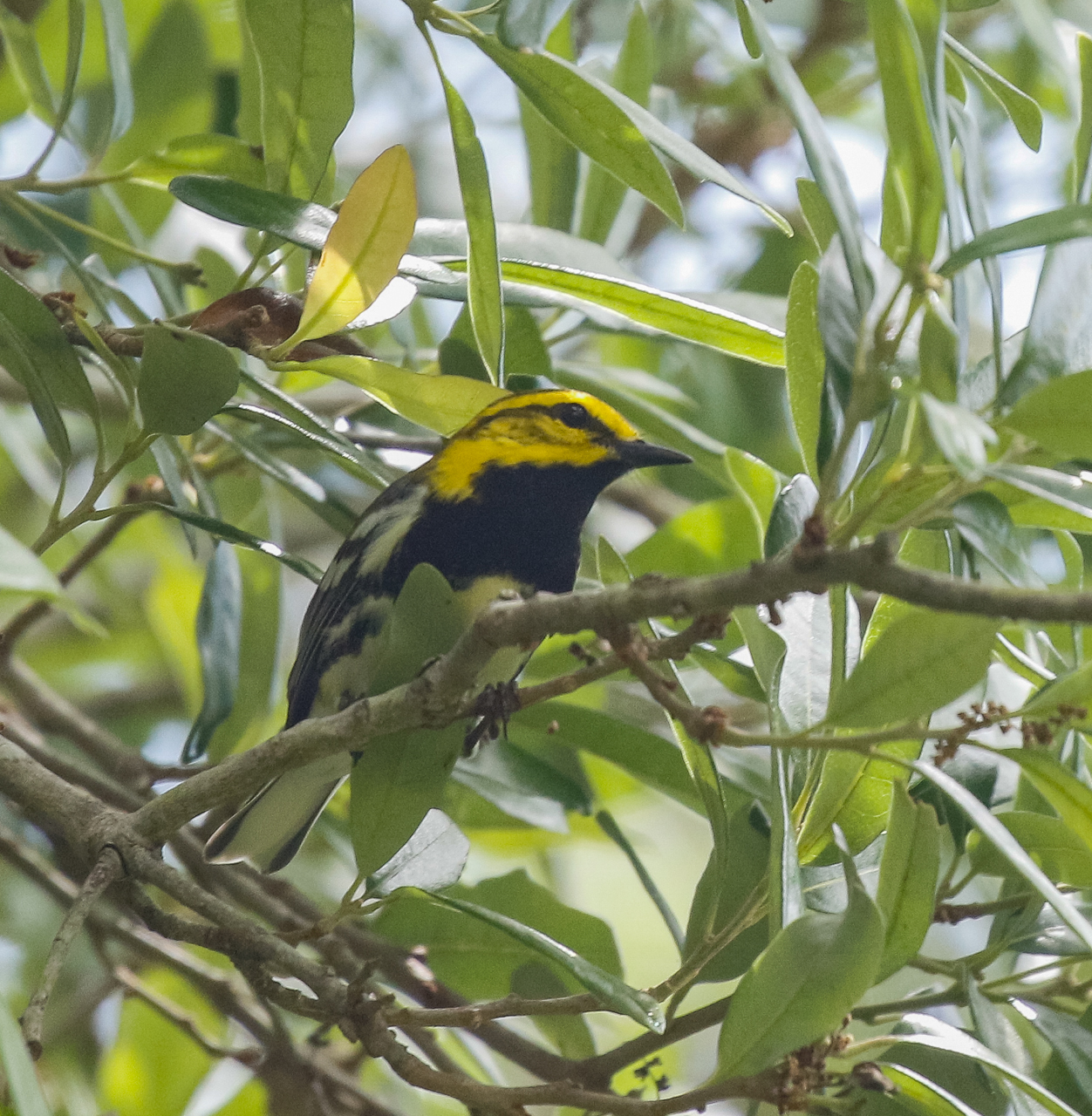
On the second full day of birding, the expedition moved to the Lost Maples State Natural Area. Despite a cold front that temporarily suppressed bird song, the group successfully located its primary target: the Golden-cheeked Warbler. This species is of particular conservation interest as it breeds exclusively in the juniper-oak woodlands of Central Texas. Detailed, prolonged views of several males were recorded, providing valuable data on their presence in the park.
During a picnic lunch at a local feeding station, the group encountered a variety of residents, including Black-crested Titmice, Carolina Chickadees, and several sparrow species. However, the most significant discovery of the day—and arguably the entire tour—was a hybrid Northern Parula x Yellow-throated Warbler. Known colloquially as "Sutton’s Warbler," this hybrid is recorded less than annually on a national scale. The individual was observed singing and perching in a juniper tree, allowing for photographic documentation and a rare opportunity for participants to study a bird seldom seen in the wild.
The Coastal Migration: High Island and the Phenomenon of the ‘Fallout’
As the tour shifted eastward toward the upper Texas coast, the group established a base in Winnie, situated near the legendary birding site of High Island. High Island is globally recognized by ornithologists as a critical "migrant trap." Birds flying north across the Gulf of Mexico from the Yucatán Peninsula often arrive at the Texas coast exhausted; if they encounter a cold front or rain (a "fallout"), they descend in massive numbers into the first available woodland they find.
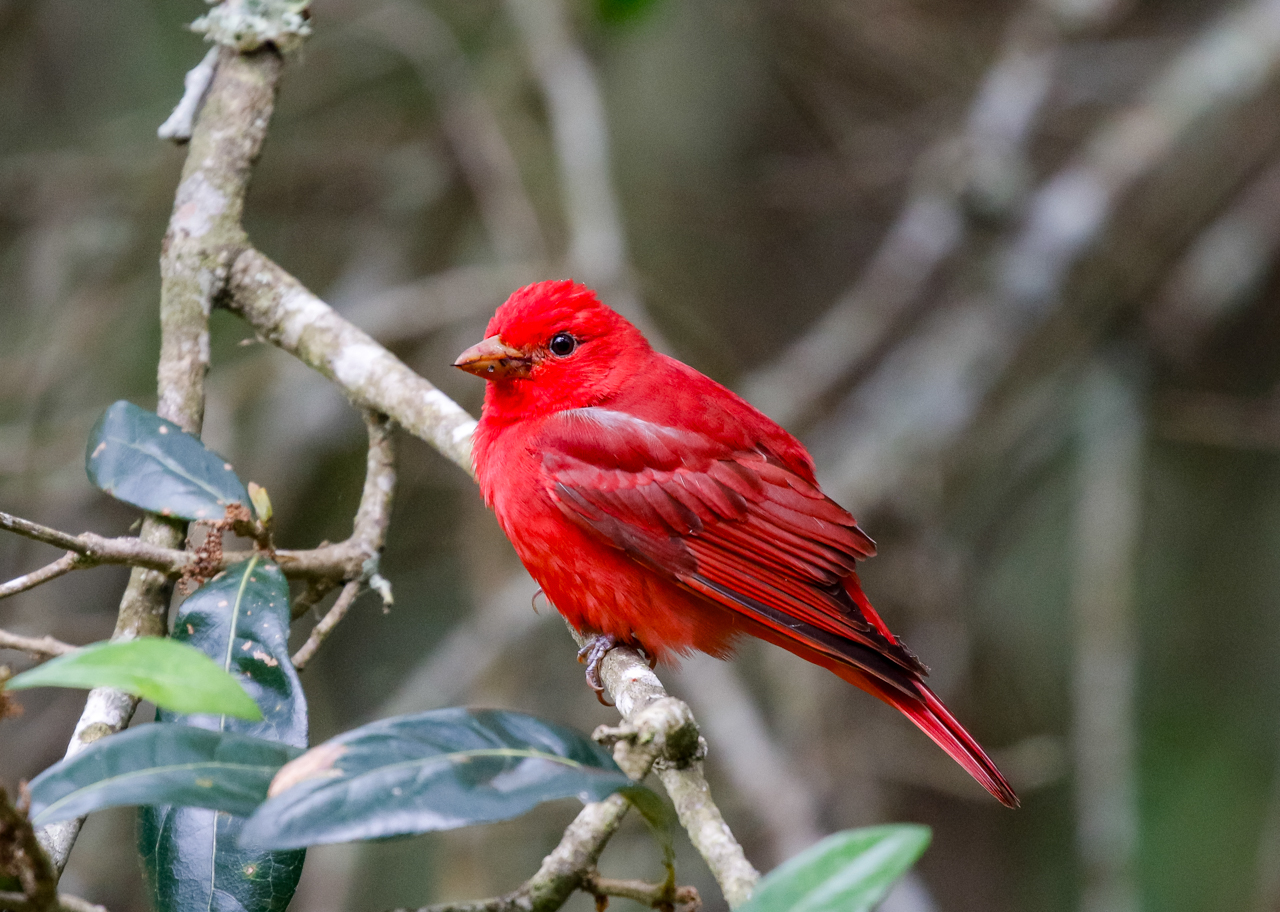
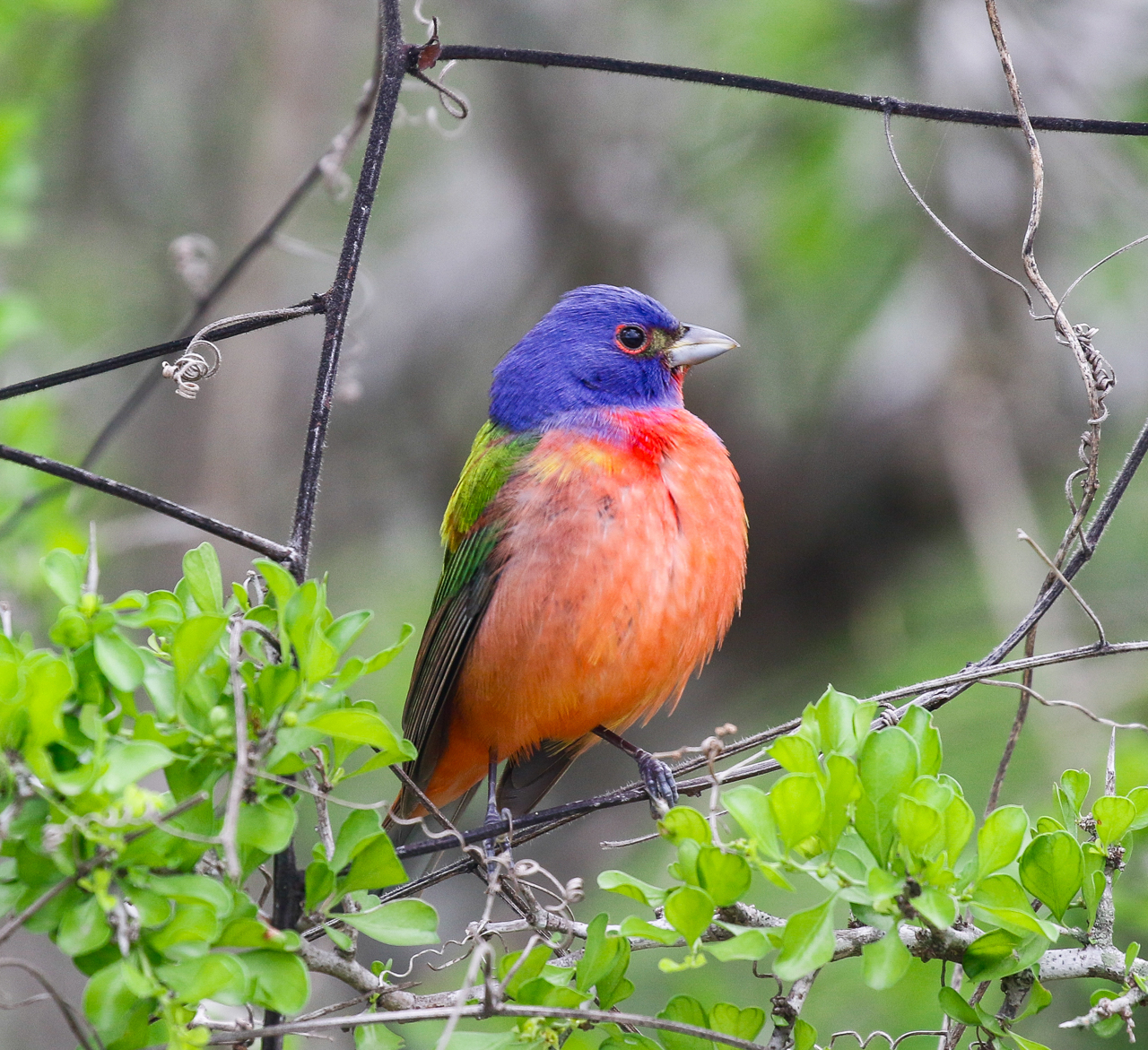
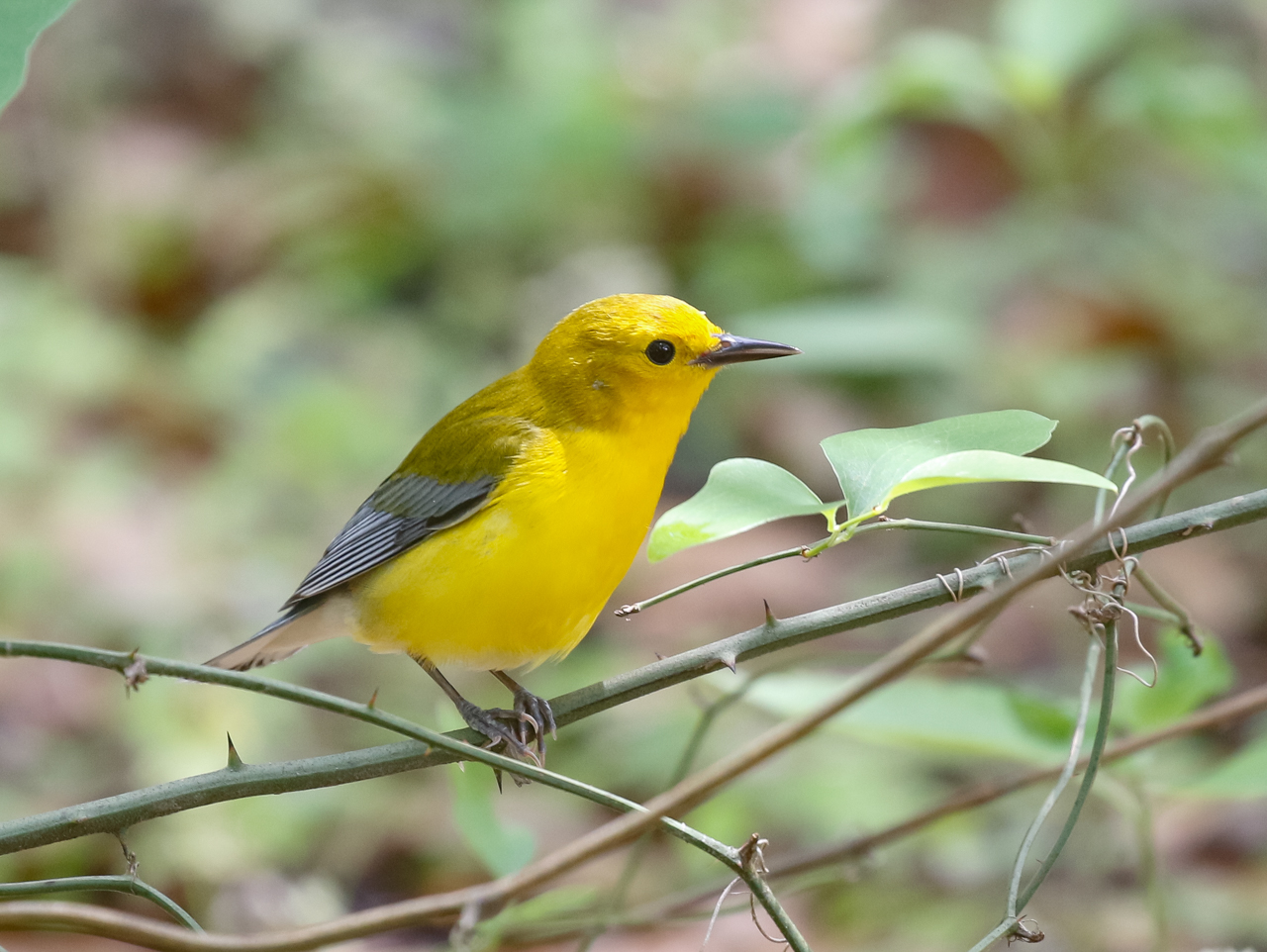
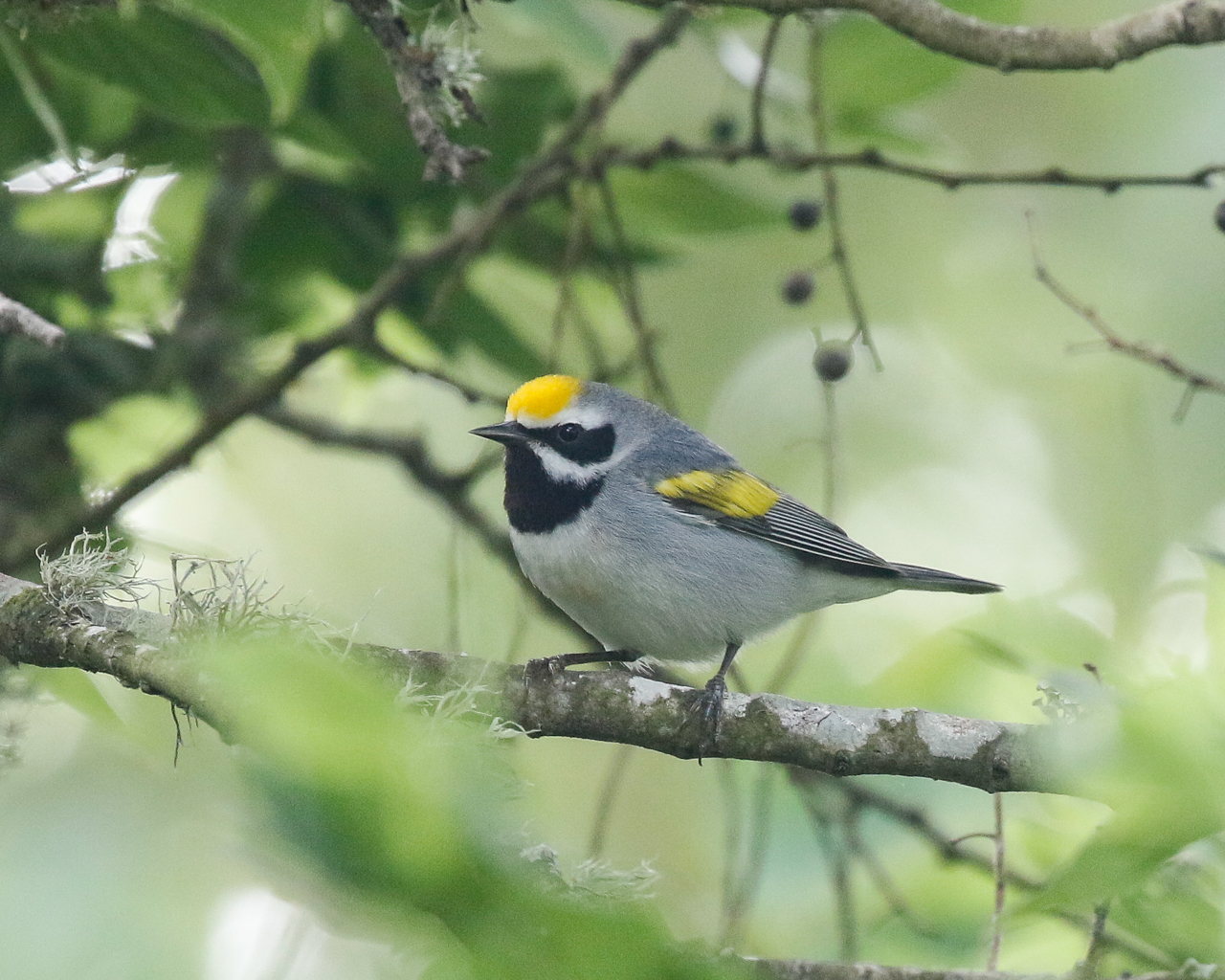
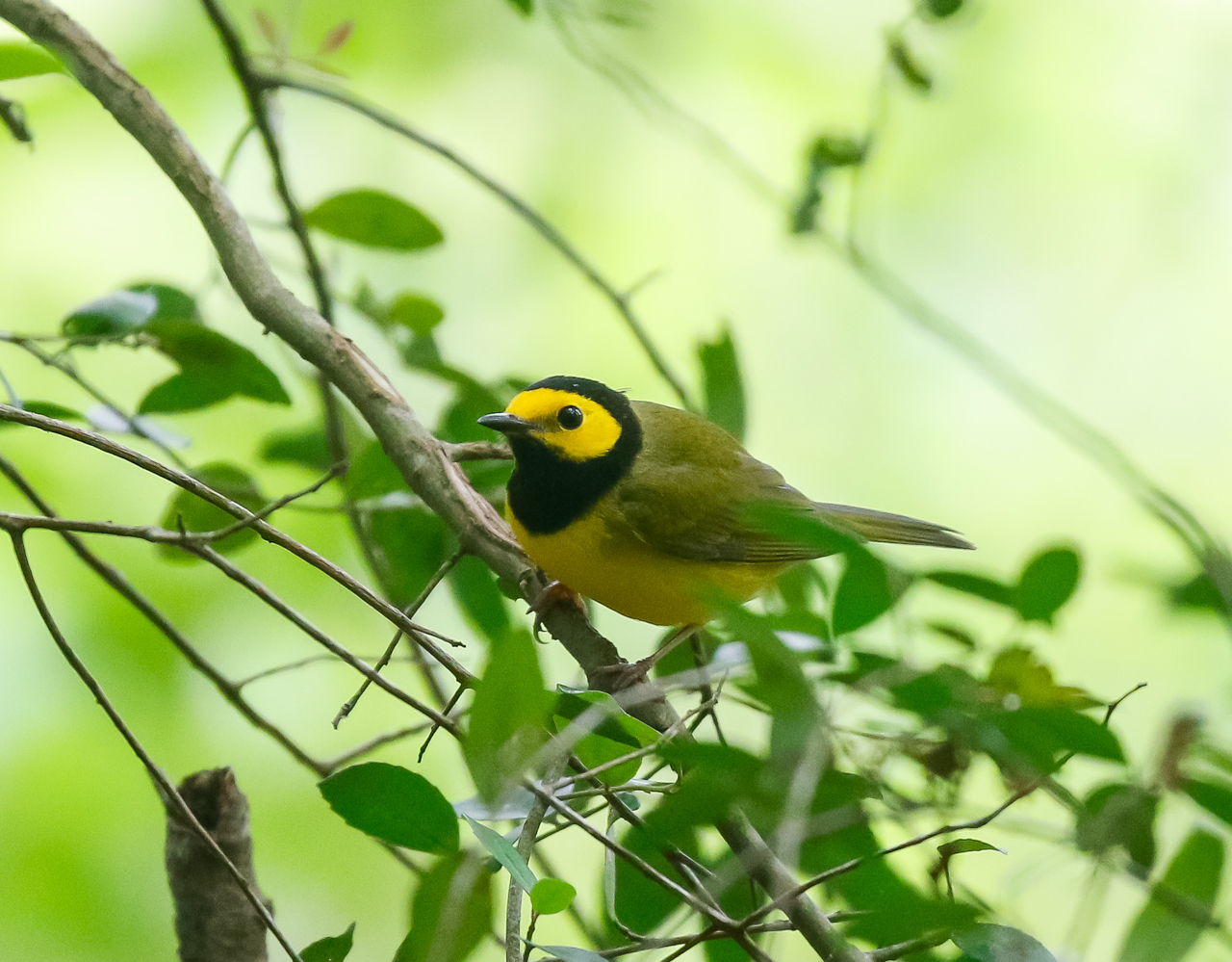
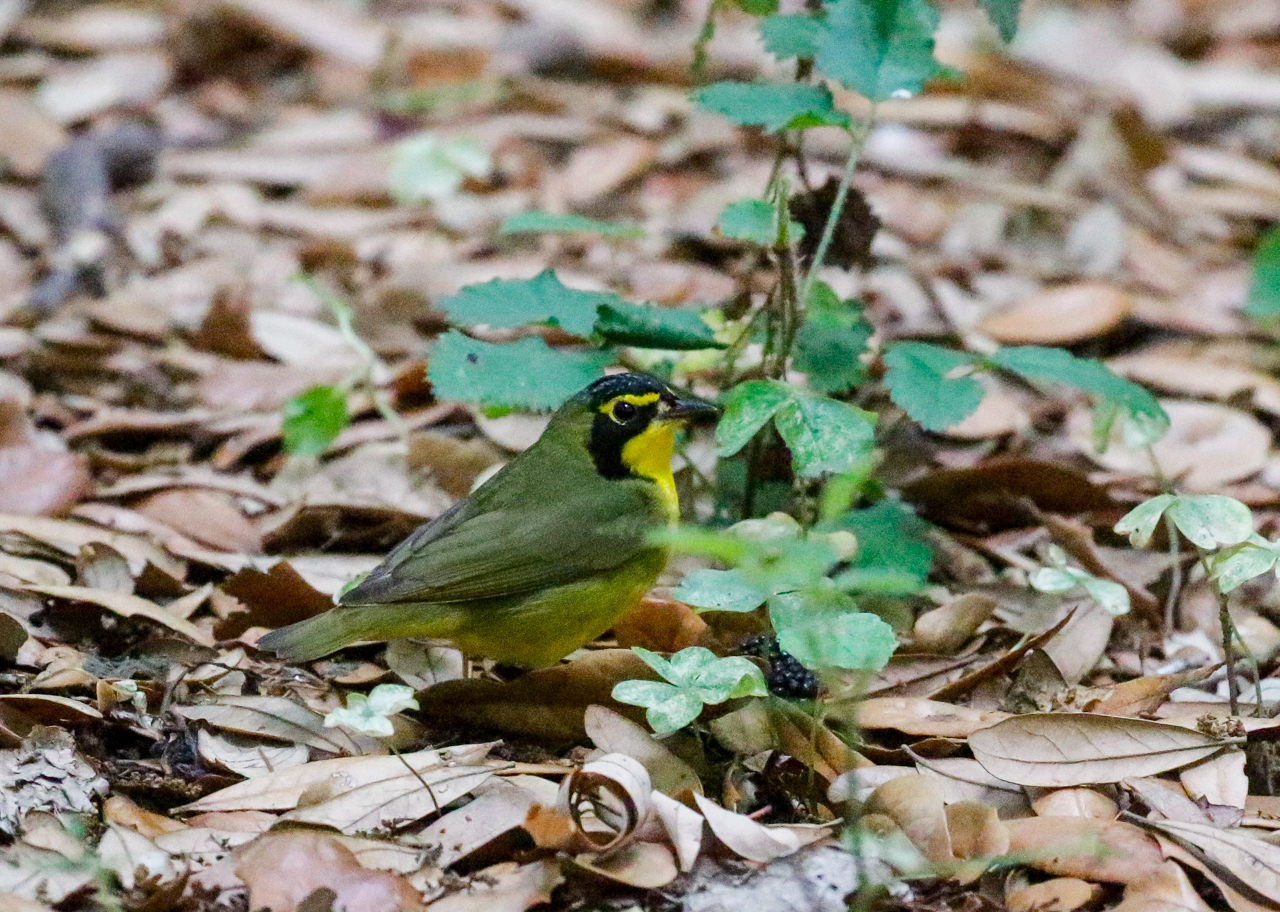
The expedition arrived just as a significant fallout occurred. This resulted in an extraordinary density of songbirds within the oak mottes. Over the course of four days, the group recorded 28 species of warblers, one of the highest counts in recent years. Notable highlights included the Prothonotary, Hooded, Cerulean, Blue-winged, Golden-winged, and Kentucky Warblers. Additionally, both Northern and Louisiana Waterthrushes were identified, alongside Summer and Scarlet Tanagers.
The Smith Oaks Sanctuary provided a different perspective on coastal avian life. The sanctuary’s rookery was teeming with nesting waterbirds. Observers noted Neotropic Cormorants, Great Egrets, Snowy Egrets, and Tricolored Herons. The vibrant plumage of Roseate Spoonbills and Purple Gallinules added to the biological richness of the site.
Agricultural Fields and Rare Eurasian Visitors
The agricultural landscape between Winnie and High Island offered a starkly different habitat, primarily consisting of rice fields and flooded pastures. These areas were productive for waterfowl and shorebirds. The group identified Fulvous Whistling-Ducks among the more common Black-bellied Whistling-Ducks. Shorebird diversity was high, with sightings of Wilson’s Phalarope, Hudsonian Whimbrel, American Golden-Plover, and Stilt Sandpiper.
A major highlight in this sector was the discovery of an immature male Ruff. The Ruff is a Eurasian shorebird that is considered a rare wanderer in North America. Its presence in a Texas field provided a significant draw for the group and highlighted the unpredictable nature of spring migration, where weather patterns can occasionally displace birds far from their traditional routes.
Anahuac National Wildlife Refuge and the Big Thicket
A excursion to the Anahuac National Wildlife Refuge added several secretive marsh birds to the expedition’s list. Using patient observation techniques, the group secured views of King Rails, Soras, and a high number of Least Bitterns. A resident family of American Barn Owls nesting in a refuge structure provided an intimate look at the predatory species that inhabit the coastal prairies.
The tour then ventured into the Big Thicket National Preserve, often described as the "biological crossroads of North America." In this dense woodland, the group found breeding populations of Swainson’s and Prairie Warblers. A subsequent hike through Sabine Woods yielded views of Rose-breasted and Blue Grosbeaks, as well as the elusive Gray-cheeked Thrush.
Final Observations: Bolivar Flats and the Pineywoods
The concluding days of the tour focused on the specialized habitats of the Bolivar Flats Shorebird Sanctuary and the northern pine forests. At Bolivar Flats, the group observed the interaction between the tide and shorebird feeding habits, recording Piping, Snowy, and Wilson’s Plovers. The sighting of a White-tailed Kite—a raptor known for its distinctive hovering hunt—was a notable addition to the coastal tally.
In a surprising ecological shift, the group also visited a swampy state park that has recently become a hotspot for Limpkins. Historically found in Florida and the Caribbean, Limpkins have been expanding their range into Texas, likely following the spread of invasive apple snails. The presence of this species confirms a significant shift in the regional avifauna of the Gulf Coast.
The expedition’s final birding stop was the Pineywoods, where the focus turned to two highly specialized residents: the Red-cockaded Woodpecker and the Brown-headed Nuthatch. The Red-cockaded Woodpecker is a federally protected species that requires old-growth pine forests for its cavity nests. The group successfully located the woodpecker before finding the more common, social nuthatch, completing the target list for the trip.
Analysis of Implications and Conservation Context
The recording of 247 species over a single tour serves as a vital data point for understanding the current state of avian migration in the Central Flyway. The successful observation of specialized species like the Golden-cheeked Warbler and the Red-cockaded Woodpecker suggests that ongoing habitat management and conservation efforts in Texas state parks and national refuges are yielding results.
However, the "fallout" event at High Island also serves as a reminder of the vulnerability of migratory birds. These species rely on a "string of pearls"—a series of intact habitats—to survive their journey. The presence of rare hybrids and extralimital species like the Ruff and the Limpkin indicates that avian populations are in a constant state of flux, influenced by climate change, habitat loss, and shifting food sources.
The economic impact of such expeditions is also noteworthy. Birding tourism is a multi-million dollar industry in Texas, particularly in coastal counties. The influx of birders during the spring migration supports local economies in towns like Winnie and High Island, providing a financial incentive for the continued preservation of these critical ecosystems.
As the expedition concluded with a final dinner in Houston, the data collected was shared with broader ornithological databases, contributing to the citizen-science efforts that track global bird populations. The 2024 Texas spring migration tour stands as a testament to the enduring appeal and ecological necessity of one of the world’s great natural spectacles.
