
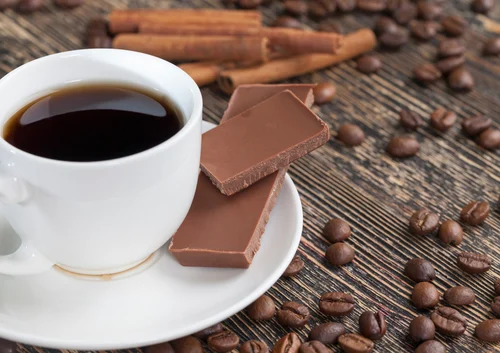
The rising popularity of backyard poultry keeping has brought with it a significant increase in the practice of feeding kitchen scraps to chickens, a habit that, while often sustainable, poses hidden risks to avian health. Among the most dangerous substances frequently found in household kitchens are chocolate and various sources of caffeine, both of which contain chemical compounds that are highly toxic to birds. While chickens are often viewed as resilient omnivores capable of processing a wide variety of organic matter, their physiological response to methylxanthines—the class of chemicals including caffeine and theobromine—is fundamentally different from that of humans. Veterinary experts and poultry specialists warn that even small quantities of these substances can lead to severe cardiovascular distress, neurological failure, and sudden death in poultry.
The Chemical Composition of Toxicity: Methylxanthines and Theobromine
To understand why chocolate and caffeine are lethal to chickens, one must examine the chemical compounds they contain. Chocolate is derived from the seeds of the Theobroma cacao plant, which naturally contains two primary alkaloids: caffeine and theobromine. Both belong to a group of organic compounds known as methylxanthines. In humans, these compounds act as mild stimulants, increasing heart rate and alertness by antagonizing adenosine receptors and inhibiting phosphodiesterase. However, chickens, along with many other domestic animals such as dogs and cats, lack the specific metabolic pathways required to process these chemicals efficiently.
Theobromine is particularly problematic for chickens. Because birds have a high metabolic rate but a limited capacity to break down complex alkaloids, theobromine remains in their bloodstream for an extended period. This leads to a toxic buildup that overstimulates the central nervous system and the cardiac muscles. While a human might experience a "sugar high" or a mild caffeine buzz from a chocolate donut, a chicken’s system is quickly overwhelmed, leading to a cascade of physiological failures.
Physiological Impact: Why Birds Are Uniquely Vulnerable
Chickens possess a cardiovascular system that is highly efficient but also sensitive to stimulants. A healthy chicken has a resting heart rate that can range from 220 to 360 beats per minute, depending on the breed and environmental conditions. When a chicken ingests caffeine or theobromine, these stimulants force an already rapid heart rate into dangerous territory.

The primary physiological effects of methylxanthine poisoning in poultry include:
- Tachycardia and Arrhythmia: The heart rate increases to unsustainable levels, often leading to irregular beats that prevent the efficient pumping of oxygenated blood.
- Hypertension: Blood pressure spikes, which can cause internal hemorrhaging or organ damage.
- Central Nervous System Hyperexcitability: The birds may exhibit tremors, hyperactivity, and a loss of motor control.
- Metabolic Acidosis: In severe cases, the chemical imbalance in the blood can lead to a drop in pH, affecting respiratory function.
Because of their relatively small body mass compared to humans, the "toxic dose" for a chicken is remarkably low. A single ounce of dark chocolate, which contains higher concentrations of theobromine than milk chocolate, could potentially contain enough toxins to be fatal to several adult hens.
Identifying Sources of Caffeine in the Household
Many poultry owners are aware that chocolate is "bad" for pets, but the risks associated with other household items are often overlooked. Caffeine is ubiquitous in the modern kitchen, and its presence in common waste products can lead to accidental ingestion.
Coffee Grounds and Tea Bags
Composting is a common practice among chicken keepers, and many people toss coffee grounds and used tea bags into compost piles or directly into the chicken run. This is a dangerous practice. Used coffee grounds still contain significant residual caffeine. Chickens, being natural foragers, are attracted to the texture of grounds and may ingest them while scratching for insects. Similarly, tea bags contain both caffeine and tannins, both of which can be detrimental to avian health in concentrated amounts.
Sports and Energy Drinks
While it may seem unlikely that a chicken would consume a sports drink, spills in outdoor areas or discarded containers can provide an opportunity for ingestion. These beverages often contain concentrated caffeine along with synthetic sweeteners like xylitol, which is also toxic to many animals.

Baked Goods and Processed Snacks
The danger of chocolate is not limited to pure bars. Chocolate cake, brownies, chocolate-chip cookies, and donuts are frequently offered to chickens as treats. Beyond the chemical toxicity of the chocolate, these items are loaded with refined sugars and trans fats. High sugar intake in chickens can lead to obesity, "fatty liver hemorrhagic syndrome" (FLHS), and a decrease in egg production.
Clinical Symptoms and Chronology of Ingestion
The timeline of toxicity following the ingestion of chocolate or caffeine can be rapid. Owners who suspect their flock has consumed these substances should monitor for the following progression of symptoms:
- 0–2 Hours Post-Ingestion: The bird may appear unusually hyperactive or "flighty." There may be increased vocalization and restless movement around the coop.
- 2–6 Hours Post-Ingestion: Digestive distress typically begins. This manifests as vomiting (rare in chickens but possible) or severe diarrhea. The bird’s heart rate will be palpably rapid if handled.
- 6–12 Hours Post-Ingestion: Neurological symptoms emerge. The bird may experience tremors, difficulty standing, or seizures. In some cases, the bird may fall into a comatose state as the heart begins to fail.
- 12+ Hours Post-Ingestion: Without intervention, cardiac arrest is the most common cause of death.
If a chicken is known to have ingested chocolate, veterinary intervention is required immediately. While there is no specific "antidote" for theobromine poisoning in birds, supportive care—such as the administration of activated charcoal to prevent further absorption and fluid therapy to support the kidneys—can sometimes save the animal if started early.
The "Kitchen Scrap" Culture and the Risk of Misinformation
The rise of the "homesteading" movement has encouraged a return to traditional farming methods, which often include feeding chickens table scraps to reduce food waste. While this is an admirable goal, it requires a high degree of nutritional literacy. There is a common misconception that "if a bird finds it in nature, it must be safe." However, chocolate and coffee are processed products that do not exist in a chicken’s natural environment.
Furthermore, the internet has contributed to a "trial and error" approach to animal husbandry. On various social media platforms, anecdotal evidence sometimes suggests that "my chickens ate a brownie and they were fine." Experts warn against this logic. Toxicity is dose-dependent, and factors such as the bird’s weight, age, and overall health play a role. Just because a bird survives one instance of accidental ingestion does not mean the substance is safe or that internal damage has not occurred.

Broader Dietary Risks: A Comprehensive View of Avian Toxins
Chocolate and caffeine are part of a broader list of "forbidden foods" for poultry. To maintain a healthy flock, owners must also be vigilant about other common household items:
- Avocados: Contain persin, a fungicidal toxin that causes respiratory distress and fluid accumulation around the heart in birds.
- Raw Beans: Contain phytohaemagglutinin (hemagglutinin), which is highly toxic to birds. Beans must be thoroughly cooked to neutralize this compound.
- Green Potatoes and Tomatoes: Contain solanine, a glycoalkaloid that affects the nervous system.
- Onions: Contain thiosulphate, which can destroy red blood cells and lead to anemia.
- Moldy Food: Mycotoxins produced by molds can be lethal to chickens, causing "limberneck" (botulism) or long-term organ damage.
Industry Response and Expert Recommendations
Professional organizations, such as the American Pastured Poultry Producers Association (APPPA) and various avian veterinary boards, emphasize the importance of a balanced commercial feed as the primary source of nutrition. While treats and scraps can supplement a diet, they should never exceed 10% of a chicken’s total daily intake.
Lisa Steele, a well-known expert in backyard poultry and founder of Fresh Eggs Daily, has long advocated for a "natural" approach to chicken keeping that prioritizes safety. Her research into old-timer methods, combined with modern veterinary science, underscores the necessity of keeping stimulants out of the coop. Experts suggest that if an owner wants to provide a "special" treat, they should opt for bird-safe alternatives like watermelon, cucumbers, mealworms, or leafy greens like kale and spinach.
Implications for the Backyard Poultry Movement
The danger of chocolate and caffeine ingestion is more than just an individual health crisis for a single hen; it reflects a broader challenge in the growing backyard poultry industry. As more urban and suburban residents take up chicken keeping, the "humanization" of poultry becomes more prevalent. Owners often treat their chickens like indoor pets, sharing snacks and treats that are intended for human consumption.
This trend necessitates better education and clearer labeling of animal feed and supplements. It also highlights the need for a robust relationship between poultry owners and avian veterinarians. In many regions, finding a vet who specializes in poultry can be difficult, making prevention the most critical tool in an owner’s arsenal.

Conclusion: Prevention as the Primary Strategy
The high sensitivity of chickens to methylxanthines makes chocolate and caffeine some of the most dangerous substances in a household environment. The risk of cardiac arrest and neurological failure is too high to justify the "treat" value of these items. To ensure the longevity and productivity of a backyard flock, owners must implement strict protocols regarding kitchen scraps.
Educating family members, properly securing compost bins, and being mindful of discarded food in the yard are essential steps. By understanding the physiological limitations of their birds and respecting the chemical potency of human foods, poultry keepers can provide a safe and healthy environment for their flocks. In the world of avian health, the old adage holds true: an ounce of prevention is worth a pound of cure—especially when that "ounce" might otherwise be chocolate.
