
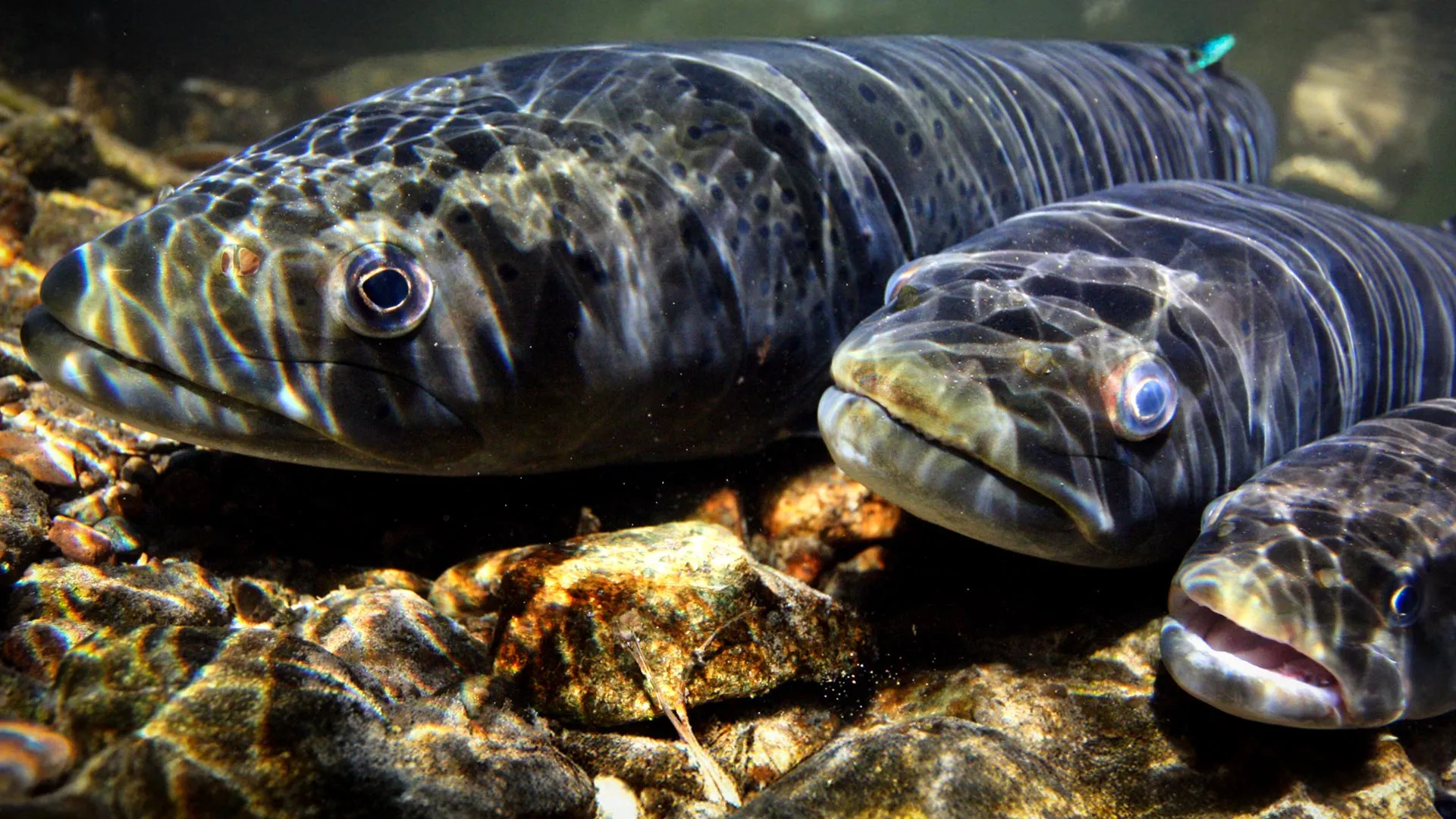
Some of the longest and most essential animal migrations on Earth take place beneath the surface of rivers, yet a major new report from the Convention on the Conservation of Migratory Species of Wild Animals (CMS), a United Nations environmental treaty, warns that many of these critical migrations are now rapidly breaking down, signaling a largely overlooked biodiversity crisis. The Global Assessment of Migratory Freshwater Fishes, released at the CMS 15th Meeting of the Conference of the Parties (COP15) in Brazil, presents alarming findings: migratory freshwater fish are among the most threatened species worldwide, with their populations having plummeted by an estimated 81% since 1970. This catastrophic decline jeopardizes not only the health of global river systems but also the major inland fisheries they support, which provide food and livelihoods for hundreds of millions of people across the globe.
The Unfolding Crisis: A Deep Dive into the CMS Global Assessment
The comprehensive assessment, drawing upon extensive global datasets and IUCN evaluations of nearly 15,000 freshwater fish species, represents the most detailed overview to date of the profound conservation challenges confronting migratory freshwater fish. It underscores a stark reality: animals living in freshwater ecosystems are declining at a faster rate than their terrestrial or marine counterparts, yet the plight of migratory freshwater fish has received disproportionately little global attention. These species are utterly dependent on long, uninterrupted river pathways that serve as vital arteries connecting spawning grounds, feeding areas, and floodplain nurseries, often traversing multiple countries. When these crucial connections are severed by anthropogenic activities—be it the construction of dams, altered water flows, or severe habitat degradation—their populations can collapse with astonishing speed.
The report identifies hundreds of migratory fish species requiring immediate, coordinated international action. Specifically, 325 migratory freshwater fish species have been pinpointed as candidates for international conservation efforts, in addition to the 24 already listed under CMS Appendices. These appendices denote species needing strict protection (Appendix I) or those requiring international cooperation for their conservation (Appendix II). This significant number highlights the pervasive and transboundary nature of the crisis, affecting shared river systems across continents.
A Global Map of Vulnerability: Priority River Systems Identified
The assessment provides a critical geographical breakdown, emphasizing that the total number of species identified exceeds 325 because some species inhabit multiple continents, underscoring the interconnectedness of global riverine biodiversity. While the specific regional tallies were not fully detailed in the initial summary, the report highlights key river systems as urgent priorities for conservation intervention. These include the monumental Amazon and La Plata-Paraná systems in South America, the historic Danube in Europe, Asia’s lifeblood Mekong, Africa’s iconic Nile, and the vast Ganges-Brahmaputra in the Indian subcontinent. Each of these rivers is a biodiversity hotspot, home to unique migratory species vital to the ecological and socio-economic fabric of their respective regions.
The implications of these declines extend far beyond ecological balance. Inland fisheries, largely sustained by these migratory species, are cornerstones of food security and economic stability for countless communities, particularly in developing nations. The loss of these fish translates directly into increased food insecurity, exacerbated poverty, and the erosion of traditional cultures and livelihoods that have revolved around river ecosystems for millennia.
Background to the Call: CMS and COP15 in Focus
The Convention on the Conservation of Migratory Species of Wild Animals (CMS), often referred to as the Bonn Convention, is a United Nations environmental treaty established in 1979 and entered into force in 1983. Its primary mandate is to conserve migratory species throughout their range, working to protect them and their habitats on a global scale. CMS operates on the fundamental principle that migratory species, by their very nature, cross national boundaries, and therefore their conservation requires international cooperation. Its meetings, known as Conferences of the Parties (COPs), are crucial gatherings where member states review the conservation status of migratory species, adopt new species for protection, and establish conservation strategies and action plans.
The 15th Meeting of the Conference of the Parties (COP15), held in Brazil, provided a timely and critical platform for the release of the Global Assessment of Migratory Freshwater Fishes. Brazil, as a nation boasting unparalleled freshwater biodiversity, particularly within the Amazon Basin, served as a poignant host. The timing of the report’s release at such a high-level intergovernmental forum was strategic, designed to elevate the freshwater biodiversity crisis onto the international conservation agenda, urging member states to acknowledge and address this pressing issue with renewed urgency and collaborative action. This context is crucial, as the report is not merely a scientific publication but a policy-driving document aimed at catalyzing tangible conservation outcomes.
Amazon Basin: A Last Stronghold Under Threat
The Amazon Basin stands out as one of the last major strongholds for migratory freshwater fish, an ecological treasure trove teeming with an astonishing diversity of aquatic life. However, this status is increasingly jeopardized by escalating development pressures. A specific case study released alongside the global assessment identified 20 migratory fish species within the Amazon that meet the criteria for potential CMS Appendix II listing, signifying their need for international cooperative conservation efforts. These long-distance migratory species are not just ecological linchpins; they are central to regional fisheries, accounting for approximately 93% of total landings and supporting an industry estimated to be worth US$436 million annually. The economic and social fabric of many Amazonian communities is intricately woven with the fate of these fish.
Among these remarkable species is the dorado (gilded) catfish (Brachyplatystoma rousseauxii), a bottom-dwelling species characterized by its metallic gold/silver coloring and impressive size, capable of reaching up to 2 meters (6.5 ft) in length. This species undertakes the longest known freshwater migration of any fish, completing an astonishing 11,000-kilometer journey from the Andean headwaters to coastal nursery areas in its life cycle. This epic migration exemplifies the extraordinary adaptations and connectivity required for these species to thrive, and the immense ecological services they provide across vast geographical scales.
In response to these urgent needs, Brazil, in collaboration with other regional nations, has proposed a Multi-species Action Plan for Amazonian Migratory Catfish (2026-2036). This ambitious plan, developed through extensive regional cooperation, aims to implement targeted conservation strategies across the range of these vital species. Furthermore, Brazil has proposed adding the spotted sorubim catfish (Pseudoplatystoma corruscans) to CMS Appendix II, underscoring the critical need for coordinated action in the La Plata Basin, where these fish face severe threats from dams, altered water flows, and relentless fishing pressure. These initiatives represent some of the most ambitious international efforts to protect migratory freshwater fish, reinforcing the central CMS principle that conservation solutions must encompass the full geographic range of migratory species and depend intrinsically on cooperation between countries.
Pathways to Preservation: Practical Steps for Governments
The report does not merely highlight a crisis; it also outlines practical, immediate steps governments can take to reverse these alarming trends. While the initial summary did not detail these steps, common and effective strategies inferred from the threats identified include:
- Dam Removal and Modification for Fish Passage: Prioritizing the removal of obsolete dams and implementing fish ladders or bypasses on essential dams to restore river connectivity.
- Improved Water Management and Flow Restoration: Adopting policies that ensure adequate environmental flows, mimicking natural hydrological regimes crucial for spawning and migration.
- Comprehensive Pollution Control: Strengthening regulations and enforcement to reduce agricultural runoff, industrial discharge, and urban pollution that degrade water quality and harm fish.
- Sustainable Fisheries Management: Implementing scientifically-based quotas, seasonal closures, gear restrictions, and combating illegal, unreported, and unregulated (IUU) fishing to allow fish populations to recover.
- Designation and Management of Protected Areas: Establishing and effectively managing transboundary protected areas that encompass critical migratory pathways, spawning grounds, and nursery habitats.
- Transboundary Cooperation and Integrated River Basin Management: Fostering robust international agreements and joint management bodies for shared river systems, recognizing that rivers do not respect political borders.
- Investment in Research and Monitoring: Enhancing scientific research into fish migration patterns, population dynamics, and the impacts of various threats, alongside robust monitoring programs to track conservation progress.
- Public Awareness and Education: Launching campaigns to educate local communities, policymakers, and the general public about the ecological and socio-economic value of migratory freshwater fish and the urgency of their conservation.
These measures collectively form a holistic approach to managing rivers as integrated, connected systems rather than treating them as fragmented national waterways.
Expert Voices: A Unified Call for Action
The findings of the Global Assessment have elicited strong reactions from leading experts and conservationists, all emphasizing the urgency of the situation and the necessity of collaborative action.
Dr. Zeb Hogan, the lead author of the report and a renowned fish biologist, articulated the invisible nature of the crisis: "Many of the world’s great wildlife migrations take place underwater. This assessment shows that migratory freshwater fish are in serious trouble, and that protecting them will require countries to work together to keep rivers connected, productive, and full of life." His statement underscores the need for a paradigm shift in how we perceive and manage aquatic ecosystems.
Amy Fraenkel, Executive Secretary of CMS, highlighted the report’s role in guiding policy: "This new assessment highlights a major priority for the conservation of migratory species and their habitats, that has not had adequate focus to date. By aligning science, policy and international cooperation, governments can safeguard the world’s remaining great freshwater fish migrations and the communities and ecosystems that depend on them." Her comments point to the critical intersection of scientific knowledge and political will in achieving conservation goals.
Michele Thieme, Vice President and Deputy Lead of Freshwater at World Wildlife Fund-US, echoed the sentiment of interconnectedness: "Rivers don’t recognize borders – and neither do the fish that depend on them. The crisis unfolding beneath our waterways is far more severe than most people realize, and we are running out of time. Rivers need to be managed as connected systems, with coordination across borders, and investments in basin-wide solutions now before these migrations are lost forever." Thieme’s powerful statement serves as a stark warning, emphasizing the irreversible consequences of inaction and the imperative for immediate, large-scale investment in basin-wide solutions.
Broader Implications: Environmental, Economic, and Social Consequences
The decline of migratory freshwater fish carries profound implications that extend across environmental, economic, and social spheres. Environmentally, these fish are critical keystone species in many river ecosystems. Their movements facilitate nutrient cycling, control insect populations, and serve as a food source for numerous other species, from birds to apex predators. Their disappearance signals a significant disruption in the aquatic food web, potentially leading to cascading effects that could destabilize entire riverine ecosystems.
Economically, the collapse of inland fisheries poses a direct threat to food security and the livelihoods of millions, particularly in regions where fish protein is a primary dietary staple. The estimated annual value of the Amazonian catfish industry alone, US$436 million, hints at the immense global economic contributions of these fisheries. The loss of such an industry would not only lead to economic hardship but also trigger social instability and forced migration as communities lose their traditional means of sustenance. Furthermore, the report’s findings are intrinsically linked to several of the UN Sustainable Development Goals (SDGs), including SDG 2 (Zero Hunger), SDG 6 (Clean Water and Sanitation), SDG 14 (Life Below Water), and SDG 15 (Life on Land), highlighting the multifaceted impact of this crisis on global development objectives.
Socially and culturally, migratory fish often hold deep significance for indigenous and local communities, featuring prominently in their traditions, myths, and diets. The loss of these species represents not just an ecological void but a cultural impoverishment, severing ancient connections between people and their natural environment.
Conclusion: A Shared Responsibility for Our Rivers
The CMS Global Assessment of Migratory Freshwater Fishes serves as an unequivocal wake-up call. The rapid breakdown of essential river migrations is a biodiversity crisis of monumental proportions, largely hidden beneath the surface of our planet’s vital waterways. The data is clear: migratory freshwater fish populations are in precipitous decline, threatened by a confluence of human-induced pressures. The challenge is immense, requiring a fundamental shift in how humanity interacts with and manages its freshwater resources.
However, the report also offers a clear pathway forward, emphasizing that coordinated global action, rooted in scientific understanding and driven by political will, can reverse these trends. By recognizing rivers as integrated, living systems that transcend national boundaries, and by investing in sustainable practices, transboundary cooperation, and innovative conservation strategies, the international community still has an opportunity to safeguard these extraordinary migrations. The fate of hundreds of migratory fish species, the health of our rivers, and the livelihoods of millions depend on the collective choices made today to protect these silent travelers of the world’s freshwater highways for generations to come. The time for action is now, before these irreplaceable migrations are lost forever.
