
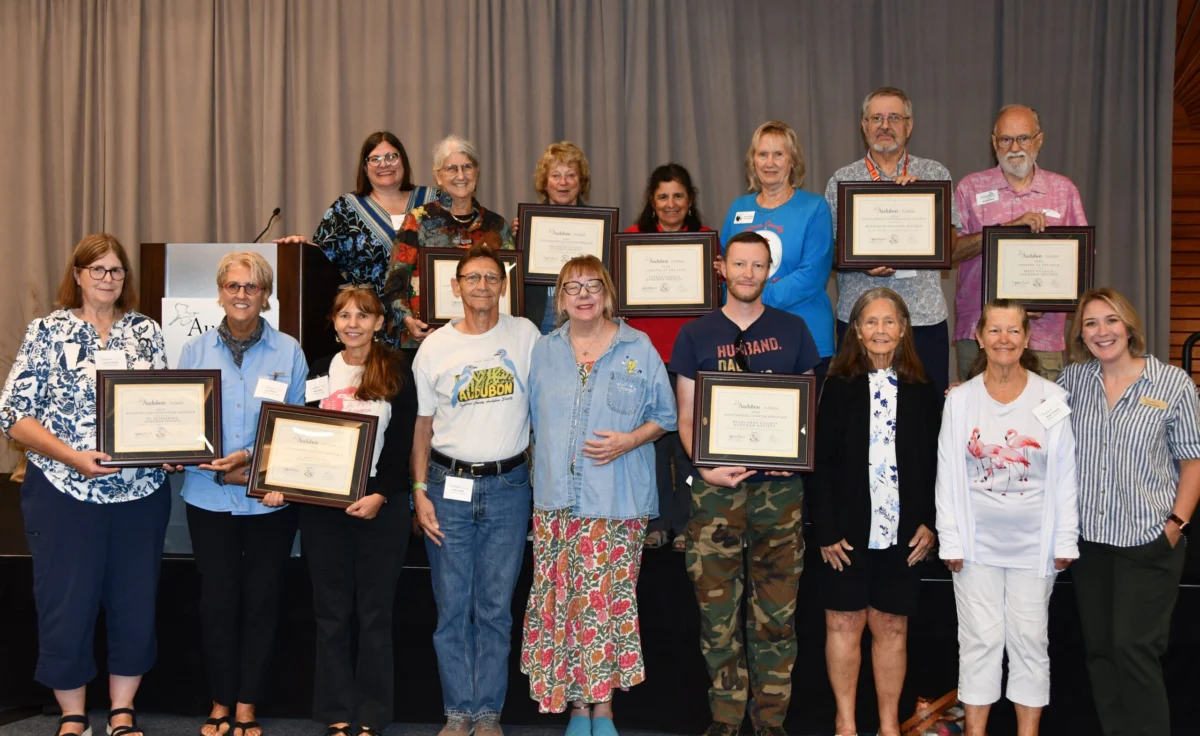
The 2026 Audubon Florida Annual Assembly, hosted at the TradeWinds Resort in St. Pete Beach from October 15 to 17, served as a pivotal gathering for conservationists, scientists, and community leaders across the state. Under the theme "Protecting What Connects Us—Water, Wildlife, and Community," the three-day conference highlighted the critical intersection of environmental stewardship and civic engagement. The assembly, which has evolved over decades into a cornerstone event for the organization, provided a platform to recognize the transformative efforts of local chapters in safeguarding Florida’s unique ecosystems.
A Tradition of Collaborative Conservation
Since its inception, the Audubon Florida Assembly has functioned as both a celebration of annual progress and a strategic planning summit. By convening staff, members, and diverse stakeholders, the organization facilitates a cross-pollination of ideas that addresses the complex challenges facing Florida’s biodiversity. This year’s event was marked by a renewed focus on regional resilience, emphasizing that the health of Florida’s water resources and wildlife populations is inextricably linked to the vibrancy of its local communities.
The event structure featured a series of workshops and keynote presentations designed to translate passion into actionable policy and project management. Recognizing that chapters vary significantly in their capacity—depending on membership size, regional funding, and volunteer availability—Audubon Florida utilizes a tiered award system. This approach ensures that smaller, grassroots-focused organizations are celebrated alongside large-scale chapters that manage extensive regional projects.
Celebrating Excellence in Education
Education remains a primary pillar of the Audubon mission, and this year’s awards underscored the importance of engaging the next generation and local educators in ecological literacy.
The Southeast Volusia Audubon Society received the Small Chapter Outstanding Education Program award for their innovative approach to youth engagement. Leveraging their "Plants for Birds" initiative, the chapter designed a multi-disciplinary curriculum for 180 local students. By integrating technology, outdoor exploration, and hands-on science at the Marine Science Center and local elementary schools, the chapter successfully introduced birding to a demographic with little prior exposure to conservation, effectively bridging the gap between classroom theory and field application.
In the large chapter category, the St. Pete Audubon Society was honored for an 18-year commitment to educator training. Their program, "Nature’s Secrets in Your Yard, at School, and at Home," provided 39 educators with the tools to translate complex ecological concepts into classroom modules. By fostering direct connections between local scientists and teachers, the chapter has institutionalized conservation education across Pinellas County, proving that long-term consistency is the key to meaningful community impact.
Strategic Conservation and Land Stewardship
The conservation project awards highlighted the diverse strategies chapters use to mitigate environmental degradation. In the small chapter category, the Hernando Audubon Society was recognized for their leadership in protecting the Weeki Wachee River. Faced with mounting threats—including nutrient pollution and habitat erosion—the chapter convened the 2nd Weeki Wachee River Summit. This event acted as a crucial regulatory nexus, bringing together state agencies, private landowners, and recreational users to enforce the Springs Protection Zone. The summit demonstrated that local chapters can effectively serve as mediators in complex, multi-stakeholder environmental disputes.
Conversely, the Orange Audubon Society secured the large chapter award for their expansion of the Lake Apopka conservation landscape. By acquiring a 70-acre property adjacent to the existing Wildlife Drive, the chapter has created a vital buffer zone that enhances habitat connectivity. This project represents a shift toward landscape-scale restoration, moving beyond mere preservation to active habitat management that encourages both wildlife movement and public recreation.
Advocacy as a Catalyst for Change
Perhaps the most significant achievements discussed at the Assembly involved successful advocacy campaigns that shifted the trajectory of local policy. The Highlands County Audubon Society, representing the small chapter category, played an instrumental role in the county commission’s deliberations regarding a new land conservation program. Through persistent public outreach and the mobilization of over 400 residents, the chapter ensured that the protection of wildlife corridors and endangered species remained a priority in the county’s long-term planning.
The St. Pete Audubon Society, recognized for large-chapter advocacy, faced a year of intense pressure, successfully opposing several high-impact threats to coastal habitats. Their efforts prevented a music festival from encroaching on Black Skimmer nesting grounds on St. Pete Beach, blocked a commercial film production at Fort De Soto, and restored funding for critical conservation areas at Shell Key and Weedon Island. These victories serve as a case study in effective community mobilization, proving that a coordinated coalition of stakeholders—utilizing media engagement, letter-writing, and direct testimony—can successfully counter commercial interests that threaten fragile coastal ecosystems.
Organizational Growth: Chapters of the Year
The "Chapter of the Year" awards recognized organizations that demonstrated holistic excellence across all functional areas, from membership growth to strategic management.
The Citrus County Audubon Society was named the Small Chapter of the Year, a testament to their recent organizational transformation. By adopting a more strategic leadership model, the chapter successfully doubled its membership and launched high-visibility projects, such as the "Welcome Back Songbirds Festival" and the installation of educational native plant landscapes. This growth illustrates how a clear, shared vision can catalyze local engagement even in smaller, rural counties.
The West Volusia Audubon Society earned the Large Chapter of the Year title for their deep-rooted partnership with the Lyonia Environmental Center (LEC). By integrating their efforts with the center’s existing infrastructure, the chapter has optimized its reach, providing high-quality environmental education and habitat support for the Florida scrub-jay. The nomination of the chapter by the LEC manager highlights the strength of their synergy; it serves as a model for how non-profits can maximize their impact by embedding themselves within existing public-private partnerships.
Broader Implications and Future Directions
The 2026 Audubon Florida Assembly underscored a shift toward more integrated conservation models. The data collected from these projects indicates that chapters are increasingly moving away from isolated activities toward comprehensive strategies that address the "what, where, and why" of Florida’s environmental health.
The success of the advocacy campaigns mentioned—particularly those led by St. Pete and Highlands County—signals an increasing sophistication in how local chapters engage with municipal governments. The focus on "Protecting What Connects Us" suggests that future efforts will likely emphasize the importance of wildlife corridors and water quality as foundational elements of regional prosperity.
Furthermore, the emphasis on youth education and educator training suggests that the next decade of conservation in Florida will be defined by institutional capacity-building. By ensuring that teachers are equipped with the latest ecological tools and that children are exposed to natural spaces early in their development, Audubon Florida is creating a pipeline of future stewards.
The Assembly concluded with a call to action for the coming year, emphasizing that while the recognition of past successes is vital, the pace of Florida’s development requires even greater vigilance. As chapters return to their respective regions, the primary mandate remains clear: to protect the ecological, hydrological, and community connections that define the state’s natural heritage. Through continued collaboration, data-driven advocacy, and robust local engagement, the Audubon network remains the most significant force for environmental preservation in the region, setting a standard for proactive and inclusive conservation.
