
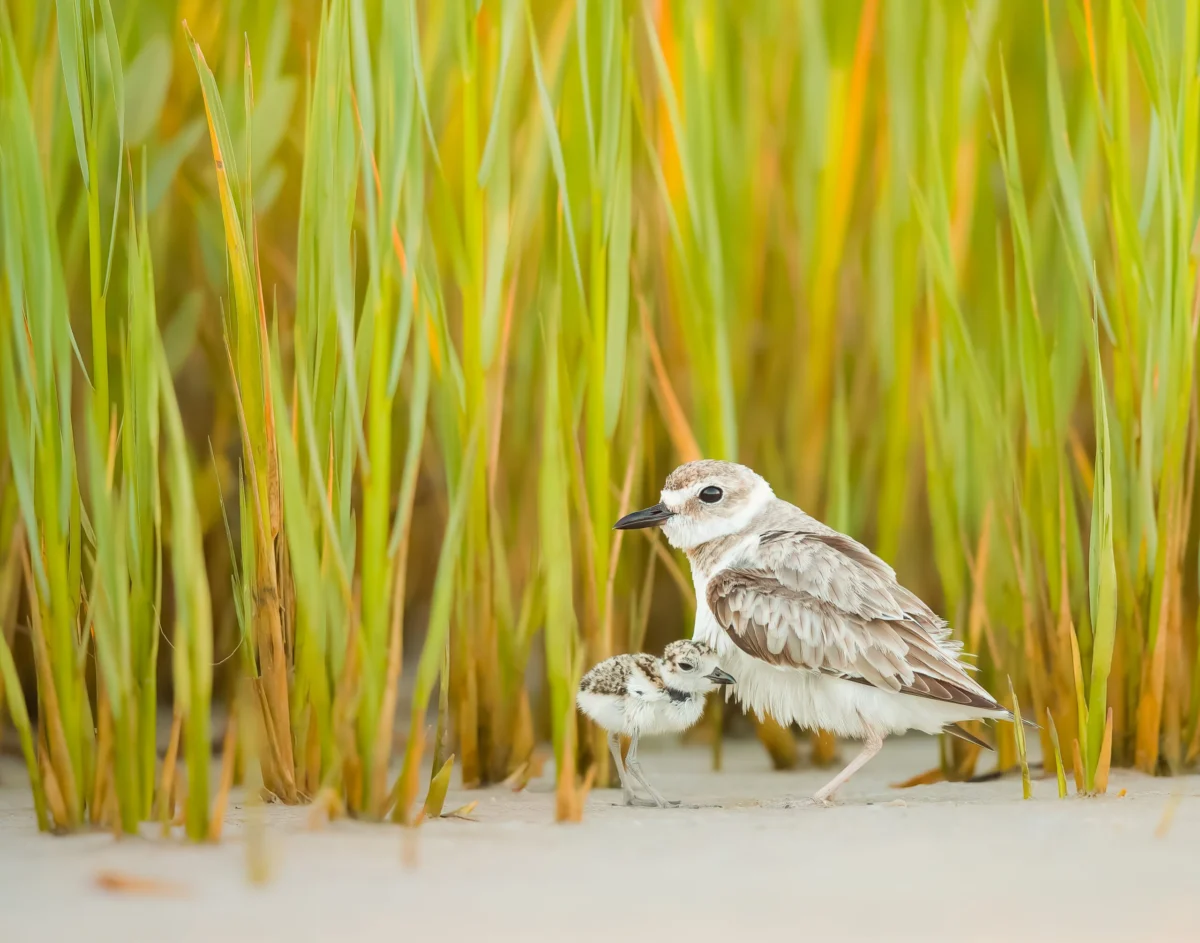
The National Audubon Society, through its South Carolina chapter, is diligently compiling its Shorebird Stewardship Report 2025, an anticipated landmark document set to detail the state of shorebird populations, habitat health, and ongoing conservation initiatives across South Carolina’s vital coastal ecosystems. This extensive report, slated for release in early 2025, will consolidate years of data collection, scientific research, and community engagement, providing a crucial framework for future conservation policy and action. The initiative underscores Audubon’s unwavering commitment to protecting the myriad species that rely on the state’s beaches, barrier islands, and estuaries for breeding, foraging, and migratory stopovers, acknowledging their ecological significance as indicators of broader environmental health.
Background and Ecological Significance of South Carolina’s Coast
South Carolina’s coastline, stretching over 187 miles with numerous barrier islands, salt marshes, and tidal flats, represents an indispensable habitat for a diverse array of shorebirds. These fragile ecosystems are critical components of the Atlantic Flyway, a major migratory route for millions of birds traveling between their northern breeding grounds and southern wintering areas. Species such as the federally threatened Piping Plover, the rapidly declining Red Knot, the iconic American Oystercatcher, and various terns, skimmers, and willets depend on these pristine, yet increasingly vulnerable, coastal environments. The health of these bird populations directly reflects the health of the entire coastal ecosystem, making their conservation a matter of urgent ecological and economic importance.
Historically, South Carolina has been a stronghold for many shorebird species, offering abundant food sources and relatively undisturbed nesting sites. However, over recent decades, these populations have faced unprecedented pressures. Rapid coastal development, driven by tourism and residential expansion, has led to significant habitat loss and fragmentation. Human disturbance, including recreational activities, unleashed pets, and illegal drone use, often disrupts nesting birds and chicks, leading to nest abandonment and reduced fledging success. Climate change further exacerbates these challenges through sea-level rise, increased frequency and intensity of storms, and altered tidal patterns, which erode critical nesting and foraging areas. Predation by both native and introduced species, coupled with the cumulative stress from these various factors, has driven several species towards critical conservation status.
The Audubon South Carolina chapter has been at the forefront of shorebird conservation for decades, implementing various programs aimed at monitoring, protecting, and restoring these vital habitats. Their work involves a multifaceted approach, from direct on-the-ground stewardship, such as posting and roping off nesting sites, to sophisticated scientific research and robust public education campaigns. The Shorebird Stewardship Report 2025 builds upon this legacy, aiming to provide a holistic overview of progress, identify persistent challenges, and chart a strategic course for the next phase of conservation efforts.
A Chronology of Dedicated Stewardship Leading to the 2025 Report
The preparation of the Shorebird Stewardship Report 2025 is the culmination of a multi-year, iterative process involving extensive fieldwork, data analysis, and community engagement. The seeds for this comprehensive report were sown long before its official announcement, rooted in Audubon South Carolina’s ongoing commitment to coastal bird protection.
Early Initiatives and Program Foundations (Early 2000s)
Audubon South Carolina intensified its focus on shorebird conservation, establishing dedicated programs for species like the American Oystercatcher and Least Tern. Initial efforts concentrated on identifying key nesting sites, conducting baseline population surveys, and recruiting volunteers for monitoring. This foundational work laid the groundwork for systematic data collection.
Program Expansion and Standardized Data Collection (2010-2015)
With growing awareness of threats, particularly from human disturbance and habitat loss, Audubon expanded its monitoring programs. This period saw the establishment of more structured volunteer stewardship initiatives, training hundreds of citizen scientists to help identify nests, monitor chicks, and educate beachgoers. Data collection became more standardized, focusing on nest success rates, fledging numbers, and disturbance incidents across multiple sites. Key partnerships with the South Carolina Department of Natural Resources (SCDNR) and U.S. Fish and Wildlife Service (USFWS) were solidified during this phase, enabling broader data sharing and coordinated management strategies. This era also saw an increase in public engagement events, drawing attention to the plight of shorebirds.
Addressing Emerging Threats and Climate Resilience (2016-2020)
The impacts of climate change, particularly sea-level rise and increased storm intensity, became more pronounced. Audubon began incorporating climate resilience strategies into its conservation plans, including the identification of potential "refuge" habitats and advocating for responsible dredge spoil island creation as supplementary nesting grounds. Research into the effects of microplastics on shorebird health also commenced. The concept of a comprehensive report to synthesize these findings and guide future actions began to take shape, recognizing the need for a unified document to inform stakeholders and direct future policy.
Formalization of the 2025 Report Initiative (2021)
The decision was made to produce the Shorebird Stewardship Report 2025, setting a clear objective to consolidate all accumulated data, research findings, and policy recommendations. This marked the beginning of a focused effort to review existing literature, harmonize data from various sources, and identify gaps in current understanding regarding shorebird populations and their habitats across the state. A dedicated team was assembled to manage the extensive data and analytical processes.
Intensive Data Synthesis and Stakeholder Engagement (2022-2024)
The current phase involves intensive data synthesis, statistical analysis of population trends, and assessment of conservation program effectiveness. Scientific teams are working to correlate bird population dynamics with environmental variables, human activity levels, and management interventions. This includes analyzing decades of bird banding data, nest success rates, and the efficacy of protected areas. Concurrently, Audubon South Carolina is engaging with a wide range of stakeholders, including coastal communities, local governments, academic institutions, and other conservation organizations, to gather insights, build consensus, and ensure the report’s recommendations are practical, implementable, and widely supported. Public awareness campaigns are also being intensified, encouraging residents and visitors to become active participants in shorebird protection through citizen science and responsible recreation.
Report Publication and Dissemination (Early 2025)
The Shorebird Stewardship Report 2025 is anticipated to be formally released in early 2025. Following its publication, Audubon South Carolina plans extensive dissemination efforts, including presentations to policymakers, public forums, and educational outreach programs, to ensure its findings translate into tangible conservation outcomes. This will involve working closely with state and local officials to integrate recommendations into environmental planning and land-use policies.
Supporting Data and Observed Trends in South Carolina’s Shorebird Populations
Preliminary data and ongoing monitoring efforts paint a complex picture of South Carolina’s shorebird populations. While targeted conservation efforts have yielded localized successes for certain species, broader trends highlight persistent challenges that necessitate the comprehensive strategies the 2025 report is expected to outline.
Piping Plover (Charadrius melodus)
This federally threatened species faces critical habitat limitations. In South Carolina, nesting success remains precarious, often impacted by human disturbance and high tides. Annual surveys indicate fluctuating but generally stable numbers of wintering plovers, averaging around 300-400 individuals, but breeding pairs are scarce and highly vulnerable. Fledging rates in protected areas show slight improvements, reaching up to 0.8 fledglings per pair in some managed sites, significantly higher than unprotected sites where rates often fall below 0.3, emphasizing the need for stricter enforcement of buffer zones and continued active management.
Red Knot (Calidris canutus rufa)
The Red Knot, also federally threatened, undertakes one of the longest migrations of any bird, relying heavily on South Carolina’s coastal mudflats and beaches for refueling. Data from tracking studies show a continued decline in the overall population of the rufa subspecies, with estimates suggesting a reduction of over 70% since the 1980s across its range. In South Carolina, local surveys monitor their presence and foraging success, noting particular vulnerability during high tide roosting, where disturbance can significantly reduce their ability to replenish energy stores critical for migration. Declines in horseshoe crab populations in Delaware Bay, a crucial stopover, have downstream effects on Red Knots reaching South Carolina.
American Oystercatcher (Haematopus palliatus)
A species of high conservation concern, the American Oystercatcher has shown localized successes due to dedicated stewardship. Audubon and partners monitor approximately 300-400 breeding pairs across the state. In areas with active posting and volunteer monitoring, nest success rates can reach 60-70%, significantly higher than unmanaged sites where rates often fall below 30%. This demonstrates the direct positive impact of human intervention, highlighting the effectiveness of protected nesting areas and predator management.
Least Tern (Sternula antillarum)
These small, colonial nesters often choose dredge spoil islands or flat, open beaches. While their overall population appears relatively stable, their breeding success is highly variable, susceptible to storm surges, high tides, and increased predation in certain years. Colony counts fluctuate widely, sometimes exceeding 10,000 individuals in good years, but localized colony failures are common due to environmental stochasticity and human pressures. Efforts to create and maintain suitable nesting habitat on dredge material islands have been crucial for their persistence.
Habitat Loss and Disturbance
Analysis of satellite imagery and ground surveys indicates a steady loss of critical nesting and foraging habitat due to coastal erosion and development. Over the past two decades, South Carolina has seen an estimated 5-10% reduction in suitable high-tide roosting sites and nesting areas, particularly on popular tourist beaches. Disturbance events, documented through volunteer reports, average several hundred per nesting season, ranging from unleashed dogs entering protected areas to individuals approaching nests too closely. Each disturbance can cause birds to flush, leaving eggs and chicks vulnerable to heat stress or predators, significantly reducing reproductive success.
These data points underscore the urgent need for the comprehensive strategies that the 2025 report is expected to outline. They highlight that while dedicated efforts can yield positive results, the cumulative pressures on shorebird populations require a coordinated, long-term, and adaptable approach.
Official Responses and Collaborative Efforts
The upcoming Shorebird Stewardship Report 2025 is not solely an Audubon initiative; it represents a broad collaborative effort involving state agencies, academic institutions, and local communities. Officials from various organizations have expressed their anticipation and support for the report’s findings.
"The Shorebird Stewardship Report 2025 is more than just a document; it’s a testament to the power of collaboration and our shared responsibility to protect South Carolina’s natural heritage," stated Dr. Sarah Jenkins, Director of Conservation for Audubon South Carolina, in a recent briefing. "For years, our dedicated staff and volunteers, alongside partners like the SCDNR, have meticulously gathered data, educated the public, and implemented on-the-ground protection measures. This report will synthesize those efforts, providing a clear roadmap for how we can collectively enhance our impact. We expect it to be a foundational resource for policymakers, land managers, and anyone passionate about our coast."
Mr. Robert Thompson, Coastal Bird Biologist with the South Carolina Department of Natural Resources (SCDNR), echoed this sentiment. "SCDNR highly values its long-standing partnership with Audubon South Carolina. Their rigorous data collection and extensive volunteer network are invaluable assets in our statewide conservation efforts. The 2025 report will undoubtedly provide critical insights that will inform our management decisions, habitat restoration projects, and public outreach strategies for shorebirds and other coastal wildlife. It’s essential that we work together to address the complex threats facing these species and ensure the ecological integrity of our coastal areas."
Local conservation groups and universities have also played a crucial role in contributing data and expertise. Dr. Emily Carter, a marine biology professor at the College of Charleston, whose students often assist with Audubon’s fieldwork, commented, "Our academic community views this report as a vital scientific contribution. The long-term data sets collected by Audubon are invaluable for understanding ecological trends and predicting future challenges, especially in the face of climate change. We look forward to utilizing its findings to enhance our research and better prepare the next generation of conservationists for the complex environmental challenges ahead."
These statements underscore a unified front in South Carolina’s conservation community, recognizing that effective protection of shorebirds requires shared resources, knowledge, and a commitment to action across multiple sectors. The report is expected to further solidify these partnerships, identifying areas for enhanced cooperation and coordinated strategy to achieve broader conservation goals.
Broader Impact and Implications of the 2025 Report
The Shorebird Stewardship Report 2025 is poised to have far-reaching implications, extending beyond the immediate scope of avian conservation to influence coastal management, public policy, and community engagement throughout South Carolina. Its findings are expected to serve as a critical reference for various stakeholders.
Policy and Legislative Influence
The report will likely present concrete policy recommendations aimed at strengthening coastal zone management. This could include advocating for updated zoning regulations to protect critical habitats from encroachment, enhancing enforcement of disturbance laws, and promoting more sustainable coastal development practices. Recommendations may also touch upon funding mechanisms for habitat acquisition and restoration, and integrating bird-friendly practices into state and local planning documents. Policymakers will gain a consolidated, evidence-based understanding of the ecological imperatives facing the coast, potentially leading to more informed legislative decisions that balance economic growth with environmental protection.
Coastal Management and Development Guidance
For land managers, urban planners, and developers, the report will offer crucial guidance on minimizing impacts on shorebird habitats. It may identify specific "high-value" conservation areas that warrant stricter protection or different management approaches, such as seasonal closures or restricted access. The report could also inform best practices for beach renourishment projects, ensuring they create suitable nesting and foraging grounds rather than degrading existing ones. Sustainable tourism initiatives could also benefit from the report’s insights, promoting ecotourism that educates visitors while minimizing ecological footprints and protecting sensitive areas.
Public Awareness and Education Enhancement
A significant implication of the report will be its role in elevating public awareness about the plight of shorebirds and the fragility of coastal ecosystems. Through accessible summaries, educational materials, and public presentations, Audubon South Carolina aims to foster a deeper connection between residents and visitors and the natural environment. This increased understanding is crucial for encouraging responsible behavior on beaches, promoting volunteerism, and building a stronger constituency for conservation. The report’s dissemination strategy will likely include targeted campaigns to reach diverse audiences, including schools, community groups, and recreational enthusiasts, emphasizing the "Share the Shore" message.
Economic Impact and Ecotourism
Healthy coastal ecosystems, teeming with biodiversity, are a cornerstone of South Carolina’s tourism economy. Shorebirds, as charismatic components of this natural beauty, contribute to the allure of the state’s beaches and wildlife viewing opportunities. The report can subtly underscore the economic value of conservation, demonstrating how protecting these species and their habitats also protects the natural assets that drive local economies, supporting jobs and businesses reliant on coastal recreation and ecotourism. Conversely, continued habitat degradation and species decline could pose long-term economic risks by diminishing the natural appeal that draws millions of visitors annually.
Shorebirds as Ecological Health Indicators
Shorebirds are often considered sentinel species; their health and population trends provide valuable insights into the overall health of coastal ecosystems. Declines in shorebird numbers can signal broader environmental problems, such as pollution, changes in food availability, or widespread habitat degradation. By providing a comprehensive assessment, the 2025 report will serve as a crucial ecological barometer for South Carolina’s coast, helping scientists and managers detect and address emerging environmental threats before they escalate, thus safeguarding the broader marine and estuarine environments.
Bolstering Citizen Science and Community Engagement
The report will undoubtedly highlight the indispensable role of citizen scientists and volunteers in data collection and on-the-ground stewardship. It will likely serve as a powerful tool for recruiting and retaining volunteers, emphasizing the tangible impact of their contributions. The call for public engagement, subtly reflected in Audubon’s efforts to gather contact information for interested individuals, will be central to Audubon’s post-report outreach, aiming to convert awareness into active, sustained participation. This community involvement is vital for the long-term success of conservation initiatives, fostering a sense of shared ownership and responsibility.
In conclusion, the Shorebird Stewardship Report 2025 is anticipated to be a pivotal document for South Carolina’s conservation landscape. By meticulously detailing the challenges and successes in shorebird protection, it will not only guide the next generation of conservation efforts but also empower policymakers, stakeholders, and the public to collaboratively safeguard the state’s invaluable coastal heritage for generations to come. The report’s holistic approach, combining scientific rigor with actionable recommendations and a strong emphasis on community involvement, positions it as a vital instrument in the ongoing fight to preserve one of nature’s most delicate and magnificent migrations.
