
Across the vast and ecologically significant landscapes of Arizona and New Mexico, unique opportunities abound for individuals to contribute meaningfully to environmental conservation, acquire new skills, and forge connections within a community of like-minded individuals. The National Audubon Society, through its Southwest chapter, actively recruits volunteers for a range of initiatives, from educational outreach at nature centers to critical bird population surveys and hands-on habitat restoration projects. These programs underscore a long-standing commitment to preserving the region’s diverse ecosystems and the avian species that depend on them, inviting residents to become integral participants in ongoing conservation efforts.
The Imperative for Conservation in the Arid Southwest
The American Southwest, characterized by its stunning deserts, riparian corridors, and sky islands, is a biodiversity hotspot facing increasing pressures from climate change, urban expansion, and habitat degradation. Water scarcity, altered fire regimes, and the spread of invasive species pose significant threats to native flora and fauna, making conservation efforts more critical than ever. Organizations like Audubon Southwest play a pivotal role in monitoring these changes, advocating for protective policies, and implementing on-the-ground projects that directly benefit ecosystems and wildlife. The success of these initiatives often hinges on community involvement, transforming passive concern into active stewardship.
Arizona and New Mexico serve as vital migratory corridors and year-round habitats for hundreds of bird species, including iconic raptors, desert specialists, and numerous songbirds. The Rio Grande, a lifeline through both states, supports a rich tapestry of life, as do the unique Pinyon-Juniper woodlands and saguaro forests. Protecting these habitats requires a multifaceted approach, blending scientific research, public education, and direct intervention. Volunteers are not merely assistants; they are essential partners in collecting data, educating the public, and restoring vital ecological functions, thereby amplifying the impact of professional conservationists.
Audubon Southwest: A Legacy of Engagement and Impact
The National Audubon Society has a rich history dating back to 1905, evolving from an advocacy group focused on protecting birds from plume hunters to a comprehensive conservation organization. Audubon Southwest, specifically, has established deep roots in Arizona and New Mexico, operating key centers and spearheading projects that address regional conservation priorities. Its approach emphasizes community science, habitat restoration, and environmental education, recognizing that informed and engaged citizens are the most powerful advocates for nature.
Since its inception, Audubon Southwest has been instrumental in monitoring bird populations, identifying conservation threats, and working with landowners, agencies, and local communities to implement solutions. The volunteer programs represent a direct extension of this mission, offering structured pathways for individuals of all backgrounds and skill levels to contribute. The longevity of programs, such as the habitat restoration efforts initiated in 2011, attests to the sustained commitment and the tangible results achieved through consistent volunteer engagement. These initiatives have not only improved ecological conditions but have also fostered a strong sense of community and shared responsibility among participants.
Diverse Avenues for Environmental Stewardship: Exploring Volunteer Roles
Audubon Southwest structures its volunteer opportunities to cater to a variety of interests and aptitudes, ensuring that everyone can find a role that resonates with their desire to contribute. A simple self-assessment, often presented as a quick quiz, helps potential volunteers align their personal strengths and preferences with the most suitable roles. While the original content outlines a scoring system (1 point for ‘a’, 2 for ‘b’, 3 for ‘c’), the essence lies in matching individuals with roles that maximize their engagement and the impact of their efforts.
Cultivating Knowledge: Center Education Volunteers (Typically for those scoring 3-4 points)
For individuals who are naturally gregarious, possess a foundational knowledge of local ecology, and enjoy interacting with the public, becoming a Center Education Volunteer is an ideal pathway. These volunteers are the public face of Audubon’s mission, connecting visitors with the natural world and fostering an appreciation for conservation.
The Rio Salado Audubon Center in Phoenix, Arizona, and the Randall Davey Audubon Center in Santa Fe, New Mexico, serve as crucial hubs for environmental education. The Rio Salado Center, situated along the revitalized Rio Salado riparian corridor, offers urban residents a unique opportunity to connect with nature within the city limits. It hosts diverse educational programs, nature walks, and summer camps for children, emphasizing the importance of urban biodiversity and water conservation. Similarly, the Randall Davey Center, nestled in the foothills of the Sangre de Cristo Mountains, provides a serene setting for environmental learning, attracting visitors with its scenic trails and focus on high-desert ecology.
Volunteers at these centers engage in a wide array of activities:
- Leading Nature Walks: Guiding groups, often including school children and families, through trails, identifying local flora and fauna, and explaining ecological concepts. This requires strong communication skills and an ability to make complex information accessible and engaging.
- Assisting with Education Programs: Supporting staff during classroom sessions, field trips, and workshops on topics ranging from bird identification to water conservation.
- Kid Camps: Playing a vital role in inspiring the next generation of conservationists by facilitating hands-on activities, games, and explorations during summer and holiday camps.
- Special Events and Logistics: Helping organize and execute special events, such as bird festivals, community science days, and fundraising galas. This can involve everything from decorating and setting up displays to managing guest registration and logistics, ensuring smooth and successful operations.
The impact of education volunteers is profound. They not only disseminate knowledge but also cultivate a sense of wonder and responsibility towards the environment. By directly engaging with thousands of visitors annually, they lay the groundwork for a more environmentally conscious citizenry, which is fundamental to long-term conservation success. Audubon Southwest leadership consistently emphasizes the critical role of these educators in bridging the gap between scientific understanding and public action.
Eyes on the Skies: The Crucial Role of Bird Surveyors (Typically for those scoring 5-6 points)
Individuals with a curious mind, a willingness to learn new skills, and comfort working independently or in small teams are excellent candidates for Bird Surveyor roles. This category of volunteering is central to community science, where citizen participation generates valuable data that informs conservation strategies. No prior expert birding knowledge is required; comprehensive training is provided, focusing on observation techniques and data recording.
Bird surveys are foundational to understanding population trends, habitat use, and the overall health of ecosystems. They provide the empirical data necessary for scientists and policymakers to make informed decisions about land management and species protection. Audubon’s bird surveying programs in the Southwest focus on several critical areas:
- Rio Grande Summer Bird Surveys (New Mexico): Volunteers assist professional biologists in monitoring bird populations along the vital Rio Grande corridor. This involves systematic surveys, often requiring early mornings and careful observation. The data collected helps assess the ecological health of the riverine environment, which is crucial for numerous migratory and resident species. Depending on experience levels, volunteers may be paired with seasoned birders or receive specific training on survey protocols.
- Pinyon Jay Community Science Effort (Northern Arizona and New Mexico): This program engages volunteers in collecting data on Pinyon Jays, a species of conservation concern. Pinyon Jays are highly social birds intricately linked to pinyon-juniper woodlands, relying on pinyon nuts for survival. Their populations have shown declines across their range, making targeted monitoring essential. Volunteers use free smartphone applications to record observations, contributing to a broader understanding of the species’ distribution, flock dynamics, and habitat preferences. This community science approach allows for data collection over vast geographical areas that would be impossible for professional staff alone.
- Western Yellow-billed Cuckoo Monitoring (Central Arizona): For more experienced individuals or recent college graduates seeking immersive field experience, Audubon offers internships focused on monitoring the Western Yellow-billed Cuckoo. This species is listed under the Endangered Species Act in parts of its range and is a critical indicator of healthy riparian ecosystems. These internships provide hands-on training in advanced survey techniques, data analysis, and working directly with conservation biologists, offering invaluable professional development while contributing to the recovery of a threatened species.
The data collected by bird surveyors directly informs Audubon’s advocacy efforts and habitat restoration projects. For example, consistent declines in Pinyon Jay observations in certain areas might prompt closer examination of woodland health or changes in pinyon nut production. Similarly, tracking cuckoo populations helps evaluate the effectiveness of riparian restoration efforts. This work embodies the scientific rigor underpinning Audubon’s conservation mission.
Hands in the Earth: Habitat Stewards and Direct Conservation Action (Typically for those scoring 7-9 points)
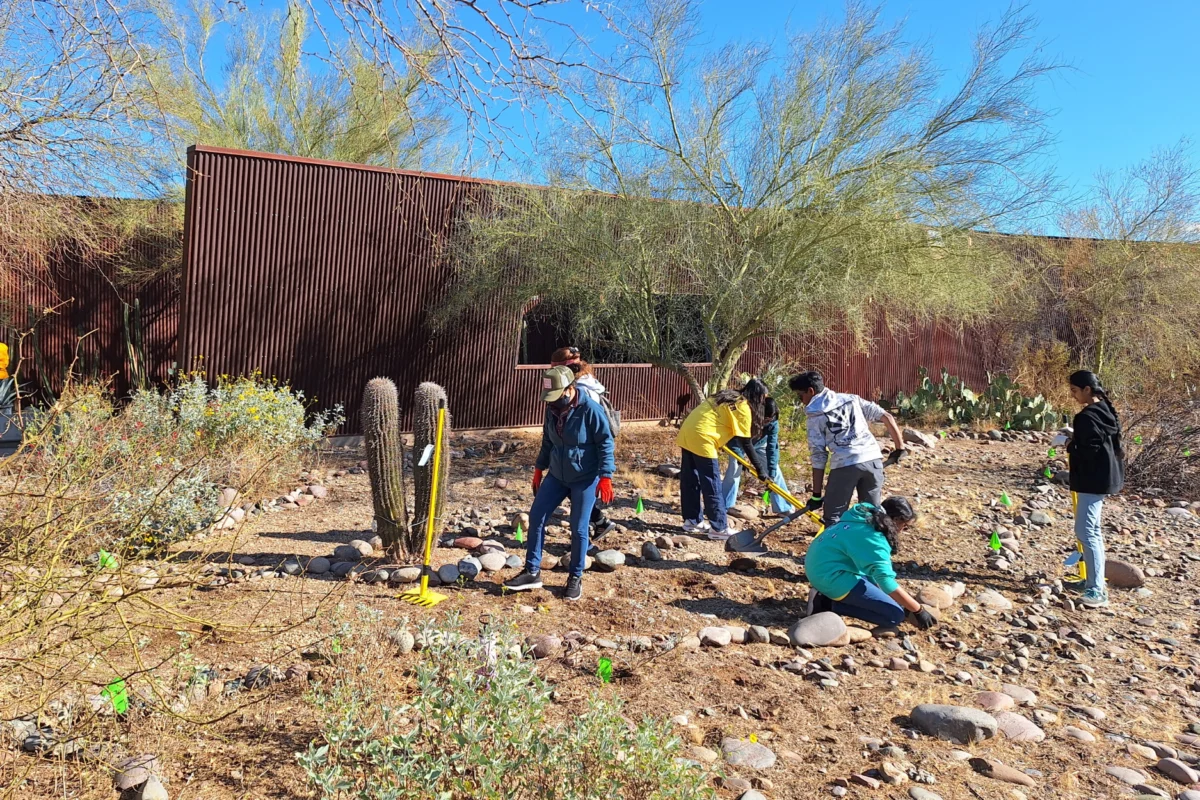
For those who don’t mind getting their hands dirty and thrive on seeing tangible results, the Habitat Steward program offers direct engagement in ecological restoration. This category represents the "backbone" of Audubon’s on-the-ground conservation work, involving physical labor that yields immediate and long-term benefits for local ecosystems. Since 2011, these projects have been a cornerstone of Audubon Southwest’s efforts, mobilizing thousands of volunteers to improve countless acres for birds and other wildlife.
Habitat Stewards participate in a variety of crucial activities:
- Planting Projects: Reforestation and revegetation efforts involve planting native species, particularly along riparian corridors or in degraded woodland areas. This helps restore essential habitat, prevent erosion, and enhance biodiversity. Volunteers learn about native plant identification, proper planting techniques, and the ecological role of different species.
- Invasive Species Removal: Non-native invasive plants, such as Russian olive, tamarisk, and various grasses, outcompete native vegetation, alter hydrological regimes, and reduce habitat quality for wildlife. Volunteers systematically remove these species, often using hand tools, which is a labor-intensive but highly effective method for restoring ecological balance. This work is particularly critical along the Rio Salado in Arizona and in similar riparian zones across New Mexico.
- Burrowing Owl Burrow-Building Volunteer Days (Arizona): A unique and impactful project involves constructing artificial burrows for Burrowing Owls. These small, ground-dwelling owls often lose their natural burrows (dug by prairie dogs or other animals) due to development and agricultural practices. Volunteers learn how to dig and install artificial burrows, providing essential shelter and nesting sites for displaced owls. This initiative directly contributes to the rehoming and conservation of a species that is increasingly threatened by habitat loss.
No prior experience is necessary for Habitat Steward projects. All tools, materials, and comprehensive directions are provided by Audubon staff. These events foster teamwork, outdoor skills, and a deep connection to the land. Participants often leave with a sense of accomplishment, having directly contributed to creating healthier environments for birds and other wildlife. The consistency of this program since 2011 highlights its success in mobilizing community members for sustained ecological improvement.
Impact and Outcomes: A Decade of Dedicated Service
The collective efforts of Audubon Southwest volunteers annually translate into significant conservation outcomes. Each year, staff reflect with gratitude on the sheer volume of work accomplished: hundreds of individuals educated, thousands of bird observations recorded, countless acres improved through restoration, and numerous Burrowing Owls successfully rehomed. While specific numerical targets for each category vary annually based on project needs and funding, the cumulative impact since the inception of these formalized volunteer programs is substantial.
For example, habitat restoration projects initiated in 2011 have, over more than a decade, transformed degraded landscapes into thriving ecosystems. These efforts have likely resulted in the planting of tens of thousands of native trees and shrubs, the removal of hundreds of acres of invasive species, and the creation of vital habitat patches. The community science initiatives, particularly for species like the Pinyon Jay, have amassed vast datasets that contribute to regional and national conservation strategies, providing insights into population dynamics that would be impossible to gather without widespread volunteer participation. Education volunteers, through their consistent engagement at centers, annually reach thousands of visitors, planting seeds of environmental awareness and stewardship in communities across Arizona and New Mexico.
Statements from Leadership
Audubon Southwest officials consistently emphasize the indispensable role of volunteers. "Our volunteers are the heartbeat of Audubon Southwest," states a representative for the organization. "They bring passion, dedication, and invaluable hands-on support to every facet of our work, from educating the public to restoring critical habitats and gathering essential scientific data. We simply could not achieve our conservation goals without their tireless efforts."
A spokesperson for the Rio Salado Audubon Center adds, "Our education volunteers are truly ambassadors for nature. They inspire curiosity and foster a love for the natural world in thousands of visitors each year, laying the foundation for a more environmentally conscious future." Similarly, a conservation biologist involved in bird surveys notes, "The data collected by our community scientists is absolutely crucial. It provides us with the broad-scale information needed to track population trends and identify areas of critical concern, directly informing our conservation priorities for species like the Pinyon Jay and Western Yellow-billed Cuckoo."
Broader Implications: Fostering Community and a Conservation Ethic
Beyond the direct ecological benefits, Audubon Southwest’s volunteer programs have broader societal implications. They serve as powerful platforms for community building, bringing together individuals from diverse backgrounds united by a common passion for nature. Volunteers develop new skills—be it bird identification, native plant knowledge, leadership in educational settings, or practical restoration techniques—that can be applied in various aspects of their lives.
The act of volunteering instills a deeper sense of place and ownership over local natural resources. It transforms abstract environmental concerns into concrete actions, empowering individuals to feel like active participants in solving complex ecological challenges. This fosters a robust conservation ethic, encouraging sustainable practices and advocacy within wider communities. As environmental challenges in the Southwest continue to escalate, cultivating such a widespread ethic of stewardship becomes increasingly vital for the long-term health of both human and natural communities.
An Invitation to Action
The opportunities presented by Audubon Southwest are more than just volunteer shifts; they are invitations to embark on a personal adventure of discovery, learning, and impactful contribution. Whether one prefers sharing knowledge, meticulous data collection, or vigorous physical work, there is a place for every individual to make a difference in protecting the unique natural heritage of Arizona and New Mexico. The call to action is clear: "Are you up for an adventure? Come on out!" The collective dedication of these volunteers continues to be the driving force behind Audubon Southwest’s enduring success in safeguarding the region’s birds and the places they need to thrive.
