
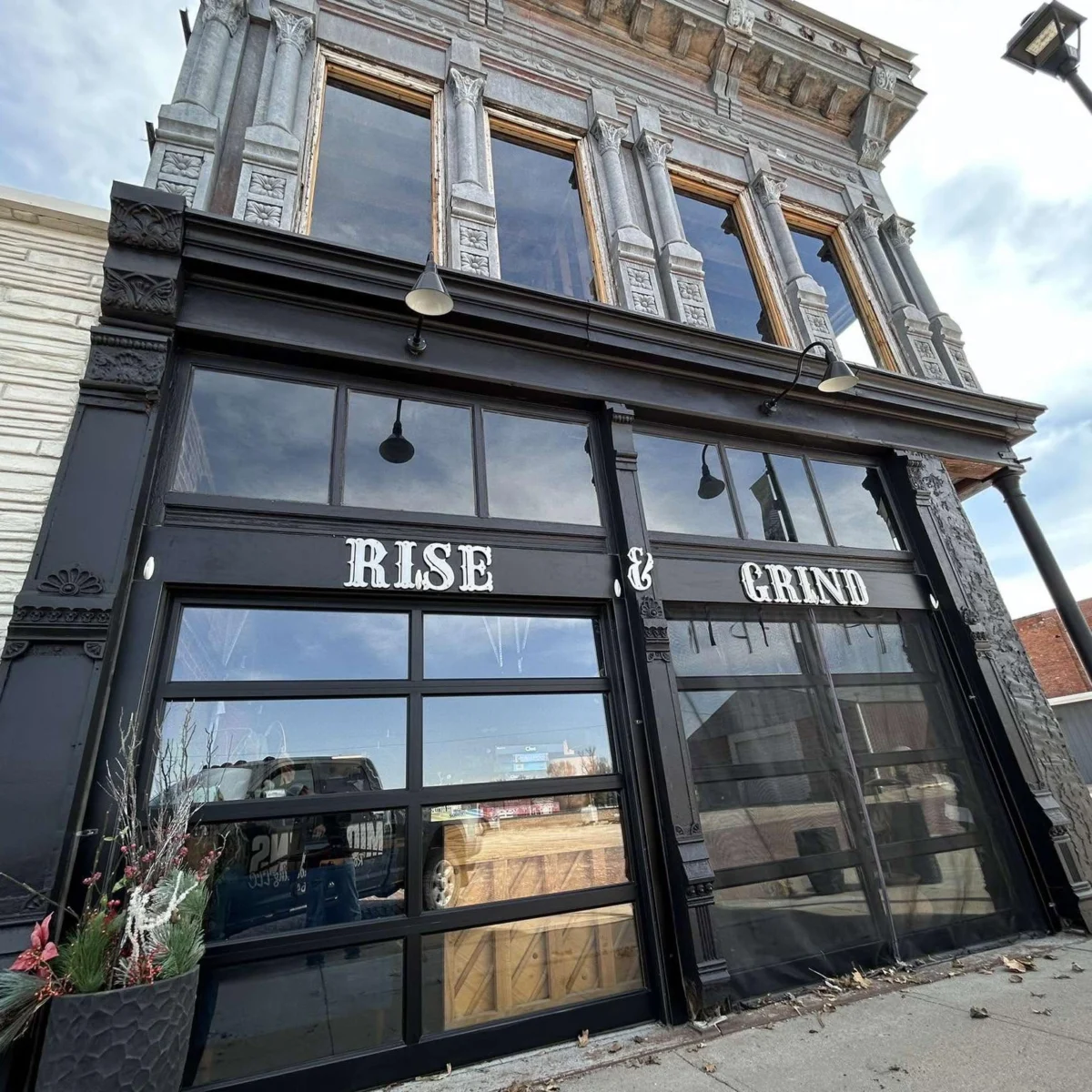
Central Nebraska annually transforms into a global spectacle as over half a million Sandhill Cranes converge along the Platte River, creating one of the planet’s most remarkable wildlife migrations. While this natural phenomenon generates a substantial $28 million annual economic impact for the region, its influence extends far beyond mere financial figures, fostering deep community connections and enriching the social fabric of towns like Gibbon. This impact is vividly exemplified by Rise and Grind, a family-run coffee shop that has become a vital hub for international visitors and local residents, illustrating how nature’s grandeur can cultivate enduring human relationships.
The Majestic Migration: A Natural Phenomenon and Economic Catalyst
Each spring, typically from late February through early April, the Platte River corridor in Nebraska serves as a critical stopover for 80% of the world’s Sandhill Cranes during their epic journey from southern wintering grounds to northern breeding territories. These ancient birds, some dating back nine million years in the fossil record, pause to rest and refuel on waste grain from cornfields, building crucial energy reserves for their arduous journey. The shallow, braided channels of the Platte provide safe, predator-free roosting sites on sandbars, a unique ecological feature that makes this specific stretch of river indispensable.
The sheer scale of this migration draws an estimated 70,000 to 100,000 visitors each year, ranging from avid birdwatchers and professional photographers to curious tourists seeking a connection with nature. This influx drives a significant economic boom, impacting sectors such as hospitality, dining, retail, and local transportation. A 2025 Economic Impact Study, building on previous analyses, underscores the direct spending on lodging, food, fuel, and souvenirs, as well as the indirect benefits derived from these expenditures circulating within the local economy. This financial boon is a critical lifeline for many small businesses in rural Nebraska, helping to sustain livelihoods and communities that might otherwise face economic stagnation.
Audubon’s Enduring Stewardship of the Platte River
At the heart of conserving this vital habitat is Audubon’s Rowe Sanctuary, a pivotal organization dedicated to protecting the Platte River ecosystem and ensuring the cranes’ continued success. Established decades ago, the sanctuary manages thousands of acres of critical river habitat, working tirelessly to restore the natural flow and braided characteristics of the river, which have been altered by agricultural and urban development. Beyond habitat management, Rowe Sanctuary plays a crucial role in public education and visitor management, offering viewing blinds and guided tours that allow visitors to experience the migration up close while minimizing disturbance to the birds. Their efforts include extensive scientific research, tracking crane populations, studying their foraging habits, and understanding the broader ecological dynamics of the Platte River. The sanctuary’s careful planning and conservation strategies are fundamental to both the cranes’ survival and the sustained flow of nature-based tourism to the region. The partnership between conservation organizations like Audubon and local communities is a cornerstone of sustainable development in this unique ecological corridor.
Gibbon, Nebraska: The "Smile City" Embracing Its Natural Heritage
Less than eight miles from Audubon’s Rowe Sanctuary lies Gibbon, Nebraska, a historic town founded in 1871. Affectionately known as the "Smile City" due to the warm, friendly disposition of its residents, Gibbon has strategically focused on economic growth through downtown revitalization and investment in nature-based tourism. Recognizing its proximity to a world-class natural event, the city has actively worked to position itself as an accessible and welcoming destination for crane watchers. Initiatives have included improving infrastructure, promoting local businesses, and fostering a community spirit that embraces the annual influx of visitors. This deliberate pivot towards leveraging its natural assets has been instrumental in creating a vibrant local economy and enhancing the quality of life for its residents. The city’s commitment to providing a "hometown feel" perfectly complements the awe-inspiring experience of the crane migration, offering visitors a holistic and memorable trip.
Rise and Grind: A Beacon of Community and Warmth
Opened in 2021 by Scott and Lonna Pickel, Rise and Grind coffee shop on Front Street in downtown Gibbon occupies a beautifully restored building dating back to 1893. In just five years, this family-run establishment has become an indispensable part of the Sandhill Crane migration experience, widely known and cherished by tourists from across the globe. Its strategic location and the Pickels’ dedication have transformed it into a favorite stop for Rowe Sanctuary visitors and volunteers, who often spread word-of-mouth recommendations about its cozy atmosphere, quality coffee, and genuine hospitality.
During the peak migration season in March, Rise and Grind experiences a dramatic surge in foot traffic, often seeing daily customer counts increase by 300-400% compared to off-peak months. To manage this seasonal boom, Scott and Lonna meticulously prepare their team, often hiring additional temporary staff and extending operating hours. Bakery and food production are significantly ramped up, offering a comforting array of pastries, sandwiches, and local specialties designed to fuel early morning birdwatchers and warm up those returning from chilly viewing blinds. This logistical planning is crucial to maintaining their high standards of service and ensuring a positive experience for every guest.
Beyond consumables, Rise and Grind creatively capitalizes on the crane migration through specially curated merchandise. Collaborating with local artists, they offer unique Sandhill Crane-themed items such as keychains, sweatshirts, t-shirts, postcards, and artist prints, many featuring their distinctive logo. A particularly popular item is their "crane popcorn," a local delicacy that serves as both a snack and a souvenir. These merchandise sales provide a significant revenue stream, not only boosting profits during the migration season but also helping to stabilize the business during slower periods of the year. The economic impact from these sales is tangible, contributing directly to the shop’s sustainability and allowing the Pickels to invest further in their business and the community.
The Priceless Value of Human Connection
While the economic uplift is undeniable, Scott and Lonna Pickel consistently emphasize that the true value of crane season transcends financial metrics. For them, the heart of their business lies in the connections forged and the community built. An early March social media post eloquently captured their sentiment: "Anyway, just feeling extra grateful for another season of the Sandhill Cranes and all the people they bring to our tiny corner of NE. We’ll be over here sipping our fave Lotus with our feet up getting ready for another day full of the coolest bird people out there!" This illustrates a profound appreciation for their visitors, viewing them not just as customers but as "coolest bird people" with whom to engage.
The Pickels’ commitment to personal interaction is evident in countless stories. They proudly recall welcoming world travelers from distant lands such as New Zealand, Korea, and Japan, alongside visitors from every corner of the United States. Each interaction offers a unique cultural exchange, transforming their small coffee shop into a vibrant international meeting point.
One particularly memorable anecdote involved two sisters, one from Alaska and the other from California, who had reserved the notoriously rustic and cold Overnight Photography Blind at Rowe Sanctuary. Understanding the challenging conditions, Rise and Grind generously donated a supply of hand warmers to the sanctuary. Upon arriving at the coffee shop after their chilly but exhilarating experience, the sisters expressed profound gratitude, explaining how they had stuffed the warmers into their sleeping bags to brave the cold. Their appreciation extended to sending a thoughtful gift package from Alaska, filled with local products like jerky and beautifully crafted hand towels – a gesture that speaks volumes about the lasting impression the Pickels’ kindness left.
Lonna Pickel recounted another cherished interaction with a couple from Texas who had first visited the previous year on the recommendation of a chef friend. This year, they returned, not only bringing chorizo from their friend’s restaurant as a gift but also making daily visits, each time accompanied by a different set of "crane friends." They would share new, fascinating facts about the birds each day, transforming their coffee breaks into informal educational sessions. This level of engagement and repeat visitation highlights the deep loyalty and personal relationships fostered by Rise and Grind. As Lonna noted, even a volunteer shared, "he looks forward to this every year!"—underscoring the role the coffee shop plays in the broader social fabric of the migration experience.
The family aspect of Rise and Grind further enriches these connections. One of the Pickels’ children manages the shop’s social media presence, while another contributes artwork for their merchandise, embedding a genuine, personal touch into every facet of the business. This familial involvement resonates deeply with visitors, who often seek authentic, local experiences that support small, independent enterprises.
Broader Implications and a Vision for Sustainable Tourism
The success of Rise and Grind in Gibbon offers a compelling microcosm of the broader impact of the Sandhill Crane migration. The economic multiplier effect generated by increased visitor spending extends beyond the coffee shop, benefiting local grocery stores, gas stations, other eateries, and accommodations. This collective uplift reinforces the economic viability of small towns in rural Nebraska.
Furthermore, the model exemplified by Gibbon and Rise and Grind showcases the potential of nature-based tourism as a driver of sustainable development. By preserving natural habitats and celebrating unique ecological phenomena, communities can attract visitors who not only contribute economically but also develop a deeper appreciation for conservation. This creates a virtuous cycle where local businesses and residents become staunch advocates for environmental protection, understanding that their livelihoods are intrinsically linked to the health of the ecosystem.
Looking ahead, continued collaboration between conservation bodies like Audubon, local governments, and small businesses will be crucial. Managing increasing visitor numbers while minimizing ecological impact presents ongoing challenges, necessitating careful planning, investment in infrastructure, and robust educational programs. However, the opportunities for growth are substantial, from diversifying local offerings to enhancing visitor experiences through technology and expanded cultural events.
In conclusion, while the economic figures associated with the Sandhill Crane migration are undeniably significant, the true richness lies in the intangible benefits. It is found in the shared stories over a warm cup of coffee, the friendships forged between strangers united by a common love for birds, and the profound joy of welcoming people from across the globe to a small Nebraska community. For Scott and Lonna Pickel and their Rise and Grind coffee shop, Sandhill Crane season is far more than a business opportunity; it is a powerful reminder that nature not only stimulates local economies but also cultivates lasting human connections that inspire return visits year after year, reinforcing the enduring spirit of the "Smile City."
