
Brussels, Belgium – Two esteemed BirdLife Europe Partners have been recognized with prestigious awards at this year’s LIFE Awards ceremony, a beacon of environmental achievement now in its 20th iteration. The celebration of these pivotal conservation efforts unfolded against a backdrop of increasing concern, as the very future of the LIFE programme – the European Union’s sole dedicated funding instrument for nature, climate, and environment – hangs in the balance, facing potential discontinuation under the next EU budget. This year’s accolades underscore the tangible and transformative impact of LIFE funding, bringing critical attention to its indispensable role in achieving the EU’s ambitious environmental objectives.
The LIFE Programme: A Cornerstone of EU Environmental Policy
Established in 1992, the LIFE programme was conceived as a vital financial instrument to support environmental, nature conservation, and climate action projects throughout the European Union and in selected third countries. Over its three decades of operation, it has become synonymous with innovative and effective solutions to pressing ecological challenges. Since its inception, LIFE has co-financed more than 6,400 projects, channeling essential resources to grassroots initiatives, scientific research, and large-scale conservation efforts that often struggle to secure funding from other sources.

Despite representing a modest 0.2% of the total EU budget, the programme’s strategic investment yields disproportionately significant results. For instance, projects awarded in 2022 and 2023 alone are projected to contribute to halting biodiversity loss across an impressive 500,000 hectares of land. This demonstrates the programme’s exceptional efficiency and the profound ripple effect of its targeted funding. LIFE’s structure has evolved over the years, initially focusing on nature and environment, then expanding to include climate action. The current programme period (2021-2027) allocates funds across four sub-programmes: Nature and Biodiversity, Circular Economy and Quality of Life, Climate Change Mitigation and Adaptation, and Clean Energy Transition. This integrated approach allows LIFE to address the interconnected crises of biodiversity loss and climate change holistically, aligning perfectly with the overarching goals of the European Green Deal. The awards ceremony serves not only to celebrate individual successes but also to highlight the collective achievements and inherent value that this dedicated funding instrument brings to the European continent and beyond.
Celebrating Innovation: SEO/BirdLife’s OlivaresVivos Project
Among the distinguished recipients at the 20th LIFE Awards, Spain’s SEO/BirdLife secured the coveted "Most Innovative and Transformative Initiative" award for its groundbreaking project, "OlivaresVivos" (Living Olive Groves). This initiative represents a paradigm shift in agricultural practices, demonstrating that biodiversity conservation and economic profitability are not mutually exclusive but can, in fact, be synergistic. The project’s core innovation lies in its successful development of a farming model that actively recovers biodiversity within olive groves while simultaneously enhancing the financial viability for farmers.
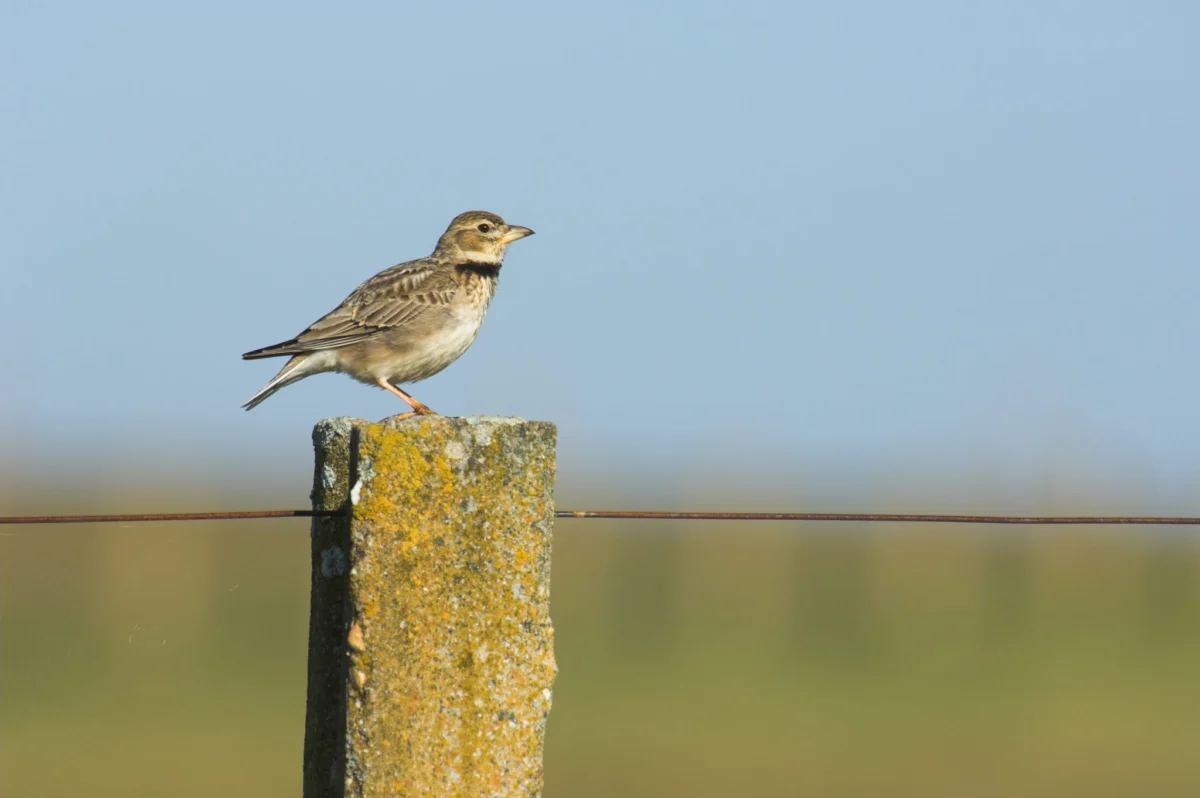
Traditionally, intensive olive farming practices have often led to significant biodiversity degradation, including soil erosion, reduced insect populations, and habitat loss for birds and other wildlife. OlivaresVivos challenged this status quo by introducing a suite of scientifically endorsed and commercially certified practices. These include the restoration of natural vegetation cover, the creation of hedges and ponds, the planting of native flora, and the implementation of sustainable pest control methods, all designed to transform monoculture landscapes into thriving agro-ecosystems. The project has meticulously monitored biodiversity indicators, showcasing a remarkable rebound in insect populations, an increase in the number and diversity of bird species (including the featured Calandra Lark, Melanocorypha calandra), and improved soil health.

Crucially, OlivaresVivos did not merely advocate for environmental good; it built a compelling economic case for it. By working with partners, SEO/BirdLife established a unique certification and labeling system that adds significant value to olive oils produced under the "Living Olive Groves" model. Consumers are increasingly willing to pay a premium for products that are not only high-quality but also environmentally responsible and ethically produced. This market-driven approach ensures that farmers adopting these biodiversity-friendly methods are financially rewarded, transforming conservation from a burden into a competitive advantage. The project’s success in integrating ecological restoration with economic incentives makes it a truly transformative initiative, offering a scalable model for sustainable agriculture that benefits both nature and livelihoods. Its widespread adoption could significantly contribute to halting biodiversity loss in agricultural landscapes across the Mediterranean basin and beyond.
A Lifeline for the Sky: BSPB’s Egyptian Vulture New LIFE Initiative
The "Citizens’ Prize," a testament to public support and engagement, was awarded to the Bulgarian Society for the Protection of Birds (BSPB), a vital BirdLife Partner, for their "Egyptian Vulture New LIFE" project. This ambitious and highly successful initiative achieved the remarkable feat of reversing the alarming decline of the Egyptian Vulture (Neophron percnopterus) population in the Balkans. The Egyptian Vulture, Europe’s only long-distance migratory vulture species, faces severe threats across its vast migratory flyway, which spans Europe, Asia, and Africa. Its slow reproductive rate and long lifespan make it particularly vulnerable to population pressures.
The BSPB project strategically tackled the two primary causes of mortality for these majestic birds: poisoning and power line electrocution. Poisoning, often indiscriminate and illegal, has decimated vulture populations across many regions. The project implemented comprehensive anti-poisoning measures, including public awareness campaigns targeting local communities and farmers, close collaboration with law enforcement agencies, and the deployment of specialized anti-poison dog units to detect and remove poisoned baits. This multi-faceted approach significantly reduced incidents of poisoning in critical vulture habitats.

Simultaneously, the project addressed the pervasive threat of power line electrocution, a silent killer for many large birds. Working with energy companies, the initiative implemented practical solutions such as insulating dangerous power poles, installing bird flight diverters on overhead lines to improve visibility, and modifying infrastructure to incorporate bird-safe designs. These measures substantially mitigated the risk of electrocution for Egyptian Vultures and other raptors.
Beyond tackling direct threats, "Egyptian Vulture New LIFE" also focused on strengthening breeding sites. This involved providing artificial nests to compensate for natural nest loss, establishing supplementary feeding stations to ensure adequate food supply, and deploying guard teams to protect nests from disturbance and poaching during critical breeding periods. The project’s success was amplified by its extraordinary transnational collaboration, involving 22 partners across 14 countries spanning three continents. This extensive network facilitated crucial data sharing, synchronized conservation actions along the entire migratory route, and built capacity in regions where conservation resources were scarce, proving that species conservation often requires a truly global effort. The project’s outcomes are a powerful testament to what can be achieved through dedicated effort, scientific rigor, and international cooperation in the face of daunting conservation challenges.
A Call for Continuity: The Future of LIFE Funding
The celebratory atmosphere of the LIFE Awards was tinged with a palpable sense of urgency regarding the programme’s future. Award winners, along with a broad coalition of environmental organizations and policymakers, seized the opportunity to advocate strongly for LIFE’s continuation. Their message was unequivocal: discontinuing this vital funding instrument would be a severe blow to Europe’s environmental ambitions and its commitments under the European Green Deal.

The European Parliament has already voiced its concern and support for the programme. Its Multiannual Financial Framework (MFF) Interim Report explicitly calls for LIFE’s crucial work on nature conservation, biodiversity restoration, and climate adaptation to be maintained and even strengthened. This parliamentary endorsement highlights a recognition of LIFE’s effectiveness and its alignment with the EU’s strategic priorities. The MFF, which sets the EU’s long-term budget, is currently undergoing critical negotiations, and the fate of programmes like LIFE rests on these decisions.
The arguments for LIFE’s continuation are compelling. Beyond its direct environmental benefits, the programme fosters innovation, creates green jobs, and builds capacity within civil society organizations across the EU. It provides a unique mechanism for translating policy objectives into tangible results on the ground, engaging local communities and delivering concrete improvements for both nature and people. Representatives from BirdLife Europe, alongside other environmental NGOs, have consistently emphasized that defunding LIFE would undermine decades of progress and significantly impede the EU’s ability to meet its own biodiversity and climate targets, including the ambitious goal of protecting 30% of its land and sea areas by 2030.
While the European Parliament has made its position clear, the final piece of the puzzle lies with national governments. Member States hold significant sway in the MFF negotiations, and their commitment to prioritizing environmental funding will be decisive in securing LIFE’s future. Conservation advocates are urging national leaders to recognize the profound value of the programme and to ensure it remains a robust and adequately funded instrument in the next EU budget cycle.
The Broader Implications: Safeguarding Europe’s Natural Heritage
The potential discontinuation of the LIFE programme carries significant implications for Europe’s environmental landscape and its global leadership in sustainability. If LIFE were to cease operations or face drastic budget cuts, the ripple effects would be far-reaching:
- Undermining EU Green Deal Ambitions: The European Green Deal, the EU’s overarching strategy for making Europe climate-neutral by 2050 and protecting its natural environment, heavily relies on instruments like LIFE to deliver its goals. Without dedicated funding for nature restoration, circular economy initiatives, and climate adaptation, achieving these targets would become substantially more challenging, if not impossible.
- Loss of Critical Biodiversity Projects: Many conservation efforts, particularly those involving endangered species or complex ecosystem restoration, are long-term endeavors requiring sustained funding. The loss of LIFE would leave a significant void, potentially halting ongoing projects and preventing new, urgently needed initiatives from launching. This would directly impact species recovery plans, habitat protection, and the resilience of ecosystems.
- Reduced Innovation and Replication: LIFE has a strong track record of funding innovative pilot projects that, once proven successful, can be replicated across the EU. This "learning by doing" approach is crucial for developing and scaling up effective environmental solutions. Without LIFE, the pipeline for such innovation would diminish.
- Weakened Civil Society Engagement: Environmental NGOs and local authorities are key beneficiaries and implementers of LIFE projects. The programme empowers these organizations, building their capacity and enabling them to play a crucial role in conservation. Its discontinuation would severely impact their ability to operate effectively, weakening the fabric of environmental civil society in Europe.
- Economic Consequences: Beyond the environmental realm, LIFE projects often generate local employment, foster green industries, and provide ecosystem services that have tangible economic benefits, such as improved water quality, pollination services, and climate regulation. These economic co-benefits would be jeopardized.
Looking Ahead: The Path to 2026 and Beyond
As discussions around the next Multiannual Financial Framework intensify, the fate of the LIFE programme remains a critical point of contention. The 2026 LIFE call for proposals is currently open until late September, a stark reminder of the programme’s ongoing activity and the demand for its support. However, beyond this current cycle, its future is uncertain.
The overwhelming success stories highlighted at the 20th LIFE Awards, particularly those from SEO/BirdLife and BSPB, serve as powerful testaments to the programme’s efficacy and impact. They demonstrate that strategic, dedicated environmental funding is not a luxury but an essential investment in Europe’s natural capital, its climate resilience, and the well-being of its citizens. The onus is now on national governments to heed the calls from the European Parliament, environmental organizations, and the success stories themselves, to ensure that the LIFE programme continues to thrive, safeguarding Europe’s invaluable natural heritage for generations to come. The decision made in the coming months will profoundly shape the continent’s environmental trajectory and its commitment to a sustainable future.
