
The state of global avian populations is currently at a critical juncture, with conservation organizations such as BirdLife International reporting that the cumulative pressures of industrial development, illegal wildlife trade, and shifting environmental patterns are pushing many species toward the brink of extinction. While the challenges facing birds are growing, recent successes in targeted intervention demonstrate that systematic, science-based conservation efforts remain the most effective tool in stabilizing vulnerable populations. From the wetlands of North America to the grasslands of Southern Africa, these recovery stories provide both a blueprint for future success and a sobering reminder of the fragility of the natural world.
The Whooping Crane: A Century of Resilience
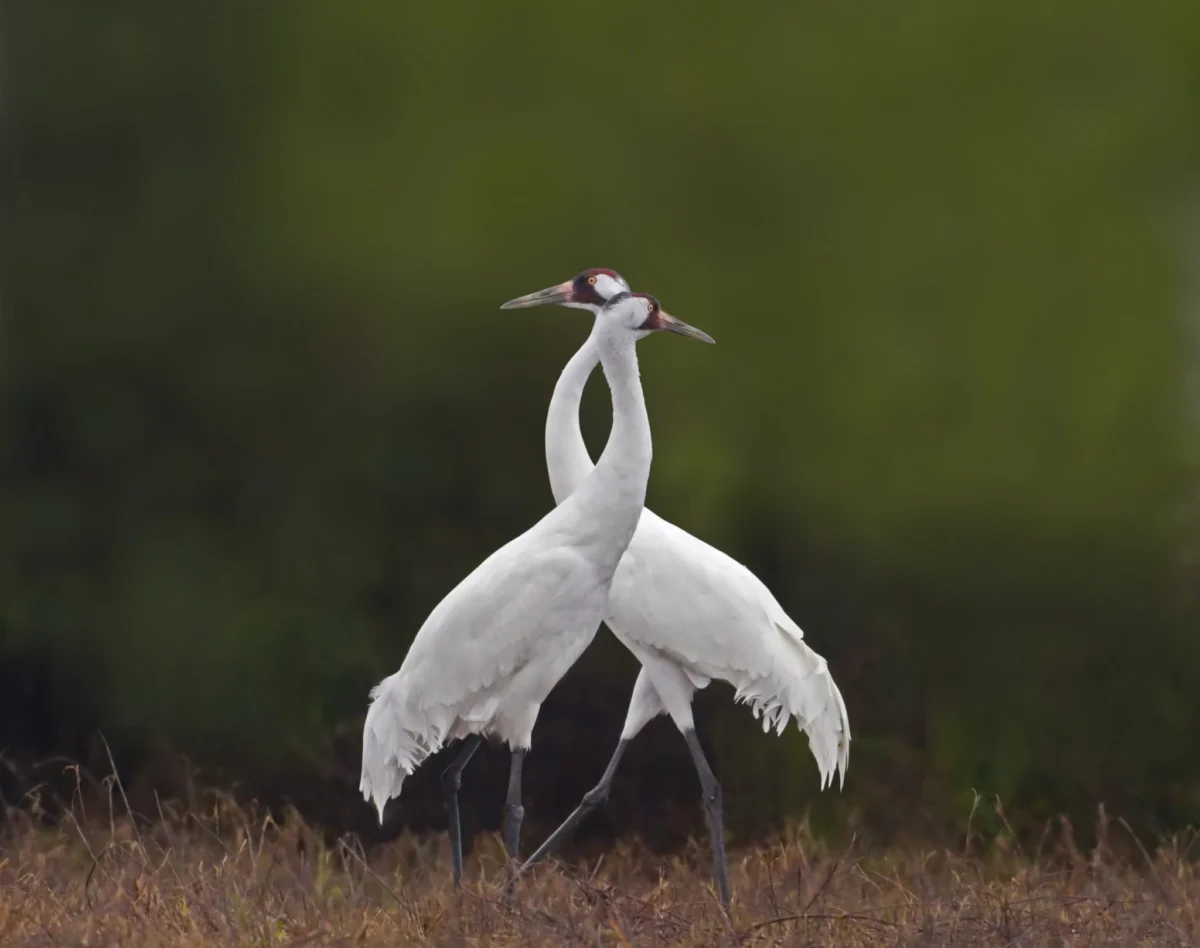
The Whooping Crane (Grus americana) stands as one of the most storied, yet precarious, recovery efforts in the history of North American conservation. In 1941, the species reached a nadir of only 21 individual birds in the wild. This collapse was the result of a "perfect storm" of pressures: the rapid drainage of wetlands for agriculture, the encroachment of urban development, and intense hunting pressure that had gone largely unchecked for decades.
The turnaround for the Whooping Crane began with the formal recognition of its endangered status and the implementation of the Migratory Bird Treaty Act. However, the recovery was not a linear process. Between the 1940s and the 1970s, scientists engaged in intensive monitoring and habitat protection. By the late 20th century, captive breeding programs were introduced to augment wild populations. The latest data from 2025 shows a population count of 557 birds, a significant increase from the 1941 low, yet the species remains classified as endangered.
The primary challenge today is no longer just hunting, but the availability of suitable nesting and stopover habitats. As climate change alters water availability in the Great Plains, the "comeback" of the Whooping Crane requires constant vigilance. Conservationists note that the current population is still susceptible to catastrophic events—such as disease outbreaks or severe weather—meaning that the margin for error remains thin.
The Red-footed Falcon: Community-Led Conservation Success
While the Whooping Crane represents a long-term recovery project, the Red-footed Falcon (Falco vespertinus) illustrates the efficacy of community-led monitoring and international cooperation. Every spring, up to a million Red-footed Falcons undertake a massive migration, congregating at specific sites in Angola. This concentration of the species makes them uniquely vulnerable to human interference, particularly large-scale illegal hunting.

Historically, these falcons were heavily targeted by local populations, which led to a precipitous decline in their numbers. The shifting strategy in the early 2010s focused on transitioning from top-down enforcement to community-based education and economic incentives. By involving local stakeholders in the monitoring and protection of these "roosting sites," the rate of illegal hunting has plummeted. This model serves as a benchmark for migratory bird protection: when local communities benefit from the presence of wildlife—whether through ecotourism or sustainable land management—the birds gain a permanent layer of protection that government regulation alone cannot provide.
The Broader Context of Avian Decline
The status of these two species highlights the two primary pillars of contemporary conservation: habitat restoration and human-wildlife conflict resolution. According to the State of the World’s Birds report, approximately 49% of all bird species are currently experiencing population declines, and one in eight species is threatened with global extinction.
The drivers of these declines are multifaceted. Habitat loss remains the leading cause, accounting for nearly 75% of threatened species. Agricultural intensification, which removes hedgerows, wetlands, and native grasses, has decimated insect populations—the primary food source for many migratory birds. Furthermore, the proliferation of invasive species, particularly on islands, has led to the extinction of numerous endemic bird populations that had no natural defenses against mammalian predators.
Chronology of Modern Conservation Efforts
The history of formal bird conservation can be traced back to the early 20th century, but the methodology has evolved significantly:
- 1918: The Migratory Bird Treaty Act is passed in the United States, marking one of the first major legislative victories for avian protection.
- 1970s–1980s: A transition toward science-led conservation, focusing on captive breeding and reintroduction programs (e.g., the California Condor and Whooping Crane projects).
- 1990s–2000s: The rise of international policy frameworks, such as the Convention on the Conservation of Migratory Species of Wild Animals (CMS), which requires trans-border cooperation.
- 2010s–Present: A shift toward "Landscape-Scale Conservation," recognizing that protecting a single patch of forest is insufficient if the migratory corridors between that forest and wintering grounds are degraded.
Official Perspectives and Institutional Responses
Conservation groups and ornithological researchers emphasize that the current rate of loss is "anthropogenic," meaning it is directly driven by human activity. Dr. Elena Vance, a lead researcher in avian ecology, notes that "the extinction crisis is not an inevitability, but a policy choice."
Organizations like BirdLife International argue that private sector funding and individual donations are essential for the "boots-on-the-ground" work required to manage protected areas. "When we ask for support," a BirdLife spokesperson stated, "we are not just asking for funds for data collection; we are asking for the resources to manage thousands of acres of critical wetlands, pay for anti-poaching patrols in remote regions, and lobby for stronger international environmental protections."

Economic and Ecological Implications
The loss of bird species carries significant economic consequences. Birds perform essential ecosystem services that, if lost, would cost billions of dollars to replicate. These services include:
- Pest Control: Raptors and insectivorous birds consume massive quantities of agricultural pests, reducing the need for chemical pesticides.
- Pollination: Many species of birds are critical pollinators for native plant life and agricultural crops.
- Seed Dispersal: Birds are the primary drivers of forest regeneration, moving seeds across landscapes that would otherwise remain fragmented.
A decline in avian biodiversity often signals a broader collapse in ecosystem health. Because birds are high-trophic-level predators or scavengers, their presence (or absence) provides a snapshot of the health of the entire food web. When birds struggle, it is a clear indicator that the soil, water, and insect populations they depend on are also in distress.
Future Outlook and How to Get Involved
The trajectory for the next decade will be defined by the ability of conservationists to scale up their efforts. Technology is playing an increasingly vital role in this transition. Satellite tracking, bio-acoustic monitoring, and remote sensing allow scientists to monitor migratory routes with unprecedented precision, ensuring that protection efforts are targeted at the most critical "bottleneck" locations.
For the general public, the opportunity to contribute remains largely through financial support and awareness. By funding organizations that engage in direct habitat management, individuals play a crucial role in preventing the "extinction vortex"—a phenomenon where a small population loses genetic diversity, making it less resilient to disease and climate change, which in turn leads to further population declines.
Conclusion: A Call to Action
The stories of the Whooping Crane and the Red-footed Falcon are not merely isolated case studies; they are representative of a global movement. While the sheer scale of the threats—from climate-induced drought to habitat destruction—can feel overwhelming, the successes achieved thus far prove that human intervention is highly effective.
As we look toward 2030, the global community faces a choice. Either we continue to allow the erosion of biodiversity to proceed unchecked, or we commit to a sustained, long-term investment in the habitats and species that define our natural world. The work of groups like BirdLife is intended to bridge this gap, translating public concern into tangible, on-the-ground conservation success. Whether through supporting research, contributing to land acquisition funds, or advocating for stricter environmental regulations, the path forward is clear: bird conservation is no longer an optional environmental concern, but a fundamental necessity for the preservation of a functional, healthy planet.
