
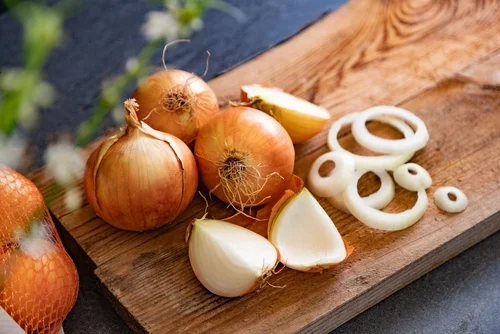
The inclusion of onions in the diet of domestic chickens (Gallus gallus domesticus) poses a significant health risk to avian populations, necessitating a clear distinction between safe vegetable supplements and toxic kitchen scraps. While backyard poultry keeping has seen a resurgence in global popularity, the dissemination of nutritional information has often lagged behind the rapid growth of the hobby. Central to the discussion of poultry health is the chemical composition of the Allium genus, which includes onions, garlic, shallots, leeks, and chives. Scientific consensus and veterinary pathology confirm that these plants contain thiosulphate, a potent organosulfur compound that induces hemolytic anemia in chickens.
The Mechanism of Thiosulphate Toxicity
At the biological level, the ingestion of onions triggers a destructive process within the avian circulatory system. When a chicken consumes onions—either raw or cooked—the thiosulphate present in the plant tissue acts as an oxidizing agent. This compound targets the red blood cells, causing a condition known as oxidative damage. Specifically, the toxin leads to the formation of Heinz bodies within the erythrocytes.

As these red blood cells become damaged, the chicken’s spleen identifies them as defective and removes them from circulation prematurely. This leads to a state of hemolytic anemia, where the rate of red blood cell destruction significantly outpaces the bird’s natural hematopoietic capacity to produce new cells. Without adequate red blood cells to transport oxygen throughout the body, the bird experiences systemic hypoxia. The clinical manifestation of this physiological failure includes jaundice, lethargy, rapid or labored breathing, and extreme weakness. In severe cases of toxicity, the depletion of oxygen-carrying capacity can lead to organ failure and death.
Chronology of Dietary Awareness in Poultry Husbandry
The historical understanding of onion toxicity in animals has been well-documented in veterinary medicine for decades, though its specific application to backyard poultry has only become a mainstream focus in recent years. In the early 20th century, agricultural practices focused primarily on high-volume production, where feed was strictly controlled and supplemental kitchen scraps were less common in professional settings.
As the "backyard chicken" movement gained momentum in the early 2000s, owners began treating their flocks with a wider variety of household leftovers. By 2012, veterinary researchers and organizations such as ChickenDVM began to formalize the categorization of toxic versus non-toxic treats for backyard flocks. The 2010s marked a period of heightened public awareness, as social media and digital forums allowed for the rapid sharing of anecdotal evidence regarding poultry illness. This era established the "Allium Rule," which serves as a foundational guideline for modern poultry nutritionists: avoid all members of the onion family to prevent avoidable morbidity in flocks.

Comparative Nutritional Profiles: The Onion vs. Garlic Distinction
A common point of confusion among poultry keepers involves the role of garlic. While garlic is also a member of the Allium family and contains thiosulphate, the concentration levels are significantly lower than those found in standard onions. Furthermore, the bioavailability of these compounds changes during processing.
Nutritional data suggests that while fresh onions contain high concentrations of the offending toxins, the processing of garlic into dried powders results in a marked reduction of thiosulphate. This scientific nuance has led to the development of specialized feeding practices where, when used in strictly regulated, trace amounts, garlic is sometimes utilized for its potential antimicrobial and respiratory support benefits. However, veterinarians emphasize that this is a practice of calculated moderation. Unlike onions, which provide no significant nutritional benefit to chickens, garlic is often touted in poultry science for its organosulfur compounds, which may support the immune system. Nevertheless, the threshold between a beneficial supplement and a toxic dose is narrow, and experts caution that the inclusion of garlic in a flock’s diet should only be done under strict adherence to recommended, trace-level dosages.
Clinical Symptoms and Veterinary Identification
The identification of thiosulphate poisoning requires close observation. Because chickens are prey animals, they are biologically programmed to mask signs of illness until a condition is quite advanced. Owners should monitor for the following indicators if they suspect ingestion of toxic Allium matter:

- Respiratory Distress: Increased respiratory rate or "gaping," as the body struggles to compensate for the lack of oxygen in the blood.
- Hematological Changes: A pale or bluish tint to the comb and wattles, indicating poor circulation and reduced oxygenation.
- Gastrointestinal Distress: Persistent diarrhea, which is often a secondary symptom of the systemic stress caused by toxic intake.
- Behavioral Lethargy: A marked decrease in activity, a lack of interest in foraging, and the tendency to remain stationary or isolated from the rest of the flock.
If these symptoms appear, the removal of the potential toxin is the primary step, followed by supportive care. In many instances, veterinary intervention may include fluid therapy or specialized supportive nutrition to help the bird’s marrow recover and generate new, healthy red blood cells.
Broader Implications for Poultry Nutrition
The broader implication of this toxicological reality is the necessity for standardized nutritional education for hobbyist farmers. As more urban and suburban residents integrate poultry into their households, the reliance on internet-sourced information has become a double-edged sword. While information is more accessible, the lack of peer-reviewed vetting on many blogs and social media pages necessitates a reliance on professional veterinary resources.
The economic and emotional impact of losing a flock member to preventable toxicity is significant. Beyond the loss of egg production, there is the ethical responsibility of the keeper to provide a safe, species-appropriate environment. The consensus among agricultural extension offices and poultry science departments is clear: the risk of Allium toxicity far outweighs any perceived convenience of disposing of vegetable scraps.

Establishing Best Practices for Flock Management
To maintain a healthy, productive, and resilient flock, poultry owners should adhere to a strict protocol of feed management. This involves:
- Strict Exclusion: Prohibit all members of the Allium genus—specifically onions, leeks, shallots, chives, and scallions—from the feeding area.
- Source Control: Ensure that kitchen scraps are thoroughly screened before being introduced to the run. Even trace amounts found in cooked soups or processed leftovers can accumulate if the birds are fed these scraps consistently over time.
- Nutritional Supplementation: Rely on commercially formulated poultry feed, which is designed to provide a balanced macro- and micronutrient profile. When offering treats, prioritize safe alternatives such as leafy greens, specific fruits, and cooked grains that lack the chemical compounds associated with hemolytic damage.
- Continuous Monitoring: Establish a baseline for what constitutes "normal" behavior for the flock. Early detection of any malaise allows for quicker isolation and treatment, which can be the difference between recovery and mortality.
Conclusion
The question of whether chickens can consume onions is answered unequivocally by the biological realities of the avian circulatory system. The presence of thiosulphate renders onions a hazardous substance that compromises the integrity of red blood cells, leading to severe health complications. While other Allium members, such as garlic, may have a place in specialized nutritional regimens due to their lower toxin concentrations and potential health benefits, they must be treated with caution and professional guidance.
For the modern poultry keeper, the priority remains the health and longevity of the flock. By removing high-risk foods from the diet and focusing on established, safe nutritional protocols, owners can effectively prevent the onset of preventable conditions like hemolytic anemia. The history of the backyard chicken movement serves as a reminder that as we invite these animals into our domestic spaces, we must mirror the level of care and nutritional precision found in large-scale animal husbandry. By maintaining these standards, we ensure the welfare of the flock and the sustainability of the practice for future generations of keepers.
