
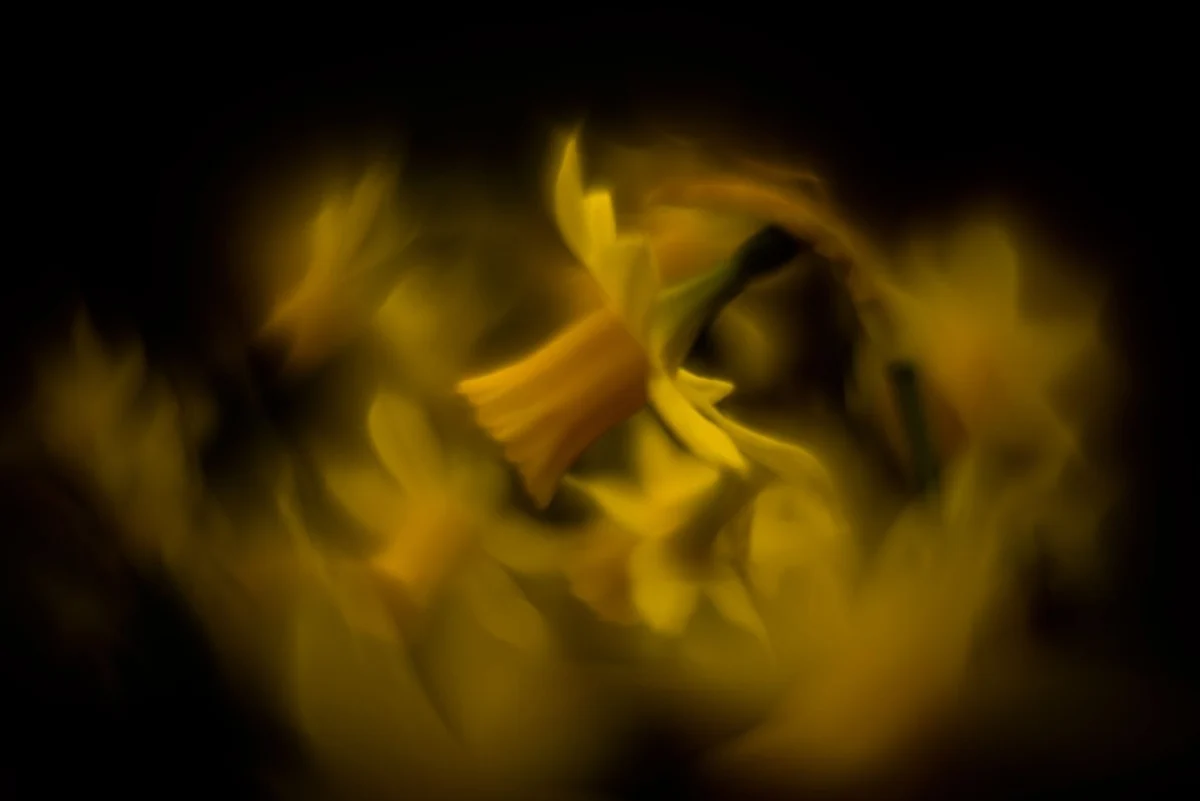
Landscape photography remains a primary pursuit for nature enthusiasts, yet hobbyists frequently encounter scheduling constraints that prevent them from capturing optimal lighting conditions in remote destinations. When time limitations and unfavorable weather disrupt meticulously planned excursions, photographers increasingly rely on spontaneous, localized alternatives to maintain their creative momentum. Rather than resulting in wasted effort, these impromptu sessions often foster heightened technical adaptability, encouraging practitioners to explore macro photography, urban nature reserves, and minimalist compositions that might otherwise be overlooked during grand expeditions.
The Phenomenon of the Impromptu Photographic Session

The traditional paradigm of landscape photography dictates thorough preparation: scouting locations weeks in advance, calculating solar trajectories, monitoring meteorological forecasts, and arriving hours before dawn to secure ideal vantage points. However, contemporary amateur photographers frequently find themselves constrained by standard work weeks, familial responsibilities, and geographic distance from premier wilderness areas. Consequently, a significant percentage of intended landscape outings fail to materialize under optimal conditions.
Industry analysts tracking hobbyist equipment utilization and outdoor recreation trends note a steady shift toward opportunistic photography. Rather than abandoning a shoot when overcast skies or midday sun ruin grand vistas, modern practitioners activate contingency strategies. These unplanned sessions emphasize immediate surroundings—such as neighborhood gardens, local municipal parks, and urban green spaces—transforming ordinary environments into rich subjects for artistic exploration. By shifting the focus from expansive horizons to intimate terrestrial details, photographers sustain their creative output without requiring extensive travel.
The Technical Mechanics of Macro and Close-Up Photography

When grand landscapes prove inaccessible, macro and close-up photography serve as a primary technical outlet. Operating within more contained settings offers distinct operational advantages, most notably enhanced control over ambient light and subject stability. Unlike vast mountain ranges or expansive coastlines, a square meter of forest floor or a localized floral arrangement allows the photographer to manipulate variables directly at the point of capture.
Professional nature photographers often employ specialized macro lenses, yet improvised sessions routinely showcase creative ingenuity through vintage glass and unconventional modifiers. For instance, reversing an older manual-focus lens, such as a legacy Helios optic, can introduce unique optical anomalies, including swirling bokeh and dreamlike out-of-focus transitions that lend ordinary subjects a dynamic quality. Similarly, utilizing accessible illumination tools—such as a compact LED flashlight or strategically placed diffusers fashioned from everyday items—allows practitioners to sculpt light with precision, minimizing the need for heavy studio strobes and complex reflector kits.
Balancing Post-Processing Philosophy with Field Discipline

A core debate within contemporary digital photography centers on the division between in-camera execution and post-processing software manipulation. While commercial and fine-art genres frequently rely on extensive digital blending, HDR stacking, and composite editing, many purists in the nature photography community advocate for minimalism.
Field practitioners who specialize in spontaneous, low-key compositions often adhere to a strict philosophy of in-camera finalization. Their digital workflow typically remains limited to fundamental adjustments: exposure balancing, global contrast refinement, and localized sharpness enhancement. In scenarios involving delicate forest fungi, such as Mycenas species, or ephemeral Lepidoptera specimens, photographers frequently utilize subtle vignettes to direct the viewer’s gaze toward the primary subject while eliminating distracting peripheral highlights.
This minimalist approach forces a constant creative dichotomy between contrast and harmony. While high-contrast imagery maximizes visual impact and structural separation, low-contrast processing communicates fragility and subtlety, aligning more closely with the delicate atmospheric conditions observed during early morning or overcast shoots. By determining the desired emotional resonance in the field, photographers select focal lengths, depth of field boundaries, and white balance settings—measured in Kelvin temperatures—that require minimal digital intervention later.

Urban Nature Reserves and the Micro-Landscape
As urban sprawl continues to expand, local governments and environmental agencies increasingly prioritize the preservation of municipal parks and community green spaces. For the resource-constrained photographer, these localized ecosystems function as accessible laboratories for visual development. Urban parks offer structured environments where natural elements interact with human-managed landscapes, creating unique compositional opportunities.
Recent observational data from urban ecology studies indicate that municipal green spaces harbor surprisingly diverse micro-ecosystems, supporting numerous flora and fauna species adapted to urban coexistence. Photographers leveraging these locations frequently encounter subjects such as fallen autumn leaves resting in rain-filled puddles, isolated botanical specimens breaking through rigid geometric leaf patterns, and migratory insects visiting urban flowerbeds.

These unexpected motifs challenge photographers to break away from preconceived notions of beauty. Instead of searching for rare or exotic subjects, practitioners learn to extract extraordinary visual impact from common elements. A single fallen blossom resting upon decaying foliage or a patch of urban moss can serve as an effective focal point, training the photographer’s eye to recognize geometry, texture, and tonal rhythm in mundane surroundings.
Implications for Photographic Skill Development and Mental Well-Being
The pivot toward spontaneous, localized photography carries notable implications for both technical proficiency and psychological well-being. From an educational standpoint, impromptu sessions compel photographers to operate outside their comfort zones. Without the benefit of advanced preparation, specialized lighting arrays, or comprehensive gear bags, practitioners must rely on rapid problem-solving and adaptive framing. This environment fosters a heightened awareness of natural light quality, composition rules, and lens behavior.

Furthermore, environmental psychologists emphasize the mental health benefits associated with unstructured nature interaction. Engaging in close-up and macro photography requires intense concentration, effectively anchoring the practitioner in the present moment. This mindful observation of minute natural details—such as the texture of a butterfly’s wing or the moisture gradient on a mushroom cap—reduces cognitive fatigue and alleviates the performance anxiety often tied to capturing viral landscape imagery on social media platforms.
Industry Outlook and Future Trends in Nature Photography
As camera technology in smartphones and mirrorless systems continues to advance, the barrier to entry for macro and close-up photography is dropping significantly. Modern sensor stabilization, integrated focus stacking, and advanced computational optics enable casual hobbyists to achieve professional-grade results without substantial financial investment in specialized macro rigs.

Industry forecasts suggest that the future of nature photography will see a continued decentralization away from exclusive wilderness locations. While iconic national parks and remote mountain ranges will retain their allure, the appreciation for micro-landscapes, urban nature, and impromptu field sessions is projected to grow. By embracing the unplanned frame, photographers not only safeguard their craft against scheduling limitations but also cultivate a deeper, more sustainable connection to the natural world existing right outside their doors.
