
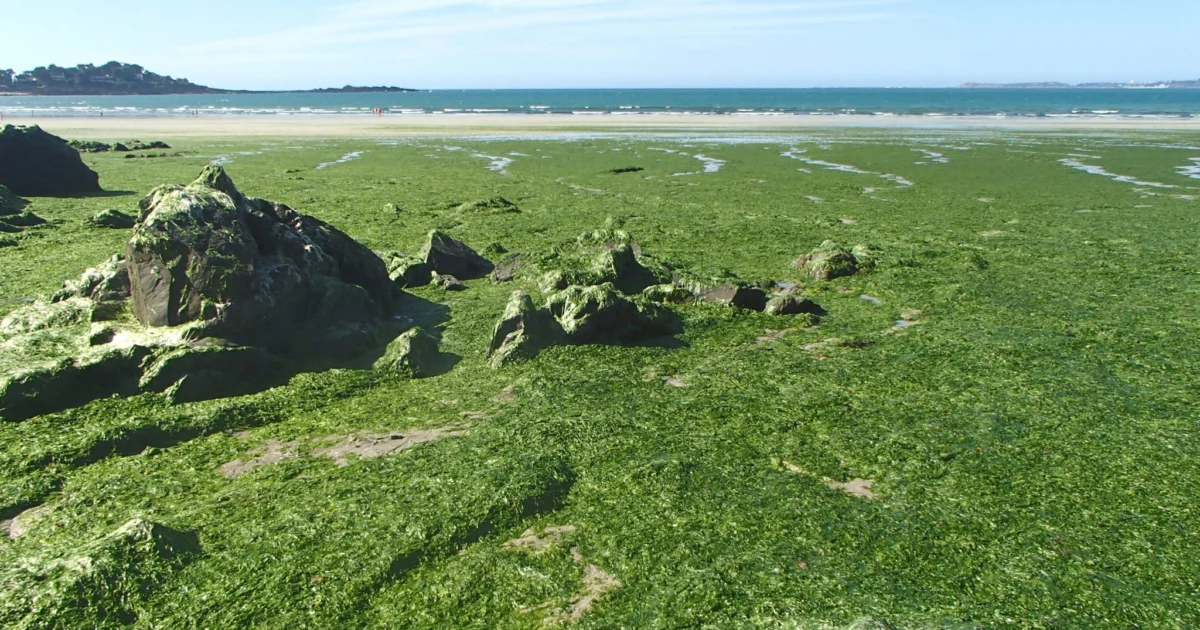
Along the picturesque coast of Brittany, France, certain summer days bring a disturbing transformation: the sea morphs into a vibrant, toxic green. This unsettling spectacle is caused by colossal mats of algae, primarily Ulva armoricana, which wash ashore, decomposing under the sun to release a putrid stench. Beyond the offensive odor, this decomposition process can generate hydrogen sulfide gas, a highly toxic compound linked to the deaths of animals and, in several documented instances, has raised serious health concerns for humans, with some cases even leading to fatalities or severe illness. These aren’t natural occurrences; they are direct consequences of nutrient-rich runoff from surrounding agricultural lands, a stark and visible symptom of a far more pervasive environmental crisis gripping the European continent.
The Agricultural Intensification Imperative and its Unintended Consequences
For decades, European agriculture has been driven by a relentless pursuit of increased food production, a legacy rooted in post-World War II food security concerns and further propelled by economic pressures and policy incentives. This trajectory led to the widespread adoption of intensive farming methods, characterized by their heavy reliance on synthetic chemical fertilisers, potent pesticides, and the concentrated application of animal manure. While these practices undeniably boosted crop yields and livestock output in the short term, ensuring an abundant food supply across the continent, they have simultaneously placed immense and unsustainable pressure on Europe’s natural resources.
The crux of the problem lies in the sheer volume of excess nutrients, primarily nitrogen and phosphorus, introduced into the ecosystem. These vital plant nutrients, when applied in quantities exceeding the soil’s or crops’ capacity to absorb them, inevitably leach into groundwater or are washed by rain into rivers, lakes, and ultimately, coastal waters. This widespread nutrient pollution, known as eutrophication, triggers an explosive growth of algae and aquatic plants. As these organisms die, their decomposition by bacteria consumes vast amounts of dissolved oxygen, creating "dead zones" where most aquatic life cannot survive. This long-term degradation not only harms aquatic ecosystems but ironically undermines the very foundations of sustainable agriculture itself: healthy soils, clean water, and functioning biodiversity are indispensable for resilient food production systems.
A Deep Dive into the European Water Crisis
The scale of this issue is significant. According to reports from the European Environment Agency (EEA), agriculture remains the most significant pressure on Europe’s water bodies, contributing to the poor ecological status of approximately 38% of surface waters and 30% of groundwater bodies. Data suggests that between 1990 and 2010, the total nitrogen input from agriculture to European aquatic environments increased by an estimated 10-20% in many regions, despite some localized improvements. While more recent data indicates some stabilization, the cumulative impact persists.
The consequences extend far beyond environmental degradation, directly impacting human health and access to safe drinking water. When excess fertilisers and manure infiltrate groundwater, they elevate nitrate concentrations, which can pose severe risks. In parts of Spain, particularly in regions with intensive livestock farming, hundreds of thousands of residents have faced temporary loss of access to safe tap water. For instance, in Catalonia, a region heavily impacted by large-scale pig farming, authorities have repeatedly issued warnings regarding groundwater pollution from nitrates exceeding the EU’s maximum permissible level of 50 milligrams per litre (mg/L) for drinking water. This contamination forces municipalities to implement costly advanced treatment processes, such as reverse osmosis, or to import water from unaffected sources, passing significant financial burdens onto taxpayers. Similar challenges plague numerous agricultural regions across Europe, from the Netherlands and Belgium to Germany and Denmark, highlighting a systemic failure to protect this fundamental resource. High nitrate levels in drinking water are particularly dangerous for infants, potentially leading to methemoglobinemia, or "blue baby syndrome," and are also linked to other health concerns in adults.
Policy Frameworks and Enforcement Gaps: A Chronology of Challenges
Recognizing these threats, the European Union has established a robust legislative framework over several decades aimed at protecting water and nature. Key among these are the Water Framework Directive (WFD), adopted in 2000, which aims to achieve good ecological and chemical status for all EU waters; the Nitrates Directive (91/676/EEC), implemented in 1991 to reduce water pollution caused by nitrates from agricultural sources; and the Birds and Habitats Directives, which protect biodiversity and natural habitats.
Despite these ambitious directives, agricultural pollution remains widespread across Europe. The primary reason for this persistent problem is not a lack of legislation, but rather insufficient implementation and enforcement by member states. The European Commission has frequently initiated infringement procedures against countries failing to comply with environmental laws. Recent landmark court rulings against Belgium and the Netherlands serve as stark reminders of these enforcement gaps. In 2021, the European Court of Justice found Belgium in breach of the Nitrates Directive for its persistent failure to adequately address nitrate pollution in Flanders. Similarly, the Netherlands has faced intense scrutiny and legal challenges over its excessive nitrogen emissions from intensive livestock farming, which has pushed several protected Natura 2000 sites beyond their ecological carrying capacity, leading to construction freezes and widespread public debate. These cases underscore a worrying trend: governments are often failing to properly apply existing environmental laws, prioritizing short-term economic gains or agricultural sector interests over long-term environmental and public health imperatives.

The Political Pushback: Threatening Decades of Environmental Progress
Alarmingly, instead of doubling down on efforts to tackle pollution through better enforcement and support for sustainable transitions, some EU countries, often influenced by powerful agricultural and industrial lobbies and their political allies, are actively pushing to weaken environmental rules. These proposals are frequently framed as necessary measures to "simplify regulation" and "reduce administrative burdens" for businesses and farmers. However, environmental organizations and a growing body of scientific evidence warn that these changes would systematically weaken environmental safeguards, reduce crucial reporting and accountability requirements, and make it significantly harder to monitor and address pollution effectively.
This political maneuvering risks undermining decades of painstaking environmental progress at a critical juncture. Europe is already struggling to meet its ambitious water quality, biodiversity, and climate goals outlined in the European Green Deal. Weakening safeguards now would not only jeopardize ecosystems and public health but also compromise Europe’s long-term capacity to produce food sustainably and adapt to the accelerating impacts of climate change. It represents a dangerous step backward, prioritizing short-term economic relief over the foundational health of the continent’s natural capital.
Nature-Friendly Solutions: A Viable Path Forward
The good news is that this environmental degradation is not inevitable. A clear and viable path towards sustainable agriculture exists, offering solutions that allow farmers to produce food while simultaneously protecting nature, healthy soils, and clean water. Sustainable farming methods, broadly encompassing agroecology and organic agriculture, offer a comprehensive approach to addressing nutrient pollution at its source.
For instance, the strategic planting of legumes such as beans, peas, or clover can naturally enrich the soil with nitrogen through symbiotic nitrogen fixation, significantly reducing the need for synthetic nitrogen fertilisers. Diversified crop rotations and cover cropping protect soil from erosion, improve soil structure, and enhance nutrient retention. Livestock systems can be redesigned to recycle nutrients locally, integrating animal husbandry with crop production to minimize external inputs and manage manure more effectively, thereby reducing dependence on synthetic fertilisers and mitigating runoff risks.
Other crucial practices include the establishment of buffer strips – vegetated areas alongside rivers and lakes – which act as natural filters, preventing fertiliser and manure from washing directly into water bodies. Restoring wetlands, which are natural sponges and filtration systems, further enhances water quality by absorbing excess nutrients before they reach larger water systems. These practices not only curb pollution but also restore vital ecosystems, protect wildlife, enhance biodiversity, and build more resilient rural communities. Crucially, they do so while ensuring the continued production of high-quality food for future generations.
Statements from Stakeholders:
- European Commission Spokesperson (Inferred): "The Commission remains committed to the full implementation of EU environmental law. We understand the challenges faced by farmers, but robust environmental protection is non-negotiable for public health and long-term sustainability. We will continue to support member states in achieving compliance and exploring sustainable transitions."
- Environmental NGO Representative (Inferred): "Weakening environmental laws is a dangerous and short-sighted gamble. It’s not about bureaucracy; it’s about protecting our drinking water, our ecosystems, and the very air we breathe. Farmers need more support and incentives to transition to sustainable methods, not a free pass to pollute. Citizens across Europe are demanding action, not regression."
- Farmers’ Association Spokesperson (Inferred): "Farmers are on the front lines of climate change and economic pressures. We recognize the need for environmental protection, but new regulations must be practical, fair, and accompanied by adequate financial and technical support. Simplification of rules could help, but not at the expense of our environment. We need viable solutions that ensure our livelihoods while protecting the land we depend on."
- National Government Official (Inferred, e.g., from a country facing infringement): "We are working diligently to address the environmental challenges posed by intensive agriculture, particularly regarding nitrate and nitrogen emissions. Implementing these changes requires significant investment and collaboration with our farming communities. We are committed to achieving compliance with EU directives through targeted measures and support schemes for our farmers."
Broader Impact and Implications
The ongoing struggle with agricultural pollution and the debate surrounding environmental regulations have far-reaching implications. Economically, the costs associated with water treatment, ecosystem restoration, and public health issues linked to pollution are staggering, often dwarfing the perceived short-term savings from relaxed regulations. Socially, the degradation of natural amenities impacts quality of life, recreational opportunities, and the well-being of rural communities. Public health remains a critical concern, with contaminated water supplies posing direct threats to vulnerable populations.
Furthermore, the integrity of the EU’s environmental policy itself is at stake. If member states can routinely flout established laws without adequate repercussions, it erodes trust in the Union’s governance and its ability to achieve its ambitious Green Deal objectives. The call from citizens across Europe to defend, not weaken, environmental protections underscores the public’s growing awareness and demand for a sustainable future. It highlights that the health of our rural communities, the resilience of our food systems, and the long-term well-being of all Europeans are inextricably linked to the robust implementation and enforcement of environmental laws. The transition to truly sustainable farming models, supported by appropriate policy and financial incentives, is not merely an environmental choice but an urgent economic and social imperative for the continent’s future. The petition urging decision-makers to protect Europe’s water, nature, and environmental laws for future generations serves as a powerful testament to this collective resolve.
