
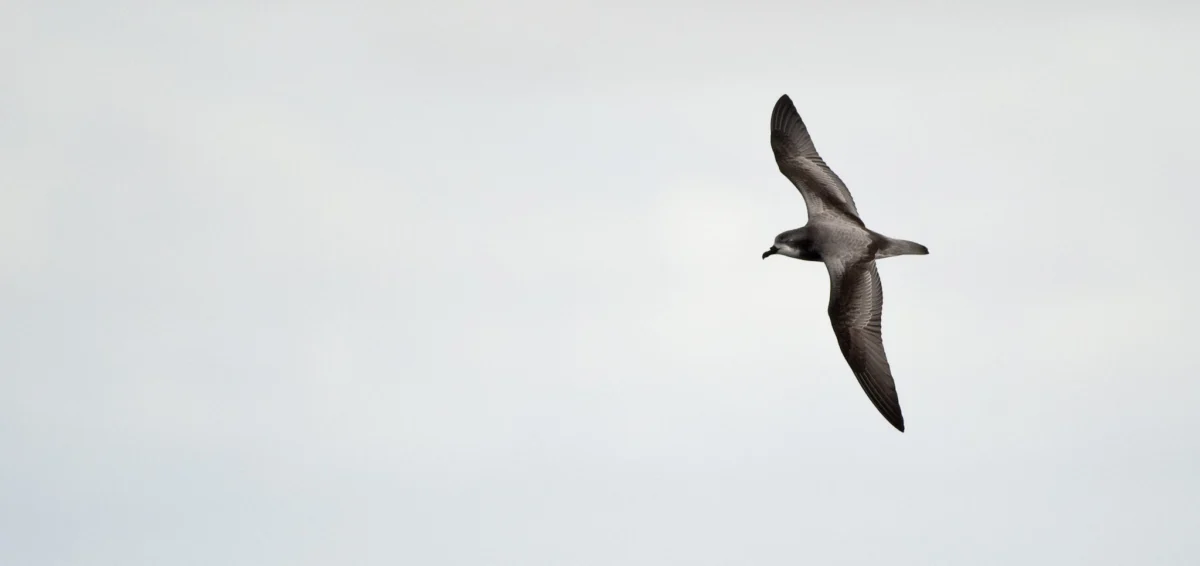
Fiji’s Gau Island, a vital ecological sanctuary within the Lomaiviti archipelago, stands at the forefront of global conservation efforts, hosting two designated Important Bird and Biodiversity Areas (IBAs) and serving as the last known breeding ground for the critically endangered Fiji Petrel. Here, local communities, deeply intertwined with the fate of these elusive seabirds, are actively engaged in robust protection programs targeting both the Collared Petrel and the enigmatic Fiji Petrel, known locally as Kacau ni Gau. This collaborative conservation model, spearheaded by NatureFiji-MareqetiViti in partnership with island residents, represents a beacon of hope for species teetering on the brink of extinction, battling persistent threats from invasive mammalian predators.
The fifth-largest island in Fiji, Gau (pronounced "Nau") is situated strategically east of the nation’s main island, Viti Levu. Its landscape, characterized by rugged volcanic terrain and lush, dense forests, provides the unique conditions necessary for these pelagic birds. With no fewer than 16 villages scattered across its expanse, Gau is a place where spiritual links to the natural world remain profoundly strong, particularly concerning the Kacau ni Gau. This deep-seated cultural connection is not merely anecdotal; it is a foundational element that underpins the islanders’ unwavering commitment to the species’ survival, passed down through generations.
The Enigmatic Fiji Petrel: A Century of Mystery
The story of the Fiji Petrel (Pseudobulweria macgillivrayi) is one of scientific mystery, rediscovery, and an enduring battle against oblivion. First documented in the 1850s by naturalist John MacGillivray during the voyage of HMS Herald, the species vanished from scientific record for over a century, leading many to presume its extinction. This prolonged absence only fueled its legend among the Gau islanders, who continued to speak of the Kacau ni Gau, a bird thought to reside underground in the high mountain forests, emerging only at night.
The species’ dramatic rediscovery came in 1984, when a single individual was captured, examined, and released by David Butler, marking a pivotal moment in ornithological history. Despite this thrilling re-emergence, confirming the bird’s continued existence, it took another 25 years for the species to be photographed at sea in 2009, a testament to its extreme elusiveness and nocturnal habits. This arduous journey from initial discovery to photographic confirmation underscores why the Fiji Petrel remains one of the world’s rarest and least-known seabirds. Its critically endangered status on the IUCN Red List is dire, with the global population suspected to be alarmingly low, potentially numbering fewer than 50 individuals. This grim estimate amplifies the critical importance of Gau Island, which is currently thought to be the sole breeding ground for the species. Understanding its exact breeding locations and habits remains a significant challenge, driving much of the current conservation research.

Gau Island: A Sanctuary in the Lomaiviti Archipelago
Gau Island’s designation as an Important Bird and Biodiversity Area (IBA) by BirdLife International highlights its global significance for avian conservation. IBAs are sites recognized for their outstanding universal value to the conservation of birds and broader biodiversity. For Gau, this designation stems from its critical role as a breeding site for both the Fiji Petrel and the Collared Petrel. The island’s forested highlands, particularly its central mountainous region, are where the Collared Petrel colony has been identified, and where the elusive Fiji Petrel is also presumed to nest in burrows, deep within the soil, safe from the tropical sun and predators.
The geographical isolation of Gau has historically provided a relative sanctuary, allowing unique species like the Fiji Petrel to evolve. However, this isolation also makes island ecosystems particularly vulnerable to external threats, especially invasive species. The Lomaiviti archipelago, while beautiful and biologically rich, faces increasing pressure from human activities and the introduction of non-native species, making focused conservation efforts on islands like Gau absolutely essential.
The Collared Petrel: A Surrogate for Conservation Action
Given the extreme rarity and elusive nature of the Fiji Petrel, the Collared Petrel (Pterodroma brevipes) has emerged as a crucial "surrogate species" in conservation efforts on Gau Island. Collared Petrels, while also declining and listed as Vulnerable on the IUCN Red List, are more frequently encountered, making their nesting sites and behaviors more accessible for study and protection. By implementing conservation strategies that benefit Collared Petrels, such as invasive species control and habitat protection, conservationists can indirectly create safer environments for the Fiji Petrel, whose specific terrestrial habits remain largely unknown.
Collared Petrels, like many petrel species, nest in burrows dug into the soft soil of forested hillsides. This makes them highly susceptible to predation by ground-dwelling invasive mammals. The shared threats faced by both species mean that successful interventions for the Collared Petrel directly boost the chances of survival for the Fiji Petrel. This pragmatic approach allows conservation teams to refine techniques, train local personnel, and engage communities effectively, building a foundation of knowledge and capacity that can then be applied to the more challenging task of Fiji Petrel protection.

The Invasive Threat: A Battle for Survival
The primary and most devastating threats to Gau Island’s seabirds are invasive mammalian predators. Rats (primarily the Pacific Rat Rattus exulans and the Ship Rat Rattus rattus), feral cats (Felis catus), and feral pigs (Sus scrofa) have been identified as the main culprits, preying on eggs, chicks, and even adult birds. These invasive species, introduced to islands often centuries ago by human activity, have decimated seabird populations globally, as native island birds evolved in the absence of such predators and possess few defenses.
- Rats: Highly prolific, rats are opportunistic predators that raid nests, consuming eggs and vulnerable chicks. Their small size allows them to access burrows, making them a pervasive threat.
- Feral Cats: Effective hunters, feral cats prey on both chicks and adult seabirds, particularly when birds are on land for breeding. Their stealth and agility make them highly efficient predators in the forest undergrowth.
- Feral Pigs: Beyond direct predation, pigs cause extensive habitat damage. They root up vegetation, disturb nesting burrows, and can directly consume eggs and chicks, significantly altering the nesting environment and making it more vulnerable to other threats.
Beyond the immediate threats, a critical biosecurity program is in place to prevent the introduction of new invasive species, most notably mongooses. Mongooses (Herpestes javanicus), introduced to other parts of Fiji to control rats, have themselves become a devastating invasive predator, particularly for ground-nesting birds and reptiles. Their introduction to Gau Island would spell catastrophe for its already vulnerable seabird populations. The biosecurity measures involve stringent checks at entry points to the island, public awareness campaigns, and rapid response protocols for any suspected incursions.
Community at the Forefront: Gau Islanders’ Commitment
The success of conservation on Gau Island hinges on the enthusiastic and sustained engagement of its local communities. NatureFiji-MareqetiViti, a leading conservation organization in Fiji, has forged a powerful partnership with the Gau islanders, recognizing that long-term conservation is only possible when it is culturally integrated and locally driven. Islanders, immensely proud of the Fiji Petrel and their ancestral connections to the species, have been active participants from the outset.
This collaborative effort has led to the establishment of an extensive trapping and monitoring program covering more than 1,000 hectares and involving three key villages. Community members are trained in various aspects of invasive species management, including:

- Trap deployment and maintenance: Learning how to set and check traps for rats, cats, and pigs.
- Data collection: Recording captures, monitoring activity levels of invasives, and reporting observations.
- Bird handling: Developing the skills to safely handle and care for disoriented or injured seabirds, which can sometimes be attracted to village lights during their nocturnal flights. This includes providing first aid and releasing them safely back to sea or into appropriate care.
- Biosecurity protocols: Understanding and enforcing measures to prevent new invasive species from reaching the island.
The transfer of knowledge and skills to local people is a cornerstone of this initiative. By empowering islanders with the tools and expertise to protect their natural heritage, the program ensures sustainability beyond external funding cycles. It also strengthens the long-standing connections between the people and birds of Gau Island, transforming conservation from an external imposition into an intrinsic part of community life and cultural identity. This model of community-based conservation serves as a powerful example for other biodiversity hotspots facing similar challenges.
Conservation Strategies and Future Outlook
The multi-faceted conservation strategy on Gau Island employs a combination of proactive and reactive measures. The trapping program is systematic, utilizing a grid-based approach to cover large swathes of the critical nesting habitat. Different types of traps and baits are employed, tailored to the specific behavior of rats, cats, and pigs. Regular monitoring ensures traps are active and effective, and provides crucial data on the density and distribution of invasive species. This ongoing management is vital, as complete eradication on an inhabited island of Gau’s size is a monumental, long-term challenge, but effective control can significantly reduce predation pressure.
Biosecurity is another critical pillar. With increasing human traffic to Gau, the risk of accidental introduction of new invasive species, particularly the highly destructive mongoose, is ever-present. This involves rigorous inspections of incoming vessels, cargo, and luggage, coupled with widespread community awareness campaigns to educate residents and visitors about the dangers of introducing non-native plants or animals.
Future outlook for the Fiji Petrel remains cautiously optimistic. Continued research is paramount to finally pinpoint the exact breeding locations and understand the full life cycle of this enigmatic bird. Acoustic monitoring devices, which can detect the unique calls of nocturnal petrels, are being deployed to listen for signs of activity in remote mountain areas. Drone technology, equipped with thermal cameras, might also offer new avenues for surveying difficult terrain without disturbing potential nesting sites. Expanding the trapping and monitoring program to cover even larger areas of potential breeding habitat is a continuous goal, requiring sustained funding and community participation. The ultimate aspiration for many island conservationists is the complete eradication of invasive predators, a complex and expensive endeavor that has seen success on smaller, uninhabited islands, but presents unique challenges on a larger, populated island like Gau. However, the current control efforts are proving effective in giving the petrels a fighting chance.
Global Significance of Fiji’s Seabird Havens

Gau Island’s conservation efforts extend beyond its shores, contributing significantly to global seabird conservation. Seabirds worldwide are facing unprecedented declines due to habitat loss, climate change, plastic pollution, and particularly, the impact of invasive species on their breeding islands. The Pacific Ocean, with its myriad islands, is a critical stronghold for many pelagic species, making the success stories in Fiji all the more vital.
The work on Gau demonstrates the power of local communities, armed with scientific support, to make a tangible difference in the face of global biodiversity crises. It highlights Fiji’s crucial role as a biodiversity hotspot, home to unique species found nowhere else on Earth. By safeguarding the Fiji Petrel and Collared Petrel, Gau is not just protecting two species; it is preserving a unique part of Fiji’s natural and cultural heritage, contributing to the health of marine ecosystems, and offering a blueprint for community-led conservation that resonates across the globe. The continued dedication of the Gau islanders, coupled with the expertise of organizations like NatureFiji-MareqetiViti, provides a compelling narrative of hope and resilience in the ongoing fight to save the world’s most vulnerable wildlife.
