
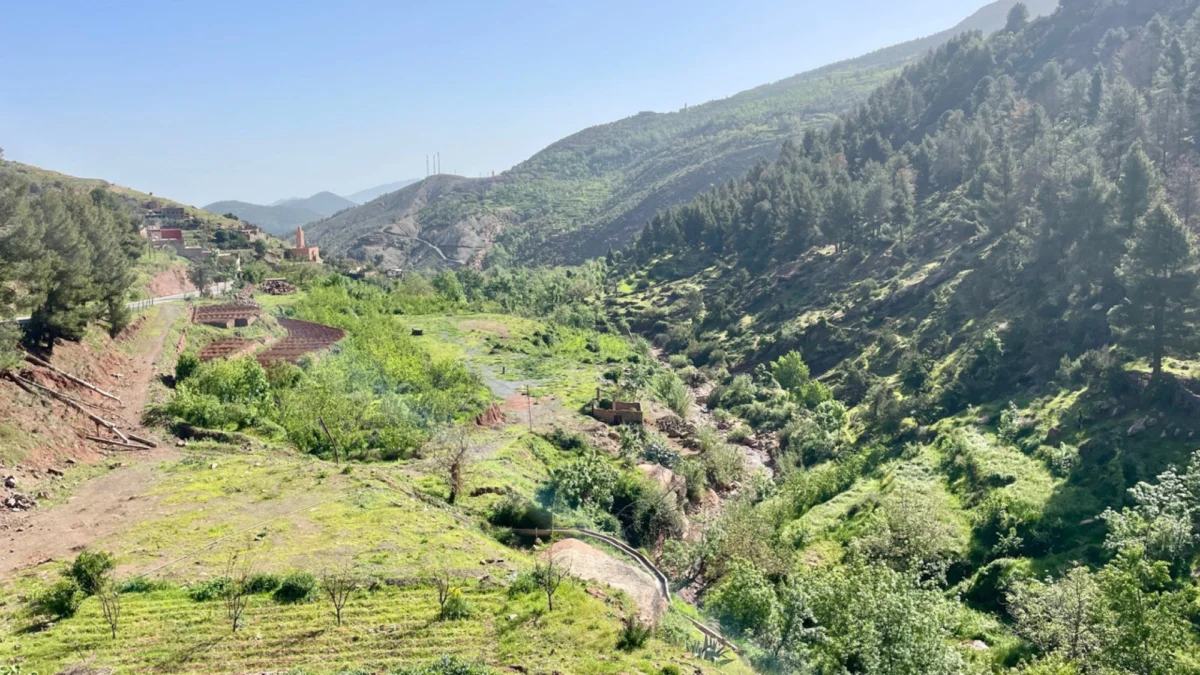
The spring season in Morocco serves as a critical biological intersection, where the convergence of the Mediterranean, the Sahara Desert, and the Atlantic coastline creates one of the most diverse migratory corridors in the Western Palearctic. A recently concluded expedition, spanning from late April to early May, conducted a systematic survey of these varied ecological zones. The tour traced a classic geographical arc starting from the vibrant cultural hub of Marrakesh, ascending into the High Atlas mountain range, traversing the arid desert fringes and the iconic Erg Chebbi dunes, and concluding with a detailed observation of the coastal wetlands near Souss-Massa. The journey, characterized by a mix of resident specialties and rare migratory arrivals, provided significant insights into the current status of North African wildlife.

The Ecological Significance of the Moroccan Arc
Morocco’s unique geography dictates a high level of endemism and serves as a vital staging ground for millions of birds moving between Europe and sub-Saharan Africa. The expedition’s focus was not merely on avian migration but on a holistic view of the region’s flora and fauna. By integrating observations of specialized reptiles—such as the Acanthodactylus lizards—and endemic botanical specimens, the team was able to assess the health of multiple micro-habitats. Scientific data from the excursion suggests that while bird migration was patchy this year due to fluctuating weather patterns, the resident populations remain robust, benefiting from a season of moderate rainfall that has supported vegetation growth in typically arid regions.
Chronology of the Expedition: A Geographical Transition
The 13-day itinerary was designed to maximize contact with varying altitudes and climates, reflecting the dramatic shifts in Moroccan topography.
The Urban and Alpine Introduction (Days 1–3)
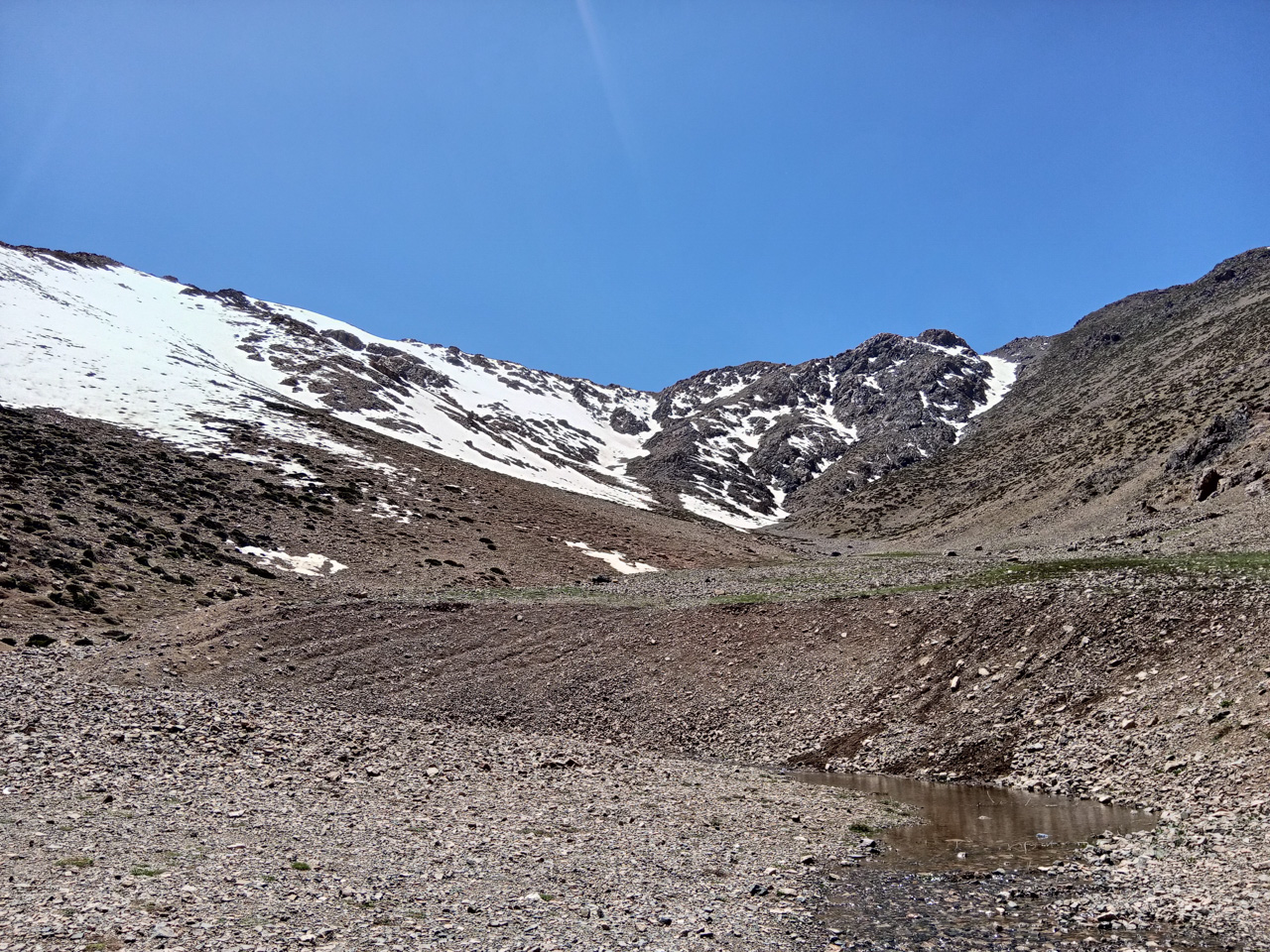
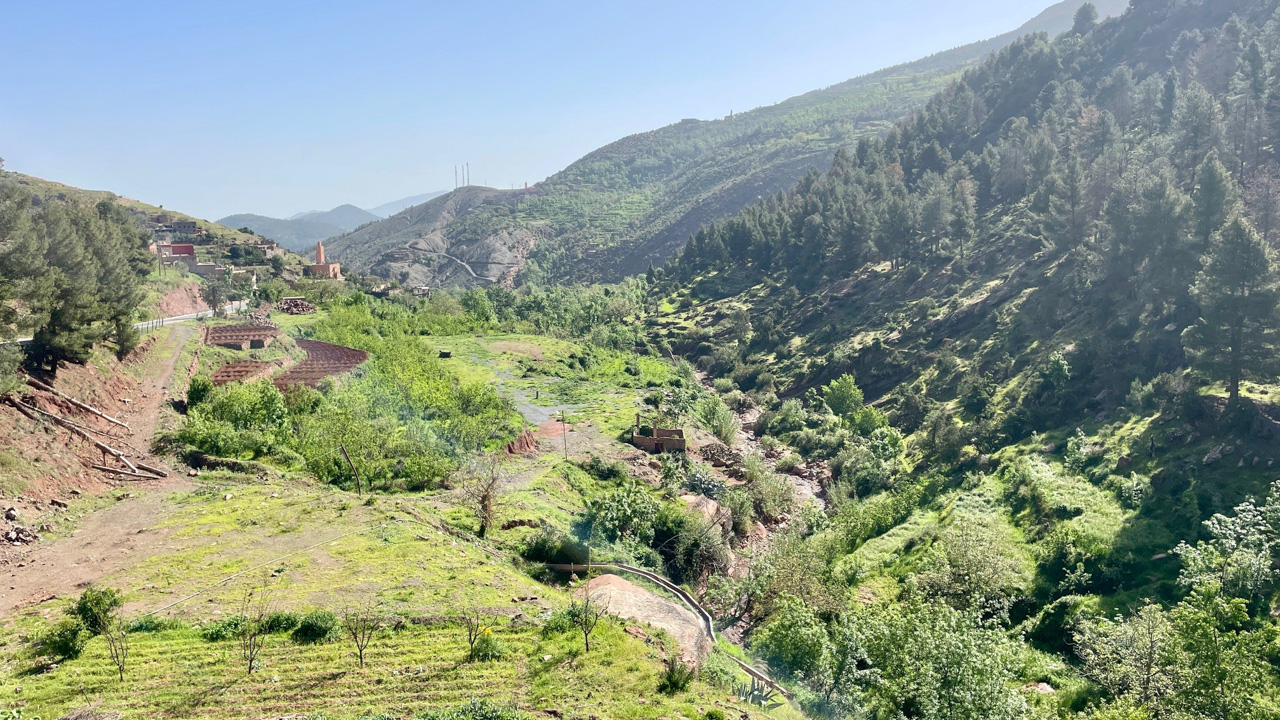
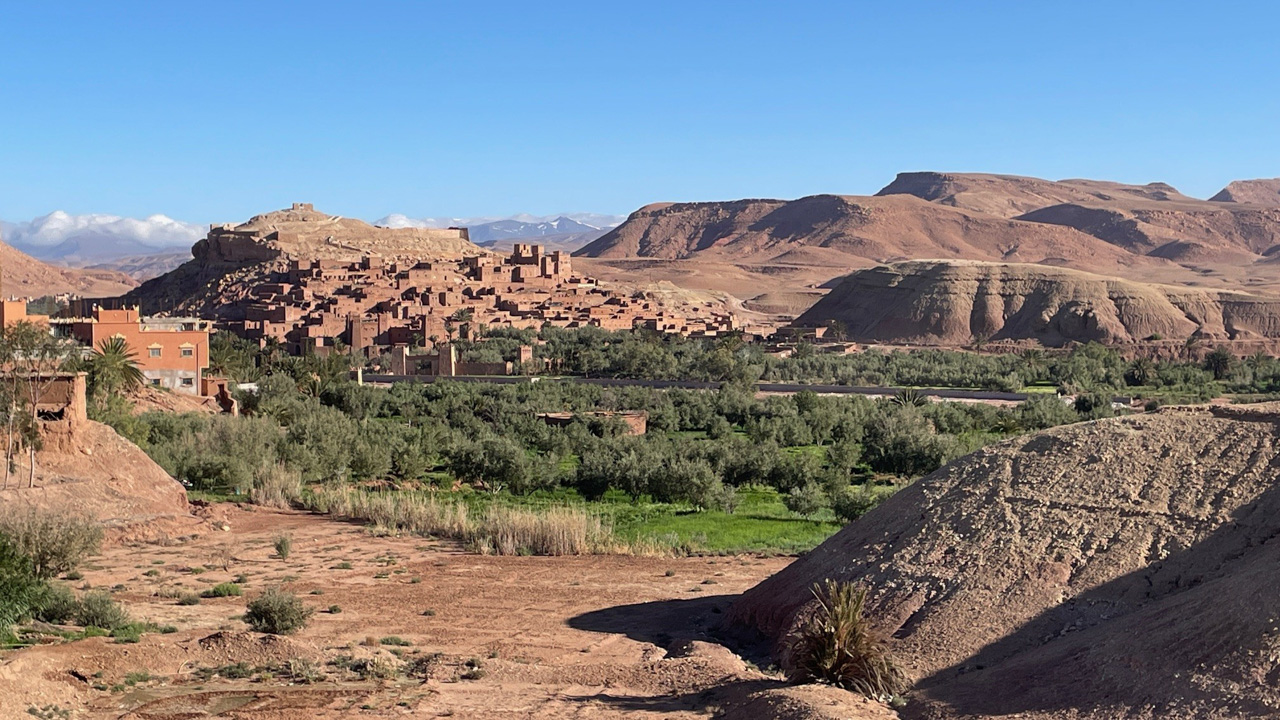
The expedition commenced in Marrakesh, an essential gateway for observing urban-adapted species. In the vicinity of the historic Jemaa el-Fnaa, researchers noted the presence of Little Swifts and White Storks, highlighting the resilience of these species in high-density human environments. On the second day, the team transitioned to the alpine conditions of Oukaimeden. At these altitudes, the presence of Red-billed and Alpine Choughs, alongside the Atlas Wheatear, confirmed the stability of high-altitude ecological niches. The discovery of the Andalucian Wall Lizard and the Atlas Dwarf Lizard in lingering snow patches underscored the harsh conditions these cold-adapted ectotherms survive in. By the third day, the descent through the Escale Forest revealed a transition into Mediterranean-type vegetation, featuring Barbary Thuja and Moroccan Lavender, which provide essential shelter for the African Chaffinch and other woodland specialists.
Navigating the Saharan Fringes (Days 4–8)
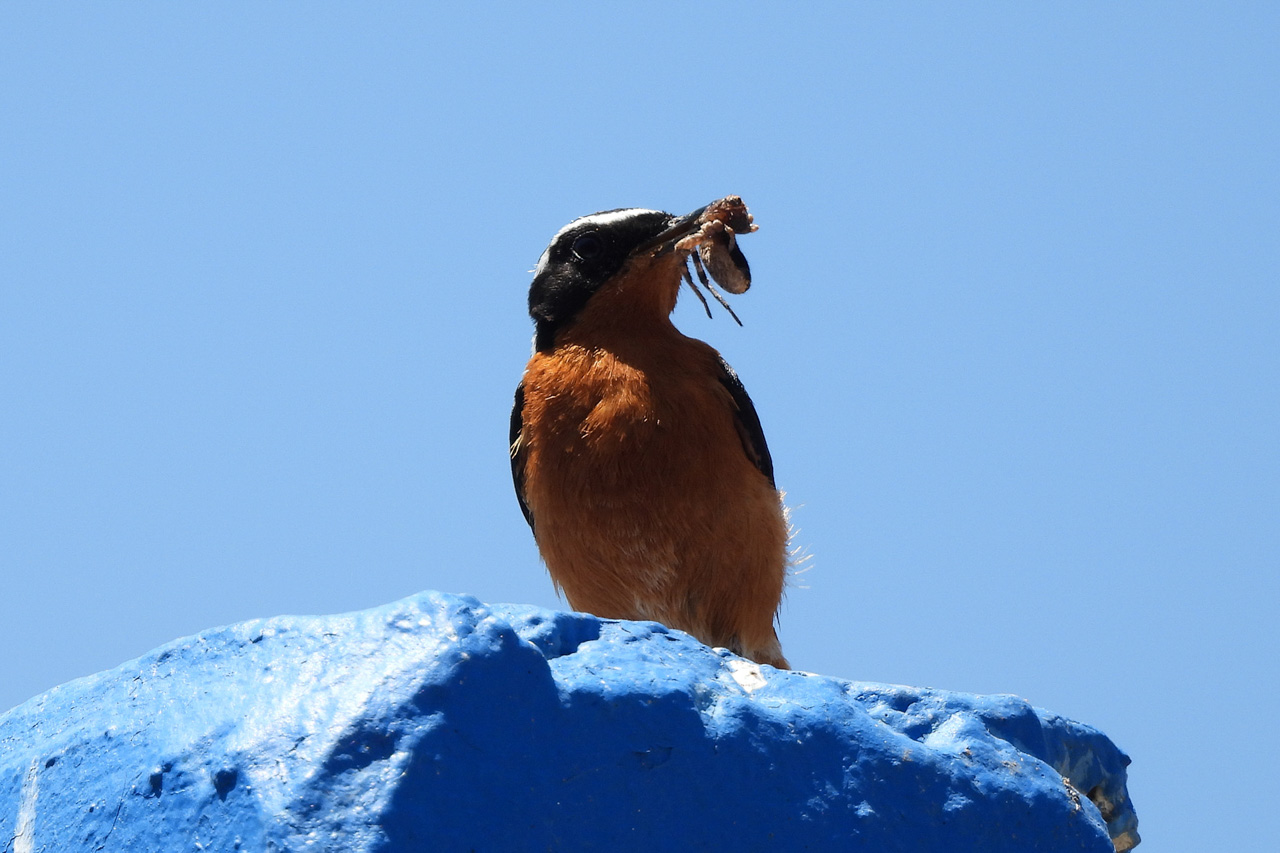
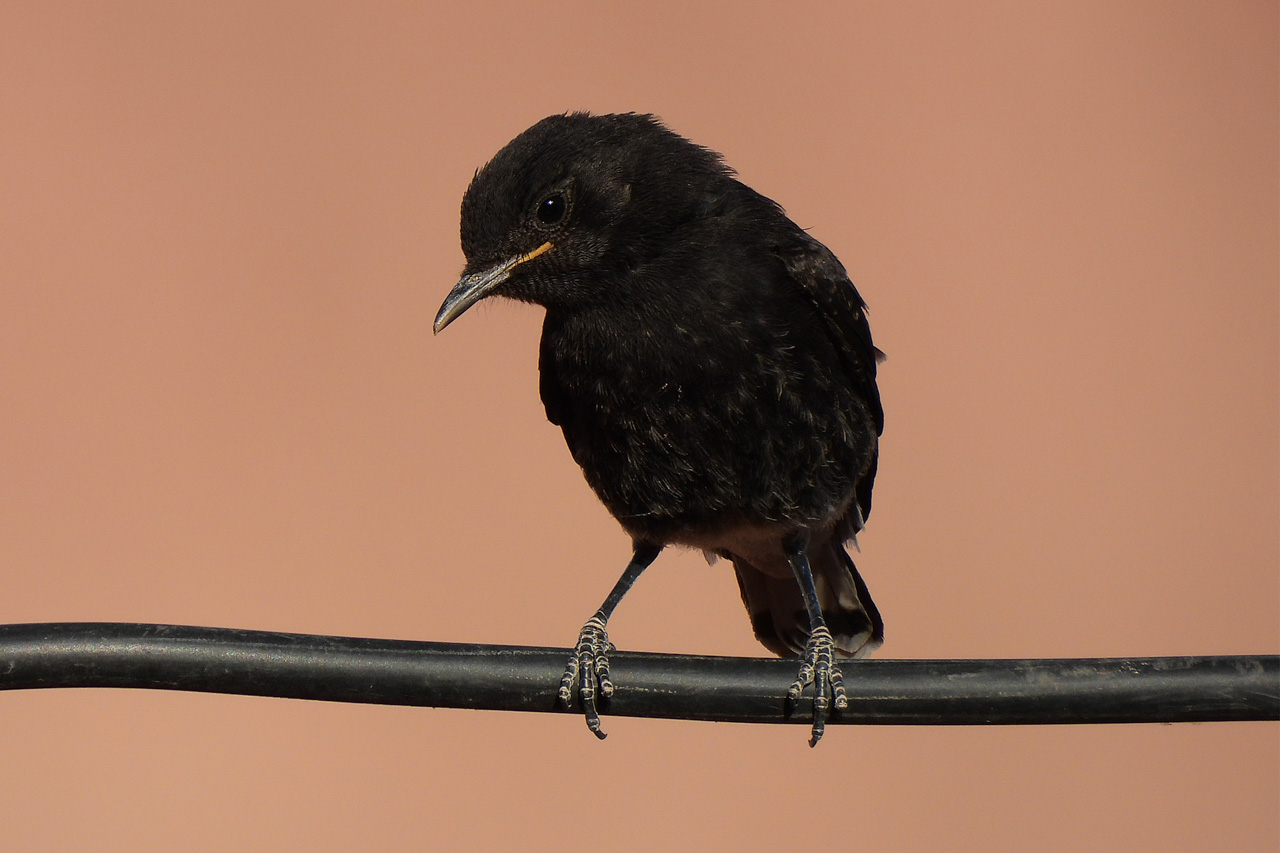
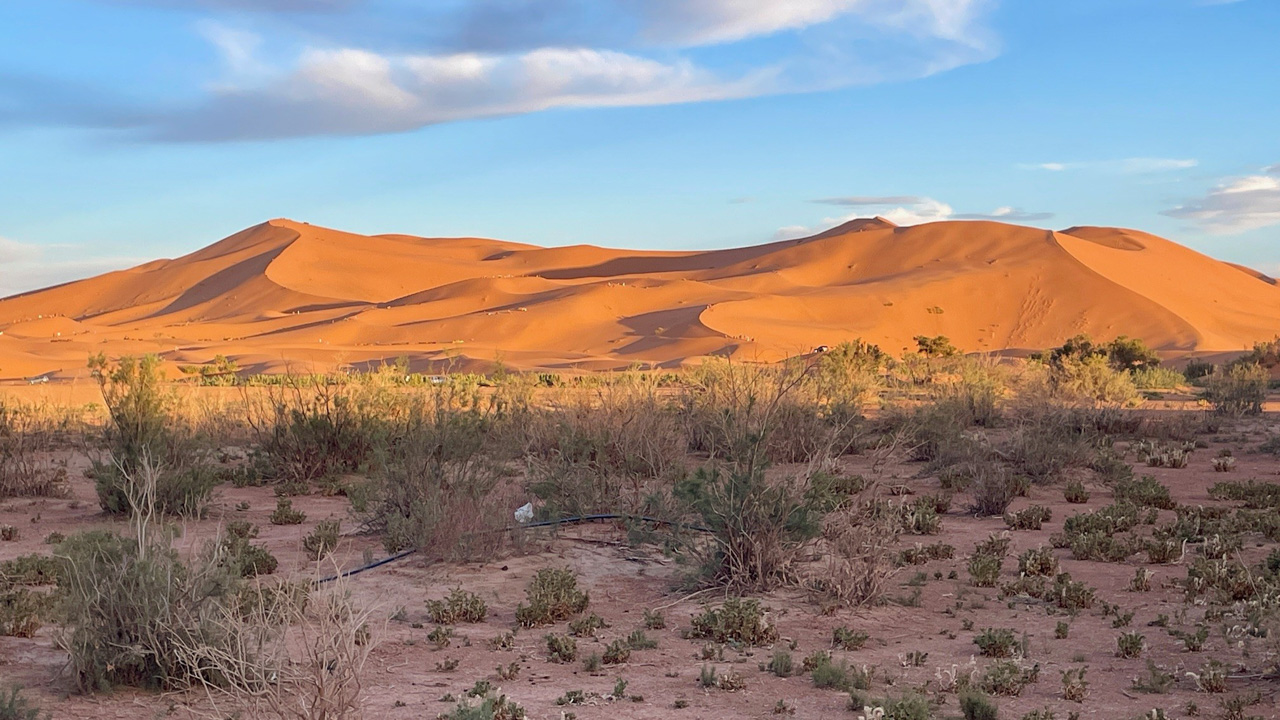
As the expedition moved eastward, the climate shifted toward the hyper-arid zones of the Tagdilt Track and the Erg Chebbi dunes. This area is widely recognized as a premier location for "desert specialist" birds. The documentation of the Pharaoh Eagle-Owl, the African Desert Warbler, and the elusive Egyptian Nightjar marked the core of the ornithological findings. The Tagdilt Track, a region often subjected to heavy grazing pressure, still yielded significant sightings of Thick-billed and Temminck’s Larks. The team also cataloged a variety of reptiles, including the Moroccan Spiny-tailed Lizard and several species of fringe-fingered lizards, which are critical bio-indicators of desert soil health. The logistical challenge of birding in these extreme environments was mitigated by the use of traditional irrigation systems, or "khettaras," which concentrate life in small, manageable pockets.
The Atlantic Coast and Wetland Recovery (Days 9–12)
The final phase of the expedition focused on the coastal interface. The Souss-Massa region is globally significant for the conservation of the Northern Bald Ibis, a species that has seen a dramatic recovery through international conservation efforts. Observations in the Tamri region provided evidence of a healthy, stable population, with birds foraging in the coastal scrub. The final days at the Oued Massa and the Souss Estuary were dedicated to observing wetland dynamics. The presence of Marbled Duck and large numbers of migratory shorebirds, such as the Ruff and various terns, highlighted the importance of these estuaries as "refueling stations" for trans-continental migrants.
Supporting Data and Species Highlights
The expedition compiled a comprehensive dataset of over 100 species, with particular attention paid to the following categories:
- Rare/Endangered Avifauna: The Northern Bald Ibis (Geronticus eremita) remains the flagship success story for the region. The team noted high activity levels, suggesting successful breeding cycles.
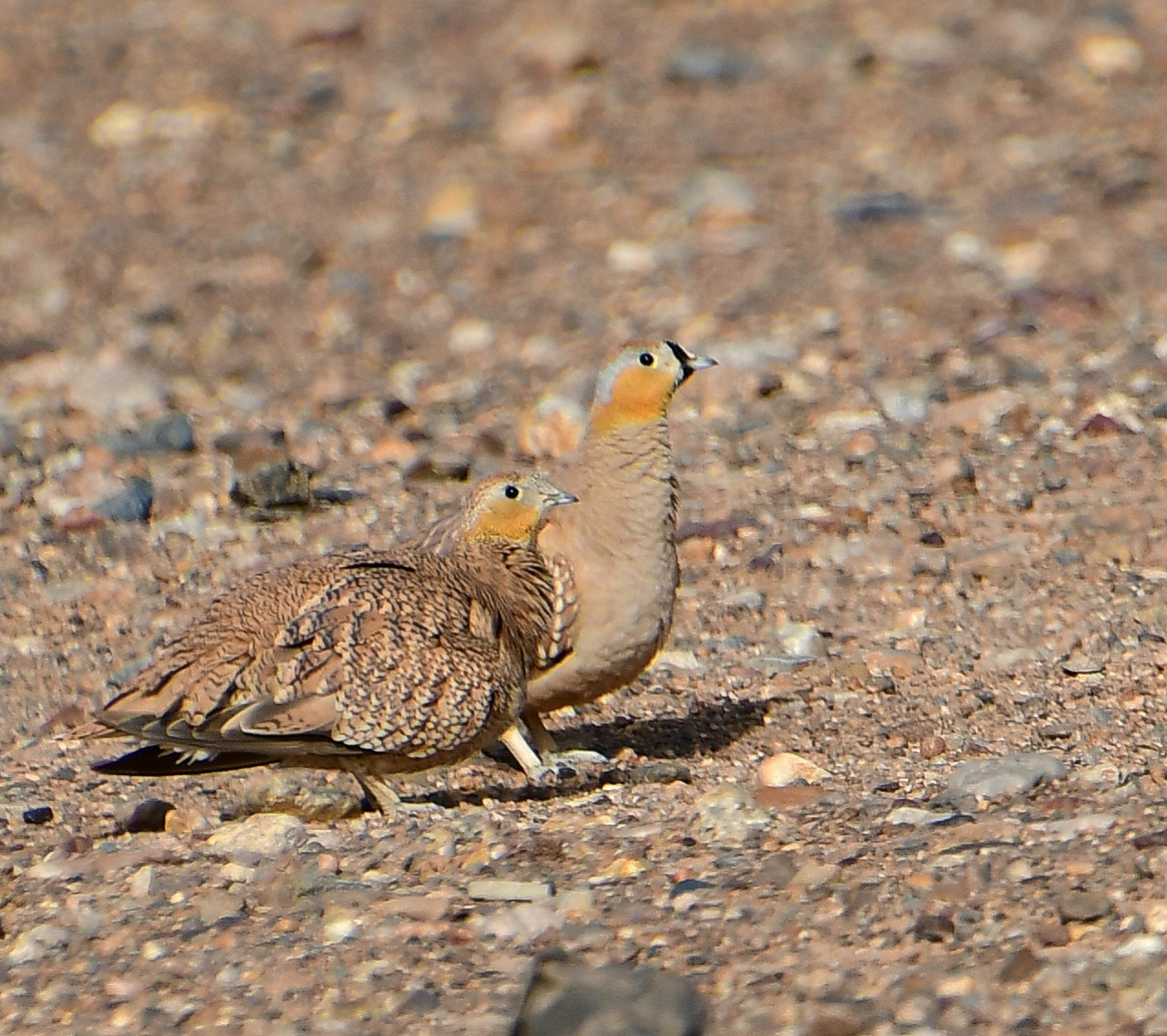
- Desert Specialists: Observations of the Egyptian Nightjar and the Crowned Sandgrouse were confirmed through the utilization of local tracking expertise, providing accurate census data for these notoriously difficult-to-spot birds.
- Herpetology: The documentation of the Bosc’s Fringe-toed Lizard and the Moroccan Spiny-tailed Lizard provides additional context for the biodiversity of the semi-arid hamadas.
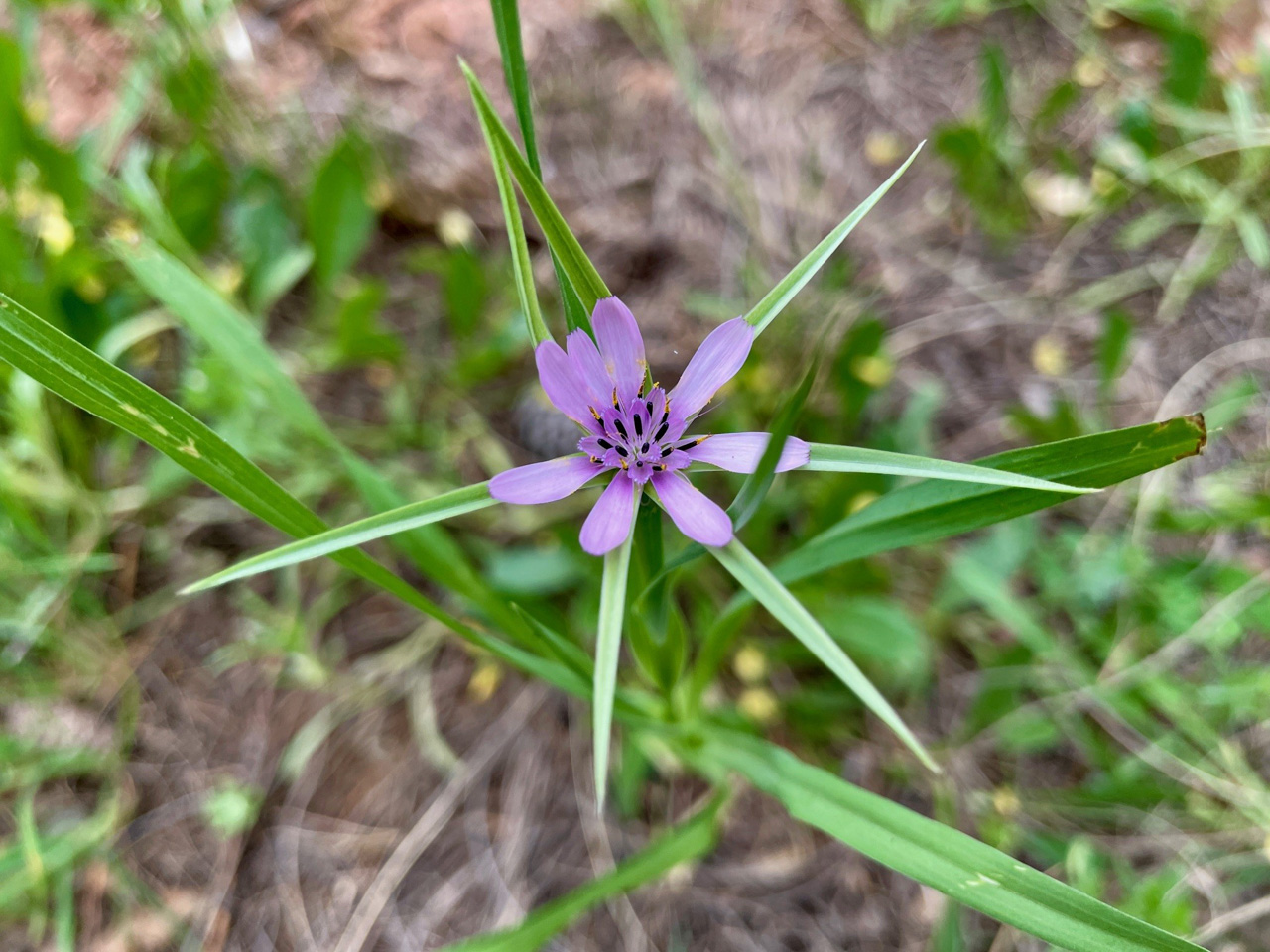
- Flora: The identification of species such as Calotropis procera and Citrullus colocynthis (the desert gourd) provided context for the primary production levels in the Sahara’s fringe zones.
Socio-Ecological Context and Conservation Implications
The expedition’s findings highlight a critical intersection between traditional land use and wildlife conservation. Interactions with local communities, particularly in the Argan cooperatives, emphasized that Moroccan wildlife is often intrinsically linked to sustainable agricultural practices.
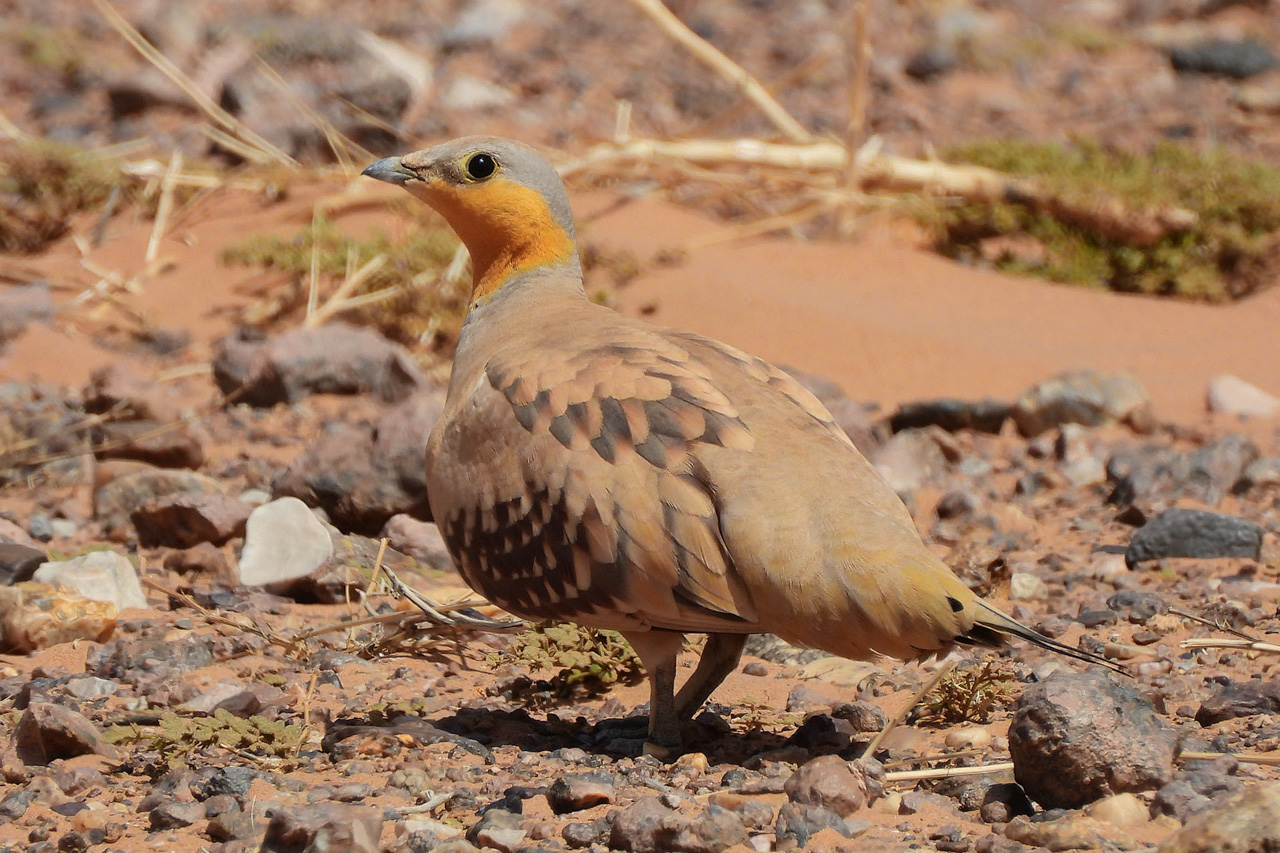
From an analytical perspective, the data collected during this period points to the necessity of maintaining "connectivity" across the landscape. The survival of species like the Northern Bald Ibis and various sandgrouse depends on the protection of small, fragmented water sources and foraging sites. As Morocco continues to develop its tourism and agricultural sectors, the report highlights the potential for "eco-tourism" to serve as a financial incentive for habitat preservation.
Local guides and environmental stakeholders, who assisted the expedition, indicated that the integration of traditional knowledge—such as the maintenance of the khettaras—is essential for the long-term viability of the desert ecosystems. The observations from this year suggest that the resilience of these species is tied to their ability to adapt to extreme variability, a trait that may become increasingly important in the face of regional climate shifts.
Future Outlook
The conclusion of the tour on the 13th day provided a synthesis of the Moroccan landscape: a land of profound contrast. The transition from the snow-dusted High Atlas to the scorching orange sands of Erg Chebbi and finally to the cool, nutrient-rich Atlantic estuaries represents a microcosm of global climate and biological variety.
The success of this expedition provides a baseline for future biological surveys in the region. As environmental monitoring becomes more refined, the emphasis will likely shift toward quantifying the impacts of climate change on the specific breeding windows of the resident specialties observed. For now, the report confirms that Morocco remains one of the most vital and accessible regions for biodiversity research in North Africa. The data collected will be shared with local conservation partners to assist in the ongoing efforts to protect the fragile corridors that allow these rare species to persist in an ever-changing environment.
The findings are ultimately a testament to the success of regional habitat protection. By preserving the wetlands of the Souss and the rocky outcrops of the Atlas, Morocco continues to provide a sanctuary for species that are increasingly squeezed by development and environmental degradation in other parts of the world. The expedition serves as a reminder that biodiversity is not merely a collection of species, but a complex, interconnected system that relies on the preservation of every link in the chain—from the smallest lizard in the dunes to the rarest ibis on the coast.
