
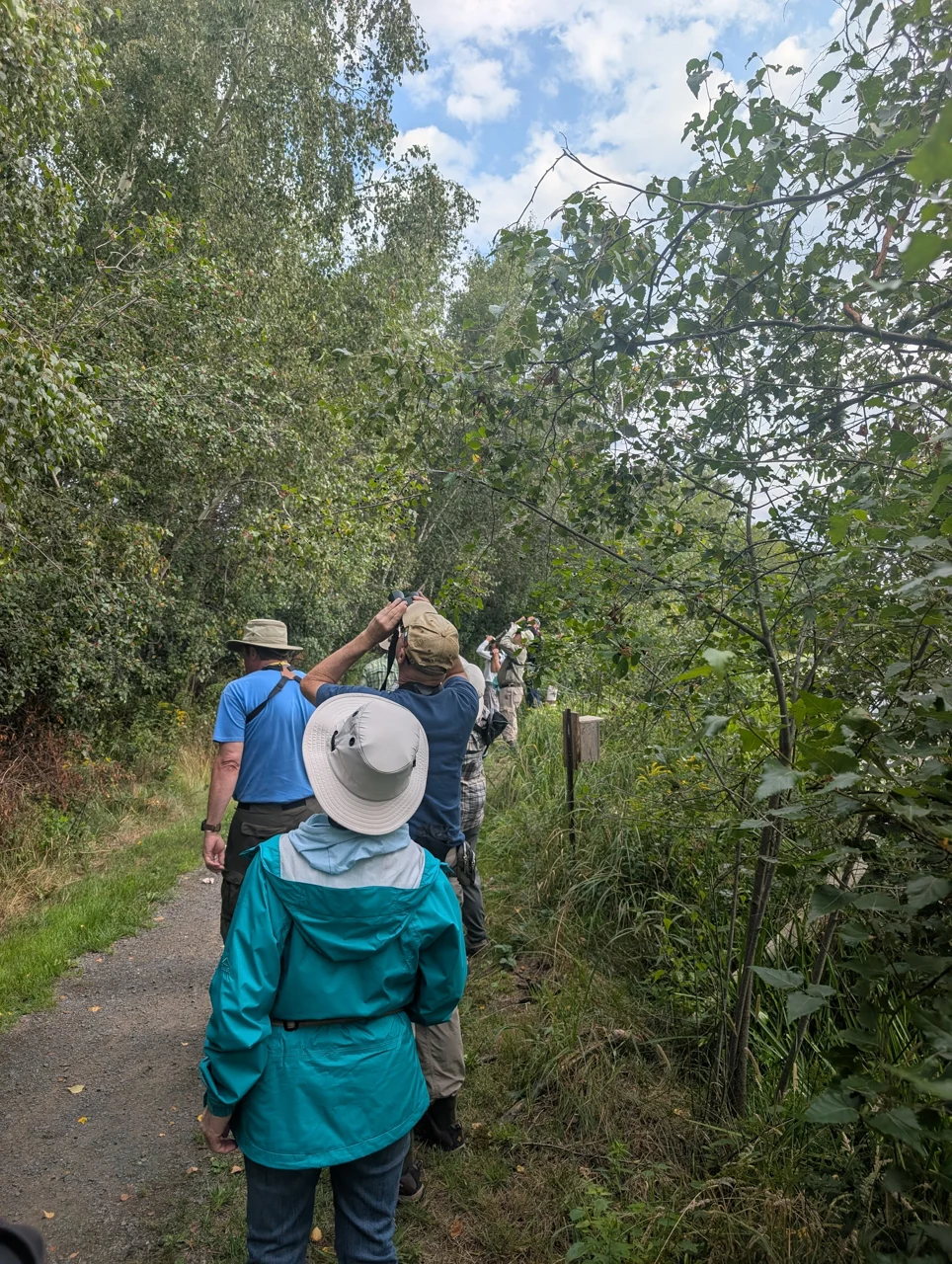
The province of Nova Scotia, situated along the Atlantic Flyway, serves as a critical stopover for thousands of migratory birds navigating the vast distances between the Arctic tundra and warmer southern climes. Between late August and early September, an expedition comprising 11 international guests and two expert guides conducted an intensive eight-day survey of the province’s diverse ecosystems, ranging from the high-tide mudflats of the Bay of Fundy to the remote, rugged geography of Brier Island. This initiative, aimed at documenting migratory patterns and species diversity, highlighted the ecological significance of Nova Scotia’s coastal headlands, boreal forests, and marine environments.
Chronology of the Survey
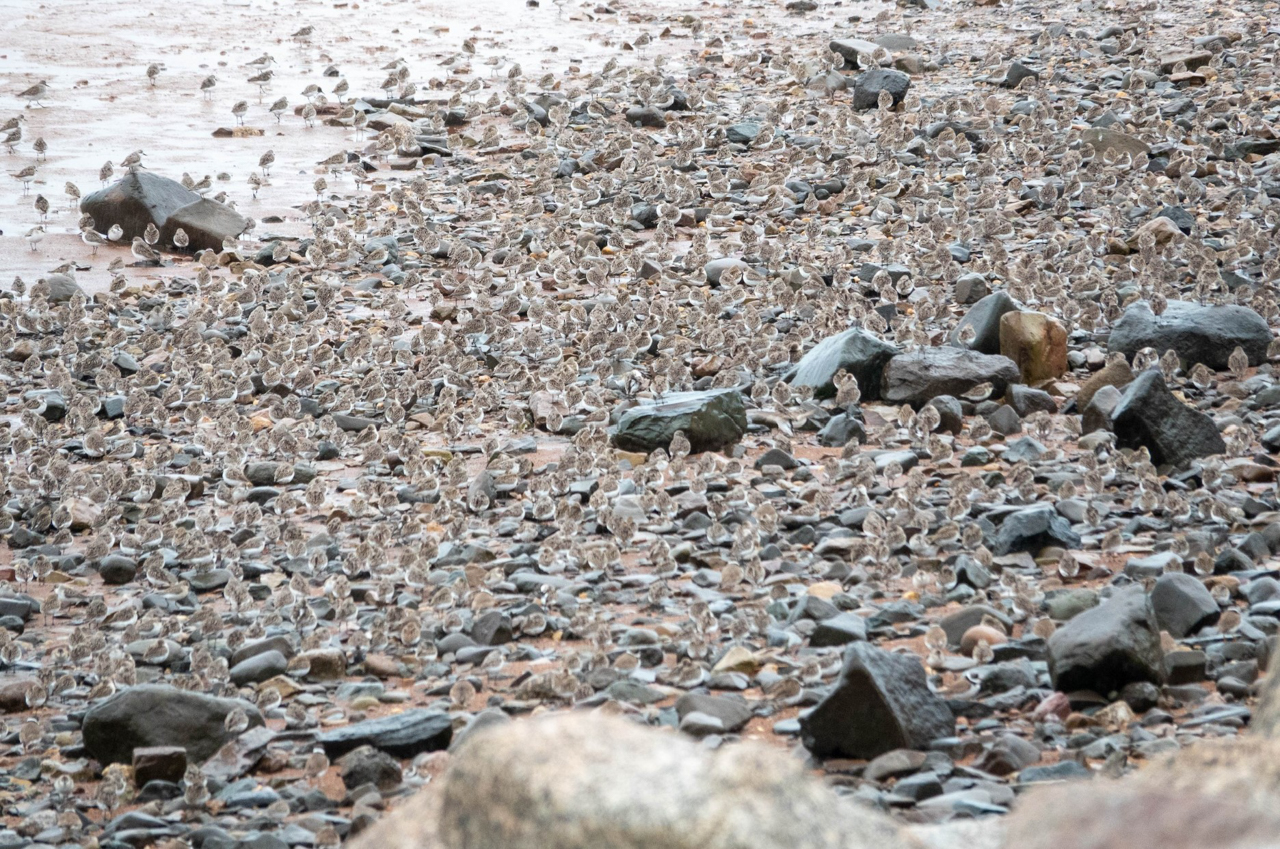
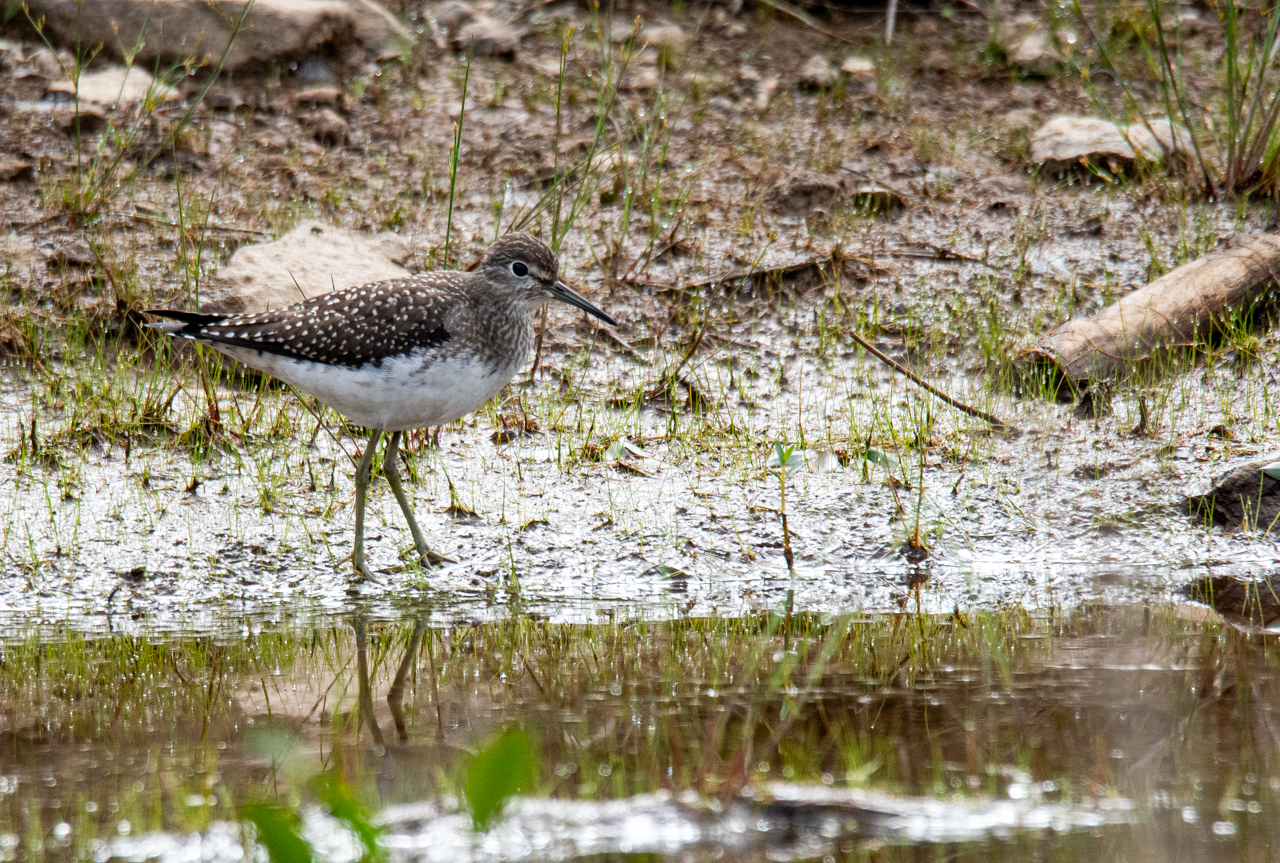
The survey commenced in Halifax, with the initial phase focusing on the Annapolis Valley. On day two, despite challenging meteorological conditions characterized by persistent rainfall, the team surveyed Grand Pré and Miner’s Marsh. This region, internationally recognized for the world’s highest tidal range, provided an essential habitat for shorebirds. Observers recorded thousands of Semipalmated Sandpipers (Calidris pusilla), alongside Semipalmated Plovers, White-rumped Sandpipers, and Least Sandpipers. A notable predatory event involving a Peregrine Falcon served as a reminder of the dynamic predator-prey relationships inherent in these coastal ecosystems.
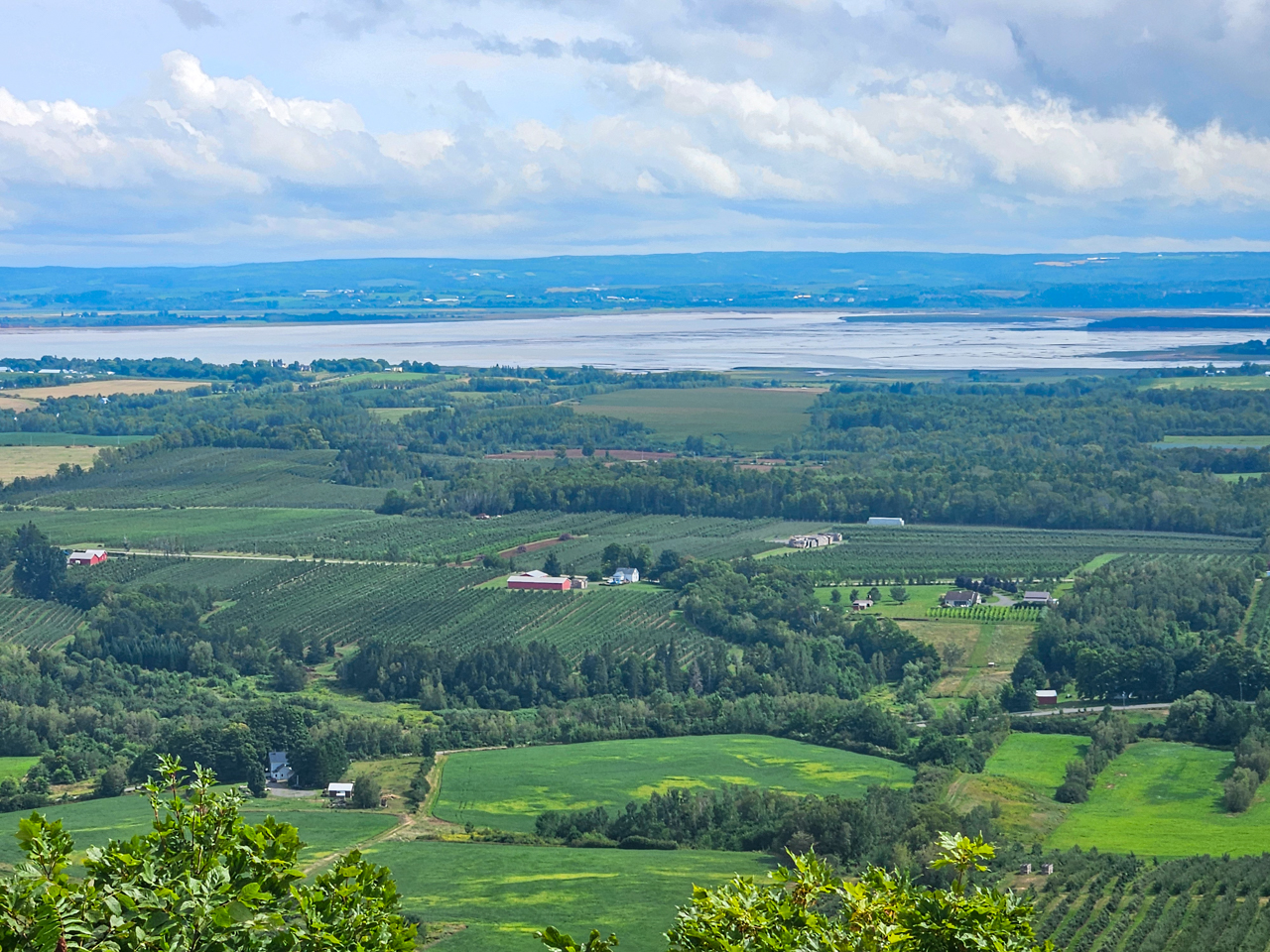
On day three, the team transitioned to the Minas Basin, visiting Blomidon Provincial Park and Black Rock Lighthouse. The survey noted a high density of passerine species, including Tennessee Warblers, American Redstarts, and Northern Parulas. The inclusion of both Red and White-winged Crossbills provided data on the presence of boreal-associated finches in the valley’s upland forests.
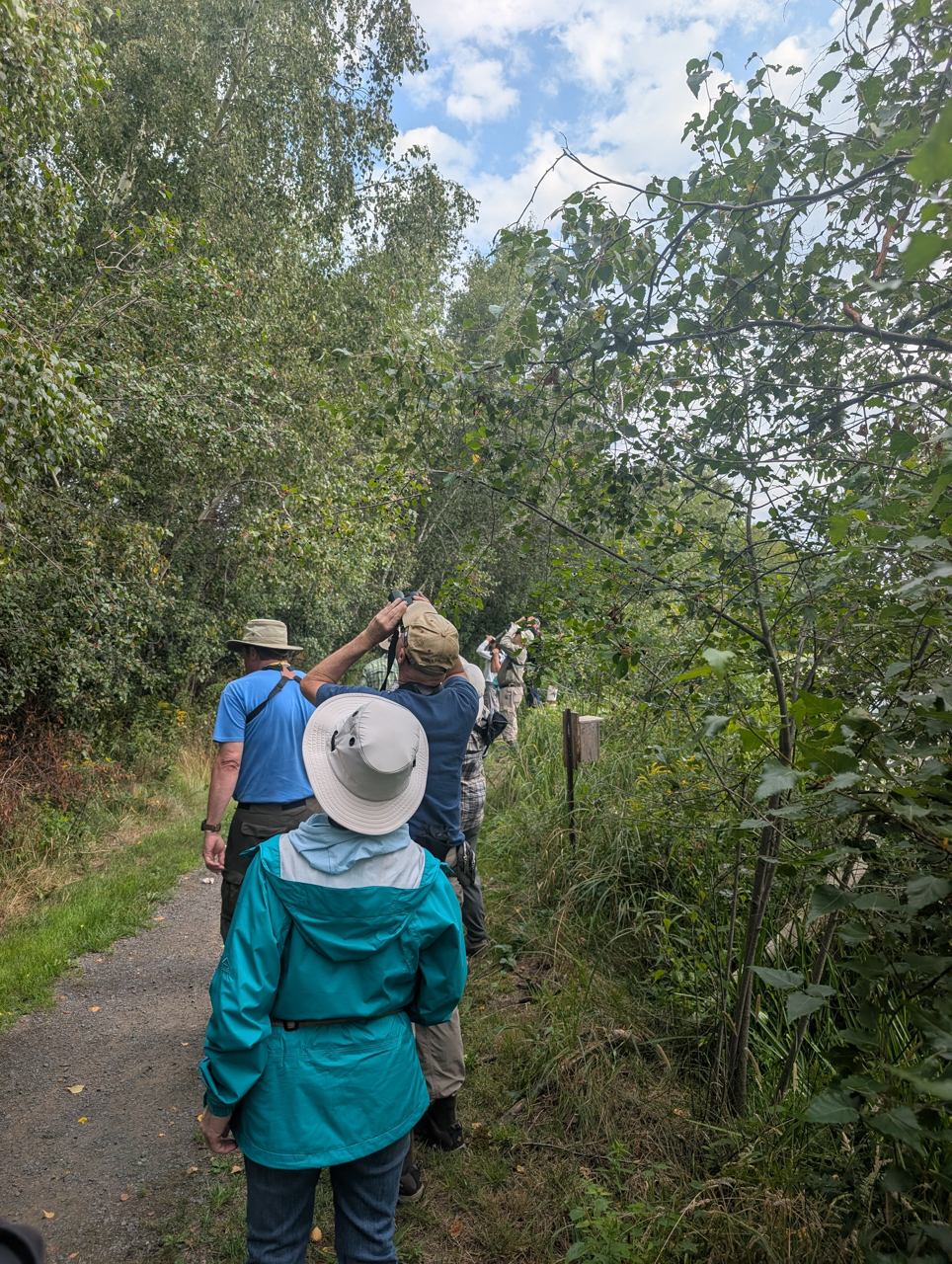
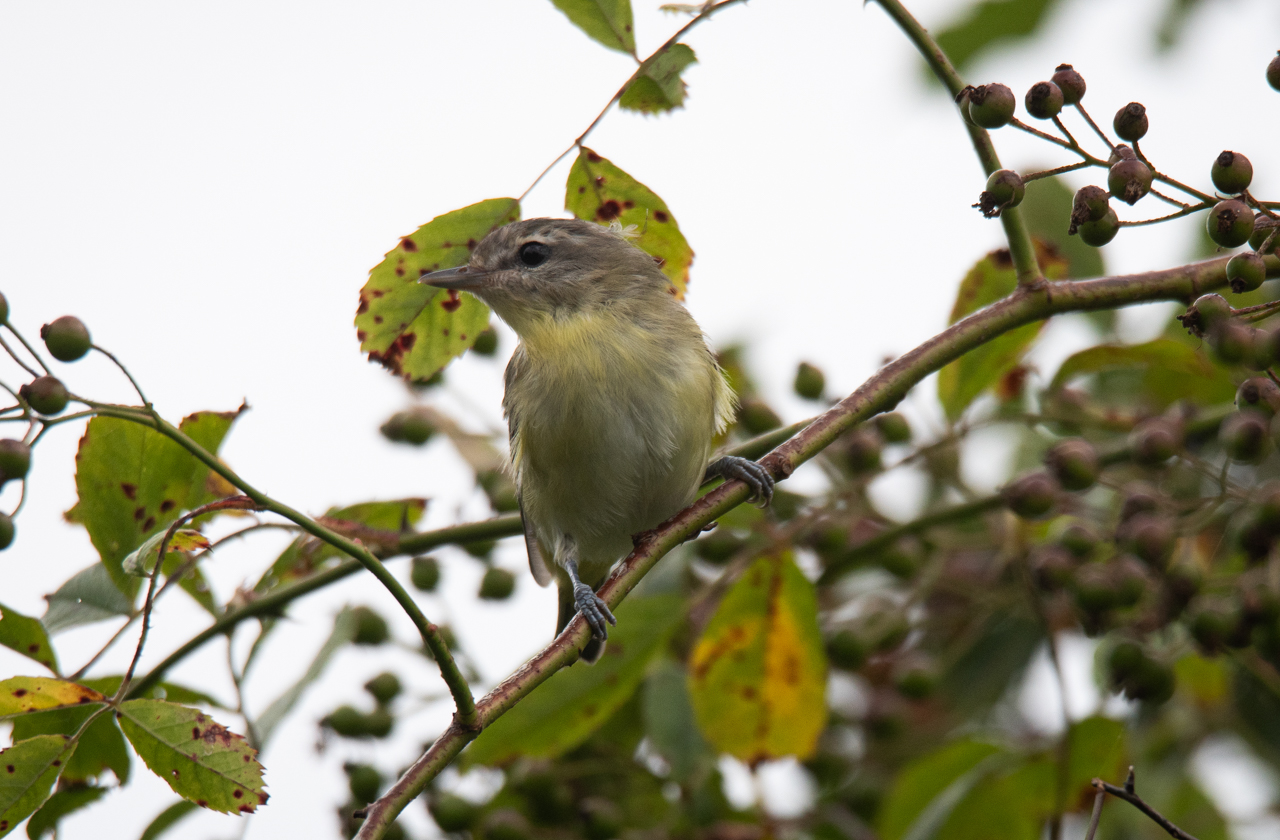
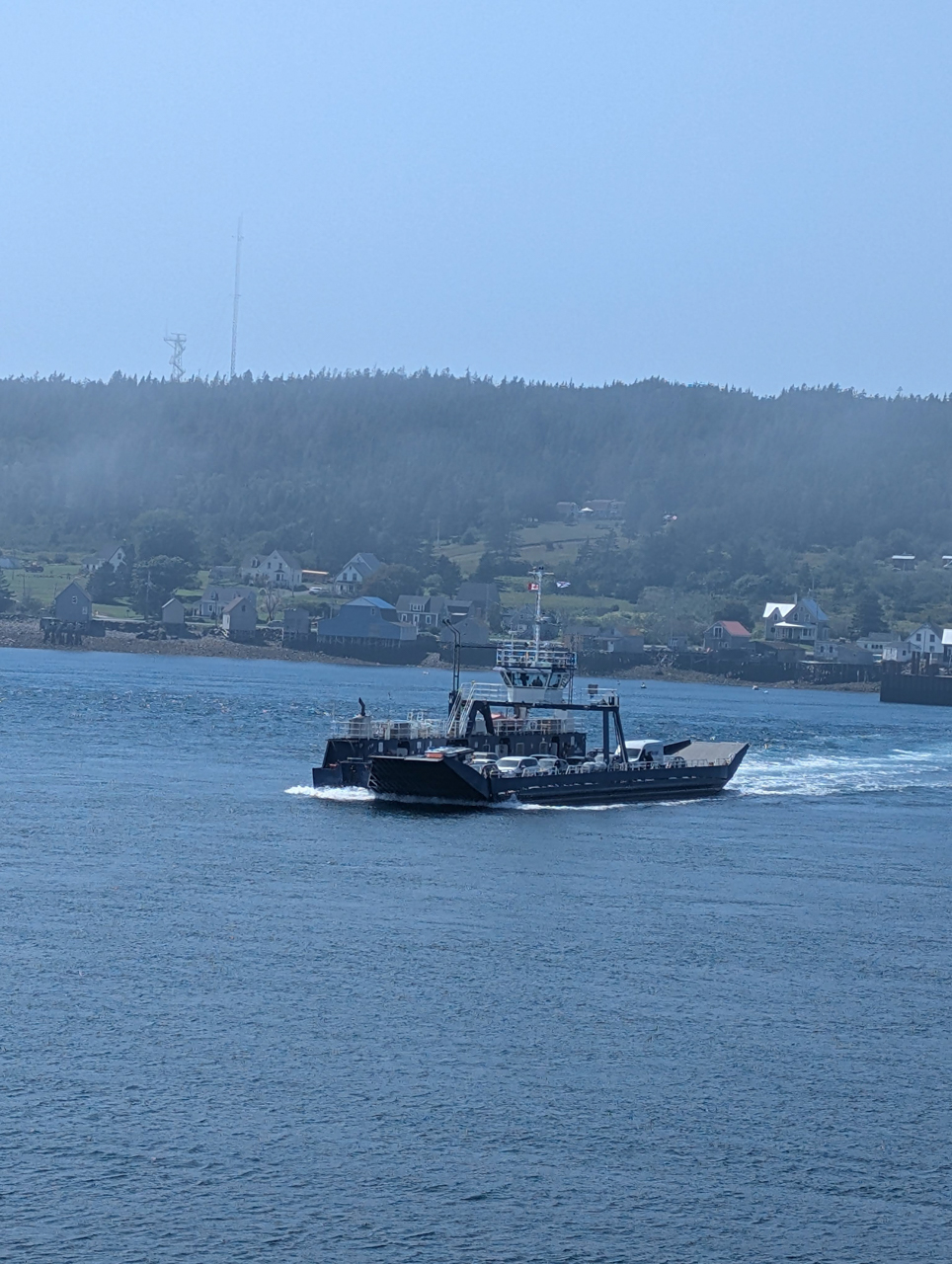
The survey moved toward the southwestern extremity of the province on day four, incorporating an assessment of the French Basin Trail near Annapolis Royal. This riparian zone yielded sightings of waterfowl, including Wood Ducks and Blue-winged Teal, and confirmed the presence of a Philadelphia Vireo. The team then utilized the Digby Neck ferry system to reach Brier Island, a location of immense ornithological value due to its isolation and exposure to the Bay of Fundy.
The Brier Island Phase: Pelagic and Banding Data
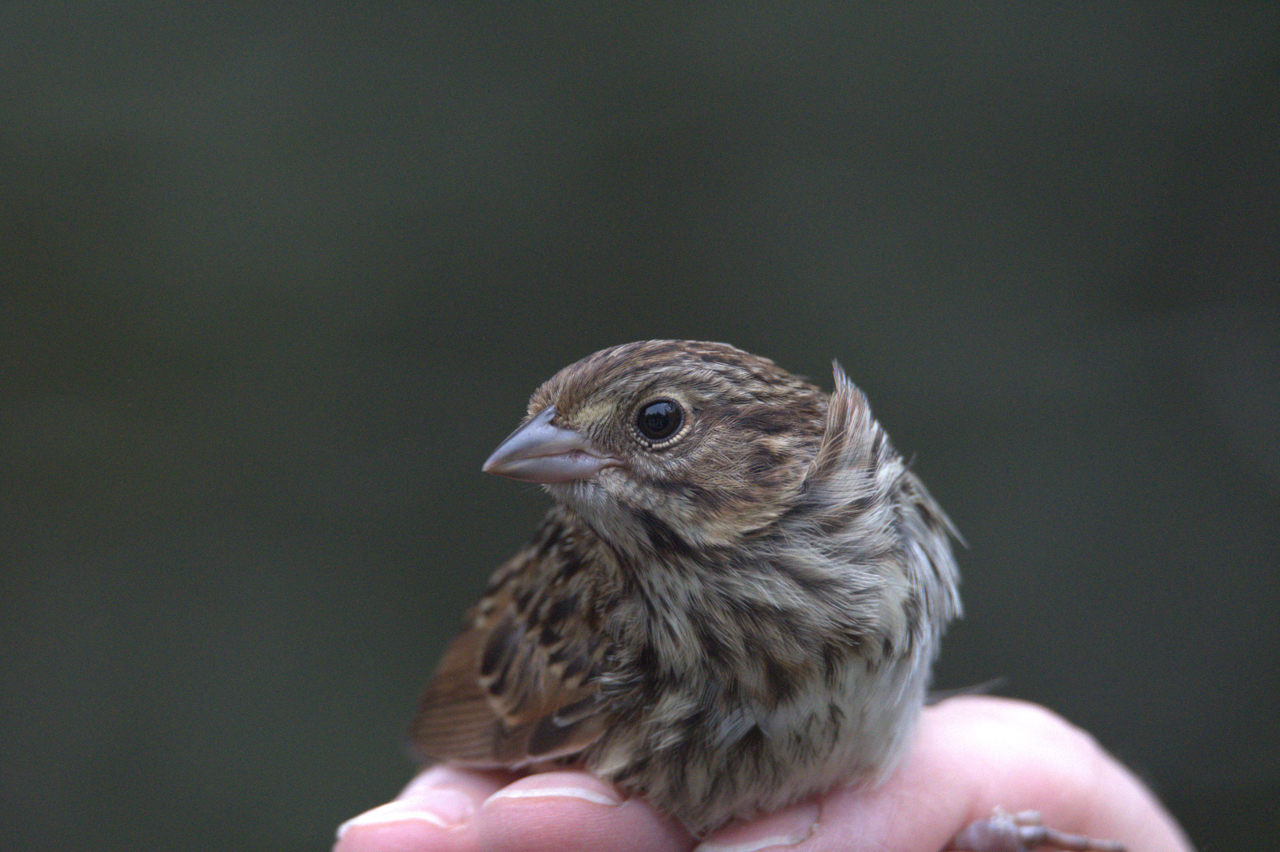
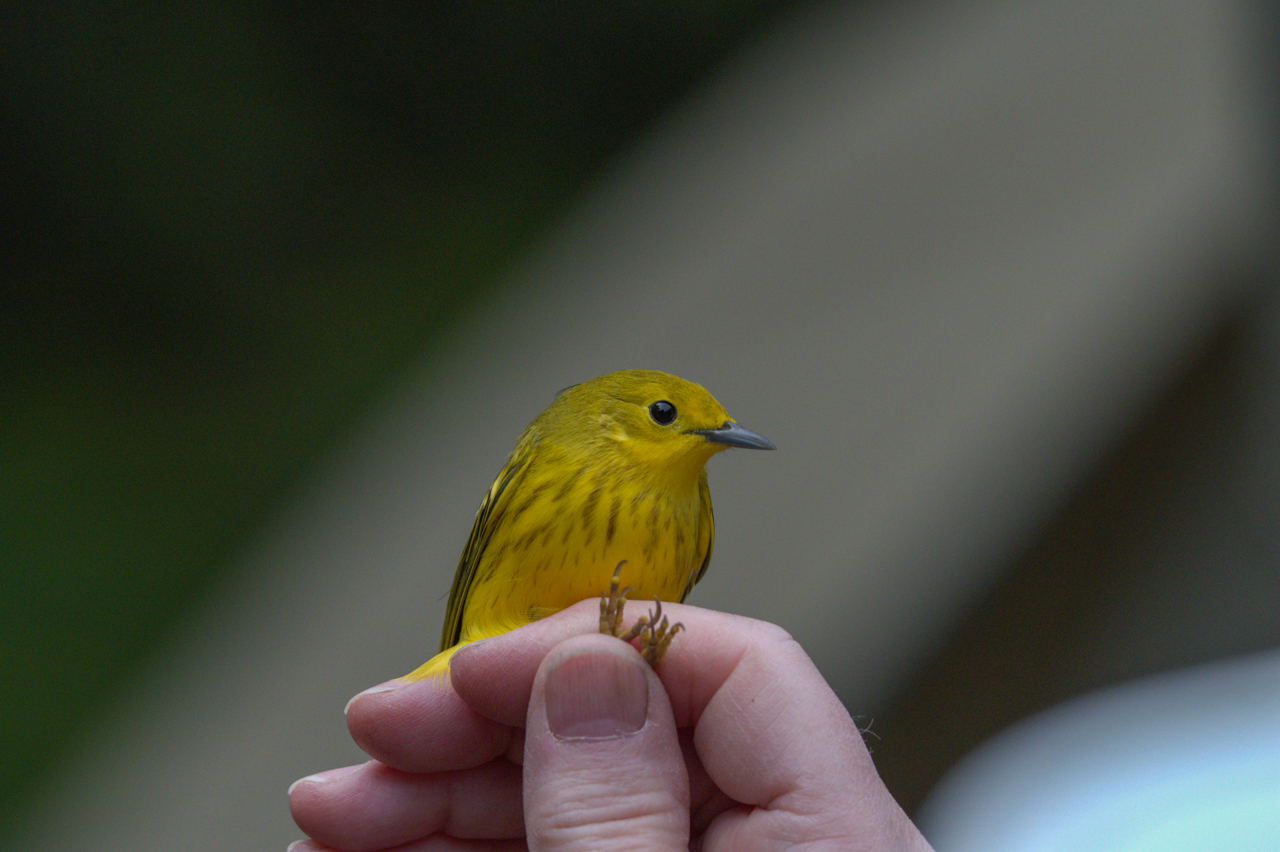
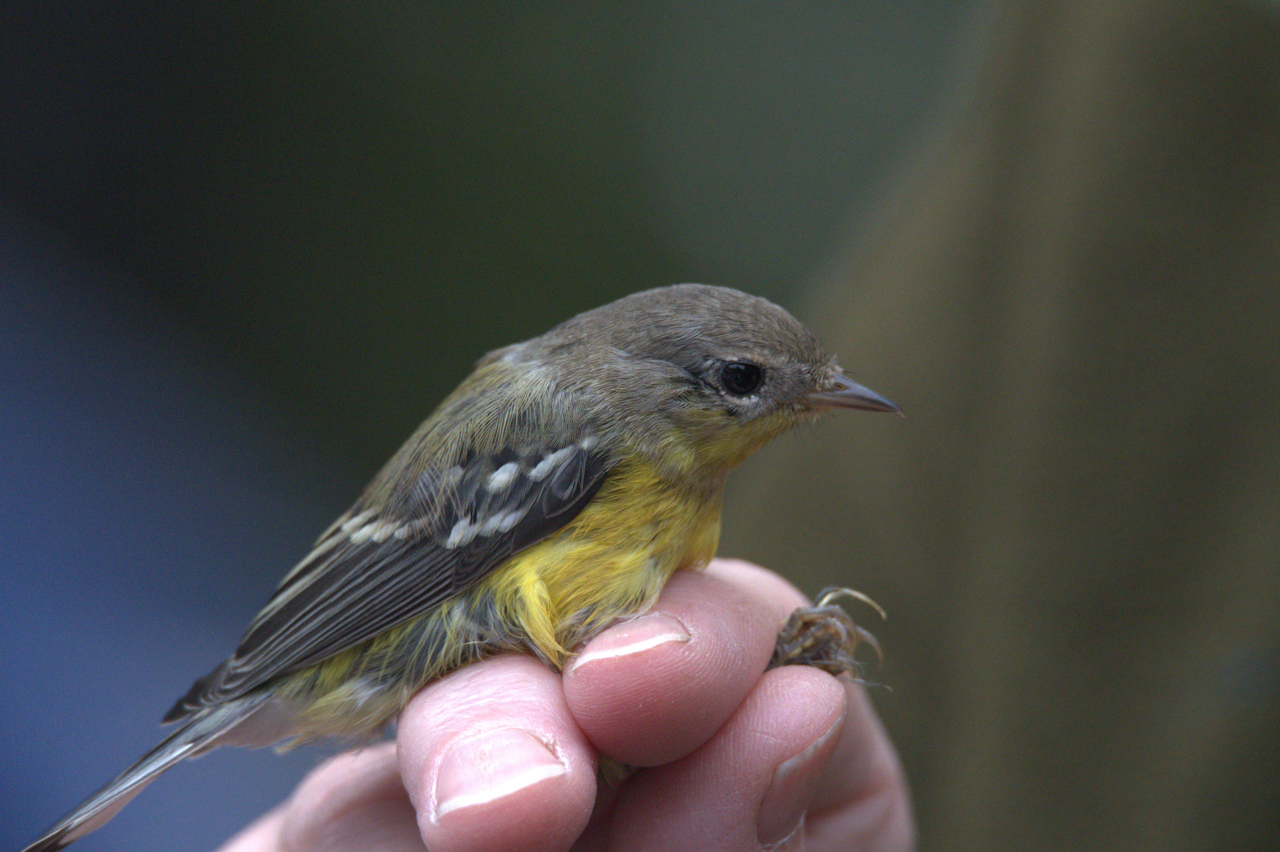
Days five and six were dedicated to Brier Island, where the reactivation of the Brier Island Bird Banding Station provided granular data on local migratory movements. The station, having been dormant for several years, offered a rare opportunity for researchers to examine bird health and migration timing through direct handling. Data collection included the tagging of Song Sparrows, Magnolia Warblers, and Northern Waterthrushes.
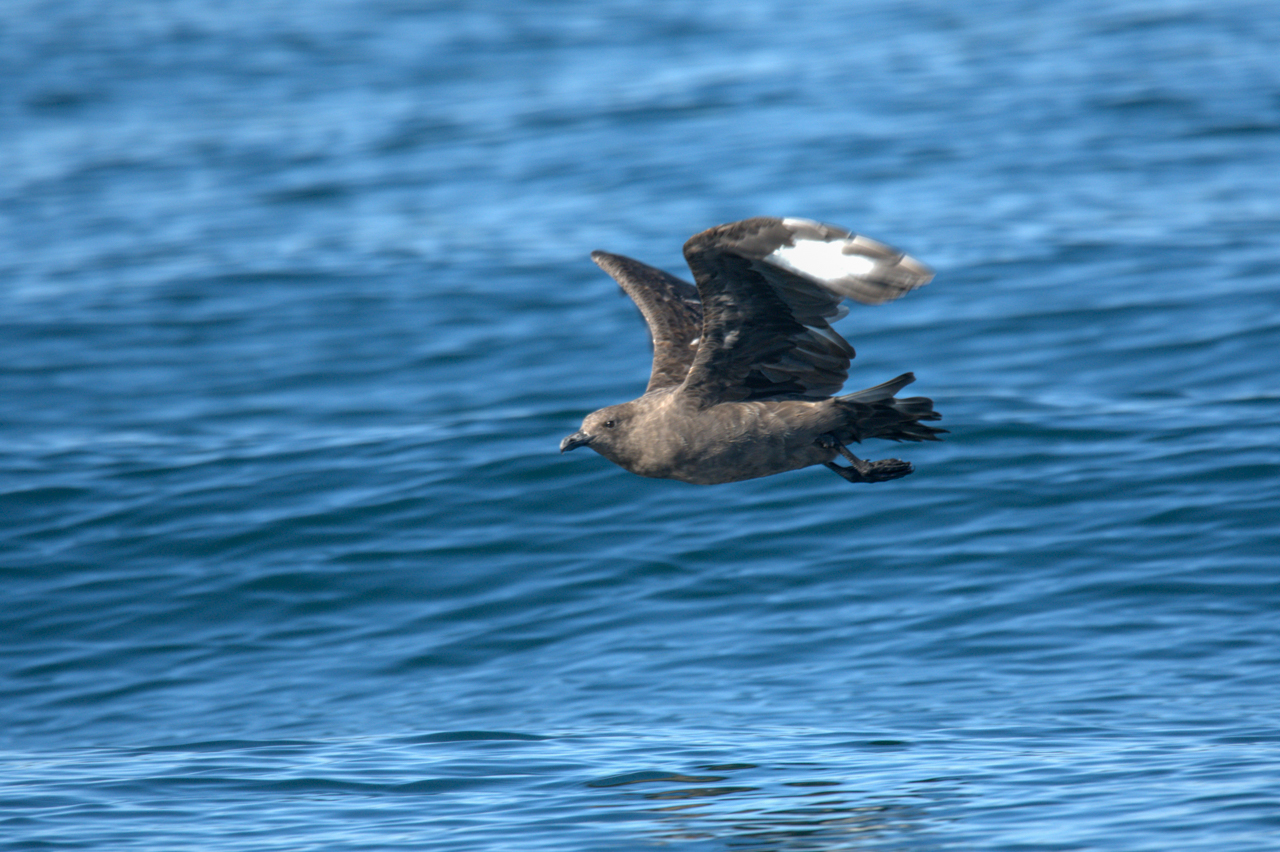
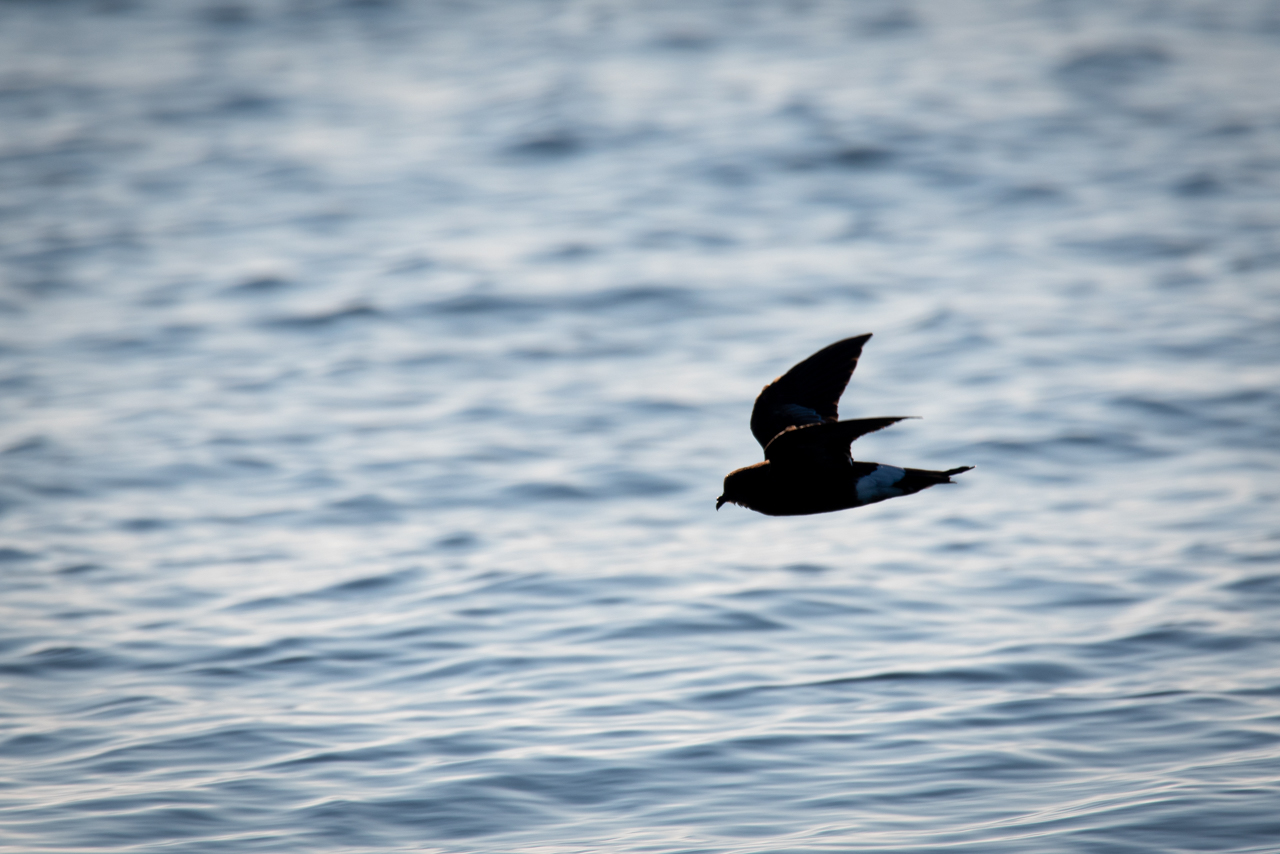
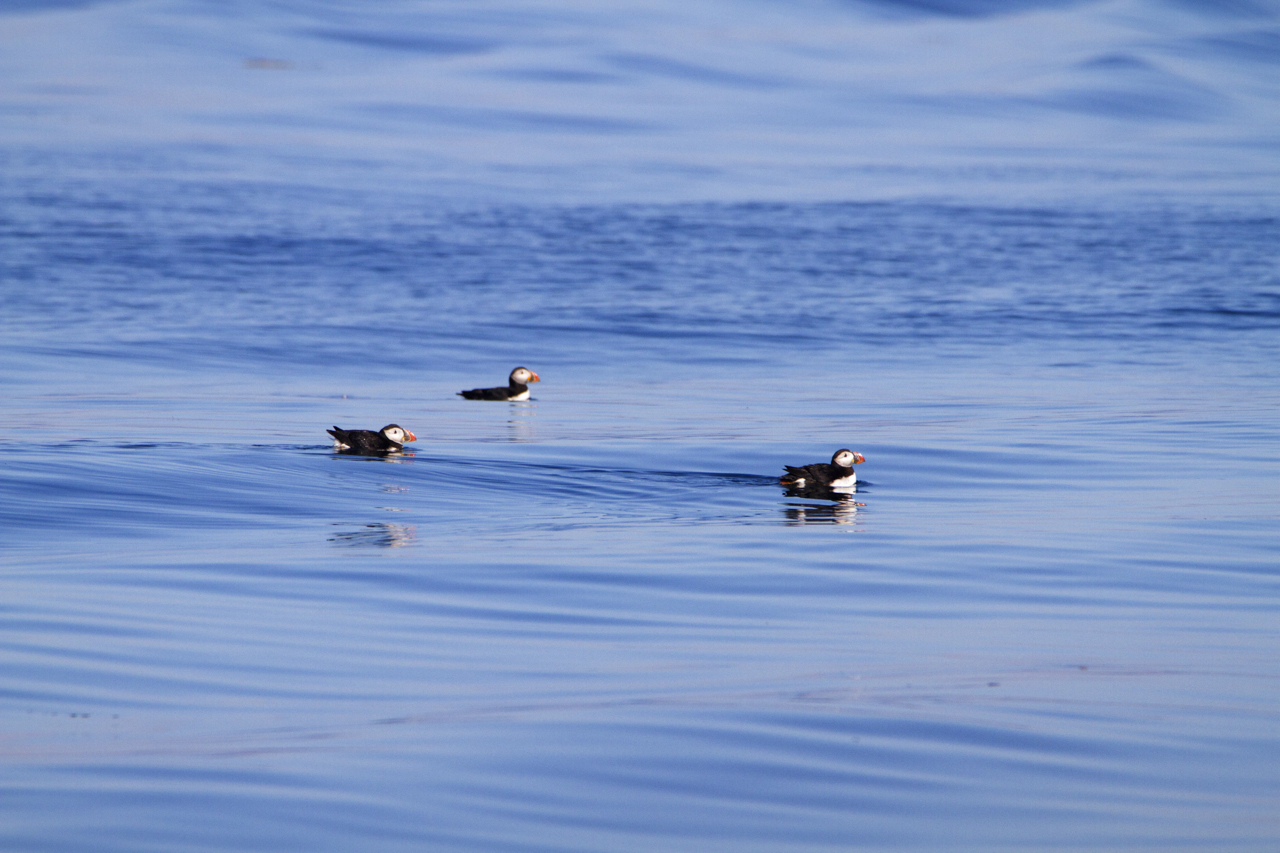
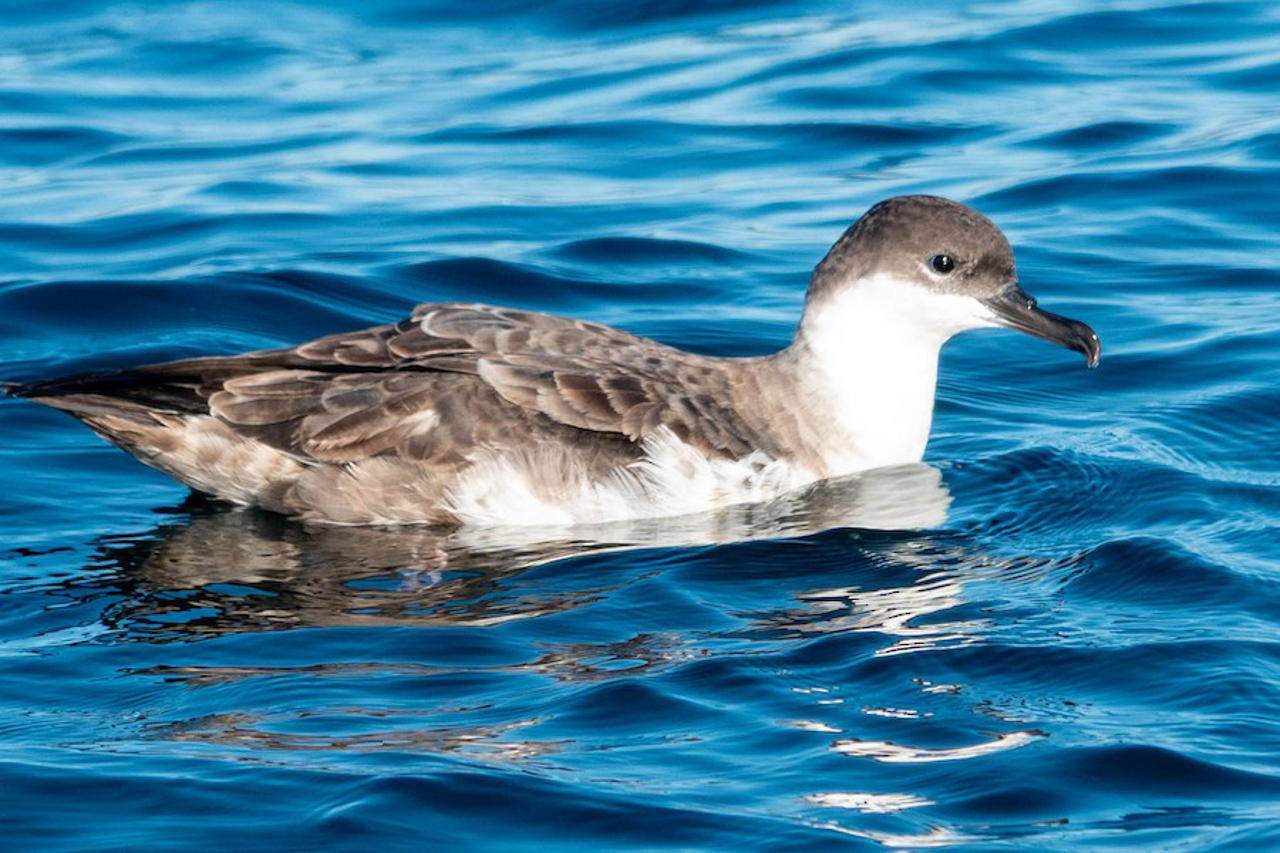
The offshore pelagic survey conducted on day five proved to be the most productive segment of the trip. The expedition recorded significant seabird activity, including Wilson’s Storm-Petrels, Leach’s Storm-Petrels, South Polar Skuas, and substantial flocks of Atlantic Puffins. The presence of these pelagic species, alongside Humpback Whales, confirms the richness of the Bay of Fundy as a high-productivity marine zone.
The concluding days of the expedition shifted toward the South Shore, focusing on Yarmouth and the surrounding capes. On day seven, the team surveyed Cape Forchu and Chebogue Point. The absence of American Oystercatchers on Cape Sable Island was noted as a data point, though the species was subsequently confirmed at Sandhills Beach on day eight, highlighting the importance of multiple survey sites to account for bird movement and individual behavior. The final day included a traverse through the boreal forests of the South Shore and a visit to the historic Peggy’s Cove, concluding the survey in the capital city of Halifax.
Scientific Context and Ecological Implications
The data gathered during this eight-day expedition underscores the vulnerability and necessity of Nova Scotia’s stopover sites. The Bay of Fundy, in particular, acts as a "bottleneck" for shorebird migration. According to conservation biologists, the vast mudflats are not merely landscapes; they are energy-refueling stations where shorebirds consume millions of invertebrates to double their body mass before embarking on a non-stop, multi-day flight to South America.
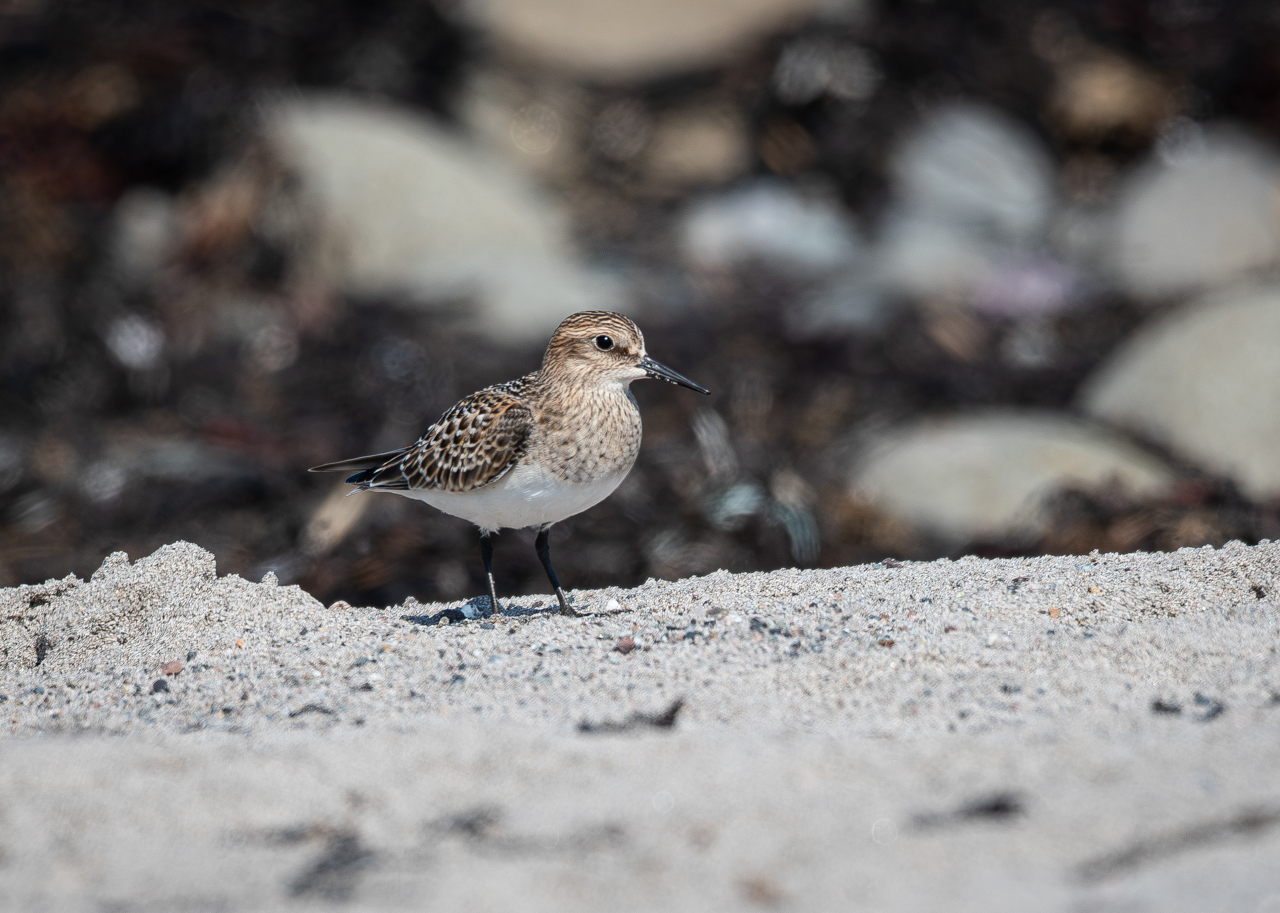
The sighting of rare vagrants, such as the American Avocet near Lunenburg and the Baird’s Sandpipers on Brier Island, provides insight into the potential impacts of changing weather patterns on avian dispersal. Vagrancy—the movement of birds outside their normal range—is often linked to atmospheric disturbances or shifts in food availability, and monitoring these occurrences is a cornerstone of modern ornithological research.

Furthermore, the team’s interaction with the Brier Island Bird Banding Station highlights the broader impact of community-based science. "The engagement of participants in the banding process serves as a vital bridge between scientific research and public awareness," noted lead guide Kyle d’Entremont. By participating in the documentation of bird health, guests gain a more comprehensive understanding of the environmental stressors—such as habitat loss and climate-driven food shortages—facing these species.
Economic and Cultural Integration
The expedition also served as an analysis of the intersection between nature-based tourism and local heritage. In Nova Scotia, the integration of birding with the province’s cultural history—such as the Acadian history of the Grand Pré National Historic Site and the maritime heritage of Lunenburg—is a model for sustainable tourism. The team’s itinerary, which prioritized local businesses, restaurants, and historical sites, illustrates how ecological tourism can provide a significant economic injection into rural coastal communities.
The observation of boreal specialties, such as the Canada Jay, in the province’s forest tracts suggests that even in areas of moderate human activity, the preservation of specific forest structures is paramount. The presence of these birds serves as a biological indicator of the health of the Acadian forest ecosystem.
Conclusion: A Summary of Findings
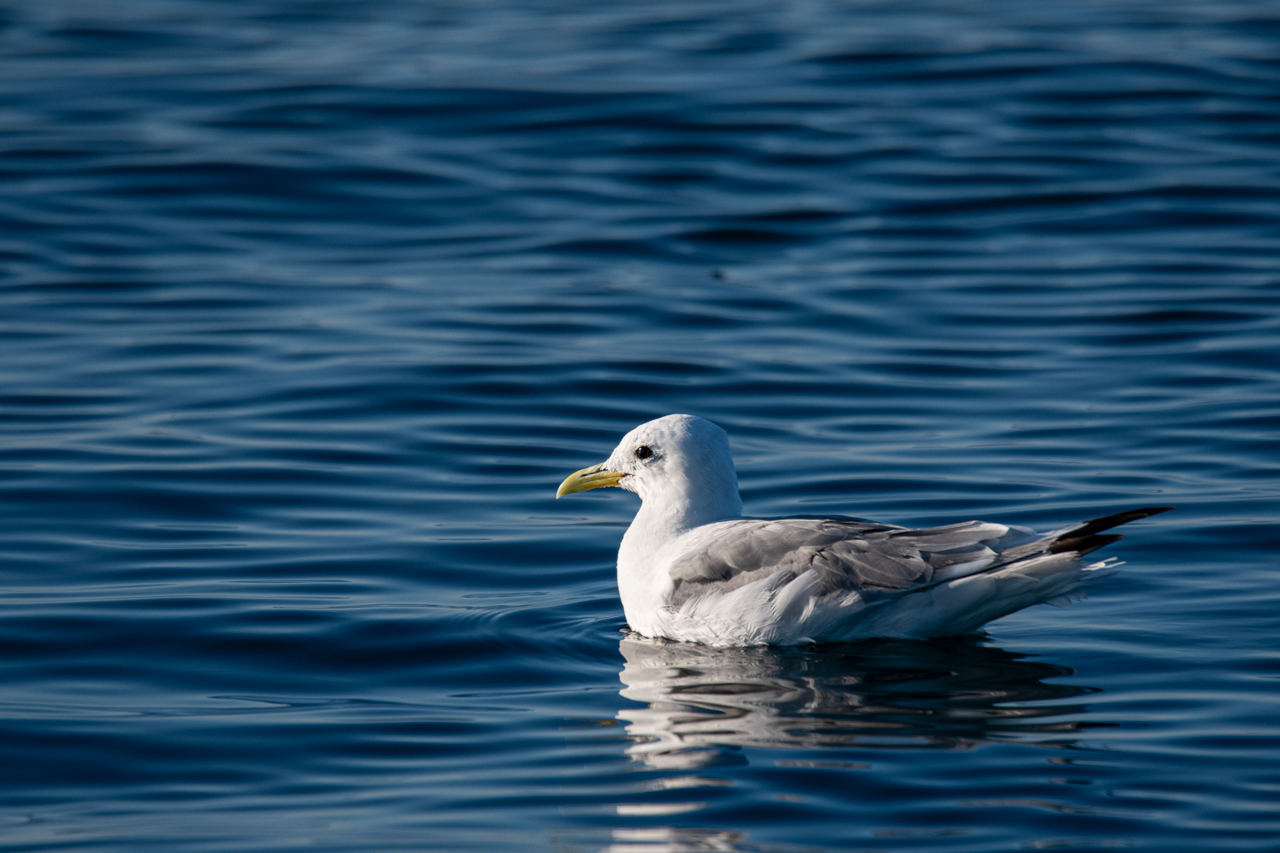
Over the course of the eight-day survey, the team documented a diverse assemblage of avian life that highlights the biological richness of Southern Nova Scotia. From the tidal surges of the Fundy basin to the remote reaches of Brier Island and the rocky outcrops of the South Shore, the expedition successfully captured a snapshot of the late-summer migratory pulse.
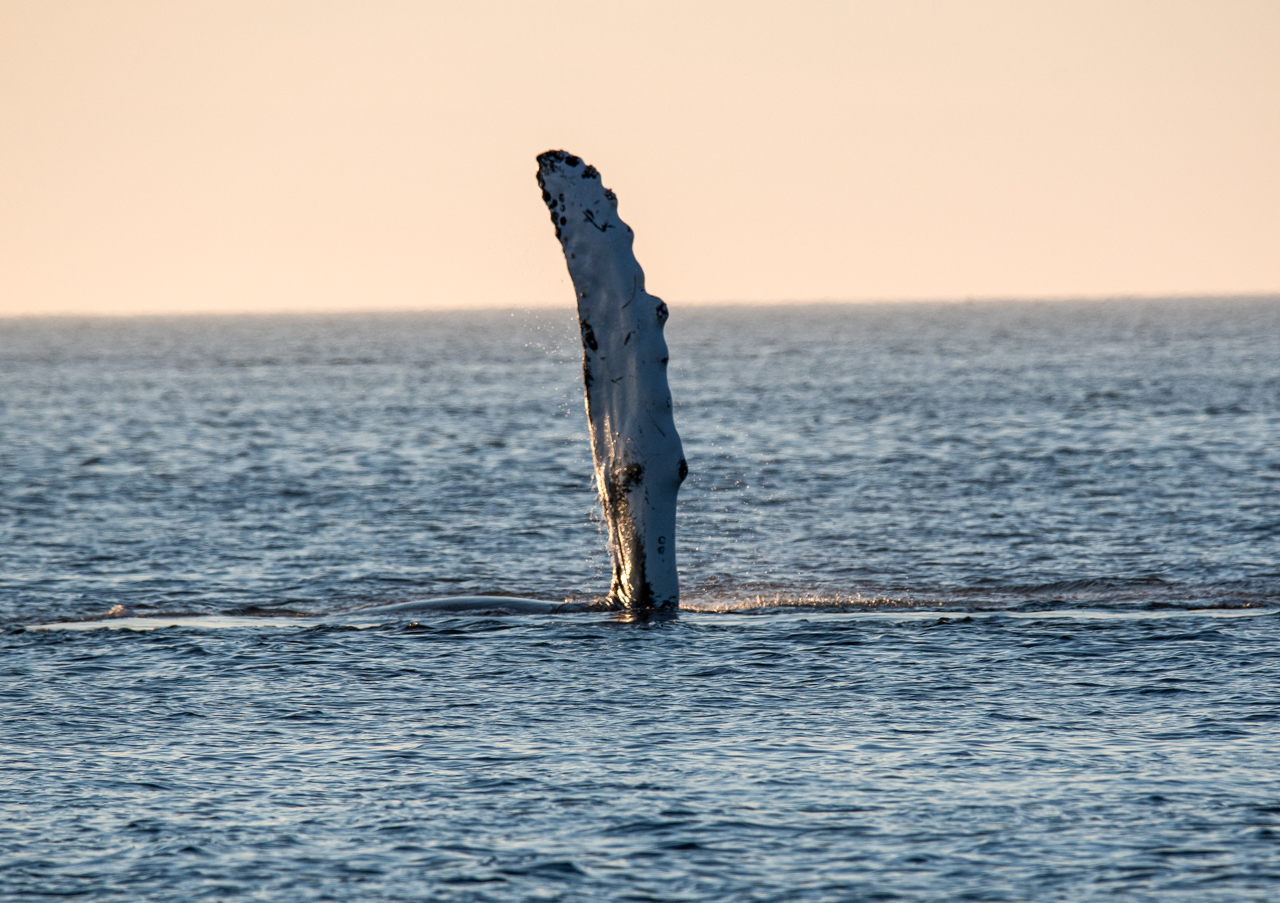
The findings from this survey provide useful, albeit preliminary, data for ornithologists tracking the health of the Atlantic Flyway. As the province continues to navigate the challenges of coastal development and environmental management, the continued documentation of these species remains essential. The success of this year’s expedition, supported by the enthusiasm of its participants and the expertise of its guides, ensures that these migratory corridors will remain a focal point for future scientific inquiry and ecological appreciation. The data collected serves as a reminder that the health of Nova Scotia’s coastlines is intrinsically linked to the survival of the global avian populations that rely on them for their survival each year.
