

The recent birding expedition across the Sky Island mountain ranges of Southeast Arizona served as a definitive survey of the region’s extraordinary biodiversity, highlighting the unique ecological intersections that make the Sonoran Desert and its surrounding peaks one of the most sought-after destinations for ornithologists globally. From the cactus-studded valleys of Tucson to the high-elevation forests of the Chiricahua and Santa Rita mountains, the tour provided participants with a granular view of how altitudinal gradients create specialized niches for rare and endemic bird species.
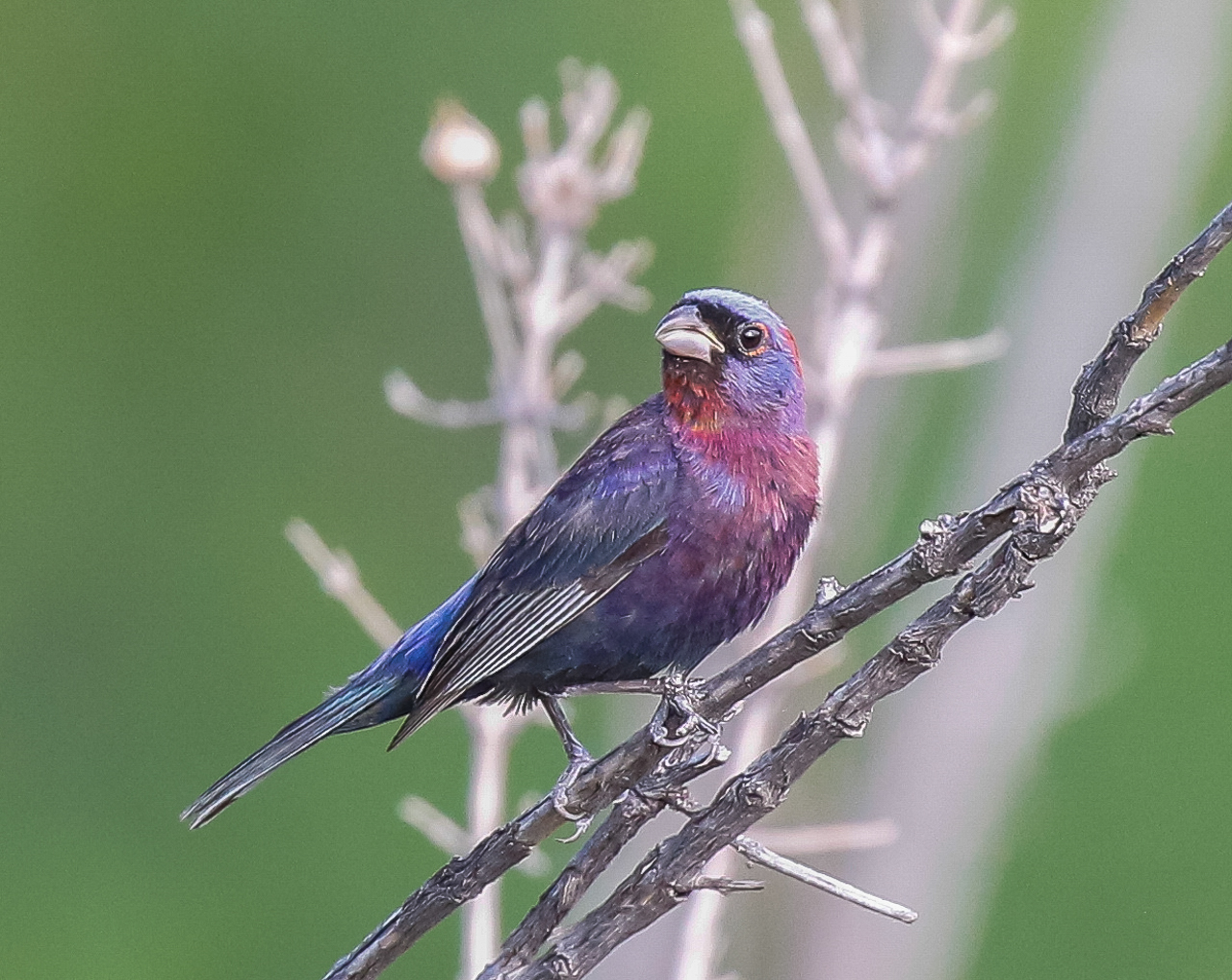
The expedition, which spanned several days of intensive field observation, utilized a strategic approach to traverse the distinct life zones of the region. By moving systematically from the lower desert scrubland into the montane forests, the team was able to document a vast array of species that rely on the region’s "Sky Island" architecture—isolated mountain ranges surrounded by radically different lowland environments, which act as evolutionary laboratories for avian species.

Chronology of the Expedition
The tour commenced in Tucson, immediately establishing a baseline of the desert’s most iconic avian residents. Before departing the city, the group observed Greater Roadrunners and various hummingbird species, providing a contrast to the specialized species identified later in the high-elevation zones.

The first major segment of the journey involved an ascent of Mount Lemmon in the Santa Catalina range. This transition is geographically significant, as the climb mimics a journey from the Mexican border to the Canadian border in terms of temperature and vegetation. By mid-morning, the group observed a clear shift from Sonoran desert specialists—such as the Black-throated Sparrow and the Verdin—to species characteristic of oak-juniper woodlands, including the Acorn Woodpecker, Mexican Jay, Spotted Towhee, and the Black-throated Gray Warbler.
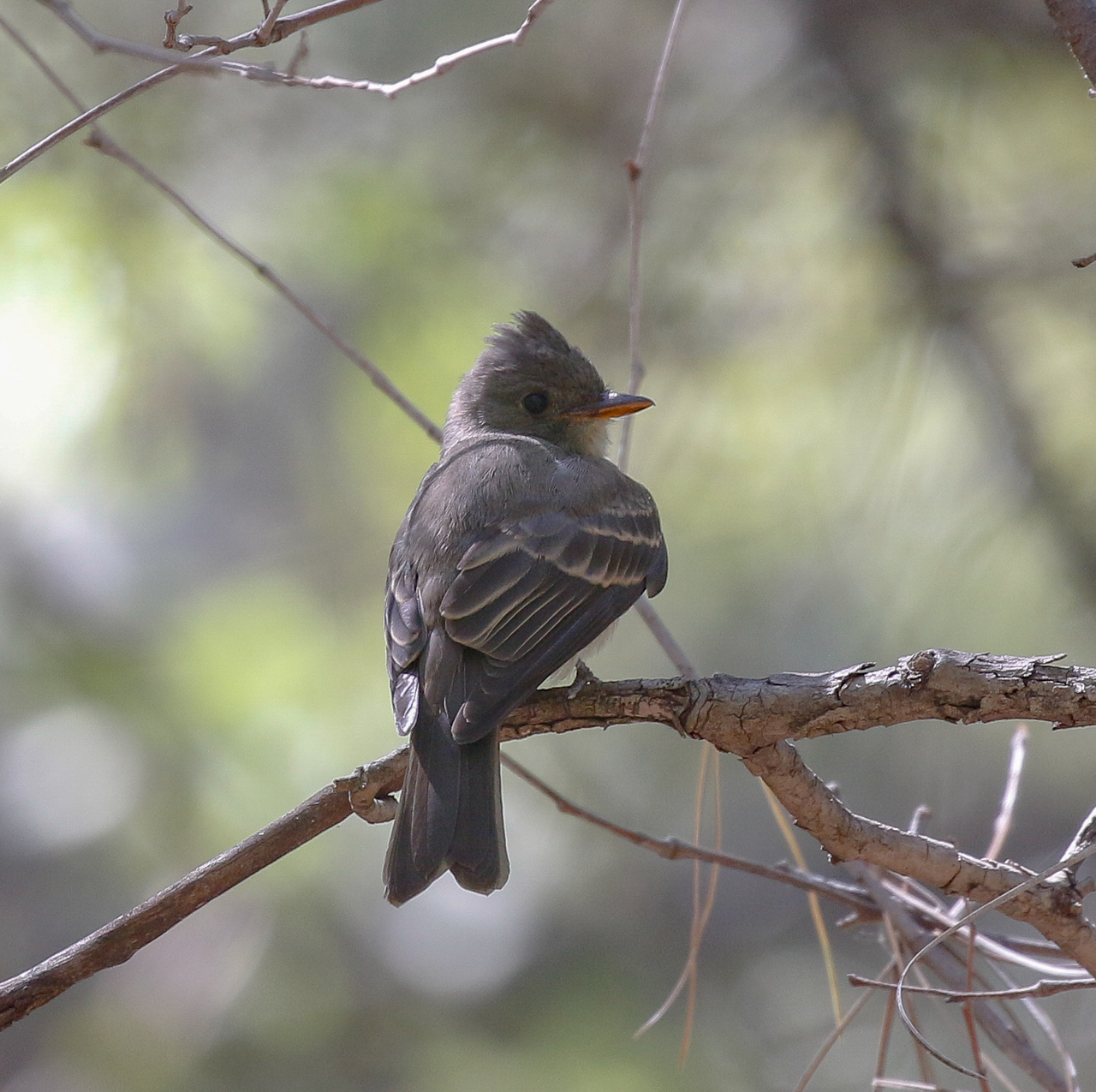
As the team reached the Ponderosa pine forests above 8,000 feet, the species composition shifted again. The afternoon was marked by the sighting of high-altitude specialists, including the Greater Pewee, Hutton’s Vireo, Yellow-eyed Junco, and the agile White-throated Swift. The day concluded with the identification of the Red-faced Warbler, a species highly prized by North American birders for its striking coloration and limited range.
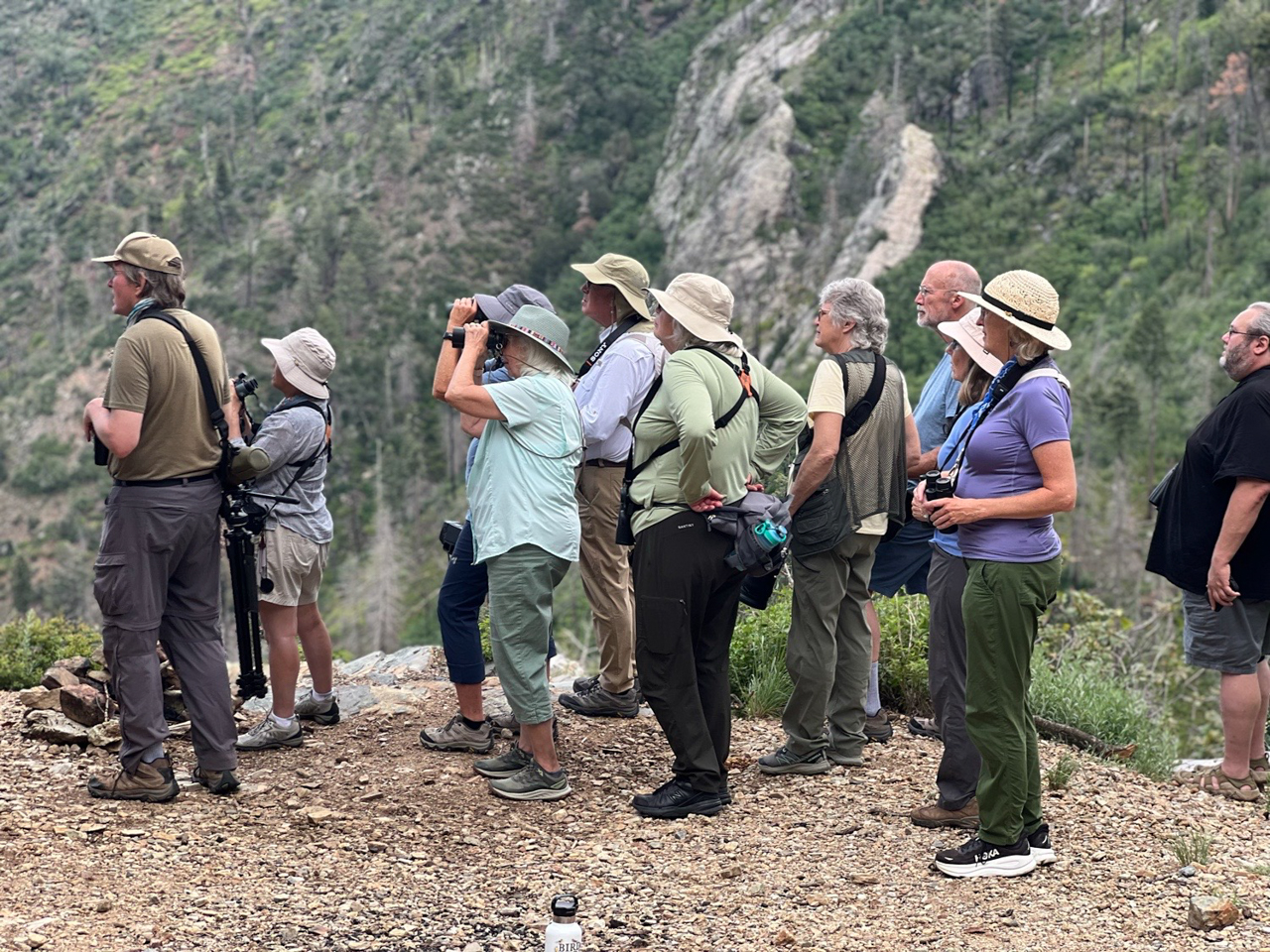
The second phase of the expedition focused on the Chiricahua Mountains, accessed via a stopover in Willcox. The Willcox playa, a critical stop for migratory birds, offered the group an opportunity to document waterbirds that utilize the interior wetlands of the Southwest. Observations included Black-necked Stilts, American Avocets, Wilson’s Phalaropes, and Baird’s Sandpipers.
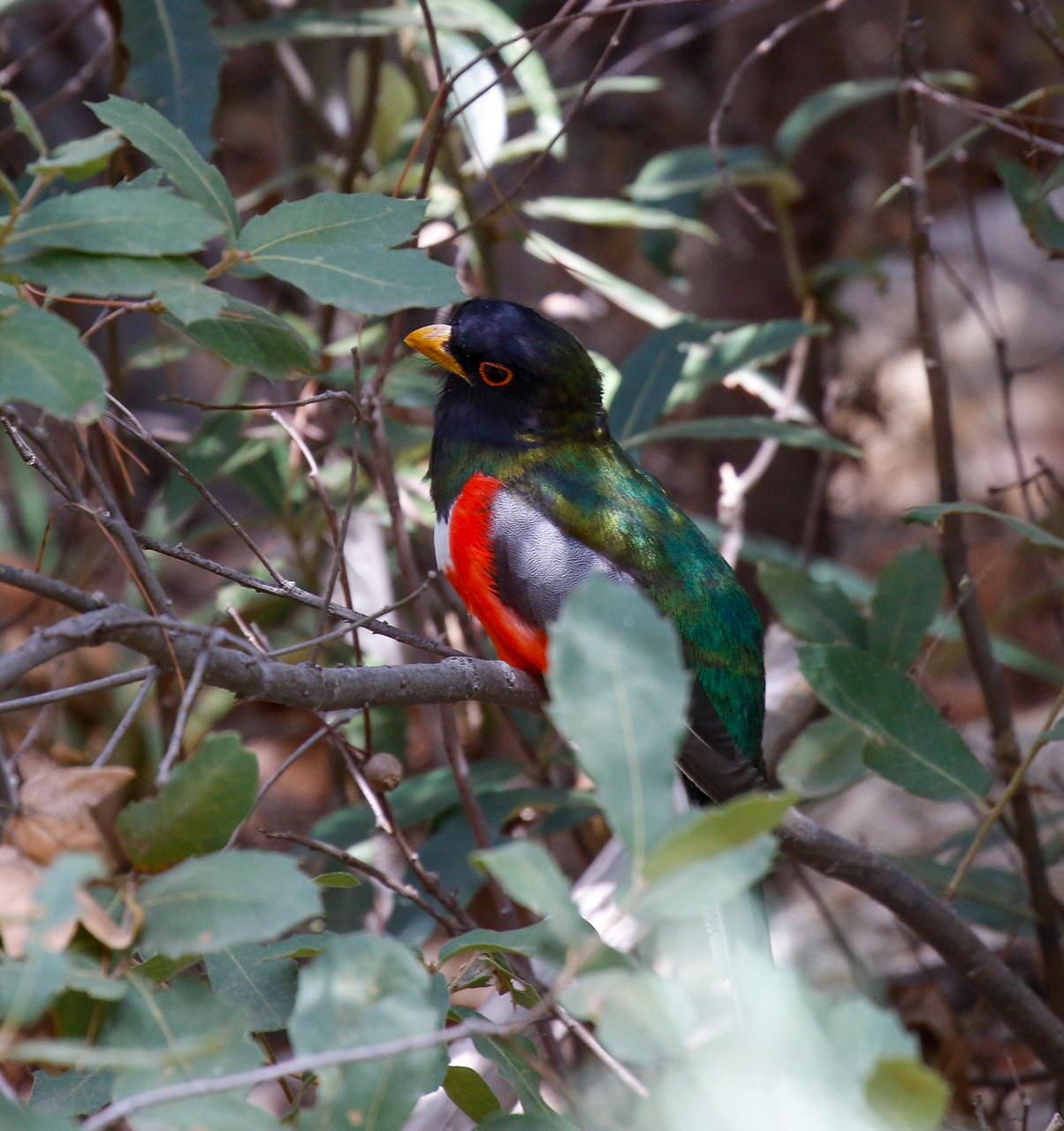
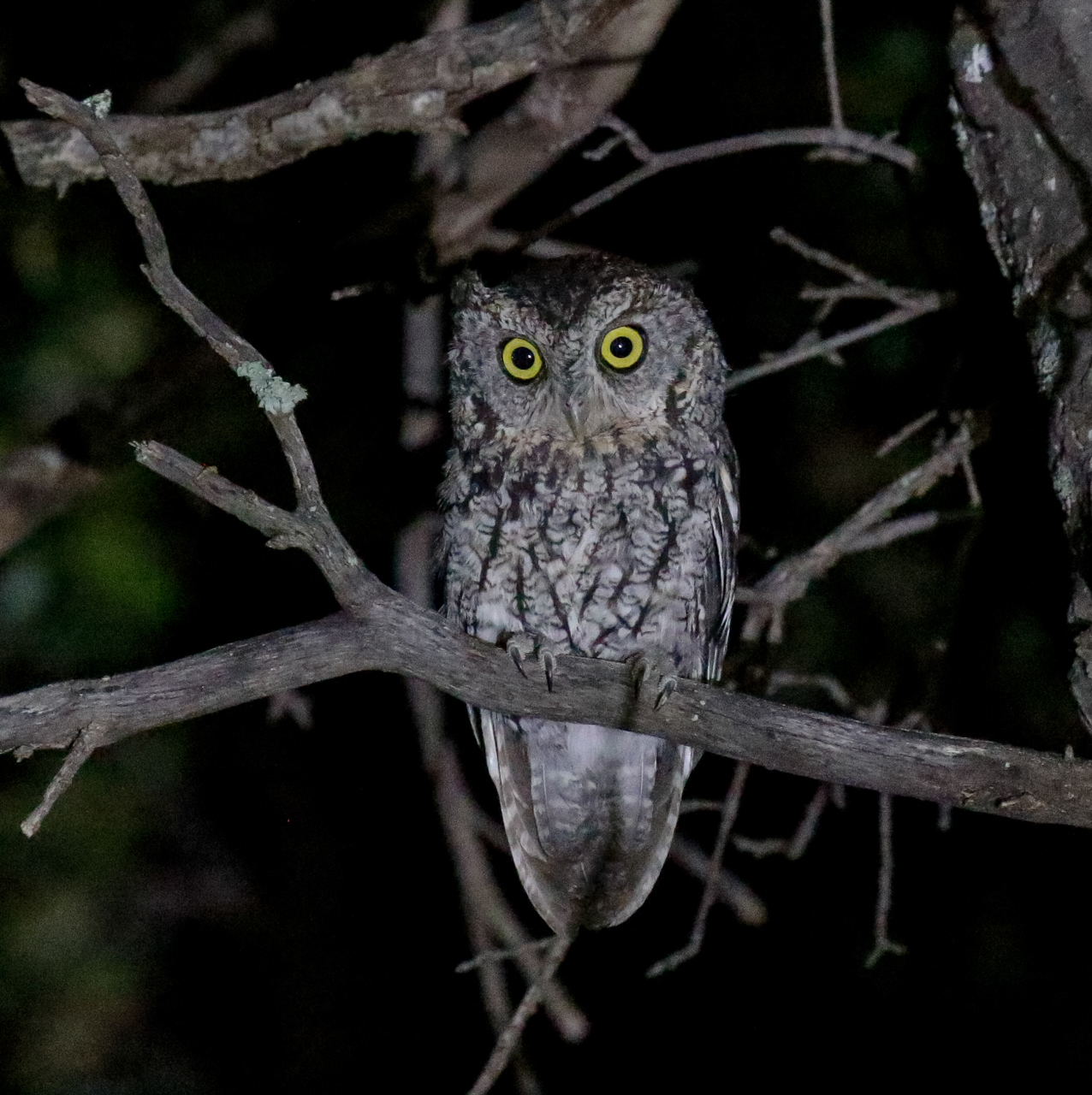
Upon reaching Portal and the Chiricahua range, the group conducted two days of intensive mountain canyon surveys. The primary target, the Coppery-tailed Trogon, was successfully located following a careful analysis of its vocal patterns. Additionally, the team secured rare sightings of the White-eared Hummingbird and conducted nocturnal surveys that yielded observations of Whiskered Screech-Owls, Western Screech-Owls, and Mexican Whip-poor-wills.
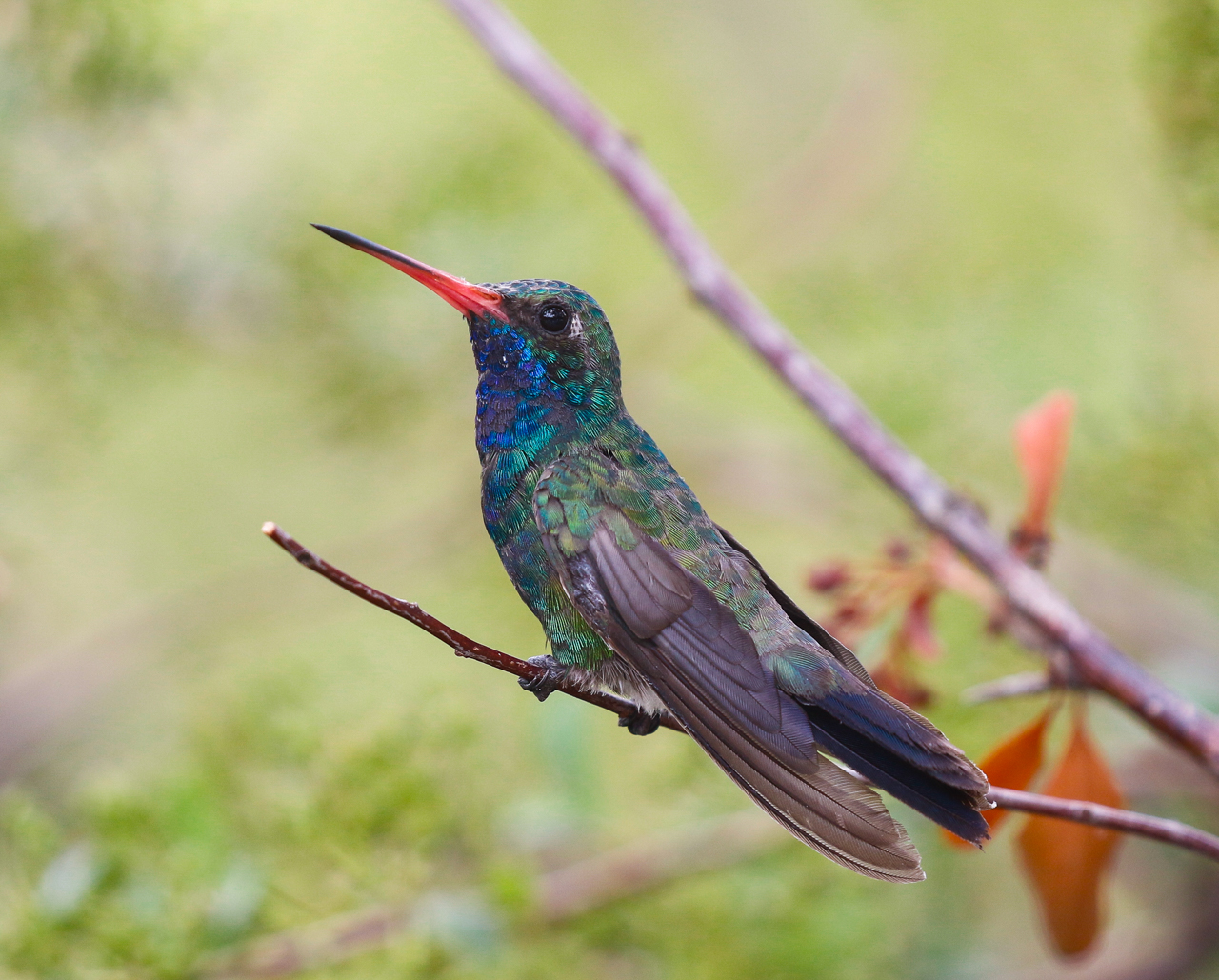
The final leg of the tour involved a transition to the Huachuca and Santa Rita ranges, focusing on riparian canyons and historical birding hotspots such as Madera Canyon. The journey concluded with a review of findings at the Santa Rita Lodge, where observers noted a surprising appearance of an adult male Costa’s Hummingbird at an uncharacteristically high elevation, alongside more common sightings of Rivoli’s Hummingbirds and multiple tanager species.
Ecological Context and Supporting Data
Southeast Arizona is widely recognized by conservationists and the scientific community as a critical junction for avian migration and habitation. The region’s "Sky Island" topography, a concept popularized by environmental writers and biologists in the mid-20th century, describes mountain ranges that rise sharply from the desert floor. These ranges serve as biological bridges between the Sierra Madre Occidental in Mexico and the Rocky Mountains in the United States.

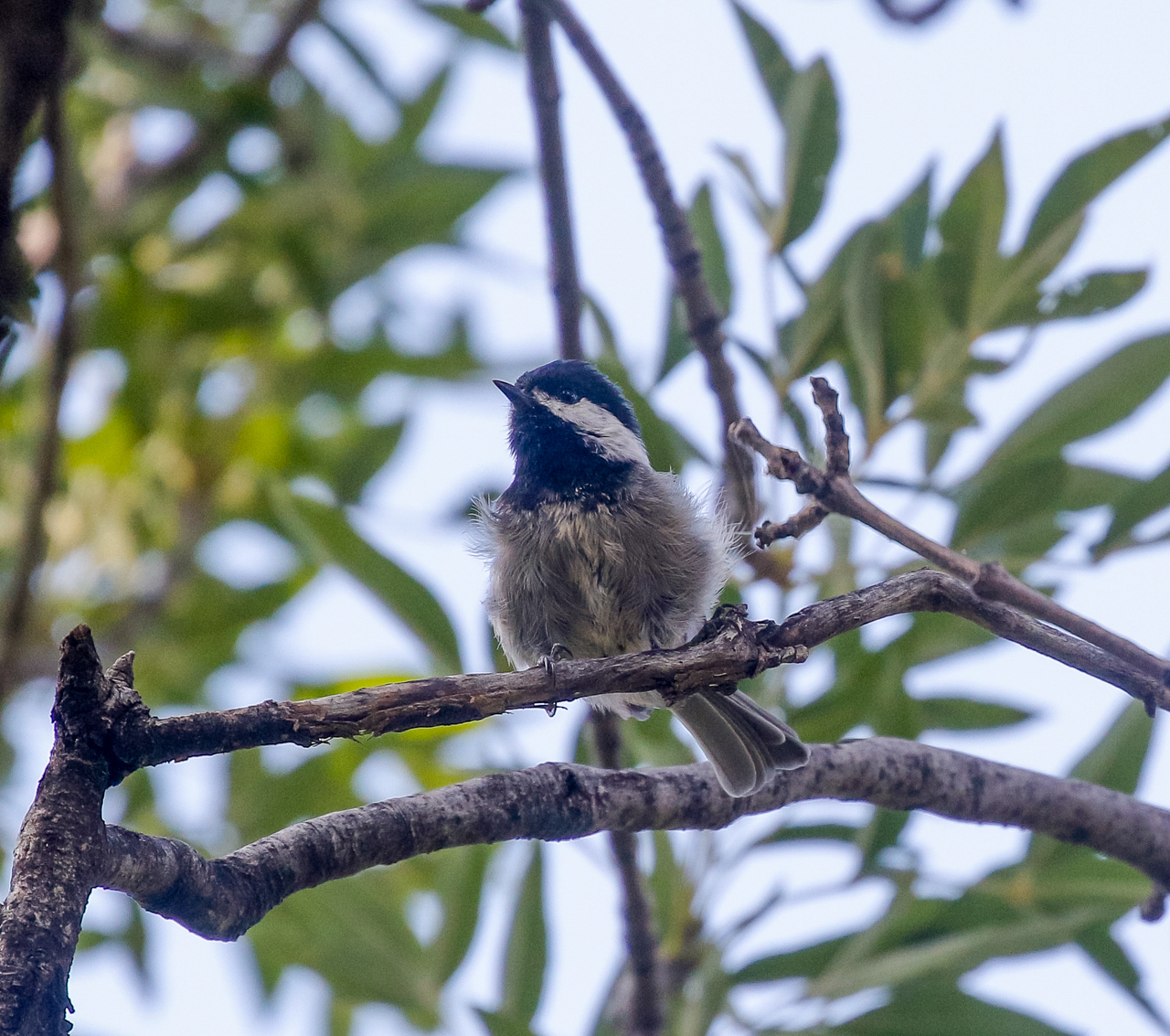
Data from the Cornell Lab of Ornithology and the National Audubon Society consistently rank this area as one of the most biodiverse regions in the United States. The presence of species such as the Elegant Trogon (often referred to locally as the Coppery-tailed Trogon) and the Five-striped Sparrow represents the northernmost extent of species that are primarily found in Mexico. The recent tour’s success in documenting high counts of the Mexican Chickadee—a bird that is largely confined to the high-elevation forests of the Sky Islands—underscores the importance of these isolated habitats in maintaining population viability for sensitive species.
Furthermore, the observations at the Paton Center for Hummingbirds provided a snapshot of the region’s role as a global hotspot for the family Trochilidae. With over a dozen species of hummingbirds frequently occurring in Southeast Arizona, the area remains a primary site for scientific study regarding nectar-feeding dynamics and the impact of climate change on flowering plant phenology.
Official Responses and Community Impact
While the expedition was primarily observational, the participants and local guides noted a significant increase in the presence of certain species compared to historical averages for the season. Specifically, the high volume of Mexican Chickadees encountered in the Chiricahua range suggests a robust breeding season or successful dispersal patterns in the high-elevation coniferous zones.

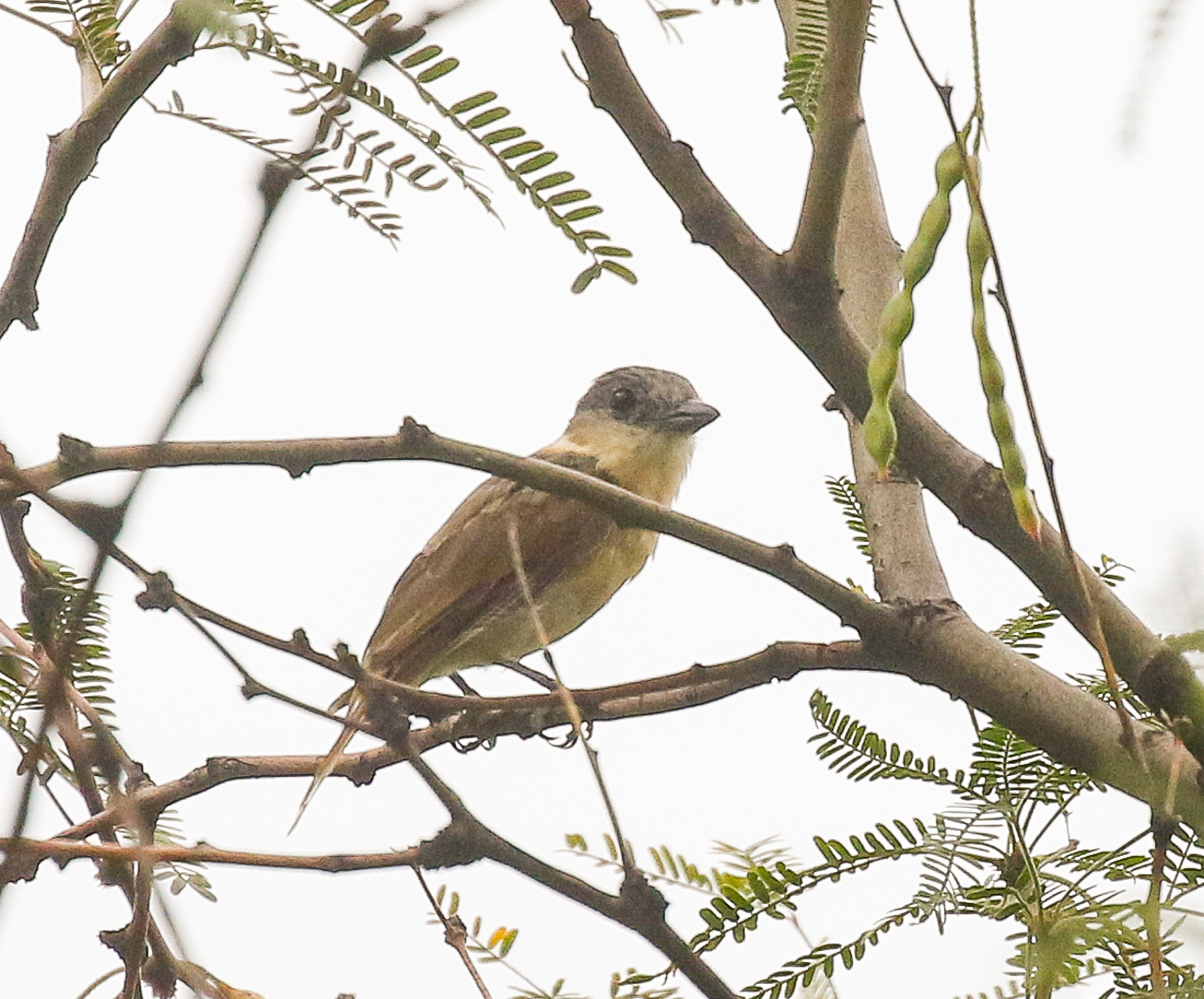
Local conservation groups, including the Tucson Bird Alliance, continue to manage critical habitats such as the Paton Center to ensure that water and supplemental food sources remain available to migratory and resident species. The success of this tour, and the ability of birders to witness species like the Rose-throated Becard and the Northern Beardless-Tyrannulet, is a testament to the ongoing habitat preservation efforts supported by both private landowners and public agencies.
Analysis of Broader Implications
The findings of this expedition have implications for both the regional economy and conservation strategy. Birding tourism, often termed "avitourism," contributes significantly to the economy of small towns like Portal, Sierra Vista, and Patagonia. By providing a financial incentive for the protection of riparian corridors and canyon habitats, the birding community plays an indirect but vital role in local environmental policy.
From a scientific perspective, the documentation of species like the Five-striped Sparrow and the Rufous-winged Sparrow in the Santa Rita foothills highlights the sensitivity of these birds to habitat degradation. As urban expansion continues in the Green Valley and Tucson metropolitan areas, the maintenance of "wildlife corridors" becomes paramount. The ability to observe these species in close proximity to human settlements is a privilege that relies entirely on the continued stewardship of the surrounding desert scrub and oak savannahs.

Furthermore, the sightings of waterbirds at the Willcox wastewater facility and other treatment plants underscore a growing trend in ornithology: the recognition of anthropogenic sites as vital stopover points. As natural wetlands in the American West continue to face pressure from drought and water mismanagement, these modified landscapes provide essential refuge for shorebirds and waterfowl, effectively compensating for lost natural habitat.

Future Outlook and Conclusion
As the tour concluded in Tucson with the observation of a male Vermilion Flycatcher, the event served as a microcosm of the entire experience: a reminder of the accessibility and richness of Arizona’s avian life. The expedition’s success in identifying nearly all target species—including challenging nightbirds and habitat-restricted songbirds—demonstrates the effectiveness of current regional conservation efforts and the continued relevance of Southeast Arizona as a primary location for avian research and recreation.

The data gathered during this tour contributes to a growing body of anecdotal and formal scientific records that track the movement and population health of species in the Sky Island region. As environmental conditions in the Southwest continue to fluctuate due to long-term climate trends, the role of organized, expert-led tours in monitoring species distribution becomes increasingly valuable.

The expedition was not merely a series of sightings, but a comprehensive assessment of a complex, fragile, and uniquely beautiful ecological system. For those involved in the birding community, the experience reinforces the necessity of proactive conservation and the ongoing need to document the shifting patterns of North America’s most diverse avian corridor. The findings from this trip will undoubtedly inform future site visits, ensuring that the legacy of birding in the Sky Islands remains a cornerstone of North American natural history.
