
Newfoundland, an island defined by its rugged Atlantic coastline and vast, pristine boreal landscapes, recently hosted an intensive 11-day avian and natural history expedition. The tour, which spanned from the western reaches of the Humber River to the historic eastern capital of St. John’s, provided a comprehensive survey of the island’s diverse ecosystems. By navigating through UNESCO World Heritage sites, ecological reserves, and coastal barrens, participants documented a significant cross-section of Newfoundland’s migratory and resident bird populations, highlighting the province’s critical role as a gateway for North American wildlife.
Geographic and Ecological Context
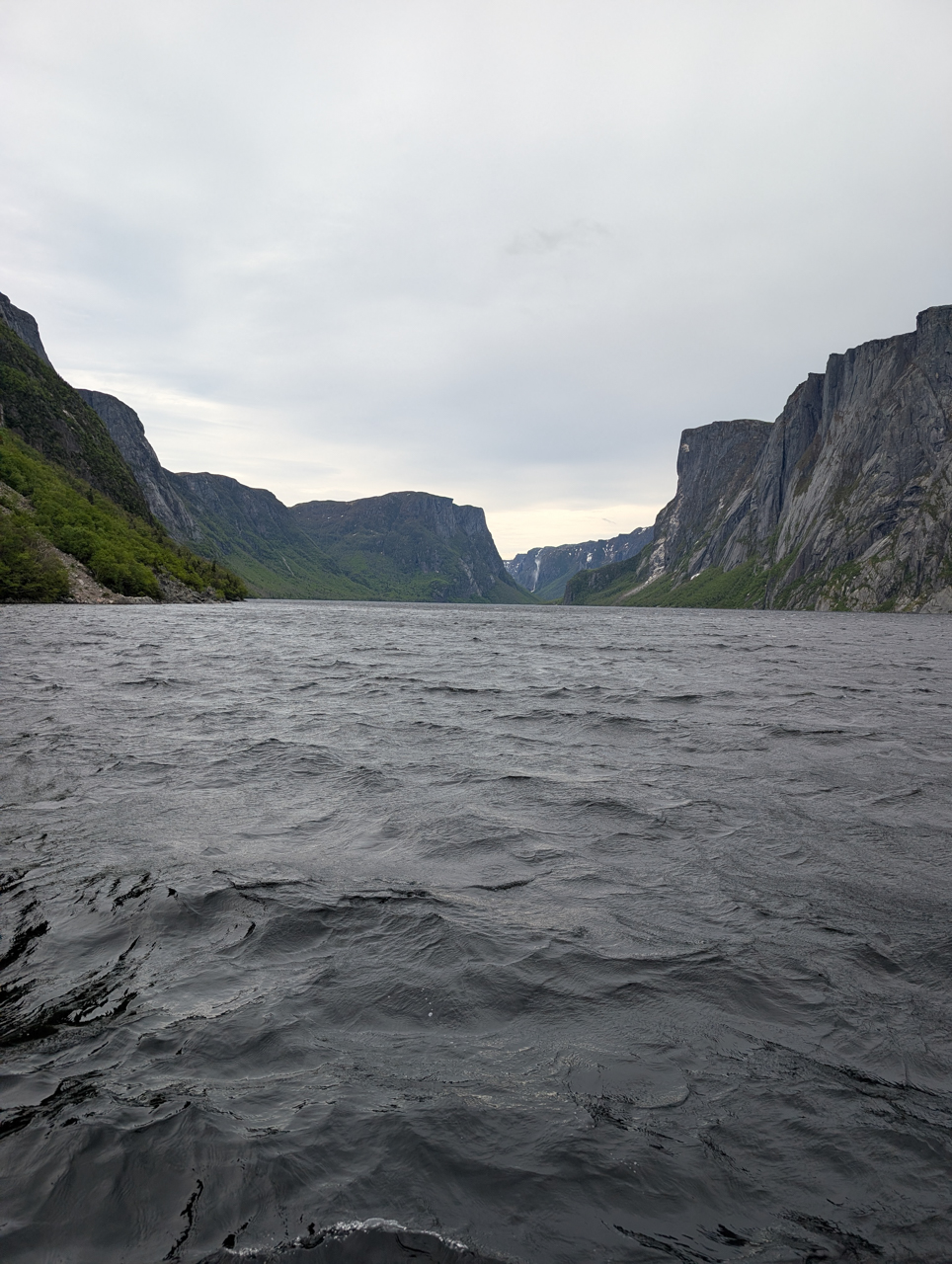
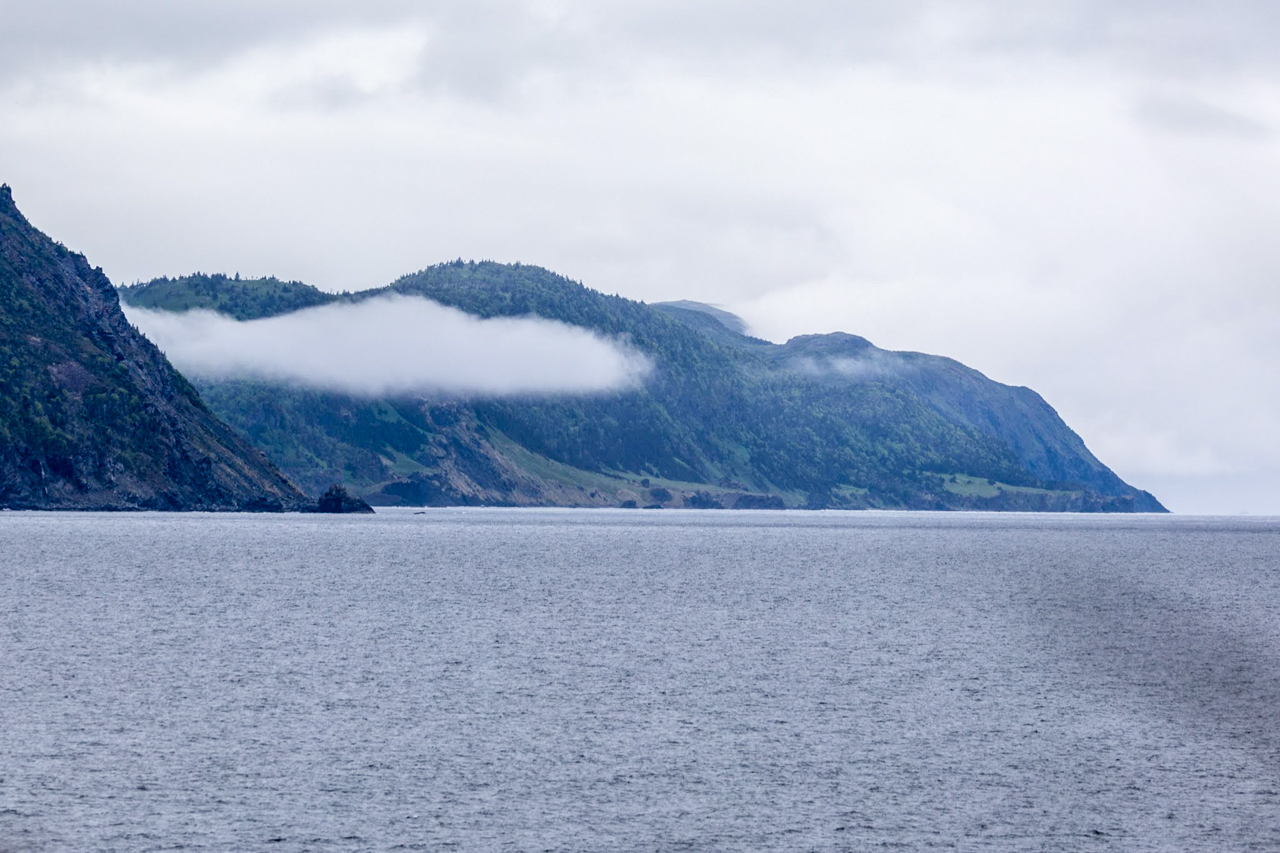
Newfoundland occupies a unique biogeographic position. As the easternmost point of North America, it acts as a primary landing site for trans-Atlantic migrants and a critical nesting ground for seabird colonies that are among the largest in the world. The expedition focused on several distinct biomes, including the limestone-rich Tablelands of Gros Morne National Park—a rare exposure of the Earth’s mantle—and the expansive, moss-covered tundra of the Avalon Peninsula. These environments support a specialized suite of species, ranging from the boreal-obligate Boreal Chickadee to massive colonies of Northern Gannets and alcids.

Chronological Survey of the Expedition
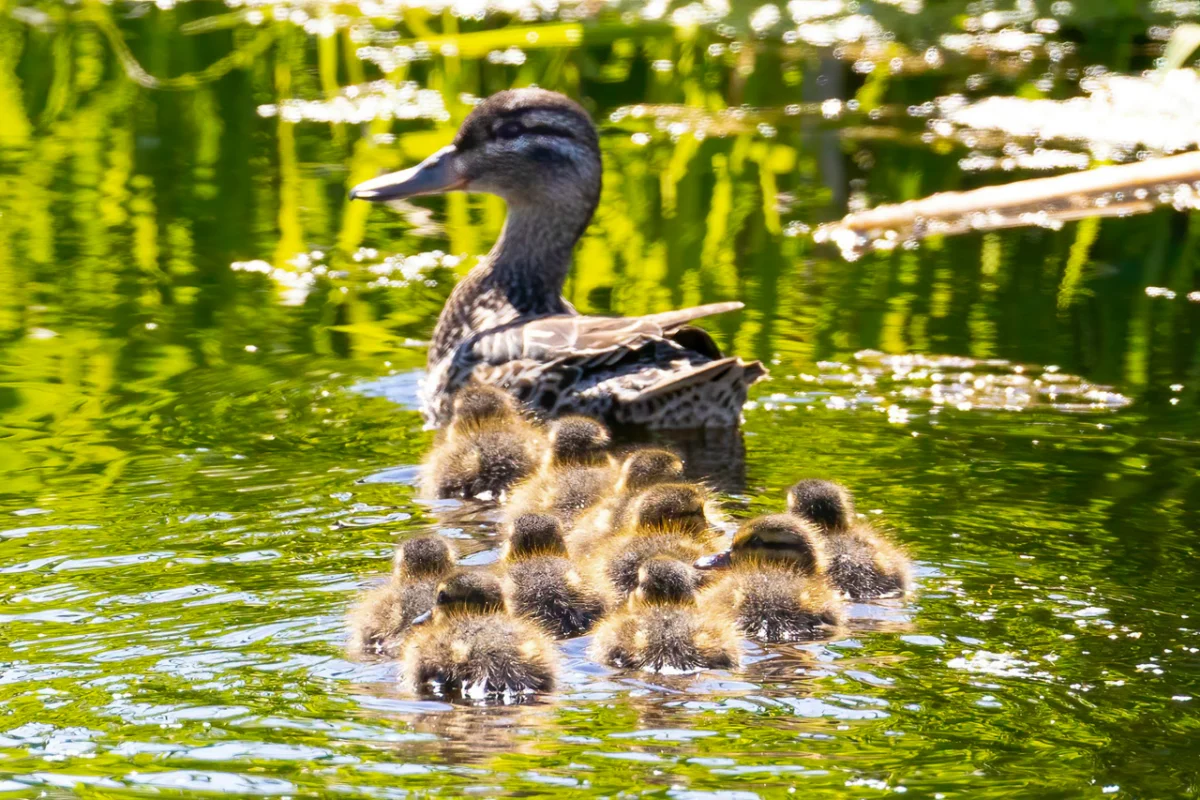
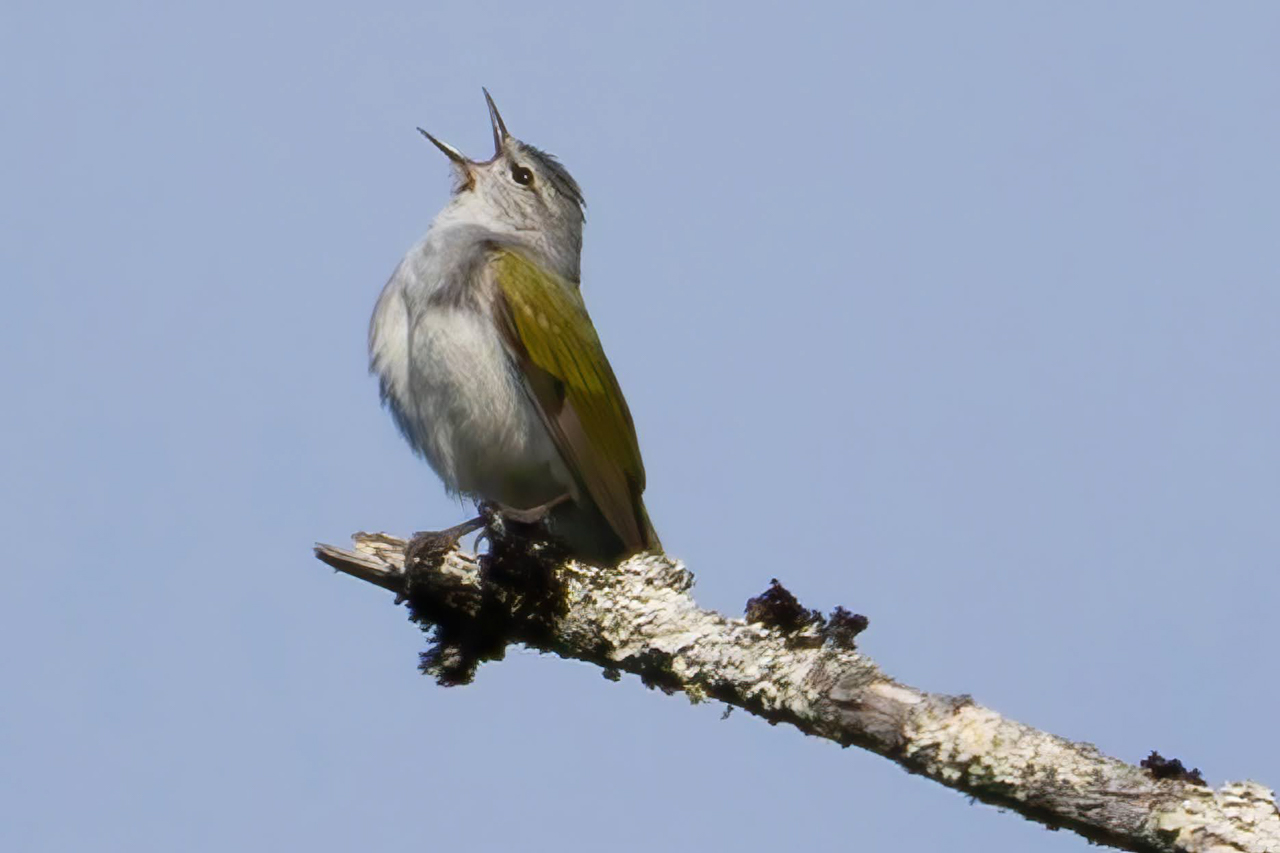
The expedition commenced in Deer Lake, establishing a baseline of 48 species on the first day alone. Initial observations along the Humber River trail system recorded significant populations of Tennessee Warblers, American Bitterns, and various waterfowl, including Green-winged Teal and Ring-necked Ducks.
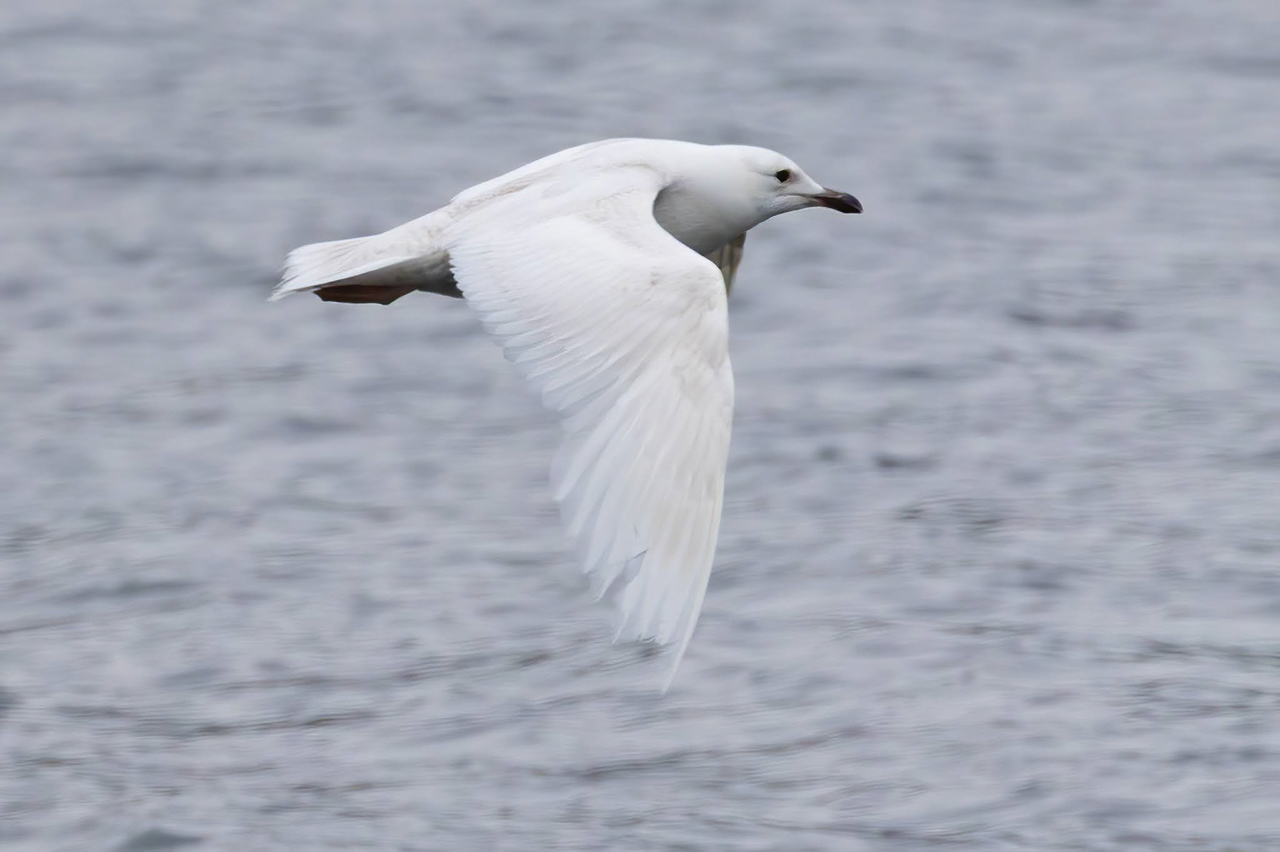
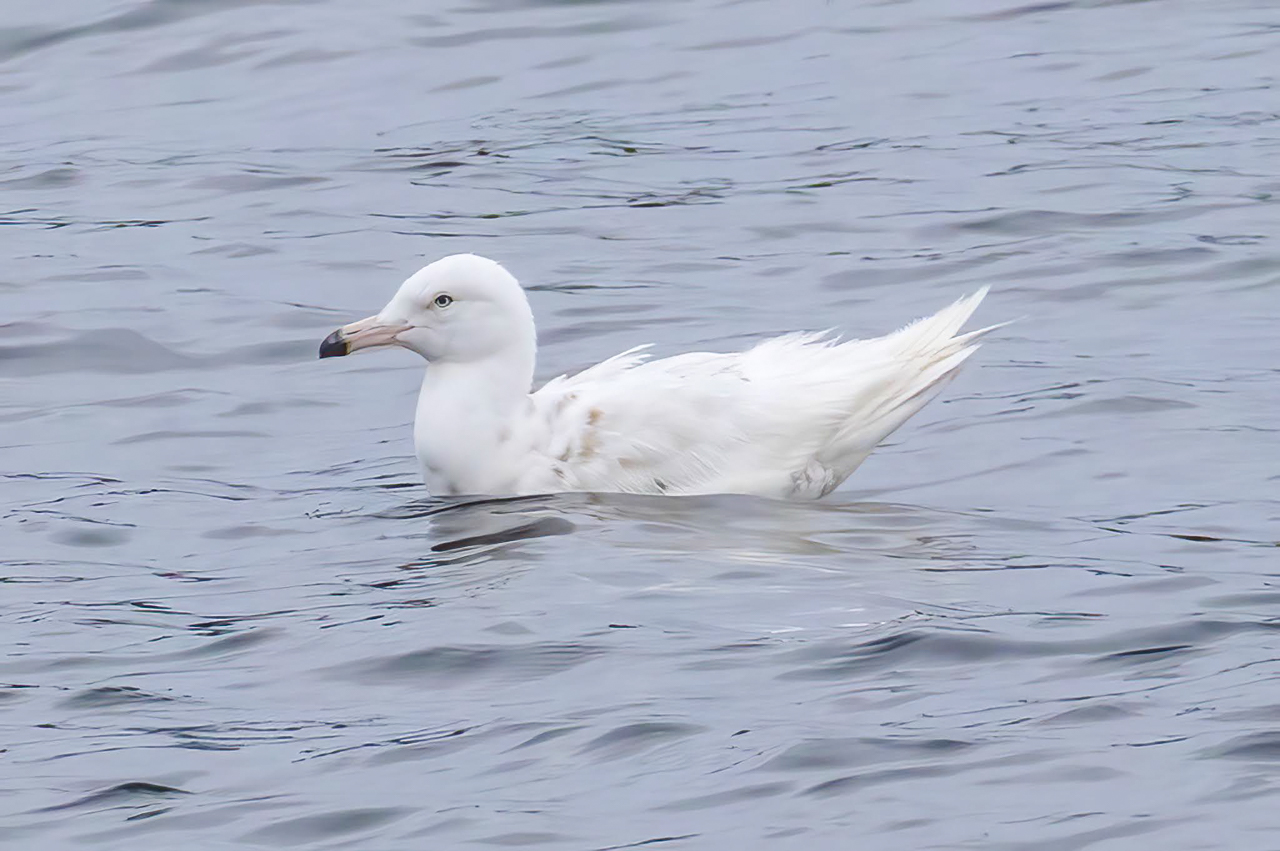
Moving into Gros Morne National Park, the group transitioned to high-elevation and coastal habitats. The geological significance of the Tablelands provided a backdrop for observing uncommon gull species, including the Iceland, Glaucous, and Lesser Black-backed Gulls. The itinerary continued through Central Newfoundland, characterized by dense, mature mixedwood forests, before reaching the eastern boreal forests of Terra Nova National Park.
A central highlight of the journey was the transition to the Avalon Peninsula. At Cape St. Mary’s Ecological Reserve, the group observed one of the most prolific seabird colonies in the Northern Hemisphere. The reserve, which hosts thousands of nesting Northern Gannets, Black-legged Kittiwakes, and Common Murres, serves as a vital indicator of the health of the Northwest Atlantic marine ecosystem. The expedition concluded in St. John’s, with final surveys at Signal Hill and local urban ponds, documenting species such as the Eurasian Wigeon and Pied-billed Grebe.
Avian Diversity and Wildlife Observations
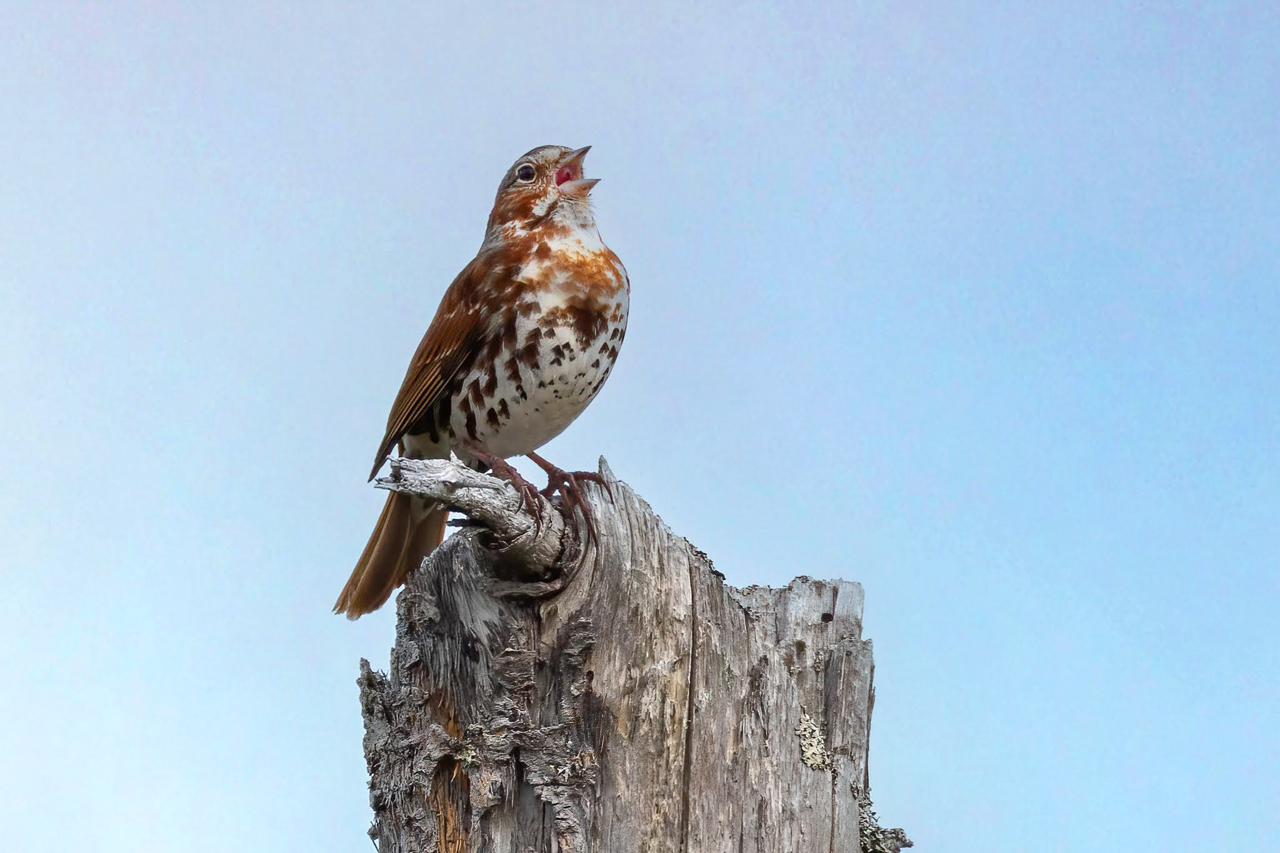
The trip yielded a high diversity of sightings, confirming the efficacy of Newfoundland as a prime location for ornithological study. Notable observations included:
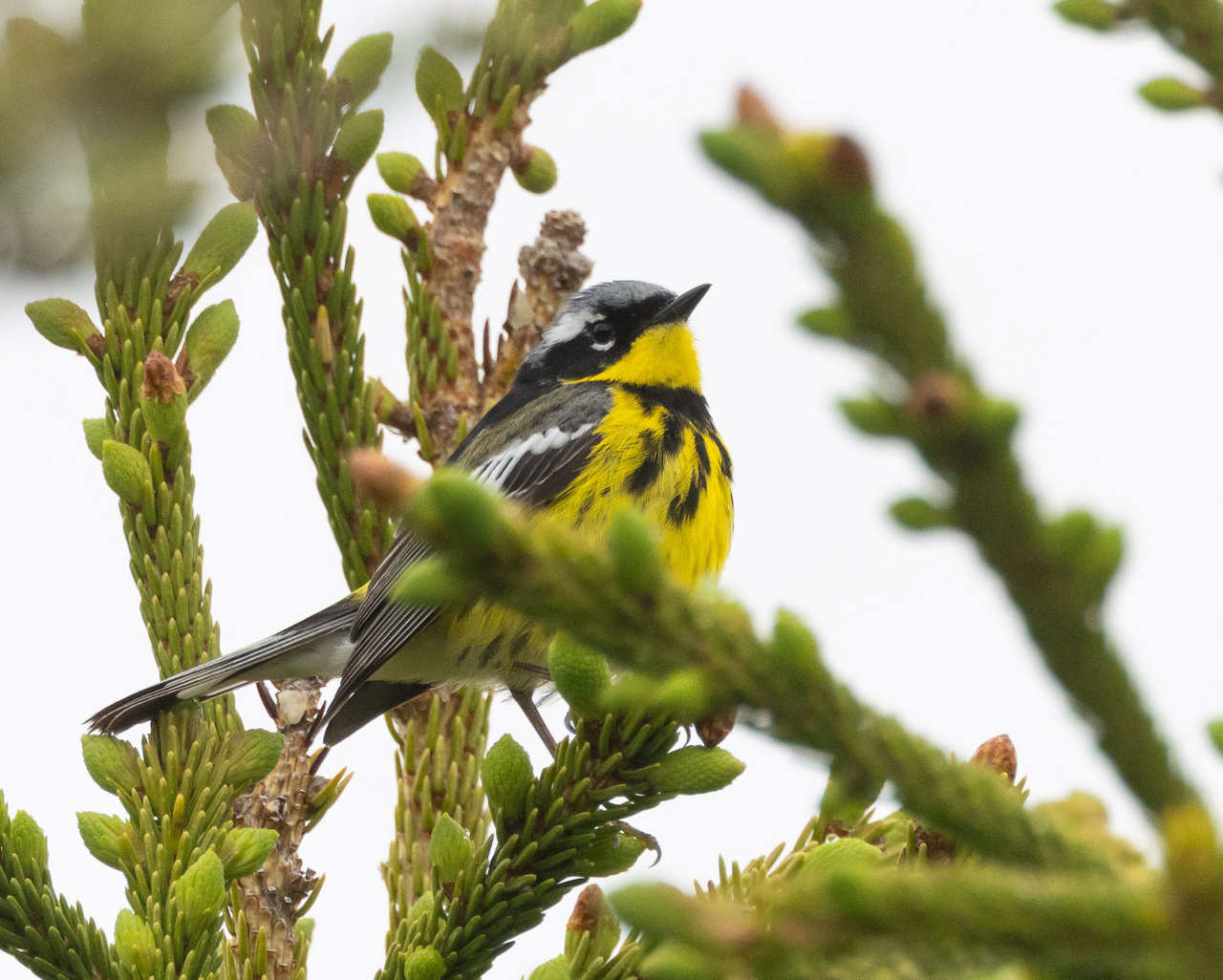
- Warbler Diversity: Significant counts of Tennessee, Bay-breasted, Magnolia, and Black-throated Green Warblers, along with a rare regional sighting of a Cape May Warbler.
- Seabird Populations: The Witless Bay Ecological Reserve and Cape St. Mary’s provided primary data on the nesting success of alcids, including Razorbills and the southernmost colony of Thick-billed Murres.
- Marine Megafauna: The presence of foraging Humpback Whales in coastal waters, specifically near St. Vincent’s and Ferryland, coincided with the annual “capelin roll.” The mass migration of capelin—a small forage fish—drives a complex trophic cascade that sustains seabirds, marine mammals, and local human harvesting traditions.
- Predatory Species: The repeated sighting of Short-eared Owls across the Southern Avalon barrens suggested healthy rodent populations in the open tundra habitats, a positive indicator for local biodiversity.
The Significance of Capelin Migration
A recurring theme throughout the expedition was the critical importance of the capelin (Mallotus villosus) migration. This annual event, where millions of capelin move inshore to spawn on rocky beaches, is a cornerstone of the Newfoundland marine environment. Data collected during the tour confirmed that the arrival of these fish triggers a massive feeding frenzy, drawing in gulls, kittiwakes, shearwaters, and whales. The synchronization of wildlife activity with this event underscores the fragile interdependence of the island’s coastal species.
Infrastructure and Conservation Management
The expedition utilized a variety of managed lands, demonstrating the balance between tourism and conservation. Interactions with regional facilities, such as the Gander International Airport—noted for its role in international aviation history and its unique humanitarian legacy during the 2001 crisis—and local wastewater treatment plants, highlighted the unexpected value of human-altered habitats in birding. Observations at managed lagoons confirmed their utility as stopover points for migratory waterfowl, including Wood Ducks and Greater Scaup.

Furthermore, the visit to "The Rooms" in St. John’s provided a cultural and historical anchor for the scientific observations. By displaying specimens such as the extinct Great Auk, the museum contextualizes the loss of biodiversity over the last two centuries, emphasizing the necessity of current conservation efforts in ecological reserves like Witless Bay and Cape St. Mary’s.

Economic and Scientific Implications
From an economic perspective, natural history tourism continues to be a pillar of the rural Newfoundland economy. The use of local guides, regional accommodations, and traditional culinary experiences—such as the consumption of locally harvested Atlantic Cod and partridgeberries—demonstrates a sustainable model for resource-based tourism.
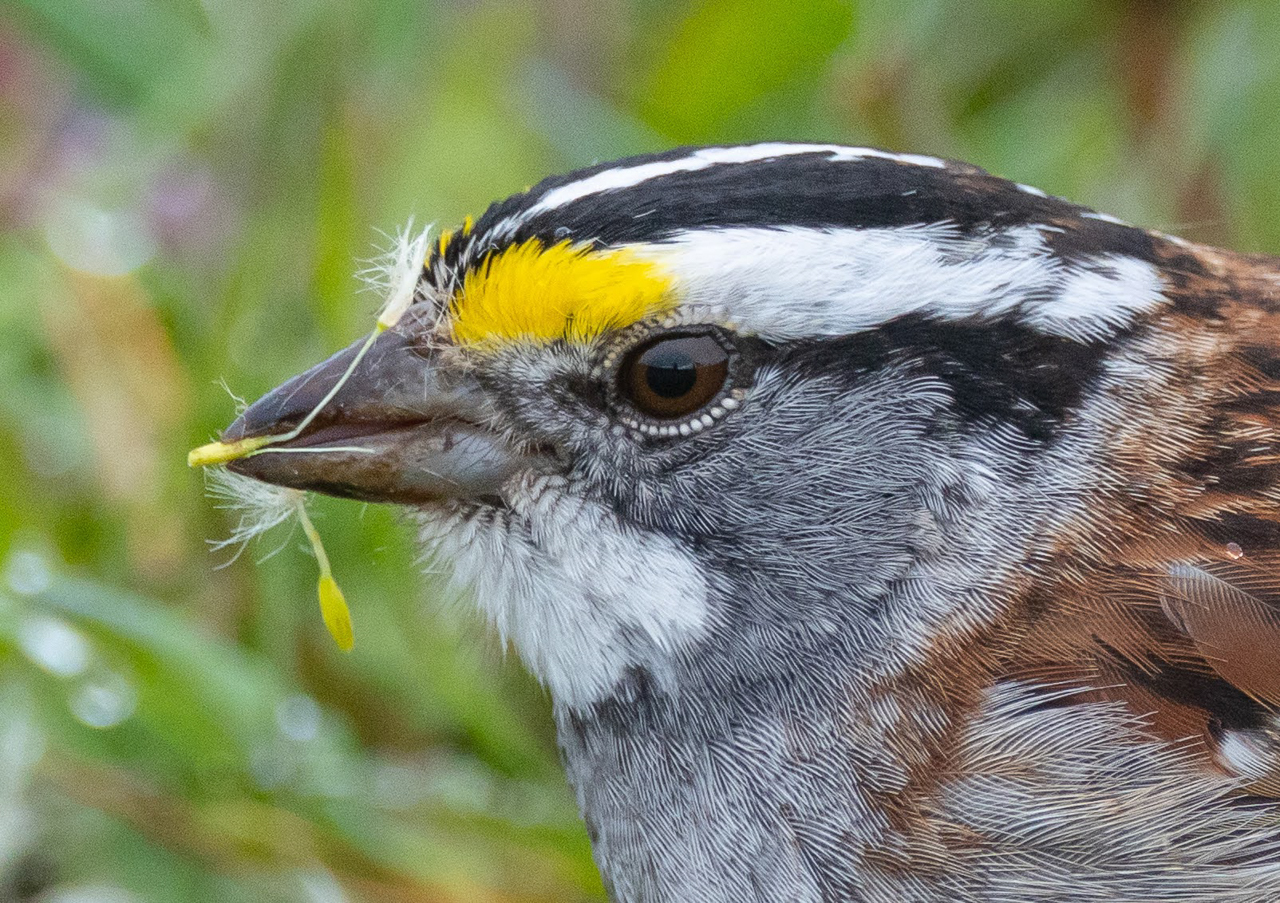
From a scientific standpoint, the consistent documentation of both common and rare species contributes to the broader understanding of range expansions and population stability in the North Atlantic. For instance, the persistence of Boreal Chickadees and the observation of rarer warbler species provide data points for regional ornithologists tracking the effects of shifting climate patterns on boreal forest occupants.
Conclusion and Future Outlook
The 11-day expedition across Newfoundland successfully illustrated the island’s dual identity as a site of profound geological history and a vibrant, living laboratory for avian research. By traversing the province from west to east, participants gained a holistic view of the ecological gradients that define the island.

The success of the expedition was punctuated by the observation of rare, at-risk, and emblematic species, all set against a backdrop of iconic Atlantic geography. As Newfoundland continues to navigate the pressures of climate change and environmental flux, the continued monitoring of these populations remains vital. The data gathered during this tour serves as a testament to the island’s enduring status as a globally significant habitat for migratory birds and marine wildlife, reinforcing the importance of protecting the rugged landscapes that make such biodiversity possible.

The collaborative nature of the trip, involving local hospitality sectors and regional conservation entities, highlights a cohesive approach to managing the island’s natural resources. Moving forward, the integration of citizen science and structured ecological tours will remain a key component in both the preservation of Newfoundland’s wilderness and the advancement of public understanding regarding the complexity of the North Atlantic ecosystem.
