
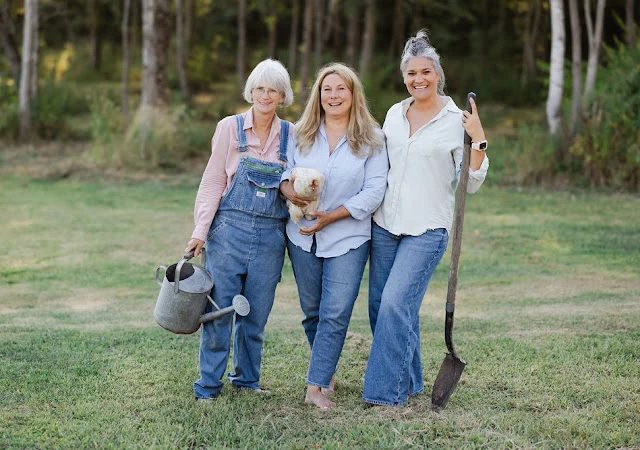
The publication of the 10th Anniversary edition of the seminal homesteading guide, Gardening with Chickens, is scheduled for release on March 17. Authored by Lisa Steele, a fifth-generation poultry expert and the founder of the Fresh Eggs Daily brand, this updated volume arrives a decade after the original text was released. The new edition represents a comprehensive revision, incorporating years of field-tested agricultural data, climate-specific gardening strategies, and updated animal husbandry techniques that have evolved since the original manuscript was drafted in 2015.

A Decade of Agricultural Evolution
The original publication of Gardening with Chickens coincided with a significant period of transition for Steele, who relocated from the temperate climate of Virginia—classified as USDA hardiness zone 8b—to the significantly more challenging environment of Maine, which sits in zone 5a. This geographic shift required a fundamental reassessment of traditional gardening and poultry-keeping methodologies.
In Virginia, growing seasons are lengthy, and winters are relatively mild. In contrast, Maine presents an environment where temperatures regularly drop below zero, necessitating entirely different infrastructure, such as reinforced coops, winter-hardy plant selection, and specialized soil management. The 10th Anniversary edition serves as a documented chronicle of this transition, moving beyond theoretical advice to provide practical, evidence-based solutions for backyard farmers dealing with extreme seasonal shifts.

Chronology of the Revision Process
The decision to revise the work was prompted by two primary factors: the natural aging of the original content and the logistical reality that the first edition was approaching the end of its print run. The revision process began in early 2023. According to the author, the editorial strategy involved a granular review of the initial text, identifying outdated methodologies and replacing them with modern, sustainable practices.
The production timeline for the new edition spanned approximately one year. A critical component of this project was the complete overhaul of the book’s visual assets. Over a three-day intensive production schedule, the team replaced the legacy imagery with high-resolution photography documenting the current state of the author’s homestead. This visual update covers advanced garden bed construction, integrated pest management systems, and the inclusion of geese alongside the established flock of chickens and ducks.

Integration of Professional Agricultural Standards
A central feature of the updated guide is the incorporation of formal training provided by the University of Maine Cooperative Extension Service. After her move, Steele completed the Master Gardener certification program, a rigorous curriculum designed to provide science-based information on horticulture and soil health.
The integration of these standards elevates the 10th Anniversary edition from a hobbyist guide to a technical resource. Key areas of focus include:

- Soil Amendment Protocols: Detailed strategies for maintaining soil fertility in colder climates where organic matter decomposition is significantly slower.
- Cold-Climate Poultry Management: Evidence-based insights into maintaining flock health during prolonged sub-zero temperatures, including ventilation requirements and caloric intake adjustments.
- Integrated Homesteading: The symbiotic relationship between poultry and gardens, specifically regarding nutrient cycling—using poultry manure as a high-nitrogen fertilizer and employing birds for natural pest control within the garden perimeter.
The Rise of Backyard Homesteading
The necessity for updated, reliable information in the backyard homesteading sector is supported by current demographic trends. Data from the American Poultry Association and various agricultural extension offices indicate that interest in home-based food production has seen a sustained uptick over the last decade. This movement, often termed the "backyard revolution," gained significant momentum during the 2020 pandemic and has continued to remain elevated due to fluctuating food prices and an increased consumer interest in supply chain transparency.
Industry analysts note that as a new generation of hobbyists enters the field, there is a growing demand for "old-timer" methods backed by modern scientific research. The 10th Anniversary edition of Gardening with Chickens is positioned to fill this market gap, providing a bridge between traditional agricultural wisdom and contemporary environmental realities.

Expert Perspectives and Industry Impact
Industry observers have noted that the longevity of such a niche publication speaks to the depth of the subject matter. "When you look at the evolution of hobby farming, it is rarely static," says a representative from the agricultural publishing sector. "The difference between gardening in zone 8 and zone 5 is not just a matter of degrees; it is a fundamental shift in how one interacts with the land. Updating a text to reflect that level of firsthand experience provides an immense amount of value to the reader."
The collaboration between the author and the publisher, Homestead Living, reflects a strategic effort to preserve the integrity of the original brand while ensuring that the data provided remains relevant. By moving from a general-interest guide to one that emphasizes regional adaptability, the new edition addresses the most common failures encountered by beginning homesteaders: poor climate matching and inadequate seasonal preparation.

Broader Implications for Sustainable Living
The broader implication of this release is the normalization of sustainable, small-scale food production as a legitimate alternative to industrial agricultural dependency. By providing a framework that covers everything from kitchen herb gardens to the maintenance of waterfowl and poultry, the book serves as a comprehensive manual for food security at the household level.
The inclusion of updated data on poultry-garden integration also highlights the shift toward permaculture-style thinking. Rather than viewing chickens as separate from the garden, the revised text emphasizes the concept of "closed-loop" systems, where the waste products of one component of the farm become the inputs for another. This systemic approach is increasingly viewed as the standard for efficient, low-impact homesteading.

Accessibility and Availability
The 10th Anniversary edition of Gardening with Chickens is currently available for pre-order through major retailers and directly via the Homestead Living distribution channel. The release strategy aims to capture the early spring market, a period when prospective homesteaders are traditionally preparing their soil and planning their seasonal flocks.
As the homesteading movement continues to mature, the success of updated resources like this will depend on their ability to remain accurate in the face of changing climate patterns. By grounding the advice in both the lived experience of the author and the academic rigor of the Cooperative Extension programs, this new edition provides a updated, comprehensive resource for the modern small-scale farmer. Whether for the urban gardener with a small coop or the rural homesteader with an expansive operation, the text functions as a definitive guide for those seeking to maximize their production while ensuring the welfare of their animals and the health of their land.
