
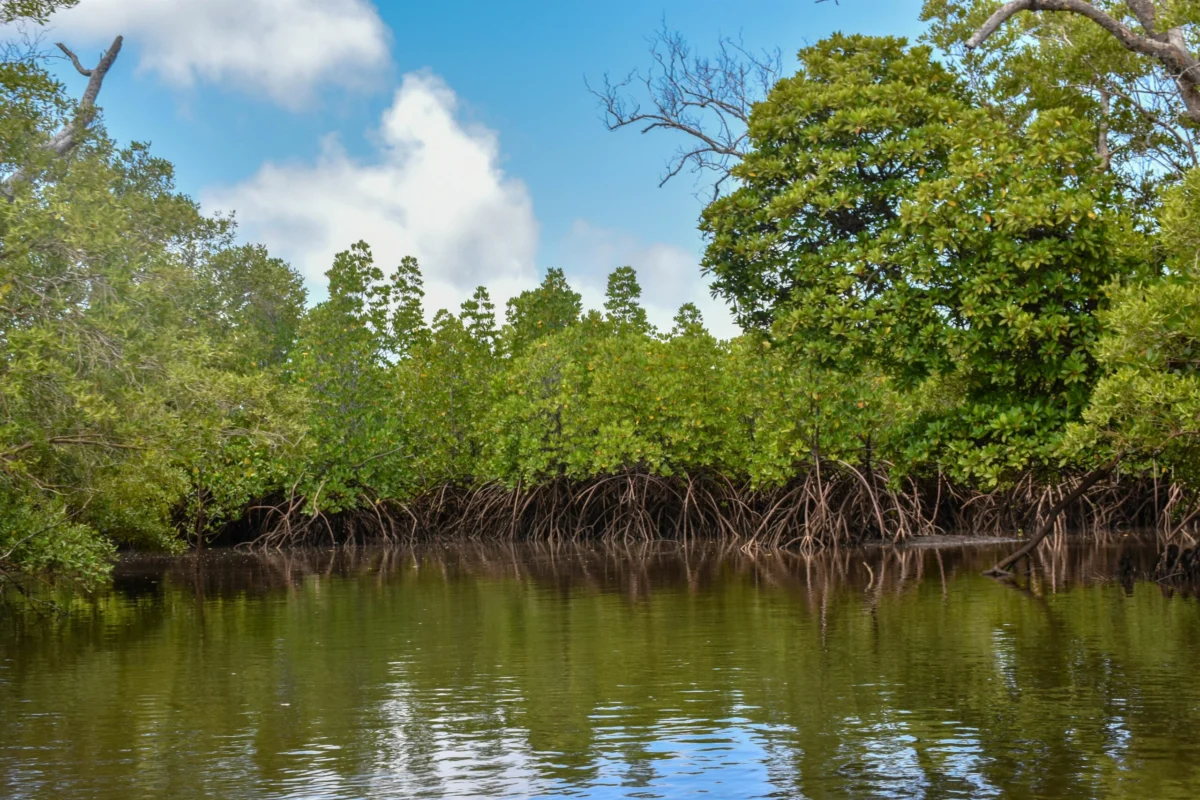
As international policymakers prepare for the upcoming 17th meeting of the Conference of the Parties to the Convention on Biological Diversity (CBD COP17), the Global Mangrove Alliance (GMA) Policy Working Group has released two pivotal policy briefs. Published on October 16, 2026, these documents outline strategic pathways to strengthen mangrove conservation and restoration by harmonizing international policy frameworks and translating overarching biodiversity and climate goals into actionable national measures.
The releases—titled Policy Coherence for Mangroves: Aligning Commitments across the Rio Conventions & Ramsar Convention on Wetlands and Mangroves and CBD COP17: Entry Points and Recommendations—arrive at a critical juncture. They provide governments, intergovernmental bodies, and conservation partners with actionable insights on leveraging existing policy instruments, upgrading national monitoring and accountability systems, and unlocking essential climate and biodiversity finance.
Mangrove ecosystems represent one of the planet’s most potent natural assets, acting as a crucial bridge between global agendas for biodiversity protection, climate change mitigation, and wetland preservation. These intertidal forests provide critical habitats for marine and terrestrial species, store vast quantities of organic carbon in their biomass and sediment—commonly referred to as "blue carbon"—and shield vulnerable coastal communities from intensifying storm surges, rising sea levels, and extreme weather events. Despite these multifaceted benefits, historical policy fragmentation has often left mangroves sidelined in national budgets and isolated within specific environmental ministries, a challenge the GMA’s new publications aim to dismantle.
Seizing the Momentum at CBD COP17
The first of the newly published briefs, Mangroves and CBD COP17, focuses on capitalizing on the upcoming summit, which marks the first comprehensive global review of collective progress toward implementing the Kunming-Montreal Global Biodiversity Framework (KMGBF). Adopted in late 2022, the KMGBF established ambitious global targets to halt and reverse biodiversity loss by 2030. With CBD COP17 taking place precisely halfway toward this target year, the conference serves as a vital diagnostic checkpoint to evaluate successes, identify critical implementation gaps, and re-engineer national strategies for the final stretch leading up to the 2029 reporting cycle.
However, preliminary findings from the draft Global Report on Collective Progress indicate a troubling disconnect. While international rhetoric frequently champions coastal and marine ecosystems, actual on-the-ground action to protect and restore inland waters, wetlands, and coastal habitats such as mangroves is lagging significantly behind the pace required to meet KMGBF targets.
To bridge this implementation gap, the GMA brief outlines essential priorities for Parties to incorporate into formal COP decisions and subsequently transpose into domestic policy. Chief among these recommendations is the integration of mangrove targets into updated National Biodiversity Strategies and Action Plans (NBSAPs). The GMA stresses that countries must accurately estimate the financial costs associated with mangrove protection and restoration, embedding these figures directly into national biodiversity finance plans. By doing so, governments can bridge the persistent gap between paper commitments and actual financial flows, drawing from a diverse portfolio of public, multilateral, bilateral, private, and blended finance mechanisms.
Furthermore, the brief underscores that achieving genuine ecological outcomes requires robust institutional support, transparent data collection, and evidence-based governance, warning against the pitfalls of setting empty targets without the accompanying structural and financial backing.
Harmonizing International Conventions for Maximum Impact
The second brief, Policy Coherence for Mangroves, addresses a systemic administrative hurdle: the institutional silos that often separate global environmental treaties. The publication examines opportunities to systematically align national and international commitments under the three Rio Conventions—the United Nations Framework Convention on Climate Change (UNFCCC), the Convention on Biological Diversity (CBD), and the United Nations Convention to Combat Desertification (UNCCD)—alongside the Ramsar Convention on Wetlands.
The year 2026 represents an unprecedented alignment of international environmental diplomacy. All three Rio Conventions are convening their respective Conferences of the Parties, coinciding with the inaugural year of implementation for the Ramsar Convention’s Fifth Strategic Plan, which was formally adopted in July 2025. Simultaneously, the CBD is advancing a comprehensive multilevel roadmap dedicated to cross-convention coherence, with definitive findings slated for presentation at COP17.
Despite the existence of overlapping mandates, high-level political declarations, and advanced technical monitoring tools, achieving genuine policy coherence across these international agreements remains an elusive goal for many nations. The GMA brief points out that fragmented reporting requirements and misaligned national ministries frequently result in duplicated efforts, inefficient resource allocation, and missed opportunities for synergy. Coalitions such as the Global Mangrove Alliance stand ready to provide technical guidance, capacity-building support, and practical methodologies to help national governments operationalize these synergies on the ground.
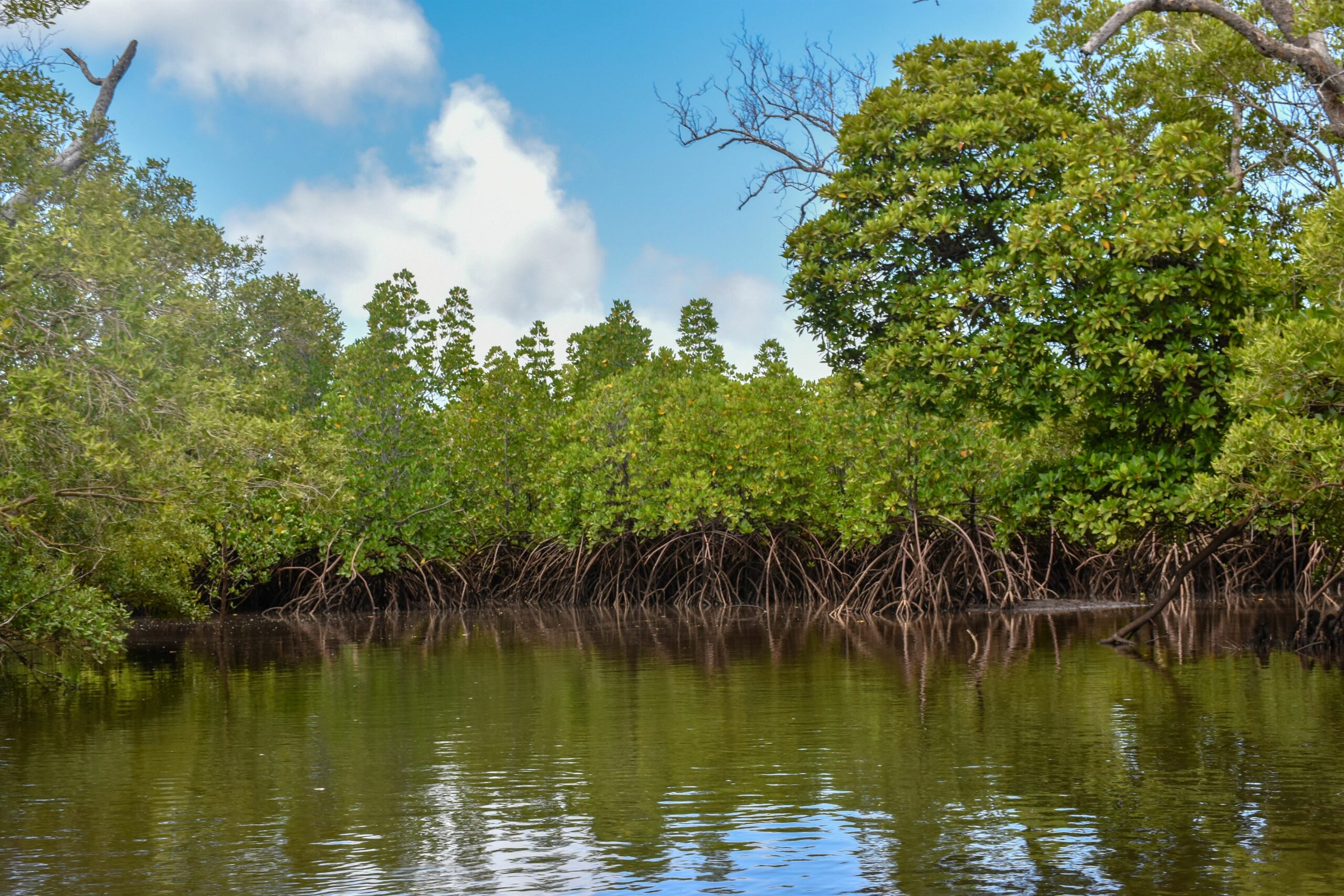
Effective policy coherence, the brief argues, extends far beyond the harmonization of international paperwork. Nations that successfully embed their mangrove commitments into legally binding domestic frameworks, cross-ministerial mandates, and integrated national development strategies are demonstrably better positioned to synchronize their environmental plans and monitoring systems over the long term. These strong institutional foundations are indispensable for translating multilateral agreements into sustained, localized conservation action.
The Financial Imperative of Integrated Planning
A central theme running through both GMA publications is the direct correlation between policy coherence and financial viability. Inconsistent national plans, contradictory regulatory frameworks, and fragmented monitoring data frequently undermine the investment case for nature-based solutions, limiting developing nations’ access to results-based climate finance and multi-benefit funding streams.
International investors, carbon market auditors, and multilateral climate funds increasingly demand rigorous, transparent, and verifiable data regarding the permanence, additionality, and co-benefits of blue carbon projects. When a country’s climate strategies under the UNFCCC fail to align with its biodiversity commitments under the CBD or its wetland conservation targets under the Ramsar Convention, administrative friction ensues. This friction creates regulatory uncertainty, deters private sector investment, and restricts the flow of capital necessary to scale up mangrove restoration.
Consequently, aligning planning, reporting, and monitoring frameworks across multiple international conventions is not merely an administrative exercise; it is a foundational prerequisite for unlocking the billions of dollars required to halt mangrove deforestation and restore degraded coastal ecosystems globally.
Background Context and Chronological Significance
The release of these policy briefs occurs against a rapidly evolving backdrop of international environmental policy and mounting climate urgency. Over the past decade, scientific consensus regarding the value of coastal blue carbon ecosystems has solidified. Research published by international scientific bodies has repeatedly demonstrated that mangroves sequester carbon at rates up to four times higher than terrestrial tropical forests, making them indispensable allies in national greenhouse gas reduction inventories, commonly known as Nationally Determined Contributions (NDCs).
Chronologically, the international community has spent the years following the 2022 adoption of the Kunming-Montreal Global Biodiversity Framework attempting to pivot from framework negotiation to domestic implementation. The year 2026 serves as a critical midpoint evaluation window. With the first global stocktake of the KMGBF underway at CBD COP17, governments are under intense scrutiny from civil society, scientific communities, and climate-vulnerable nations to demonstrate tangible progress rather than renewed promises.
Simultaneously, the implementation of the Ramsar Convention’s Fifth Strategic Plan provides an updated baseline for wetland protection, pushing member states to integrate wetland management into broader disaster risk reduction and climate adaptation strategies. The convergence of these timelines makes 2026 a watershed year for institutional alignment.
Broader Implications and Strategic Outlook
The dual publications compiled by the Global Mangrove Alliance Policy Working Group offer complementary perspectives on the dual challenges of policy fragmentation and implementation capacity. While the first brief provides laser-focused entry points for integrating mangroves into the KMGBF and the upcoming COP17 negotiations, the second takes a macro-level view of the entire international environmental governance architecture, prescribing systemic solutions to bridge the gaps between climate, biodiversity, and wetland treaties.
As delegates converge for CBD COP17, the overarching message from the GMA is clear: mangroves must no longer be treated as isolated ecological features or departmental afterthoughts. Instead, they must be recognized and managed as dynamic, multi-functional infrastructure capable of delivering compounded returns for climate mitigation, biodiversity conservation, and human well-being.
The successful preservation and restoration of the world’s remaining mangrove forests hinge on the willingness of national governments to dismantle institutional silos, improve cross-sectoral data collection, and align financial architectures with ecological realities. By utilizing the practical recommendations set forth in these new policy briefs, policymakers, international organizations, and civil society partners possess a clear roadmap to transform high-level international ambition into durable, well-financed, and locally grounded environmental impact.
