
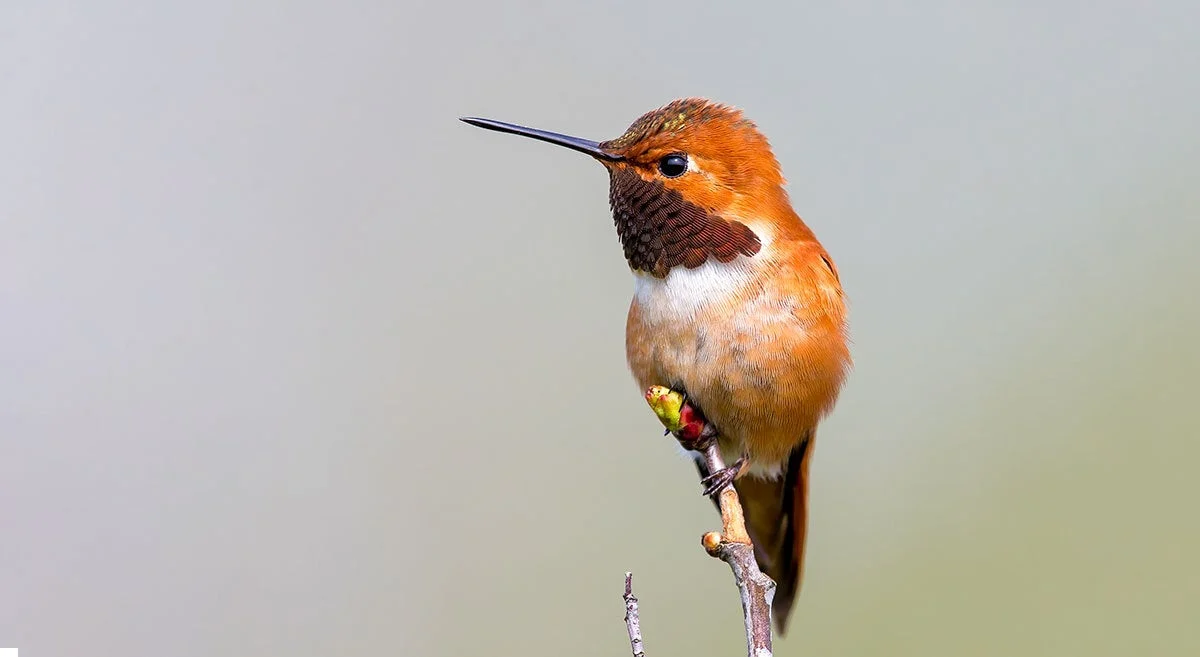
Legislation aimed at funding projects where people live and work needs your support, as H.R. 3276, the Local Communities and Bird Habitat Stewardship Act, advances through Congress, proposing a significant expansion of federal support for locally driven conservation efforts. This bill seeks to recognize and bolster the vital role urban and working landscapes play in the survival of migratory birds, whose epic journeys often traverse not just pristine wilderness but also the intricate tapestry of human settlements. From bustling city parks to agricultural fields, these areas serve as crucial stopover points, feeding grounds, and even nesting sites, making their preservation and enhancement paramount for avian populations facing unprecedented declines.
The Urgent Need for Urban and Local Conservation
Migratory birds undertake some of the most extraordinary journeys on Earth, spanning continents and hemispheres. However, these incredible feats are increasingly imperiled by habitat loss, climate change, and various human-induced threats. Scientific reports, including a landmark study published in Science in 2019, revealed a staggering decline of nearly 3 billion birds in North America since 1970, representing a 29% reduction in overall bird population. While much attention rightly focuses on large-scale wilderness conservation, a critical component often overlooked is the conservation potential within and around human communities. Birds navigating these long-distance migrations rely on a continuous chain of suitable habitats, and when even a single link in this chain is broken, the consequences can be devastating.
The concept of "full life cycle" conservation emphasizes that birds need healthy habitats at every stage of their annual cycle: breeding grounds, wintering grounds, and the numerous stopover sites in between. Many of these stopover sites are found within urban, suburban, and agricultural areas. Cities, towns, and working lands, despite their human-centric design, often contain pockets of green space, mature trees, and water bodies that offer essential resources for exhausted travelers. However, these environments also present unique challenges, such as building collisions, light pollution, habitat fragmentation, and pesticide use. Addressing these threats through targeted, local interventions is not just supplementary but foundational to broader conservation success.
The Urban Bird Treaty Model: A Proven Blueprint
The proposed legislation, H.R. 3276, builds upon the successful foundation laid by programs funded through the Urban Bird Treaty (UBT) initiative. Established by the U.S. Fish and Wildlife Service, the UBT program fosters partnerships between federal agencies, municipalities, and local conservation organizations to conserve migratory birds and their habitats in urban environments. Since its inception in 1999, the UBT has demonstrated that relatively modest, locally directed investments can yield significant results. These investments translate into tangible actions: restoring degraded habitats, reducing urban threats like window collisions, and actively engaging local communities in conservation efforts.
The UBT model is characterized by its adaptability and community-driven approach. It empowers local stakeholders to identify the most pressing conservation needs in their specific urban landscapes and to develop tailored solutions. This localized expertise ensures that projects are relevant, effective, and sustainable. By integrating conservation into urban planning and community development, the UBT program has not only benefited bird populations but also enhanced the quality of life for human residents, providing access to nature, fostering environmental stewardship, and creating greener, healthier communities. H.R. 3276 aims to institutionalize and expand this proven framework, making federal funding more consistently available for a wider array of local projects across the nation.
H.R. 3276: The Local Communities and Bird Habitat Stewardship Act
Introduced in the House of Representatives, H.R. 3276, the Local Communities and Bird Habitat Stewardship Act, seeks to significantly scale up federal funding and support for locally led projects that create and improve bird habitat, mitigate urban threats, and connect communities to conservation. The bill recognizes the critical role of urban and suburban areas in the migratory flyways and aims to provide dedicated resources to enhance these crucial habitats.
Key provisions of H.R. 3276 include:
- Expanded Grant Program: Establishing or expanding a federal grant program specifically designed to support local conservation initiatives in urban and suburban areas. This funding would be accessible to municipalities, non-profit organizations, community groups, and educational institutions.
- Focus on Habitat Restoration: Funding projects that restore native plant communities, create pollinator gardens, develop green infrastructure, and manage urban forests to provide food, shelter, and nesting sites for migratory birds.
- Threat Reduction: Supporting initiatives to reduce common urban threats, such as bird-building collisions (e.g., through "Lights Out" programs and bird-friendly building design standards), light pollution, and domestic cat predation through public awareness campaigns and responsible pet ownership programs.
- Community Engagement and Education: Promoting projects that engage diverse communities in conservation through educational programs, citizen science initiatives, and volunteer opportunities, thereby fostering a deeper connection between people and nature.
- Scientific Monitoring and Research: Encouraging and supporting monitoring efforts to assess the effectiveness of conservation interventions and to inform future strategies.
Legislators supporting H.R. 3276 emphasize its dual benefits: not only does it provide essential support for declining bird populations, but it also invests directly in community resilience and well-being. "Our cities and towns are not just places where people live and work; they are increasingly vital corridors and refuges for wildlife, especially migratory birds," stated a hypothetical congressional sponsor. "This bill represents a commitment to empowering local communities to be at the forefront of conservation, recognizing that even small-scale, neighborhood-level efforts can have a cumulative, continent-wide impact on biodiversity."
Case Studies: Birds Thriving in Human-Dominated Landscapes
The effectiveness of localized conservation is best illustrated by the stories of specific bird species that depend on the spaces where people live and work:
1. Baltimore Oriole – New York City
Each spring, the vibrant Baltimore Oriole undertakes an arduous journey from Central and northern South America, crossing the Gulf of Mexico before fanning out across the eastern United States. Much of this migration occurs under the cover of night, with birds descending into urban tree canopies at dawn to refuel. In a dense metropolis like New York City, urban parks, street trees, and even backyard gardens become surprisingly important stopover habitats. The energy demands of migration are immense, and readily available food sources (insects, nectar, fruit) and safe resting places are critical for survival.
Through Urban Bird Treaty partnerships, New York City has implemented initiatives like "Lights Out NYC," a voluntary program that encourages building owners to dim or turn off non-essential lights during peak migration periods. This effort directly addresses a major urban threat: bird collisions with brightly lit buildings, which are estimated to kill hundreds of millions of birds annually across North America. Concurrently, urban forestry programs have focused on expanding native tree canopy, providing crucial habitat and supporting the insect populations orioles depend on. For a species operating on a tight energy budget, these interventions in a dense urban stopover can be the difference between successfully completing migration and succumbing to exhaustion or injury.
2. Chimney Swift – Washington, D.C., and Pittsburgh
The distinctive, cigar-shaped Chimney Swift once relied on hollow trees for nesting and roosting. However, with the widespread clearing of old-growth forests, these aerial insectivores adapted, shifting almost entirely to human-made structures – primarily chimneys and similar vertical shafts. These birds migrate thousands of miles from the western Amazon basin to eastern North America, feeding continuously on flying insects throughout their journey.
In western Pennsylvania, UBT-supported projects have been instrumental in funding the construction of artificial chimney swift towers. These freestanding structures are meticulously designed to replicate the interior conditions of traditional chimneys, providing essential nesting and roosting sites. In the Pittsburgh region, a network of over a hundred such towers has been strategically installed in parks, schoolyards, and community spaces. This distributed system directly replaces habitat that has largely disappeared as old chimneys are capped or demolished due to modernization and safety concerns. This proactive habitat creation is a testament to how human innovation can mitigate the unintended consequences of urban development and provide critical resources for a species whose survival became intertwined with human infrastructure.
3. Common Nighthawk – Chicago
Common Nighthawks are crepuscular aerial insectivores, recognizable by their distinctive flight patterns and calls as they hunt flying insects at dusk. They migrate from South America to North America each spring, arriving in cities and open landscapes just as insect populations peak. Historically, they nested on bare ground in open areas. In modern cities, they have adapted to nesting on flat, gravel rooftops, which offer one of the few remaining analogues to their original open-ground habitats.
Chicago, one of the original Urban Bird Treaty cities, has pioneered innovative green roof and bird-friendly building initiatives. These projects incorporate specific design elements to maintain or recreate suitable rooftop habitat for nighthawks and other urban-dwelling species. This includes using appropriate gravel substrates, minimizing light pollution, and ensuring safe access to nesting areas. This approach moves beyond simply reducing harm; it intentionally shapes the built environment to function as breeding habitat. For a species in long-term decline due to habitat loss and pesticide use affecting insect populations, this shift from incidental to intentional habitat provision is a critical step towards recovery and long-term sustainability.
4. Prothonotary Warbler – Southeast U.S.
The striking Prothonotary Warbler winters in Central and northern South America, migrating north to the southeastern United States where it depends on flooded bottomland forests for breeding. Unique among eastern warblers, they are cavity nesters, often choosing tree cavities situated just above standing water. While large, protected strongholds like Audubon’s Beidler Forest Sanctuary in South Carolina remain vital, significant habitat also exists in managed and restored floodplains adjacent to towns along the Mississippi River and its tributaries.
In these landscapes, restoration projects linked to community water management and flood control have successfully reestablished wet forest conditions. Partners have installed extensive nest box networks, dramatically increasing nesting success in areas where natural cavities might be limited. These efforts demonstrate how targeted interventions – restoring hydrology, managing water levels, and providing artificial nesting sites – can extend viable habitat beyond the boundaries of protected preserves and into managed working landscapes. This integrated approach benefits not only the warblers but also contributes to broader ecosystem health, including flood mitigation and water quality improvement for human communities.
5. Lesser Yellowlegs – California Central Valley
The Lesser Yellowlegs is a true long-distance champion, migrating from various parts of South America to the boreal wetlands of Canada and Alaska to breed. Along this immense journey, they require shallow wetlands to feed on aquatic invertebrates. California’s Central Valley, once a vast seasonal wetland, has been largely converted to cropland, feeding much of the nation. This transformation eliminated much of the traditional stopover habitat for shorebirds.
However, innovative programs like BirdReturns, a partnership between Audubon and The Nature Conservancy, have demonstrated how working agricultural lands can fill this critical habitat gap. By paying rice farmers to temporarily flood their fields during peak migratory windows, the program creates precisely timed, shallow-water habitat that aligns with the birds’ arrival. Tens of thousands of acres of temporary wetland habitat can be created in a given year, transforming agricultural landscapes into essential stopover sites. This model highlights the complementary role of Farm Bill-style conservation programs alongside community-based efforts, showcasing how sustainable agriculture can be integrated with biodiversity conservation on a grand scale.
Broader Impact and Implications
The examples of these five species underscore a larger, fundamental truth: successful bird migration depends on continuity throughout the hemisphere – a chain of usable habitats spanning continents. Farm Bill-style programs, often focusing on large-scale conservation on working lands, are crucial for creating habitat at scale. However, the Urban Bird Treaty model, and its proposed expansion through H.R. 3276, ensures that cities, towns, and local communities are empowered to do their part as well.
The implications of passing H.R. 3276 extend beyond immediate bird conservation. By investing in green spaces, urban forestry, and bird-friendly infrastructure, the bill promotes:
- Biodiversity Resilience: Strengthening ecosystems against the impacts of climate change and habitat loss.
- Public Health and Well-being: Increasing access to nature, improving air and water quality, and providing opportunities for outdoor recreation and education in urban areas.
- Community Engagement: Fostering environmental stewardship and citizen science, empowering local residents to become active participants in conservation.
- Economic Benefits: Creating green jobs, increasing property values near well-maintained green spaces, and attracting ecotourism.
In conclusion, H.R. 3276 represents a forward-thinking legislative initiative that acknowledges the interconnectedness of human and natural systems. By providing dedicated federal funding for locally led conservation projects, it seeks to transform urban and working landscapes into vibrant havens for migratory birds, ensuring that future generations can continue to witness and appreciate the awe-inspiring spectacle of avian migration. The bill reinforces the understanding that conservation is not solely the purview of remote wilderness areas but is a shared responsibility that begins in our own backyards and communities.
