
In a crucial global effort to safeguard migratory bird populations, the Wildlife and Environmental Society of Malawi (WESM), a dedicated BirdLife Partner, is leading significant conservation initiatives, particularly focused on the newly recognized Key Biodiversity Area (KBA) of Chia Lagoon. These efforts, supported by international partners like the UK’s RSPB, the Ecological Restoration Fund (ERF), and the UK Government’s Darwin Initiative, are integral to protecting the African-Eurasian Flyway – a monumental avian highway stretching from the Arctic to the southern tip of Africa. Blessings Chingagwe, Programme Manager at WESM, stands at the forefront of this vital work, highlighting the profound interconnectedness of local conservation with global ecological health.
The African-Eurasian Flyway: A Global Artery for Avian Life
Migratory birds undertake astonishing journeys, linking diverse landscapes, countries, and even continents. These long-distance travelers rely on established routes, known as flyways, to move between their breeding grounds, stopover sites, and non-breeding areas. The African-Eurasian Flyway is one of the world’s nine major flyways, an immense network critical for the survival of billions of birds. Spanning over 15,000 kilometers, it is utilized by an estimated 200 species of migratory waterbirds alone, facing a myriad of threats across their range, including habitat loss, climate change impacts, illegal hunting, and pollution. The health of this flyway depends on the integrity of countless wetlands, estuaries, and coastal areas along its vast expanse. Collaborative projects, such as the one spearheaded by WESM and its partners, are therefore indispensable for the survival of these species, emphasizing that conservation is inherently a transboundary responsibility.

Malawi’s Strategic Position and Chia Lagoon’s Ecological Importance
Malawi, nestled in Southeastern Africa, occupies a critical position along the African-Eurasian Flyway. Its freshwater lakes and wetlands provide essential non-breeding and stopover habitats for countless migratory species. Chia Lagoon, located in the central district of Nkhotakota, exemplifies this importance. Recently designated as a Key Biodiversity Area (KBA), Chia Lagoon is a 1,700-hectare shallow freshwater wetland. KBAs are sites recognized globally as critical for the persistent existence of biodiversity, meaning their protection is paramount for the long-term health of species and ecosystems.
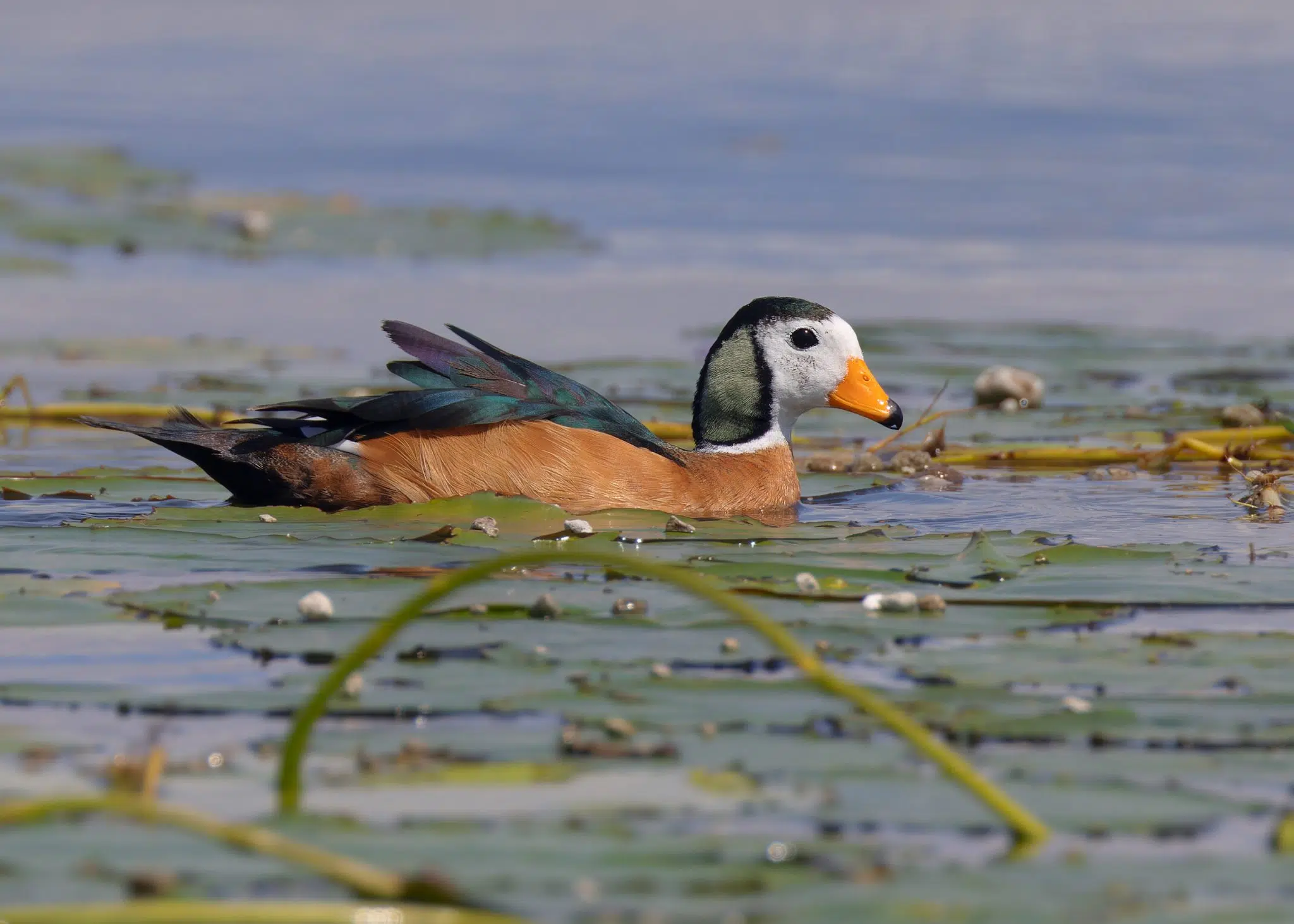
The lagoon’s diverse habitat, comprising open water, expansive mudflats, seasonally flooded grasslands, and surrounding agricultural lands, creates a rich ecological mosaic. Seasonal fluctuations in water levels expose nutrient-rich mudflats, which are teeming with invertebrates – a crucial food source for both migratory and resident waterbirds. This high ecological productivity, coupled with its strategic geographical location, establishes Chia Lagoon as an indispensable link within the broader African-Eurasian Flyway network. Among the diverse avian inhabitants and visitors are the elegant Black Heron (Egretta ardesiaca), the ubiquitous Ring-necked Dove (Streptopelia capicola), the industrious Lesser Masked Weaver (Ploceus intermedius), the distinctive African Jacana (Actophilornis africanus), and the diminutive African Pygmy-goose (Nettapus auritus). Blessings Chingagwe emphasizes that Chia Lagoon functions as a vital feeding, resting, and refuge site, particularly during migration and the non-breeding season.
WESM’s Comprehensive Conservation Initiatives and Achievements

Under the leadership of Blessings Chingagwe, WESM has embarked on a multi-faceted approach to conservation, yielding tangible results over the past three years, with significant support from the Darwin Initiative and the Ecological Restoration Fund.
1. Scientific Monitoring and Data Collection:
A cornerstone of WESM’s work has been conducting the first comprehensive biodiversity and ecological assessment of Chia Lagoon. This rigorous scientific endeavor has provided critical baseline data for this previously unprotected wetland. Regular waterbird monitoring, conducted over two years, has shown a remarkable increase in bird records, climbing from an initial 68 species to over 110 records since 2023. This robust dataset is fundamental for understanding population dynamics, habitat usage, and identifying conservation priorities, allowing for evidence-based management decisions.
2. Community Engagement and Sustainable Resource Management:
Recognizing that local communities are paramount to long-term conservation success, WESM has prioritized engagement and empowerment. To mitigate the threat of uncontrolled hunting, the organization has established 18 bird hunting clubs. These clubs are tasked with upholding hunting quotas, ensuring target species are respected, and promoting sustainable hunting methods. Crucially, 12 members from these clubs have been trained in continual monitoring techniques, further enhancing local capacity and ownership. These trained individuals also serve as community educators, raising awareness among local populations and stakeholders about the lagoon’s ecological importance.
Beyond direct bird conservation, WESM has also championed broader environmental protection efforts. A notable success, attributed to the ERF project, involved mobilizing local leaders, "Friends of Mulanje," and the community to oppose bauxite mining in the iconic Mulanje Mountain, a designated Heritage Site. The Mulhakho wa Alomwe, a cultural group directly benefiting from the mountain, strongly opposed the mining projects. This collective community voice, without direct NGO or WESM intervention in the final stages, led to the evacuation of miners from the mountain by local communities and the district council, demonstrating the power of grassroots activism fostered by the project.

WESM’s commitment extends to other critical sites, with Lake Chilwa identified as a priority for migratory bird conservation. The organization is actively developing a site profile to comprehensively define threats, opportunities, and existing projects in the area. The Bird Hunters Association at Lake Chilwa, established in 2008 and still active, remains dedicated to safeguarding birds, identifying poaching, climate change, and habitat degradation as key threats.
3. Cultivating Appreciation for Nature:
Blessings Chingagwe’s passion for her work is palpable. She shares a favorite aspect of her job: boat rides to the Luwi River, affectionately dubbed the "African Jacana Bedroom" due to the stunning display of these birds. She recounts the awe of local community members, including Traditional Authority figures, who were taken to this site for the first time, discovering the natural treasures within their own backyard. This direct experience fosters a deep appreciation and strengthens the resolve for conservation.
The Interconnectedness of Conservation: A Global Responsibility
Blessings Chingagwe passionately articulates a fundamental truth of migratory bird conservation: "Migratory birds connect continents. A bird feeding at Chia Lagoon may have travelled thousands of kilometres from Europe or Asia. If just one important wetland along the flyway is lost or degraded, it can affect populations across multiple countries. Protecting wetlands in Malawi is part of protecting a global ecological system." This statement underscores the profound global implications of local actions. The Whiskered Tern (Chlidonias hybrida), a long-range migratory bird arriving in Malawi with the December rains, serves as Chingagwe’s chosen ambassador for the flyway. Its journey symbolizes global connectivity, reminding us that protecting this species necessitates safeguarding every marsh, lake, river, and wetland along its boundless path. Its presence is a tangible link between Malawi and distant lands, embodying the notion that biodiversity knows no political borders.

Challenges and Emerging Threats
Despite the successes, WESM faces significant challenges in its mission. A central dilemma is securing adequate protection for Chia Lagoon while simultaneously ensuring sustainable benefits for local communities. Fishing activities, a crucial livelihood for many, pose a threat to aquatic vegetation. The establishment of new docks and fishing within designated sanctuaries, which often coincide with critical bird sanctuaries, creates direct conflicts.
Another pressing issue is the proliferation of Invasive Alien Species (IAS), particularly Azolla and Water Hyacinth. These aggressive plants can quickly blanket water bodies, depleting oxygen, blocking sunlight, and disrupting the delicate balance of the ecosystem, thereby degrading bird habitats. The removal of these invasives is further complicated by the presence of crocodiles, posing a serious safety risk to human intervention. WESM is actively seeking feasible and safe methodologies for their eradication.
Chingagwe also shares amusing anecdotes highlighting local misconceptions. The "Jane Tambala" mystery, where a bird’s local name turned out to be a participant’s name, and the frequent inquiries about "rearing wild birds" instead of conserving them, underscore the ongoing need for continuous environmental education and nuanced communication within communities.

Optimism and a Vision for the Future
Despite the hurdles, Blessings Chingagwe remains optimistic about the future of conservation in Malawi. Her optimism stems from the robust scientific data now available, which provides a solid foundation for conservation strategies. Crucially, the growing community awareness and engagement mean that conservation is increasingly becoming a shared responsibility among local stakeholders. This local ownership is key to long-term protection and sustainability.
This collaborative spirit is extending to governmental bodies. The District Council, influenced by the project’s success, has initiated discussions on developing a comprehensive management plan for the Chia Lagoon wetland ecosystem. Furthermore, the Department of National Parks and Wildlife (DNPW), which serves as the focal point for the Convention on the Conservation of Migratory Species, has formally requested that WESM consider proposing Chia Lagoon as a RAMSAR site. RAMSAR designation, an international recognition for wetlands of international importance, would significantly elevate the lagoon’s protected status, attract further funding, and solidify its place within a global network of vital wetlands. These developments signal a promising future where scientific data, community empowerment, and governmental collaboration converge to ensure the enduring protection of Malawi’s natural heritage and its critical role in the global flyway network.
Acknowledgements and International Collaboration

The impactful work detailed by WESM is made possible through dedicated international support. The Ecological Restoration Fund (ERF) champions projects that protect biodiverse hotspots, rejuvenate degraded landscapes, and foster local environmental activism, committed to re-establishing nature’s interconnections and promoting socio-economic opportunities. Additionally, the UK Government, through its Darwin Initiative, has provided crucial funding, emphasizing the international recognition of these conservation efforts. The partnership with the RSPB (Royal Society for the Protection of Birds) in the UK further exemplifies the collaborative spirit essential for effective flyway conservation. This network of support underscores the global commitment to protecting migratory birds and their habitats, ensuring that the incredible journeys of these species can continue for generations to come.
