
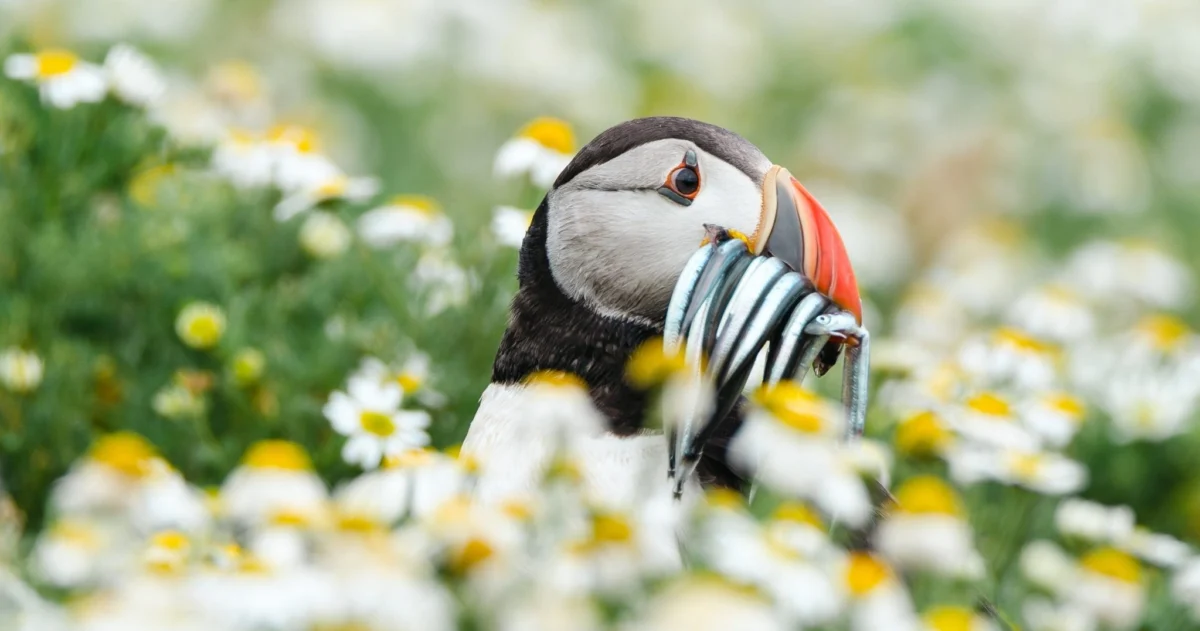
Atlantic Puffins (Fratercula arctica), with their strikingly colourful beaks, distinctive calls, and endearing waddling gait, are more than just an incredible and unmistakable species; they are an enduring symbol of Europe’s northern seas and a beloved icon of coastal wildlife. These charismatic seabirds, often referred to as "sea parrots," captivate observers with their unique appearance and robust resilience, spending the vast majority of their lives traversing the vast expanses of the open ocean. Their commitment to a pelagic existence is profound, with individuals sometimes not touching land for as long as eight months, an incredible feat of endurance. However, from April to August each year, a fundamental shift occurs in their life cycle as they return to land, populating numerous northern European coastlines across the Atlantic, transforming rugged cliffs and remote islands into bustling breeding colonies.
An Unprecedented Winter of Loss for Iconic Seabirds
As the eagerly anticipated spring breeding season approached this year, signalling the return journey of countless seabirds to their ancestral shores, conservationists and scientists were confronted with a scene of profound distress. The conclusion of the winter months brought to light what many have described as a true horror scenario unfolding across the Atlantic seaboard. Reports began to flood in detailing the discovery of more than 38,000 seabirds found stranded, either dead or dying, along the extensive coastlines of Spain, Portugal, and France. This grim tally painted a stark picture of a catastrophic event, but nowhere was the devastation more acutely felt for Atlantic Puffins than along the shores of Cornwall in the United Kingdom. Here, hundreds of these iconic birds were found washed up, lifeless, a chilling contrast to the mere two dead Puffins recorded in the previous year. What should have been a period of anticipation for their return became, for many, a tragic "crime scene" against nature.
The primary catalyst for this widespread mortality event appears to be the relentless onslaught of severe storms that battered the Atlantic throughout the past season. These extreme weather conditions transformed the arduous journey back to land into an insurmountable challenge for many seabirds, and especially for Puffins. Puffins are highly visual hunters, relying on their keen eyesight to spot and pursue small fish like sandeels and sprats in the water column. This hunting strategy necessitates clear water conditions. However, the tumultuous and murky waters churned by the rough seas drastically impeded their ability to locate food. After months at sea, these birds were already in a state of high energy demand, and the prolonged difficulty in foraging led to extreme exhaustion and ultimately, starvation. The sheer scale of deaths unequivocally marked this winter as the largest seabird "wreck" to impact Europe in a decade, with reports of deceased birds spanning thousands of miles of coastline, from the Iberian Peninsula to the British Isles.
Understanding Seabird Wrecks: A Natural Phenomenon Under Pressure
A seabird wreck, while devastating in its immediate impact, is a recognized natural phenomenon. It describes an event where an unusually large number of seabirds wash up dead or dying on beaches. These events typically occur following severe winter storms that combine with periods of food scarcity, leading to the exhaustion and starvation of birds that spend their winter far out at sea, often hundreds of miles from land. The last comparable major wreck occurred during the winter of 2013-2014, an event that saw over 54,000 seabirds reported dead across European Atlantic coastlines. In that instance, as in the most recent event, Atlantic Puffins were identified as one of the most affected species, underscoring their particular vulnerability to such extreme conditions.
It is crucial to understand that the reported figures, while shocking, almost certainly represent a significant underestimate of the true mortality. The vast majority of seabirds that succumb to these conditions die at sea, their bodies sinking or being carried away by currents, never washing ashore to be counted. Consequently, the actual death toll from this winter’s event is likely far higher than the tens of thousands officially recorded, hinting at a much more profound impact on regional seabird populations.
The Intensifying Shadow of Climate Change
While seabird wrecks have historical precedents as natural phenomena, the scientific community is increasingly concerned that climate change is exacerbating their frequency and intensity. The warming of global seas is directly linked to an increase in the energy of atmospheric and oceanic systems, leading to more powerful and unpredictable extreme weather events. This means that the very conditions that trigger these devastating wrecks—prolonged periods of severe storms and rough seas—could become more commonplace. If this trend continues, it threatens to push already struggling seabird populations beyond their capacity to cope, turning what were once episodic natural culls into regular, unsustainable mass mortality events.
The implications for species like the Atlantic Puffin are dire. With their relatively long lifespans, late maturity, and low reproductive rates (typically laying only one egg per year), puffin populations are inherently slow to recover from significant losses. A single bad breeding season can set back a colony for years, but mass mortality events like this winter’s wreck can have generational impacts, jeopardizing the long-term viability of entire regional populations.
Cumulative Threats: A Multi-Front Battle for Survival
The challenges facing seabirds in Europe extend far beyond the immediate threat of extreme weather. As Antonio Vulcano, Senior Marine Conservation Officer at BirdLife Europe and Central Asia, articulated, "In Europe, threats to seabirds are worsening every year. At the same time, seabird populations in the region are declining, and recovery can take a long time. Puffins, an iconic species of the northern seas, are no exception." Vulcano’s statement underscores a critical point: the recent storm-induced mortalities are not an isolated problem but rather an additional burden on populations already grappling with a multitude of anthropogenic pressures.
Among these "already long list of threats" are:
- Food Shortages Due to Overfishing: Many seabird species, including Puffins, rely on abundant stocks of small pelagic fish for their diet. Intensive industrial fishing practices can deplete these vital food sources, forcing birds to travel further to find food, expend more energy, and ultimately reduce their breeding success and survival rates.
- Bycatch in Fishing Gears: Seabirds frequently become entangled in various types of fishing gear, such as gillnets, longlines, and trawls, leading to injury or drowning. This "bycatch" is a significant, often underestimated, cause of mortality across many species.
- Predation at Breeding Colonies by Invasive Alien Species: Remote islands, traditionally safe havens for ground-nesting seabirds like Puffins, are increasingly threatened by invasive predators such as rats, stoats, and mink, introduced by human activity. These predators can decimate eggs and chicks, severely impacting breeding success.
- Poorly Planned Offshore Wind Developments: While renewable energy is crucial for combating climate change, the siting and construction of offshore wind farms can pose risks to seabirds. These include collision risk with turbine blades, displacement from foraging areas, and disruption of migration routes if not carefully planned and mitigated.
Vulcano emphasized the "crucial" need to focus on the "cumulative effects of these several threats on seabird populations." This holistic perspective is vital, as the combined impact of multiple stressors can be far greater than the sum of their individual parts, pushing populations towards tipping points from which recovery becomes increasingly difficult.
Impact on the Upcoming Breeding Season and Conservation Efforts
The devastating losses incurred over the winter are anticipated to have dramatic consequences for the upcoming breeding season. Conservation organizations and wildlife trusts are bracing for significantly reduced numbers of breeding pairs at some of the seabirds’ main breeding grounds. Iconic colonies such as Bempton Cliffs, Skomer Island, the Farne Islands, the Isle of May, and St. Kilda, which are usually teeming with returning Puffins and other seabirds, are expected to be noticeably quieter. The absence of experienced adult birds, which are typically the most successful breeders, could lead to a substantial reduction in the number of chicks fledged this year, further hindering population recovery.
The scale of this year’s losses serves as a painful and stark reminder of how fragile life at sea can be. European seabird populations were already in a state of crisis even before this event, with many species experiencing significant declines over recent decades. Protecting them has thus become not just a conservation priority, but a critical imperative for the ecological health of marine ecosystems and the biodiversity of the continent.
However, the situation is not entirely without hope. Across the affected regions, dedicated local shelters and environmental organizations, such as the Wildlife Trusts in the UK and their counterparts across Europe, are working tirelessly to rescue and rehabilitate as many distressed seabirds as possible. These frontline efforts, involving volunteers braving harsh conditions, provide critical immediate relief for individual birds, even as the larger conservation battle unfolds.
As the surviving Atlantic Puffins make their way back to their nesting cliffs this spring, the months ahead will be a crucial period of observation and action. Their fate will depend not only on the vagaries of the weather but, perhaps even more profoundly, on the choices made by humanity on land and at sea. With stronger, more effective protection of vital marine ecosystems, the implementation of truly sustainable fishing practices that prioritize ecosystem health, and the careful, well-planned development of offshore infrastructure, it is possible to ease some of the immense pressures that seabirds currently face. Moments like this winter’s wreck serve as a powerful and urgent reminder of just how much these magnificent birds depend on healthy, resilient seas, and how much difference the right actions, taken collectively and decisively, can make for the future of Europe’s beloved Puffins and the myriad other species that call its oceans home. The time for concerted action, both at policy level and through individual responsibility, is now, before it is truly too late.
