
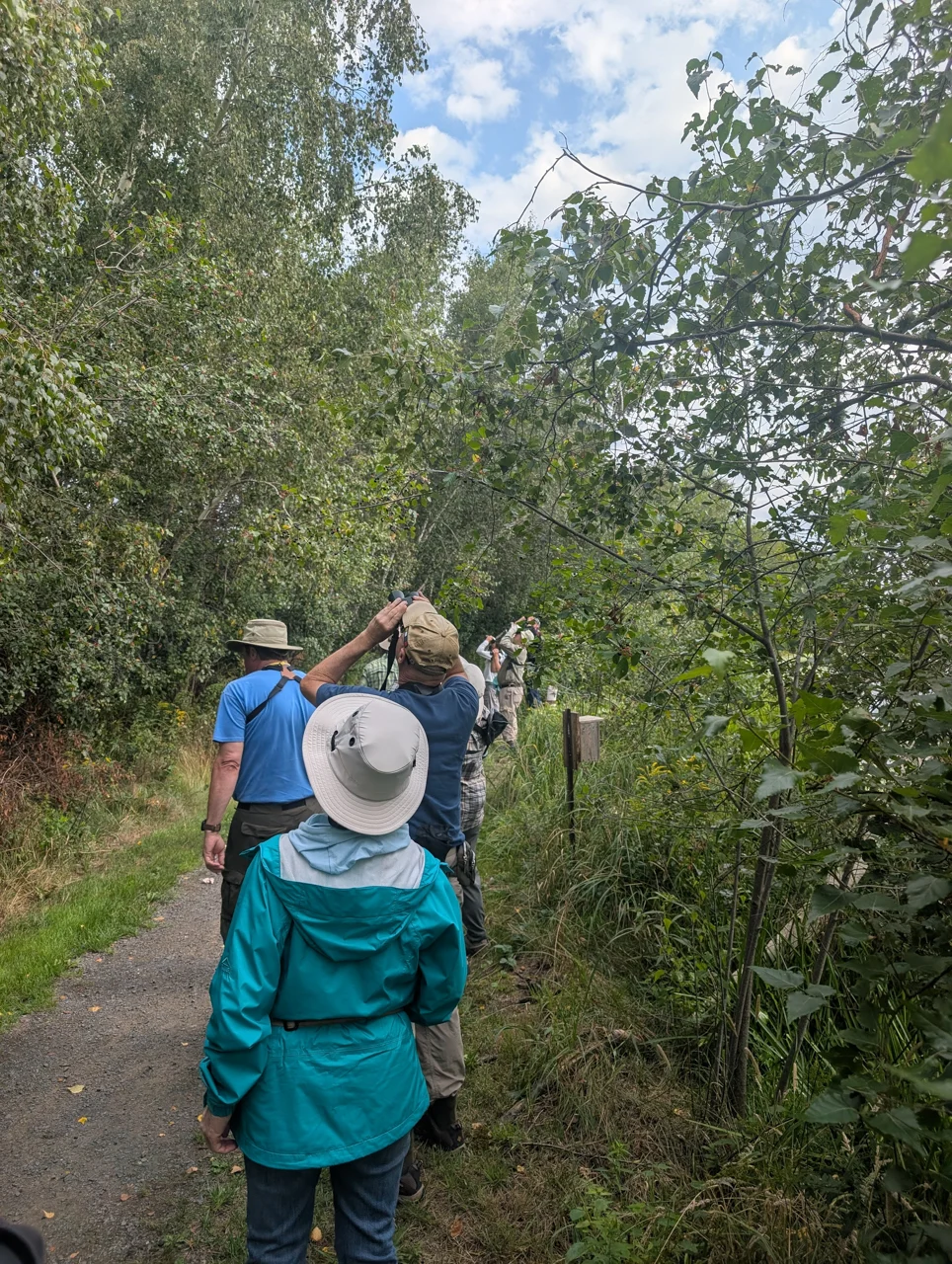
Nova Scotia’s unique geography, characterized by its extensive coastline, the dramatic tidal shifts of the Bay of Fundy, and the transition between maritime forests and the boreal ecosystem, makes it a premier destination for ornithologists and birding enthusiasts. In September 2026, a specialized expedition group consisting of 11 international guests and two expert guides completed an intensive eight-day survey of the province’s southern region. This tour, focused on documenting migratory patterns and resident species, provided a comprehensive snapshot of the region’s avian health and environmental diversity during the critical autumn migration period.
The Ecological Significance of the Region
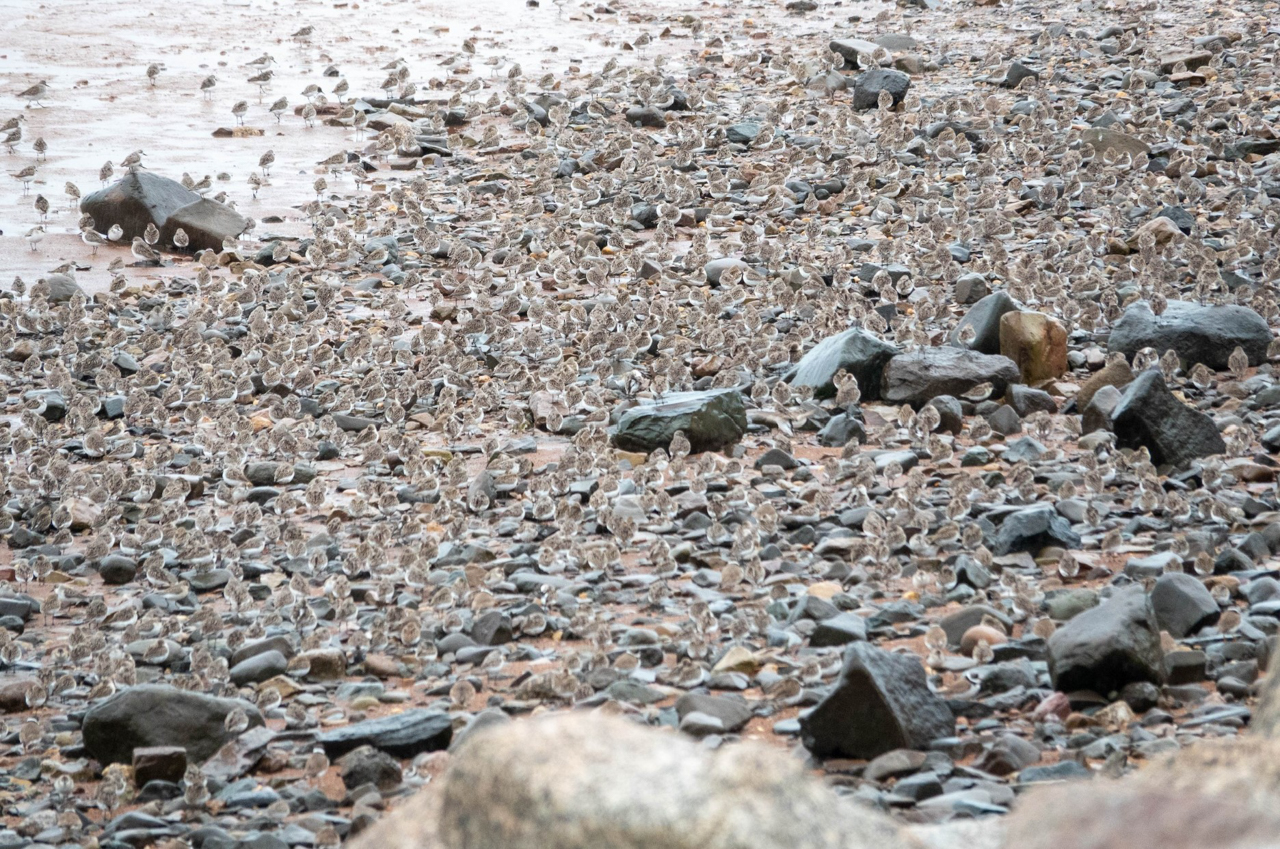
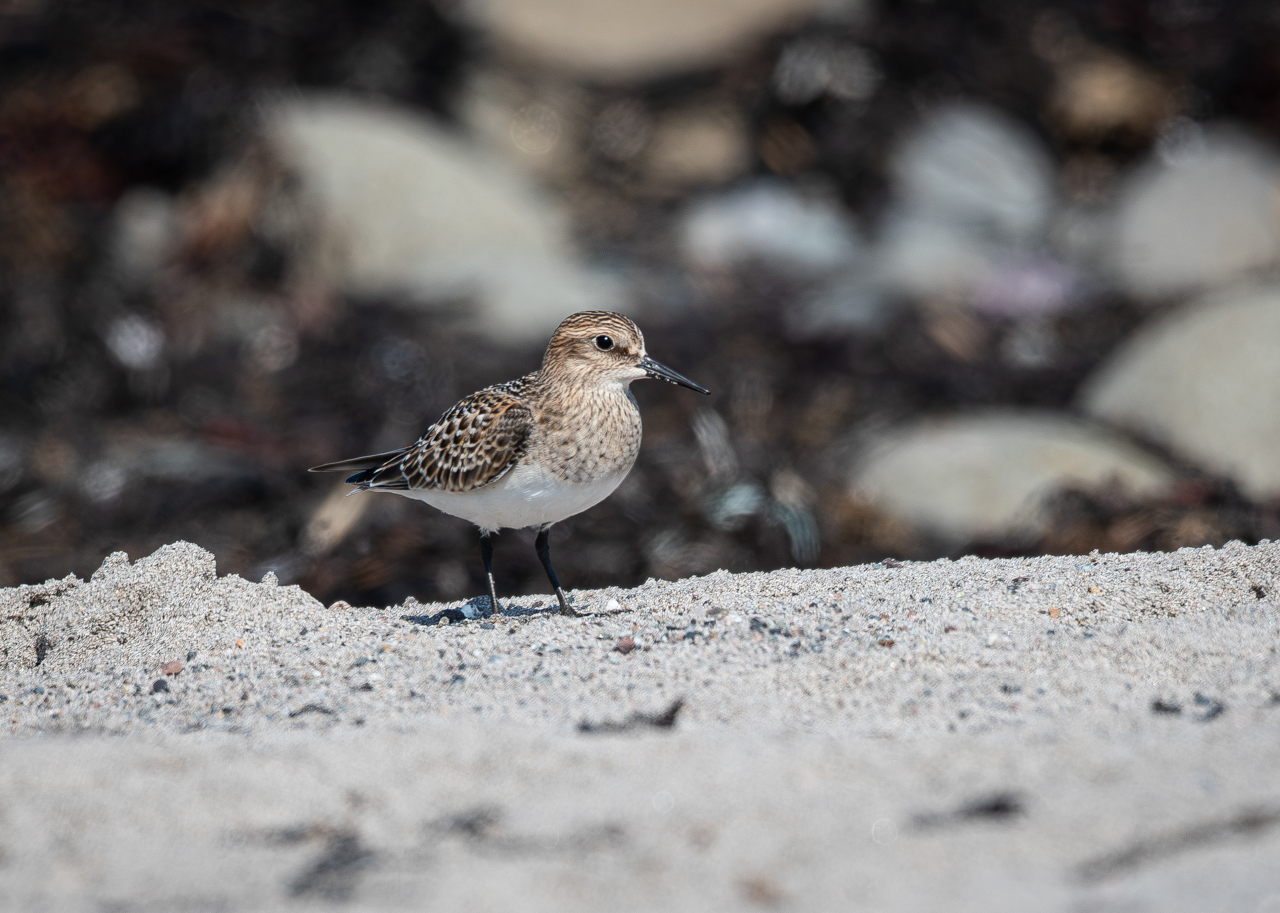
The timing of the expedition coincided with the peak movement of migratory passerines and shorebirds, which rely on the mudflats and coastal corridors of Nova Scotia as essential stopover points. The Bay of Fundy, known for hosting the highest tidal ranges in the world, creates expansive intertidal zones that support thousands of migratory shorebirds. These ecosystems are vital for the survival of species such as the Semipalmated Sandpiper (Calidris pusilla), which undergoes a grueling migration from the Arctic to South America. Data collected during the trip serves as a localized barometer for the health of these stopover habitats, which are increasingly influenced by climate-driven shifts in prey availability and storm frequency.
Chronological Overview of the 2026 Expedition
Arrival and Initial Survey (Day 1)
The expedition commenced in Halifax, the provincial capital. Following an initial briefing, the team established a baseline for the week’s objectives, emphasizing the study of coastal migratory routes. The group’s arrival set the stage for a cross-regional analysis of bird distributions, ranging from urban coastal areas to remote wilderness sites.
The Annapolis Valley and the Bay of Fundy (Days 2-3)
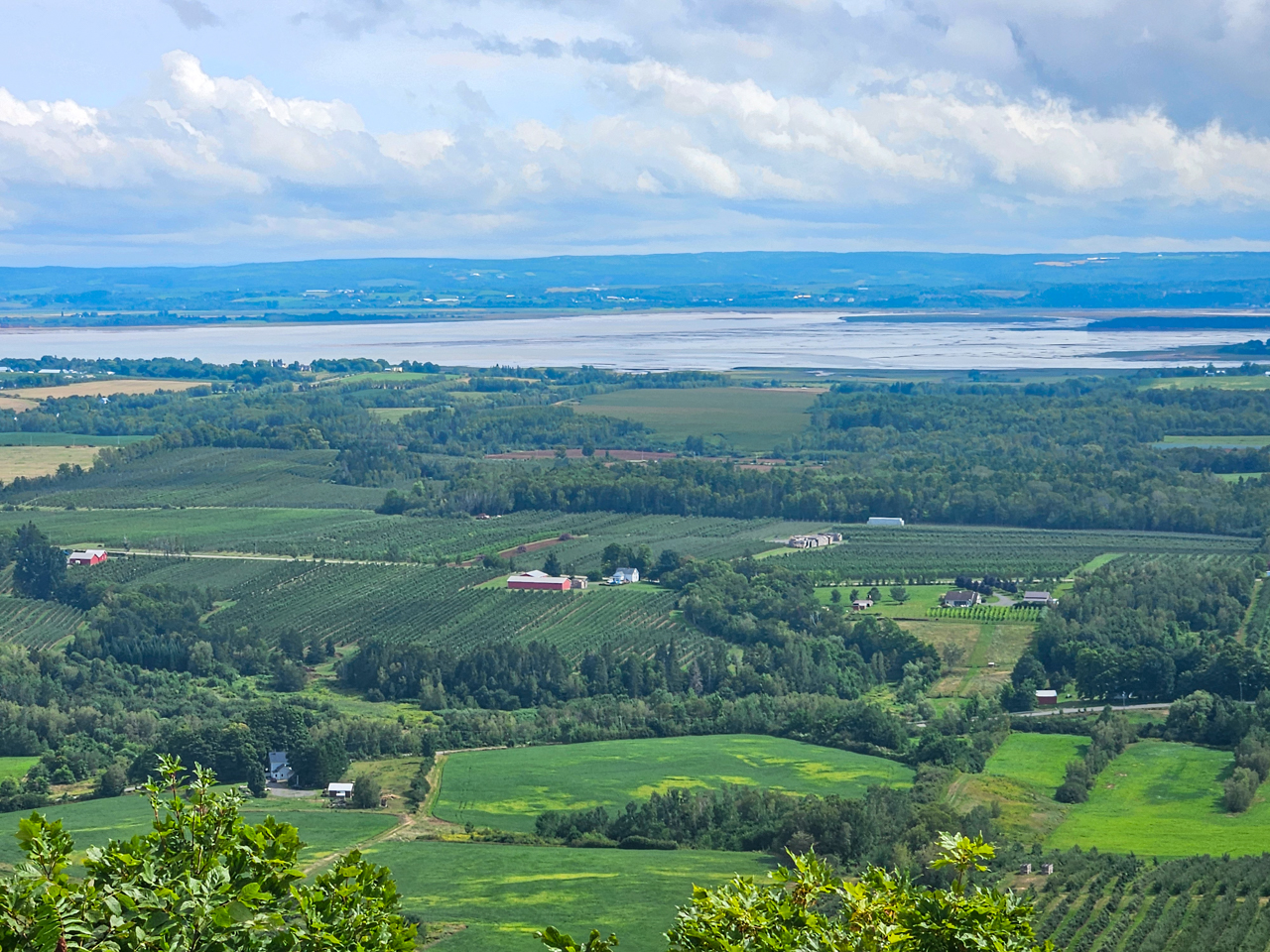
The primary study began in the Annapolis Valley, specifically at Grand Pré and Miner’s Marsh. Despite inclement weather, the team recorded thousands of shorebirds, including Semipalmated Sandpipers, Semipalmated Plovers, and White-rumped Sandpipers. The presence of a Peregrine Falcon observed hunting within the flock provided an example of the predator-prey dynamics that govern these coastal marshes. Further inland, the team visited the Grand Pré National Historic Site, observing how land-use history—specifically the legacy of Acadian dykes—continues to shape modern habitat availability for species like the Bald Eagle and various plover populations.
Brier Island: The Remote Sentinel (Days 4-6)
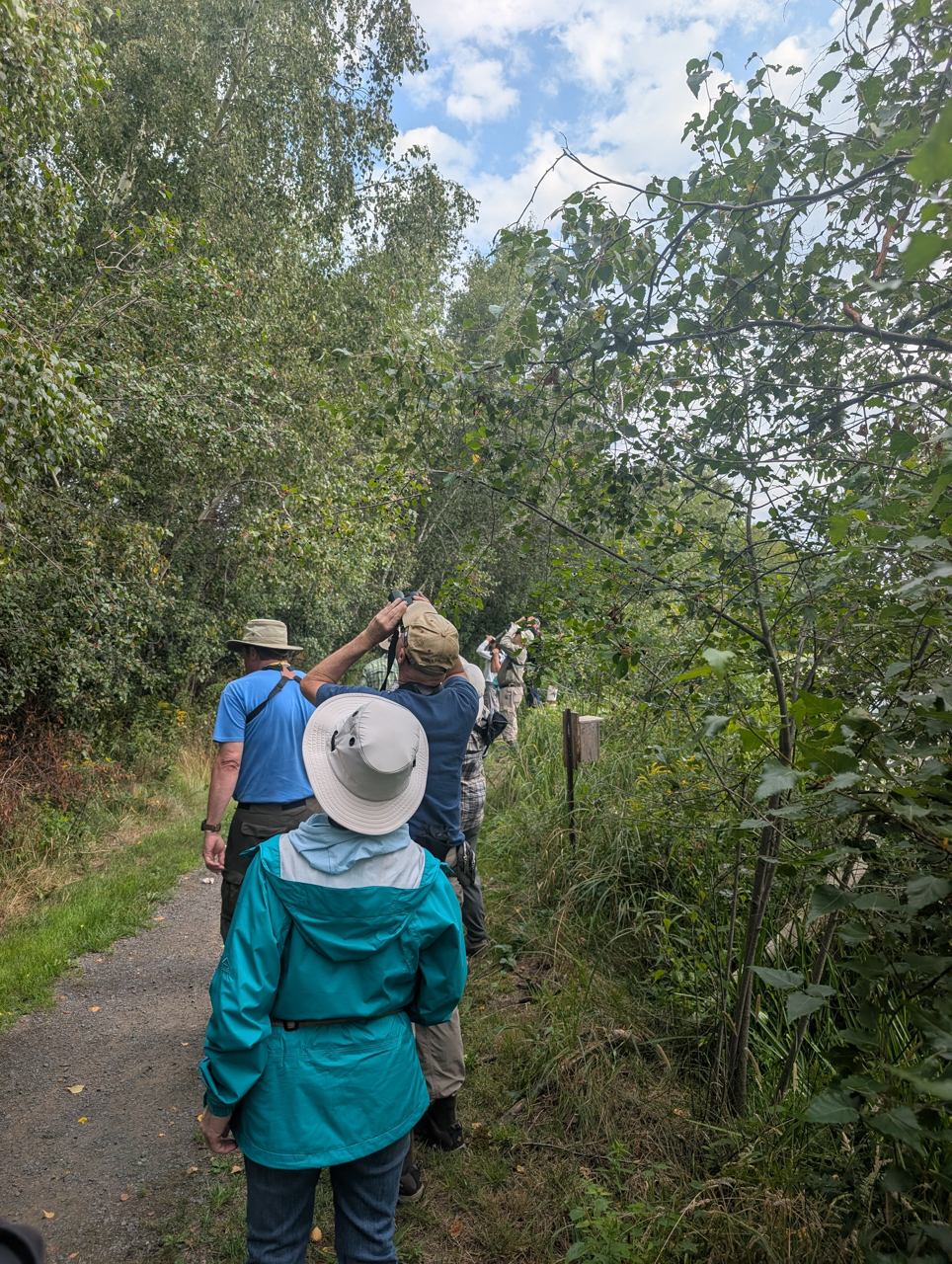
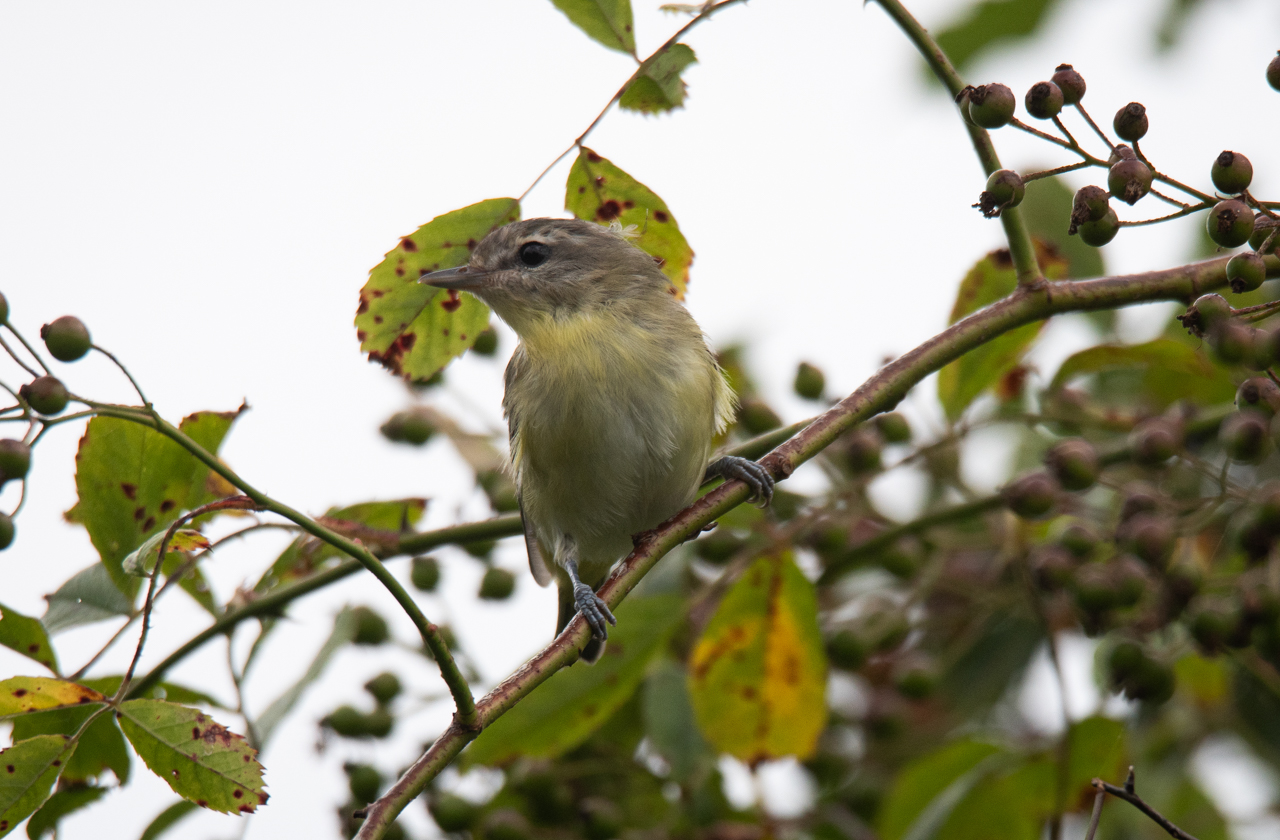
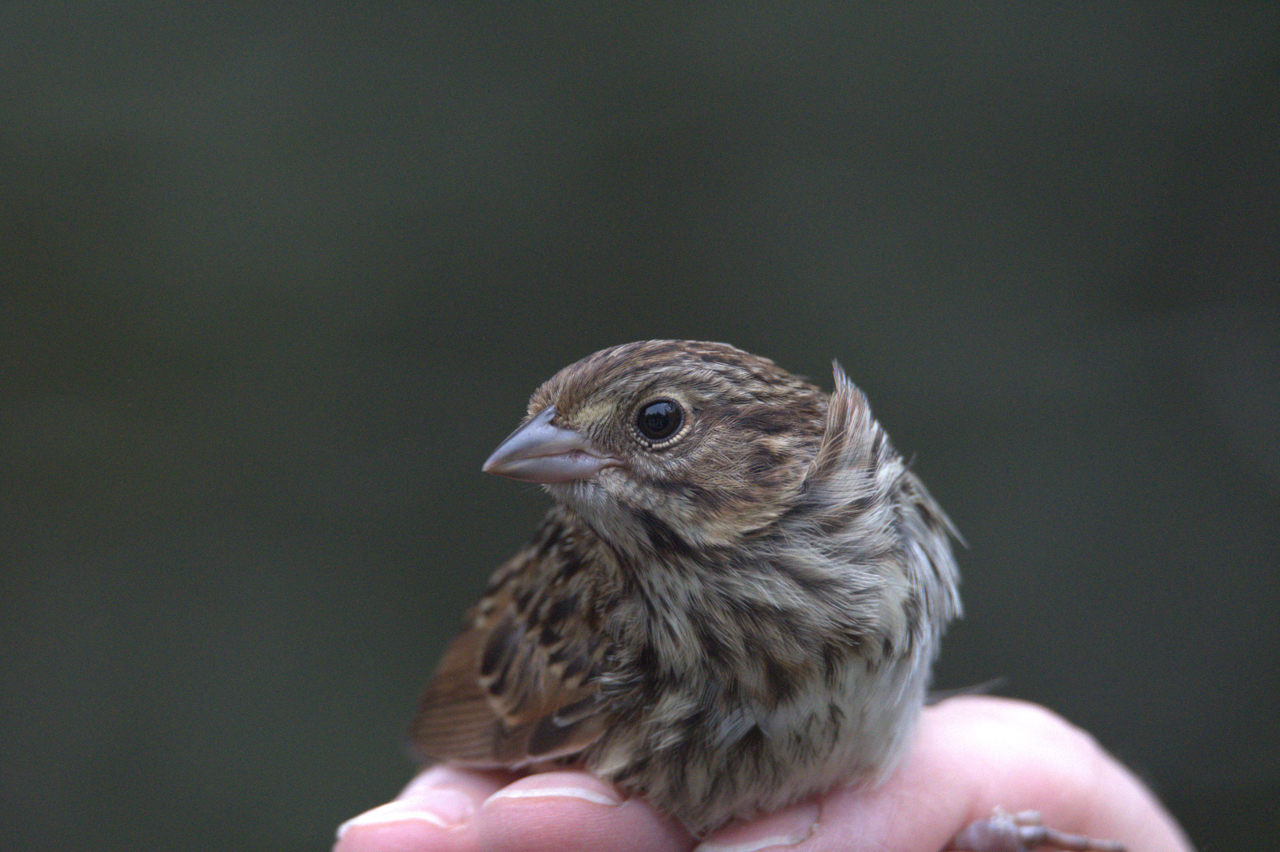
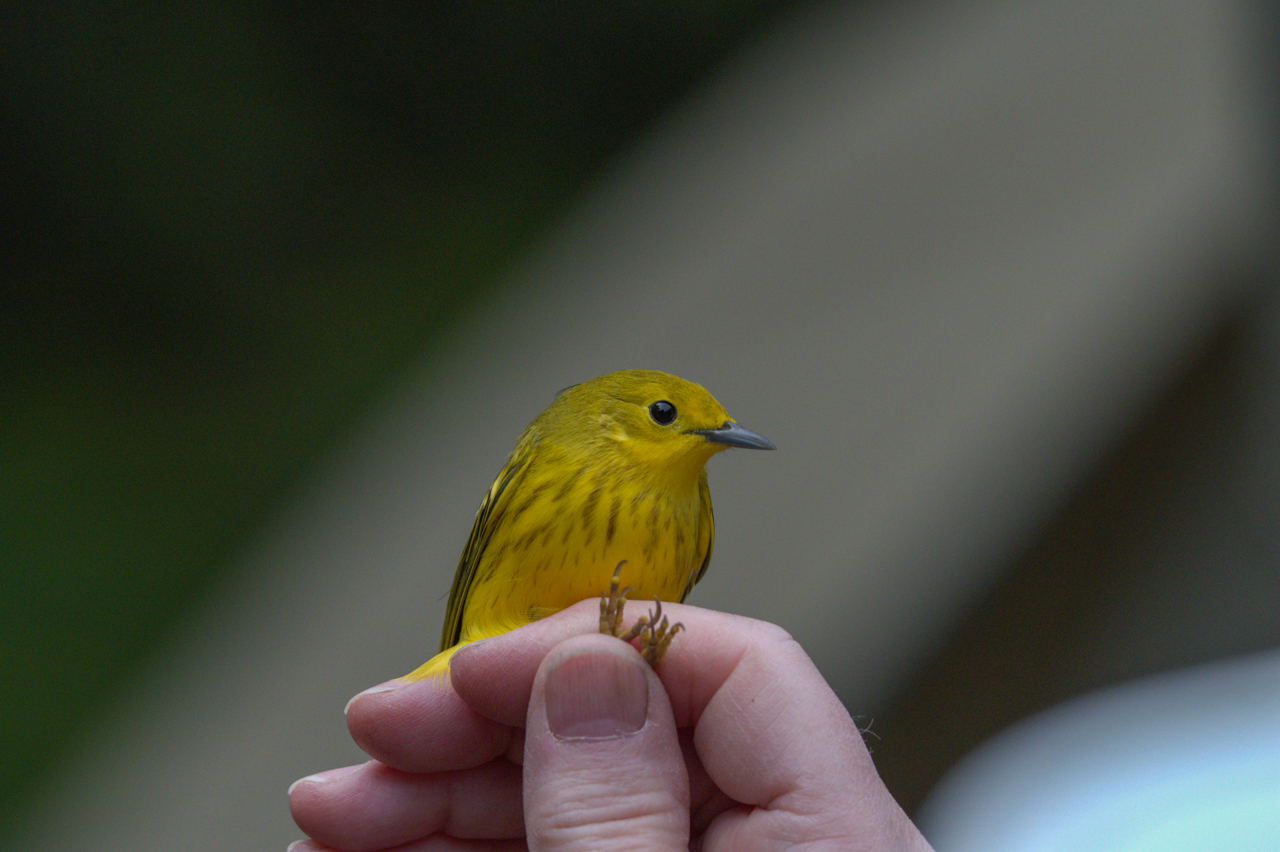
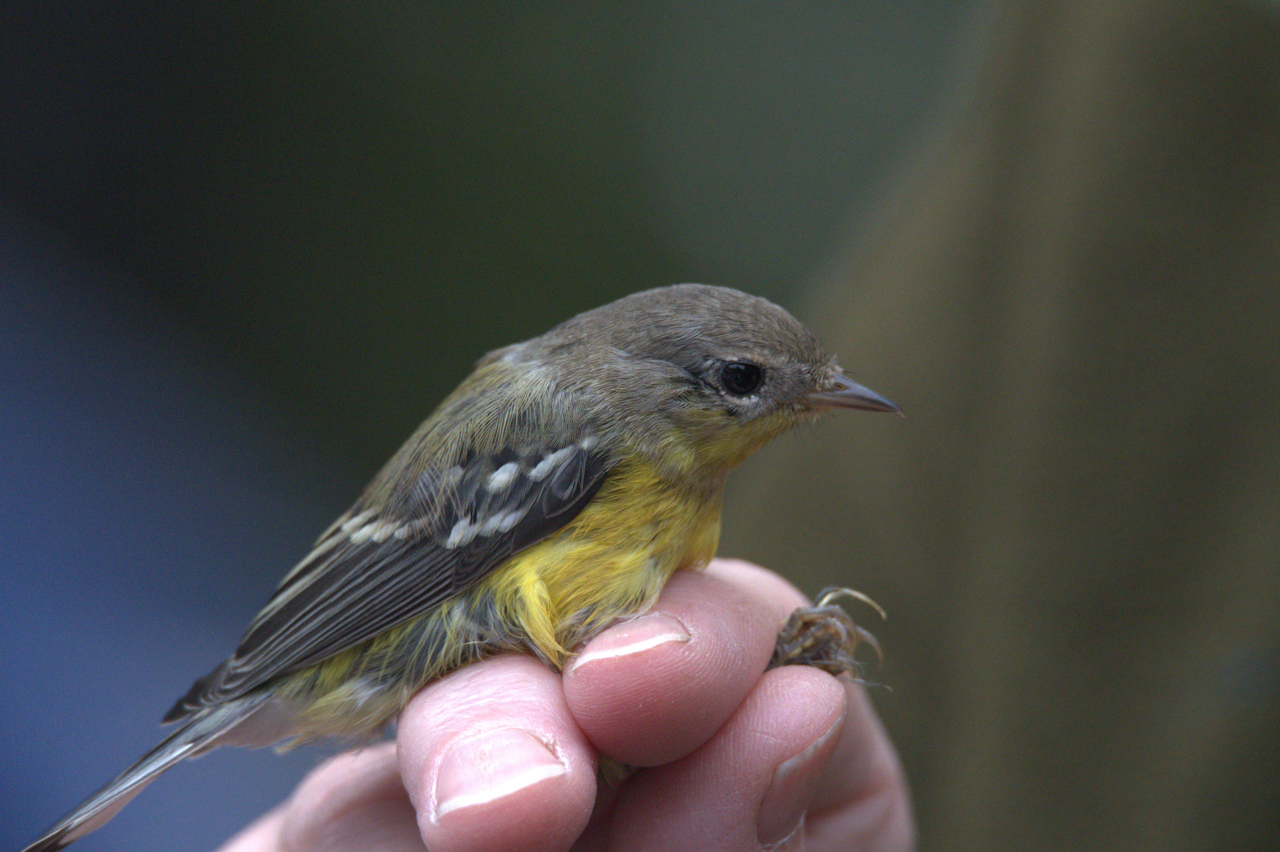
The transition to Brier Island represented the expedition’s most scientifically significant segment. Located at the western extremity of the Digby Neck, Brier Island acts as a funnel for migratory birds. The reactivation of the Brier Island Bird Banding Station for the 2026 season allowed for direct biological sampling. Observations included a high concentration of passerines, notably Northern Parulas, Yellow Warblers, and Magnolia Warblers.
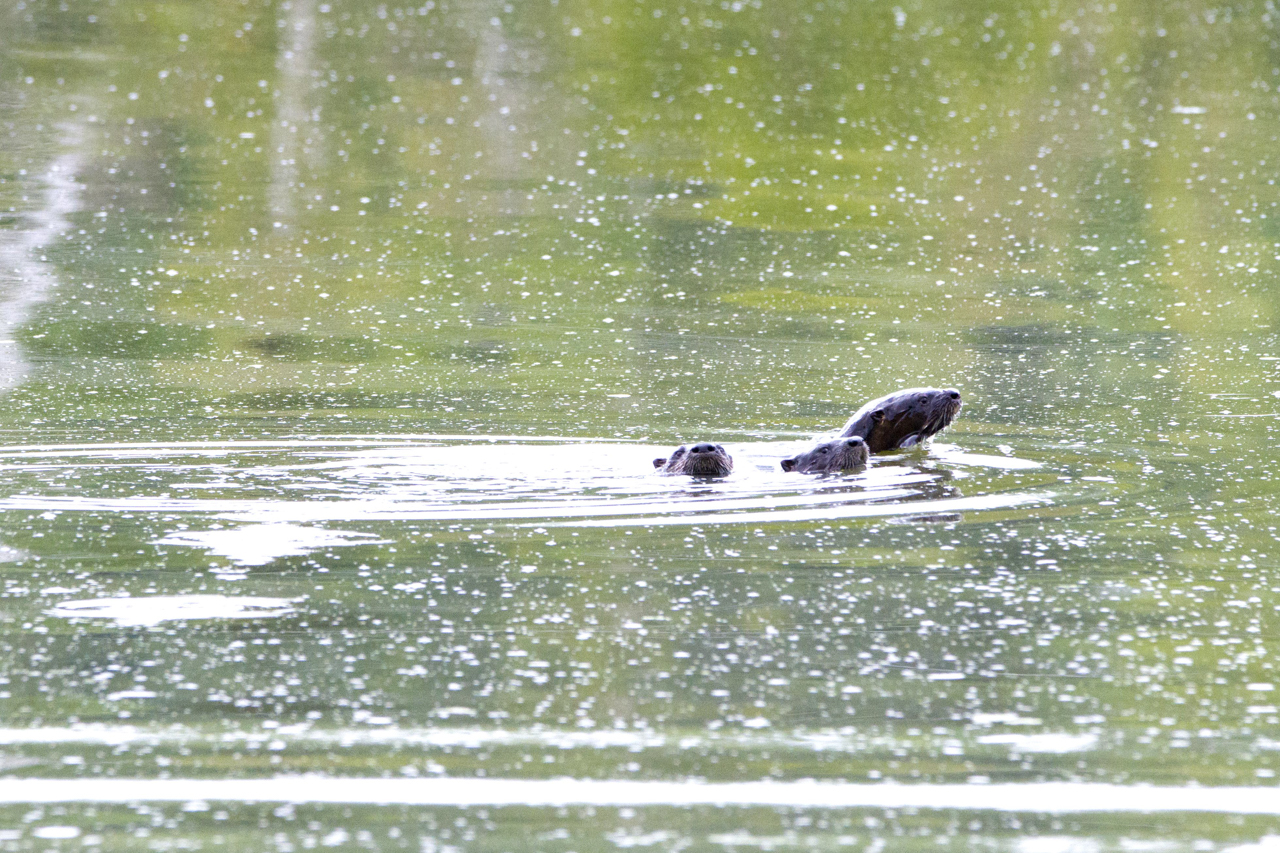
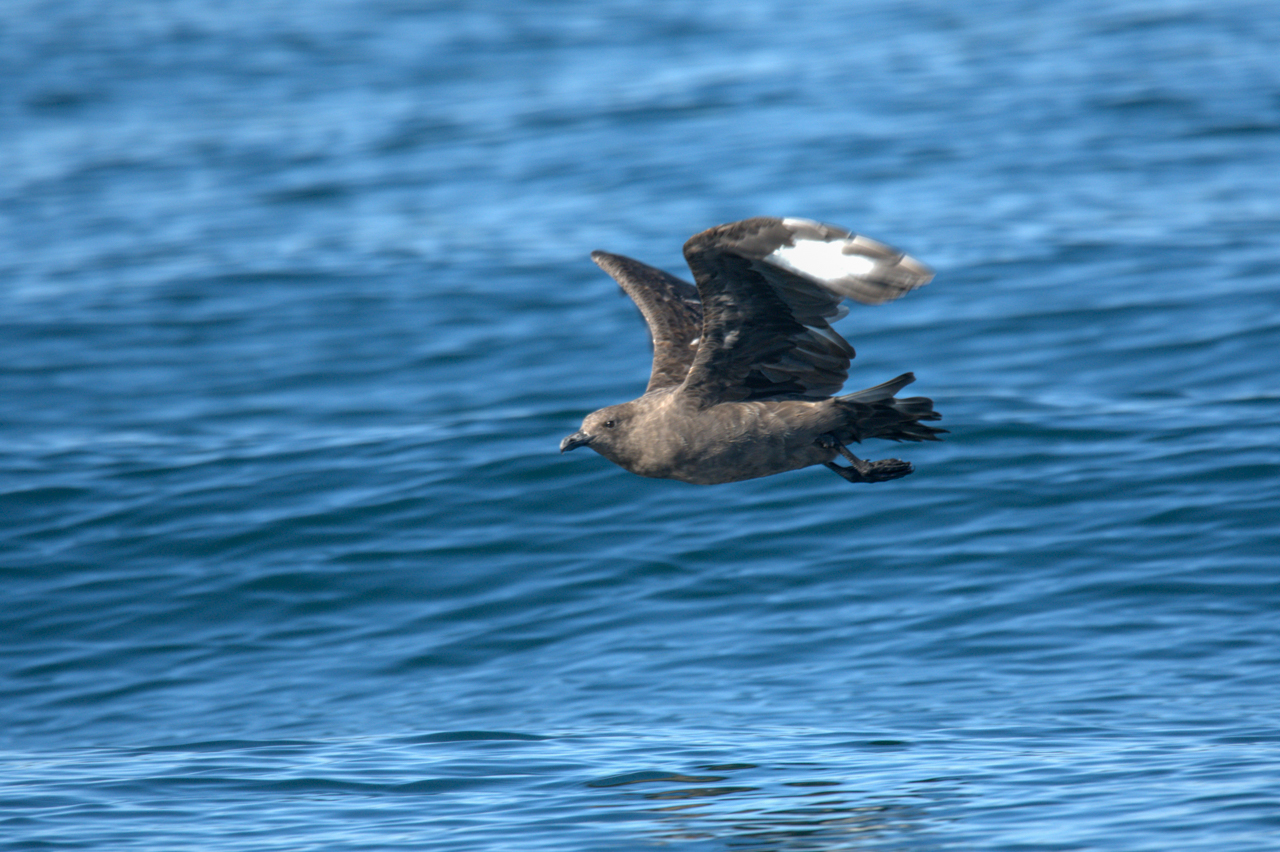
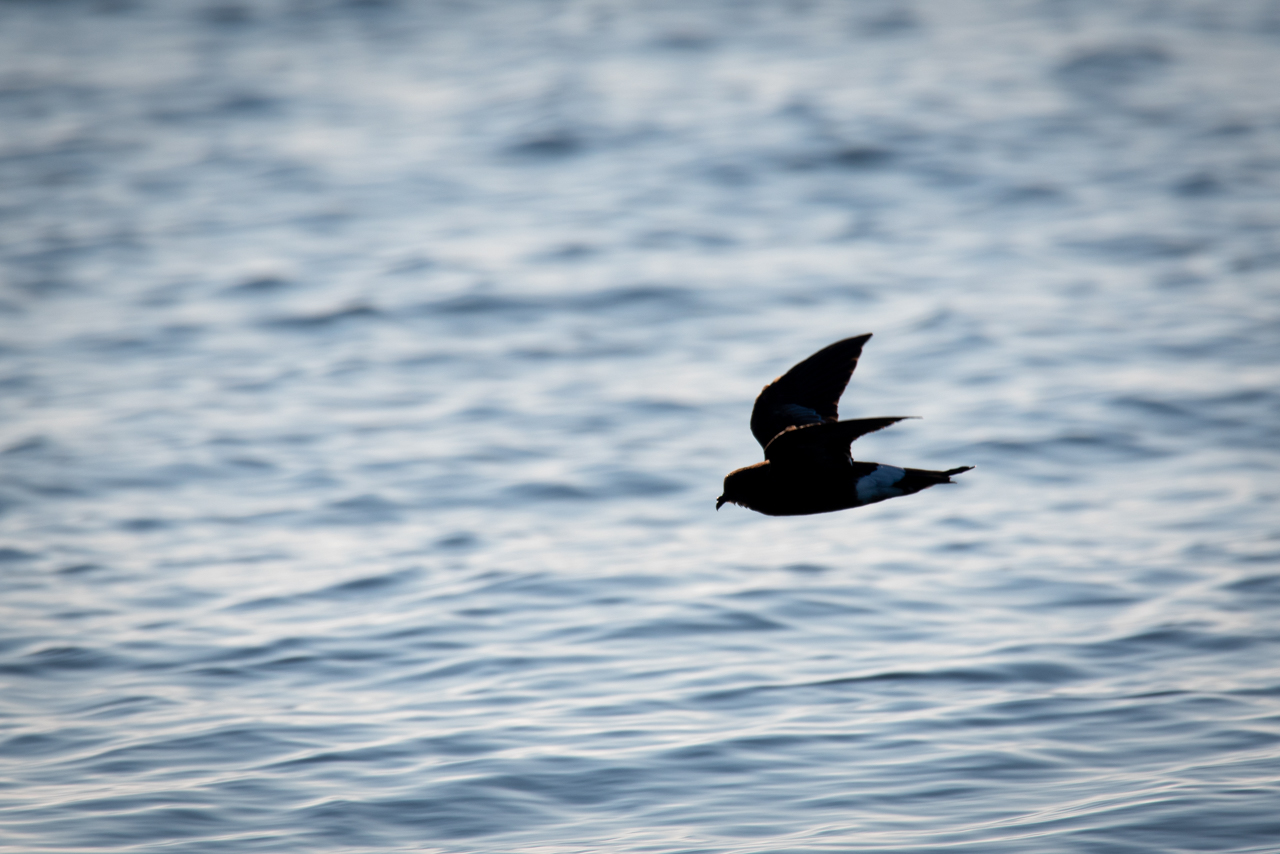
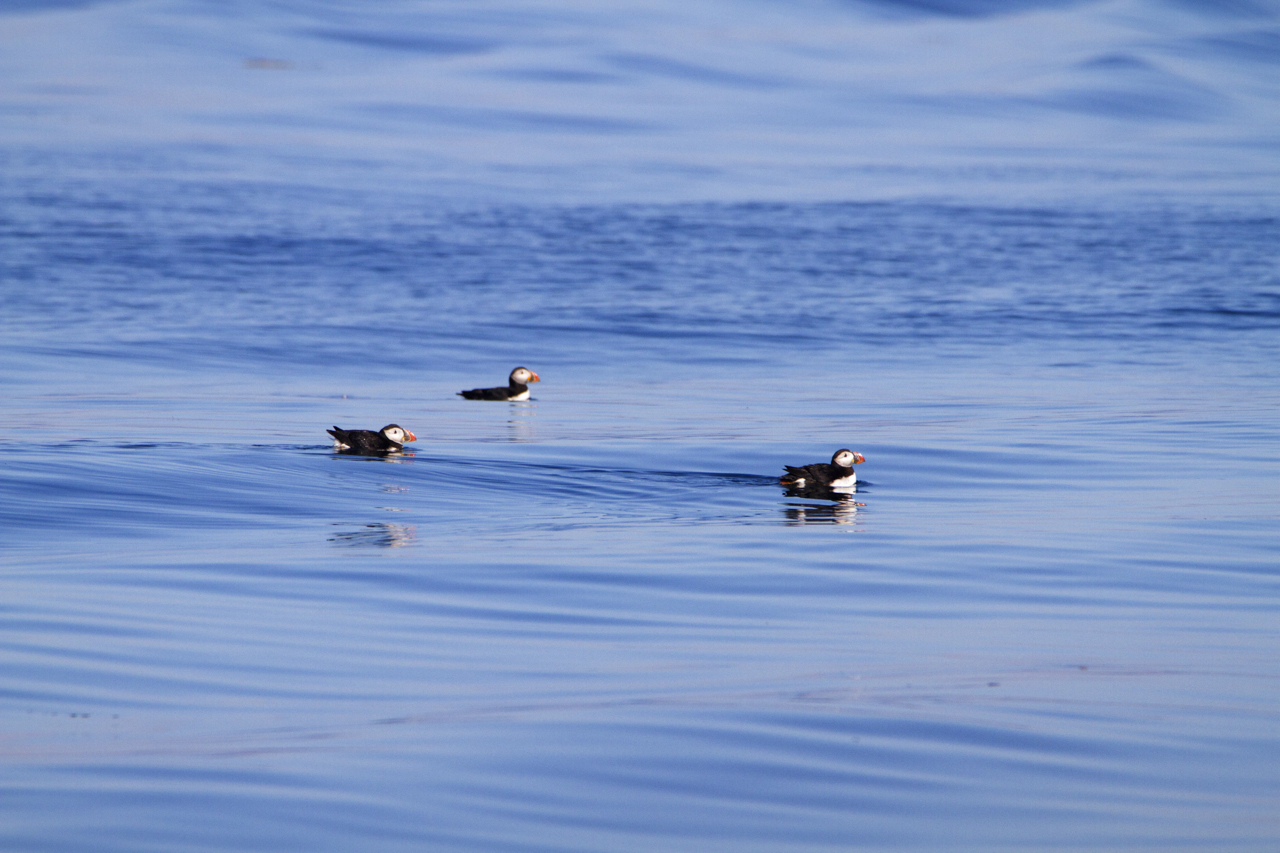
The island’s pelagic survey yielded rare sightings, including a South Polar Skua, hundreds of Atlantic Puffins, and Wilson’s Storm-Petrels. The interaction between these pelagic species and the local marine mammals, particularly Humpback Whales, highlights the interconnectedness of the Bay of Fundy’s marine food web. The ability of the researchers to observe and participate in the banding process provided unique data on the physical condition of songbirds mid-migration.
Southern Coast and Yarmouth Surveys (Days 7-8)
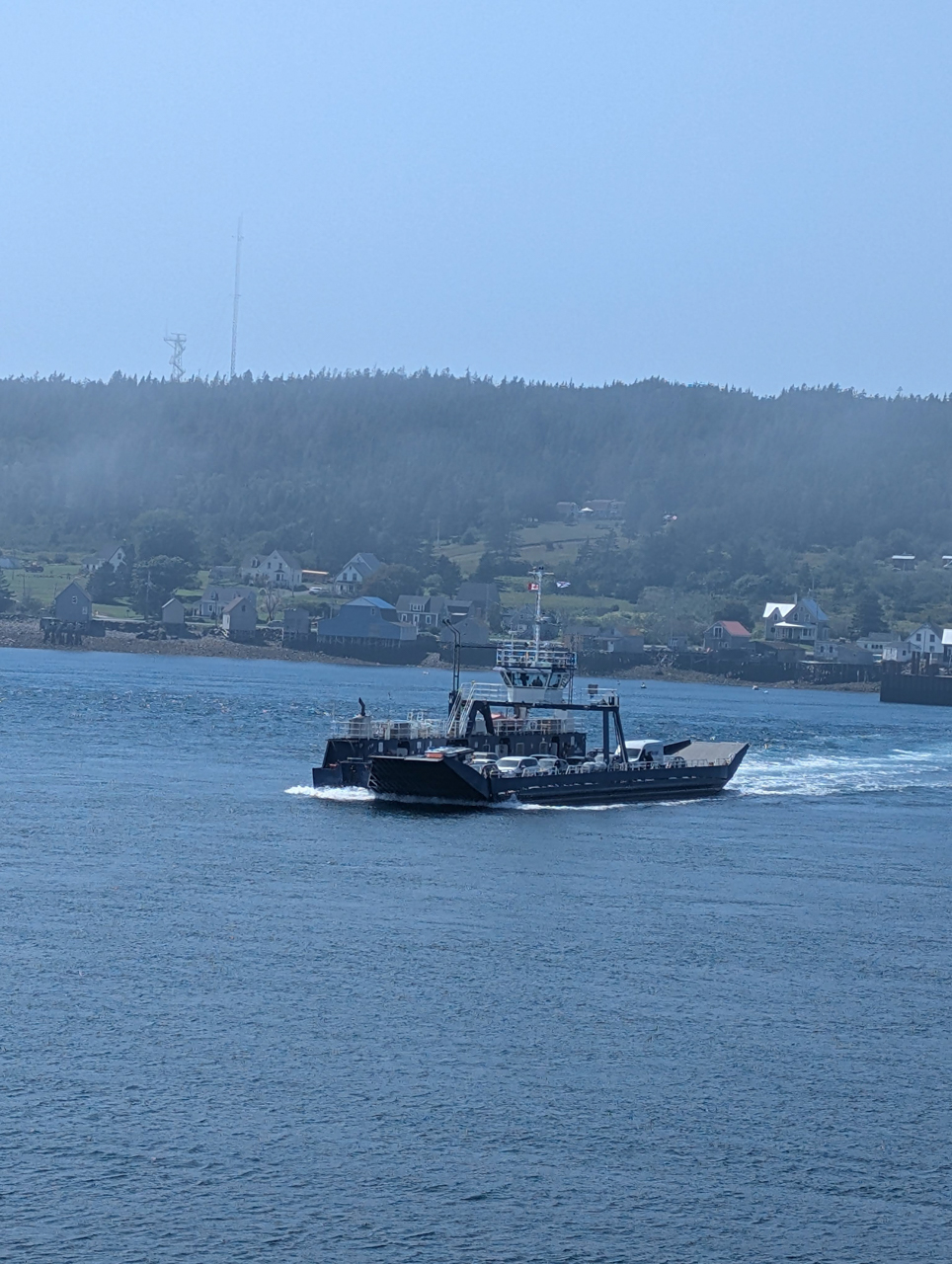
Moving to the southern tip of the province, the team conducted surveys at Cape Forchu and Chebogue Point. These areas are crucial for tracking the southern movement of shorebirds. Despite missing the localized American Oystercatchers initially, the team eventually confirmed their presence at Sandhills Beach. A significant finding was the discovery of a rare American Avocet at Sand Dollar Beach near Lunenburg. The presence of such vagrant species underscores the role of Nova Scotia’s southern coastline as a potential drift point for birds pushed off-course by weather patterns.
Boreal Forest and Final Analysis (Day 9)
The concluding day focused on the boreal forest tracts surrounding the Ingramport area. By shifting the focus from coastal wetlands to inland coniferous forests, the team documented species such as the Canada Jay and the White-winged Crossbill. These species, which are highly specialized to the boreal biome, provided a stark contrast to the shorebird-heavy observations of the previous week.
Data and Observations: Key Species List
The expedition generated a significant list of avian encounters, which, when aggregated, demonstrate the high biodiversity of the region:
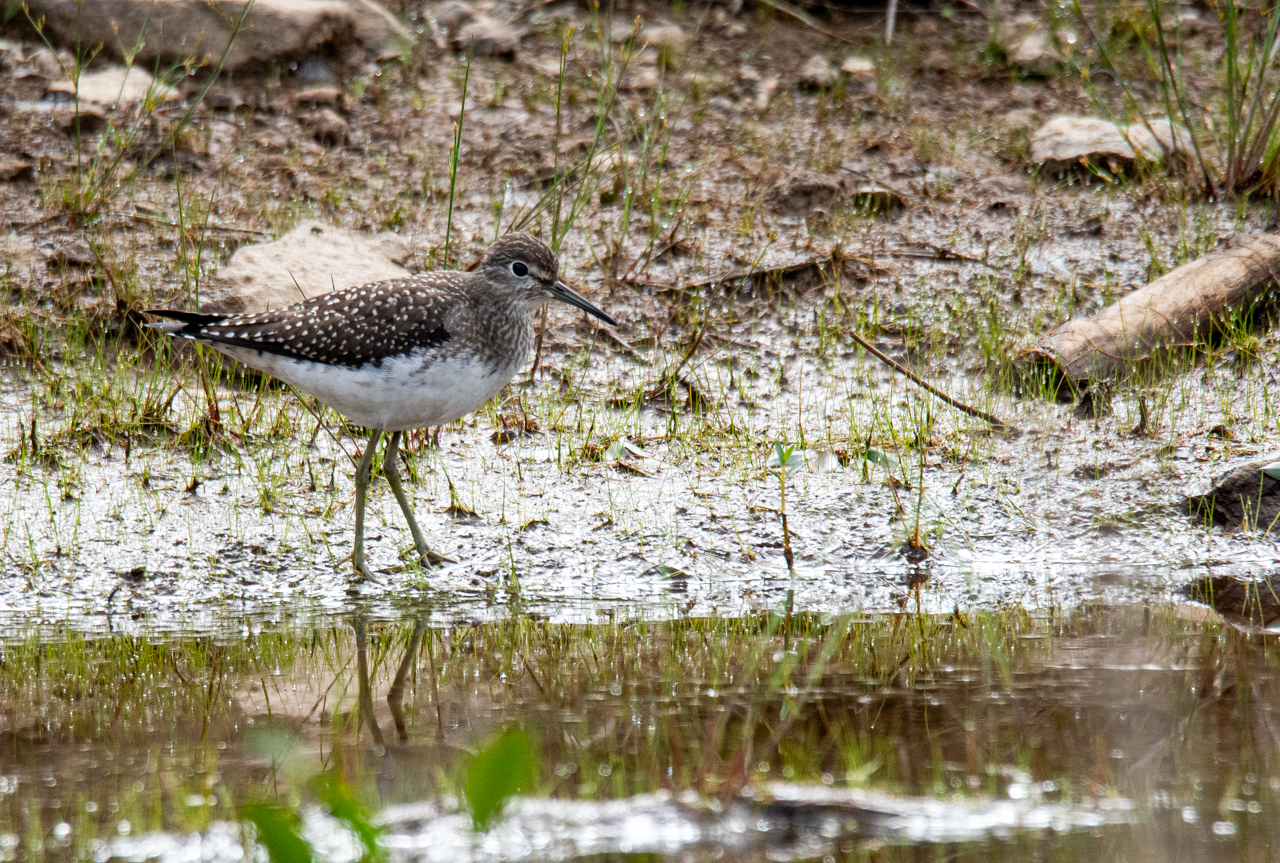
- Shorebirds: Semipalmated Sandpipers, Baird’s Sandpipers, Hudsonian Whimbrel, American Golden-Plovers, and the rare American Avocet.
- Warblers: Chestnut-sided, Blackburnian, Cape May, Magnolia, and the elusive Mourning Warbler.
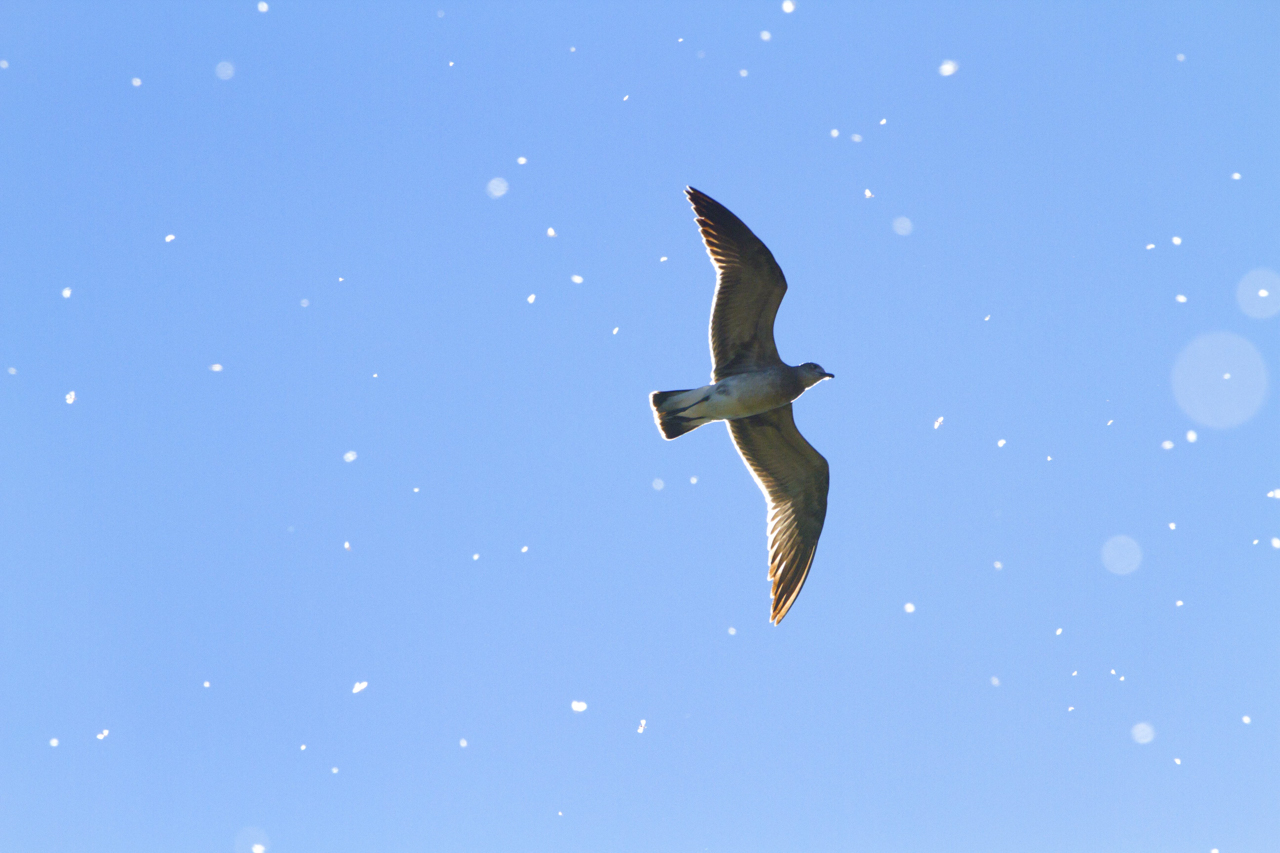
- Pelagic Species: Northern Gannets, Great Shearwaters, Black-legged Kittiwakes, and Atlantic Puffins.
- Boreal Specialists: Canada Jays and White-winged Crossbills.
Scientific and Environmental Implications
The success of this expedition highlights the critical nature of ongoing monitoring programs. The use of the Brier Island Banding Station as a primary data collection point provided invaluable evidence regarding the survivability and health of migratory birds. The ability to handle and release birds—conducted under strict professional protocols—allowed the research team to assess fat deposits and plumage condition, which are critical indicators of whether these birds have sufficient energy reserves to complete their long-haul migrations.
Furthermore, the observation of rare vagrants like the American Avocet serves as a reminder of the dynamic nature of avian distribution. As global temperatures rise, the shifts in wind patterns and prey distribution are likely to change the migration routes of many species. Systematic surveys like those conducted during this eight-day period are essential for documenting these long-term trends.
Perspectives on Public Engagement
The expedition also served as a case study for the integration of citizen science with professional ornithology. By including guests in the observational and, in supervised instances, the handling process, the project fostered a deeper understanding of the conservation challenges facing migratory species.
"The participation of the guests is not merely for educational purposes," noted expedition lead Kyle d’Entremont. "The scale of eyes on the ground allows us to cover more habitat, ensuring that we do not miss significant sightings, such as the American Avocet or the specific shorebird movements at the southern tip of the province. Every data point collected contributes to the larger understanding of how these birds navigate the Canadian maritime landscape."
Broader Impact and Future Prospects
The 2026 tour concluded with a synthesis of findings in Halifax, where the team reviewed the week’s observations against historical data for the region. The findings suggest that despite local weather challenges, the southern Nova Scotia coastline remains a robust and vital corridor for avian life.
Looking ahead, the organizers plan to expand the banding efforts and increase the frequency of pelagic surveys. The implications for the local tourism economy are also notable, as birding—often categorized under the broader umbrella of eco-tourism—continues to gain traction as a sustainable industry for rural Nova Scotian communities. By showcasing the province’s natural assets, these expeditions provide a dual benefit: contributing high-quality data to the ornithological community while promoting the conservation of the delicate habitats that make such biodiversity possible.
As the migratory season draws to a close, the data collected during this eight-day journey will be archived and shared with regional biological databases. This effort ensures that the memories and observations of the group translate into tangible scientific contributions, securing a better understanding of the winged travelers that traverse the skies of Nova Scotia each year. The successful documentation of these species across varied terrains—from the mudflats of the Bay of Fundy to the deep, dense boreal forests—confirms that Nova Scotia will remain a focal point for ornithological research for years to come.
