
The recent expedition through the Sky Island mountain ranges of Southeast Arizona served as a remarkable survey of the region’s unique ecological biodiversity, offering participants a rare window into the transition zones between the Sonoran Desert and the Sierra Madrean forests. Spanning several days of intensive field observation, the tour documented a vast array of species across varying altitudinal gradients, highlighting the critical role this geography plays as a corridor for avian migration and localized endemism.
The Ecological Significance of the Sky Islands
The Sky Islands of Southeast Arizona and Northern Mexico represent a series of isolated mountain ranges separated by arid desert valleys. This distinct topography creates "islands" of temperate, forest-dwelling species surrounded by a "sea" of desert scrub. Because these ranges span multiple life zones—from Lower Sonoran desert scrub to Canadian-zone coniferous forests—they support a staggering percentage of North American bird species. Ornithologists frequently cite this region as a primary destination for studying the hybridization and range expansion of species migrating between the Nearctic and Neotropic realms.

Chronology of the Expedition
The tour began in the immediate vicinity of Tucson, where the initial focus was on lowland species before transitioning to the Santa Catalina Mountains. Upon reaching the upper elevations of Mount Lemmon, the group observed a distinct shift in community composition. While the lower slopes hosted desert specialists such as the Black-throated Sparrow and the Verdin, the higher-elevation oak and juniper woodlands introduced the team to the Acorn Woodpecker, Mexican Jay, and the Black-throated Gray Warbler.

As the team ascended past the 8,000-foot mark, the vegetation transitioned to Ponderosa pine forests. This shift facilitated observations of the Greater Pewee, Hutton’s Vireo, and the Mountain Chickadee. The presence of the White-throated Swift—a species capable of remarkable aerial endurance—underscored the avian activity in the rugged canyon walls of the Santa Catalinas.
The second day centered on the Gilded Flicker, a woodpecker uniquely adapted to the Saguaro-dominated landscape of the Sonoran Desert. Following this, the itinerary moved toward the Willcox Playa, a critical wetland stopover in the region. The playa provided necessary habitat for migratory waterbirds, including the Black-necked Stilt, American Avocet, Wilson’s Phalarope, and the Baird’s Sandpiper. These species, which rely heavily on inland saline lakes, demonstrate the importance of water management in arid environments.
The Chiricahua Mountains and Sierra Madrean Specialties
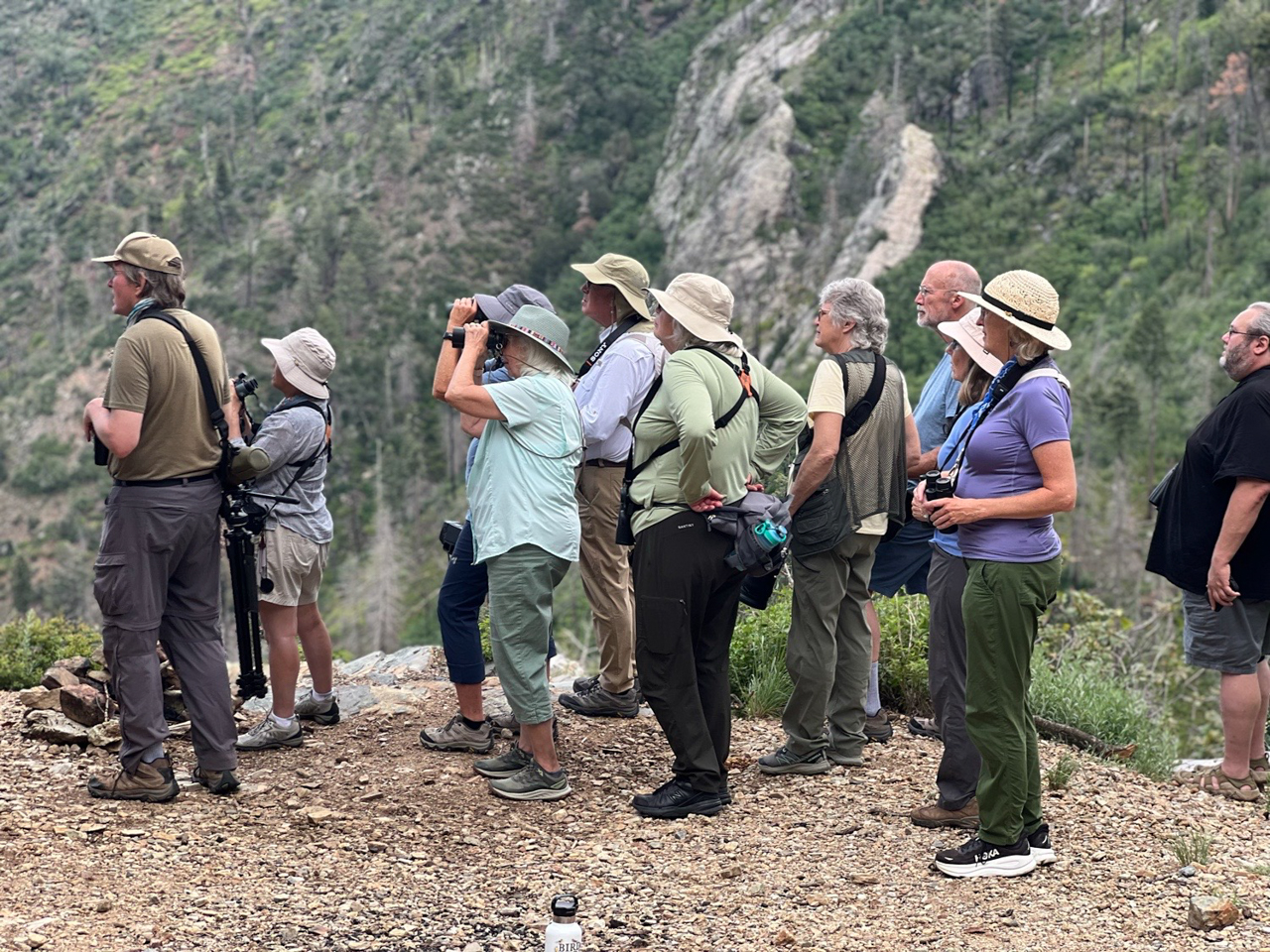
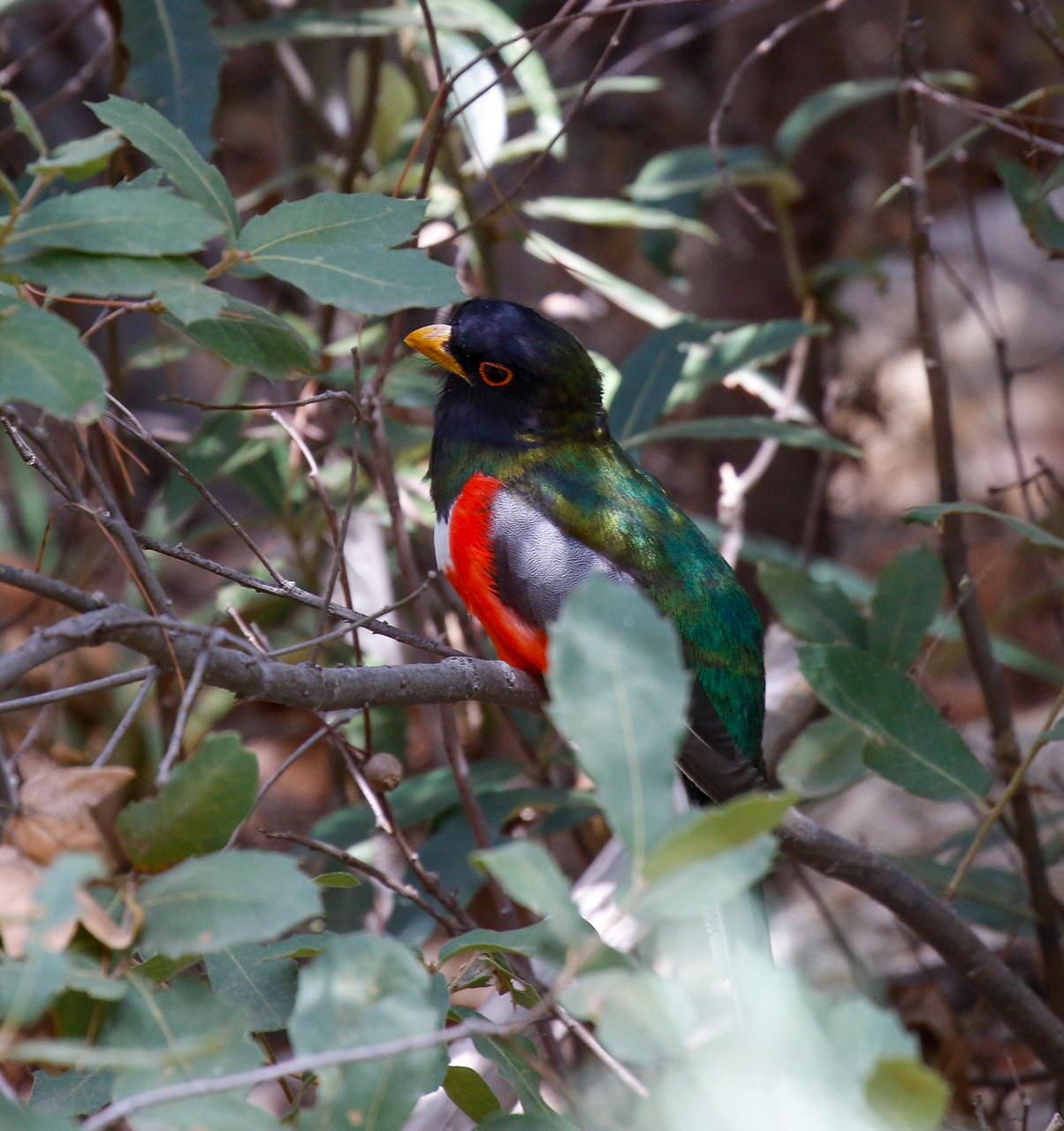
The middle phase of the expedition focused on the Chiricahua Mountains, widely considered the crown jewel of the Sky Islands. The team established a base in Portal, Arizona, to facilitate deep exploration of the surrounding canyons. A primary objective of the mission was the detection of the Coppery-tailed Trogon, an iconic species whose range extends north from the Sierra Madre mountains of Mexico. The successful sighting of a male, confirmed by its distinct vocalizations, highlights the ongoing viability of this species in the southern Arizona borderlands.
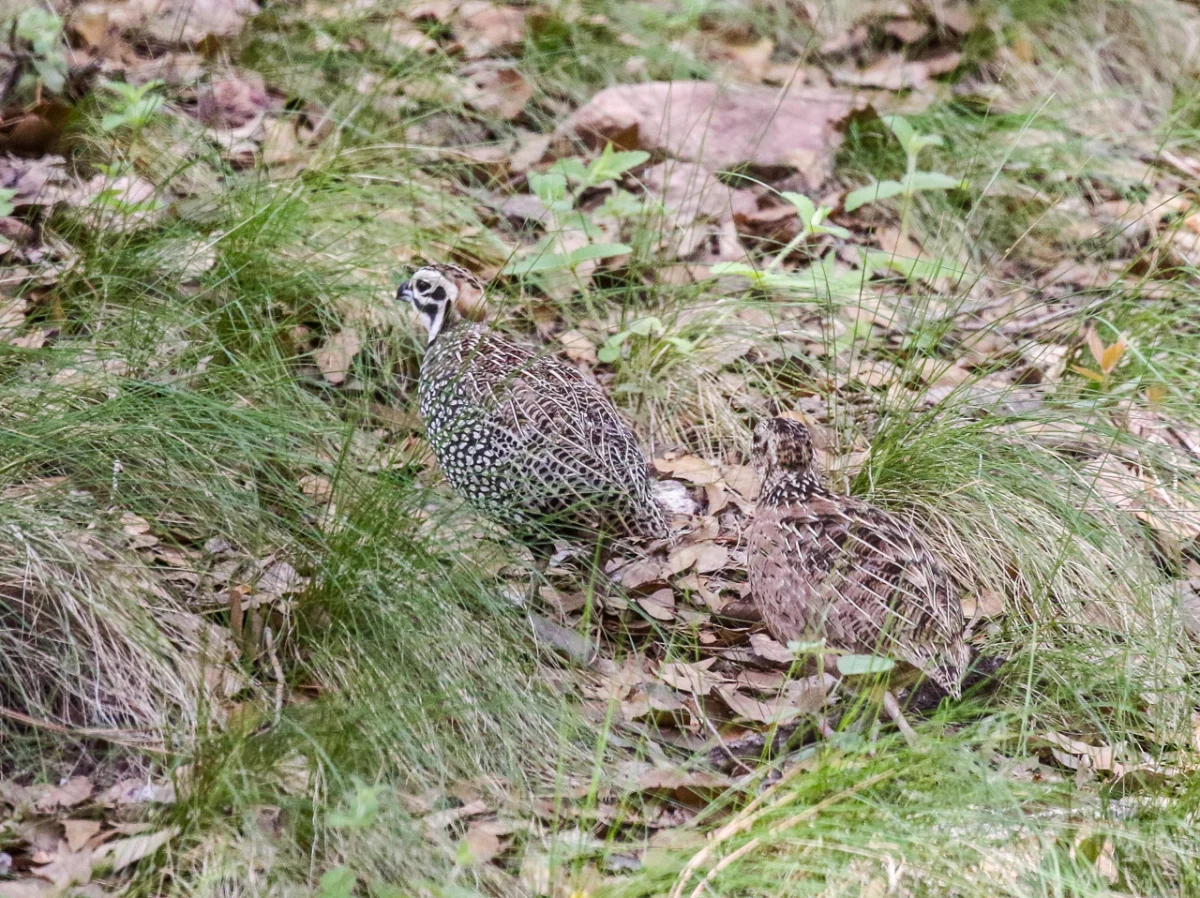
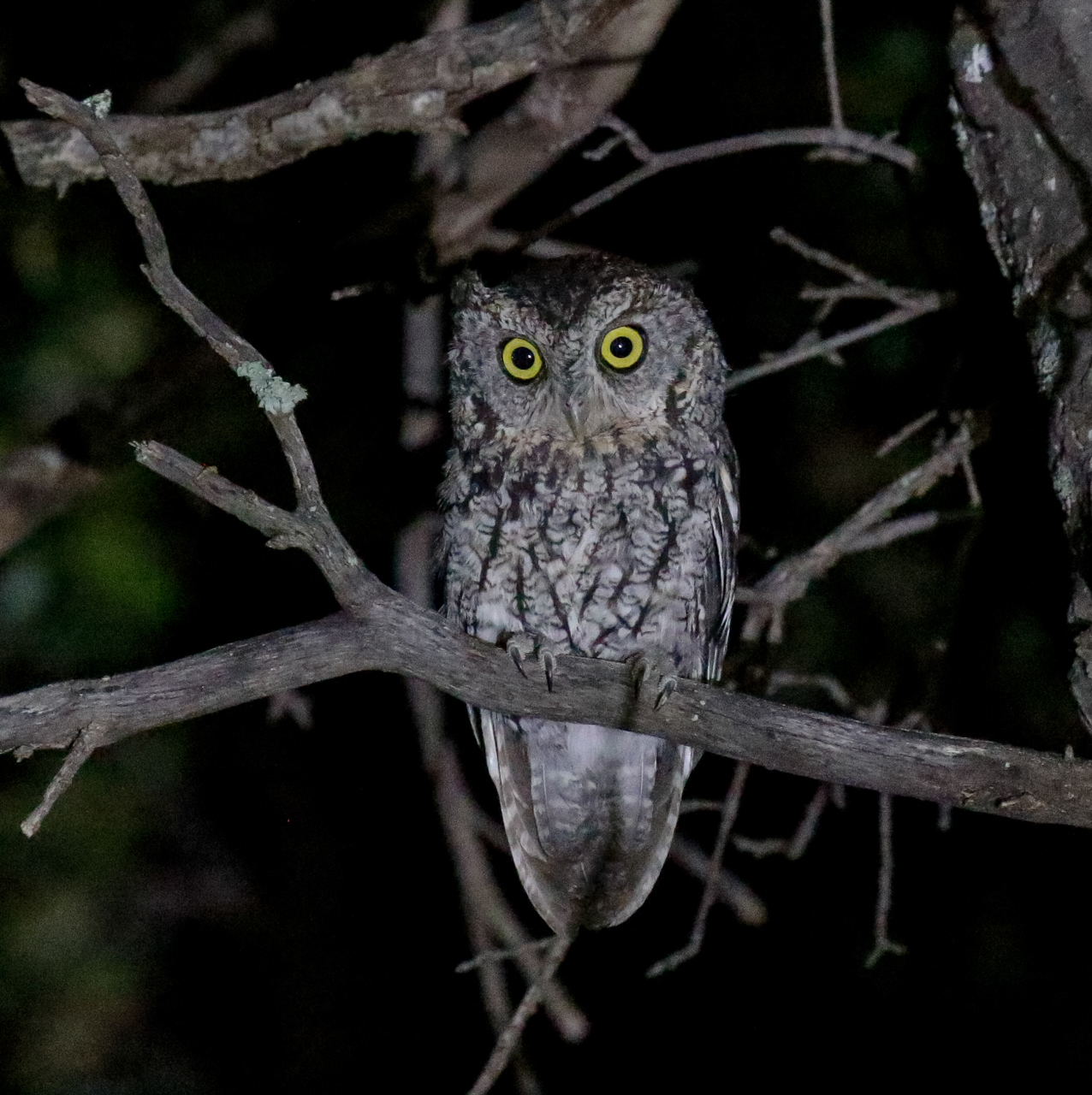
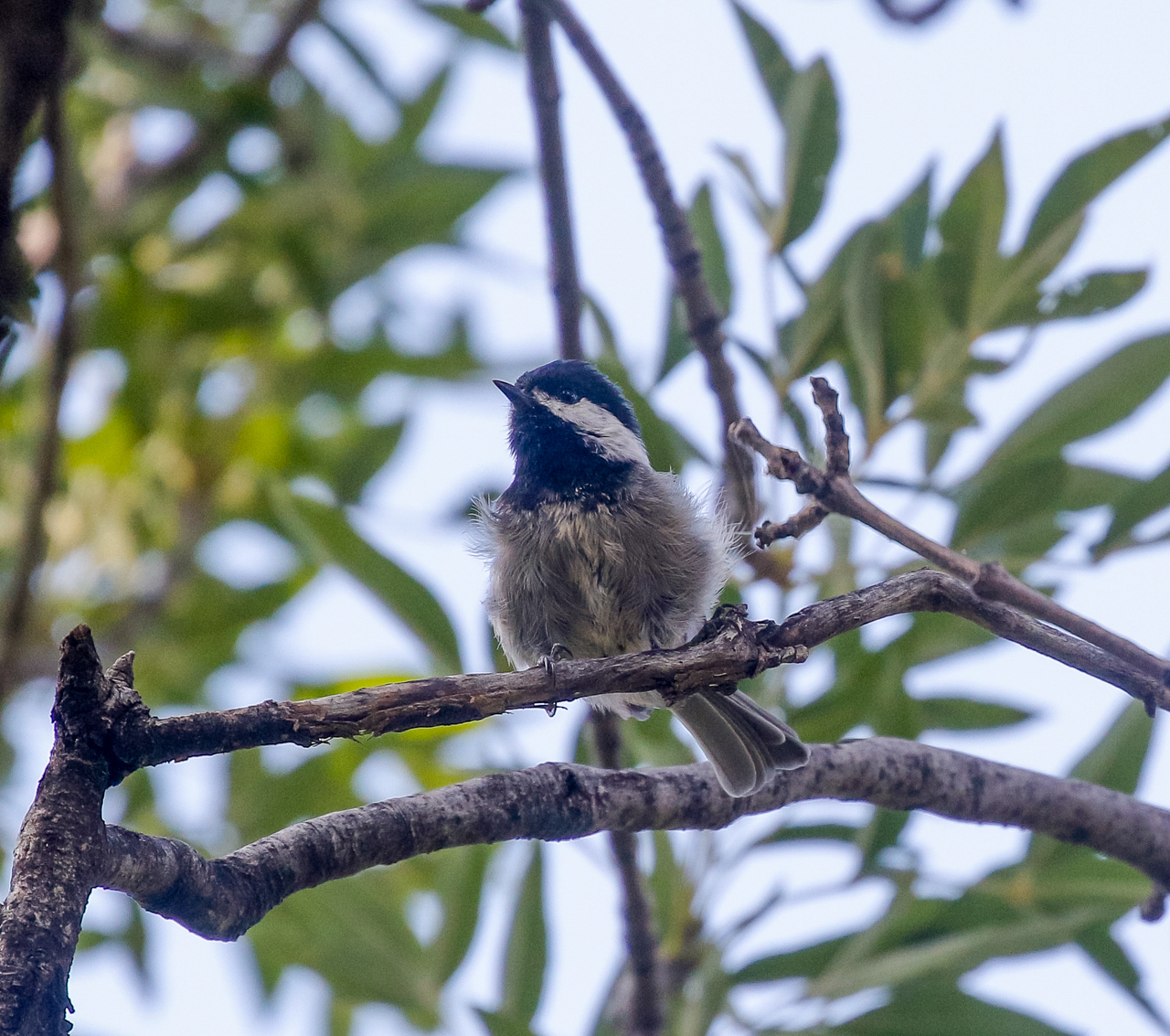
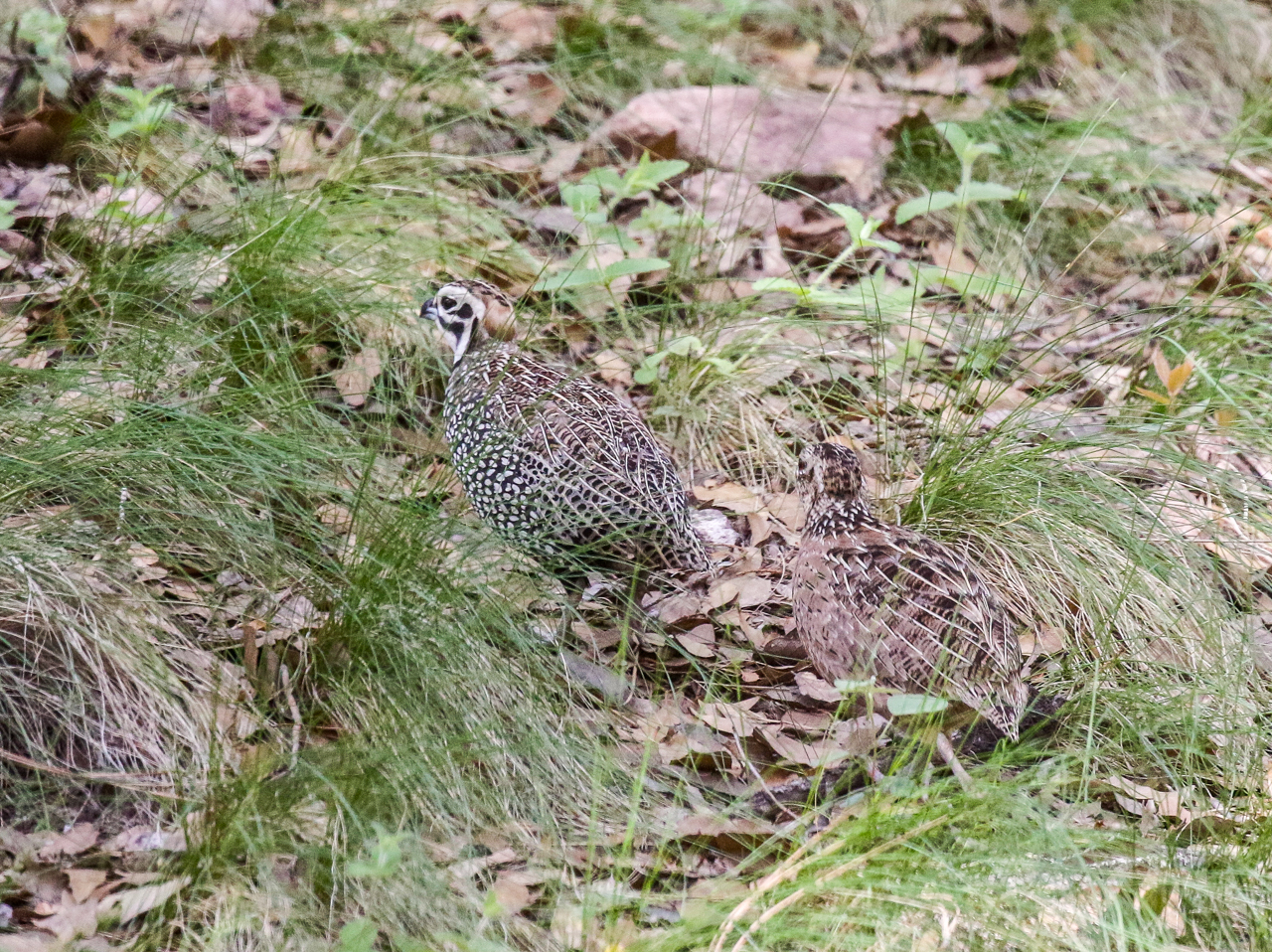
The Chiricahuas also yielded sightings of the rare White-eared Hummingbird and provided the team with an opportunity to document the Mexican Chickadee. Observations indicated that the population density of the Mexican Chickadee during this visit was higher than in previous seasons, suggesting a potentially successful breeding cycle or an influx due to favorable climatic conditions. Other notable records included the Montezuma Quail, a ground-dwelling species notoriously difficult to detect due to its cryptic plumage.
Analyzing the Huachuca and Santa Rita Ranges
The tour continued through the Huachuca Mountains, specifically Miller Canyon, where the focus turned to the diversity of the vireo and tanager families. The sighting of a male Flame-colored Tanager, following a prolonged period of observation, served as a testament to the patient methodology required for tracking elusive species in dense canopy habitats.
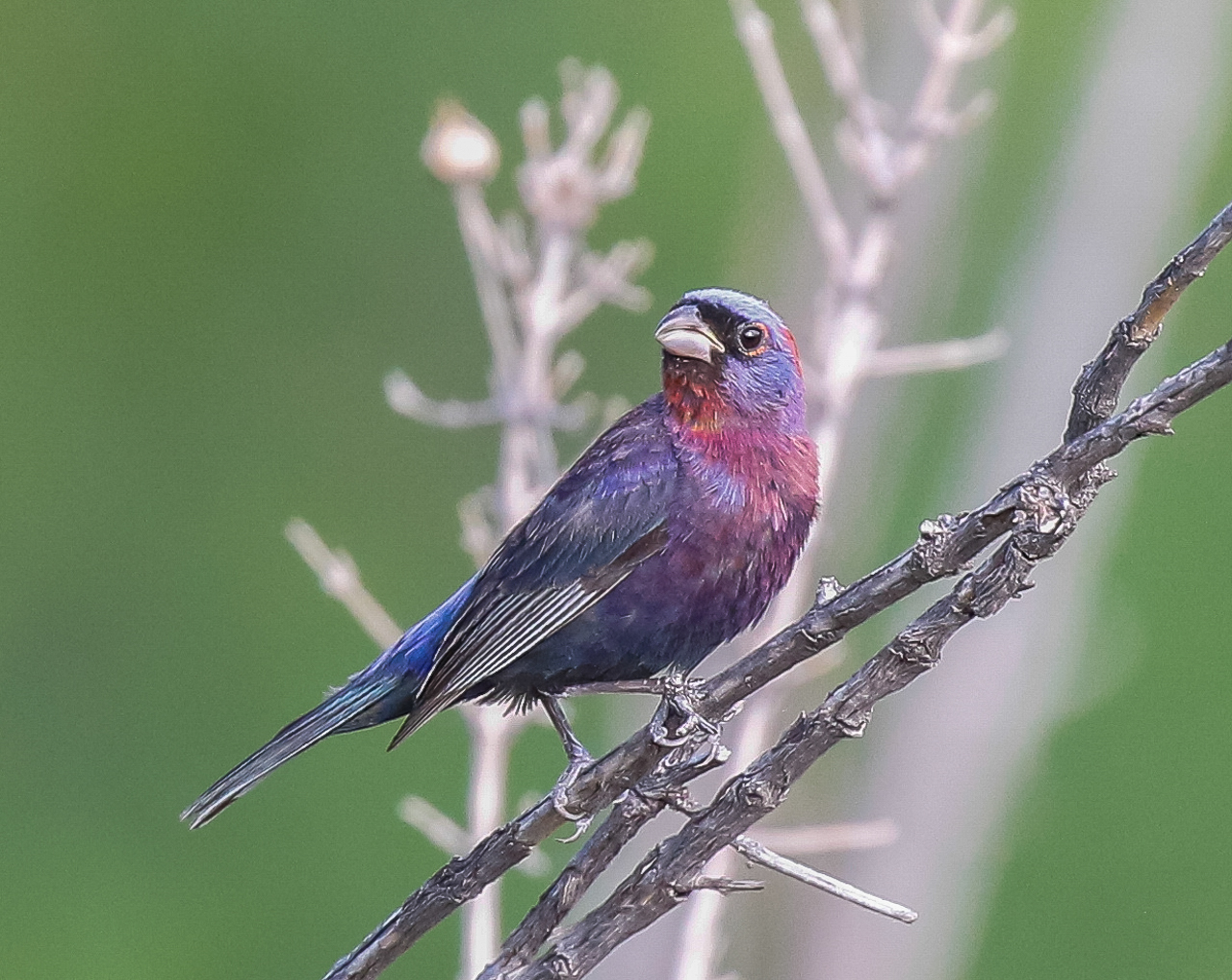
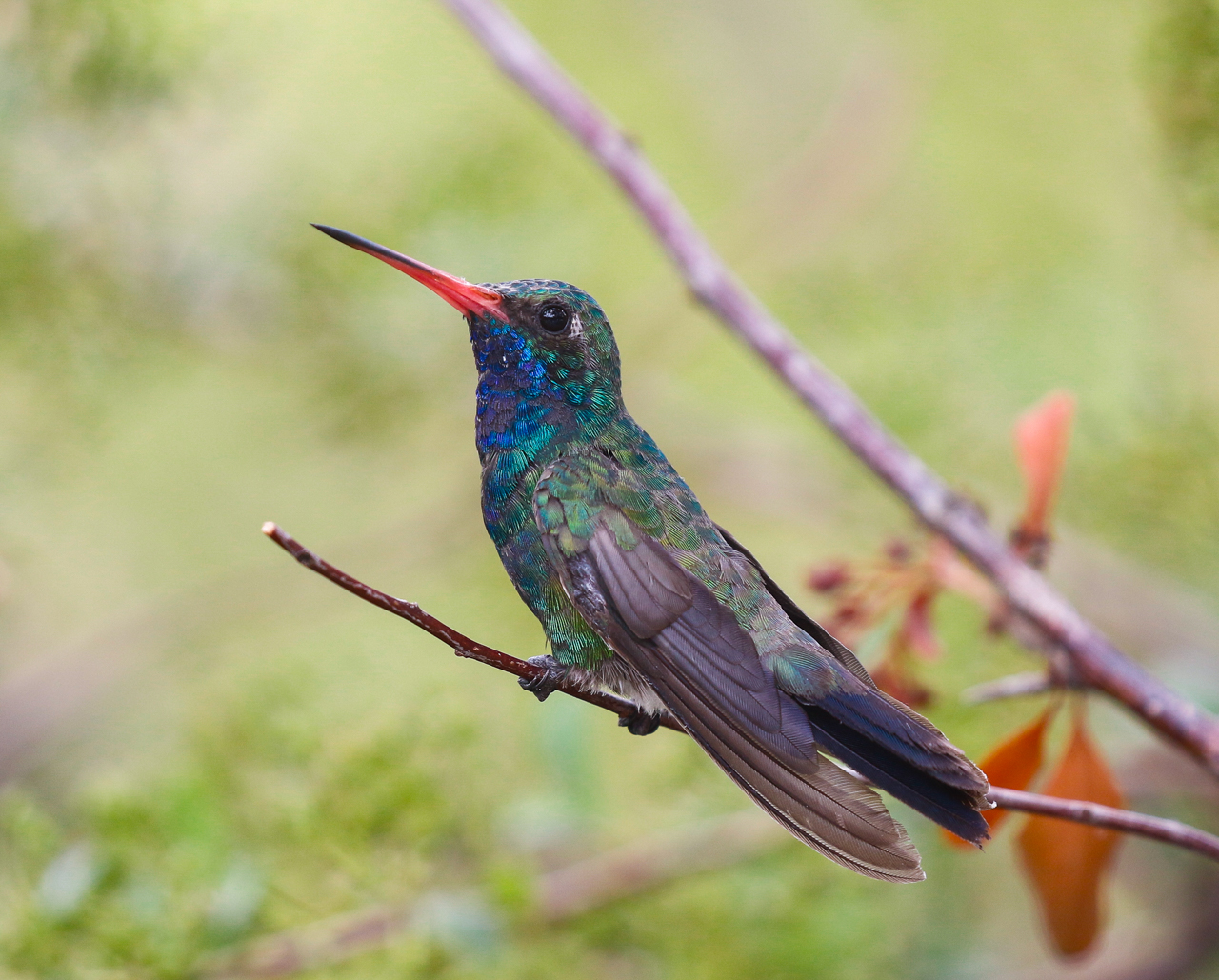
The final segments of the tour took place in the Patagonia Mountains and the Santa Rita Mountains. The Patagonia region is globally recognized for the Paton Center for Hummingbirds, a critical hub for the study of nectar-feeding birds. Here, the team recorded high concentrations of Black-chinned, Broad-billed, and Violet-crowned Hummingbirds. In the Santa Ritas, the focus shifted to the Five-striped Sparrow and the Varied Bunting, both of which are highly sought after by researchers and enthusiasts for their limited U.S. range.
Data Trends and Ornithological Observations
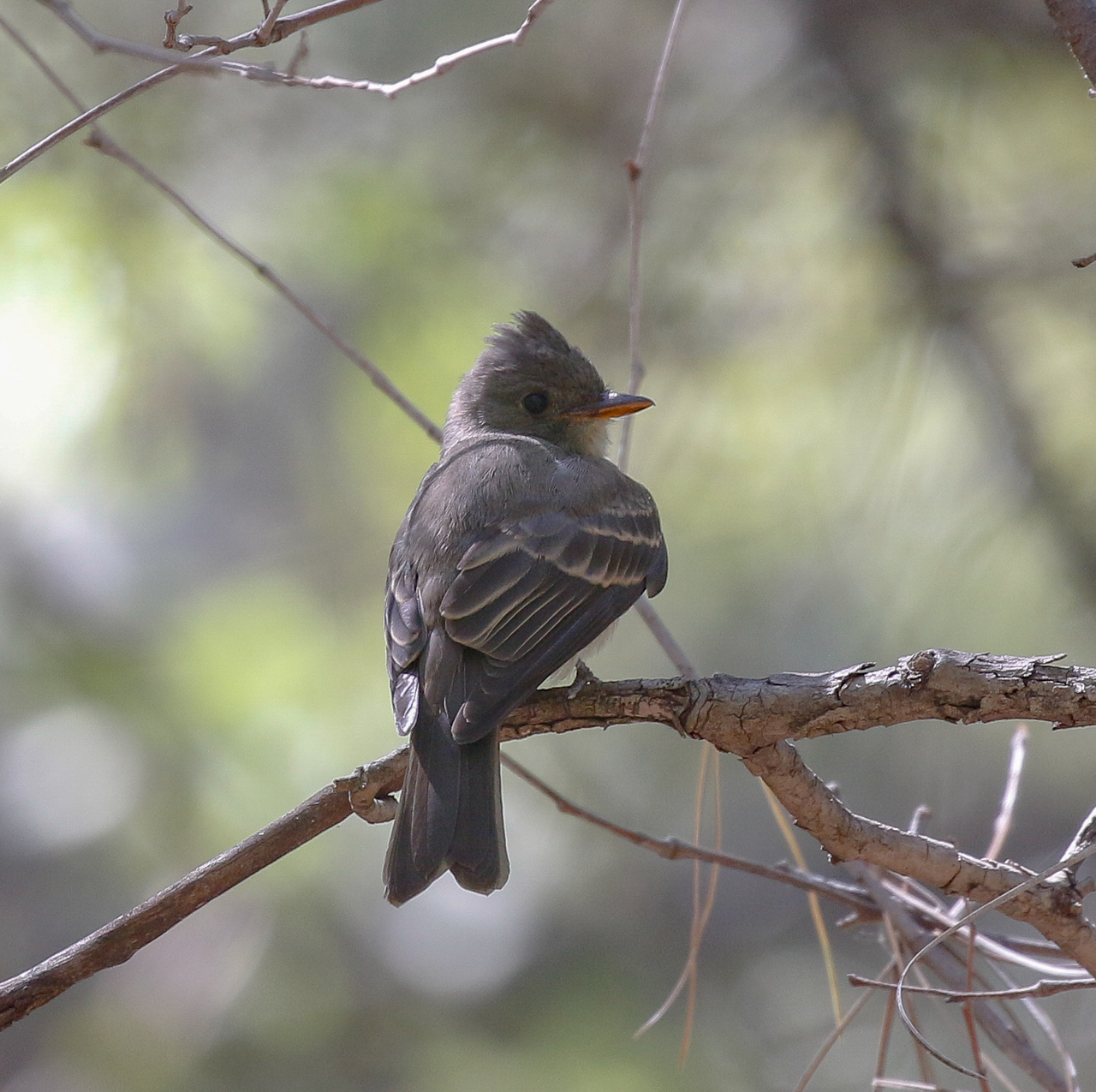
The expedition’s data collection reinforces several ongoing trends in North American ornithology. First, the resilience of "Sky Island" species is heavily dependent on the preservation of riparian corridors. As climate change alters the precipitation patterns in the Southwest, these canyons serve as vital refugia. The consistent presence of species such as the Sulphur-bellied Flycatcher and the Painted Redstart in Madera Canyon suggests that these specific microclimates remain stable enough to support high-density nesting.
Furthermore, the documentation of both migratory species (such as the Baird’s Sandpiper) and resident species (such as the Mexican Chickadee) confirms the importance of the region as a dual-purpose habitat. The success of the tour in identifying these species in their specific ecological niches provides a snapshot of current avian health in the region.
The Broader Impact of Birding Tourism
The economic and conservation impact of birding in Southeast Arizona cannot be overstated. Local conservationists, such as those associated with the Tucson Bird Alliance, note that bird-focused tourism provides a substantial incentive for habitat protection. By prioritizing the land for its biological value rather than development, the local economy benefits from "birders" who spend significant time and resources in local communities like Portal, Patagonia, and Green Valley.

The presence of experts and enthusiasts in these areas also aids in citizen science. Every sighting recorded by a tour group adds to the broader understanding of species distribution. For instance, the unexpected observation of an adult male Costa’s Hummingbird at a higher elevation than typical, as seen at the Santa Rita Lodge, contributes to the growing body of data regarding how species might be adjusting their vertical ranges in response to seasonal temperature fluctuations.
Conclusion and Future Outlook
The conclusion of the expedition, marked by a final gathering in Tucson, served as a reflection on the sheer density of avian life found within a relatively small geographical footprint. As the team observed a male Vermilion Flycatcher during their farewell dinner, it was a poignant reminder of how pervasive and accessible the biodiversity of the region is, provided that habitats remain protected.
The data gathered during this tour confirms that Southeast Arizona remains one of the most critical zones for avian research in the United States. The interplay between the high-altitude forests and the low-altitude desert remains a delicate balance. Moving forward, continued monitoring of these specific species—particularly those with limited ranges like the Gilded Flicker and the Five-striped Sparrow—will be essential for understanding the long-term impacts of environmental change on the unique ecosystems of the American Southwest. The success of this expedition underscores the necessity of inter-agency cooperation in land management, ensuring that these "Sky Islands" remain a sanctuary for the diverse avian populations that rely upon them for survival.
