
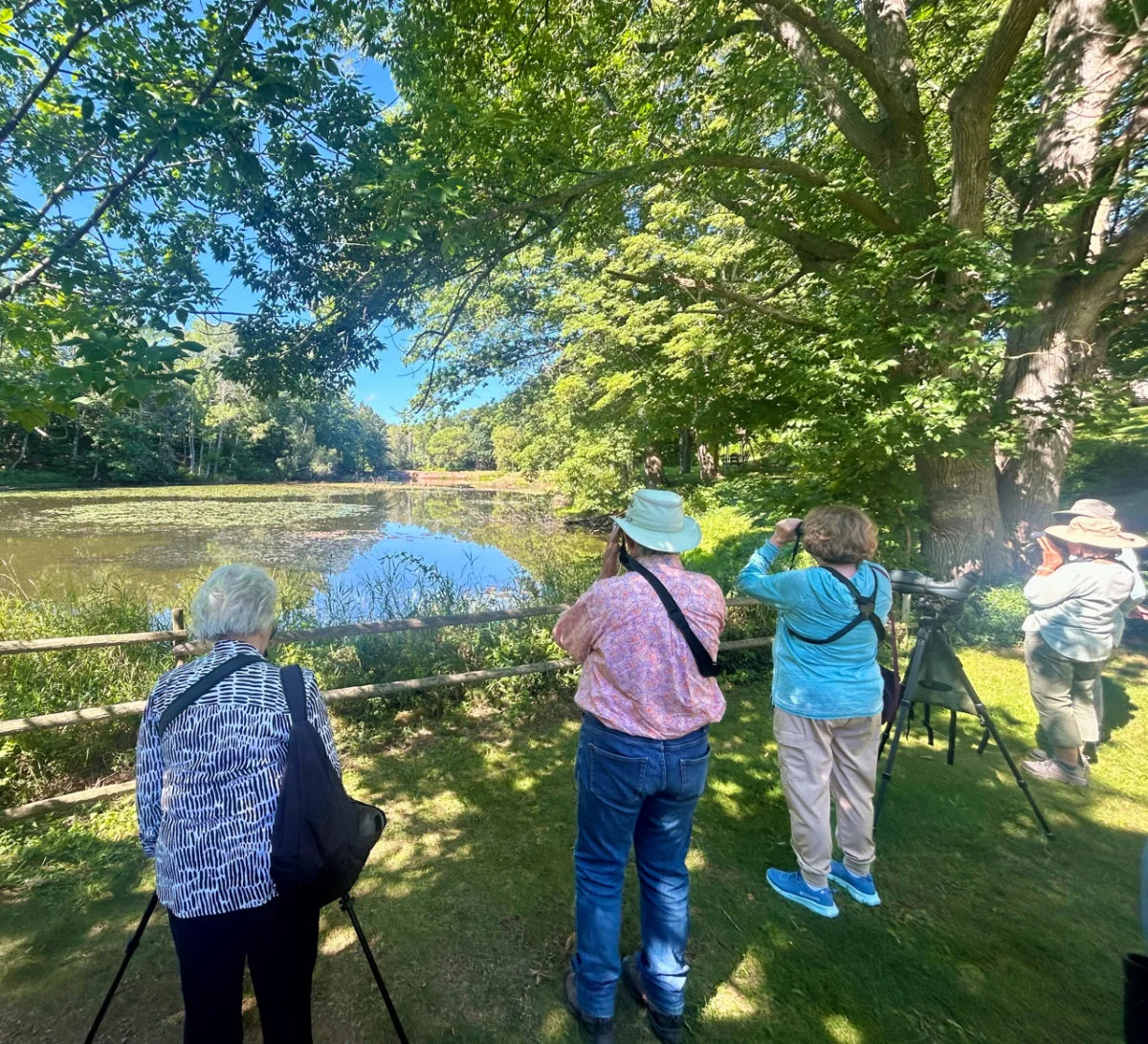
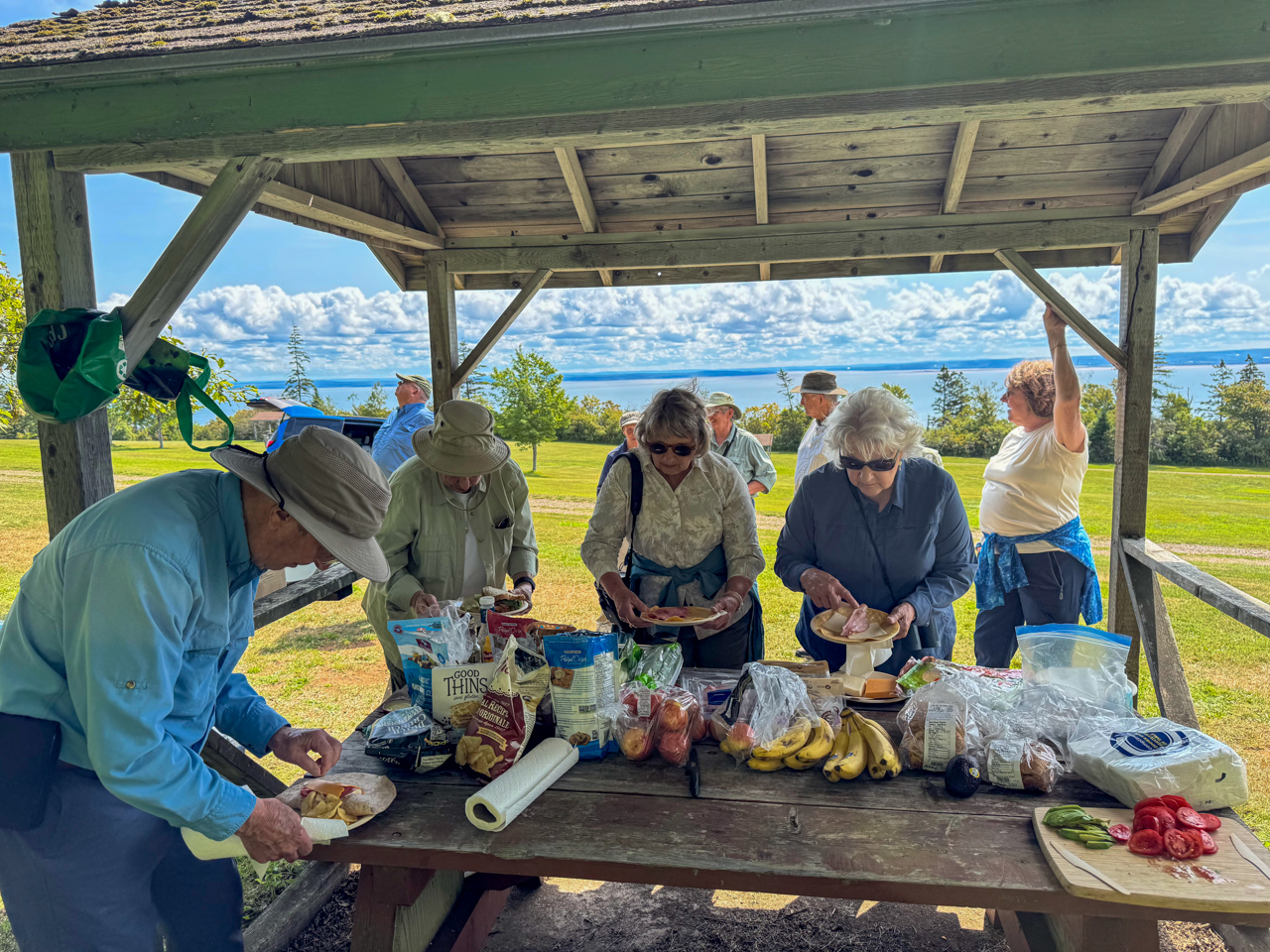
Fourteen nature enthusiasts and dedicated birders recently concluded a comprehensive nine-day journey across southern Nova Scotia, documenting a diverse array of avian species during the height of the fall migration season. This excursion, organized as a Birds Canada Supporters tour, served both as an immersive field study and a fundraising initiative, with proceeds directed toward ongoing avian conservation efforts in the Atlantic region. Over the course of the expedition, the group logged 144 distinct bird species, underscoring the vital role the province plays as a strategic stopover for migratory birds traveling along the Atlantic Flyway.
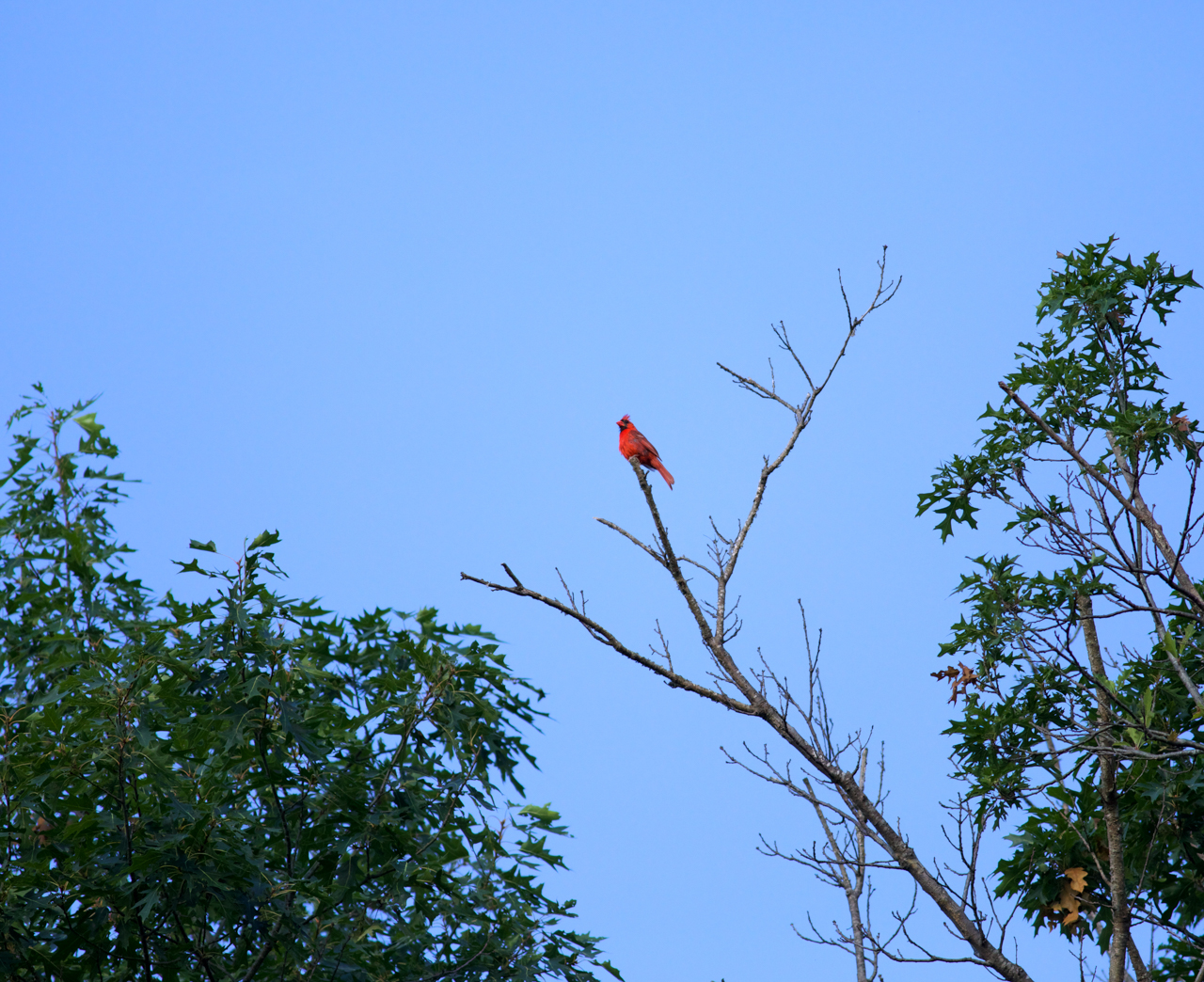
The itinerary was meticulously designed to traverse the varied ecosystems of southern Nova Scotia, from the tidal mudflats of the Bay of Fundy to the boreal forests and rugged coastal headlands of the South Shore. By focusing on critical "migrant traps"—geographic bottlenecks where birds naturally concentrate—the expedition provided participants with unique opportunities to observe complex foraging behaviors, mass migration phenomena, and rare vagrant species.
A Chronology of the Expedition
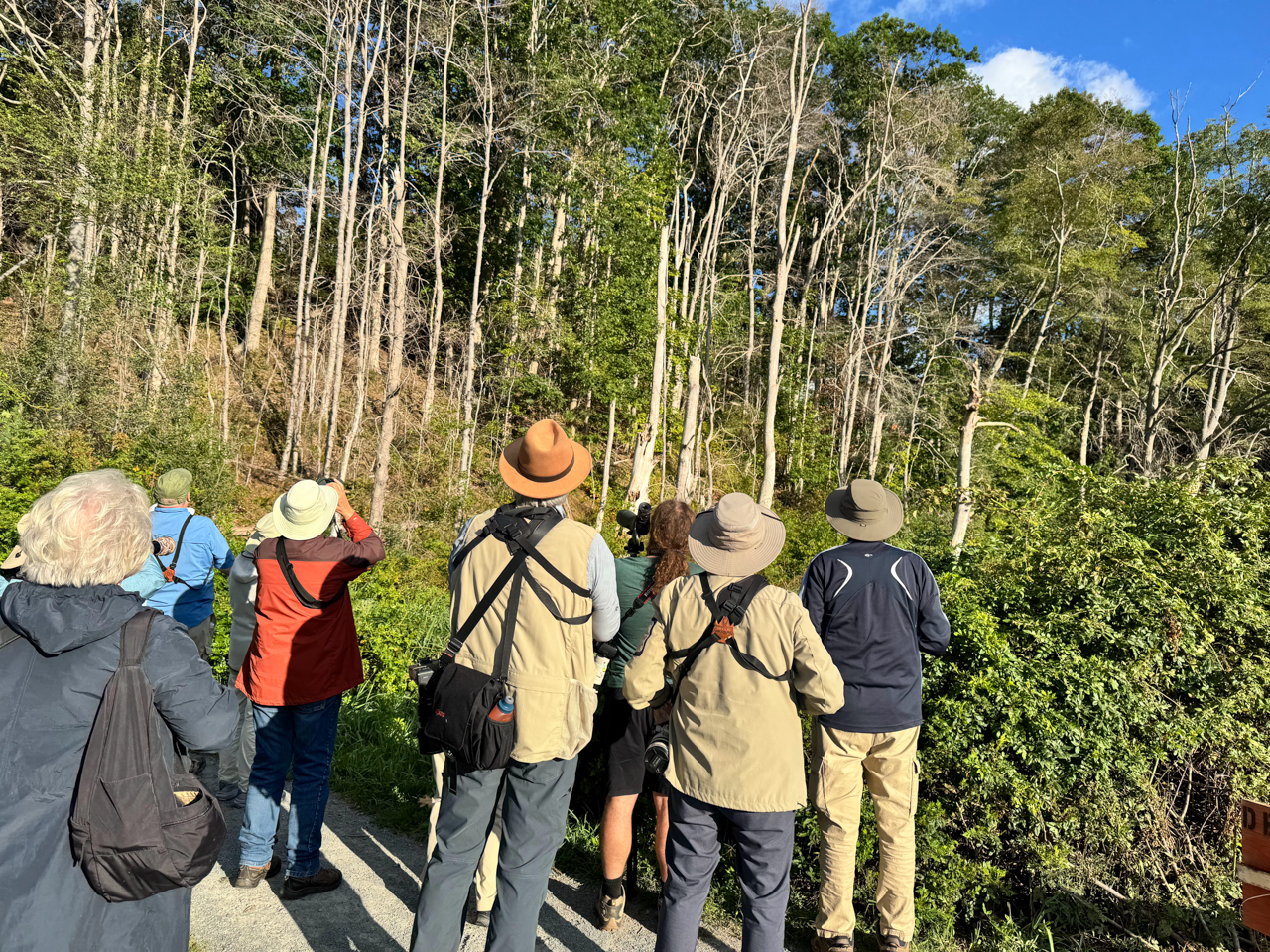
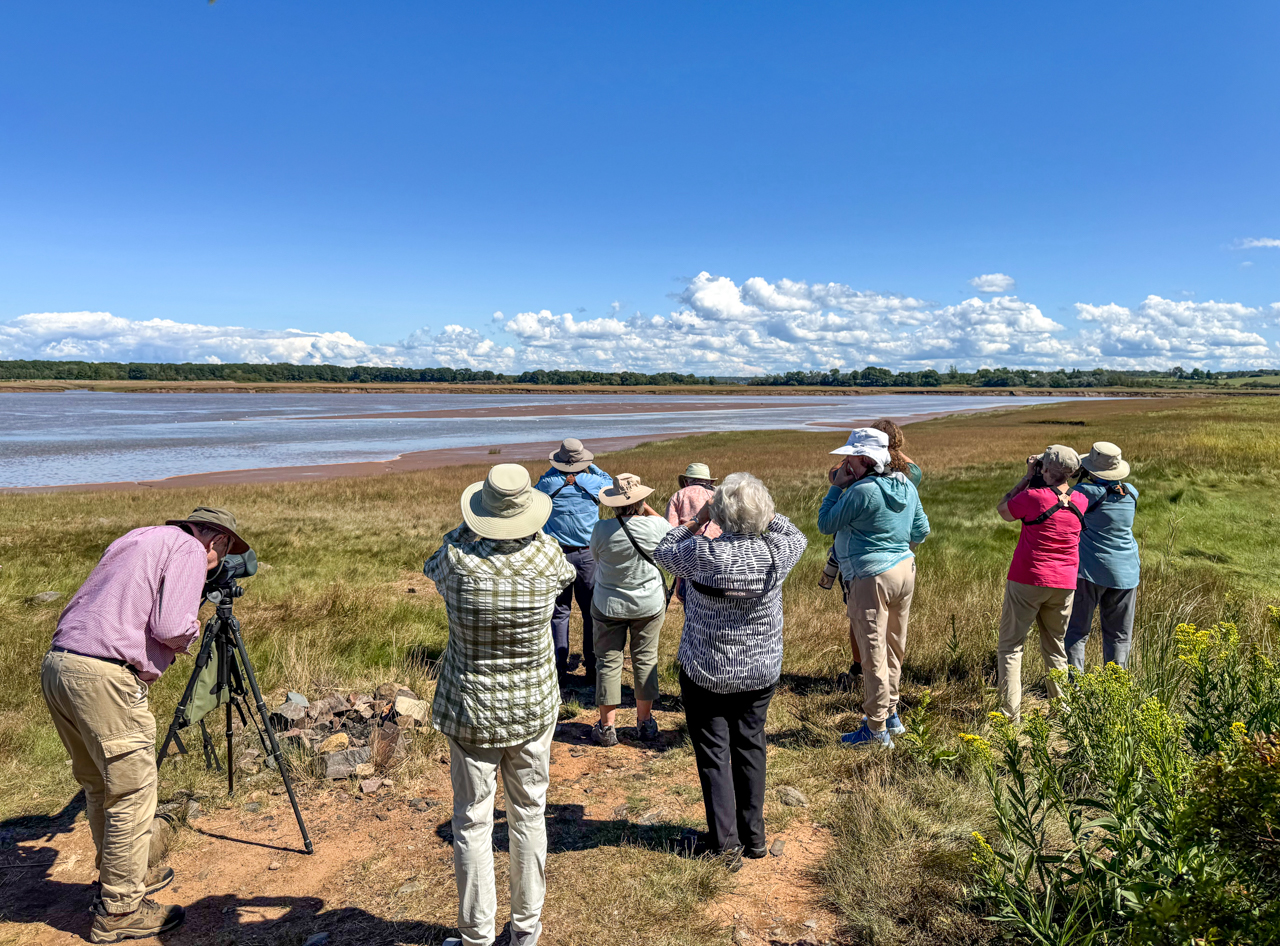
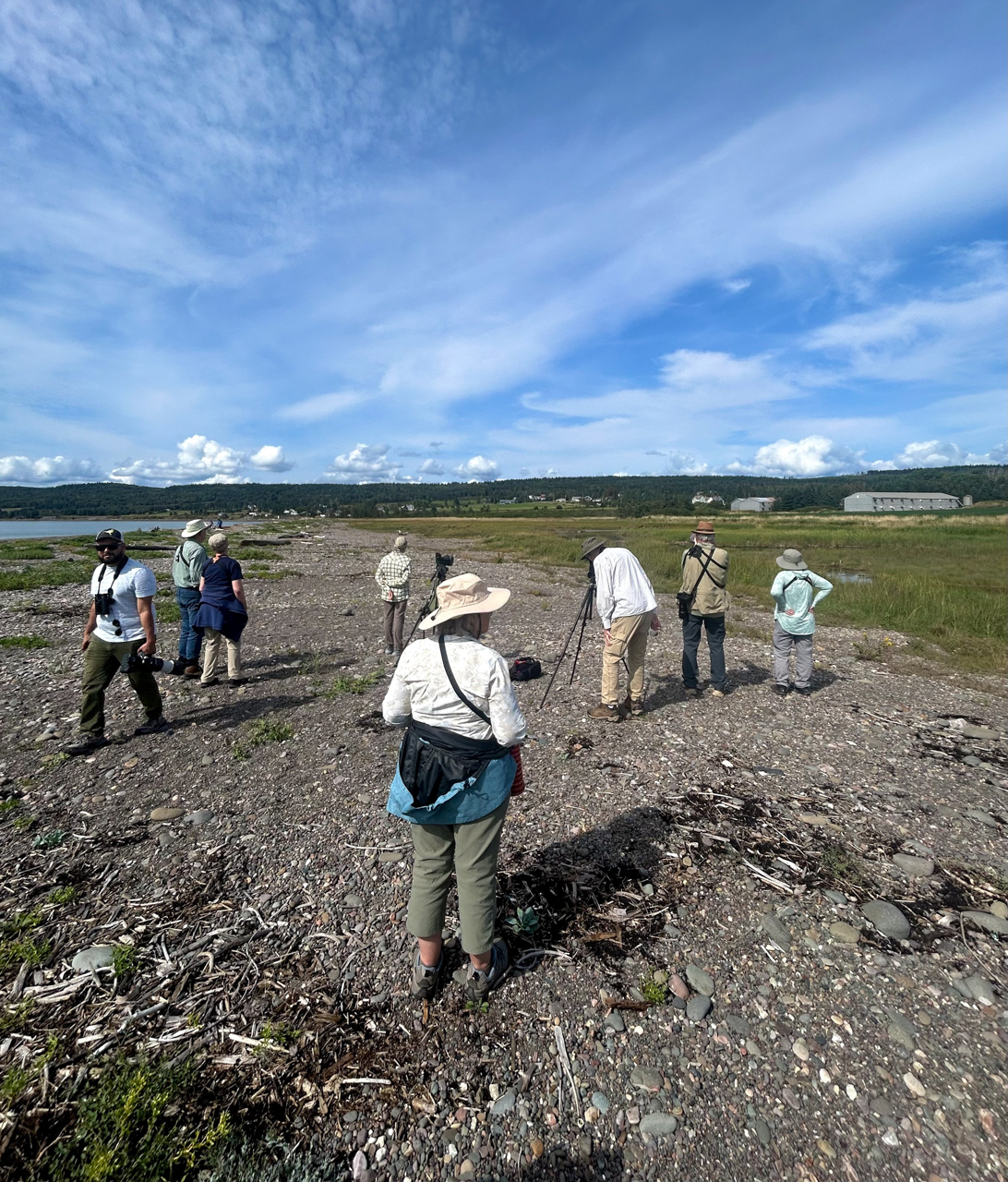
The journey began in Halifax, where the group consolidated before heading to the Annapolis Valley. The first several days were dedicated to the Bay of Fundy, home to the world’s highest tides. At sites such as Miner’s Marsh and the historic Grand Pré area, participants observed the dramatic interaction between the receding tides and shorebird activity. The group witnessed the rapid disappearance of mudflats at Horton Landing, a phenomenon that forces shorebirds to relocate to high-tide roosts, providing a rare spectacle of mass avian movement.
By the fourth day, the expedition transitioned to the Digby Neck and Brier Island. The latter is globally recognized as a premier location for pelagic birding. A chartered excursion into the Bay of Fundy proved to be a highlight of the tour; participants encountered seven South Polar Skuas—a significantly higher number than typically recorded in the region—alongside Atlantic Puffins, Manx Shearwaters, and Northern Fulmars. The observation of humpback whales provided a secondary layer of ecological interest, highlighting the nutrient-rich waters that sustain both marine mammals and pelagic bird populations.
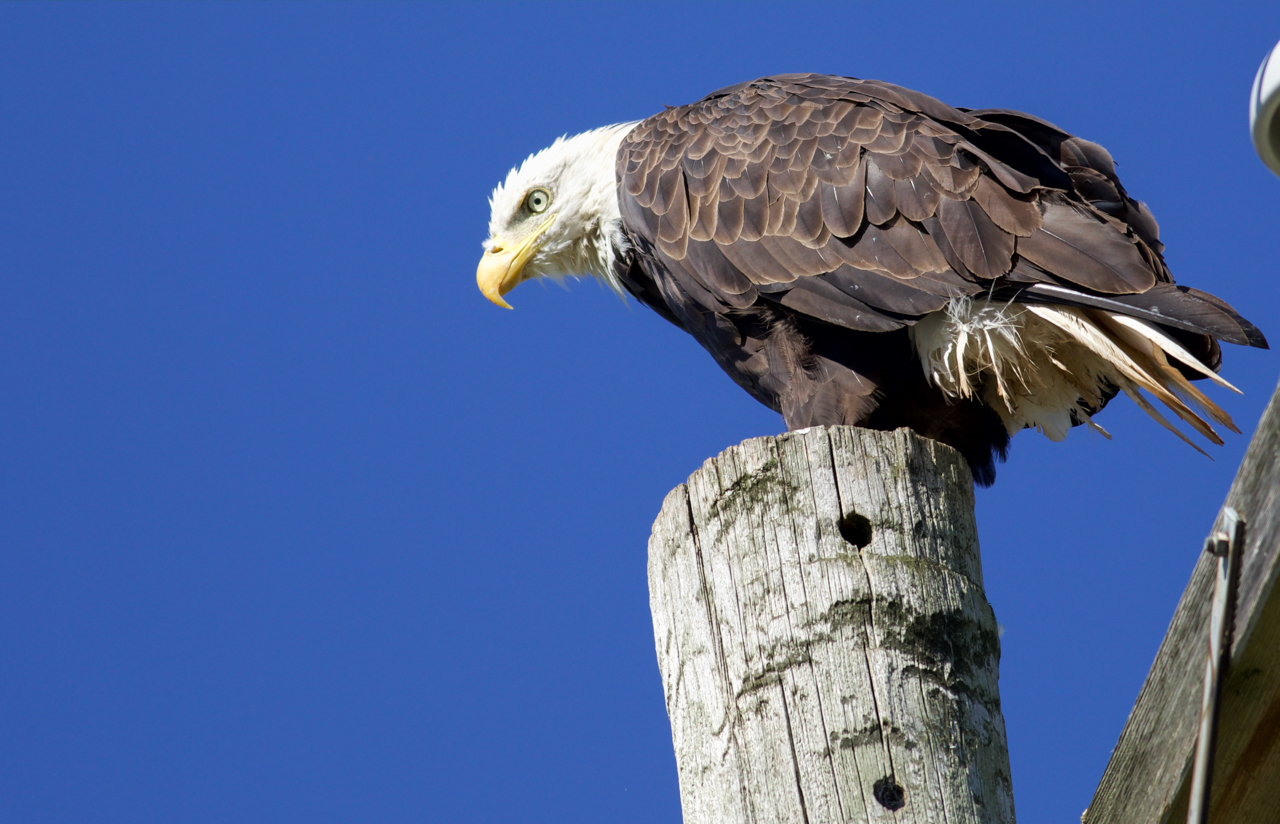
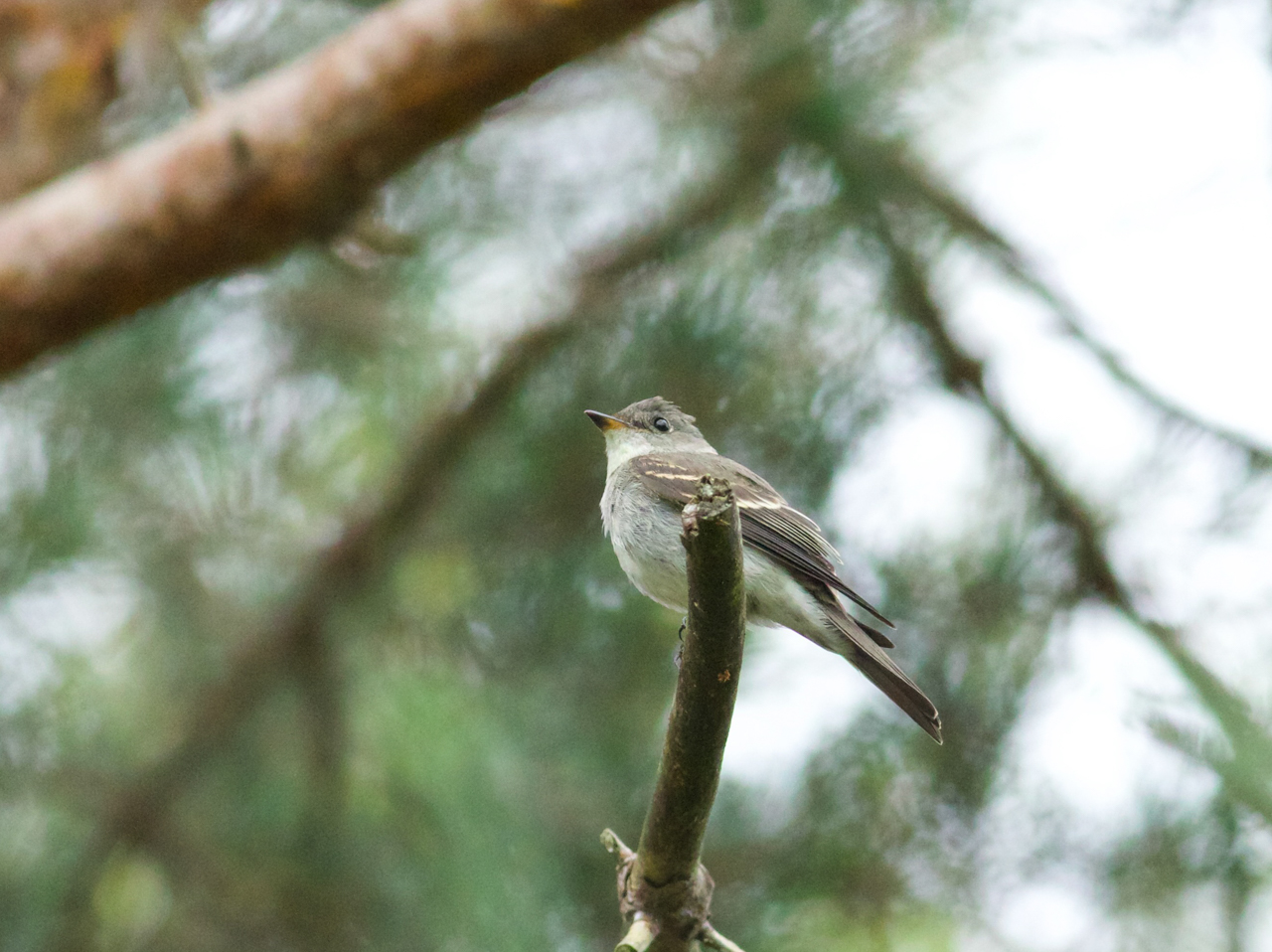
The latter half of the tour focused on the southern tip of the province, including Yarmouth and Cape Sable Island (CSI). Known for its historical significance in harboring vagrant species, CSI allowed the group to document various songbirds and shorebirds, including a Buff-breasted Sandpiper. The final stages of the trip took the group through Lunenburg and back toward the Halifax area, concluding with visits to Peggy’s Cove and Point Pleasant Park, where participants observed late-season migrants and local residents alike.
Supporting Data and Ecological Context
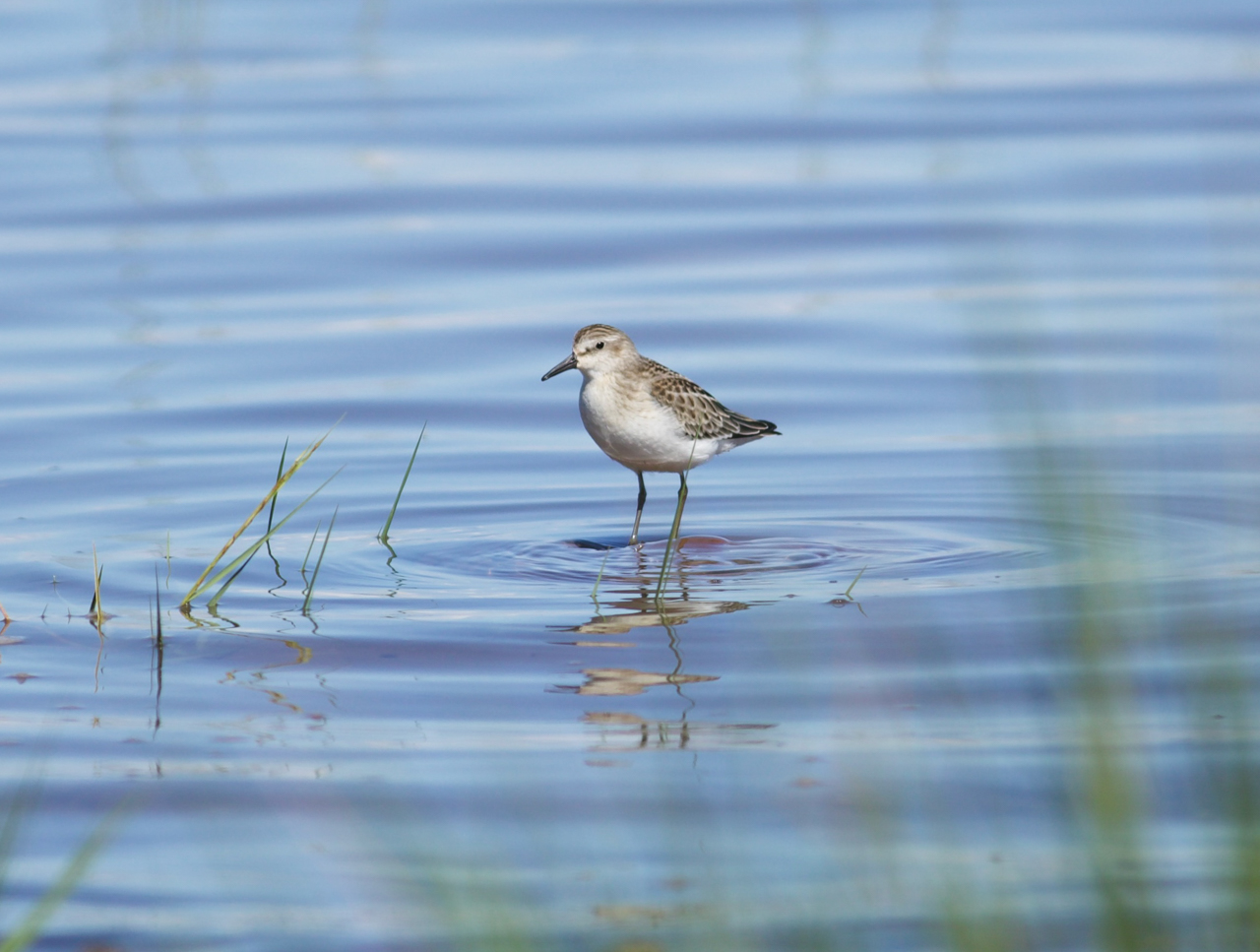
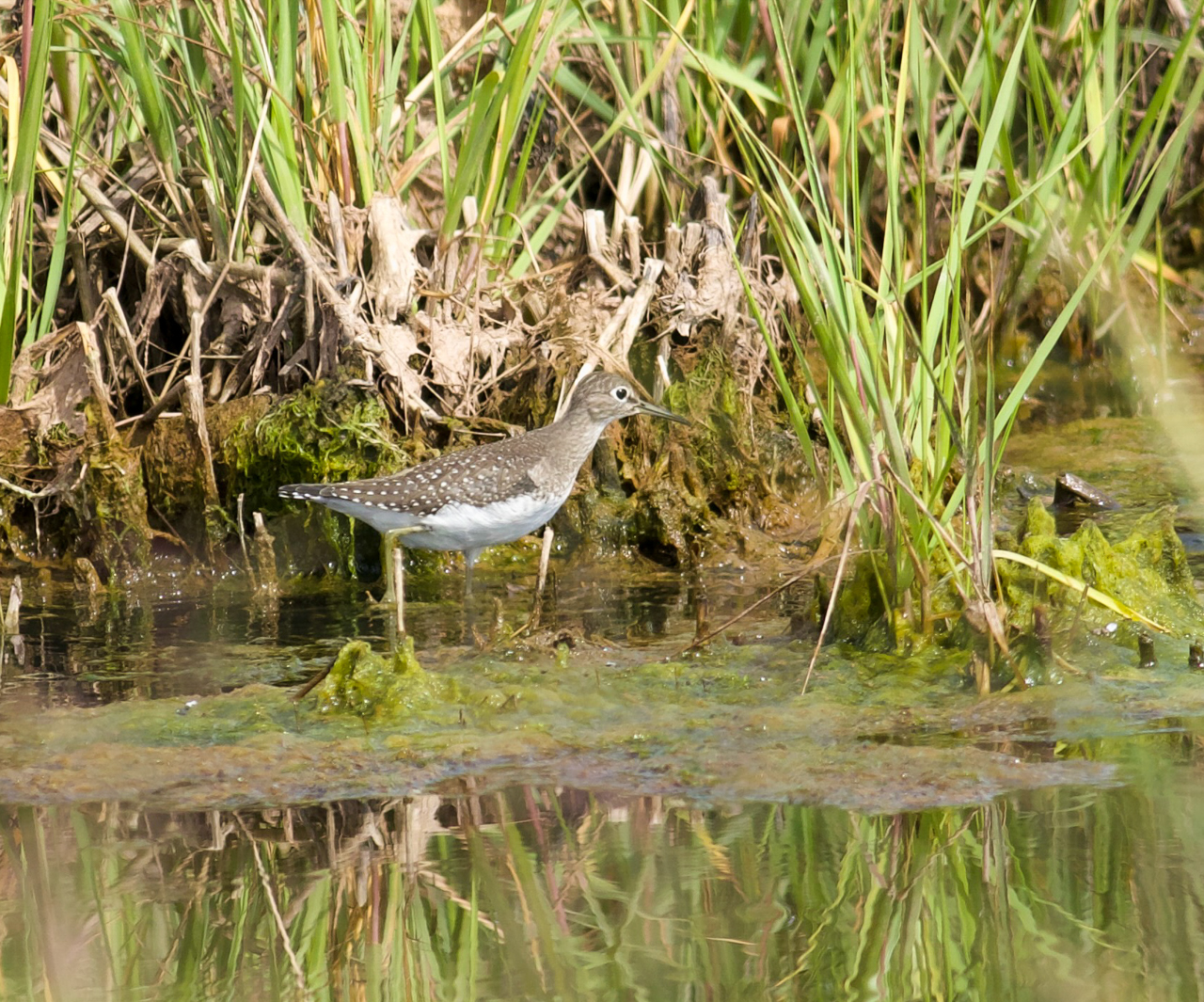
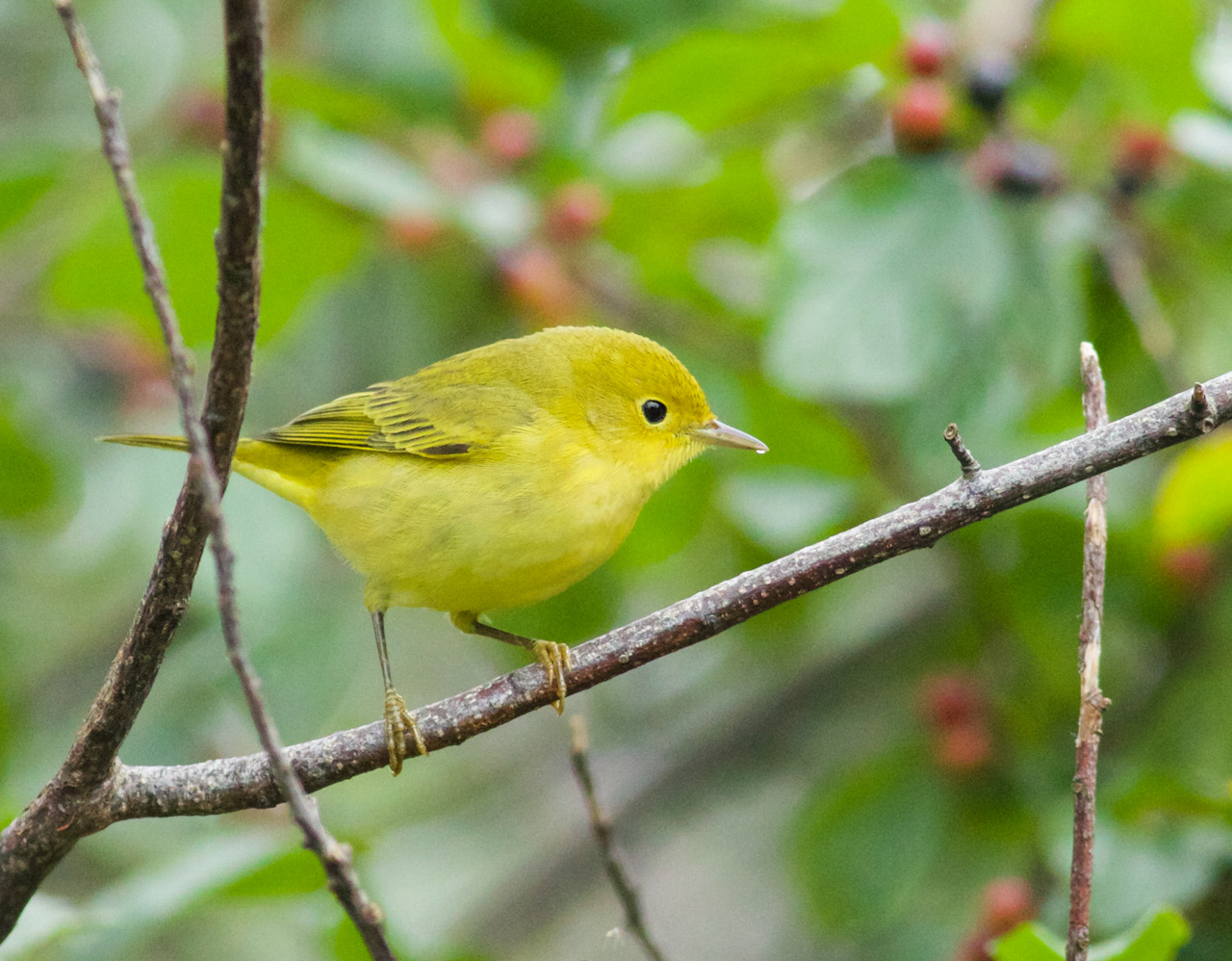
The success of this expedition is supported by the strategic selection of survey locations. The Annapolis Valley and the southern coast of Nova Scotia serve as essential "refueling stations" for birds migrating from the Arctic to South America. The data collected during the tour—which included sightings of Red Knots, Hudsonian Whimbrels, and various warbler species—aligns with regional monitoring trends that emphasize the importance of protecting intertidal mudflats and stopover habitat.
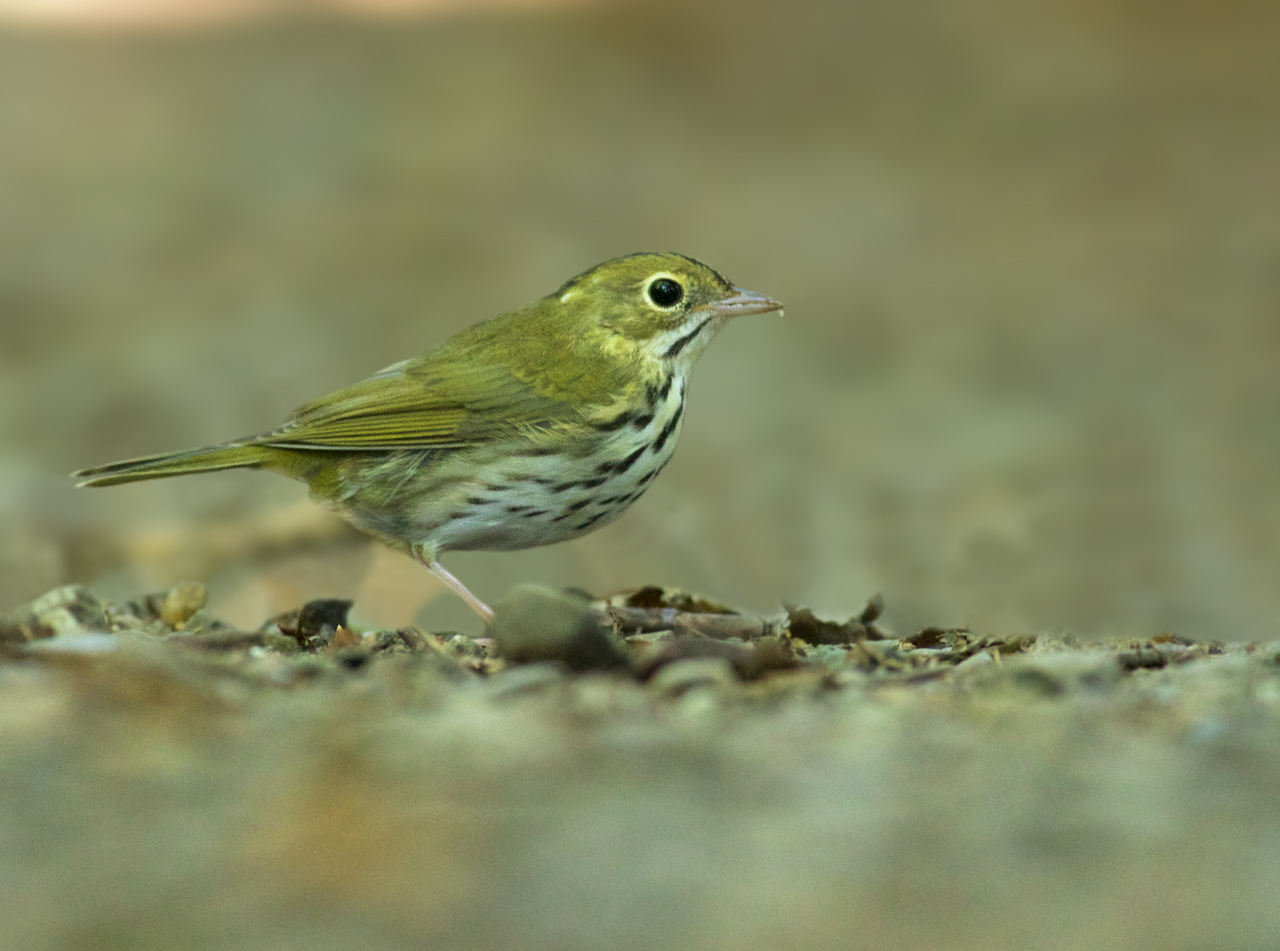
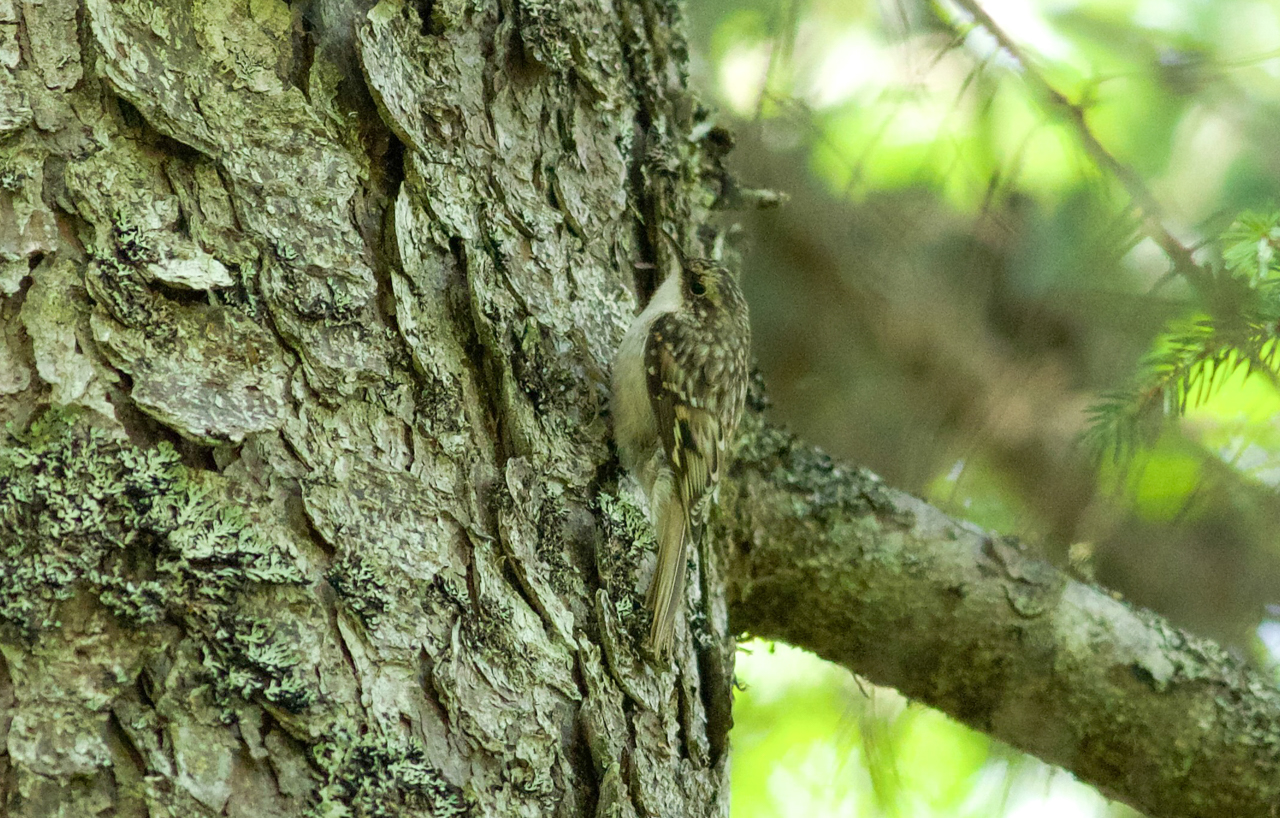
The identification of 144 species demonstrates the high level of biodiversity within Nova Scotia’s protected areas. Furthermore, the observation of declining species, such as the Boreal Chickadee, provides anecdotal but significant evidence of the pressures exerted on these populations by climate change and habitat fragmentation. Experts note that as forest composition changes, the range of these birds continues to shift, making documented sightings in areas like the Winnie-Penney Woods essential for longitudinal studies.

Official Response and Conservation Implications
The tour was explicitly structured to benefit Birds Canada, an organization focused on the conservation of wild birds through science, education, and advocacy. Representatives noted that the financial contributions from such tours are vital for sustaining long-term monitoring programs. These programs provide the data necessary to influence land-use policy and protect critical migratory corridors.
"The engagement of citizen scientists in these expeditions is not merely recreational; it is a vital component of our data collection process," noted an organization spokesperson. By mapping the presence of species in real-time, the group provided a snapshot of migration health that complements formal ornithological research. The tour also facilitated discussions regarding the socio-economic importance of birding tourism in Nova Scotia, suggesting that the protection of natural habitats is inherently linked to the economic vitality of rural coastal communities.
Analysis of the Migration Phenomenon
The "migrant trap" effect observed at locations like Chebogue Point and Brier Island is a well-documented phenomenon in ornithology. When migratory birds encounter large bodies of water, they often hesitate to cross, leading to a buildup of individuals in the coastal edge habitats. This creates a dense concentration of species, which, while beneficial for birders, highlights the fragility of these specific areas. Any development or degradation of these "bottleneck" habitats could have disproportionate consequences for migratory populations that rely on these specific locations for sustenance before attempting dangerous oceanic crossings.
The expedition’s success in identifying both common and rare species, including the Long-tailed Jaeger and various warblers, highlights the effectiveness of the current conservation strategy in the province. However, the report also serves as a reminder of the shifting status of many species. The presence of the Buff-breasted Sandpiper, a species currently experiencing a range-wide decline, serves as a focal point for conservationists, illustrating the necessity of maintaining high-quality habitat along the entire Atlantic Flyway.
Legacy and Broader Impact
The conclusion of the tour in Halifax was marked by a synthesis of the group’s findings and a reflection on the logistical and ecological lessons learned. Beyond the tally of 144 species, the tour succeeded in fostering a deeper understanding of the interdependence between local ecosystems and global migratory patterns.
The logistical challenges faced by the group—including fog, wind, and shifting weather systems—mirrored the real-world conditions that migrating birds must navigate. This provided participants with a tangible appreciation for the physiological and behavioral endurance required for migration. As the group dispersed, the consensus remained that the preservation of southern Nova Scotia’s unique coastal and forest environments is non-negotiable for the future of North American bird populations.
The integration of educational outreach with conservation funding represents a sustainable model for nature-based tourism. By documenting the birds and the habitats they require, the 14 participants of this expedition have contributed to a broader narrative regarding environmental stewardship in Atlantic Canada. The data points gathered, the photographs archived, and the awareness raised serve as a functional asset for future conservation planning, ensuring that the migration routes of the Atlantic Flyway remain protected for generations to come.
Ultimately, the expedition was more than a birding trip; it was a testament to the resilience of nature and the commitment of those dedicated to its study. As global biodiversity faces unprecedented threats, the collaboration between private citizens and conservation organizations like Birds Canada provides a beacon of proactive engagement, demonstrating that informed public participation is one of the most effective tools for environmental protection.
