
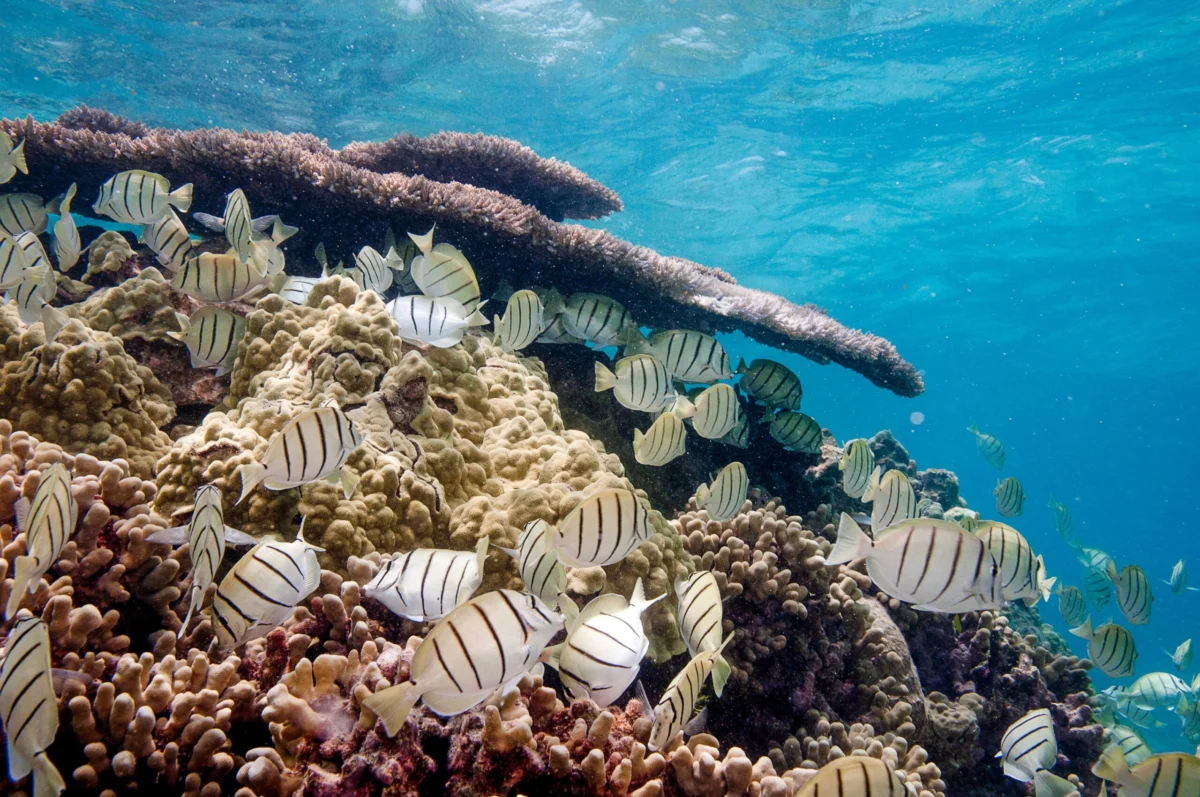
The vast expanse of the United States’ maritime territory represents more than just a geopolitical boundary; it serves as a critical repository of biological, cultural, and historical significance. Stretching from the secluded, pristine atolls of the Papahānaumokuākea Marine National Monument in the Northwest Hawaiian Islands to the highly accessible, bustling coastal waters of the Monterey Bay National Marine Sanctuary, the U.S. federal government oversees a sprawling network of protected waters. These areas—comprising five marine national monuments and 18 national marine sanctuaries—function as essential safeguards for the nation’s oceanic health. Covering millions of acres, these sites provide a sanctuary for biodiversity, a laboratory for scientific inquiry, and a cornerstone for the multi-billion-dollar American marine economy.
A Legacy of Protection: The Antiquities Act and Legislative Framework
The legal architecture governing these waters is rooted in a tradition of conservation that dates back to the early 20th century. The Antiquities Act of 1906 remains a pivotal instrument in this framework, granting the President of the United States the authority to designate marine and land-based national monuments to protect areas containing significant natural, cultural, historical, or scientific features. This executive power allows for immediate protection of vulnerable ecosystems, circumventing the often-protracted timelines of congressional debate.
Conversely, the establishment of national marine sanctuaries involves a distinct, more rigorous public legislative process. This process ensures that local stakeholders, environmental groups, and commercial interests have an opportunity to weigh in on management plans. Once a designation is finalized, these waters are categorized as public lands. Management is typically a collaborative effort between the U.S. Fish and Wildlife Service (USFWS) and the National Oceanic and Atmospheric Administration (NOAA). This joint stewardship is tasked with the delicate balance of preserving national treasures while simultaneously facilitating public access, sustainable recreation, scientific research, and traditional cultural practices.
Chronology of Conservation: From Maritime History to Oceanic Preservation
The history of these protected areas reflects a shifting national priority toward ocean stewardship. While the Antiquities Act has been used for over a century, the formalization of the national marine sanctuary system began in earnest following the National Marine Sanctuaries Act of 1972, which was passed in the wake of growing environmental awareness and the catastrophic 1969 Santa Barbara oil spill.
Key milestones in this timeline include:
- 1972: Passage of the National Marine Sanctuaries Act, creating a mandate to identify and protect areas of special national significance.
- 1975: Designation of the Monitor National Marine Sanctuary, the first in the U.S., protecting the wreck of the USS Monitor.
- 2006: President George W. Bush establishes the Northwestern Hawaiian Islands Marine National Monument (later renamed Papahānaumokuākea), which at the time was the largest marine conservation area in the world.
- 2009: President Barack Obama establishes the Marianas Trench, Pacific Remote Islands, and Rose Atoll Marine National Monuments.
- 2023: Continued expansion and management updates, with federal agencies emphasizing the role of marine protected areas (MPAs) in mitigating the effects of climate change.
The Vital Role of Marine Sanctuaries for Seabird Survival
Perhaps the most compelling argument for the expansion and strict management of these monuments is the preservation of seabird populations. Seabirds are widely considered the "canaries in the coal mine" for ocean health; their survival depends on the availability of forage fish, clean water, and undisturbed nesting grounds.
A 2015 study published by the University of British Columbia provided a sobering look at the trajectory of these species. The research indicated a 70 percent decline in global seabird populations since the 1950s—a loss of approximately 230 million birds. Species such as the Arctic Tern and the Arctic Skua, along with various petrels and albatrosses, have shown particularly steep declines. The factors driving this collapse are multi-faceted: climate change-induced shifts in prey distribution, accidental capture in commercial fishing gear (bycatch), and the encroachment of invasive species on remote nesting islands.
Marine protected areas act as a buffer against these existential threats. By prohibiting industrial activities in designated zones, these sanctuaries ensure that migratory species have safe stopovers, abundant food sources, and protected breeding sites. For a bird that may traverse the globe in a single year, the preservation of a singular, specific island or reef complex can be the difference between species persistence and extinction.
Economic Impacts and the Blue Economy
The perception that environmental protection and economic growth are inherently contradictory is challenged by the performance of the U.S. marine economy. NOAA and the Bureau of Economic Analysis reported that in 2023, the marine economy contributed $511 billion to the U.S. GDP, supporting approximately 2.6 million jobs.
National marine sanctuaries are significant drivers of this "blue economy." For example, the Monterey Bay National Marine Sanctuary attracts thousands of visitors annually who participate in activities such as diving, fishing, and wildlife viewing. This tourism sustains local small businesses, hotels, and guide services, demonstrating that a healthy ecosystem is a prerequisite for a long-term, viable coastal economy.
Beyond tourism, these protected areas serve as nurseries for commercial fish stocks. By providing a safe environment for juvenile fish to grow, these zones help replenish populations that are harvested in adjacent, non-protected waters, thereby supporting the long-term sustainability of the fishing industry.
Indigenous Knowledge and Collaborative Stewardship
A critical, modern development in the management of these sites is the increased integration of Indigenous knowledge and the inclusion of tribal nations in decision-making processes. For native Hawaiian communities, the Papahānaumokuākea monument is not merely a site of biological diversity but a place of profound sacred ancestry.
Collaboration with Indigenous groups has provided federal agencies with "traditional ecological knowledge"—decades or centuries of observations regarding migratory patterns, weather cycles, and ecosystem health that scientific instruments might miss. This inclusion of cultural heritage in management planning is not only an ethical imperative but a practical strategy for better stewardship. By respecting the cultural ties that native peoples have to these waters, management agencies are more effective at building public support and ensuring that conservation efforts are rooted in the specific realities of the local landscape.
Analysis of Future Implications
As the world faces the dual crises of biodiversity loss and climate change, the role of marine sanctuaries will likely transition from "passive protection" to "active climate adaptation." Scientists have warned that 30 percent of seabird species face extinction risks. Protected seascapes offer a degree of resilience that unprotected waters cannot. These areas store carbon in seagrass beds and mangroves, maintain the stability of fish nurseries, and provide species with the necessary space to migrate as oceanic temperatures rise.
However, the effectiveness of these protections is contingent on rigorous enforcement and continued funding. The U.S. faces significant challenges in monitoring vast, remote areas like the Marianas Trench. Emerging technologies—such as satellite surveillance, autonomous underwater vehicles (AUVs), and AI-driven data analysis—will be essential in the coming decade to ensure that these "no-take" zones are not compromised by illegal, unreported, and unregulated fishing.
Conclusion: A National Responsibility
The network of marine national monuments and sanctuaries is a testament to the United States’ commitment to environmental preservation. These sites serve as a living legacy, protecting the historical wrecks at Mallows Bay, the vibrant reefs of the Flower Garden Banks, and the deepest reaches of the ocean floor. By prioritizing the health of these environments, the nation is not only honoring its past but also securing its future.
The integration of scientific research, economic foresight, and Indigenous wisdom creates a robust model for ocean management. As global environmental pressures mount, the stewardship of these 42 million annual visitor sites and their surrounding deep-sea ecosystems will remain a primary indicator of the nation’s ability to reconcile its industrial needs with its biological responsibilities. Protecting the ocean’s past and present is, ultimately, the only viable pathway to securing its future.
