
The Resurgence of Predators and a New Ecological Conundrum
For centuries, the Patagonian steppe and coastline bore the indelible marks of human intervention. Large-scale cattle ranching, a dominant economic activity across southern Argentina, profoundly reshaped the landscape. Vast tracts of land were cleared, native vegetation altered, and critically, apex predators such as pumas (scientific name: Puma concolor), also known as cougars or mountain lions, were systematically persecuted and largely extirpated from many mainland areas to protect livestock. This widespread human-induced removal of top predators created an ecological vacuum, setting the stage for unforeseen consequences decades later.
By the early 1990s, a significant shift occurred. As cattle ranching became less economically viable in some of the more remote and challenging southern regions, many operations ceased. With the removal of human pressure and the cessation of organized puma control efforts, these highly adaptable carnivores gradually began reclaiming parts of their historic range. Pumas, known for their stealth and opportunistic hunting strategies, slowly expanded their territories, moving into areas they had not inhabited for generations. This natural rewilding process, celebrated by many conservationists as a sign of ecosystem recovery, brought them into contact with new, unaccustomed prey: Magellanic penguins (Spheniscus magellanicus).
Magellanic penguins, a medium-sized species endemic to the coasts of South America, had a parallel history of adaptation to human-altered landscapes. Historically, these penguins primarily nested on offshore islands, a natural defense strategy against land-based predators. However, in the absence of significant terrestrial threats on the mainland due to the eradication of pumas and other large carnivores, many penguin colonies had gradually shifted their breeding grounds from these safer islands to the more accessible and potentially resource-rich mainland coastlines. This move offered benefits such as easier access to foraging grounds and potentially more nesting sites, but it came at a profound, unrecognized cost. When pumas eventually returned to these coastal areas, the penguins, having evolved without the presence of large terrestrial predators for decades, possessed few natural defenses against such formidable hunters. Their vulnerability was immediate and stark, making them easy prey for the returning big cats.
Monte Leon National Park: A Sanctuary’s Evolution and the Dawn of a Dilemma
The stage for this unfolding ecological drama is Monte Leon National Park, a jewel of Argentina’s Patagonian coast. Established in 2004, the park represents a significant milestone in Argentinian conservation, protecting over 62,000 hectares of diverse coastal and marine ecosystems. Its rugged cliffs, sandy beaches, and windswept steppes provide critical habitat for a rich array of wildlife, including guanacos, sea lions, numerous seabirds, and, importantly, one of the largest mainland colonies of Magellanic penguins. The park’s creation was part of a broader national effort to preserve Argentina’s natural heritage, often involving the rewilding of lands previously used for grazing.
From its inception, Monte Leon was envisioned as a place where natural processes could resume. The establishment of the park coincided with the ongoing, albeit slow, recovery of puma populations in the region. Conservationists celebrated the return of these apex predators as a sign of a healthy, functioning ecosystem, recognizing their crucial role in maintaining ecological balance by regulating herbivore populations. However, the unexpected interaction between recovering puma populations and the now-mainland nesting penguins quickly emerged as an unforeseen consequence, transforming the park into a living laboratory for studying the complexities of ecosystem restoration.
Recognizing the potential for novel predator-prey dynamics, researchers from the Centro de Investigaciones de Puerto Deseado of the Universidad Nacional de la Patagonia Austral, in close collaboration with the dedicated rangers of Monte Leon National Park, initiated long-term monitoring programs. These efforts, predating the formal establishment of the park in some instances and intensifying afterwards, aimed to understand the ecological changes underway. Initial observations confirmed sporadic puma attacks on penguins, but the true scale and implications of this new interaction remained largely unknown, prompting the need for more systematic and extensive research.
A Decade of Observation: Unveiling the Puma-Penguin Dynamic
The commitment to understanding these emerging ecological challenges led to a focused, multi-year study. From 2007 to 2010, researchers and park rangers undertook rigorous fieldwork, meticulously recording penguin carcasses found within the park’s colonies that showed clear signs of puma predation. This labor-intensive process involved daily patrols, identification of kill sites, and careful forensic examination of remains to distinguish puma attacks from other forms of mortality. This four-year period provided a crucial baseline dataset, capturing the initial intense phase of interaction between the returning pumas and the vulnerable penguin populations.
The sheer volume of data collected during this period necessitated advanced analytical techniques to draw meaningful conclusions. For the latest study, the Argentinian team sought international collaboration, partnering with researchers from Oxford University’s prestigious Wildlife Conservation Research Unit (WildCRU). WildCRU, renowned for its expertise in carnivore ecology and conservation, brought invaluable analytical capabilities and a global perspective to the project. This collaboration allowed for a comprehensive analysis of the accumulated data, moving beyond simple counts to assess the long-term implications for the Monte Leon penguin colony and to develop predictive population models.
Quantifying the Impact: Alarming Mortality Figures Emerge
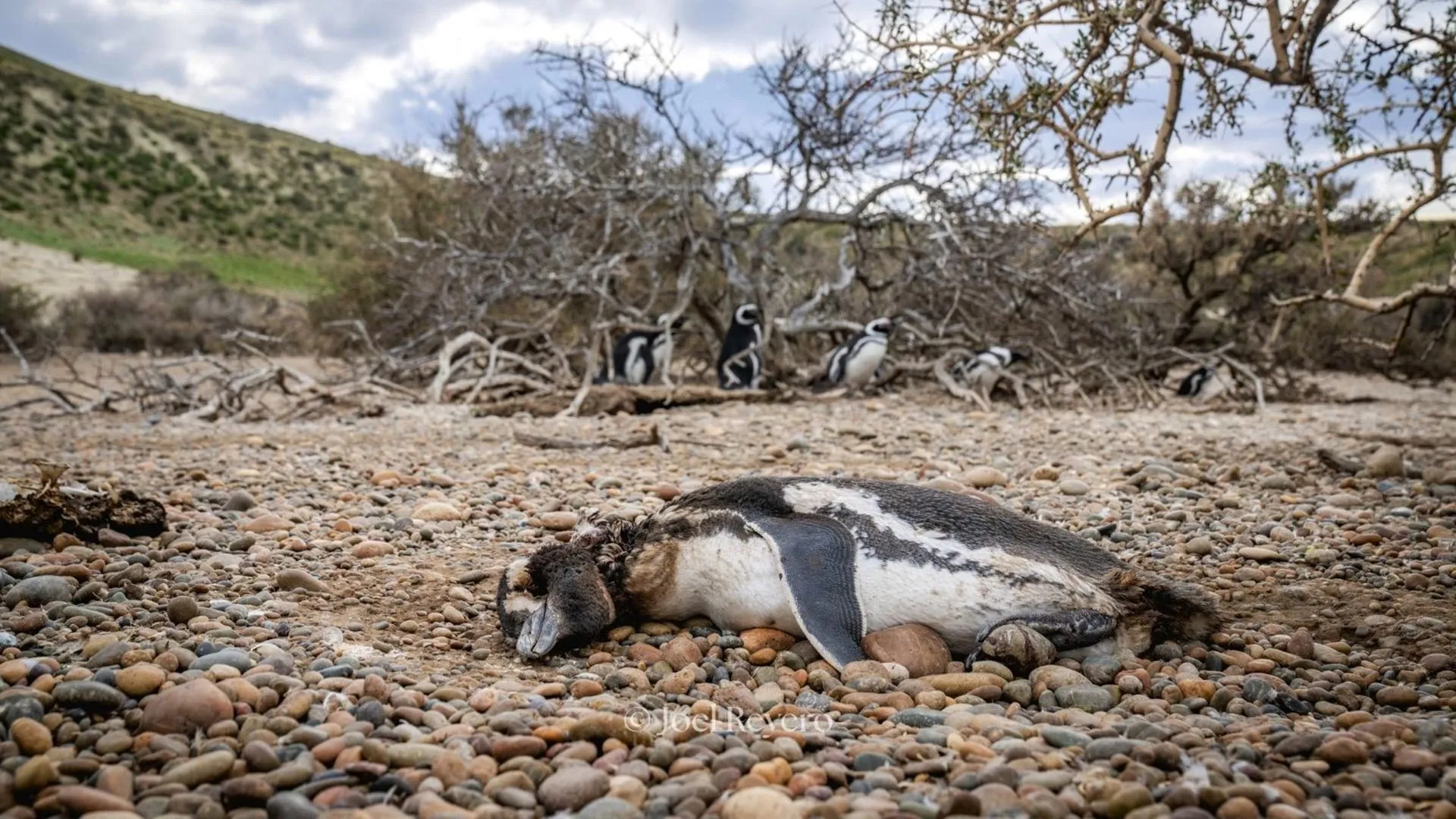
The analysis of the carcass count data revealed a startling picture of predation. Researchers estimated that more than 7,000 adult Magellanic penguins were killed by pumas during the four-year study period (2007-2010). To put this figure into perspective, at the time of the study, the Monte Leon colony was estimated to comprise approximately 93,000 adult individuals. This means that puma predation accounted for roughly 7.6% of the adult population over those four years, a significant number for any wildlife population.
Perhaps even more striking than the sheer volume of kills was the observed behavior of the pumas. Many of the penguin carcasses showed only partial consumption, or in numerous cases, were not eaten at all. This pattern is consistent with what ecologists term "surplus killing," a phenomenon where predators kill more prey than they immediately need for sustenance. Dr. Melisa Lera, lead author of the study and a postgraduate student at WildCRU, Oxford University, articulated the gravity of this finding: "The number of carcasses showing signs of predation we found in the colony is overwhelming, and the fact that they were left uneaten means pumas were killing more penguins than they required for food. This is consistent with what ecologists describe as ‘surplus killing’. It is comparable to what is seen in domestic cats when prey are abundant and/or vulnerable: ease of capture can lead to cats hunting more birds, even when they do not end up actually eating them. We needed to understand if the penguin colony’s persistence could be threatened due to this behavior."
Surplus killing is not unique to pumas or domestic cats; it has been observed in various predators, including weasels, foxes, and wolves, often under specific circumstances. These conditions typically include an abundance of easily accessible prey, confinement of prey (such as in a chicken coop), or the presence of novel, inexperienced prey. In the case of Monte Leon, the penguins, unaccustomed to land predators, presented an exceptionally vulnerable and abundant food source, likely triggering this instinctual behavior in the pumas. While seemingly wasteful, surplus killing can be a natural response to perceived opportunities, especially for predators learning to exploit a new prey base. The critical question for conservationists, however, was whether this behavior posed an existential threat to the penguin colony’s long-term viability.
Beyond Predation: The Nuances of Penguin Population Stability
To answer this crucial question, the research team employed sophisticated population models. These models integrate various demographic parameters—such as birth rates, death rates, and migration—to project future population trends under different scenarios. When puma predation data was fed into these models, the results offered a nuanced, and in some ways, reassuring, perspective: puma predation alone was unlikely to drive the Monte Leon penguin colony to extinction.
Instead, the models consistently pointed to other factors as far more influential in determining the colony’s long-term stability. Chief among these were breeding success—the number of chicks successfully fledged per breeding pair—and the survival rates of juvenile penguins, specifically their ability to survive their challenging first years at sea and return to breed as adults.
Extinction of the Monte Leon colony was projected only in highly improbable, hypothetical scenarios. These extreme conditions involved very low juvenile survival rates, with approximately 20% failing to reach adulthood, combined with extremely poor reproductive output, limited to a maximum of one chick per pair. In such dire circumstances, the models indicated that high levels of puma predation would certainly exacerbate the situation, accelerating decline, but it would not be the primary, initiating cause of the collapse. This finding underscores the complex interplay of factors that influence wildlife populations, often with multiple stressors acting in concert.
Expert Perspectives on a Complex Interaction
The study’s findings resonate deeply within the broader conservation community, illuminating the challenges inherent in ecosystem restoration. Dr. Jorgelina Marino, a co-author of the study also from WildCRU, Oxford University, emphasized this point: "This study captures an emerging conservation challenge, where recovering carnivores are encountering novel prey. Understanding how these dietary shifts affect both predators and prey is essential to inform conservation." Her statement highlights a critical paradigm shift in conservation. While the focus has historically been on protecting endangered species from extinction, the new frontier involves managing dynamic interactions within recovering ecosystems, often where species are meeting for the first time in modern history.
The reintroduction or natural recovery of apex predators is a cornerstone of many rewilding initiatives globally, often leading to beneficial trophic cascades that restore ecological balance. However, the Monte Leon case serves as a poignant reminder that such recoveries are rarely straightforward. The "success" of puma recovery now presents a "challenge" for penguin conservation. This creates an ethical and practical dilemma for park managers and policymakers: how to balance the conservation goals for two native species when their interests appear to conflict. Should intervention be considered to protect the penguins, potentially at the expense of limiting puma populations, or should natural processes be allowed to unfold, accepting the potential for local penguin population decline? These are not easy questions, and the answers often depend on broader conservation priorities and the perceived resilience of the species involved.
The Shadow of Climate Change and Broader Environmental Pressures
While puma predation might not be the sole driver of extinction, the study powerfully underscores the vulnerability of the Monte Leon penguin colony to other, often global, pressures. Because breeding success and juvenile mortality play such a critical role in population stability, the researchers emphasize the urgent need to better understand how environmental conditions, particularly those influenced by climate change, affect penguin reproduction and survival.
Magellanic penguins, like many seabirds, are highly sensitive to changes in their marine environment. Factors such as nutrient availability, the abundance and distribution of their primary food sources (small fish like anchovies and sardines), and ocean temperatures can dramatically impact their ability to forage successfully, raise chicks, and survive their migratory journeys. Climate change is already altering ocean currents, increasing sea temperatures, and shifting fish populations, directly affecting the penguins’ food supply and breeding success. Increased frequency and intensity of extreme weather events, such as severe storms or prolonged heatwaves, can also devastate penguin chicks and adult breeders.
The Monte Leon study thus serves as a powerful reminder that while local interactions like puma predation are important, they often occur within a much larger context of global environmental change. A penguin colony struggling with reduced food availability due to climate change, for example, would be far more susceptible to even moderate levels of predation than a healthy, thriving colony. Therefore, effective conservation must adopt a holistic approach, addressing both localized threats and overarching global challenges.
Moreover, the phenomenon observed at Monte Leon is not an isolated incident. Similar challenges are emerging elsewhere as land predators, whether native or invasive, expand their ranges or adapt to changing environments, moving into coastal ecosystems where seabirds and other coastal species are often highly vulnerable. For example, in the southeastern United States, non-native feral hogs (Sus scrofa) have become major predators of loggerhead sea turtle (Caretta caretta) eggs along the Georgia coast, decimating nests that are already under pressure from habitat loss and climate change. Further north, coyotes (Canis latrans) in eastern North America are expanding their territories onto coastal barrier islands, altering the ecological dynamics of these fragile ecosystems and preying on nesting shorebirds and other vulnerable species. These instances highlight a global pattern where ecological shifts, often human-induced, are creating novel predator-prey interactions that pose significant conservation dilemmas.
Strategic Conservation: The Imperative of Long-Term Monitoring and Adaptive Management
The authors of the Monte Leon study stress unequivocally that ongoing, rigorous monitoring is absolutely essential. This continuous oversight allows conservationists and park authorities to detect early signs of population decline, identify emerging threats, and understand the nuanced shifts in species interactions. Such data is critical for guiding management decisions, enabling interventions to be planned and implemented proactively, before serious or irreversible ecological damage occurs.
At Monte Leon National Park, this commitment to long-term monitoring is unwavering. Authorities continue to closely track both puma and Magellanic penguin populations, utilizing a combination of direct observation, camera traps, and population modeling. The goal is not necessarily to eliminate one species to save another, but rather to understand the carrying capacity of the ecosystem, the dynamic equilibrium between predator and prey, and the influence of external stressors. This may involve exploring various adaptive management strategies, such as habitat manipulation, targeted research on penguin resilience, or even, in extreme cases, localized management of puma populations if the penguin colony faces an imminent, irreversible collapse due to predation compounded by other factors.
The Monte Leon case stands as a powerful microcosm of the complexities inherent in contemporary conservation. It challenges simplistic notions of "good" and "bad" species, instead presenting a reality where the success of one conservation effort can inadvertently create a new challenge for another. It underscores the critical need for robust scientific research, interdisciplinary collaboration, and adaptive management strategies that acknowledge the dynamic, ever-changing nature of ecosystems. As human activity continues to reshape the planet, understanding and navigating these novel ecological interactions will be paramount to preserving biodiversity and fostering truly resilient natural environments for generations to come.
