
The surge in backyard poultry ownership across North America and Europe has transformed millions of residential gardens into micro-farms, primarily driven by the desire for fresh eggs and sustainable waste management. However, avian nutrition experts and veterinary professionals are increasingly warning that the common perception of chickens as "biological garbage disposals" is a dangerous misconception that can lead to acute poisoning or chronic health decline. While chickens are physiologically classified as omnivores, their digestive systems are highly sensitive to specific naturally occurring toxins found in common household food scraps. Understanding the biochemical interactions between these substances and avian physiology is essential for maintaining flock health and ensuring the safety of the eggs produced for human consumption.

The Biochemical Landscape of Avian Nutrition
The fundamental risk in feeding kitchen scraps to poultry lies in the presence of secondary plant metabolites. These substances, which often serve as natural defense mechanisms for plants against insects or fungi, can have devastating effects on birds. According to the Merck Veterinary Manual, avian species often react more severely to certain toxins than mammals due to their higher metabolic rates and unique respiratory and circulatory systems. The transition of chickens from rural scavengers to managed backyard pets requires a shift toward scientifically informed feeding practices, moving away from anecdotal traditions that may inadvertently introduce "toxic treats" into the coop.

High-Risk Toxins: Immediate Threats to Flock Survival
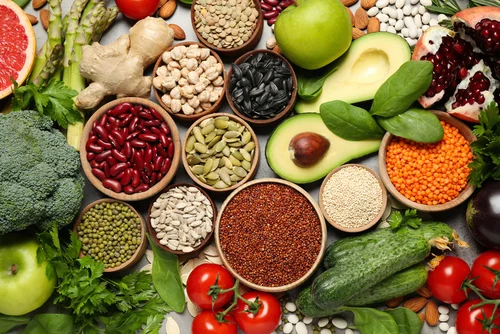
Among the most lethal substances for poultry is persin, a fungicidal toxin found in avocados. While humans are generally unaffected by persin, it is highly toxic to many animals, particularly birds. The toxin is present in all parts of the avocado plant, including the flesh, skin, pit, and leaves. Ingestion can lead to myocardial necrosis—the death of heart muscle cells—which often manifests as respiratory distress, subcutaneous edema, and sudden death. Research indicates that as little as 5% of an avocado can prove fatal to a small bird within 48 hours.

Equally concerning are glycoalkaloids, specifically solanine and chaconine, found in the Solanaceae or nightshade family. This group includes white potatoes, tomatoes, peppers, and eggplants. Solanine acts as a natural pesticide and is concentrated in the green parts of the plant, such as stems, leaves, and potato skins or "eyes." In chickens, solanine poisoning destroys red blood cells and can cause severe gastrointestinal distress, diarrhea, and heart failure. While high-heat cooking like frying can reduce solanine levels, standard boiling is often insufficient to render these scraps safe. Interestingly, sweet potatoes are part of the morning glory family and do not contain these specific glycoalkaloids, making them a safe alternative.

The risk of cyanide poisoning is another critical concern for poultry owners. Cyanogenic glycosides are found in the seeds of apples and the pits of stone fruits such as cherries, peaches, plums, and apricots. When ingested and metabolized, these compounds release hydrogen cyanide, which inhibits cellular respiration by preventing cells from using oxygen. Symptoms in poultry include a bluish tint to the comb (indicating oxygen deprivation), rapid heart rate, and respiratory failure. While the fruit flesh itself is highly nutritious and rich in antioxidants, the seeds and pits must be meticulously removed before feeding.

The Danger of Raw Legumes and Plant Acids
One of the most potent threats in a domestic kitchen is the raw dried bean. Legumes, particularly red kidney beans, contain high concentrations of phytohaemagglutinin (lectin). This protein serves as a natural insecticide but is toxic to both humans and birds. In chickens, consuming as few as three or four raw beans can cause death within hours. The toxin causes severe red blood cell clumping and interferes with cellular metabolism. To neutralize phytohaemagglutinin, beans must be soaked for several hours and then boiled at high temperatures. Canned beans are generally safe as they undergo high-pressure cooking during processing, but raw dried scraps should never be discarded into a chicken run.
.jpg)
Oxalic acid, found in rhubarb and spinach, presents a different type of risk. While not always immediately fatal, oxalic acid interferes with calcium absorption by binding with the mineral to form oxalates. In laying hens, this can lead to a condition known as "rubber eggs" or soft-shelled eggs, as the bird’s body cannot mobilize enough calcium for shell formation. Chronic exposure can lead to kidney stones and renal failure. While spinach is nutrient-dense, it must be offered only as a rare treat, and rhubarb should be avoided entirely due to the high toxicity of its leaves.

Cardiovascular and Neurological Hazards: Caffeine and Chocolate
The modern household often produces waste that is fundamentally incompatible with avian biology, specifically caffeine and chocolate. Both contain methylxanthines—caffeine in coffee and tea, and theobromine in chocolate. Chickens are significantly more sensitive to these stimulants than humans. Ingestion leads to rapid heart rate (tachycardia), tremors, seizures, and eventual cardiac arrest. Even used coffee grounds or tea bags discarded in a compost pile can pose a risk if chickens are allowed to forage in those areas.

Behavioral and Physiological Indicators of Toxicity
Detecting food poisoning in a flock requires vigilant observation, as chickens naturally instinctually hide illness to avoid being targeted by predators or flock mates. Owners should monitor for:

- Gastrointestinal Distress: Unusual diarrhea or a sudden change in droppings.
- Respiratory Issues: Labored breathing or gasping.
- Neurological Signs: Loss of balance, tremors, or lethargy.
- Physical Changes: A pale or bluish comb and wattles.
- Production Drops: A sudden cessation of egg-laying or the production of thin-shelled eggs.
The severity of these symptoms depends on the age, weight, and overall health of the bird. Younger chicks are significantly more vulnerable to toxins due to their developing systems and smaller body mass.

Chronology of Poultry Nutrition Standards
The understanding of avian dietary restrictions has evolved significantly over the last century.

- Pre-1950s: Chickens were largely kept as scavengers on farms, eating insects and diverse forage, supplemented by grain. Knowledge of specific toxins was limited to local observation.
- 1960s-1980s: The rise of commercial poultry farming led to the development of standardized "complete" feeds, focusing on growth and egg production efficiency.
- 2000s-Present: The "Backyard Chicken Revolution" brought poultry back into urban and suburban environments. This era saw a surge in veterinary research into companion bird nutrition, leading to the identification of the specific chemical compounds (like persin and thiosulphate) that endanger flocks.
Expert Recommendations and the "10% Rule"
Veterinary experts and agricultural extension services, such as the Maine Extension Service, emphasize that supplemental treats should never exceed 10% of a chicken’s total daily caloric intake. The remaining 90% should consist of a high-quality, balanced commercial feed that provides the necessary protein, minerals, and vitamins for the bird’s specific life stage.

"The goal of feeding treats should be nutritional enrichment, not waste disposal," states a consensus among poultry nutritionists. Safe treats include leafy greens like kale and collards, cooked grains, and most ripe fruits (excluding citrus in excess). Citrus fruits contain citric acid and limonoids which, in high quantities, can interfere with calcium absorption and potentially taint the flavor of eggs.

Broader Implications: Food Safety and Economic Impact
The implications of improper poultry feeding extend beyond the health of the individual bird. There is a direct link between a hen’s diet and the quality of the food product she provides. For instance, feeding excessive amounts of onions or garlic can lead to "off-flavors" in eggs due to the presence of thiosulphate. While garlic has some health benefits for chickens in small, controlled doses, onions can cause Heinz body anemia, a condition where red blood cells are destroyed.

Furthermore, the economic impact of flock loss for small-scale producers or hobbyists can be substantial. Beyond the replacement cost of the birds, the loss of egg production and the potential veterinary expenses create a significant burden. More importantly, the use of chemical-treated lawns (pesticides and herbicides) where chickens forage can lead to the bioaccumulation of toxins in the eggs, posing a potential health risk to the humans who consume them.

Conclusion: A Scientific Approach to Sustainability
As the trend toward backyard sustainability continues to grow, the responsibility of the poultry owner increases. Utilizing chickens to reduce food waste is a noble environmental goal, but it must be tempered with a scientific understanding of avian biology. By treating the chicken coop as a managed ecosystem rather than a refuse bin, owners can ensure their flocks remain healthy, productive, and safe. The transition from "scraps" to "supplements" is the hallmark of a responsible modern poultry keeper, ensuring that the fresh eggs on the breakfast table are the result of a clean, toxin-free diet.
