
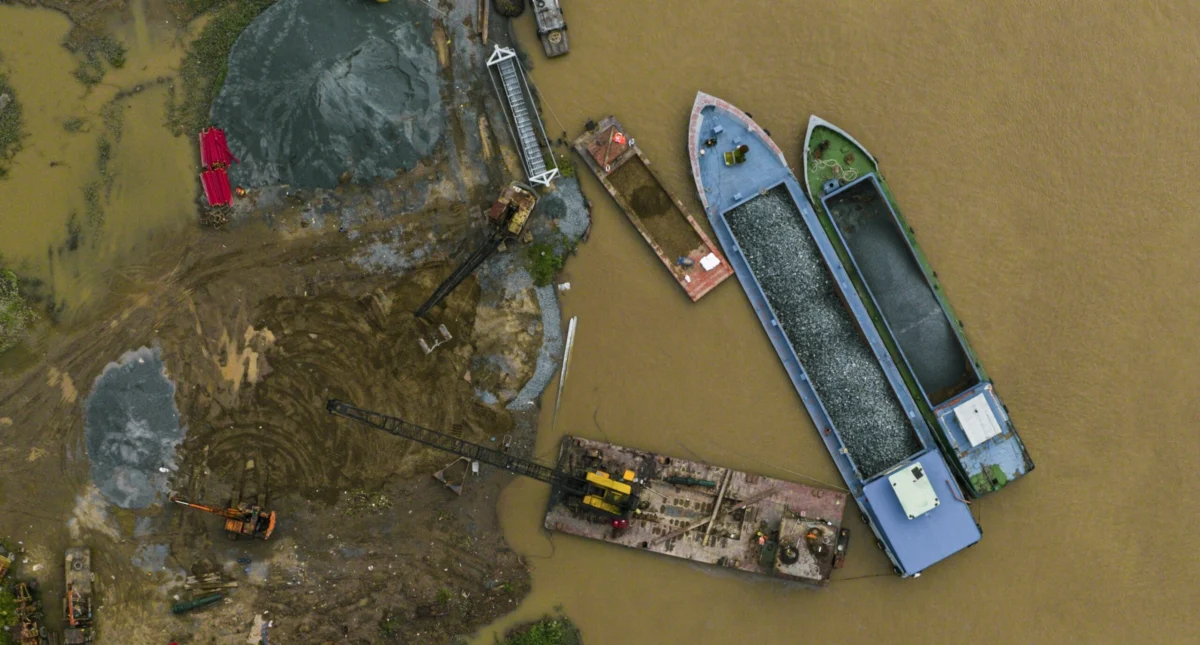
The relentless global hunger for sand, fueled by escalating population growth, rapid economic development, and widespread urbanization, is now significantly exceeding its sustainable supply. This unsustainable consumption pattern is casting a long shadow over critical global resources, threatening water and food security, undermining climate resilience, endangering biodiversity, and hindering equitable development worldwide. This stark warning is detailed in a comprehensive new report by the United Nations Environment Programme (UNEP), titled "Sand and Sustainability: An Essential Resource for Nature and Development." The report implores governments and industries to fundamentally re-evaluate their perception of sand, recognizing its indispensable value not only to human societies and economies but also to the very health of natural systems and our capacity to adapt to a changing climate. It advocates for the full integration of these multifaceted values into all aspects of sand governance.
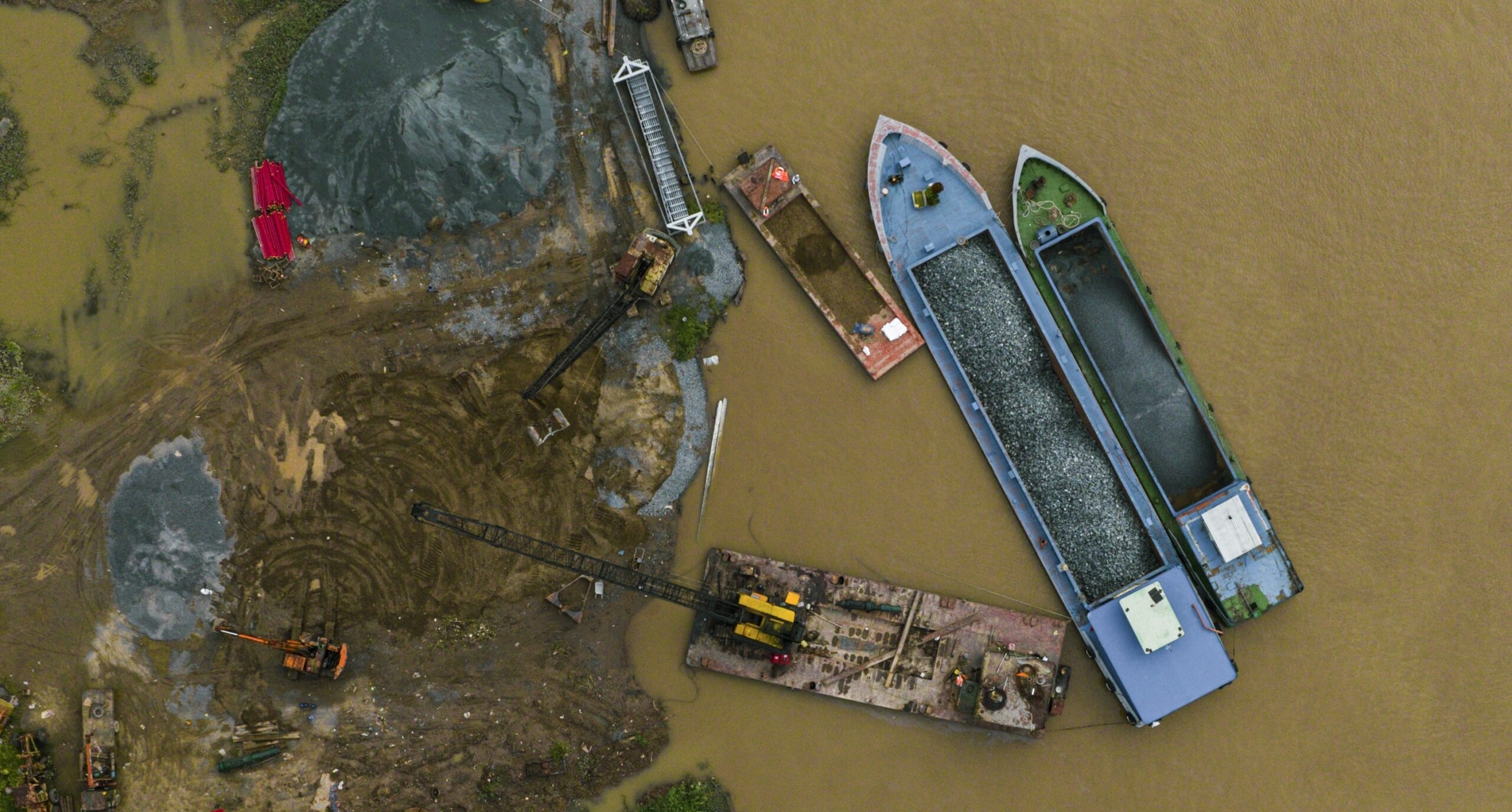
Sand stands as the world’s largest extractive industry by volume, with an astonishing 50 billion tonnes extracted annually. The vast majority of this material is sourced from the planet’s freshwater and coastal wetland ecosystems. This immense extraction is primarily driven by the insatiable demand for critical infrastructure projects that underpin modern life – from the concrete that forms our buildings and bridges to the asphalt that paves our roads. These developments are the physical manifestations of our progress, but they come at a significant ecological cost.
The geological processes that create sand are incredibly slow, spanning vast epochs of gradual erosion. Humanity’s current rate of consumption is depleting this finite resource at a pace far exceeding its natural replenishment. Projections indicate that the demand for sand will only intensify. The UN report forecasts that the need for sand for construction purposes alone is expected to surge by as much as 45 percent by the year 2060, a trend that could exacerbate existing environmental pressures.
Pascal Peduzzi, Director of the UNEP Global Resource Information Database in Geneva (GRID-Geneva), highlighted the critical, yet often overlooked, role of sand. "Sand is sometimes referred to as the unrecognized hero of development," Peduzzi stated, "but its essential role in sustaining natural services that we depend on is even more overlooked. Sand is our first line of defense against sea level rise, storm surges, and salination of coastal aquifers, all hazards exacerbated by climate change."
The Dual Nature of Sand: Dead vs. Alive
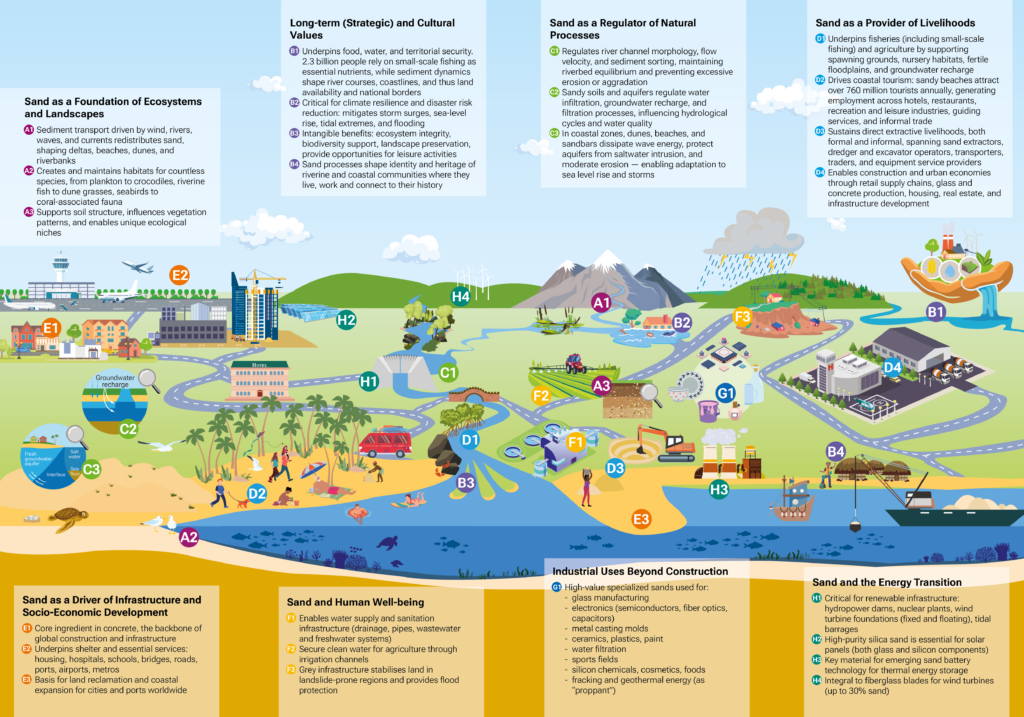
The UNEP report meticulously outlines a fundamental tension in sand’s utility: its transformation from a living component of ecosystems to a sterile building material. Sand that has been extracted and processed into concrete, asphalt, glass, and other manufactured products is effectively removed from natural systems, becoming "dead" sand. In stark contrast, sand found in its natural state within rivers, deltas, and coastal zones is referred to as "alive" sand. This "alive" sand plays an indispensable role in maintaining the stability of landscapes and supporting vital ecosystem functions. These functions include the natural filtration of water, the regulation of river flows, the protection of shorelines from erosion, the sustenance of deltas, the prevention of saltwater intrusion into coastal aquifers, and the preservation of biodiversity.
Richard Lee, Global Head of Communications at Wetlands International, who reviewed the report, emphasized this critical distinction. "Sand is not only a cornerstone of our societies and economies, but also a critical component of the very fabric of the ecosystems that our societies and economies are built on – in many cases, literally," Lee remarked. "Sand helps shape the structure of rivers, floodplains, beaches, and deltas, maintaining the land beneath hundreds of millions of people’s homes, fields, and feet."
The consequences of over-extraction are dire and far-reaching. "Sand also provides critical habitats for fish, birds, crabs, and countless other species, and helps maintain ecological balance," Lee elaborated. "Extract too much – as we are doing – and the results can be disastrous: lives and livelihoods lost as river and coastal erosion undermines buildings and infrastructure; families forced to migrate as deltas sink and shrink; water insecurity rises as the water table falls and salt water intrudes further inland; and food security worsens as fields flood and fisheries decline."

A Global Crisis Demanding Coordinated Action
The "Sand and Sustainability" report, now in its third iteration, issues a compelling call to action for governments and industries worldwide. It urges them to acknowledge the profound and interconnected values of sand for people, nature, and climate. The report advocates for treating sand as a strategic resource, one that not only underpins our built environment and economic development but also sustains biodiversity and essential ecosystem services.
A Timeline of Growing Concern:
- Early 21st Century: Increasing awareness emerges regarding the scale of global sand extraction and its environmental impacts, particularly in rapidly developing regions.
- 2019: The first UNEP report on sand, "Sand: The Untold Story," is published, highlighting the scale of the issue and its implications.
- 2022: The second UNEP report, building on the initial findings, further emphasizes the need for sustainable sand management and calls for integrated governance.
- May 12, 2026: The latest UNEP report, "Sand and Sustainability: An Essential Resource for Nature and Development," is released, providing updated data, analysis, and actionable policy recommendations, underscoring the escalating urgency of the crisis.
Data and Analysis: Unveiling the Scale of the Problem
The report’s findings are supported by a wealth of data and analysis, painting a clear picture of the unsustainable trajectory of sand extraction. Globally, an estimated 50 billion tonnes of sand are extracted annually, a figure that dwarfs other material extractions like coal, cement, and iron ore. This staggering volume is primarily used in construction, accounting for approximately 80% of global material flows.
Analysis from the Marine Sand Watch initiative, as cited in the report, reveals disturbing trends in marine sand extraction. It indicates that roughly half of all dredging companies operate within designated Marine Protected Areas (MPAs). Alarmingly, these operations within MPAs account for a significant 15% of the total volume of sand dredged. This statistic raises serious questions about the effectiveness of current conservation measures and highlights the potential for MPAs to be exploited as de facto extraction zones if not rigorously monitored and managed.
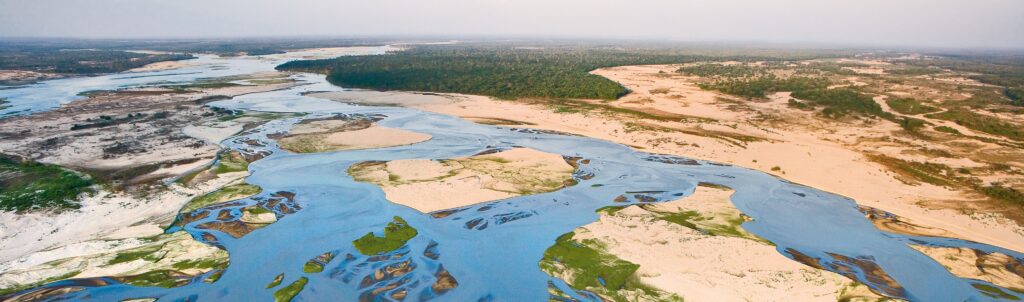
The report also draws attention to evidence from regions like Africa and Southeast Asia, where unsustainable sand extraction practices are already leading to tangible consequences. These include localized sand shortages, severe environmental degradation, and mounting opposition from communities whose livelihoods are directly threatened. The cumulative impact of unchecked extraction can lead to irreversible damage to riverine and coastal ecosystems, impacting fisheries, agriculture, and the very habitability of low-lying areas.
Official Responses and Recommendations
The UNEP report is not merely a diagnosis of a problem; it offers concrete solutions and a roadmap for action. It calls for a paradigm shift in how sand is valued and managed, moving beyond a purely economic perspective to encompass its ecological and social significance.
Key recommendations include:
- Enhanced Data and Monitoring: Governments and researchers need to invest in better data collection, mapping, and monitoring systems to accurately identify areas of high ecological value and assess the cumulative impacts of extraction.
- Increased Transparency: Greater transparency is needed in the issuance of extraction permits, the approval of projects, and the flow of financing related to sand extraction. This will help to curb illicit activities and ensure accountability.
- Coordinated Governance: Recognizing sand as an integral part of nature requires coordinated governance across various sectors and administrative levels. This includes long-term planning that strikes a balance between supply needs and ecosystem protection.
- National and Sectorial Roadmaps: Countries are urged to develop comprehensive national and sector-specific roadmaps for responsible sand management, building upon existing frameworks and tools.
- Global Governance Mechanisms: Given the global nature of sand trade and consumption, the report suggests that enhanced regional coordination and potentially global governance mechanisms may be necessary to address sustainability challenges effectively.
- Utilizing the Sand Assessment Tool: The report introduces an assessment tool developed by UNEP to support more sustainable sand management practices at local, national, and regional scales.
The report, a collaborative effort involving 27 experts from around the globe, concludes with actionable policy measures designed to guide decision-makers. It underscores that whether for development or the preservation of nature, sand is an essential resource for our collective future. The ultimate message is one of urgent necessity: we must choose wisely and use this vital resource with care.
Broader Impact and Implications
The implications of failing to address the sand crisis are profound and extend across multiple dimensions:
- Environmental Degradation: Unsustainable extraction leads to habitat destruction, riverbed and coastal erosion, altered watercourses, and increased pollution. This directly impacts freshwater availability, biodiversity, and the health of marine ecosystems.
- Climate Change Vulnerability: Healthy coastal and riverine ecosystems, rich in "alive" sand, provide natural defenses against climate change impacts like sea-level rise and storm surges. Their degradation leaves communities more vulnerable.
- Water and Food Security: The alteration of river flows and the intrusion of saltwater into freshwater aquifers can severely impact agricultural productivity and the availability of potable water, threatening food and water security for millions.
- Economic Instability: While sand is essential for development, its unsustainable extraction can lead to long-term economic instability. Scarcity can drive up prices, and environmental damage can disrupt industries like tourism and fisheries. Furthermore, the displacement of communities due to environmental degradation can create social and economic upheaval.
- Social Equity and Justice: The impacts of sand extraction often disproportionately affect marginalized communities, indigenous populations, and developing nations, raising critical issues of environmental justice.
The release of this UNEP report serves as a critical juncture, demanding immediate and concerted action from all stakeholders. The future of our planet’s development and the health of its ecosystems are inextricably linked to how we manage this seemingly ubiquitous, yet critically endangered, resource.
