
In the early days of May, the tranquil landscape of the Pishë Poro-Nartë protected area—a critical jewel in Albania’s Vjosa Delta—was shattered by the arrival of heavy industrial machinery. What began as an unexplained intrusion quickly escalated into a national crisis, pitting local conservationists, international environmental watchdogs, and concerned citizens against the Albanian government’s aggressive pursuit of luxury tourism development. This stretch of coastline, home to over 200 bird species and more than 70 endangered organisms, serves as a vital node in the migratory flyway connecting Africa and Europe. As one of the final remaining wild coastlines in the Mediterranean, the Vjosa Delta represents a unique ecological asset that is now at the center of a geopolitical and environmental tug-of-war.
The Anatomy of an Ecological Breach
The government initially characterized the presence of excavators as a "technical survey" intended to facilitate an environmental impact assessment for future infrastructure. However, the physical reality on the ground contradicted these administrative claims. For several days in May, the natural channel connecting the Narta Lagoon to the Adriatic Sea was effectively severed. By blocking this connection, the machinery obstructed the flow of water essential for maintaining the lagoon’s delicate salinity balance and oxygen levels.
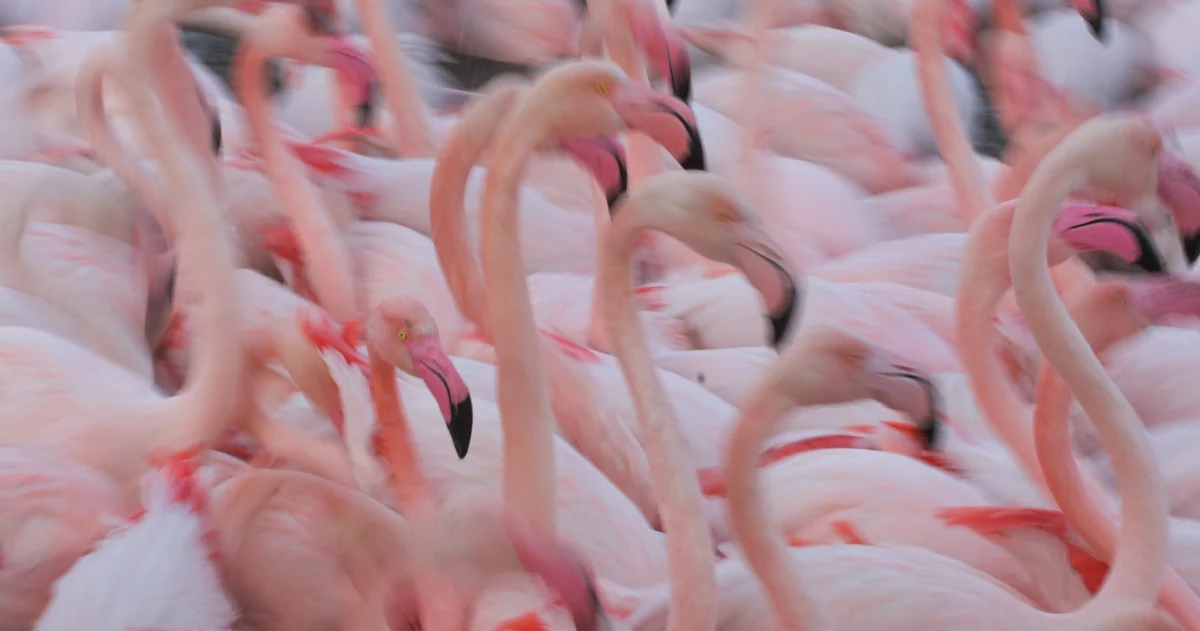
The consequences for the local ecosystem were immediate and severe. The lagoon acts as a nursery for a vast array of marine life, providing the foundational food sources for iconic species, including the Greater Flamingo, the globally threatened Dalmatian pelican, and various nesting sea turtles. Scientists familiar with the site have warned that the disruption threatened to trigger an ecological collapse. Beyond the immediate biological impact, the operation caused irreversible damage to dunes, wetlands, and forests—three habitat types classified as "priority" under European Union environmental standards. Experts indicate that these specific terrains, once degraded, cannot be restored to their original complexity without decades of concerted conservation efforts.
A Chronology of Confrontation
The events at the Vjosa Delta unfolded in a rapid, escalating sequence that captured international attention:
- Early May: Heavy machinery enters the Pishë Poro-Nartë protected landscape. The government claims it is a technical survey.
- Mid-May: The Narta Lagoon channel is blocked, sparking immediate alarm from environmental NGOs and local communities. Protests erupt on the site, where residents are met with private security forces and physical barriers.
- Late May: Footage of the confrontation circulates globally, drawing condemnation from international observers. Nightly protests begin in the capital, Tirana, signaling a shift from a local dispute to a national political movement.
- June 17: The European Parliament formally supports the protesters, issuing a resolution that demands an immediate moratorium on all construction permits in protected areas until the controversial 2024 law is repealed.
- Present Day: Over 100 days have passed since the initial incursion. The lagoon mouth has been reopened, but the legal and structural threats to the area remain unresolved.
The Legislative Conflict: Development vs. Accession
The root of the current tension lies in a legislative overhaul enacted in 2024, which significantly weakened the legal protections governing Albania’s national parks and protected areas. By opening these zones to high-end tourism and infrastructure projects, the government has created a direct conflict with the acquis communautaire—the body of common rights and obligations that constitute the EU legal order.
For Albania, which is actively seeking full membership in the European Union, this law serves as a major point of friction. The European Commission has repeatedly highlighted the necessity of aligning domestic environmental policies with the EU’s Natura 2000 network. The repeal of the 2024 law has now emerged as a definitive benchmark for Albania’s progress toward accession. This places the Albanian administration in an uncomfortable position: it must choose between catering to immediate, high-capital investment interests or adhering to the rigorous environmental standards required for European integration.
Economic Implications and the Value of Preservation
Critics of the current development model argue that the government’s focus on luxury resorts is a shortsighted strategy that ignores the long-term economic potential of sustainable ecotourism. Data from Mediterranean tourism markets suggest that travelers are increasingly prioritizing "pristine" destinations. By industrializing one of the last truly wild coastlines, Albania risks cannibalizing the very asset that makes it a unique destination.
An economic analysis of the Vjosa Delta suggests that the ecosystem services provided by the lagoon—such as natural flood mitigation, carbon sequestration, and support for local artisanal fisheries—far outweigh the short-term financial gains of luxury real estate development. Unlike a hotel, which depreciates and eventually requires total reconstruction, a healthy ecosystem provides a perpetual dividend to the national economy.
Official Responses and the Stance of Civil Society
The government has remained largely steadfast in its public statements, often framing the development as a necessary step to modernize the Albanian tourism sector and increase GDP. However, it has struggled to reconcile this rhetoric with the findings of independent environmental assessments.
Conversely, the protest movement in Tirana has evolved into a broader critique of governance, focusing on transparency and public participation. Activists argue that the exclusion of local voices in the planning process is a violation of the Aarhus Convention, to which Albania is a signatory, which guarantees the public the right to participate in environmental decision-making. International environmental NGOs, including those affiliated with the Vjosa National Park movement, have provided technical support to the protesters, emphasizing that the Vjosa Delta is not merely a local park but a site of European importance.
The Path Ahead: A Test of National Identity
As the situation crosses the 100-day mark, the Vjosa-Narta dispute has become a litmus test for Albania’s maturity as a modern democracy. The government’s decision-making process in the coming months will likely be scrutinized by Brussels as a reflection of the country’s commitment to the rule of law.
If the government chooses to maintain the current trajectory, it risks prolonged diplomatic friction with the EU and potential legal challenges that could jeopardize accession negotiations. Alternatively, a reversal of the 2024 law would signal a profound pivot toward sustainable development—one that acknowledges that protecting the environment is not a barrier to prosperity, but a prerequisite for it.
For now, the flamingos continue to wade through the waters of the Narta Lagoon, and the migratory birds continue their biannual journeys across the delta. Whether these natural cycles remain undisturbed for the next 100 days, or for the next 100 years, rests on the political choices made in Tirana. The Vjosa Delta serves as a stark reminder that in the 21st century, the most valuable infrastructure a nation can possess may not be the resorts it builds, but the wild spaces it chooses to leave untouched. The world is watching to see if Albania will choose to be a model of modern European conservation or a cautionary tale of development at any cost.
