
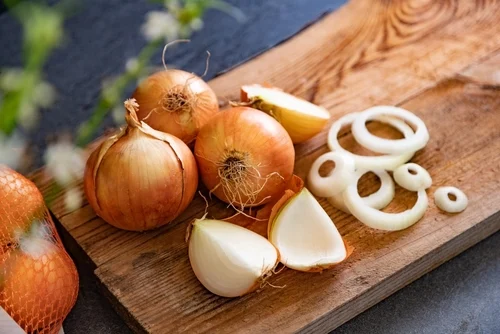
The practice of feeding kitchen scraps to backyard chickens has long been a staple of sustainable homesteading, yet veterinary experts and avian specialists are increasingly warning poultry owners about the hidden dangers of the Allium genus, specifically common onions. While chickens are often viewed as biological "garbage disposals" capable of processing a wide variety of organic waste, the introduction of onions into their diet can trigger a life-threatening physiological response known as hemolytic anemia. This condition is driven by the presence of thiosulphate, a compound that, while harmless to humans in standard quantities, acts as a potent oxidizing agent in the bloodstream of various animals, including poultry, dogs, and cats. The risks associated with onion consumption in chickens far outweigh any perceived nutritional benefits, leading to a growing consensus among agricultural experts that all members of the onion family should be strictly excluded from avian diets.
The Biochemical Mechanism of Allium Toxicity
To understand why onions are hazardous to chickens, one must look at the specific chemical interactions that occur upon ingestion. Onions (Allium cepa) contain a variety of organosulfur compounds, most notably thiosulphate and N-propyl disulfide. When a chicken consumes an onion—whether raw, cooked, or dried—these compounds are absorbed through the gastrointestinal tract and enter the bloodstream. Once in the blood, these substances cause oxidative damage to the hemoglobin molecules within the red blood cells.

Unlike mammals, birds have nucleated red blood cells, but they are equally susceptible to the formation of "Heinz bodies." Heinz bodies are clumps of denatured hemoglobin that attach to the surface of the red blood cell. The presence of these bodies signals the chicken’s spleen and liver to identify the red blood cell as damaged or foreign. Consequently, the body begins to destroy its own red blood cells at an accelerated rate, a process known as hemolysis. Because the bone marrow cannot produce new red blood cells fast enough to replace those being destroyed, the chicken enters a state of hemolytic anemia. This leads to a precipitous drop in the blood’s ability to transport oxygen to vital organs, resulting in systemic failure.
Chronology of Ingestion and Symptom Progression
The onset of onion toxicity in poultry is rarely instantaneous; rather, it follows a specific chronological progression that can make early diagnosis difficult for the average keeper.
Within the first 6 to 12 hours after ingestion, the thiosulphate begins its oxidative work within the circulatory system. During this initial phase, the chicken may appear normal, though internal damage is already occurring. Between 24 and 48 hours post-ingestion, the first clinical signs typically emerge. These symptoms are often non-specific but reflect the bird’s decreasing oxygen levels. Owners may notice lethargy, a reluctance to forage, and a noticeable decrease in egg production.

As the anemia progresses into the 72-hour mark, more severe symptoms manifest. These include rapid or labored breathing (polypnea) as the bird attempts to compensate for the lack of oxygen in its blood. The comb and wattles, which are usually a vibrant red due to healthy circulation, may turn pale or take on a yellowish tint, indicating jaundice. Jaundice occurs because the rapid breakdown of red blood cells releases a surge of bilirubin into the system, which the liver cannot process quickly enough. In the final stages of toxicity, the chicken may suffer from severe diarrhea, physical collapse, and eventually death due to hypoxia and organ failure.
Comparative Risks Within the Allium Genus
While the common onion is the primary concern for many poultry keepers, it is only one member of the Allium genus. Other related plants contain varying levels of the same toxic compounds. Understanding the hierarchy of risk is essential for comprehensive flock management.
- Onions (Red, White, and Yellow): These contain the highest concentrations of thiosulphate and pose the most immediate threat. Even small amounts, if fed consistently, can lead to chronic health issues.
- Shallots and Leeks: While often milder in flavor to humans, these vegetables contain similar chemical profiles to onions and should be avoided entirely.
- Chives and Scallions: These are frequently found in herb gardens and are often accidentally accessible to free-ranging chickens. Their thin leaves still contain enough organosulfur compounds to trigger Heinz body formation.
- Garlic: Garlic occupies a unique and controversial space in poultry nutrition. While it is a member of the Allium family, it contains significantly lower levels of thiosulphate compared to onions. Furthermore, garlic contains allicin, a compound known for its antimicrobial and immune-boosting properties. Many experts agree that in strictly controlled, small doses—particularly in powdered form where some compounds have been stabilized—garlic can be beneficial. However, the margin for error remains thin, and excessive fresh garlic can still induce the same toxic effects as onions.
Supporting Data and Veterinary Perspectives
Research into avian toxicology has highlighted that the threshold for toxicity can vary based on the breed of the chicken, its overall health, and the concentration of the toxin in the specific variety of onion. Agricultural data suggests that a dosage of as little as 0.5% of an animal’s body weight in onions can be enough to start the process of oxidative damage. For a standard five-pound hen, this equates to a very small amount of onion material.

Veterinary professionals often point out that the danger of onions is cumulative. While a single accidental peck at a discarded onion ring might not kill a healthy bird, the habit of mixing onion-heavy kitchen scraps into daily feed leads to a slow build-up of damage. This "sub-clinical" toxicity may not result in immediate death but causes a permanent state of low-level anemia, which weakens the bird’s immune system and makes it more susceptible to common respiratory infections and parasites.
In statements regarding backyard poultry safety, avian veterinarians emphasize the importance of "preventative nutrition." Dr. Harrison of the Association of Avian Veterinarians has noted in various forums that because chickens are prey animals, they are biologically programmed to hide symptoms of illness until they are in a state of advanced crisis. By the time a keeper notices the pale comb or lethargy associated with onion poisoning, the bird’s hematocrit levels may have already dropped to dangerous levels, making recovery difficult even with veterinary intervention.
Broader Implications for the Backyard Poultry Industry
The rise of the "backyard chicken" movement over the last decade has seen a shift in how poultry are viewed—moving from purely livestock to "productive pets." This shift has led many owners to share table scraps with their birds as a way to reduce waste and provide variety. However, this trend has also led to an increase in accidental poisonings. The modern poultry keeper must navigate a landscape of misinformation, where "old wives’ tales" often suggest that onions can act as natural dewormers—a claim that is not supported by scientific evidence and ignores the toxicological risks.

The implications of onion toxicity also extend to the quality of the food product. There is documented evidence that even if a chicken survives the ingestion of onions, the flavor profile of the eggs can be affected. The sulfur compounds in onions are highly volatile and can permeate the yolk, leading to "off-flavors" that make the eggs unpalatable for human consumption. This creates an economic incentive for small-scale egg producers to maintain a strict "no-onion" policy.
Best Practices and Safe Alternatives
To ensure the health and longevity of a flock, poultry owners are encouraged to implement a strict screening process for all supplemental treats. Education is the primary tool for prevention. Owners should be aware that "cooked" onions are not safer than raw ones; the thiosulphate compound is heat-stable and does not break down during the boiling or roasting process. Similarly, onion powder found in seasoned crackers or leftovers is highly concentrated and can be even more dangerous than fresh bulbs.
Instead of onions, experts recommend several safe and nutritionally dense alternatives that provide the "treat" experience without the risk of anemia:

- Leafy Greens: Kale, spinach (in moderation), and Swiss chard provide essential vitamins and minerals.
- Cucurbits: Pumpkin, squash, and cucumber are highly palatable and safe for chickens.
- Berries: Blueberries and strawberries offer antioxidants without the oxidative stress of alliums.
- Herbs: While chives are out, herbs like oregano, thyme, and parsley are safe and may provide natural antibacterial benefits.
In conclusion, the scientific evidence regarding the toxicity of onions to chickens is definitive. The destruction of red blood cells caused by thiosulphate poses a significant risk to avian health, leading to anemia, jaundice, and potential mortality. As the popularity of backyard poultry continues to grow, it is incumbent upon owners to move beyond anecdotal feeding practices and embrace a scientifically grounded approach to nutrition. By eliminating onions and their relatives from the coop, keepers can protect their flocks from a preventable and painful condition, ensuring the production of healthy eggs and the well-being of their birds.
