
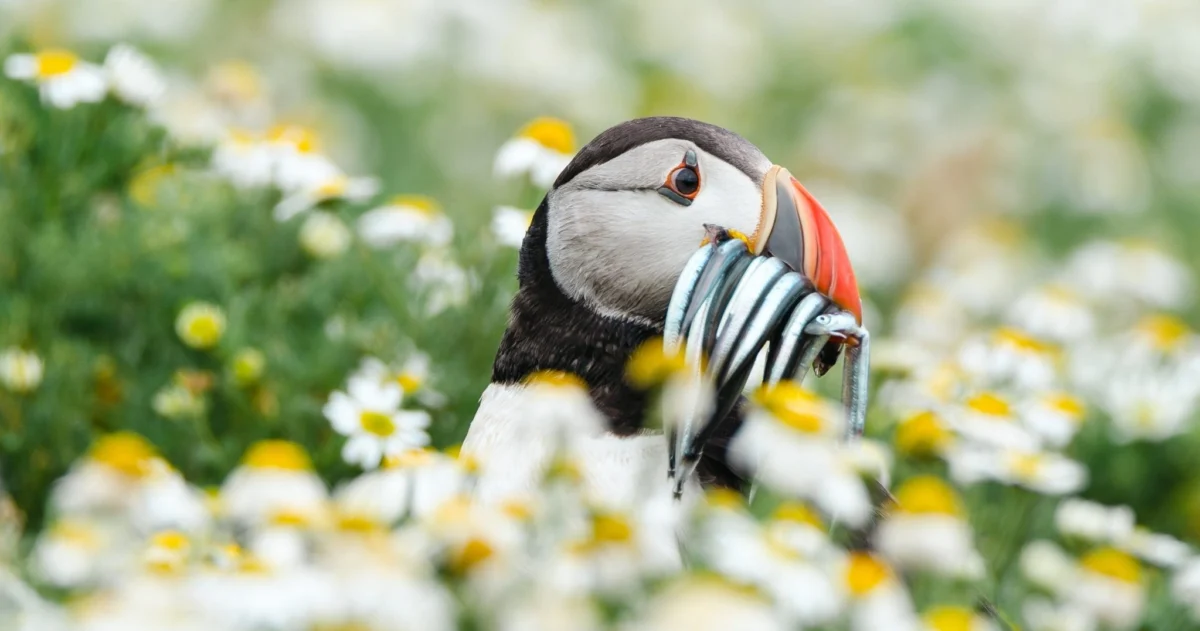
Atlantic Puffins (Fratercula arctica), with their unmistakable bright red and yellow beaks, vibrant orange feet, and distinctive calls, stand as one of Europe’s most beloved and iconic seabird species. These charismatic birds, often dubbed "sea parrots" or "clowns of the sea," spend the vast majority of their lives traversing the open ocean, sometimes remaining at sea for up to eight months without touching land. Their annual return to northern European coastlines from April to August marks the beginning of their vital breeding season, transforming rugged cliffs and islands into bustling, noisy colonies. However, the anticipated spring return this year has been overshadowed by a winter of unprecedented devastation, revealing a horror scenario witnessed by scientists and conservationists across thousands of miles of Atlantic coastline.
A Winter of Unprecedented Devastation: The 2023-2024 Seabird Wreck
As the harsh grip of winter finally loosened its hold on the North Atlantic, a grim reality emerged along the shores of Spain, Portugal, France, and the United Kingdom. More than 38,000 seabirds were discovered stranded, dead or dying, a testament to the brutal conditions endured at sea. Among the casualties, the Atlantic Puffin featured prominently, with hundreds found washed up on the shores of Cornwall in the UK alone. This stark figure stands in chilling contrast to the mere two puffin fatalities reported in the same region the previous year, transforming what might typically be a serene winter landscape into a scene of ecological tragedy. The sheer scale of this mortality event marks the largest seabird "wreck" to hit European coasts in a decade, sending shockwaves through the conservation community and raising urgent questions about the resilience of marine ecosystems in an era of escalating climate change.
A seabird wreck is a recognized natural phenomenon where large numbers of seabirds, weakened by severe weather or food scarcity, wash ashore dead or dying. These events typically follow intense winter storms that exhaust and starve birds spending their non-breeding season far out at sea. Puffins, highly adapted for a pelagic existence, rely heavily on their acute eyesight to hunt for small fish like sand eels, sprats, and herring beneath the surface. Turbulent sea conditions, characterized by towering waves and churning waters, severely impede their ability to locate and capture prey. After months at sea, enduring long journeys and the energy-intensive process of maintaining body temperature in frigid waters, many birds simply lack the reserves to survive prolonged periods of foraging difficulty. The consequence is often exhaustion and starvation, leading to their demise.
Chronology of a Crisis: The Build-Up to a Mass Mortality Event
The winter of 2023-2024 was marked by a series of unusually powerful and persistent storm systems that battered the North Atlantic. From late autumn through early spring, successive low-pressure systems generated relentless gales and towering swells across vast expanses of the ocean. These conditions were particularly severe in the Bay of Biscay and along the western coasts of the Iberian Peninsula and France, critical wintering grounds for many European seabird populations, including puffins.
Typically, Atlantic Puffins begin their migration back to their breeding colonies in late March or early April. However, the prolonged period of extreme weather directly coincided with this critical pre-breeding phase, when birds are actively rebuilding fat reserves and preparing for the arduous task of nesting and chick-rearing. Reports of stranded birds began to surface in late January and intensified through February and March, peaking as the storms abated and tides brought the bodies ashore. This timeline underscores how the relentless nature of the winter storms directly impacted the birds during a period when their energetic demands were already high. The distribution of findings, stretching from the northern coasts of Spain and Portugal up through France and into southwestern England, illustrates the broad geographical impact of these widespread weather systems.
Historical Context: The Shadow of Past Wrecks
While natural, the severity of this winter’s wreck resonates with historical parallels, most notably the devastating event of 2013-2014. That winter saw over 54,000 seabirds reported dead across European Atlantic coastlines, with Atlantic Puffins again being the most affected species. The 2013-14 event was attributed to a combination of severe and prolonged storms, coupled with potential shifts in prey availability. The current wreck, while potentially slightly lower in officially reported numbers, is widely believed to be far greater in actual mortality. Conservationists consistently emphasize that reported figures represent only a fraction of the true toll, as the vast majority of birds that perish at sea never wash ashore, sinking or being scavenged. This makes the 38,000-plus figure a conservative estimate of a much deeper tragedy.
The Climate Change Amplifier: Intensifying Natural Phenomena
While seabird wrecks are an inherent part of the natural cycle, scientific consensus points to climate change as a critical amplifier, making these events more powerful, frequent, and devastating. Warming ocean temperatures are fundamentally altering weather patterns, leading to an increase in the intensity and duration of extreme weather events. Stronger storms, more frequent marine heatwaves, and altered ocean currents directly impact seabirds in several ways:
- Increased Storm Intensity: Warmer seas provide more energy for storm systems, resulting in higher winds, larger waves, and more prolonged periods of turbulent conditions. For birds like puffins, which are surface feeders and vulnerable to wave action, this translates to greater physical stress, reduced foraging success, and increased risk of hypothermia.
- Prey Distribution Shifts: Ocean warming is causing significant shifts in the distribution and abundance of key prey species, such as sand eels and sprats. These small fish are highly sensitive to water temperature changes. If their preferred habitats shift further offshore or to greater depths, puffins must expend more energy to find food, or face starvation if prey becomes entirely inaccessible. Studies have shown a correlation between warmer waters and reduced sand eel populations in certain areas, directly impacting puffin breeding success.
- Energetic Demands: As ocean temperatures rise, the metabolic rates of some marine organisms change, potentially affecting the overall productivity of the marine food web. For seabirds, navigating increasingly unpredictable and harsher environments requires more energy, leaving them with fewer reserves to cope with unexpected challenges like prolonged storms or food shortages.
If these conditions become more frequent and severe, as predicted by climate models, they will push seabird populations beyond their coping mechanisms, leading to more frequent and larger-scale mortality events that hinder population recovery.
A Broader Crisis: Cumulative Threats to European Seabirds
The recent wreck is not an isolated incident but rather a dramatic symptom of a wider, escalating crisis facing European seabirds. According to the IUCN Red List, the Atlantic Puffin is classified as ‘Vulnerable,’ having experienced significant population declines across much of its range. This vulnerability is exacerbated by a confluence of anthropogenic threats, which cumulatively weaken populations, making them less resilient to natural stressors like severe weather.
Antonio Vulcano, Senior Marine Conservation Officer at BirdLife Europe and Central Asia, articulated this pressing concern: “In Europe, threats to seabirds are worsening every year. At the same time, seabird populations in the region are declining, and recovery can take a long time. Puffins, an iconic species of the northern seas, are no exception. Stormy weather in the Atlantic during this winter has caused huge numbers of Puffins and other seabirds to wash up dead on Spanish, Portuguese, French, and UK shores. This adds to an already long list of threats, such as food shortages due to overfishing, bycatch in fishing gears, predation at breeding colonies by invasive alien species, and poorly planned offshore wind developments. It is crucial to focus on the cumulative effects of these several threats on seabird populations. Only by addressing the full range of threats we can help them to bounce back, by reducing pressures before it is too late.”
Elaborating on these threats:
- Overfishing: The depletion of small, schooling fish like sand eels, sprats, and herring by industrial fishing fleets directly impacts puffin food security, especially during the crucial chick-rearing period when adults need to make frequent trips to feed their young. Reduced prey availability leads to lower breeding success and increased adult mortality.
- Bycatch: Puffins and other diving seabirds frequently become entangled in fishing gear, particularly gillnets and trawls, leading to drowning. Despite efforts to mitigate bycatch, it remains a significant cause of mortality across European waters.
- Marine Pollution: Oil spills, plastic ingestion, and chemical contamination pose severe threats. Oil coats feathers, destroying insulation and buoyancy, leading to hypothermia and drowning. Plastic debris, mistaken for food, can cause internal injuries or block digestive tracts. Chemical pollutants accumulate in the food chain, impacting reproduction and overall health.
- Invasive Alien Species: At breeding colonies, particularly on islands, introduced predators such as rats, stoats, and mink can decimate puffin eggs and chicks, significantly impacting reproductive output.
- Avian Influenza (HPAI): While not explicitly mentioned in the original context of the wreck, highly pathogenic avian influenza has been a devastating recent threat to seabird colonies across Europe, further weakening populations and adding another layer of vulnerability.
- Poorly Planned Offshore Wind Developments: While renewable energy is vital, the siting and design of offshore wind farms can pose risks to seabirds through collision with turbine blades, displacement from important foraging grounds, and disruption of migration routes. Careful planning and environmental impact assessments are crucial to minimize these impacts.
- Habitat Degradation: Coastal development, erosion, and human disturbance at breeding sites can reduce the availability of suitable nesting burrows and increase stress on breeding birds.
Implications for the Breeding Season and Long-Term Survival
The immediate and most dramatic consequence of this winter’s wreck will undoubtedly be felt during the upcoming breeding season. Puffins are long-lived birds, typically reaching sexual maturity at 3-5 years old and forming monogamous pairs that often return to the same burrows year after year. Their reproductive rate is slow, usually laying only one egg per year. This life history strategy means that the loss of a significant number of adult birds, particularly those in their prime breeding years, can have profound and lasting impacts on population stability.
Conservation organizations and site managers at key breeding grounds across the UK, such as Bempton Cliffs, Skomer Island, the Farne Islands, the Isle of May, and St. Kilda, are bracing for a noticeable reduction in the number of breeding pairs returning this spring. Fewer adult birds mean fewer eggs, fewer chicks, and a slower rate of population replenishment. Given that many European puffin populations were already in decline before this event, the winter’s losses represent a severe setback, potentially pushing some colonies closer to critical thresholds. The scale of this year’s losses serves as a painful reminder of the inherent fragility of life at sea and the precarious position of Europe’s seabird populations.
The Path Forward: Collective Action for Marine Conservation
Despite the grim realities, the situation is not entirely without hope. The tragic events of this winter underscore the urgent need for enhanced conservation efforts and a more holistic approach to marine ecosystem management. Many local shelters and environmental organizations, such as the Wildlife Trusts and the Royal Society for the Protection of Birds (RSPB) in the UK, alongside their European counterparts, work tirelessly to rescue and rehabilitate stranded seabirds, contributing vital data to understanding these mortality events. Citizen science initiatives, encouraging coastal communities to report dead birds, are also crucial in mapping the extent of wrecks and informing scientific responses.
As puffins return to their nesting cliffs this spring, their future, and indeed the future of all European seabirds, will depend not only on the capricious nature of the weather but, critically, on the choices made by humans on land and at sea. A multi-faceted approach is required:
- Stronger Protection of Marine Ecosystems: Expanding and effectively managing Marine Protected Areas (MPAs) is crucial to safeguard vital foraging grounds, migration corridors, and wintering areas for seabirds. These areas can provide refuges from human disturbance and allow marine ecosystems to recover.
- Sustainable Fisheries Management: Implementing stricter quotas, reducing bycatch through improved fishing gear and practices, and protecting prey species like sand eels are paramount. This involves fostering collaboration between scientists, fishers, and policymakers to ensure long-term sustainability.
- Responsible Offshore Development: Ensuring that new infrastructure projects, such as offshore wind farms, undergo rigorous environmental impact assessments and are sited and designed to minimize harm to seabird populations is essential.
- Climate Change Mitigation: The overarching solution remains the global effort to reduce greenhouse gas emissions and limit global warming. Mitigating climate change will reduce the intensity and frequency of extreme weather events, alleviating one of the most significant pressures on seabirds.
- Pollution Control: Stricter regulations on industrial discharges, improved waste management to reduce plastic pollution, and proactive measures to prevent oil spills are vital for maintaining healthy marine environments.
Moments like this winter’s wreck serve as a powerful and distressing reminder of how deeply these magnificent birds depend on healthy, resilient seas, and how much difference collective, informed action can make. The survival of Europe’s beloved Atlantic Puffins, and countless other marine species, hinges on the willingness to address both the immediate and long-term threats with urgency and unwavering commitment before it is truly too late.
