
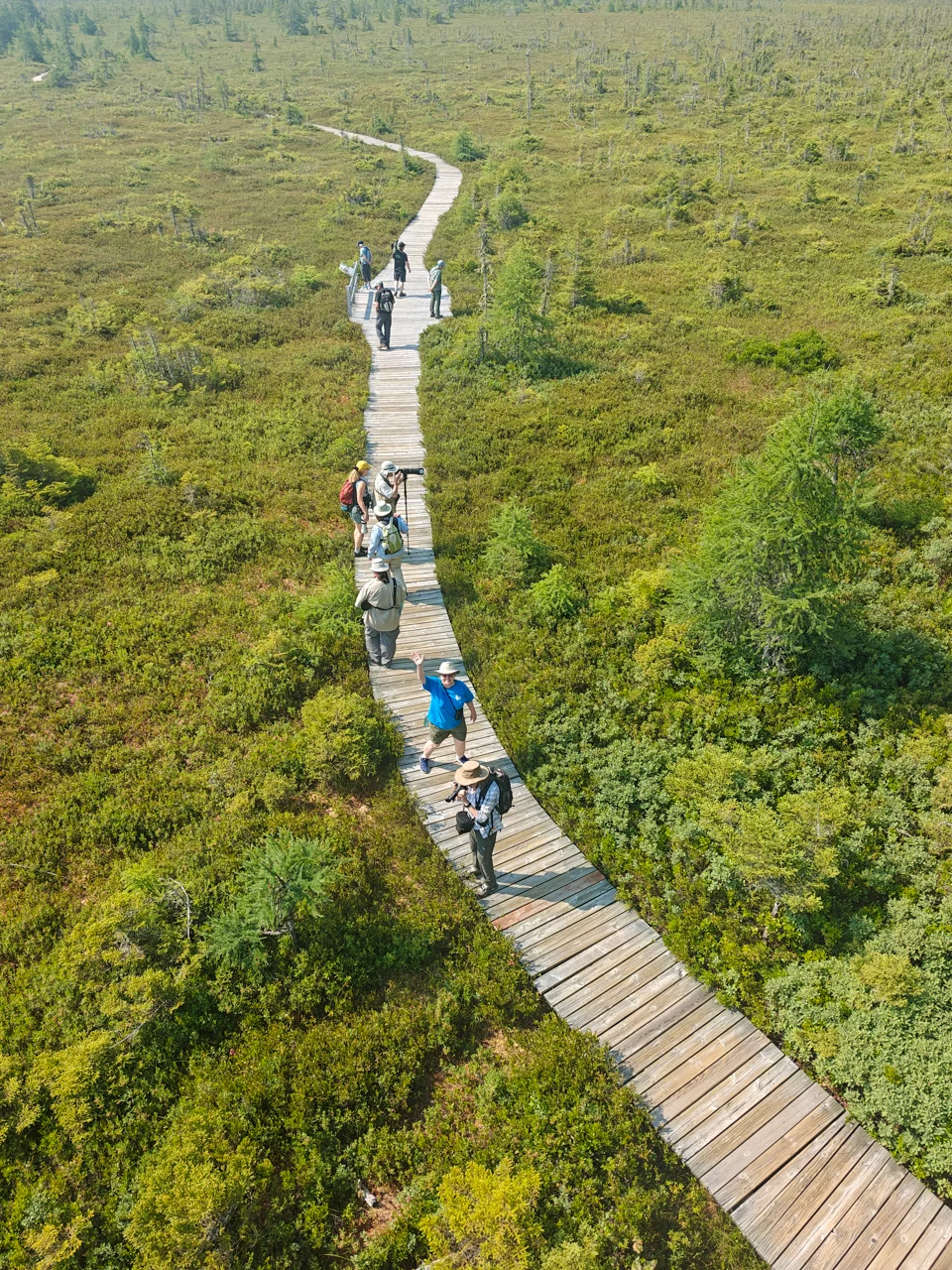
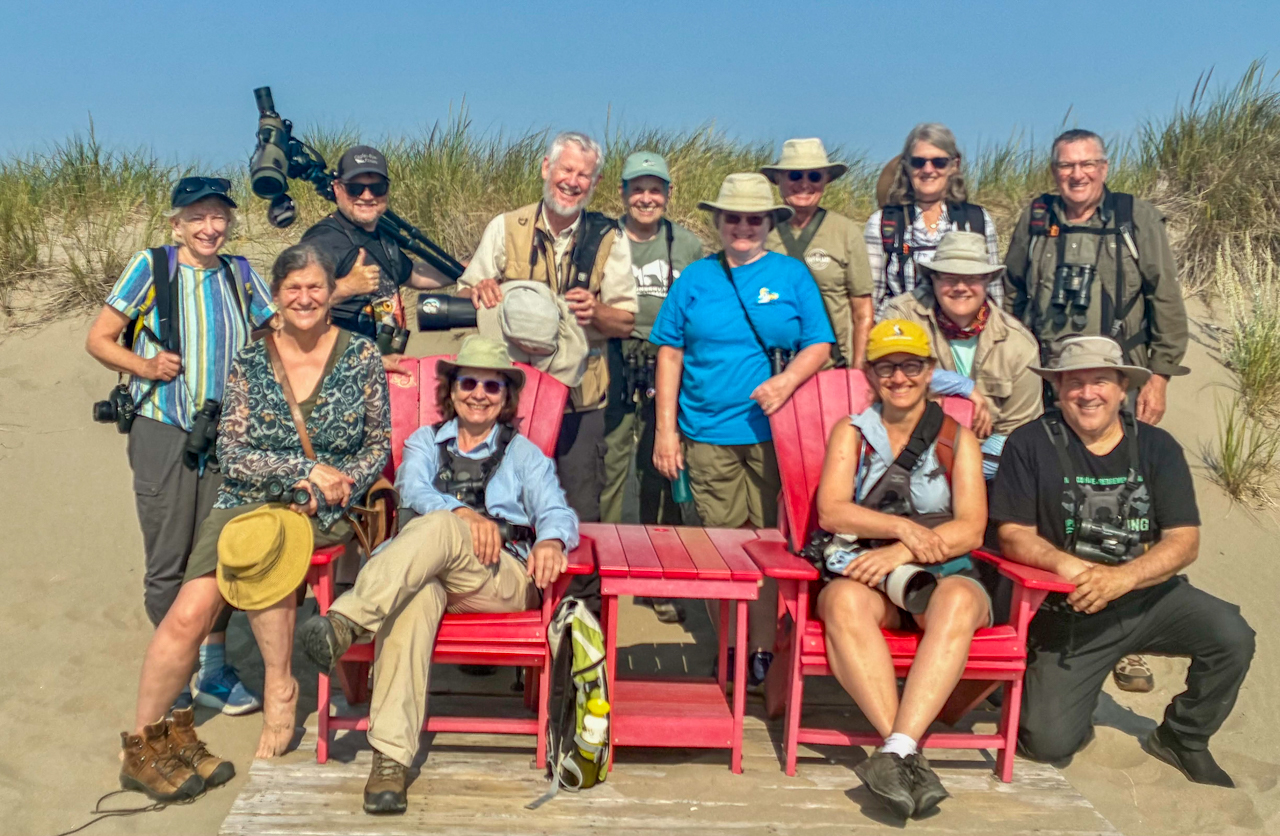
From August 3 to August 12, a dedicated group of birding enthusiasts embarked on a comprehensive 10-day expedition across New Brunswick, documenting the province’s diverse avian life during the height of the late summer migration. The tour, which spanned from the Acadian coastal marshes to the rugged cliffs of Grand Manan Island, provided a unique look at the ecological significance of the Bay of Fundy. Participants observed boreal songbirds, rare regional vagrants, and hundreds of thousands of shorebirds, highlighting the province’s critical role as a migratory stopover along the Atlantic Flyway.
Chronology of the Expedition
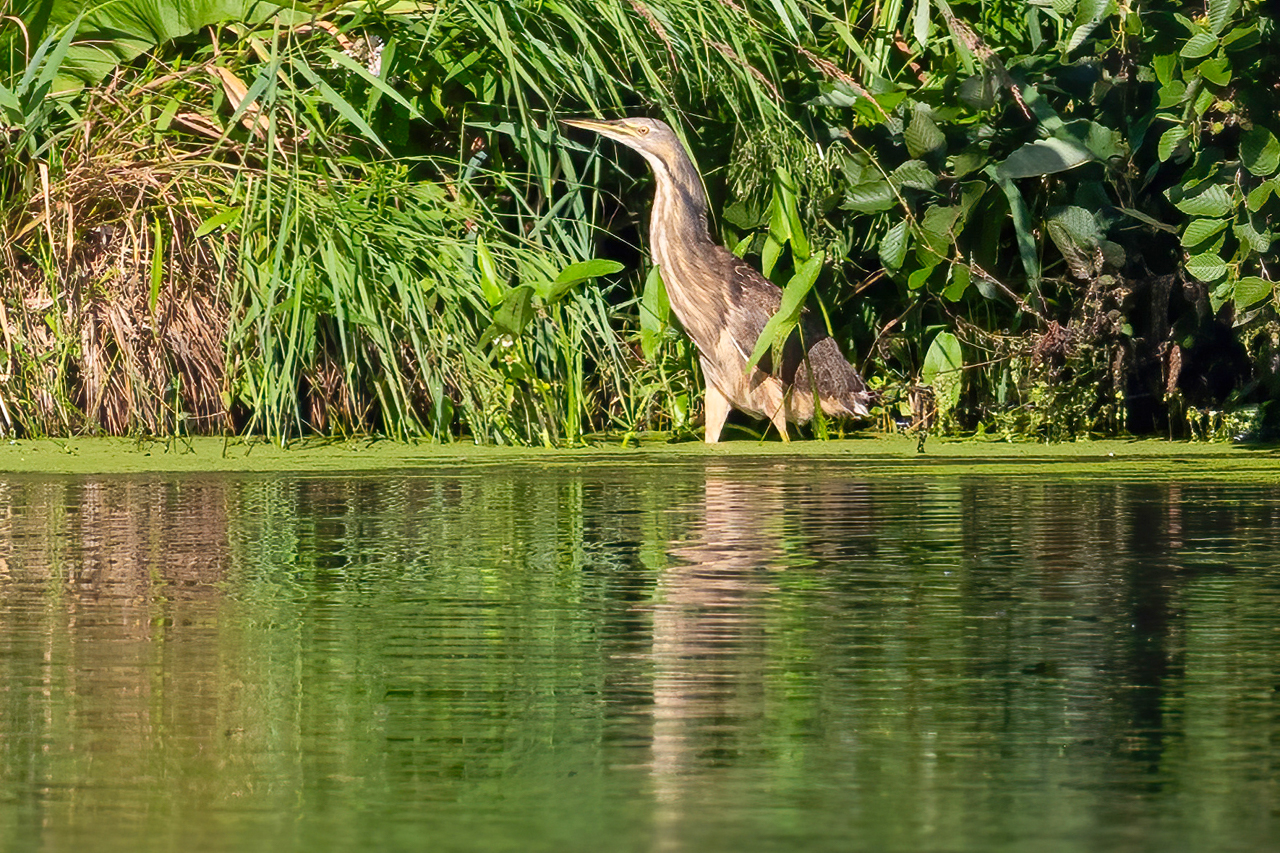
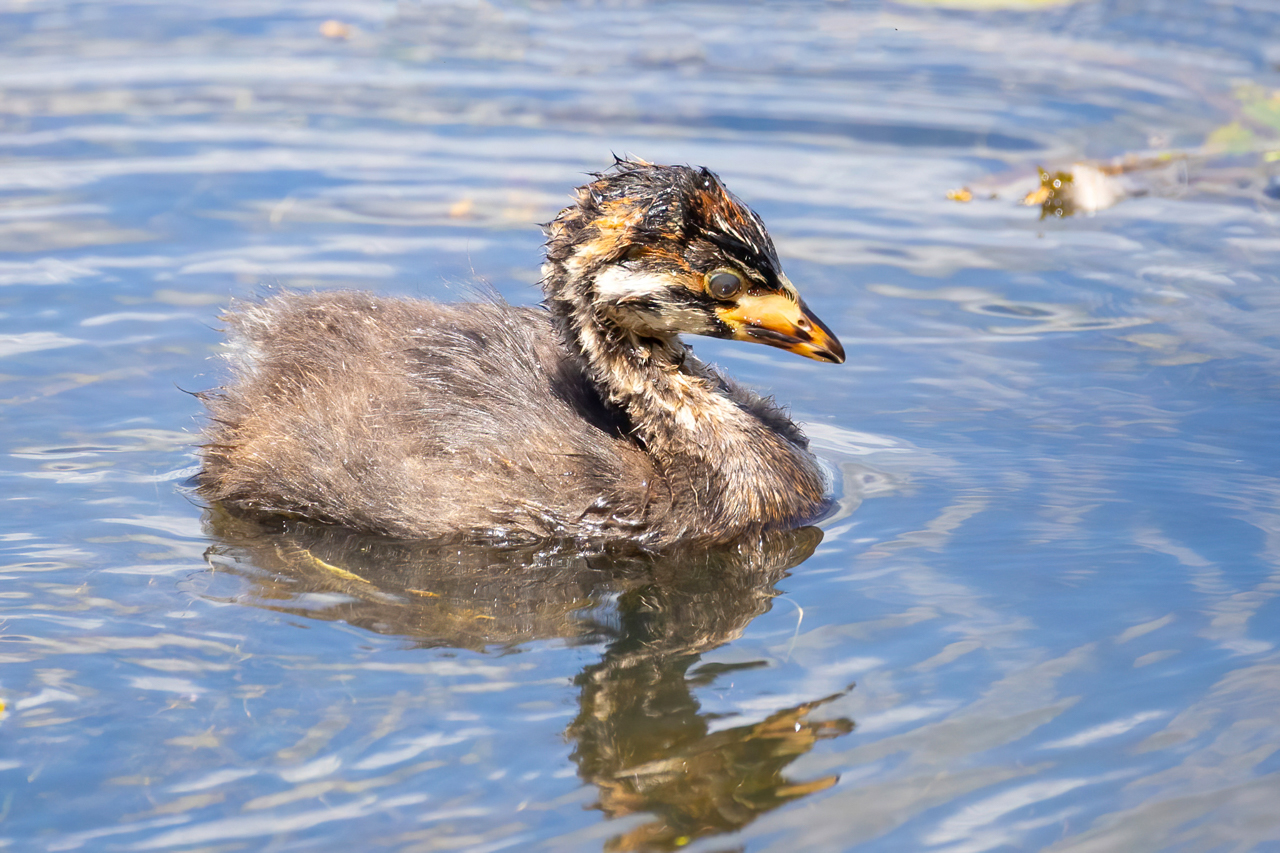
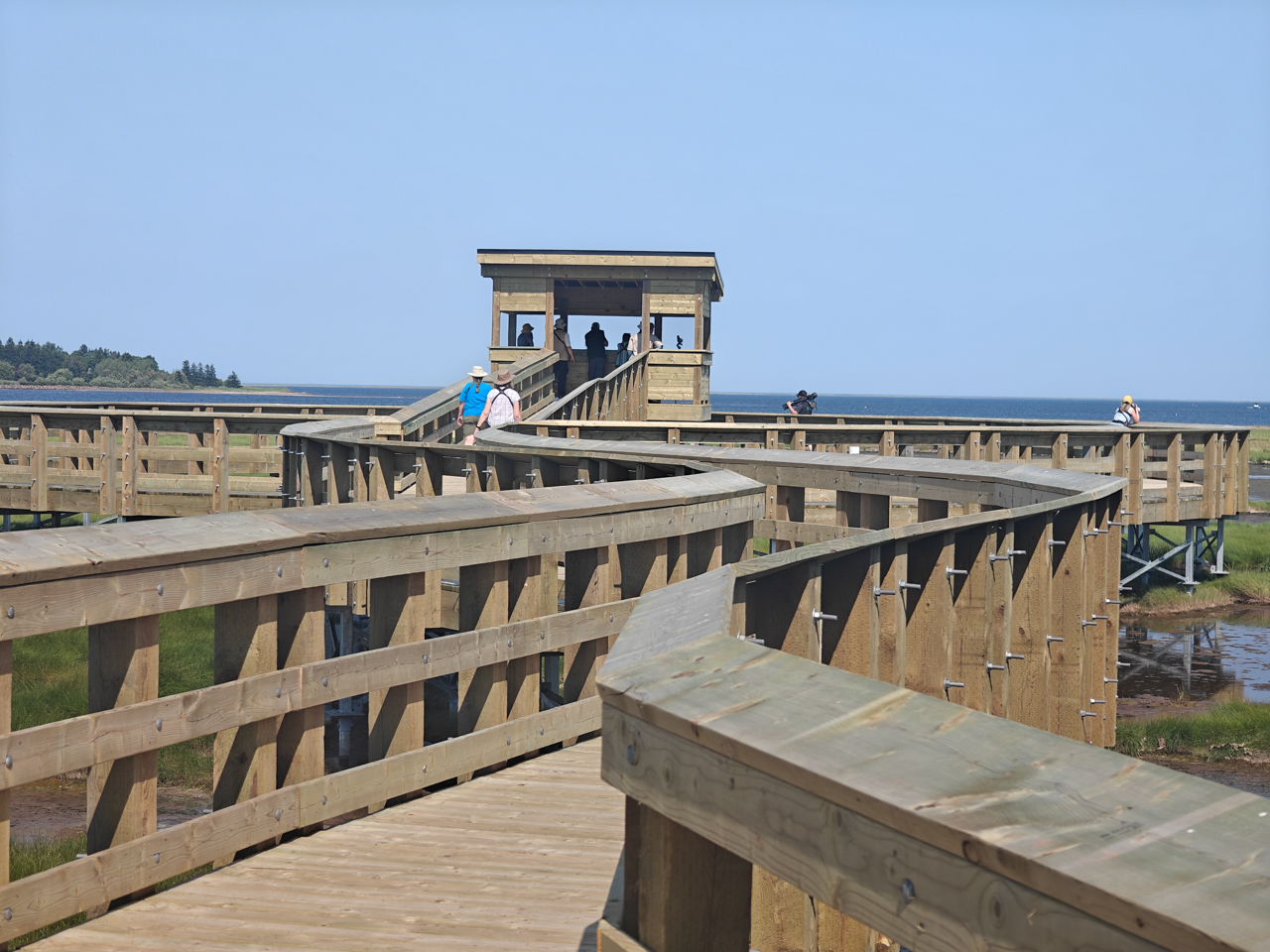
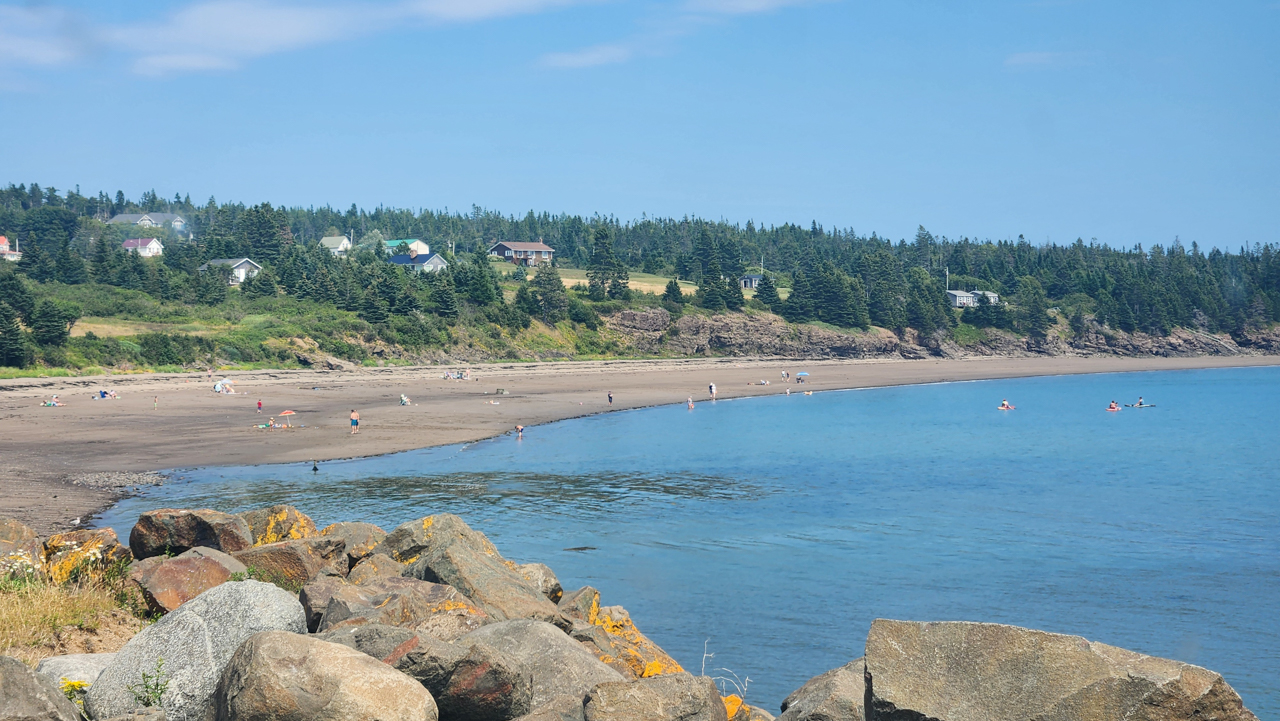
The journey began in Moncton, strategically chosen as a base for accessing the eastern marshes and the Bay of Fundy’s upper reaches. On August 4, the group initiated field observations in the Memramcook area. At the Reid McManus Nature Reserve, observers documented an American Bittern and a Great Blue Heron, while the surrounding woodland hosted species such as the Blackburnian Warbler and the Northern Parula. The afternoon was dedicated to the Sackville Waterfowl Park, where high-density populations of Pied-billed Grebes and various dabbling ducks were recorded. The day concluded at the Johnson Mills Shorebird Reserve, where initial attempts to view the massed shorebird migration were hampered by high winds, though the presence of a Peregrine Falcon provided a significant raptor sighting.
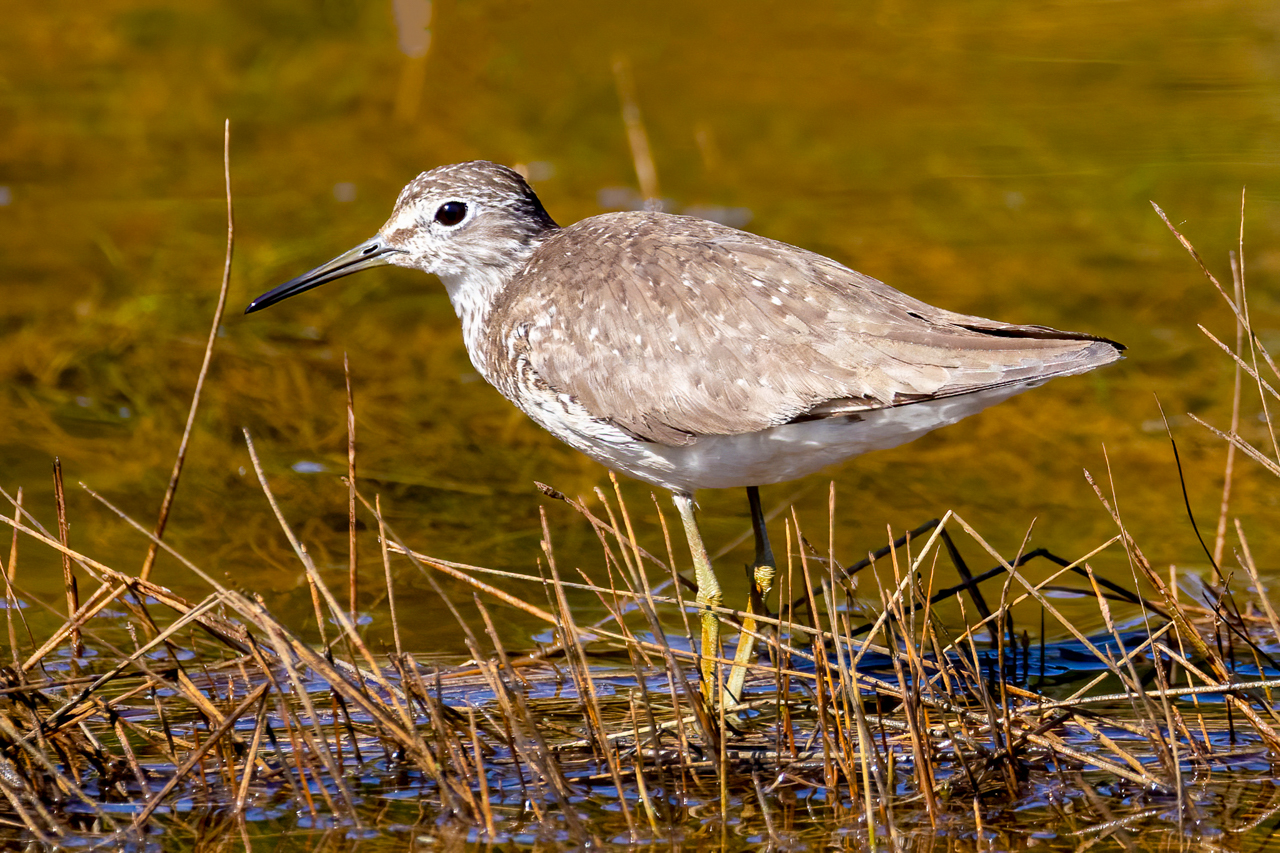
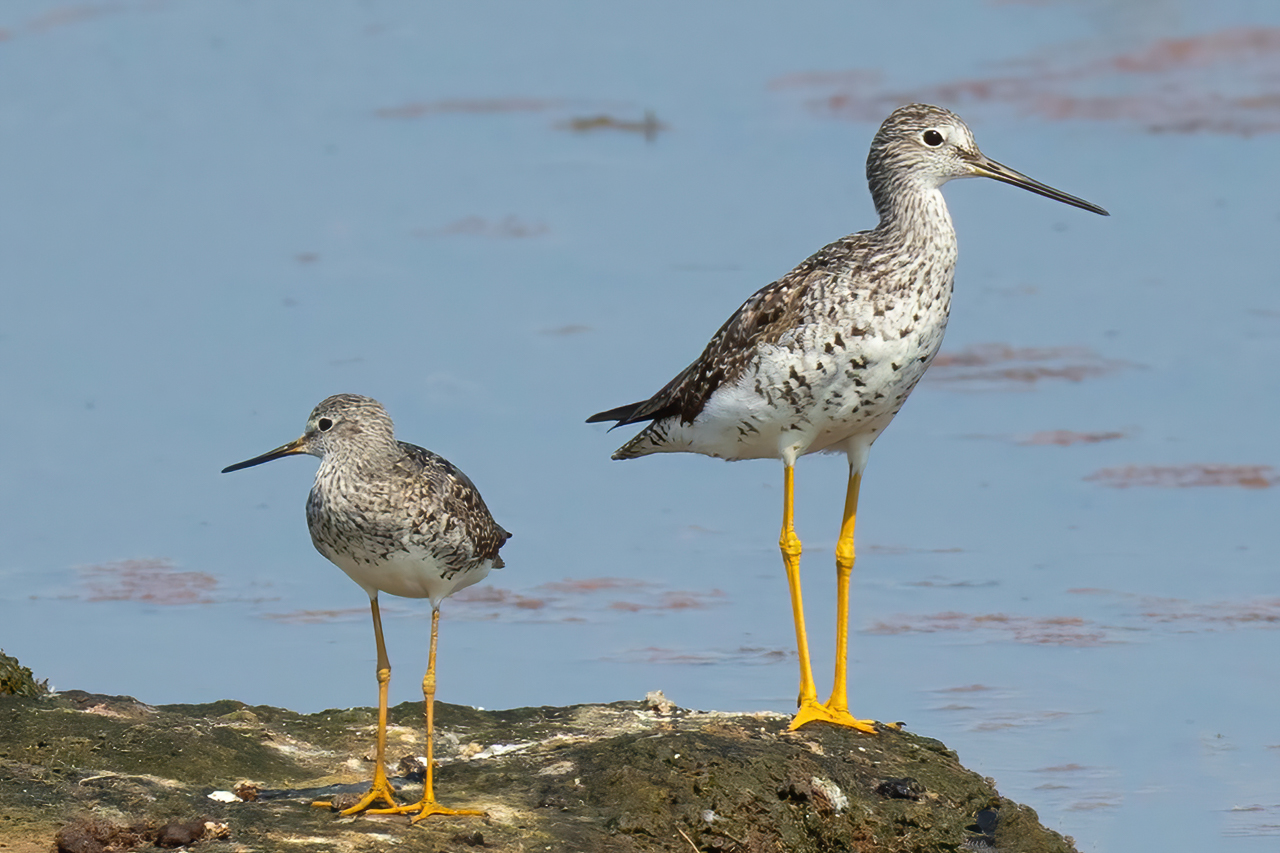
On August 5, the expedition shifted focus to Kouchibouguac National Park and the Bouctouche lagoons. This region, characterized by its distinct Acadian cultural heritage and varied coastal ecosystems, offered sightings of the Olive-sided Flycatcher and White-rumped Sandpipers. The following day, August 6, saw the team return to the Moncton area for a deep dive into the Bell Street Marsh, where they logged over 50 species in a single morning. Rare sightings included a Wilson’s Phalarope at the Petitcodiac lagoons and a Great Egret at Highland Park in Salisbury.
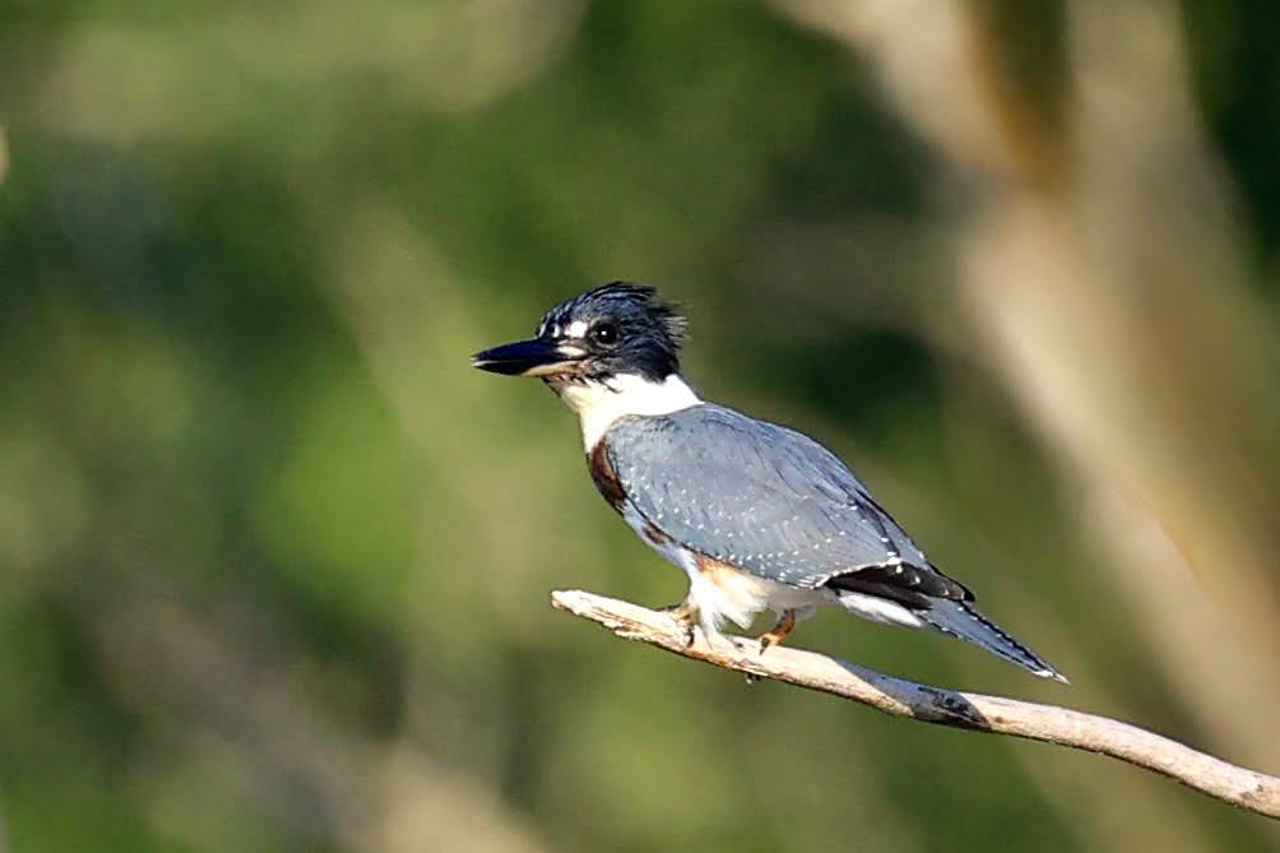
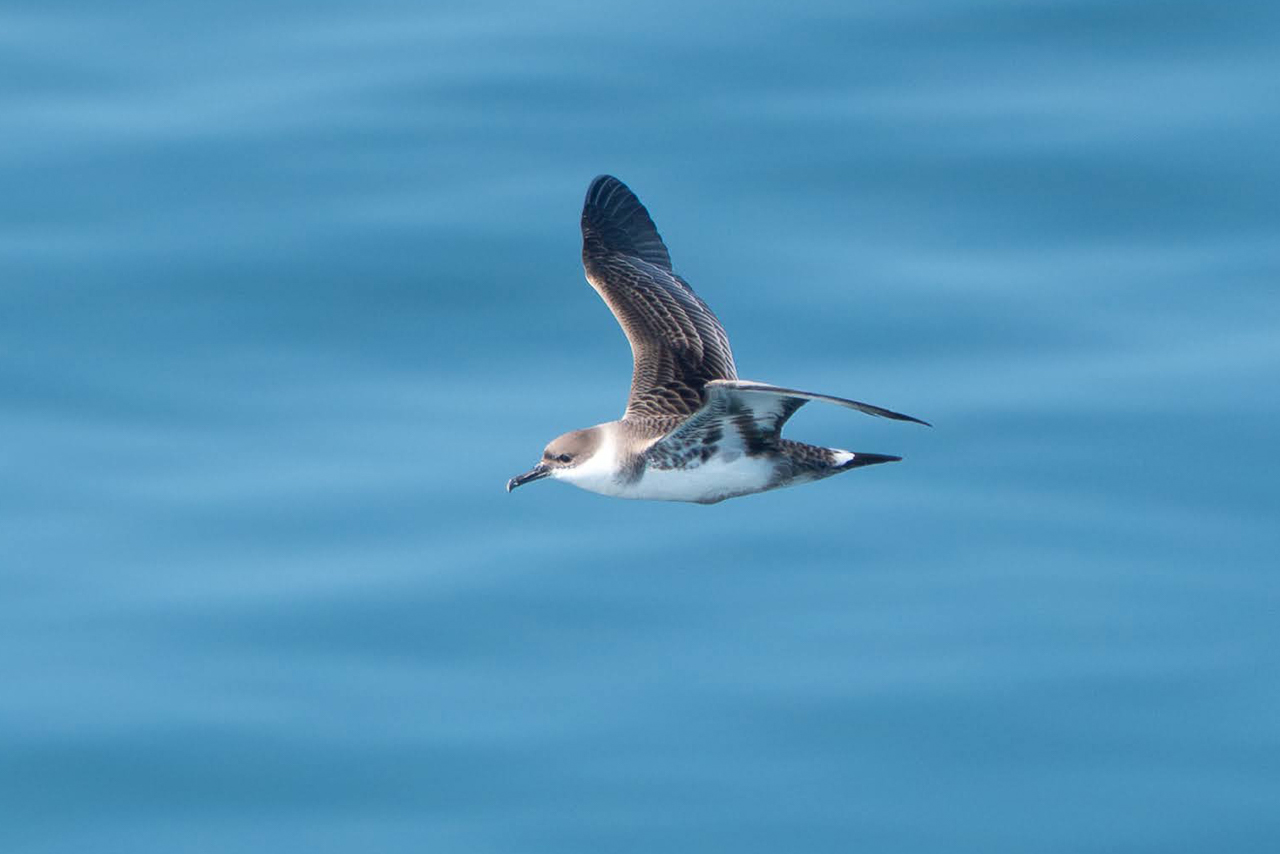
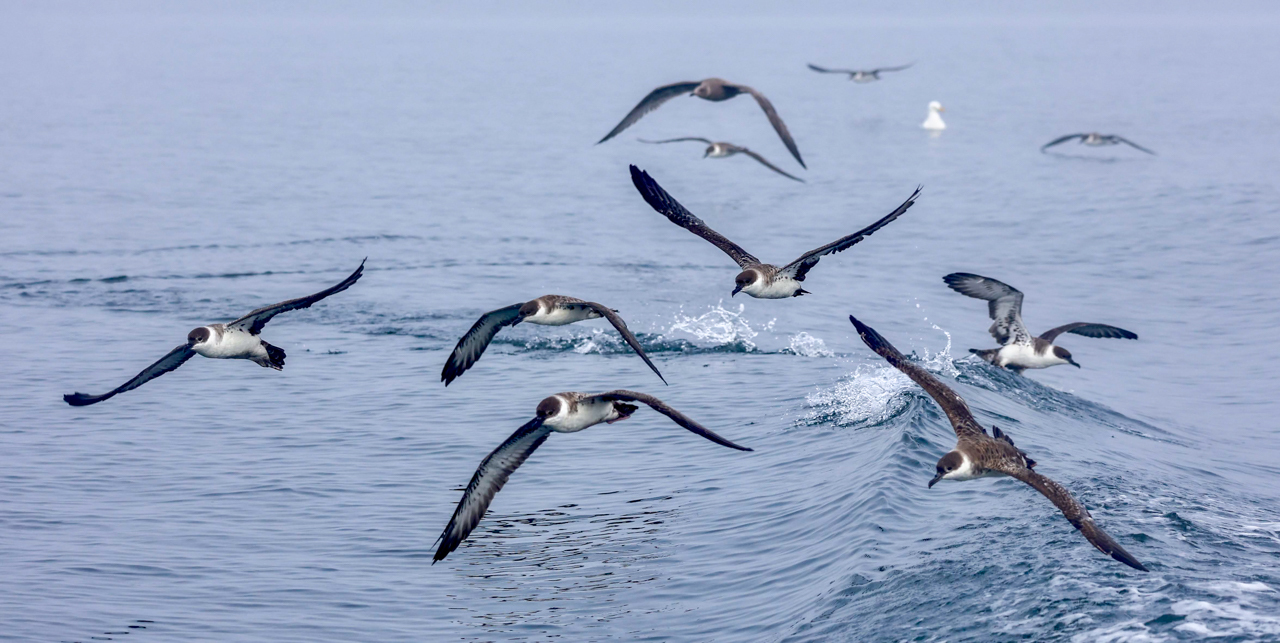
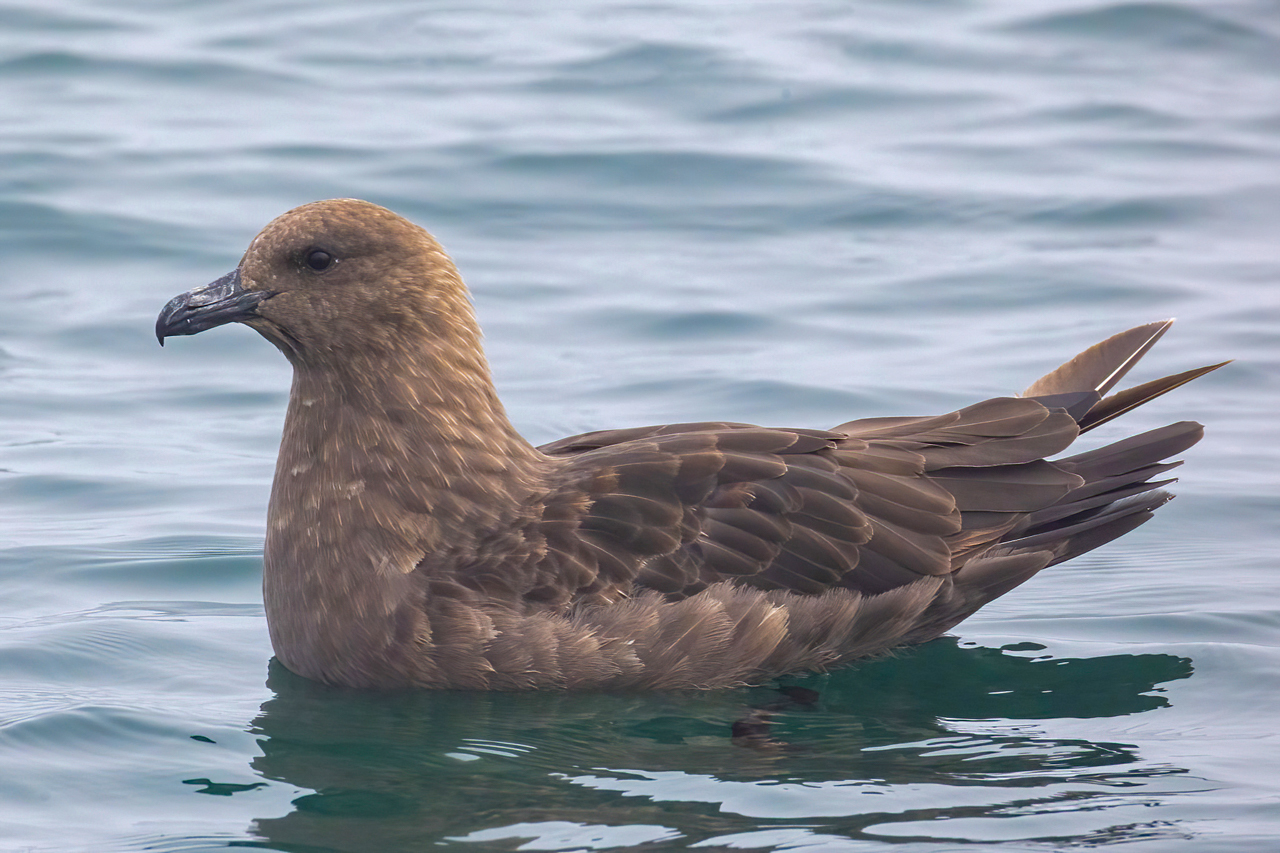
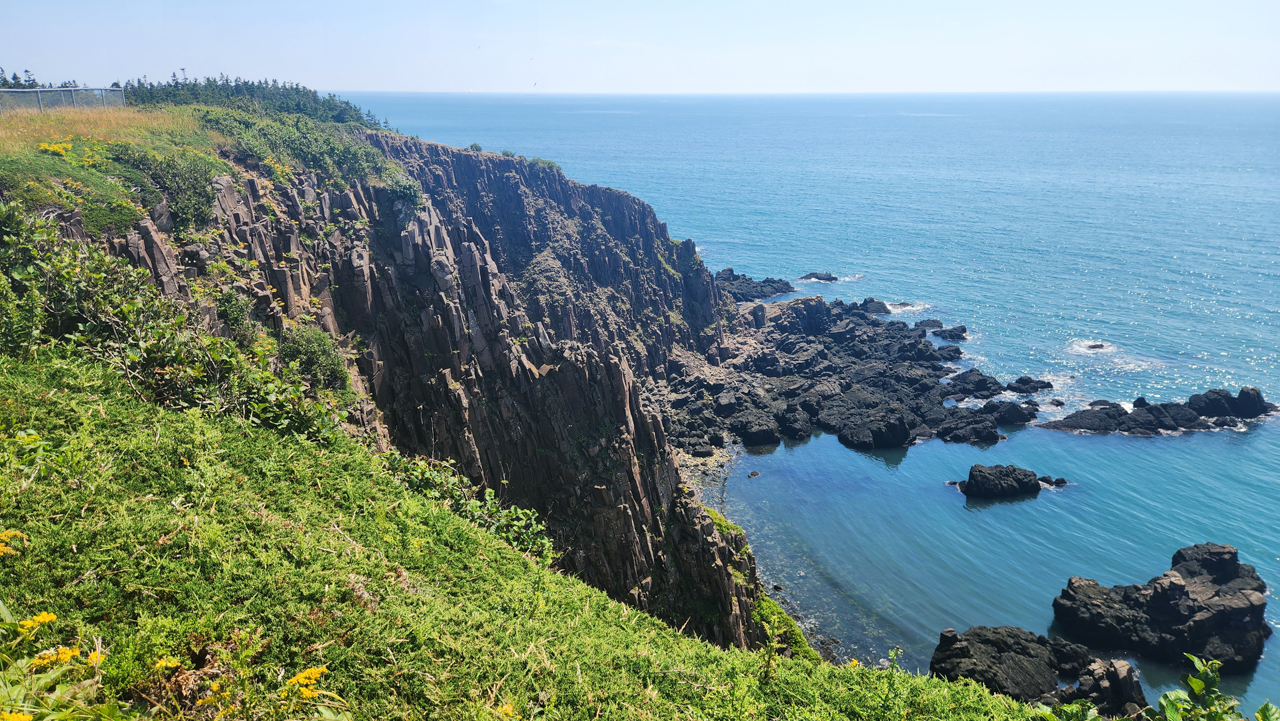
The transition to Grand Manan Island took place on August 7. The ferry transit from Black’s Harbour proved to be a productive pelagic session, yielding sightings of Sooty and Great Shearwaters, Razorbills, and Parasitic Jaegers. A major highlight occurred when the team successfully identified a South Polar Skua, a pelagic rarity that generated significant interest among the group. Through August 10, the island’s terrestrial and marine habitats were explored, including a noteworthy stop at White Head Island, where the group observed a pair of American Oystercatchers—an uncommon breeder in Canadian waters.
The final phase of the tour, August 11-12, focused on Fundy National Park and a return to Johnson Mills. The final day provided the most spectacular observation of the entire trip: as the tide receded at Johnson Mills, an estimated 100,000 Semipalmated Sandpipers converged on the mudflats, creating a massive, coordinated murmuration that is widely considered one of the most significant avian spectacles in North America.
Ecological Context and Migration Data
New Brunswick serves as a pivotal node in the Atlantic Flyway. The Bay of Fundy’s extreme tidal range, which can exceed 16 meters, exposes vast mudflats twice daily. These mudflats are rich in the amphipod Corophium volutator, a tiny crustacean that serves as a high-energy food source for migrating shorebirds. Semipalmated Sandpipers arrive in the Bay of Fundy from their breeding grounds in the Arctic, often doubling their body weight through intense foraging before embarking on a non-stop trans-Atlantic flight to South America.
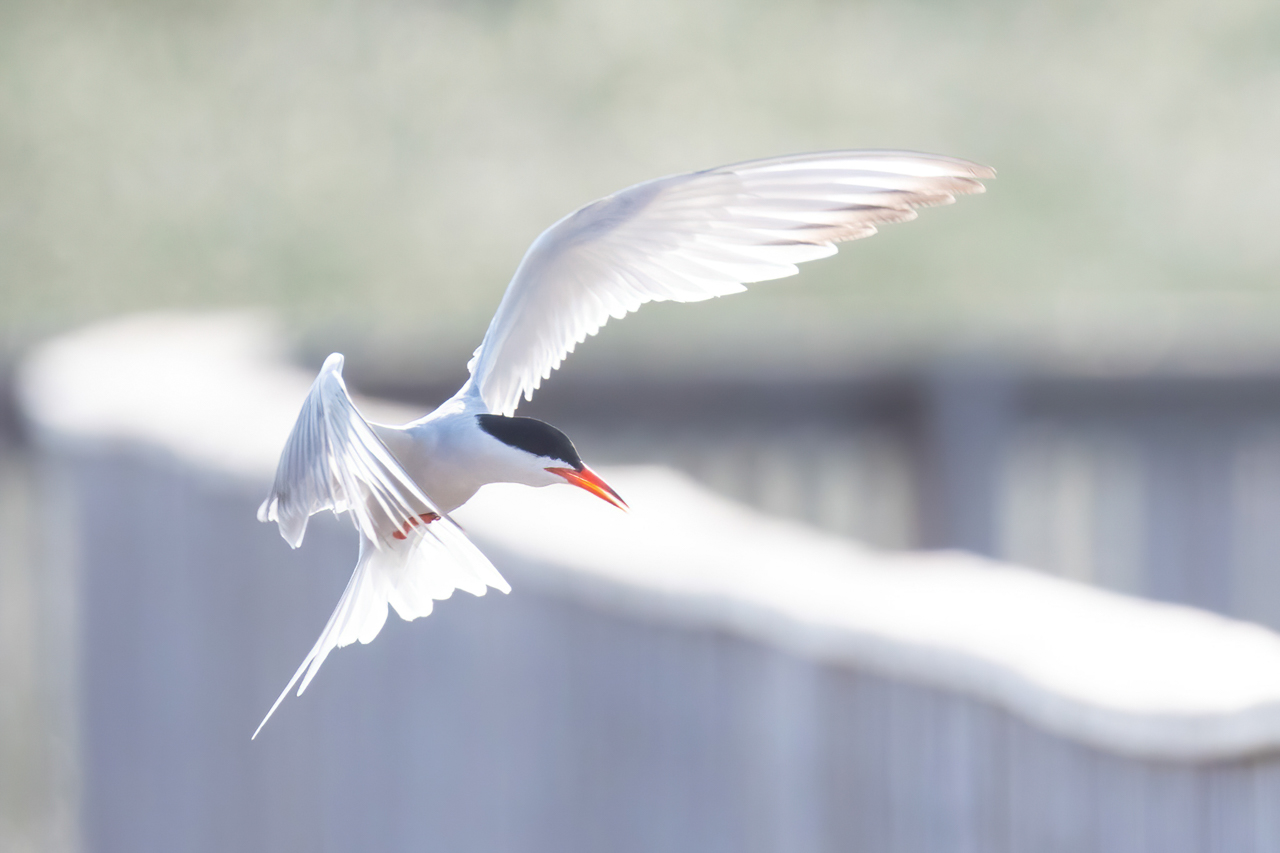
The scale of the migration witnessed by the group—reaching the 100,000-bird threshold—aligns with regional conservation reports that identify Johnson Mills as a site of hemispheric importance under the Western Hemisphere Shorebird Reserve Network (WHSRN). The observation of the South Polar Skua and Arctic Terns during the pelagic segments underscores the importance of the offshore banks near Grand Manan as a foraging ground for pelagic species that spend the majority of their lives on the open ocean.
Scientific and Conservation Implications
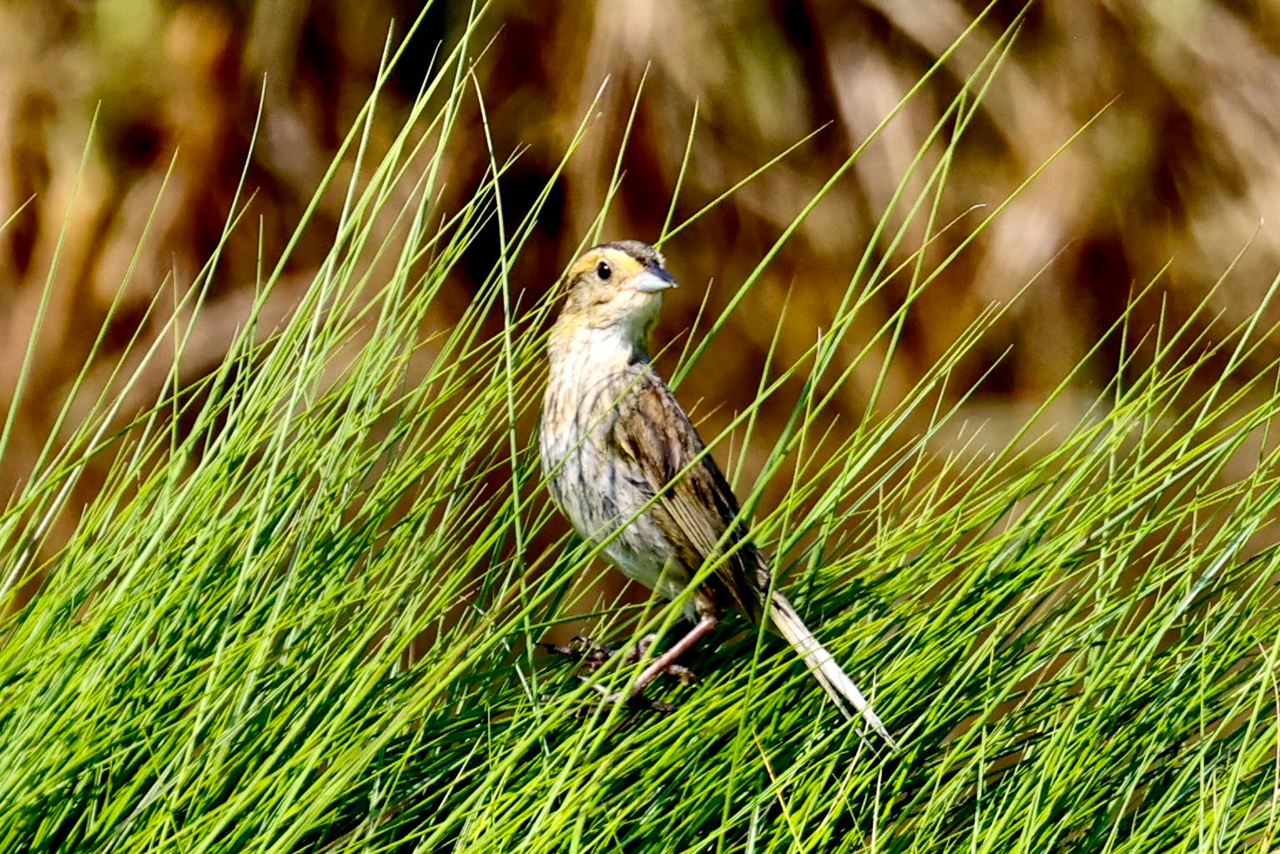
The sightings recorded during the expedition offer a snapshot of the current state of bird populations in Eastern Canada. The inclusion of species like the Chestnut-sided Warbler and Northern Cardinal reflects the shifting ranges of some songbirds, while the presence of the American Oystercatcher on White Head Island serves as a indicator of the success of local monitoring programs aimed at protecting vulnerable nesting sites.
The role of the Peregrine Falcon at Johnson Mills represents the natural predator-prey dynamics essential to the ecosystem. As these shorebirds cluster in immense numbers, they become prime targets for raptors. The resulting "murmuration" effect—where thousands of birds move in unison—is a survival strategy designed to confuse predators and mitigate the risk to individual birds. Observers noted that these movements were frequently triggered by the presence of the falcon, demonstrating the immediate impact of apex predators on migratory behavior.
Statements and Expert Observations
While the tour was conducted as a private expedition, the observations logged by the participants have been noted by local birding communities. Guides leading the tour emphasized the "flat calm" conditions experienced during the Grand Manan pelagic trip as a critical factor in the high success rate of identifying pelagic species. In maritime birding, weather conditions are often the primary variable determining whether offshore species can be sighted. The ability of the vessel’s captain to track the South Polar Skua and maintain a close, respectful distance allowed for detailed study, which is often difficult given the species’ elusive nature.
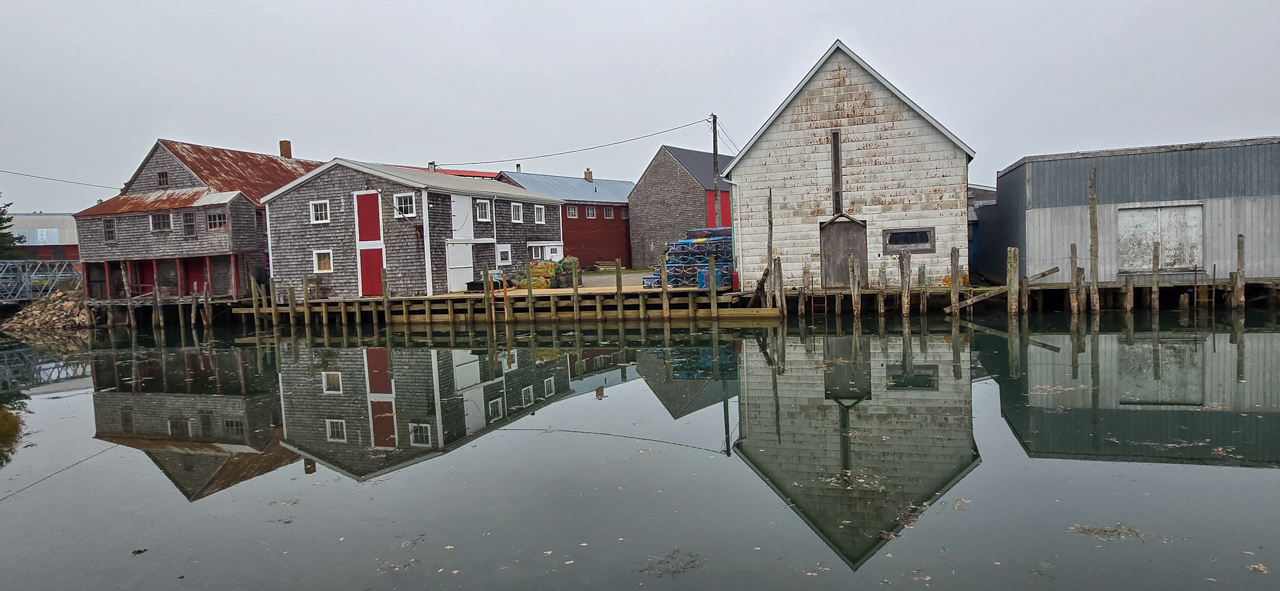
Furthermore, the "lobster capital" of Alma in Fundy National Park provided more than just a culinary stop; it served as a vantage point for observing the marine-terrestrial interface. The presence of juvenile Golden-crowned Kinglets in the park’s boreal forest indicated a successful breeding season for local passerines, providing a contrast to the transient migratory species seen along the coast.
Broader Impact and Regional Tourism
The success of this expedition underscores the growing viability of ornithological tourism in New Brunswick. The province’s unique combination of boreal forests, coastal estuaries, and deep-water pelagic access allows for a highly condensed birding experience that few other regions can match. By attracting birders to sites like the Sackville Waterfowl Park and the various nature reserves, the tourism sector benefits from visitors who prioritize ecological integrity and environmental education.
The data gathered during these ten days, ranging from the identification of regionally rare vagrants to the counts of thousands of shorebirds, contributes to a larger, ongoing understanding of migratory timing. As climate change continues to shift the phenology of insect emergence and plant growth in the Arctic, the timing of shorebird stopovers in the Bay of Fundy becomes an increasingly important area of study for ornithologists. The consistency of these migration patterns, as observed in early August, provides a baseline for future longitudinal studies.
Conclusion
The expedition concluded on August 12 with a sense of accomplishment among the participants. The final observations at Johnson Mills, where the sheer volume of shorebirds dwarfed all previous sightings of the week, served as a poignant reminder of the scale of global avian migration. By integrating diverse habitats—from the inland wetlands of the Petitcodiac lagoons to the open Atlantic waters near the "prong" of Grand Manan—the tour successfully sampled the breadth of New Brunswick’s avian richness. As the participants departed, they left behind a comprehensive record of the season’s movements, further cementing the province’s reputation as a vital, high-traffic corridor in the complex map of the Atlantic Flyway. The combination of detailed field identification, documentation of rare species, and the sheer spectacle of mass migration highlights the continued need for habitat protection in the Bay of Fundy, ensuring that these cycles continue to support the millions of birds that rely on these shores for their survival.
