

The 2026 Manitoba Wildlife Expedition marked a significant convergence of ornithologists, naturalists, and eco-tourists as they traversed one of Canada’s most ecologically diverse provinces. Spanning twelve days, the expedition documented the transition from the southern agricultural plains to the rugged, subarctic landscapes of the Hudson Bay coastline. The journey, which concluded in mid-August, served as both a comprehensive birding survey and a critical observation window for regional mammal populations, including the elusive Burrowing Owl and the diverse color phases of the Red Fox.
Phase One: Southern Manitoba and the Grassland Corridor
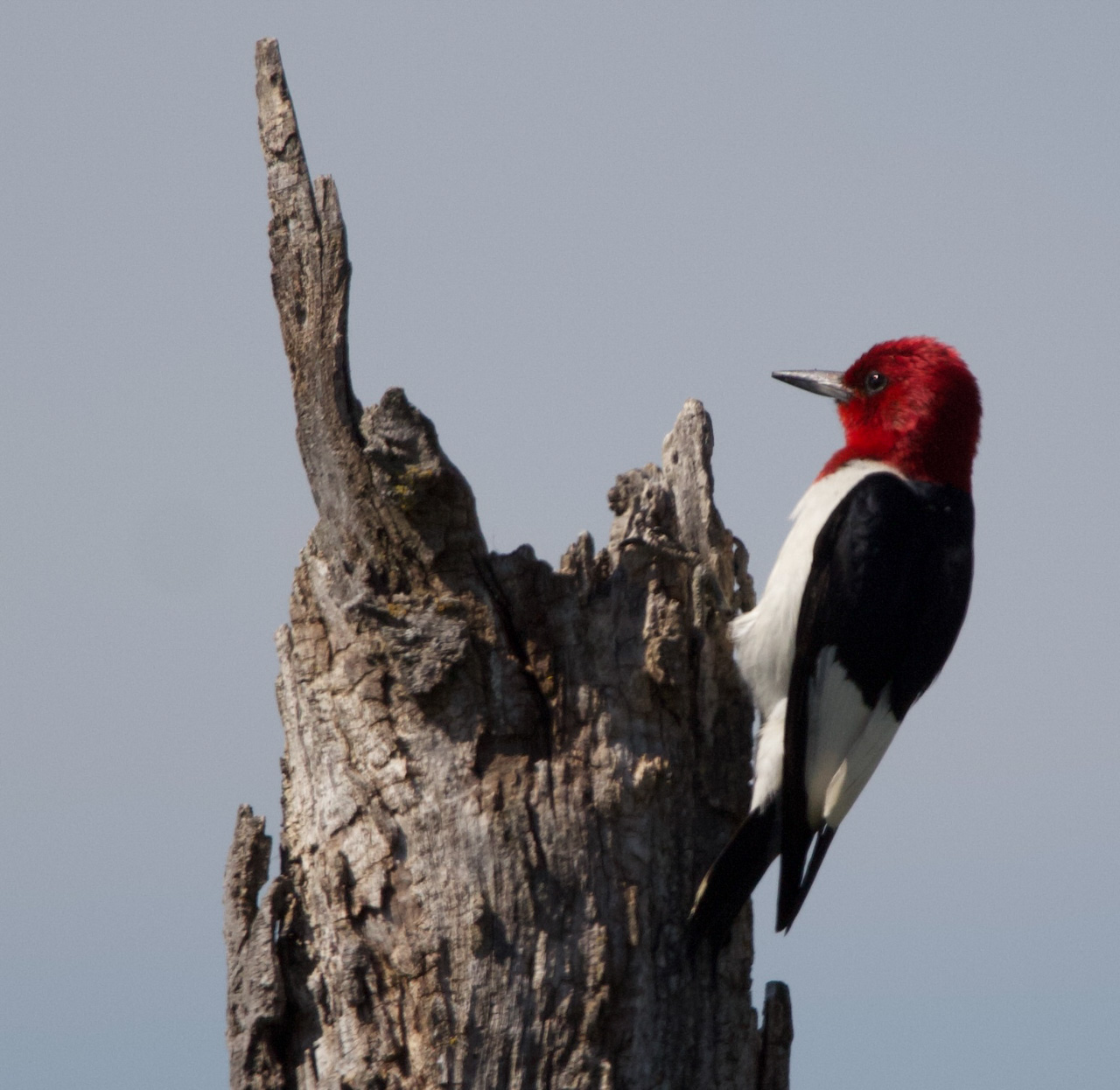
The expedition commenced with a foundational meeting in Winnipeg, where participants finalized the itinerary. The southern portion of the trip focused on the "pothole" regions and the Shoal Lakes, critical stopovers for migratory waterfowl. The region’s landscape—characterized by cattle pastures, scattered oak stands, and transient wetlands—provided the necessary habitat for the Red-headed Woodpecker. Observations in these areas confirmed the continued presence of the species, despite the habitat fragmentation often associated with agricultural expansion.
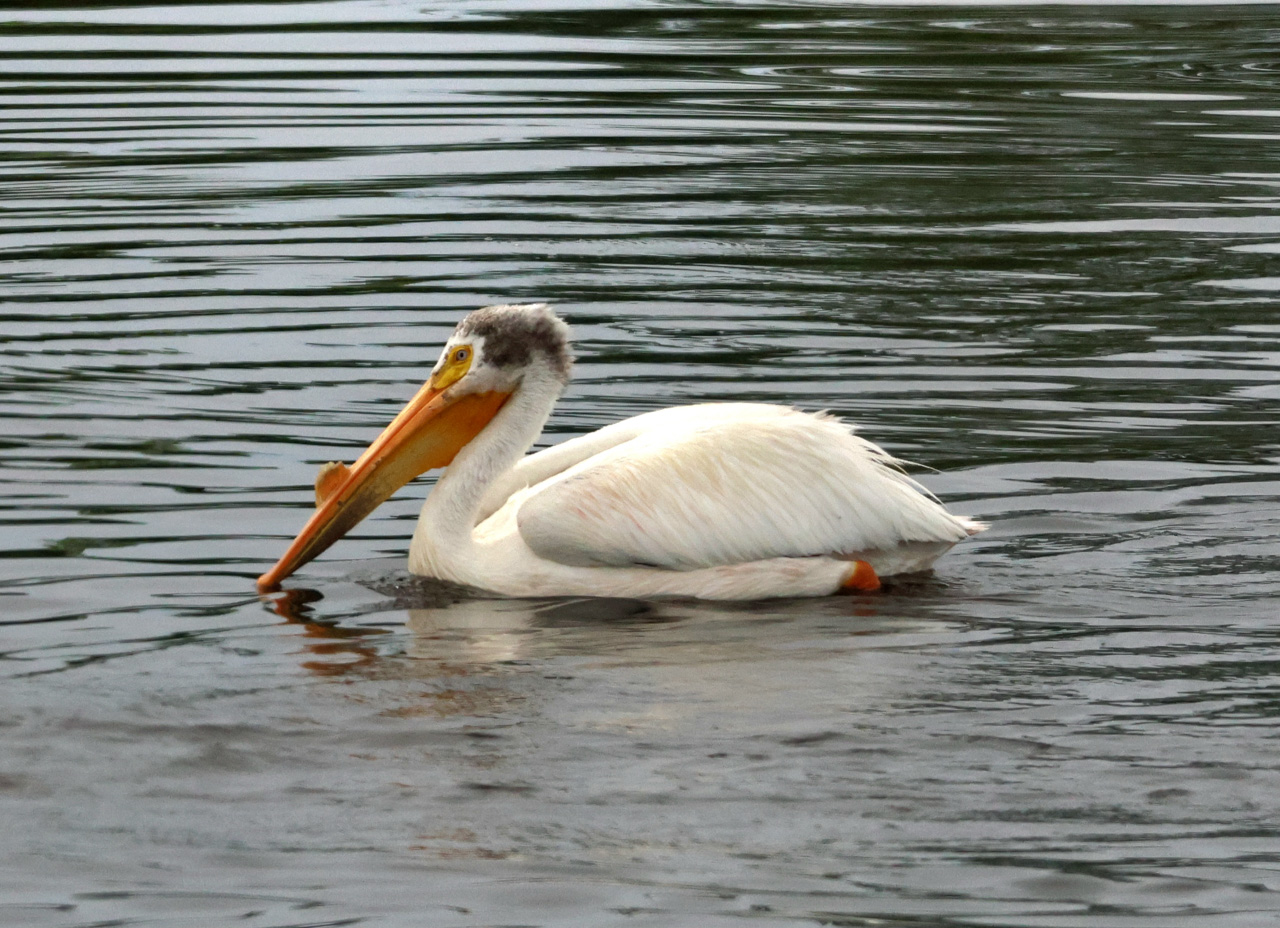
As the team moved toward the west side of the Shoal Lakes, the survey recorded an abundance of waterfowl, including various grebes and American White Pelicans. The presence of a Willet with fledglings highlighted the successful breeding season in these marshlands. The team’s data collection was bolstered by the auditory presence of Le Conte’s Sparrows, a species whose reliance on undisturbed tallgrass makes them a key indicator of ecosystem health. The Portage la Prairie landfill, while unconventional for ecological study, proved to be a vital site for identifying gull species, including the California Gull, often found alongside the more common Ring-billed and American Herring Gulls.
Riding Mountain National Park: A Boreal Sanctuary
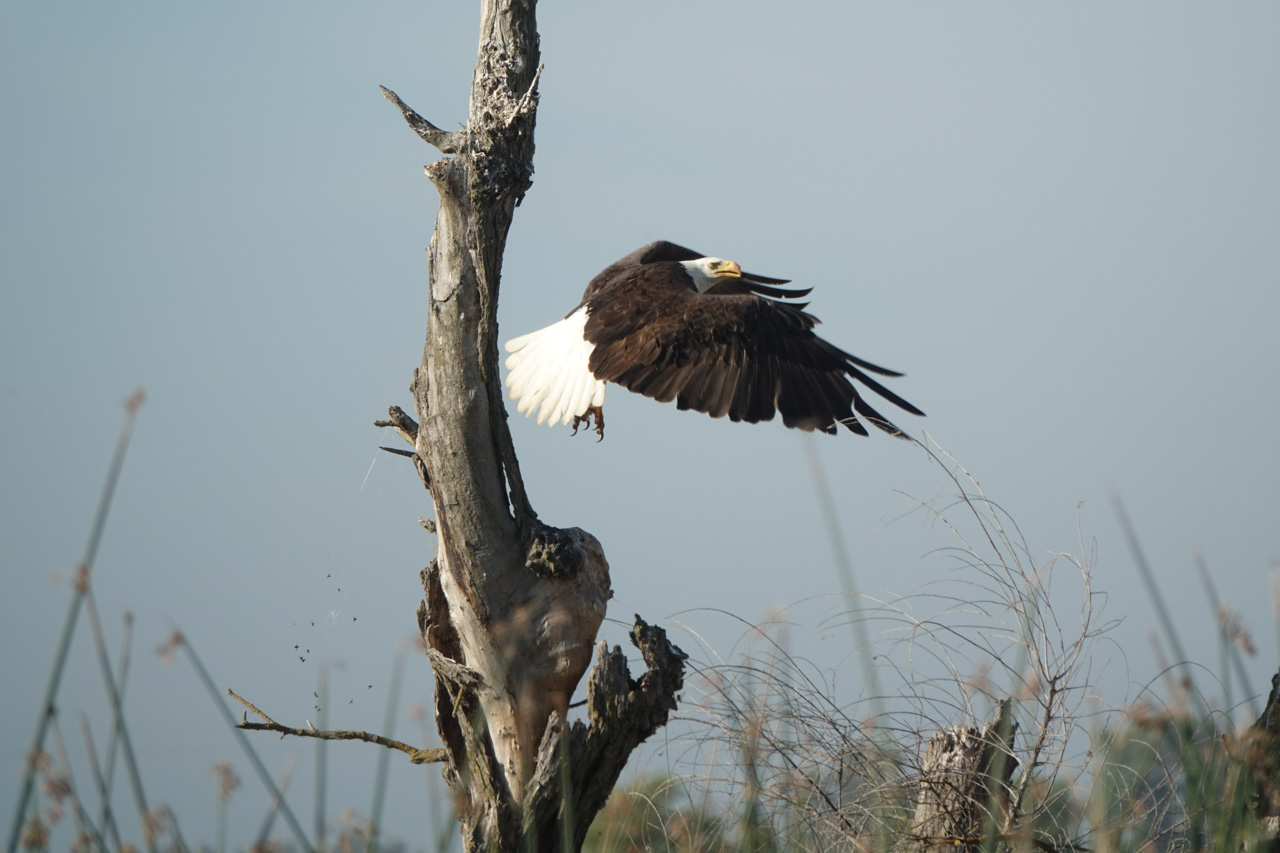
The transition from the open prairies to the elevated terrain of Riding Mountain National Park provided a stark contrast in biodiversity. This biosphere reserve, characterized by its mix of deciduous and boreal forests, served as a focal point for studying mammalian behavior and forest-dwelling avian species.
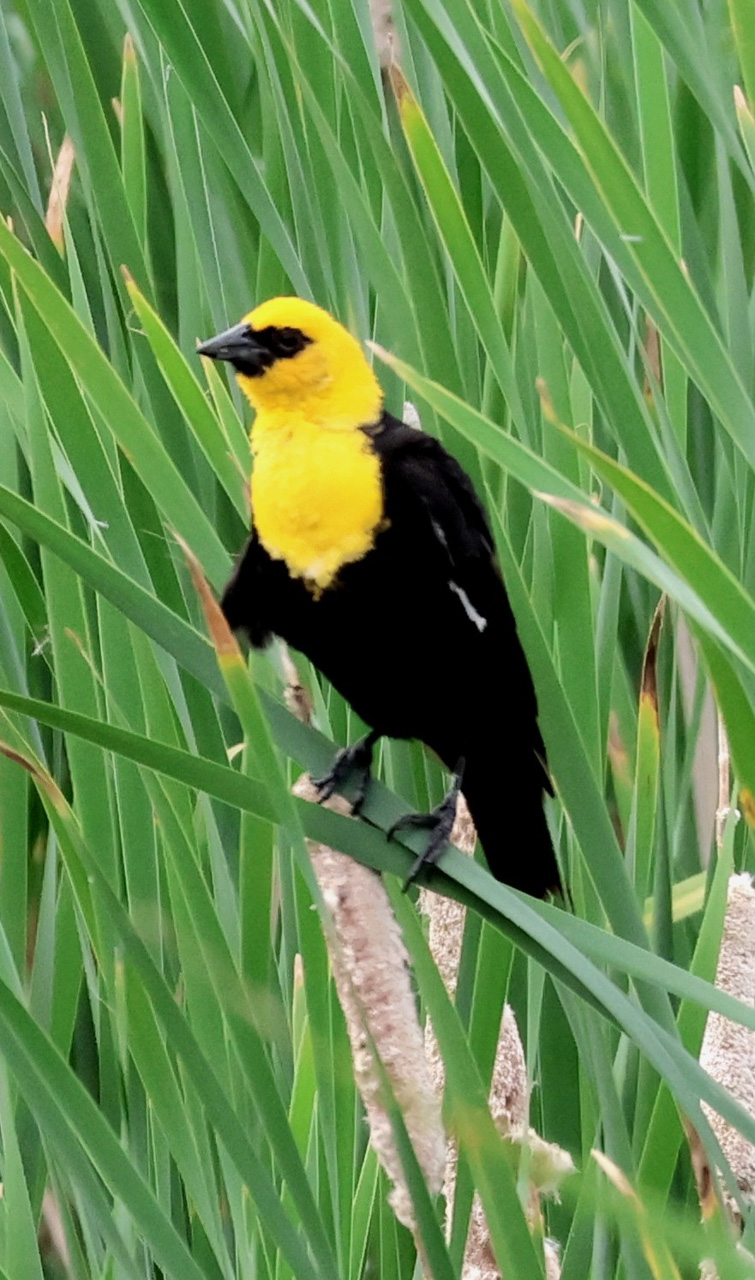
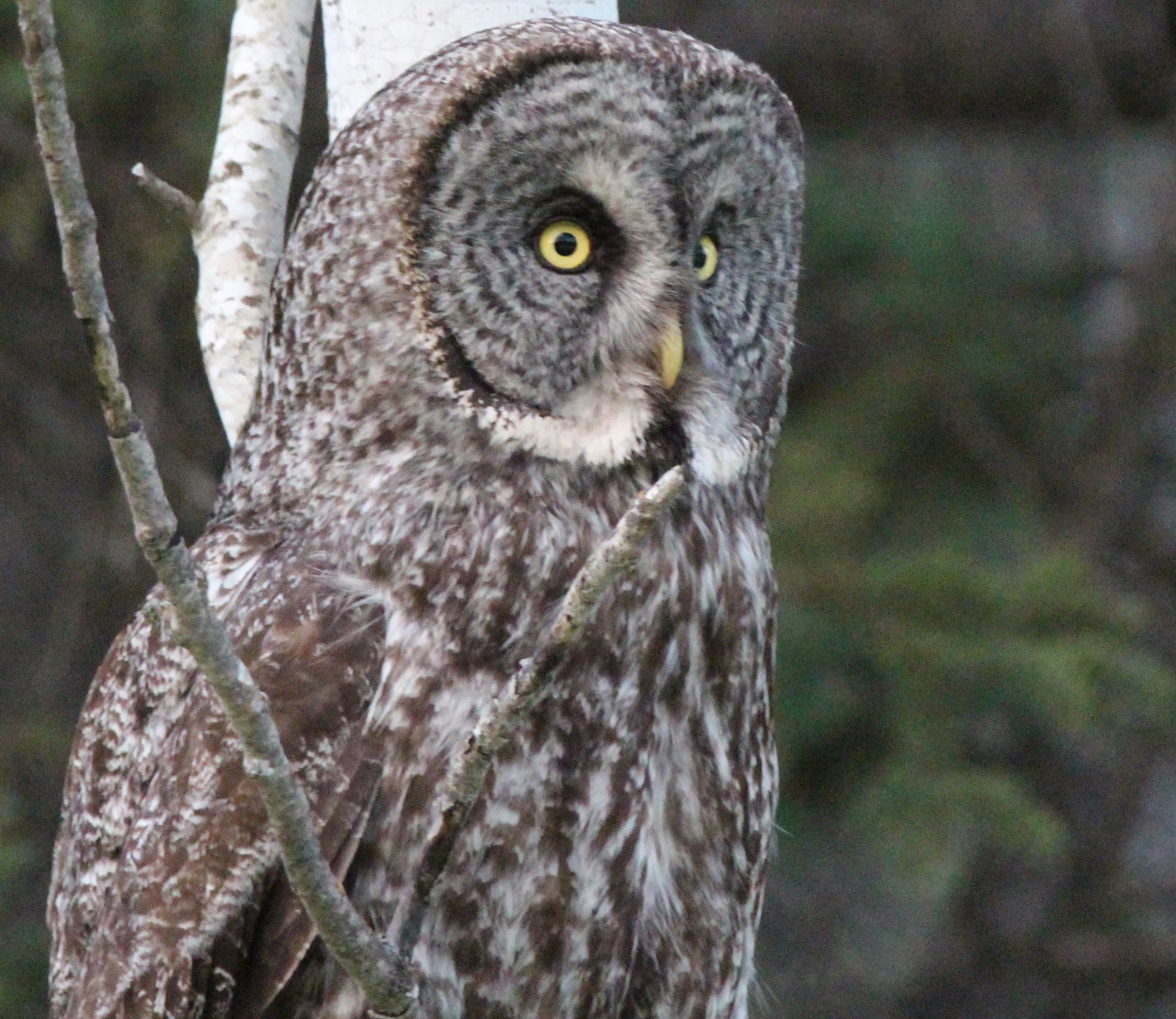
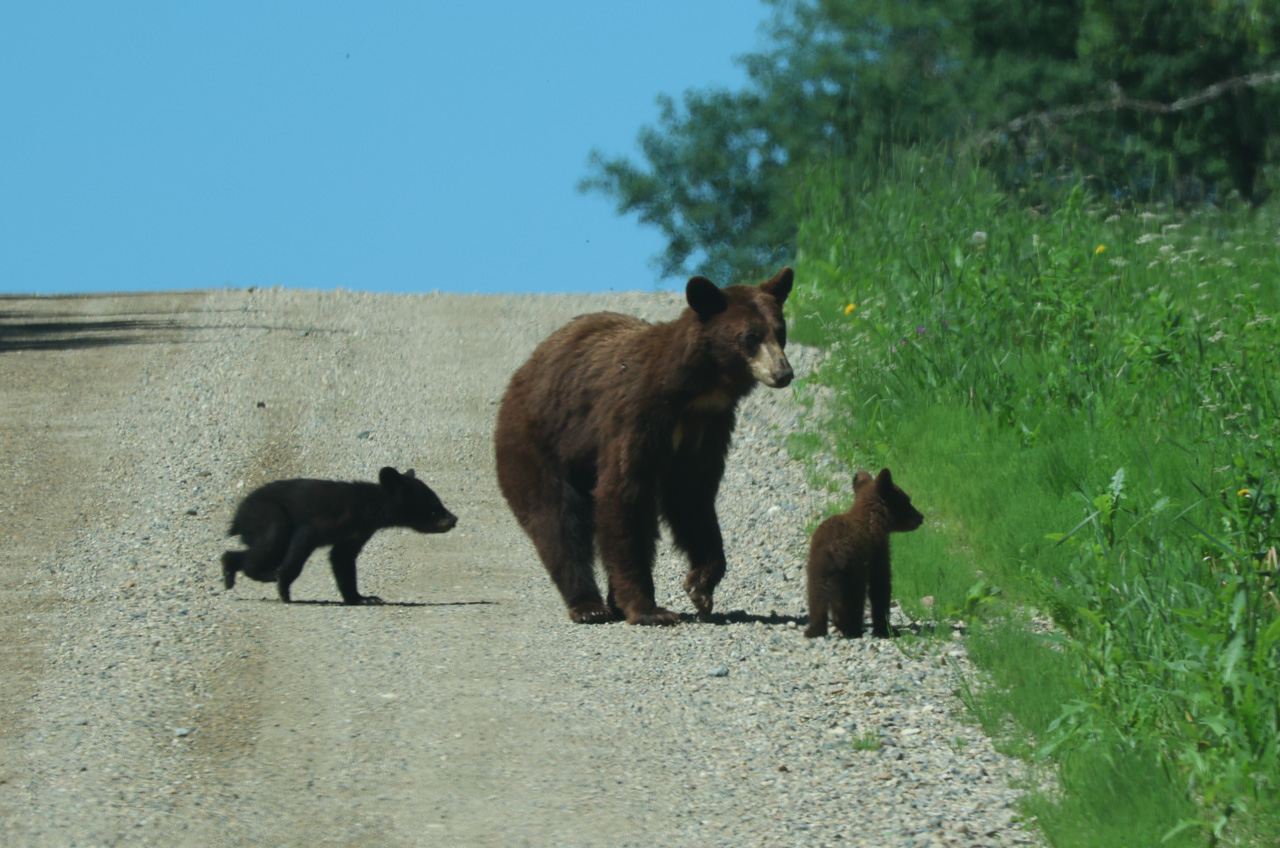
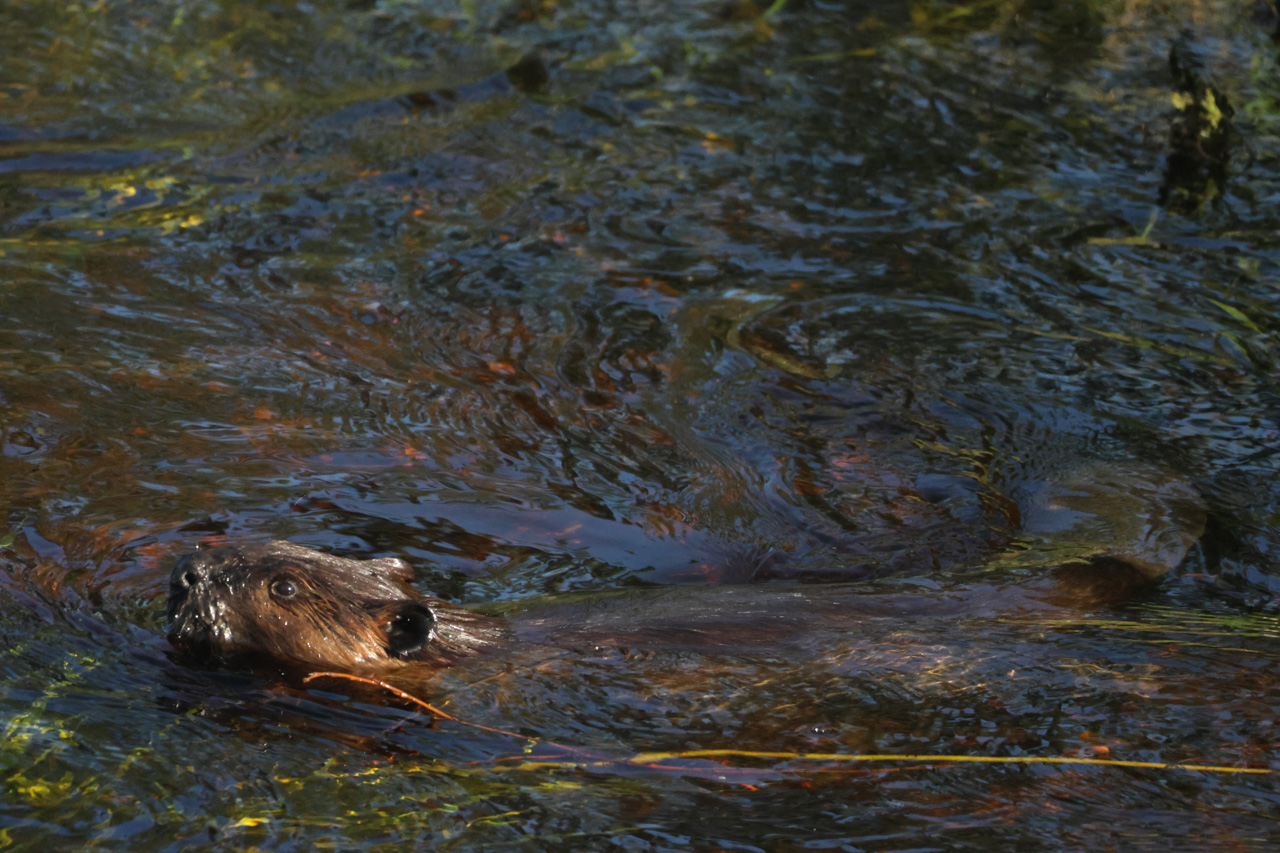
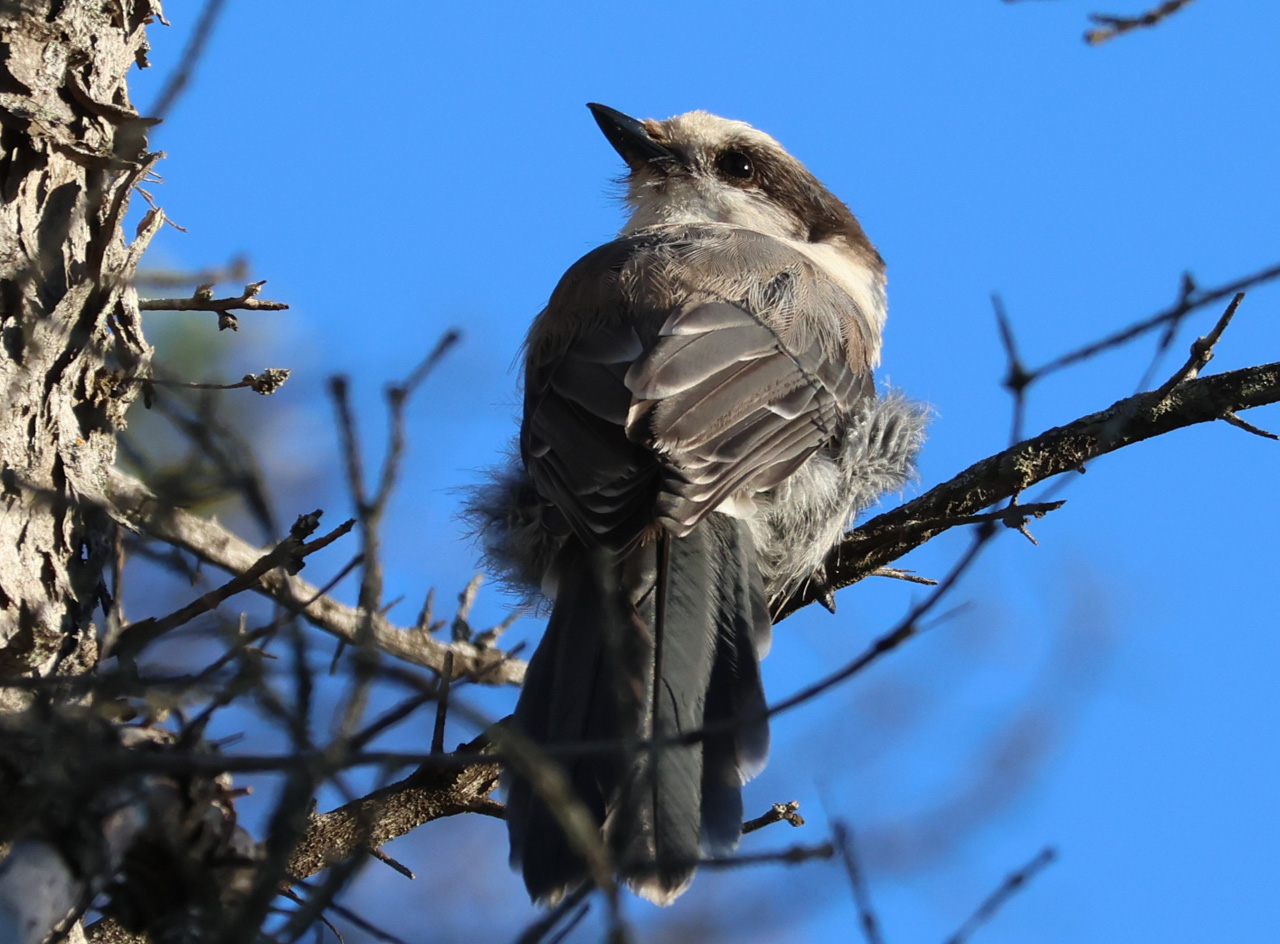
During night drives, the team observed a high density of predator activity, including the Great Grey Owl and Long-eared Owl. The sighting of a mother black bear and her yearling cub underscored the importance of the park’s protected status in maintaining stable large-mammal populations. Data collected at Swanson Creek identified significant populations of Canada Jays and Yellow-rumped Warblers. The observation of a beaver in the clear waters of the creek offered a rare look at the animal’s locomotion, providing a stark reminder of the park’s vital hydrological role.
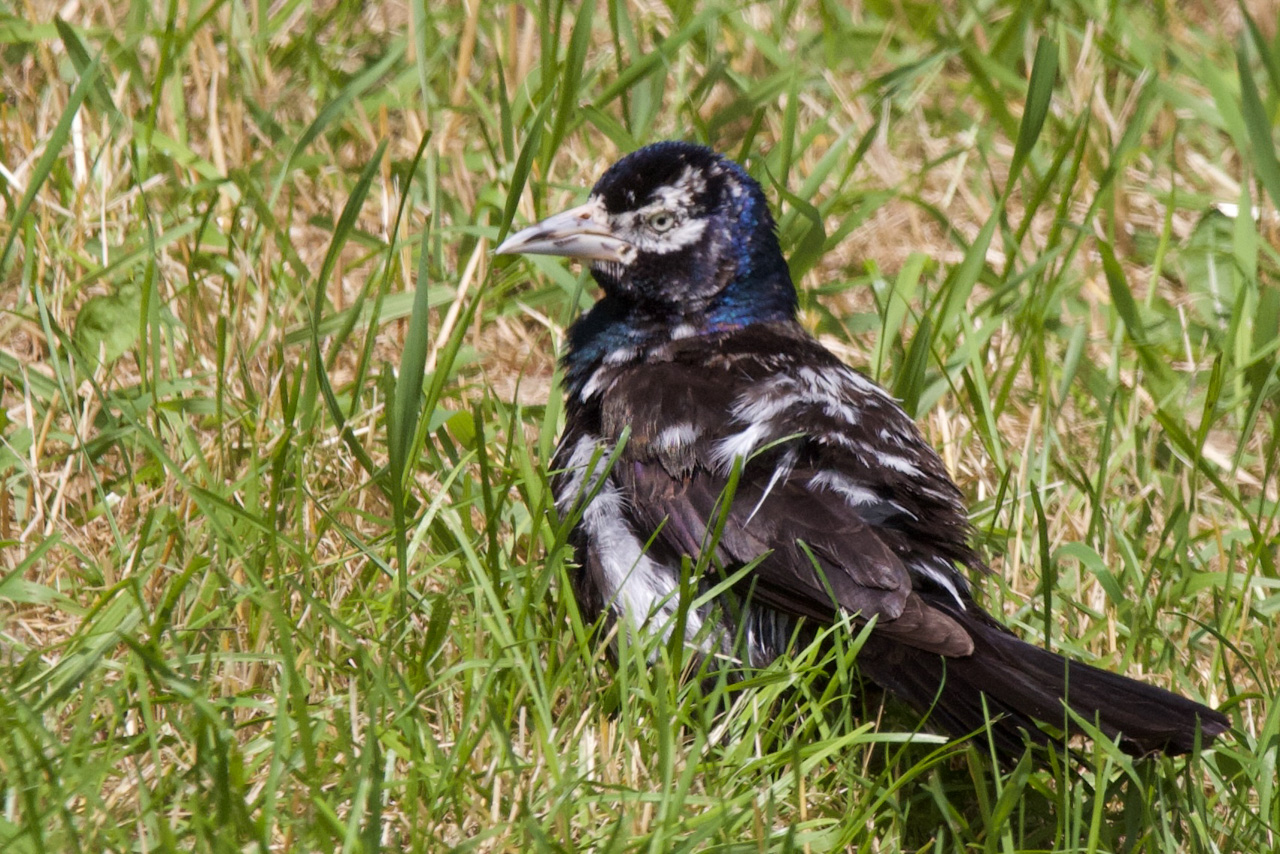
Challenges were encountered in the Lake Audy region, where historical flooding necessitated a shift in the route. Despite the loss of access to the bison enclosure, the team found success in the town of Wasagaming, identifying Blackburnian and Mourning Warblers. The ecological implications of these findings suggest that even within heavily managed recreational areas, corridors of high-quality habitat remain essential for migratory passerines.
The Southwestern Grasslands and Rare Sightings
As the expedition moved into the Melita region, the focus shifted to the endangered grassland species that rely on the southwestern corner of Manitoba. The "Baird’s Sparrow Spot" and surrounding coulees provided the team with an opportunity to observe the Chestnut-collared Longspur and the Sprague’s Pipit. Both species are listed under the Species at Risk Act, and their presence in these specific prairie tracts highlights the success of local conservation efforts.
A major highlight of the expedition was the discovery of a Burrowing Owl, a species that has seen drastic population declines across the Great Plains. The owl, perched on a fence post, provided an rare, extended viewing opportunity. This sighting, paired with the observation of a Lazuli Bunting—a rare vagrant in the province—underscored the unpredictable nature of prairie biodiversity and the importance of professional monitoring to track shifts in species distribution.
The Subarctic Frontier: Churchill and Hudson Bay
The final leg of the journey took the expedition to Churchill, the "Polar Bear Capital of the World." The shift to the subarctic climate brought a distinct change in the species profile. Upon arrival at the Granary Ponds and Cape Merry, the group observed the complex interactions between marine and avian wildlife.
The presence of Beluga whales in the Churchill River provided a unique window into the subarctic marine food web. As the whales hunted capelin near the surface, opportunistic avian predators, including Arctic Terns, Parasitic Jaegers, and various gull species, swarmed the area. The documentation of these interactions is vital for understanding how climate-driven shifts in fish populations may impact the foraging success of these animals.
Further explorations along the coast and the Churchill Northern Studies Centre (CNSC) revealed the richness of the tundra ecosystem. The discovery of a Sabine’s Gull and a group of five Willow Ptarmigan highlighted the area’s importance as a breeding ground for high-latitude species. The observation of different color phases of the Red Fox—including the cross and black phases—provided a compelling case study in genetic variation within a localized population.
Data Synthesis and Broader Implications
The expedition concluded with a final gathering in Winnipeg, where the team reviewed their findings. The data collected during this twelve-day survey contributes to a growing body of knowledge regarding the current distribution of avian and mammalian species in Manitoba.
The observations made by the group provide several insights:
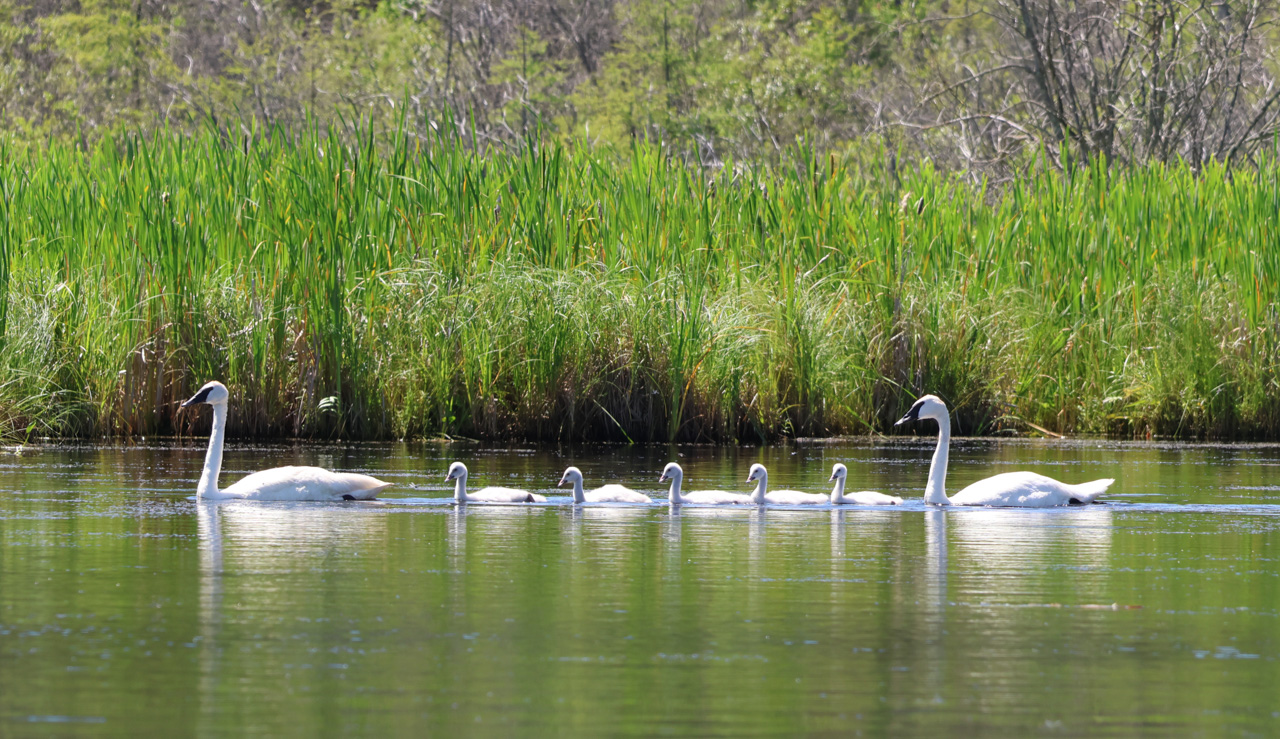
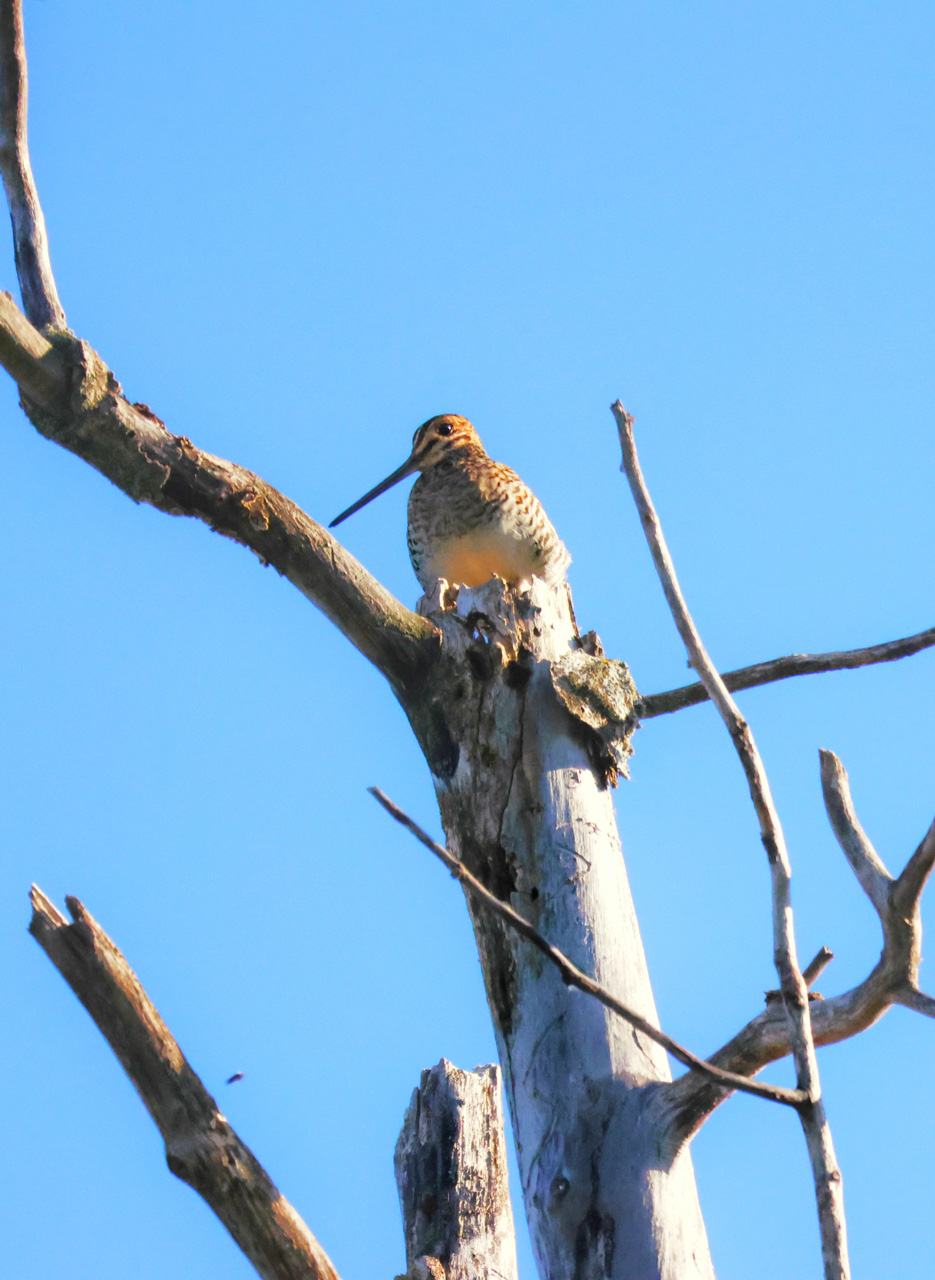
- Climate Resilience: The ability of species like the Wilson’s Snipe and the Trumpeter Swan to utilize varied, occasionally disturbed habitats suggests a degree of resilience in the face of local environmental changes.
- Conservation Necessity: The successful sightings of the Burrowing Owl and the Chestnut-collared Longspur reinforce the need for continued protection of native prairie grasslands.
- Climate Monitoring: The shift in species composition between the prairie south and the subarctic north remains a key indicator for monitoring the broader impacts of climate change on Canadian wildlife corridors.
The 2026 expedition not only provided the participants with a profound educational experience but also served as a reminder of the fragility of the Canadian wilderness. As the group dispersed, the consensus among the naturalists involved was clear: ongoing, long-term monitoring of these diverse environments is essential to ensure that the ecological richness documented during this trip persists for future generations. The combination of cultural history—as evidenced by the visit to the Fort Prince of Wales—and scientific observation created a holistic understanding of the Manitoba landscape, leaving the participants with a deeper appreciation for the complex interactions that define the Canadian north.
