
The 2026 High Arctic Tour represented a significant scientific and observational undertaking, tracing a migratory and biological corridor from the boreal transition zones of central Alberta to the fragile, high-latitude ecosystems of Victoria Island. Spanning ten days, the expedition provided a detailed snapshot of northern wildlife during the critical mid-summer breeding and fledging season. By documenting the presence and behaviors of diverse species—from the marsh-dwelling Eared Grebes of Dodds, Alberta, to the elusive Arctic Foxes of Cambridge Bay—the tour offered valuable insights into the resilience and environmental pressures currently facing Canada’s northern avian and mammalian populations.
The Boreal Foundations: Alberta’s Wetland Ecosystems
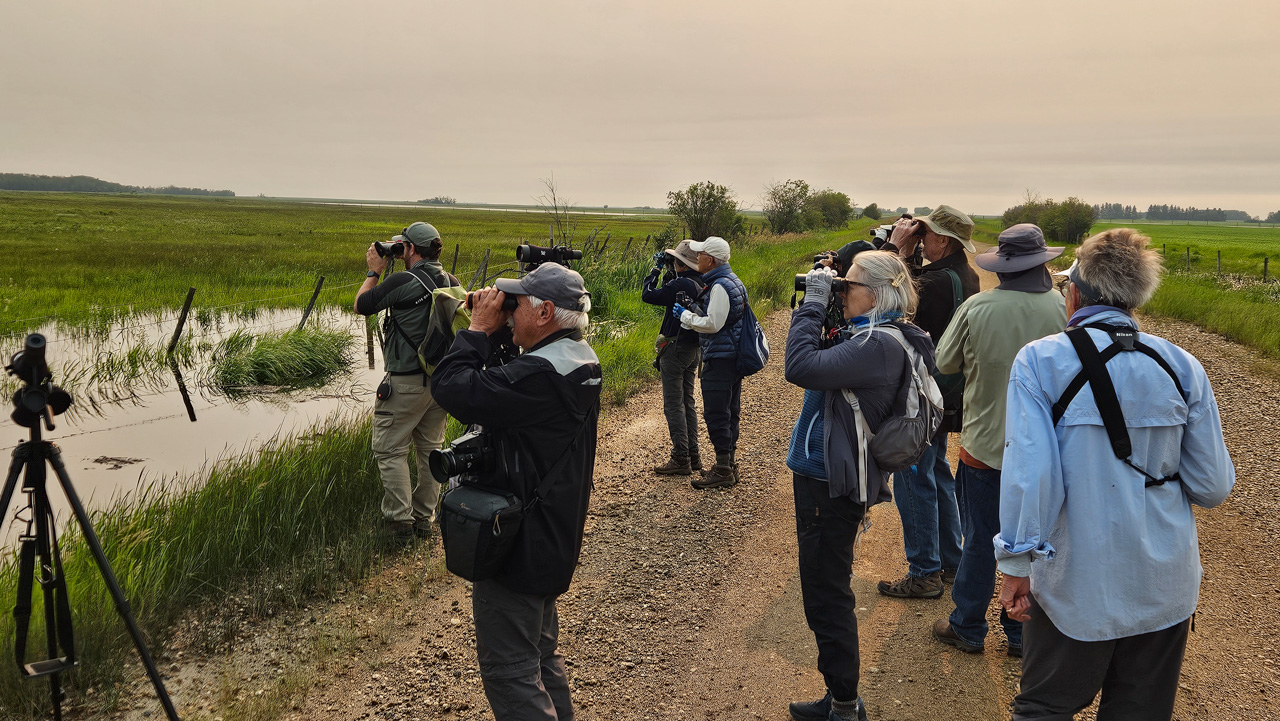
The journey commenced in Edmonton, where participants established the logistical framework for the expedition. The initial phase focused on the highly productive wetlands near Dodds and Beaverhill Lake. These regions serve as vital staging and nesting grounds for a wide array of waterfowl and shorebirds.
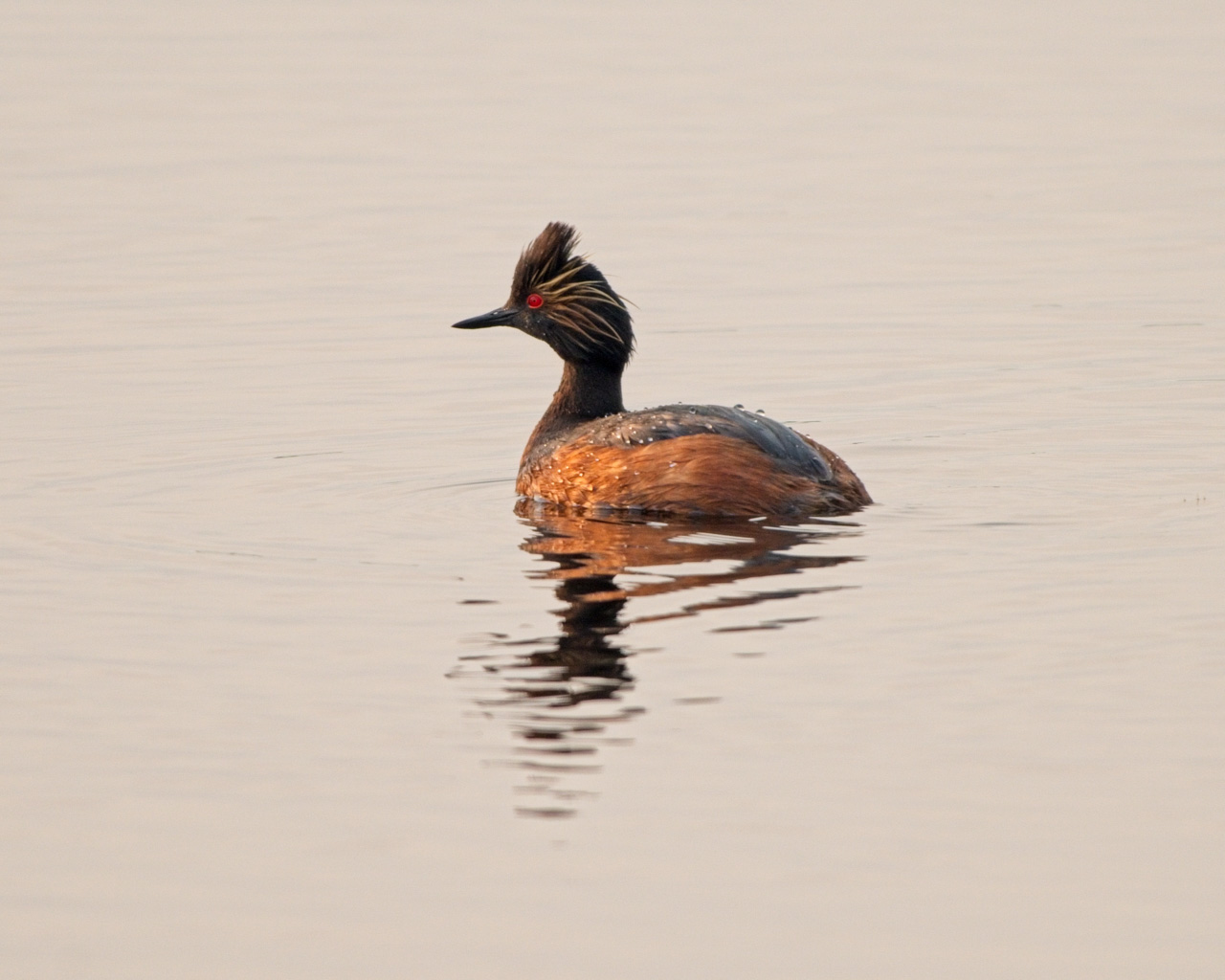
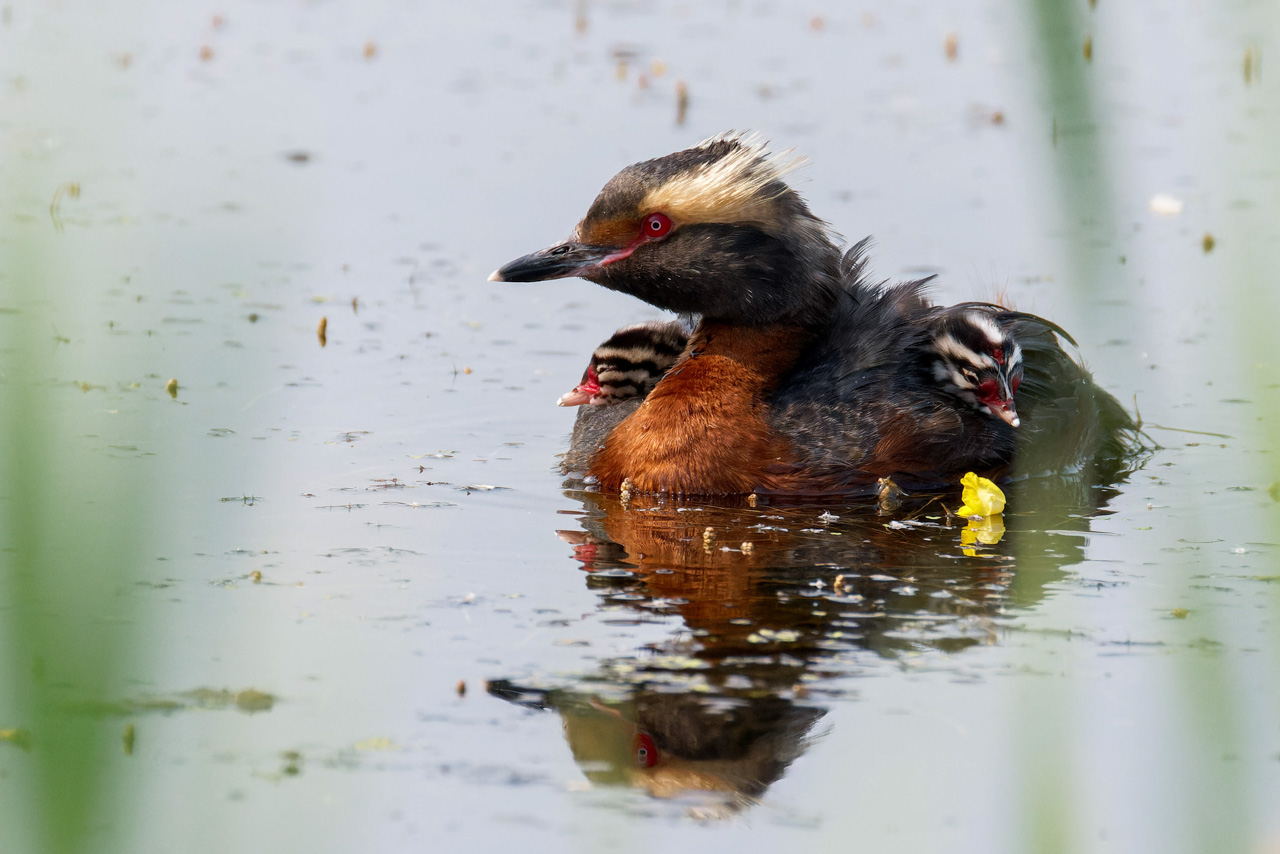
On Day 2, observers documented a high density of waterfowl, including Blue-winged and Green-winged Teal, Northern Shoveler, and Ruddy Duck. The presence of Eared Grebes and Wilson’s Phalaropes highlighted the importance of these flooded land parcels in maintaining migratory biodiversity. However, environmental challenges were evident; the team noted that high water levels and intense insect activity at Beaverhill Lake necessitated a shift in plans, underscoring how volatile climate and hydrological conditions can dictate movement patterns for both wildlife and researchers.
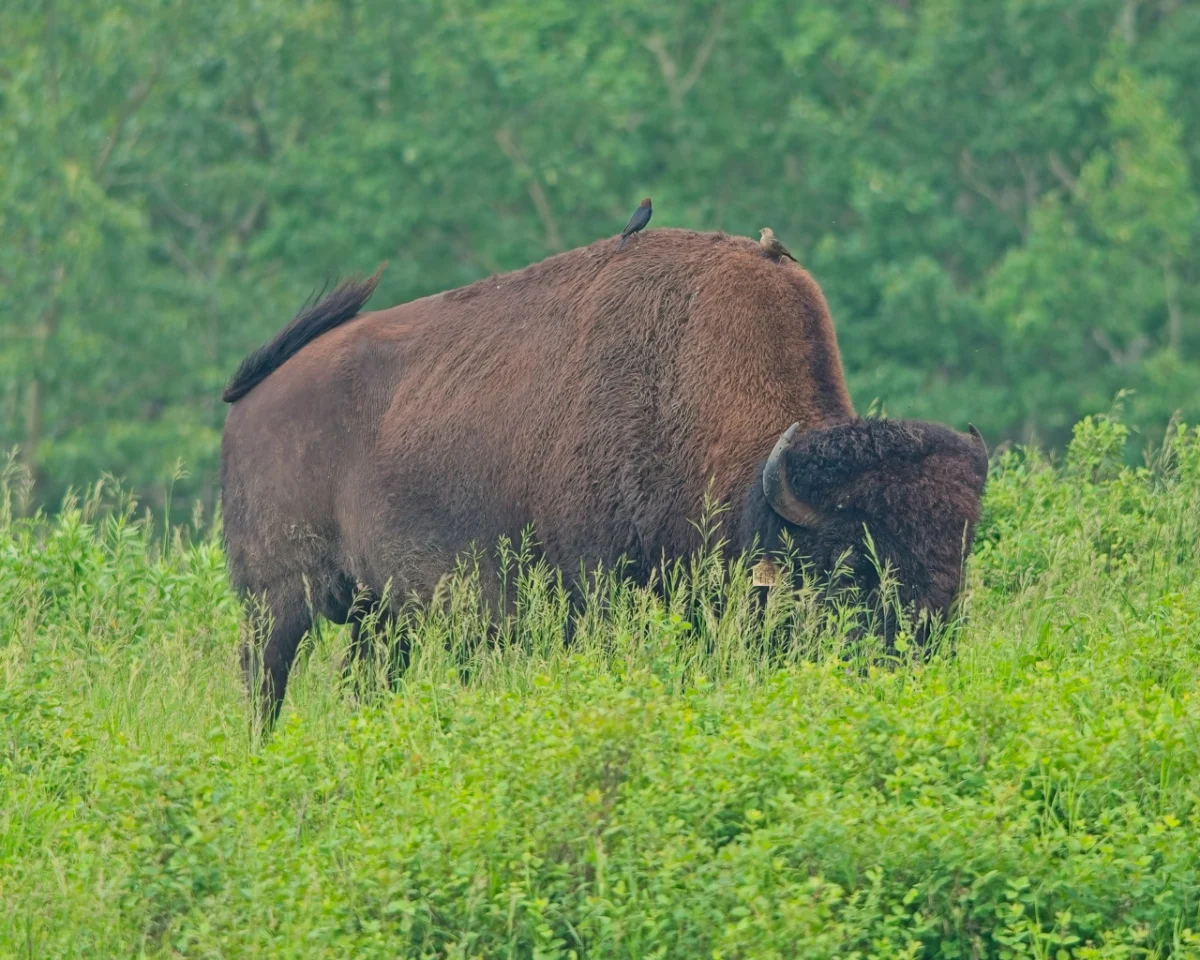
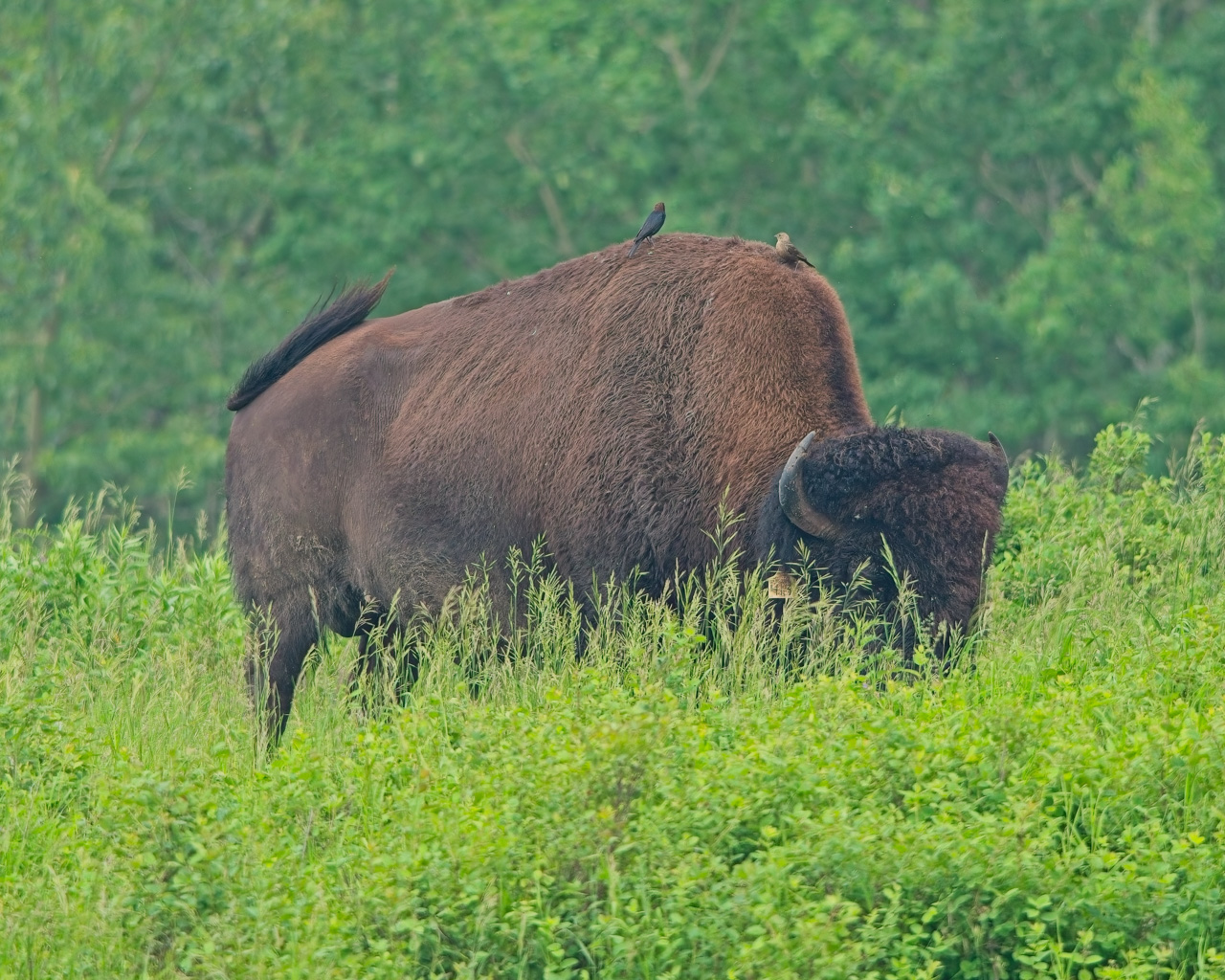
The transition to Elk Island National Park provided a stark contrast to the open marshlands. Within the park’s aspen forests, the group recorded a variety of passerines, including the Great Crested Flycatcher and Red-eyed Vireo. A notable sighting of a Plains Bison, accompanied by Brown-headed Cowbirds, served as a reminder of the complex symbiotic and competitive relationships that define the boreal biome.
Transition to the Yellowknife Corridor
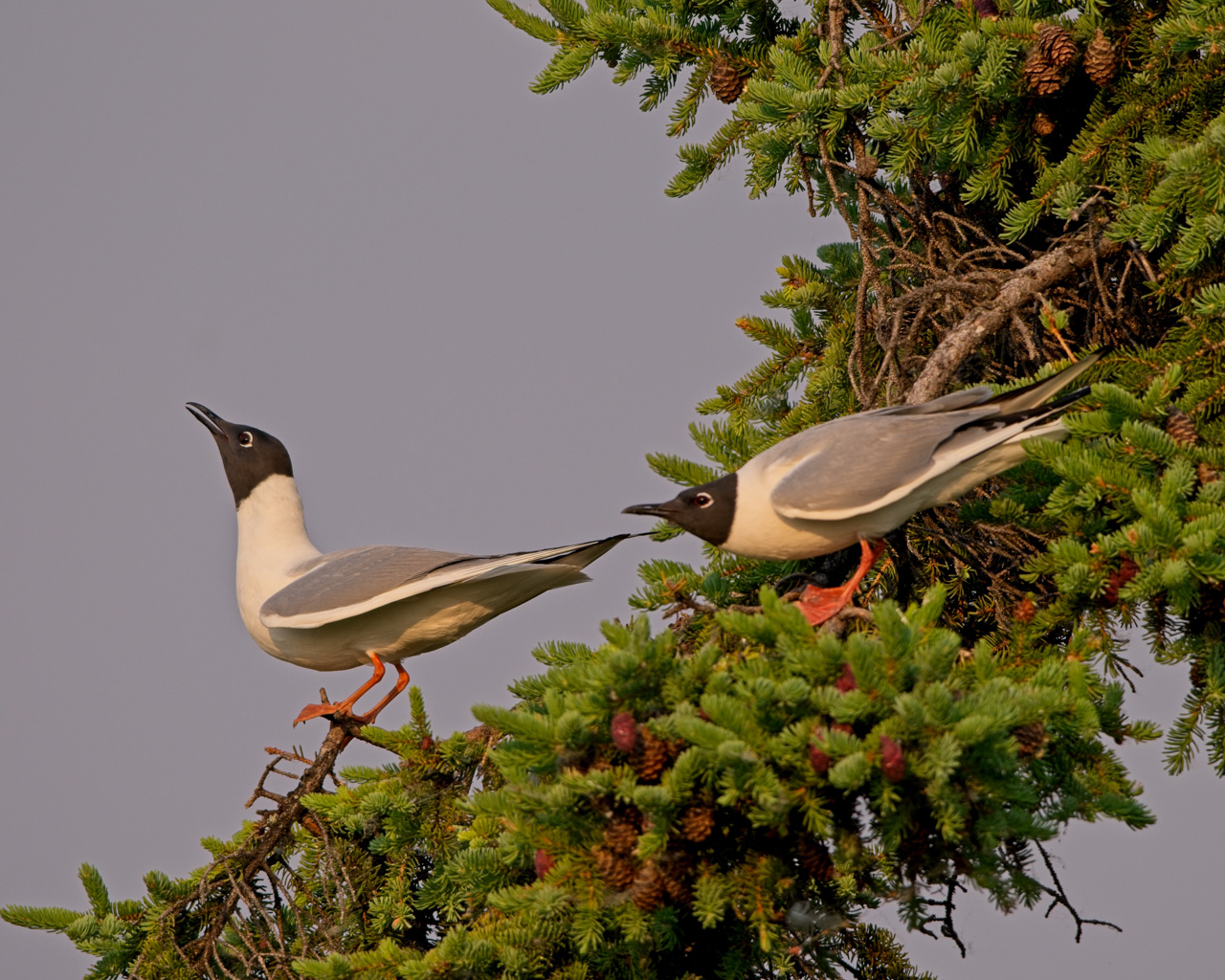
By Day 3, the expedition moved north to Yellowknife, a critical gateway to the Arctic Circle. The focus shifted toward the Niven Lake and Ingraham Trail regions. This area is characterized by sub-arctic taiga, where the presence of Horned Grebes, Bonaparte’s Gulls, and various warbler species—such as the Myrtle and Orange-crowned Warbler—demonstrated the shift toward more rugged, northern-adapted ecosystems.
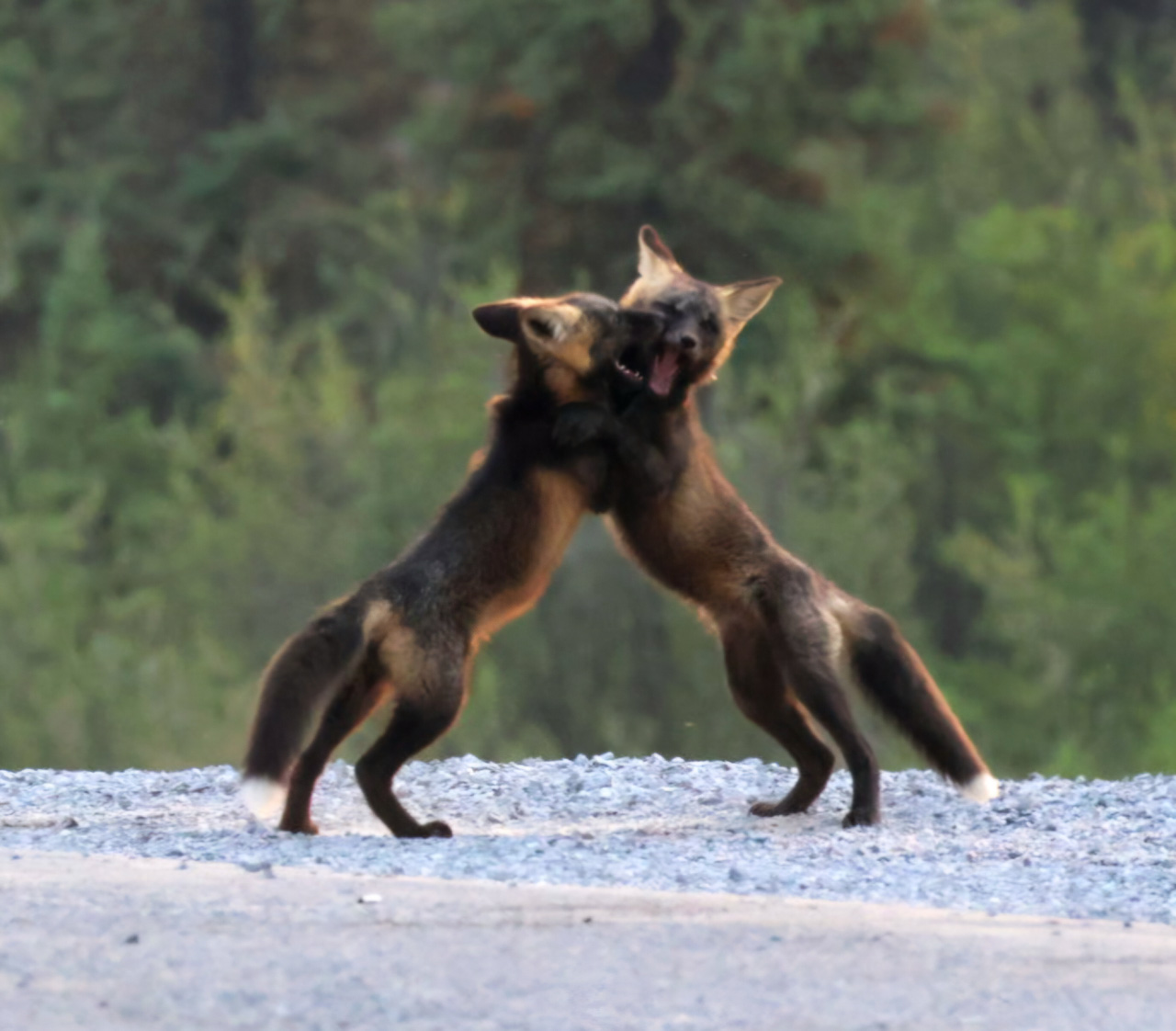
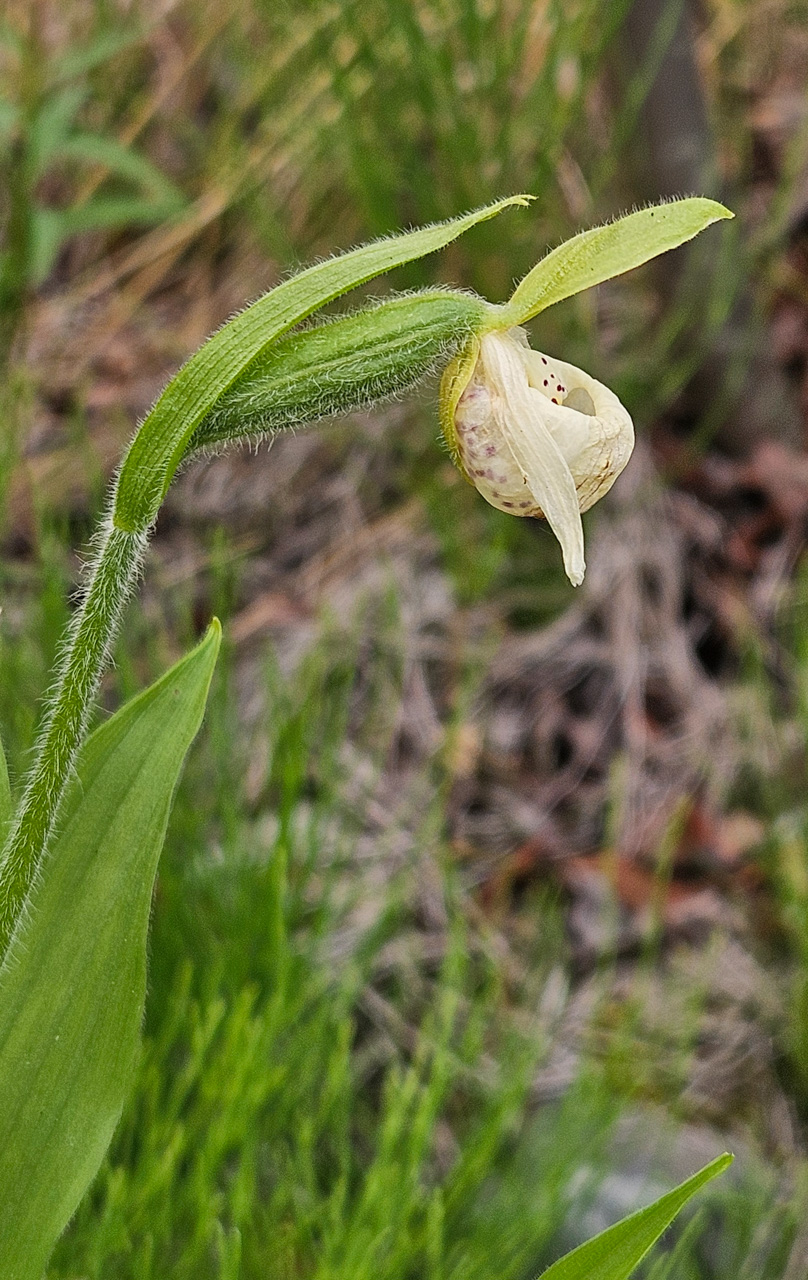
Day 4 provided a highlight of the expedition: the observation of a family of Red Fox kits along the Ingraham Trail. This encounter was not merely a photographic opportunity but a case study in wildlife observation; the kits, exhibiting varying coat colorations including "cross fox" phenotypes, demonstrated successful reproductive output in the region. Botanical surveys in the area, specifically the discovery of Sparrow’s-egg Lady’s Slipper orchids, reinforced the ecological richness of these isolated forest pockets.
The Cambridge Bay Expedition: North of the Arctic Circle
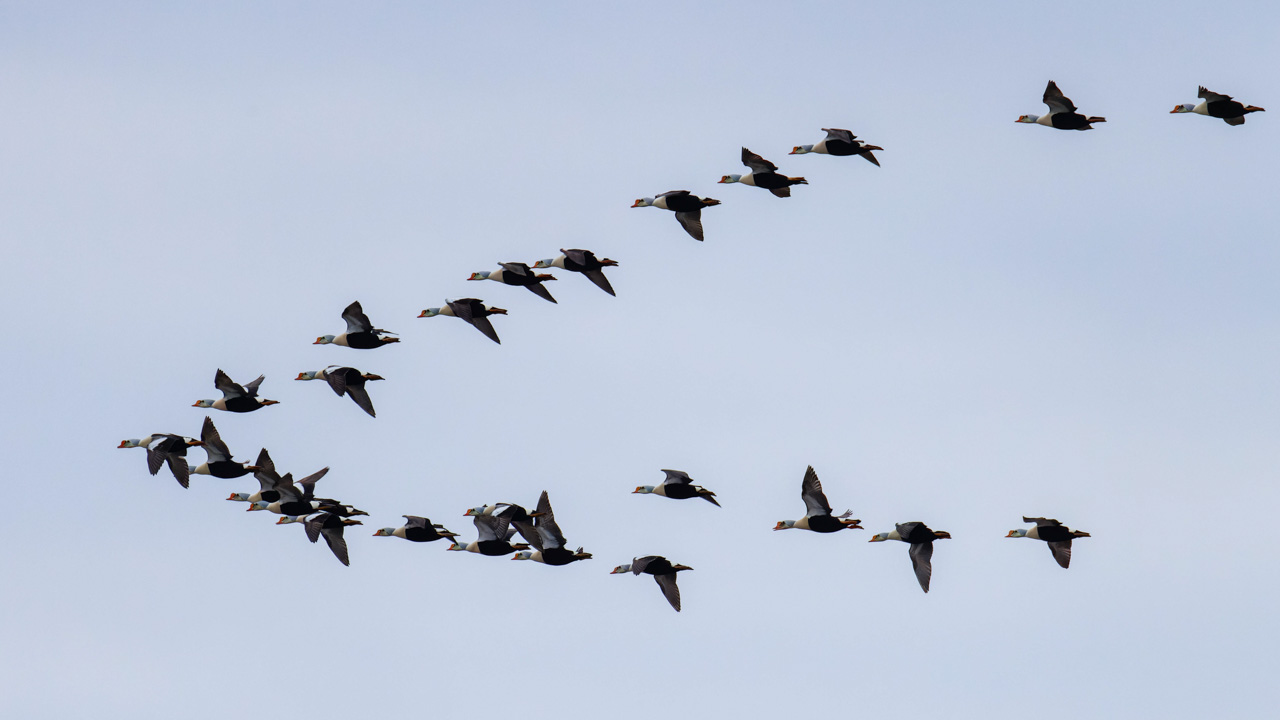
The expedition’s primary objective, reaching Cambridge Bay on the southern tip of Victoria Island, was achieved on Day 5. Located well north of the Arctic Circle, this region represents one of the most extreme environments for avian life. The arrival was marked by immediate contact with nesting Pacific Loons and a significant population of King Eiders.
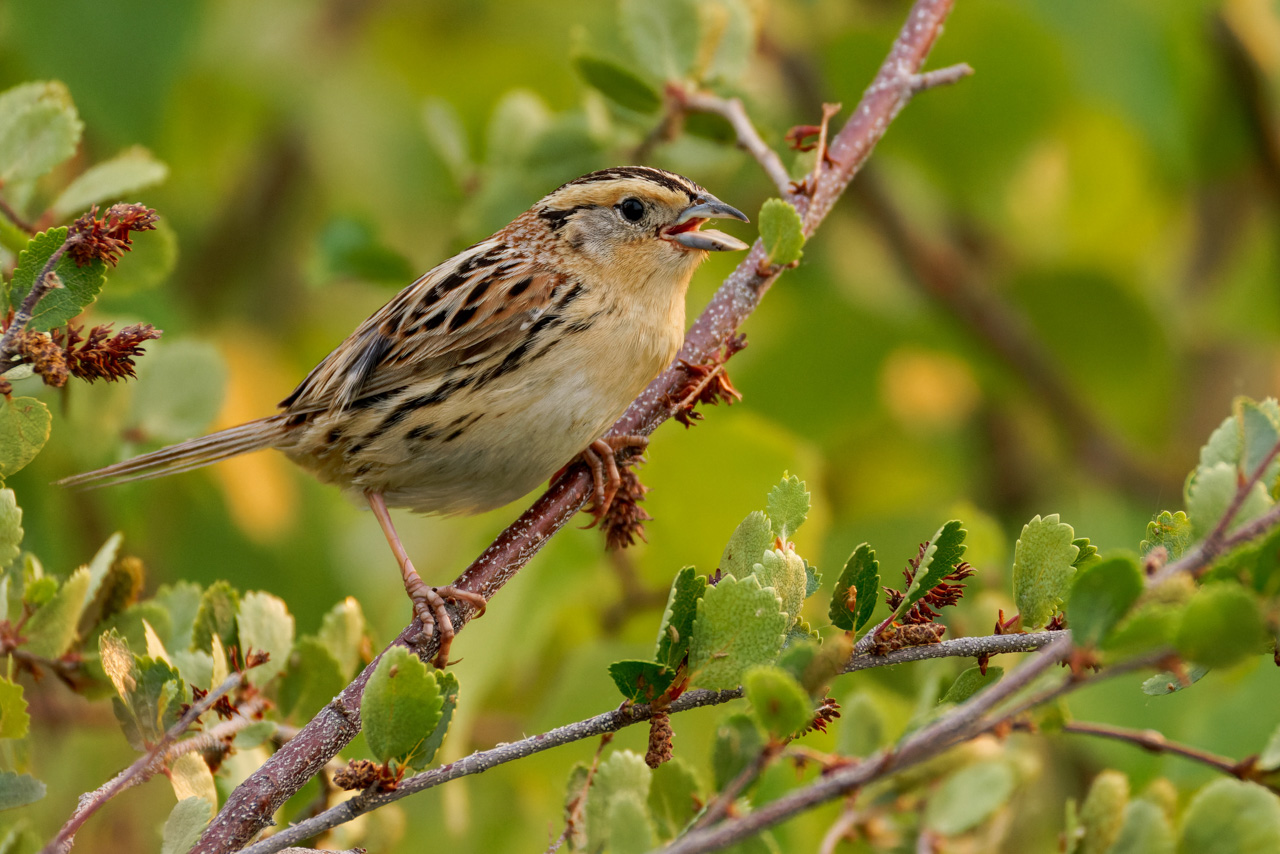
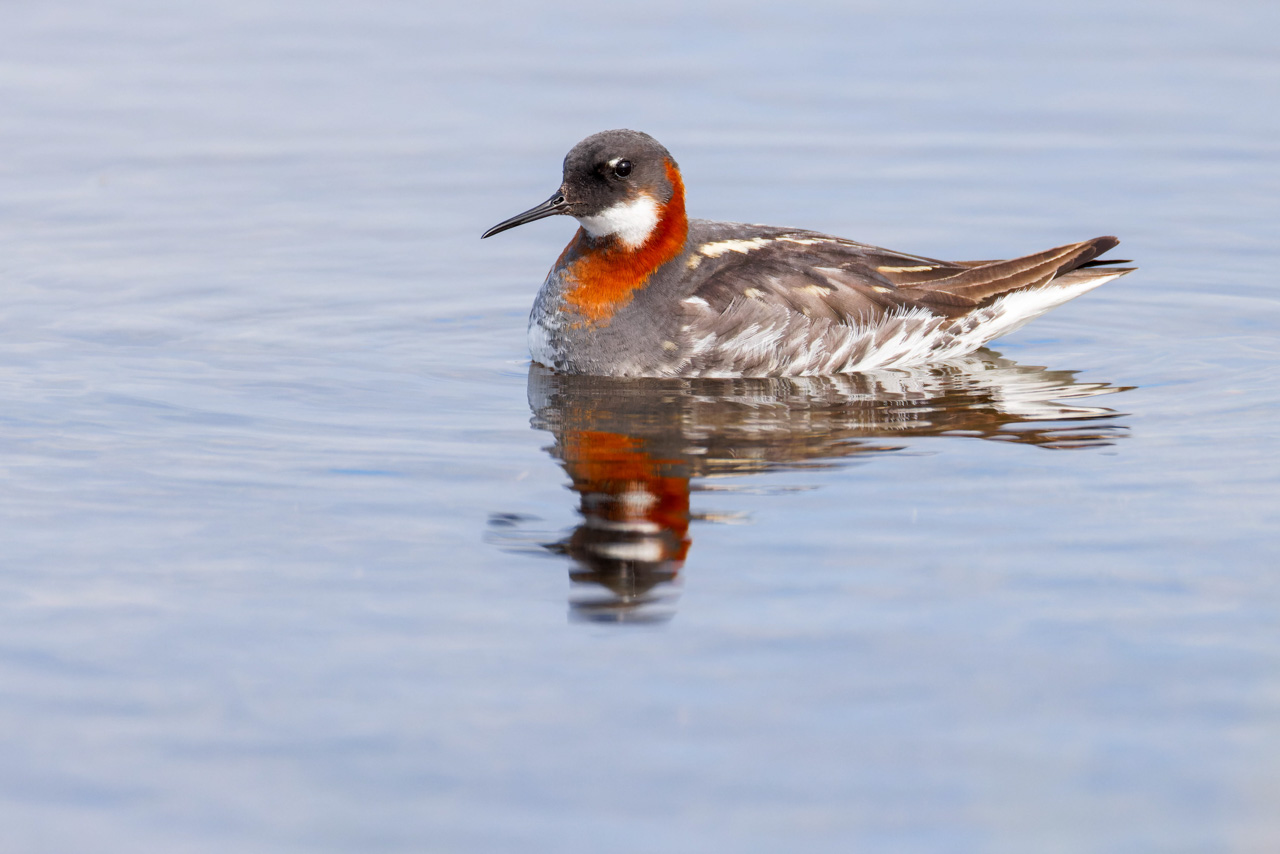
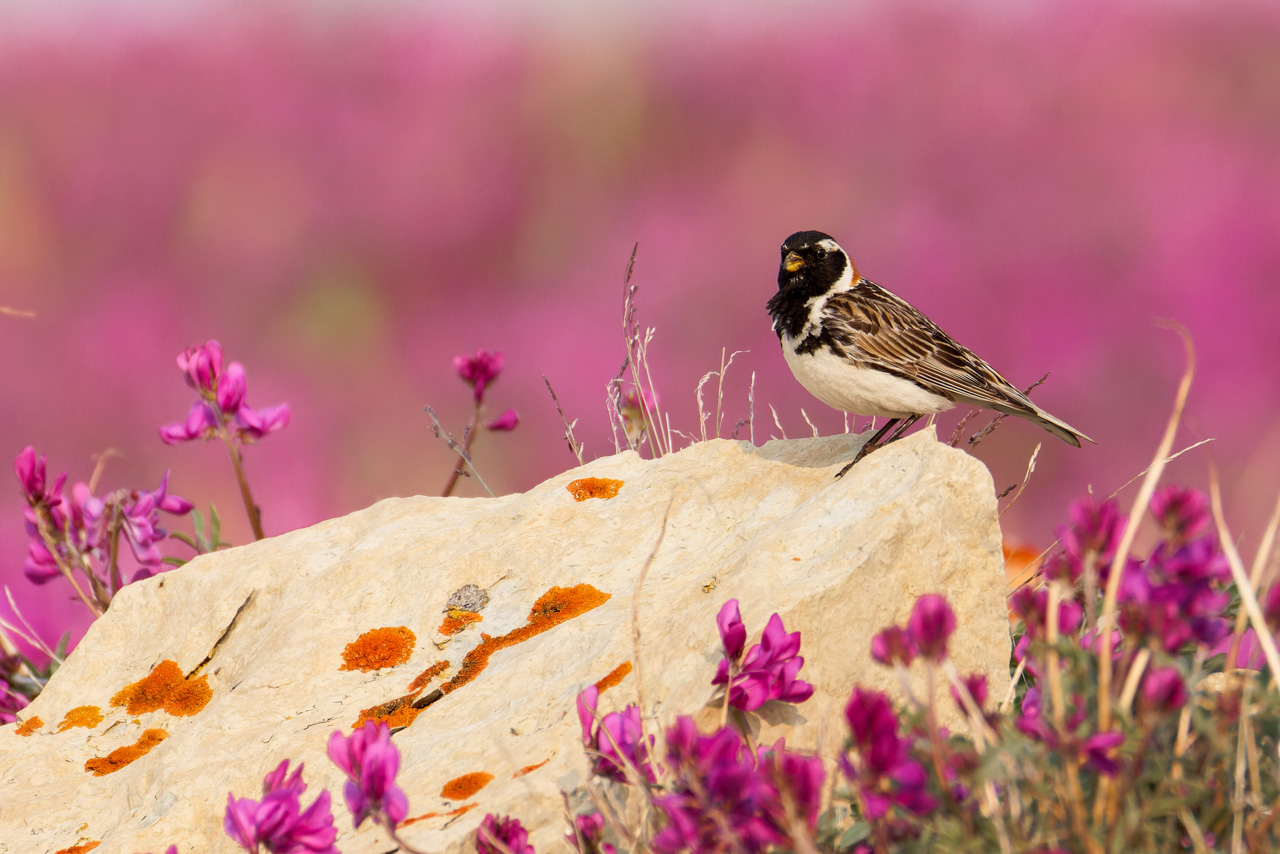
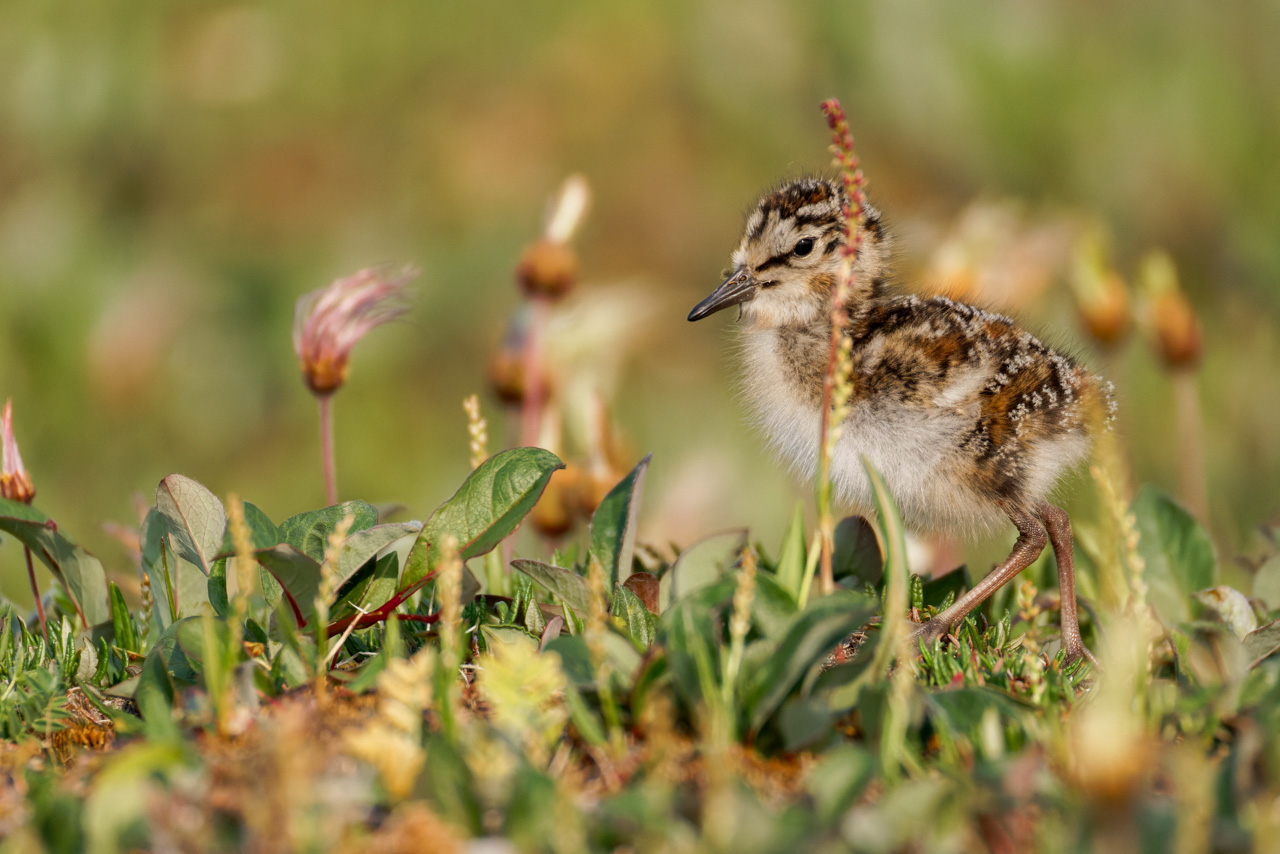
The data gathered between Days 6 and 9 paint a picture of a landscape in the throes of intense reproductive activity. The tundra was alive with the calls of Semipalmated Sandpipers and the defensive posturing of Lapland Longspurs. The ubiquity of these species, alongside the presence of the parasitic Long-tailed Jaeger, highlighted the high-stakes survival strategies employed by Arctic-breeding birds.
Environmental Observations and Biological Data
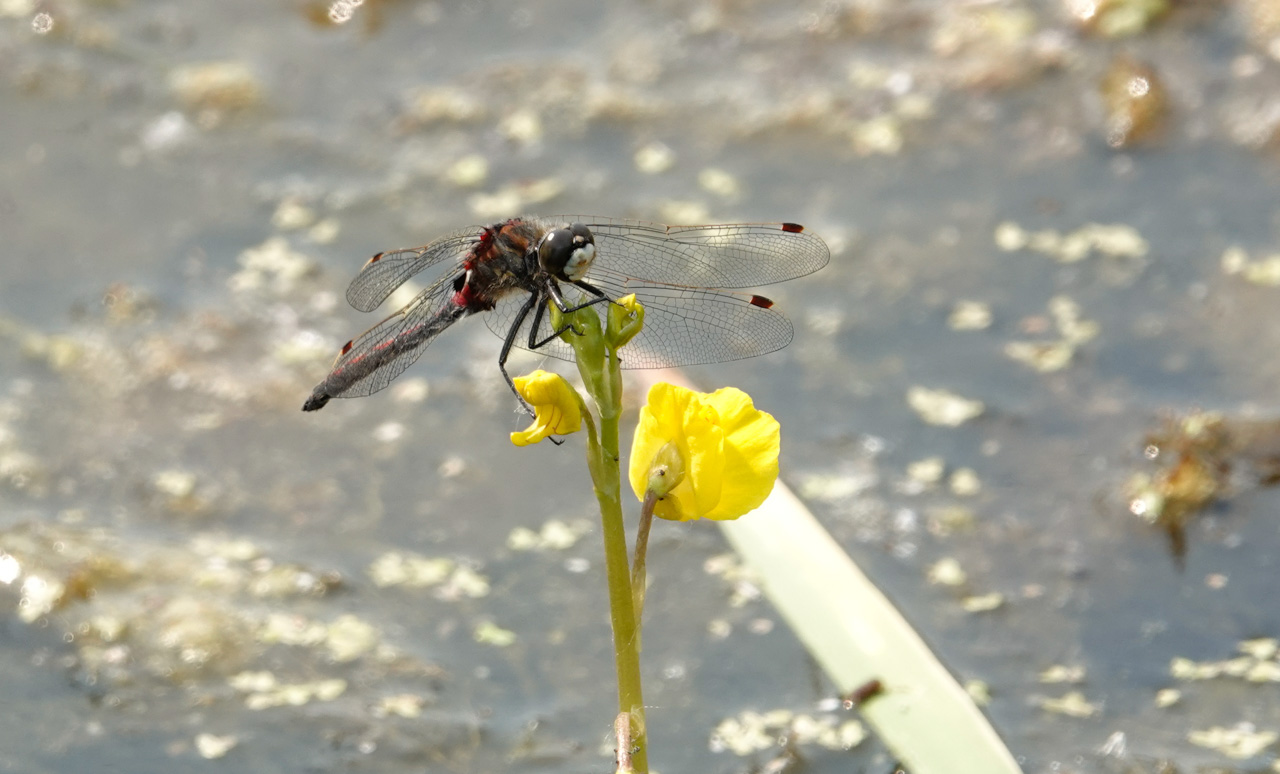
Throughout the tour, the expedition maintained a rigorous log of both avian and entomological life. The presence of various lepidoptera, such as the Hecla Sulphur and the rare American Copper, provided data on the health of the tundra’s floral base. The documentation of blooming flora, including Dwarf Fireweed and various species of vetch, suggested a robust, albeit short, growing season.
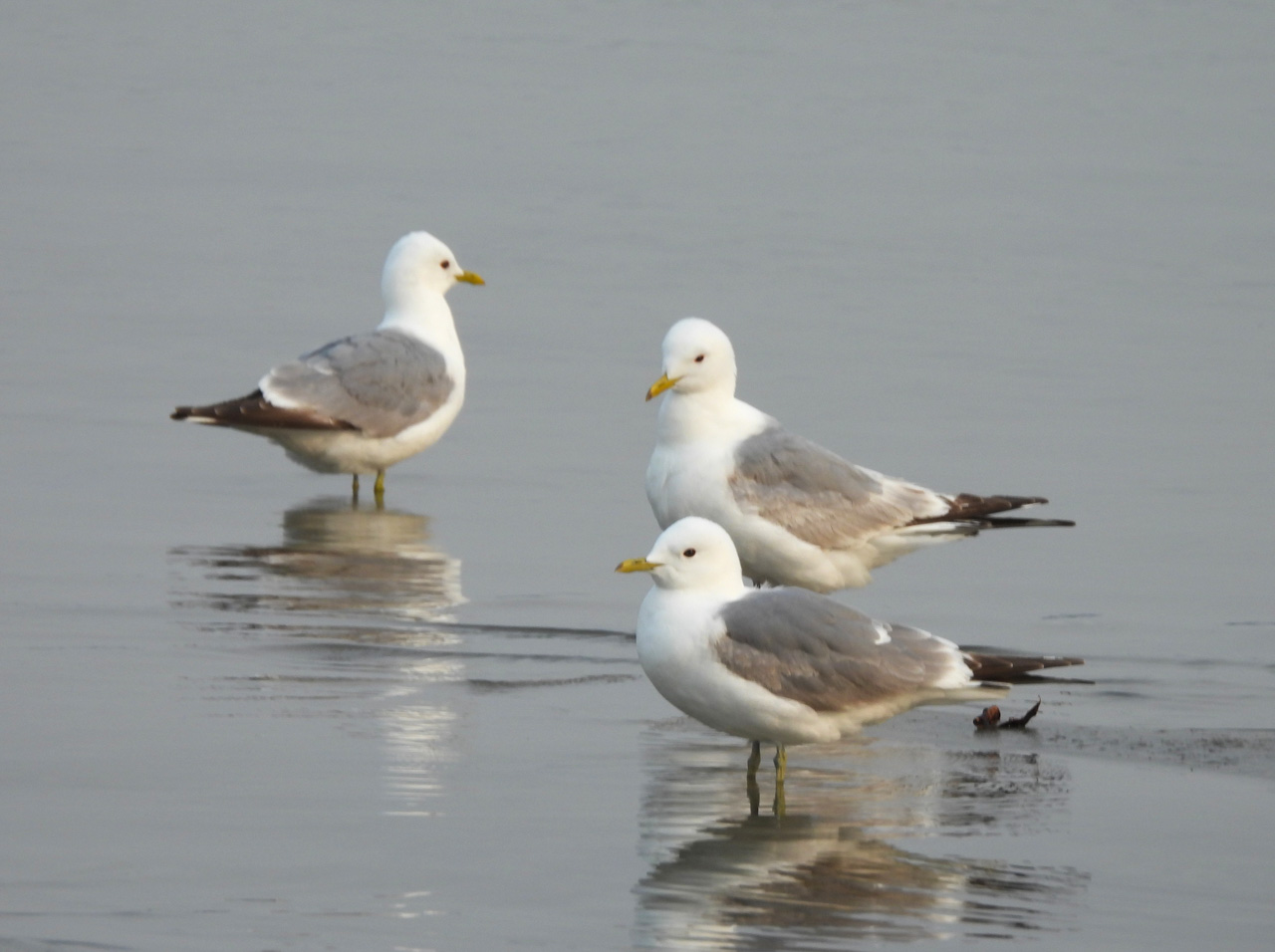
A significant, albeit unexpected, observation was the sighting of a Hudsonian Whimbrel. According to current ornithological literature, the Whimbrel is not known to nest on Victoria Island. This sighting suggests either a rare stray or an expansion of the species’ traditional range, possibly driven by shifting climatic norms or habitat availability. Such observations are critical for climate researchers monitoring range shifts in high-latitude species.
The Role of Infrastructure and Human Impact
The tour utilized existing regional infrastructure, including the DEW-line road, to access remote tundra sites. Observations made along these corridors highlight the "urban" adaptation of certain species. Snow Buntings and Lapland Longspurs were observed utilizing abandoned machinery and human-made structures as nesting sites, demonstrating the opportunistic nature of Arctic fauna in the face of limited natural shelter.
However, the expedition also noted the fragility of these environments. The loss of a Pacific Loon nest to predation—a natural occurrence exacerbated by the proximity to human-accessible areas—served as a sobering reminder of the vulnerability of Arctic nesting sites.
Scientific and Conservation Implications
The 2026 expedition underscores the necessity of continued, long-term monitoring of the Canadian Arctic. The observations regarding fledgling success rates, such as the healthy Arctic Fox kits and the active brood-rearing of shorebirds, provide a qualitative baseline for the region’s biodiversity.
Professional analysis of the findings indicates that while the High Arctic remains a bastion of biodiversity, it is increasingly sensitive to environmental fluctuations. The reliance of birds on specific, transient pond environments for feeding, combined with the presence of species at the edge of their known ranges, confirms that the region is a "canary in the coal mine" for broader ecological shifts.
Conclusion: A Lasting Commitment to the North
The final days of the trip, characterized by the sight of Arctic Fox families and the expansive ice of the Dease Strait, provided a fitting conclusion to a journey defined by discovery. For the participants, the tour was more than a wildlife viewing opportunity; it was an immersion into a landscape where the rhythm of life is compressed into a few weeks of perpetual daylight.
The success of the 2026 High Arctic Tour lies in its ability to synthesize professional observation with a deep appreciation for the ecological integrity of Canada’s north. As the group dispersed, the data and memories collected served as a testament to the importance of protecting these northern latitudes. The expedition organizers, Blair and his team, emphasized that sharing this knowledge with a dedicated group of nature lovers is essential for fostering the public support necessary for the continued conservation of the Arctic region. As climate conditions in the north continue to evolve, the record of species distribution, nesting behaviors, and habitat utilization compiled during this expedition will serve as a valuable reference point for future researchers and conservationists.
