
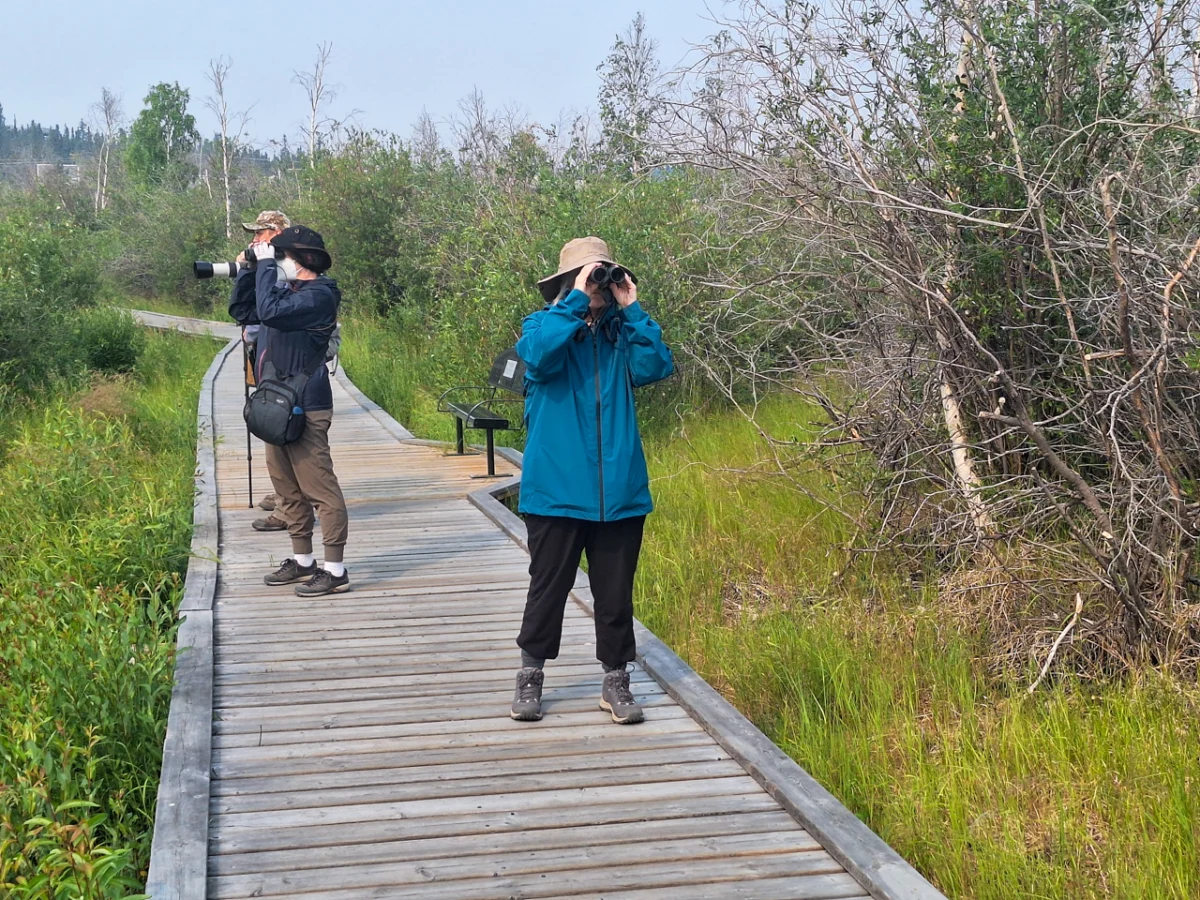
On July 3rd, an expedition team departed from the outskirts of Edmonton, Alberta, embarking on a 2,000-kilometer journey designed to traverse three distinct biomes: the vast prairie grasslands, the dense boreal forest, and the fragile arctic tundra of Victoria Island. The mission sought to catalog the biodiversity of these regions while documenting the visible indicators of climate-driven environmental change. Over the course of ten days, the expedition observed how shifting habitats are impacting avian migration, nesting patterns, and the resilience of northern ecosystems at a time when the Arctic is increasingly central to global climate discourse.
The Prairie Mosaic: Biodiversity Under Pressure
The expedition began in the vicinity of Beaverhill Lake, east of Edmonton. This region, designated as an Important Bird Area (IBA) by BirdLife International, serves as a critical stopover for migratory species. The area represents a complex mosaic of managed wetlands, meadows, and woodlands that provide essential habitat for bird populations, many of which are currently facing significant declines across North America.
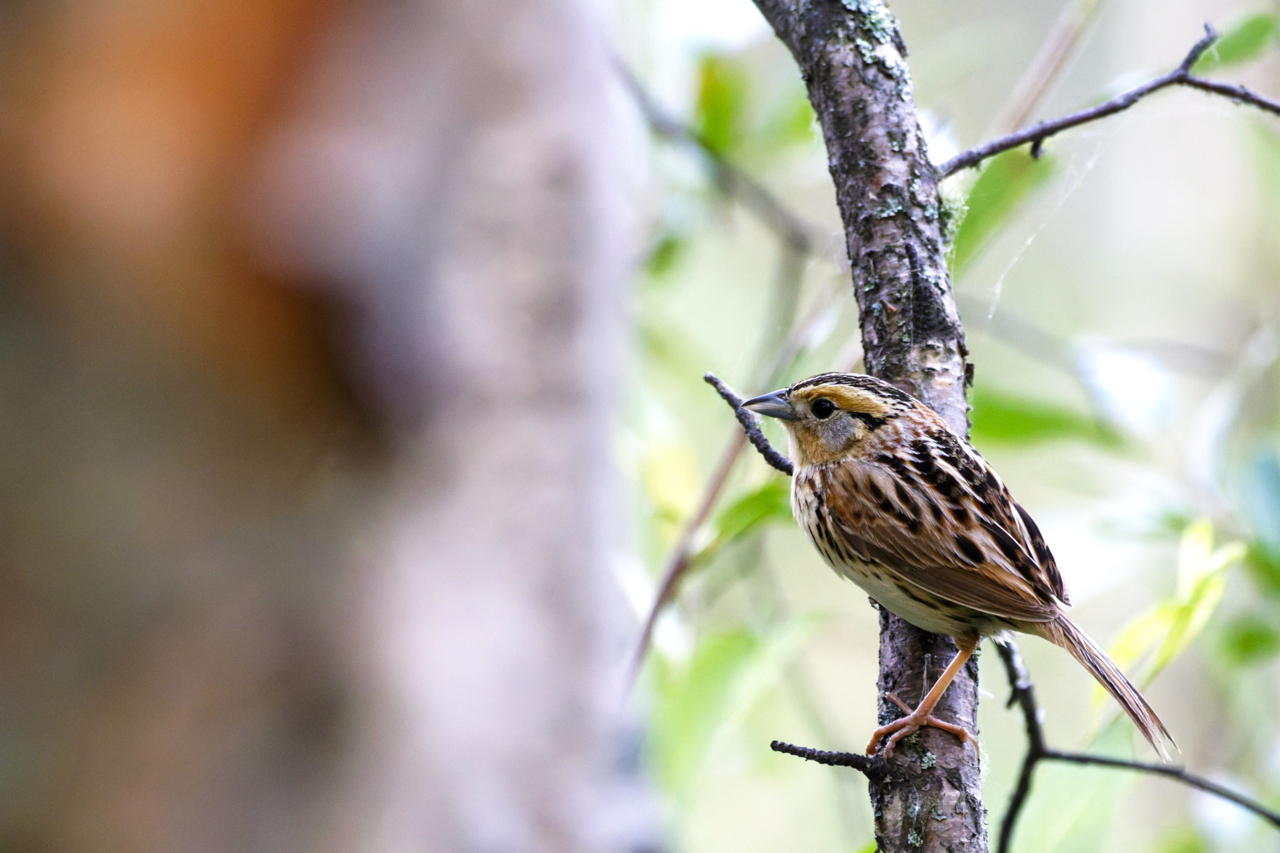
Despite circulating reports of intense insect swarms due to recent regional flooding, the team recorded a diverse array of species, including the Common Yellowthroat, Eastern Kingbird, and the elusive Sedge Wren. Of particular ornithological interest was the observation of a Black-billed Cuckoo, a species rarely documented in this specific region. Beaverhill Lake marks the easternmost limit of its range, and its presence serves as a data point for researchers tracking shifts in breeding distributions.
In the flooded fields and surrounding grazing lands, the team identified iconic prairie species such as the Yellow-headed Blackbird, Eared Grebe, and the American Avocet. The presence of the Bobolink—a species that has experienced an estimated 80% decline in population since the 1960s—provided a sobering reminder of the threats posed by habitat loss and intensive agricultural land use. However, the survey also noted the positive impact of private land conservation, where dedicated landowners maintain safe havens for these declining populations.
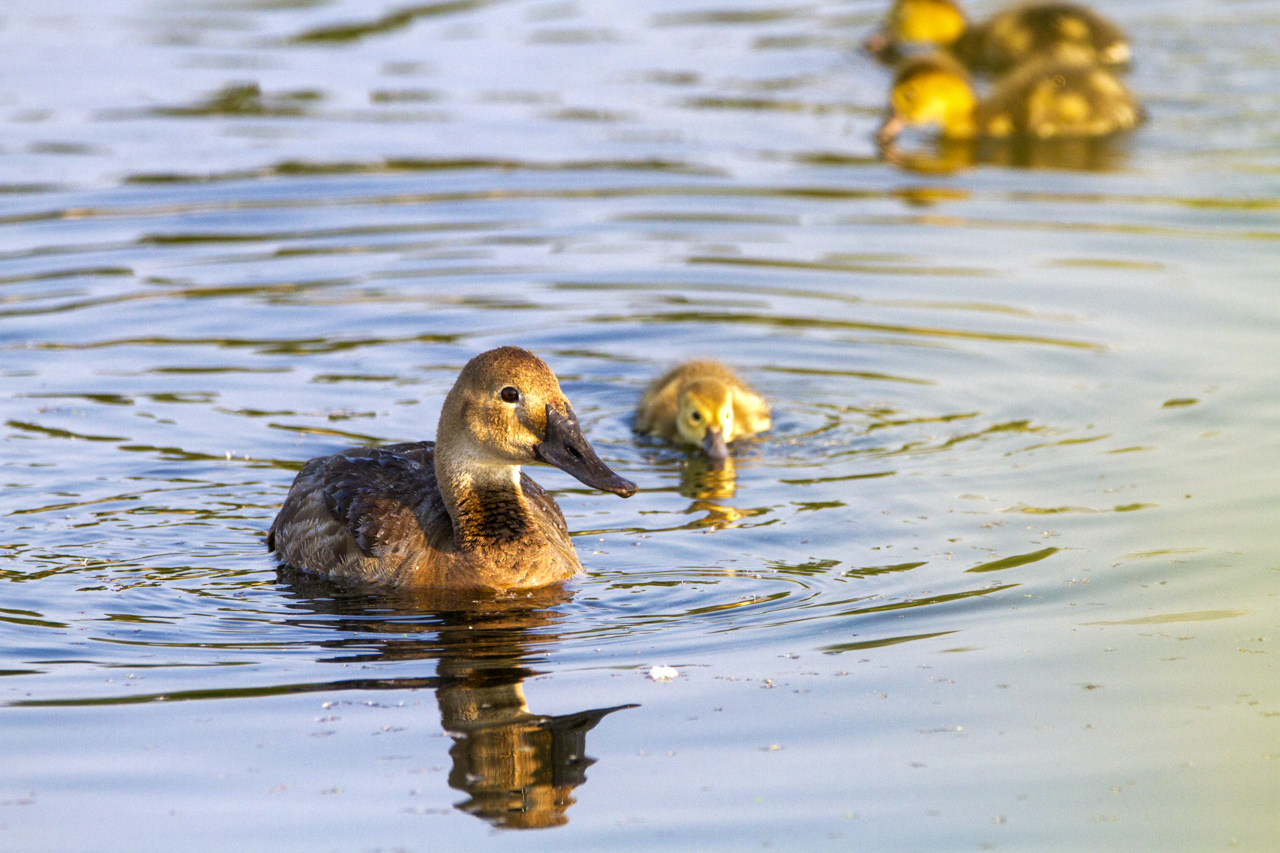
Further west, at Francis Point, the team focused on the Sprague’s Pipit, a species listed as "Threatened" under Canada’s Species at Risk Act. The observation of these birds serves as a testament to the importance of preserving native prairie grasslands, which are among the most altered ecosystems in North America.
Elk Island: A Legacy of Conservation
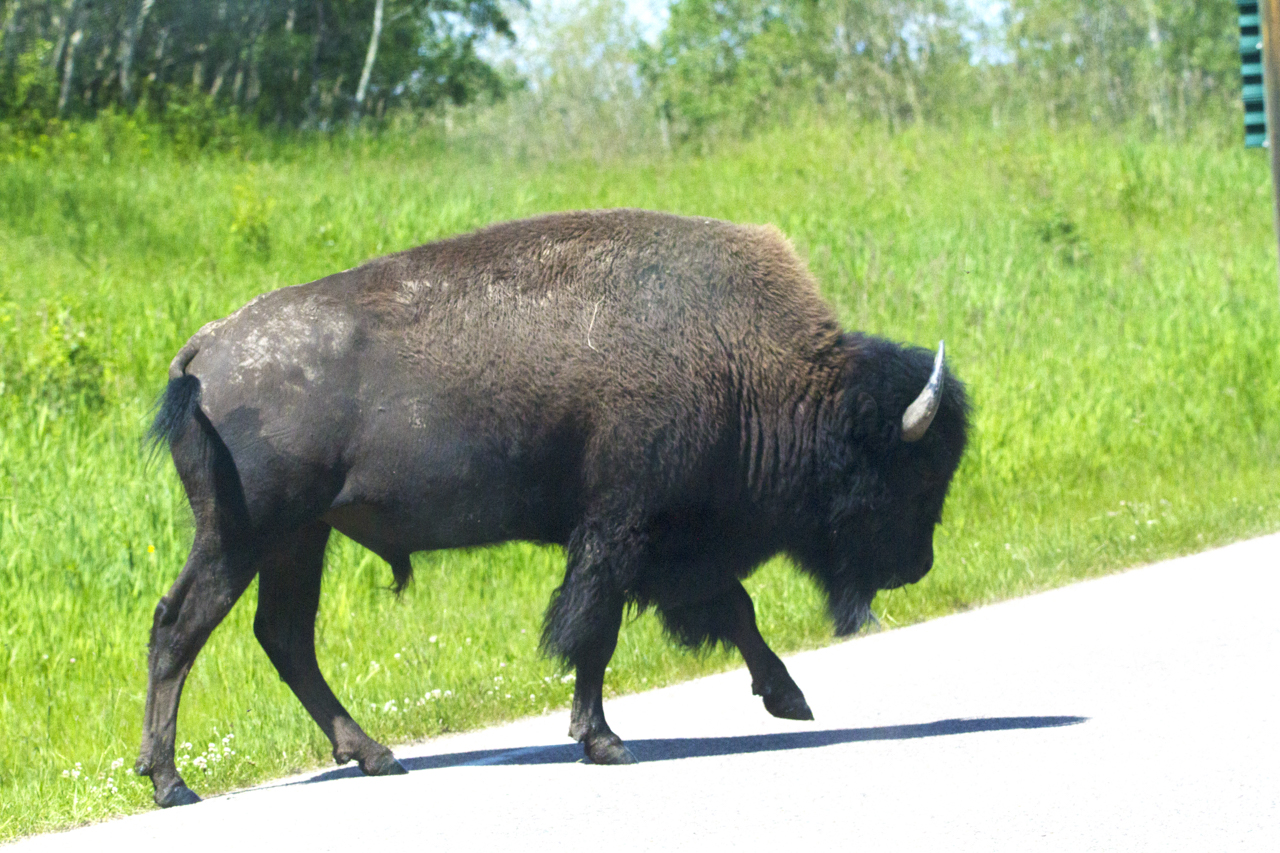
The expedition’s movement toward Elk Island National Park, a UNESCO Biosphere Reserve, highlighted the historical success of species reintroduction. The park is home to a thriving population of Wood Bison, a subspecies that was on the verge of extinction at the turn of the 20th century. Through intensive management and habitat protection, Elk Island has served as a sanctuary that has helped stabilize the population.
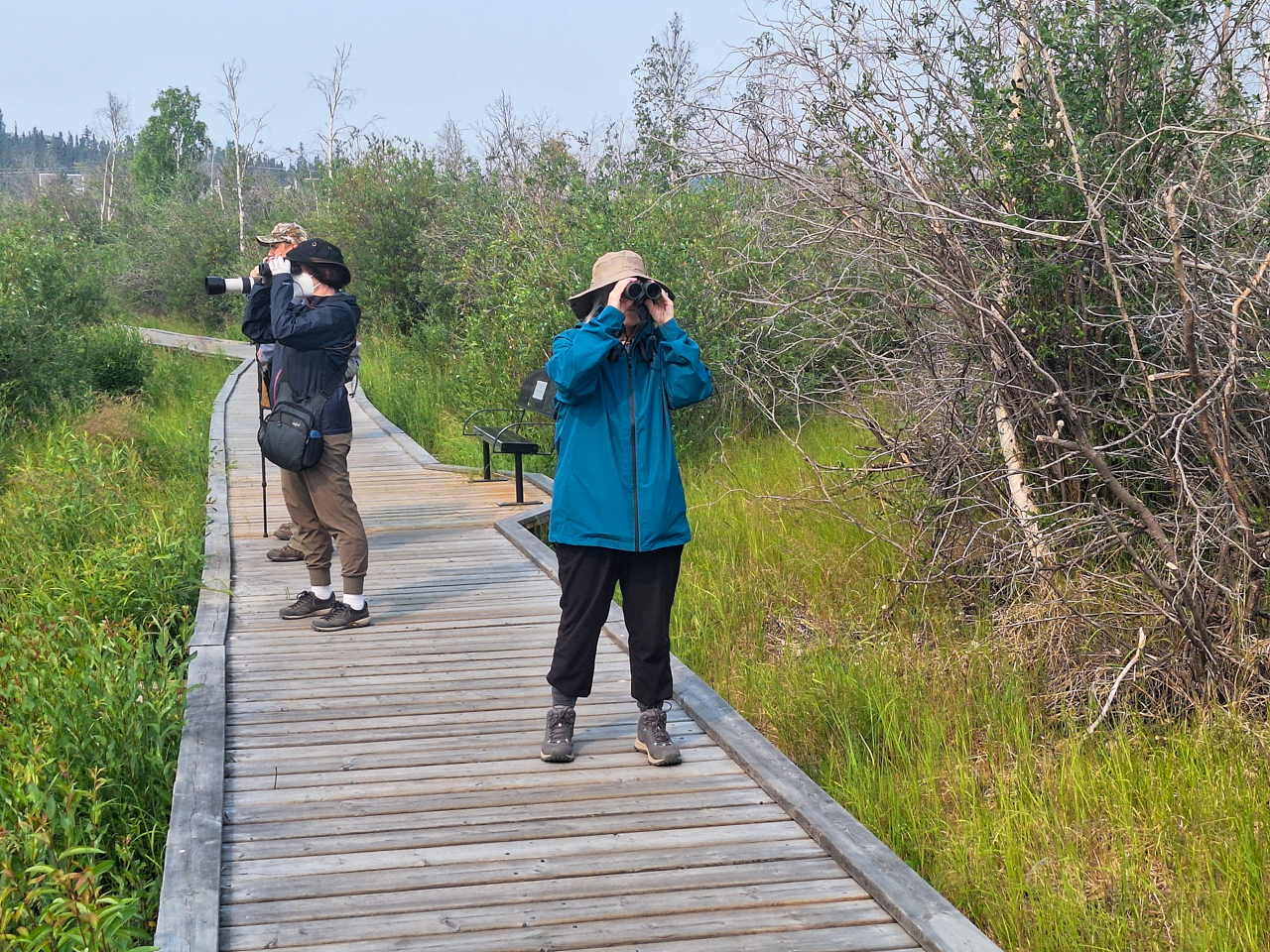
The park’s ecosystem also serves as an indicator of forest health. The team noted significant defoliation caused by an outbreak of Tent Caterpillars. While such outbreaks are part of natural forest cycles, they create complex ripple effects for nesting birds, such as the Red-eyed Vireo, which appeared to adapt to the altered canopy conditions. Observations of Red-necked Grebes with young chicks further illustrated the park’s role as a vital intersection between boreal and temperate forest habitats.
The Arctic Transition: Yellowknife and the Boreal Frontier
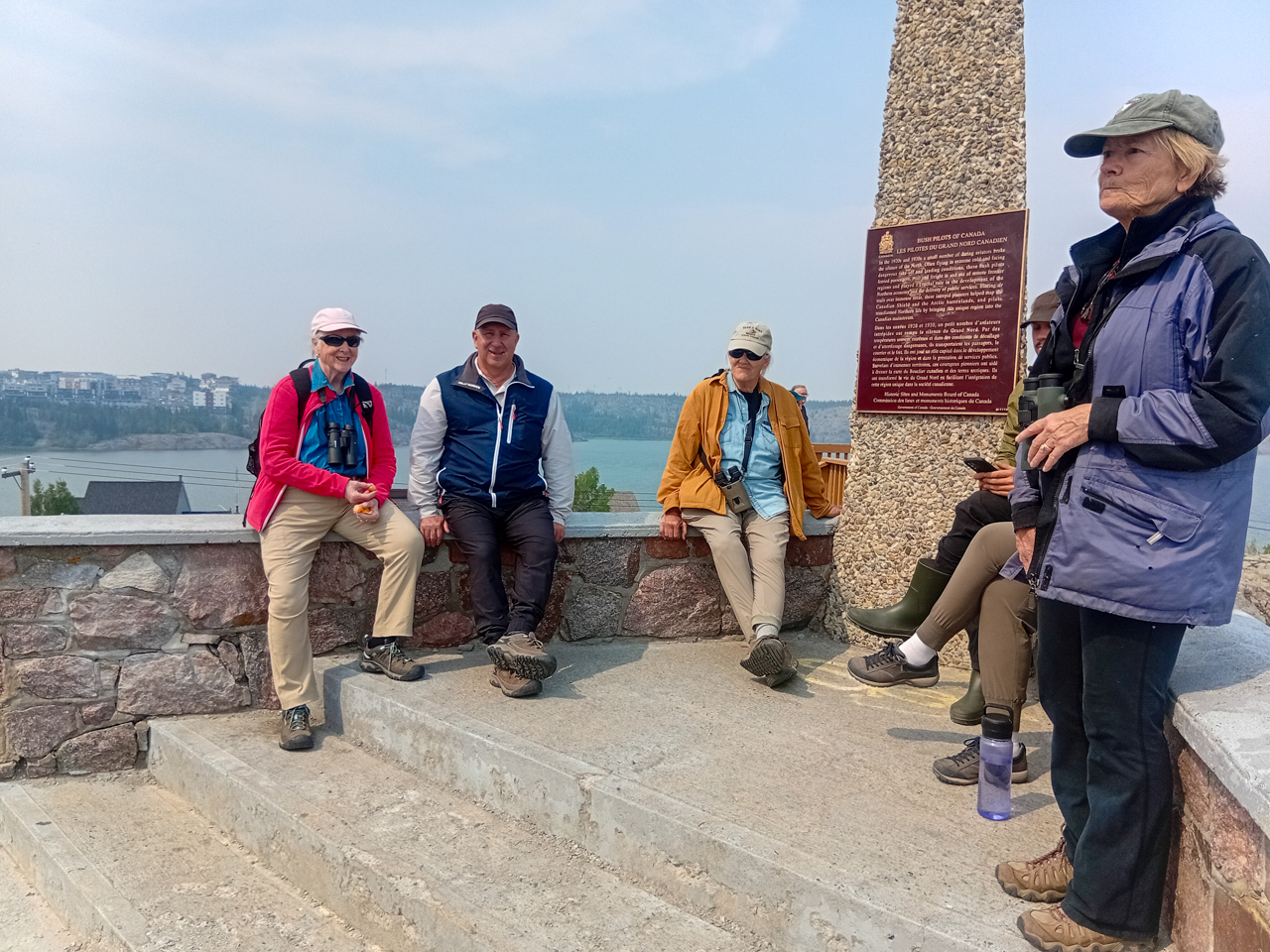
On the second leg of the trip, the team arrived in Yellowknife, Northwest Territories. The landing was met with the reality of climate-induced volatility: thick smoke from forest fires in the western regions hung over the horizon. Such wildfire events are becoming more frequent and severe in the boreal zone, a trend attributed to higher average temperatures and prolonged drought conditions.
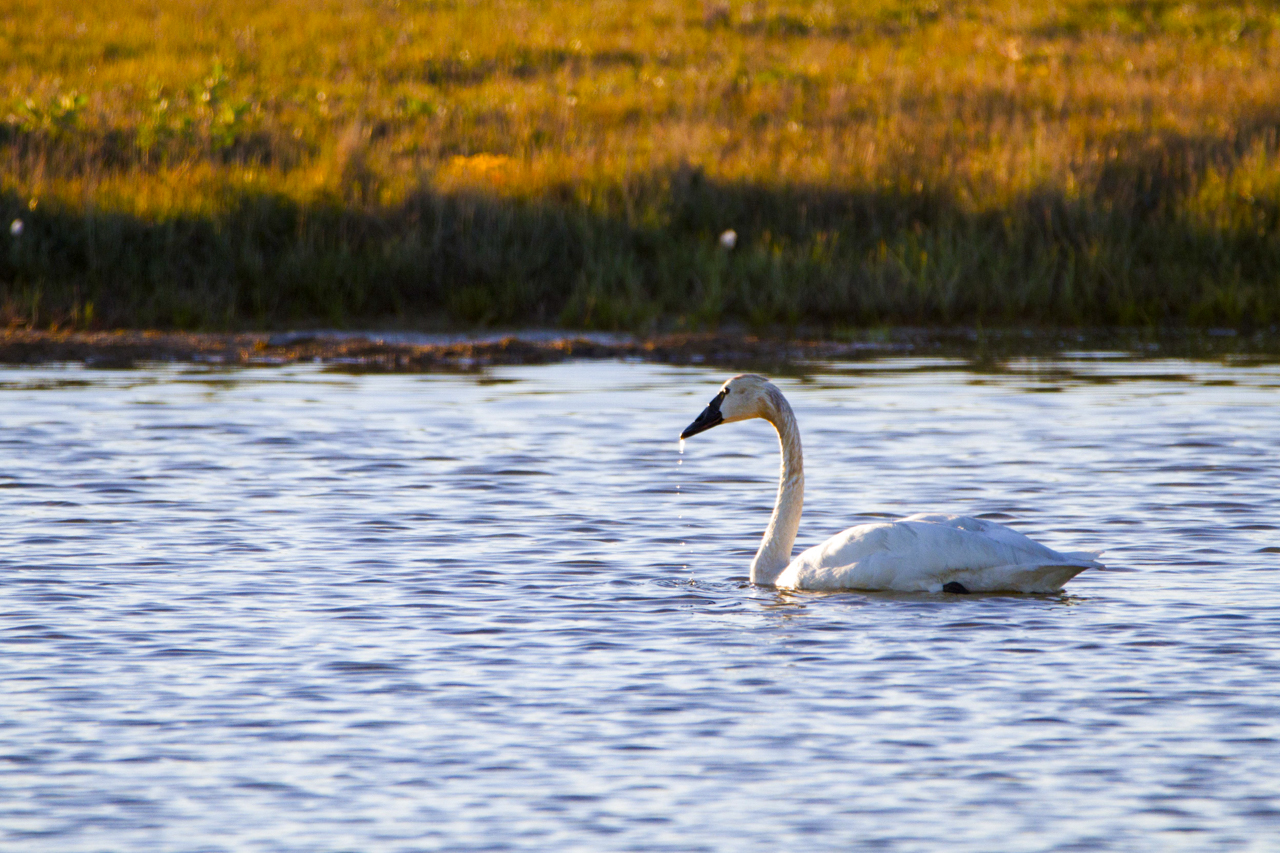
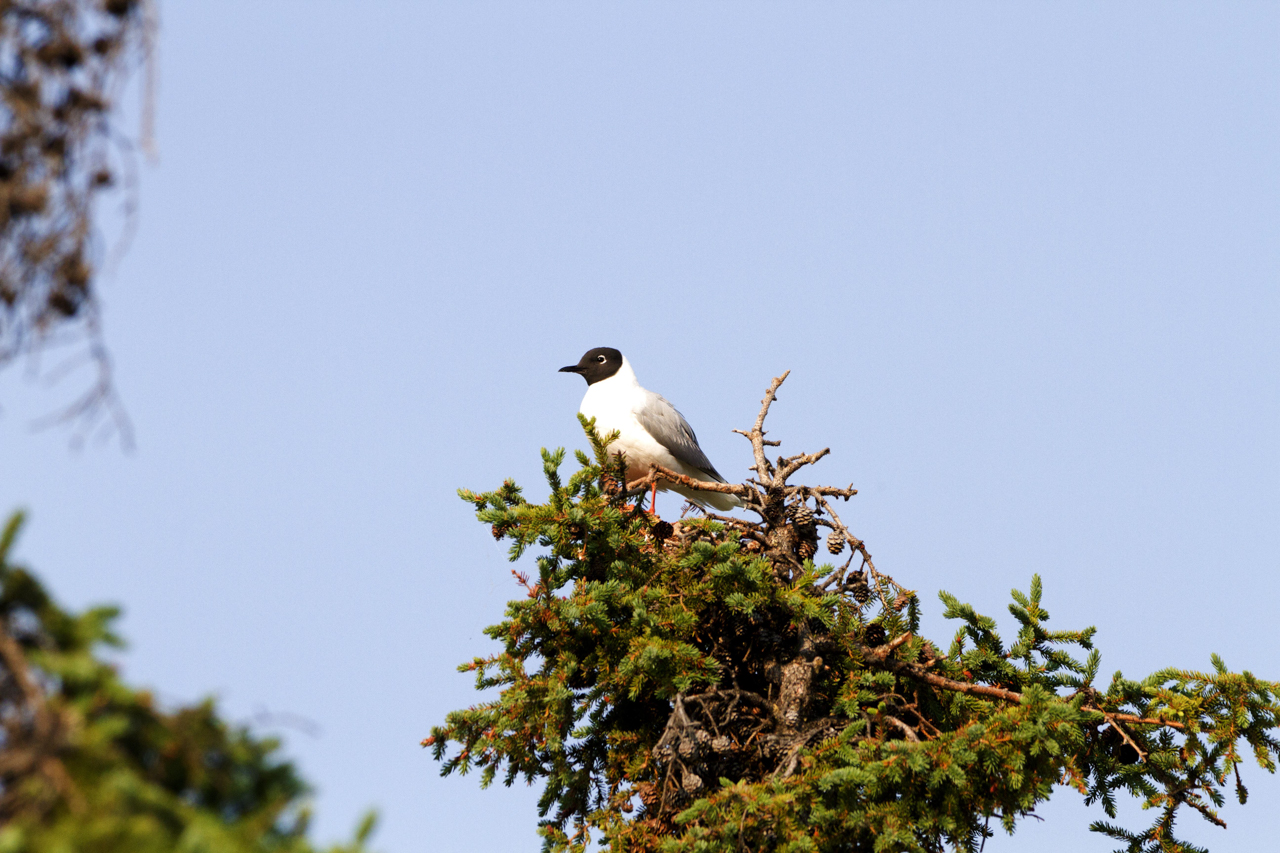
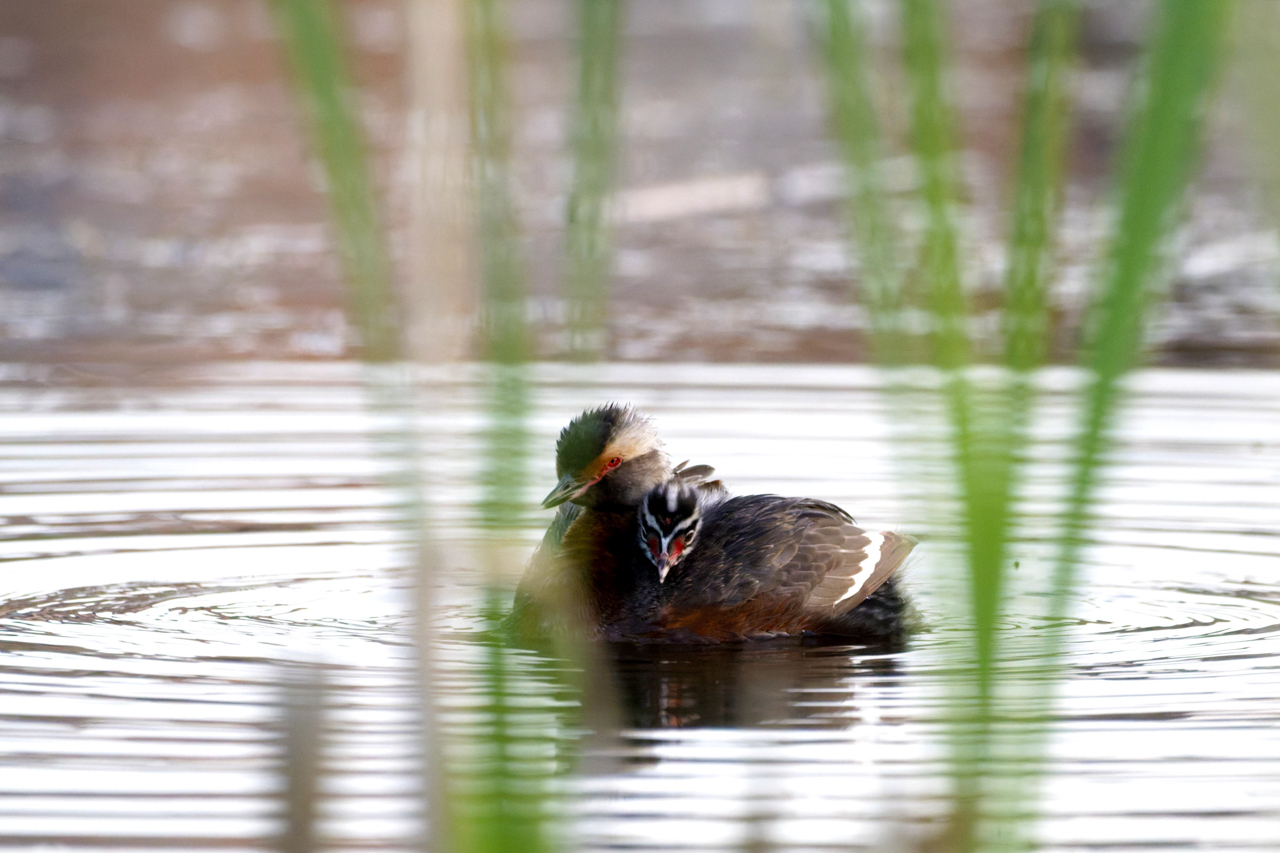
Field research at Niven Lake, located on the outskirts of Yellowknife, revealed a thriving breeding ground for Bonaparte’s Gulls, Horned Grebes, and Canvasbacks. The site provides a valuable snapshot of the health of northern wetlands, which are increasingly vulnerable to water-level fluctuations and thermal changes. A subsequent visit to the Prince of Wales Northern Heritage Center provided the team with essential cultural and scientific context regarding the traditional ecological knowledge of the region, which is increasingly being integrated with modern environmental monitoring.
At Willow Flats, along the shores of Great Slave Lake, the expedition conducted a survey of coastal habitats. The diversity of species—including Surf Scoters, Black Scoters, and Arctic Terns—demonstrated the area’s importance as a staging ground. The observation of numerous fledglings in the vegetation indicated a successful breeding season for several species, though researchers noted that these populations remain highly susceptible to shifts in ice-melt timing and prey availability.
The Tundra of Victoria Island: A Landscape in Flux
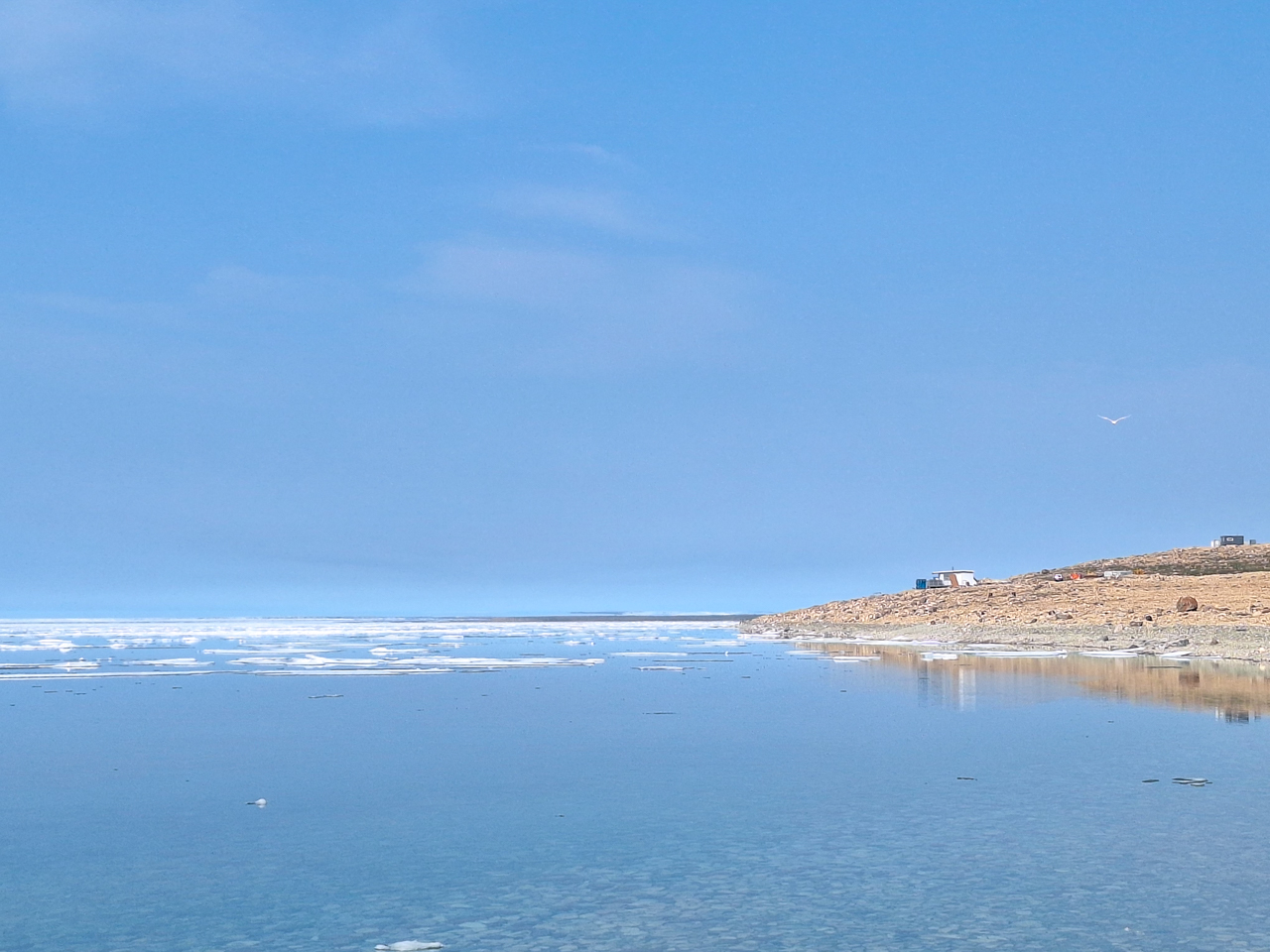
The final and most remote phase of the expedition took place in Cambridge Bay, Nunavut. Upon arrival, the contrast between the temperate south and the high Arctic was immediate. The Northwest Passage remained partially frozen, and the tundra landscape presented a stark, fragile beauty.
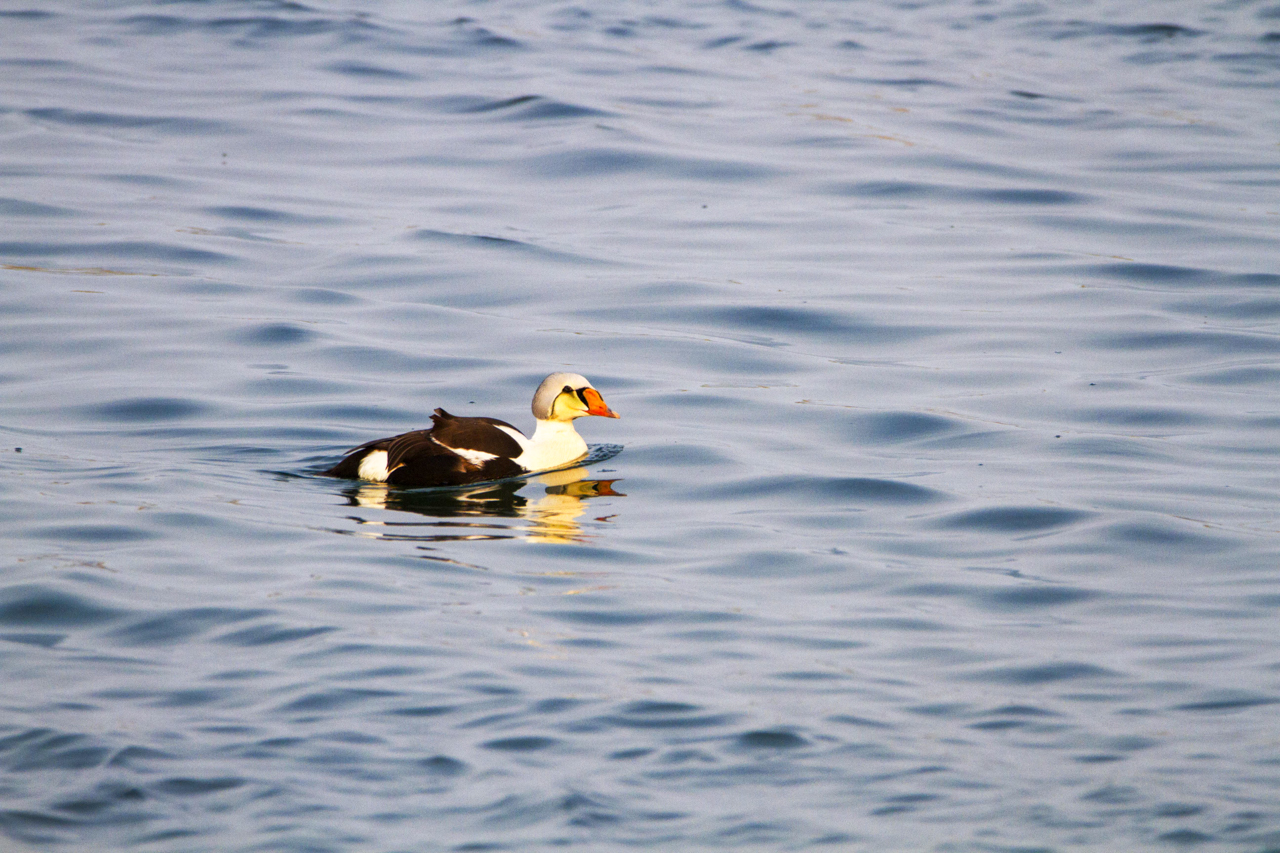
The team’s primary objective in Cambridge Bay was to study breeding birds in a climate-sensitive environment. The King Eider, a species highly dependent on specific tundra conditions for nesting, was a key focus. The timing of the expedition allowed for the observation of male King Eiders before their departure to the sea, as well as the presence of Red-necked Phalaropes and the rare Sabine’s Gull.
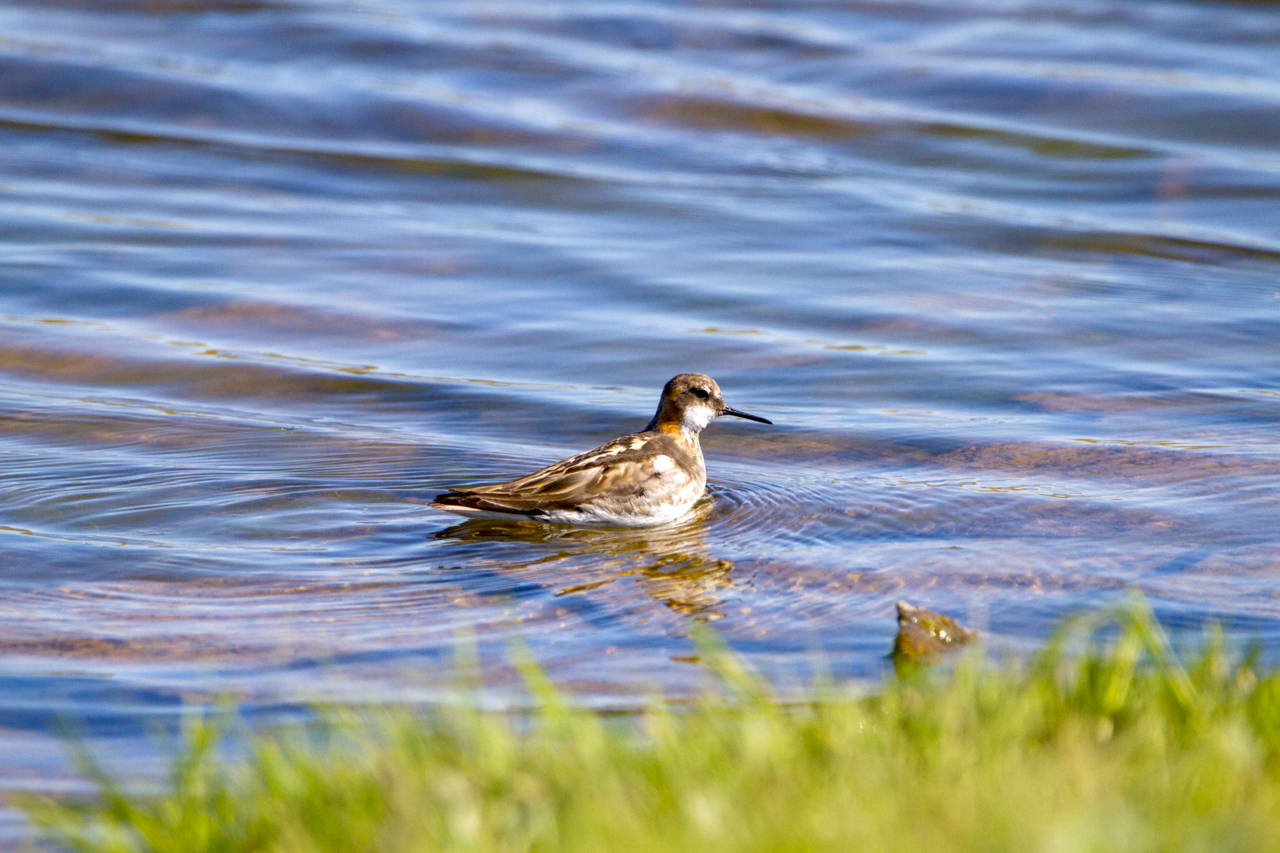
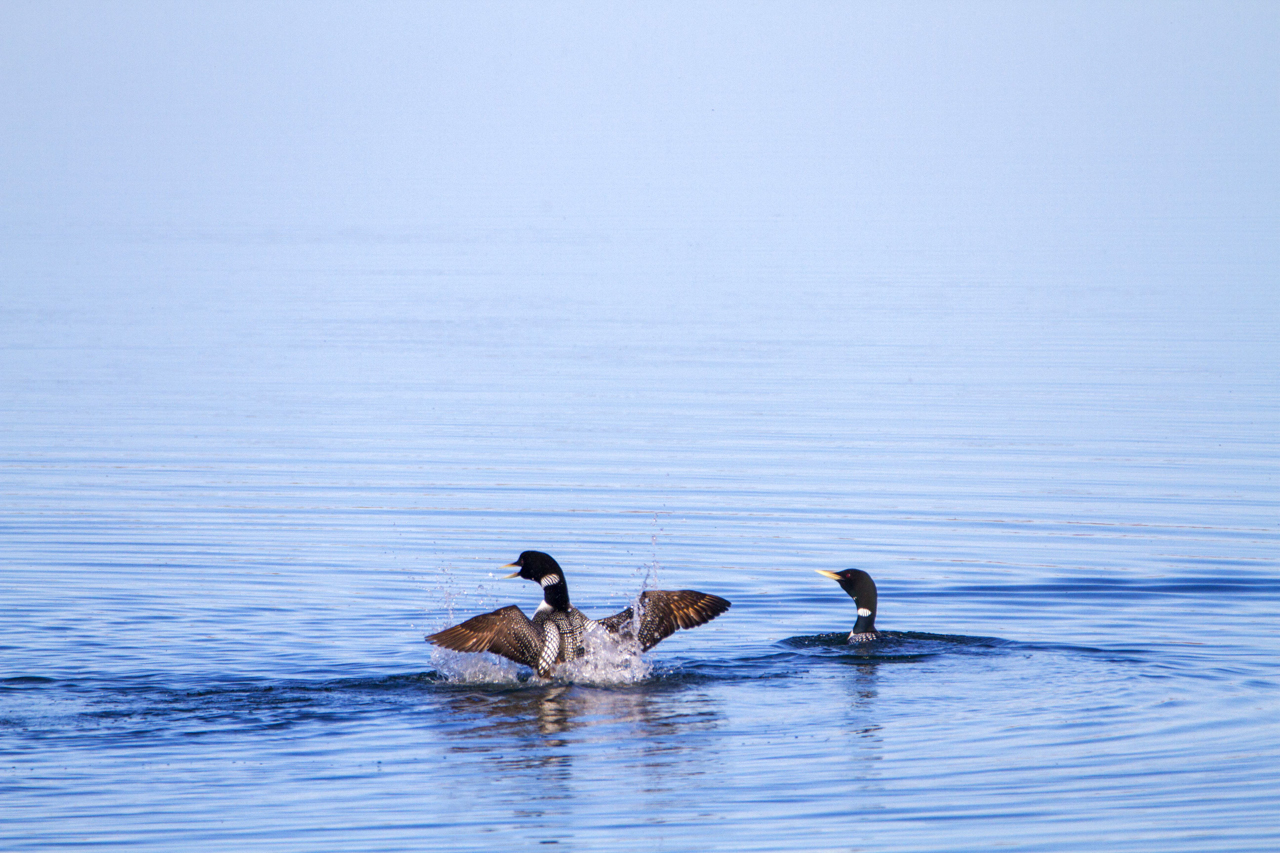
At a local lake, the team recorded a significant behavioral observation of the Yellow-billed Loon, a species of global conservation concern. The loons displayed territorial behavior, offering a rare opportunity to document the species in its primary breeding habitat.
Scientific Insight and Future Challenges
The expedition concluded with a visit to the Canadian High Arctic Research Station (CHARS) in Cambridge Bay. Conversations with resident researchers and students highlighted the accelerated nature of environmental shifts in the Arctic. Data collected at the station confirms that the Arctic is warming at a rate significantly faster than the global average.
Several key observations from the research team underscore the severity of these changes:
- Phenological Mismatch: The timing of ice breakup is occurring earlier, potentially misaligning the arrival of migratory birds with the peak availability of food sources.
- Species Range Shifts: The reported presence of grizzly bears in areas previously thought to be outside their range suggests a northward expansion of southern species, which may place additional pressure on native tundra wildlife.
- Invasive and Opportunistic Impacts: An increase in insect activity and changes in vegetation cover, such as the expansion of woody shrubs, are fundamentally altering the structural composition of the tundra.
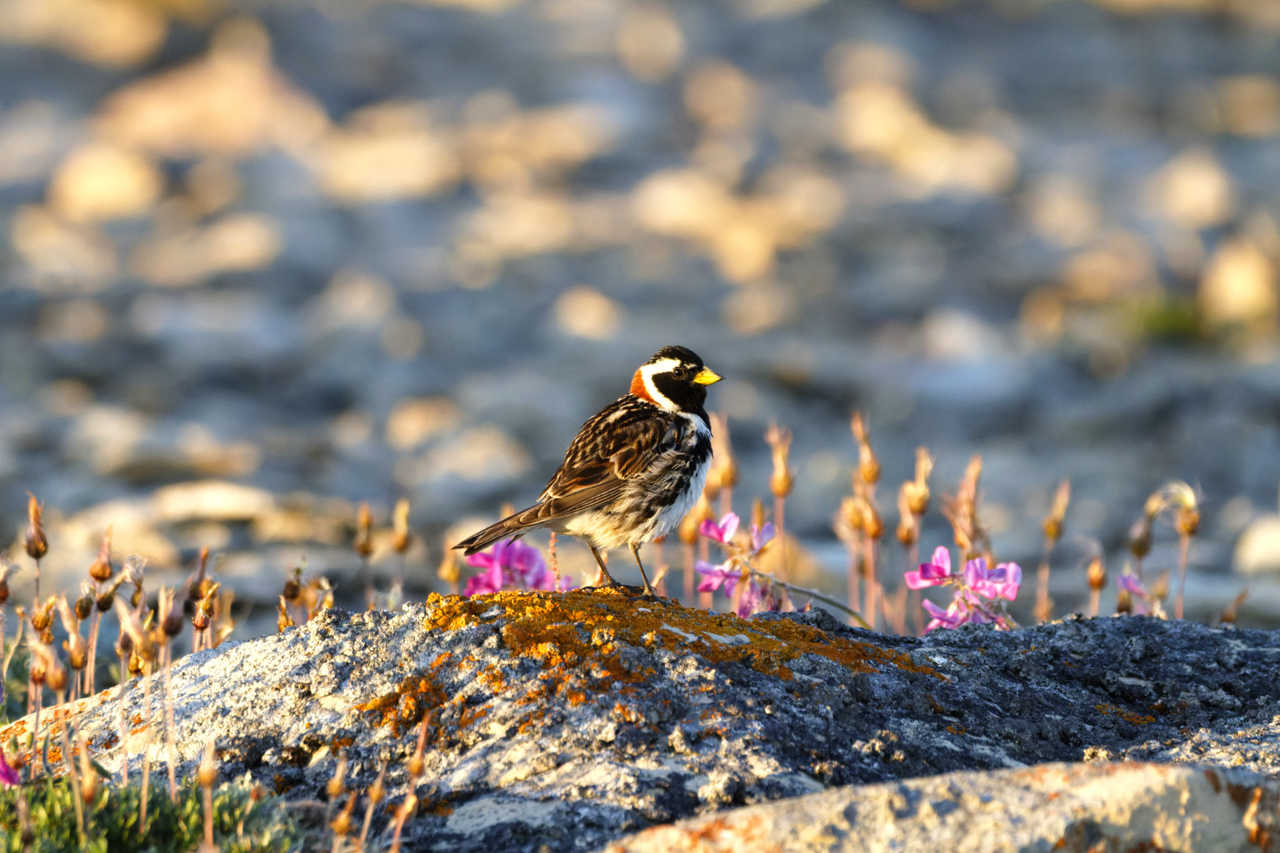
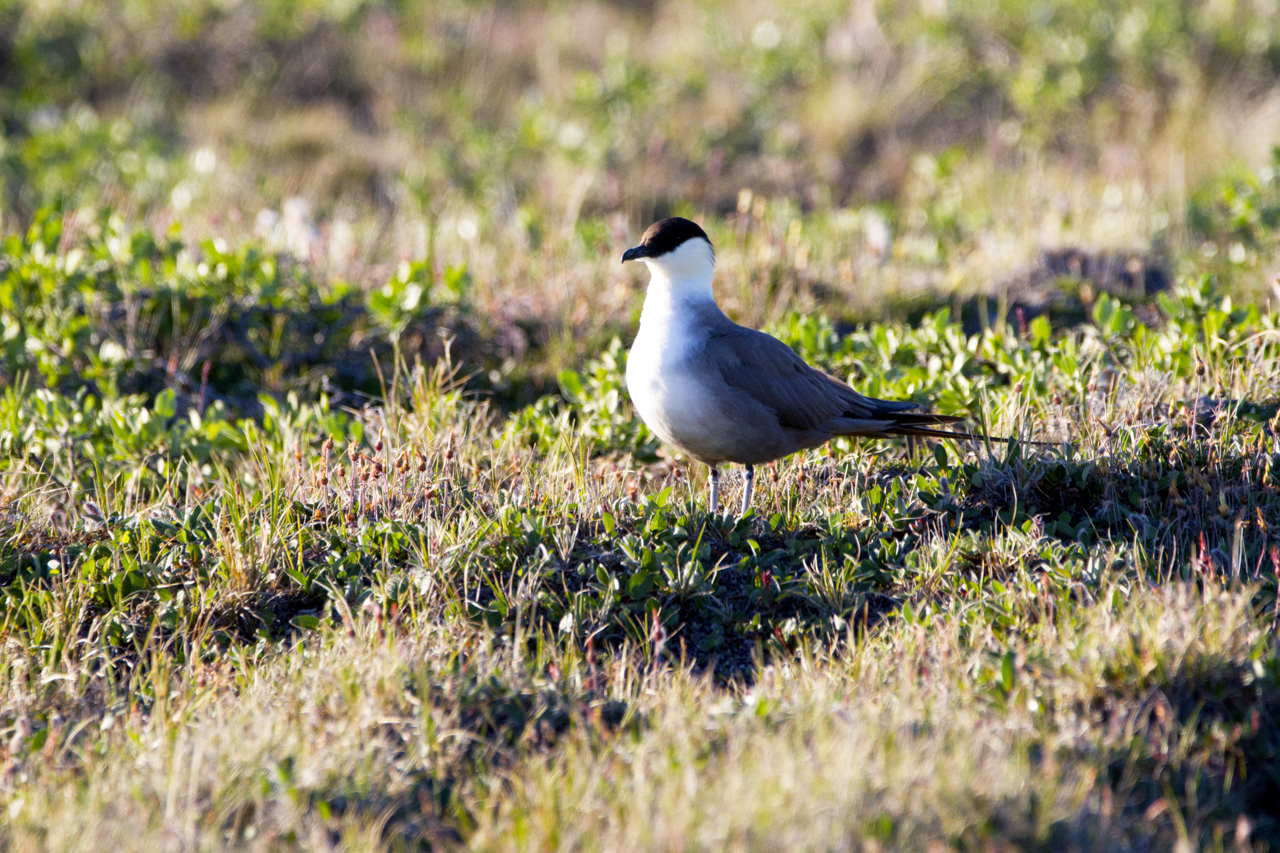
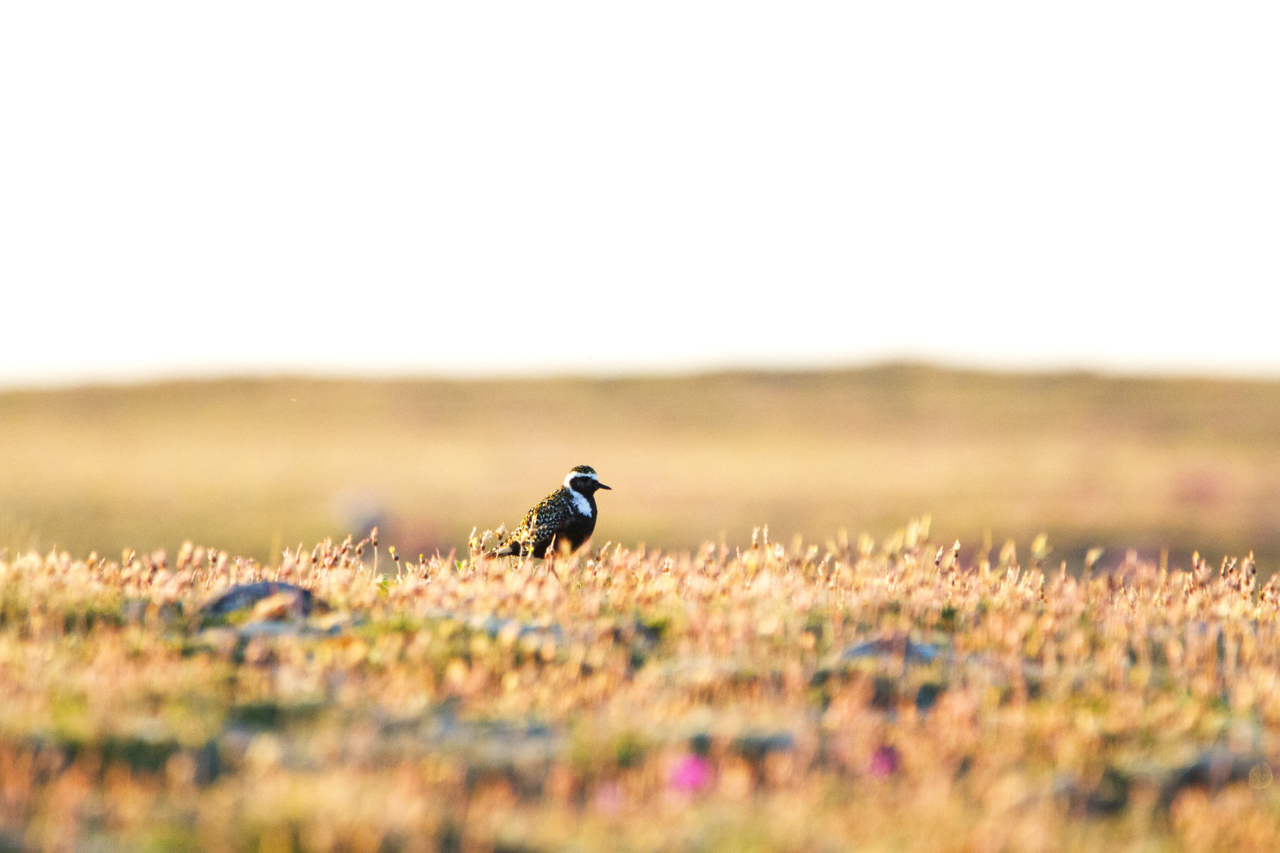
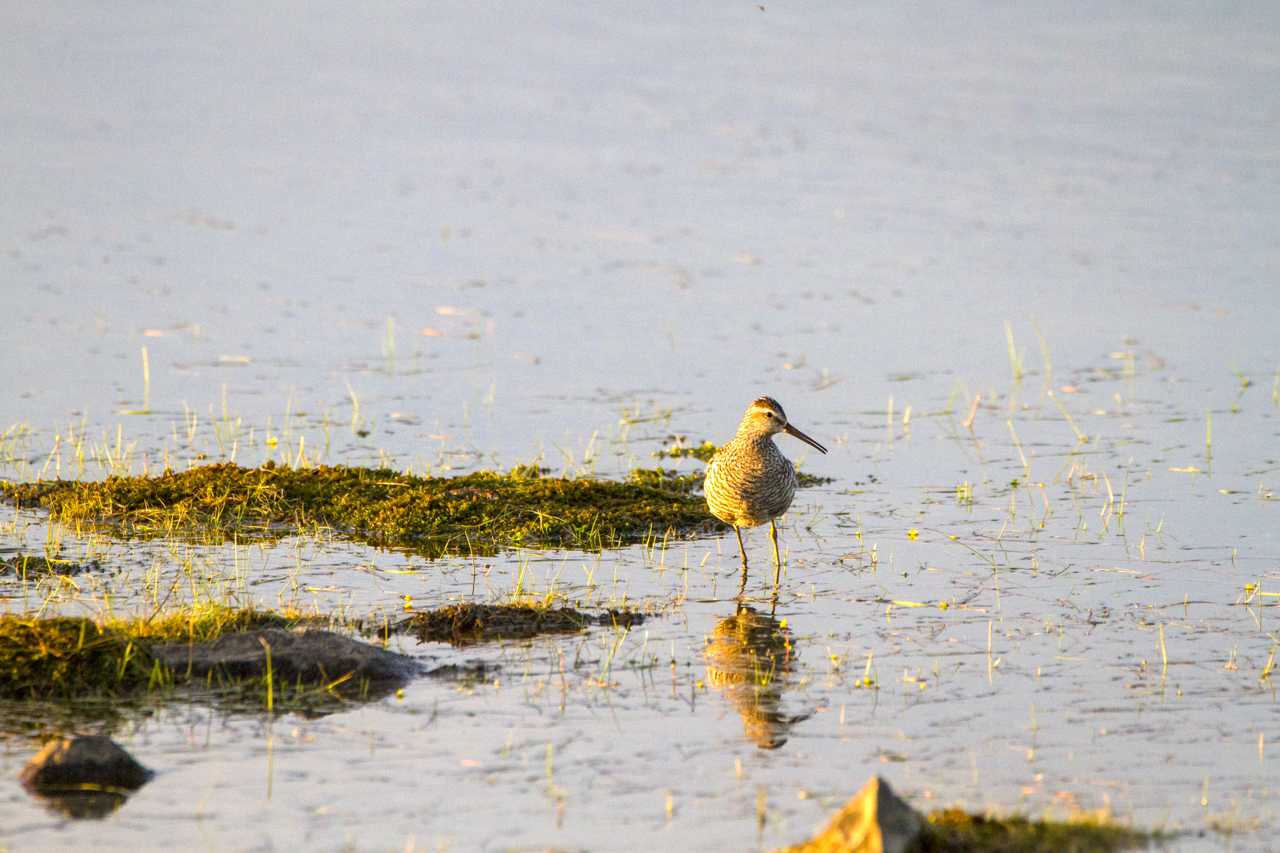
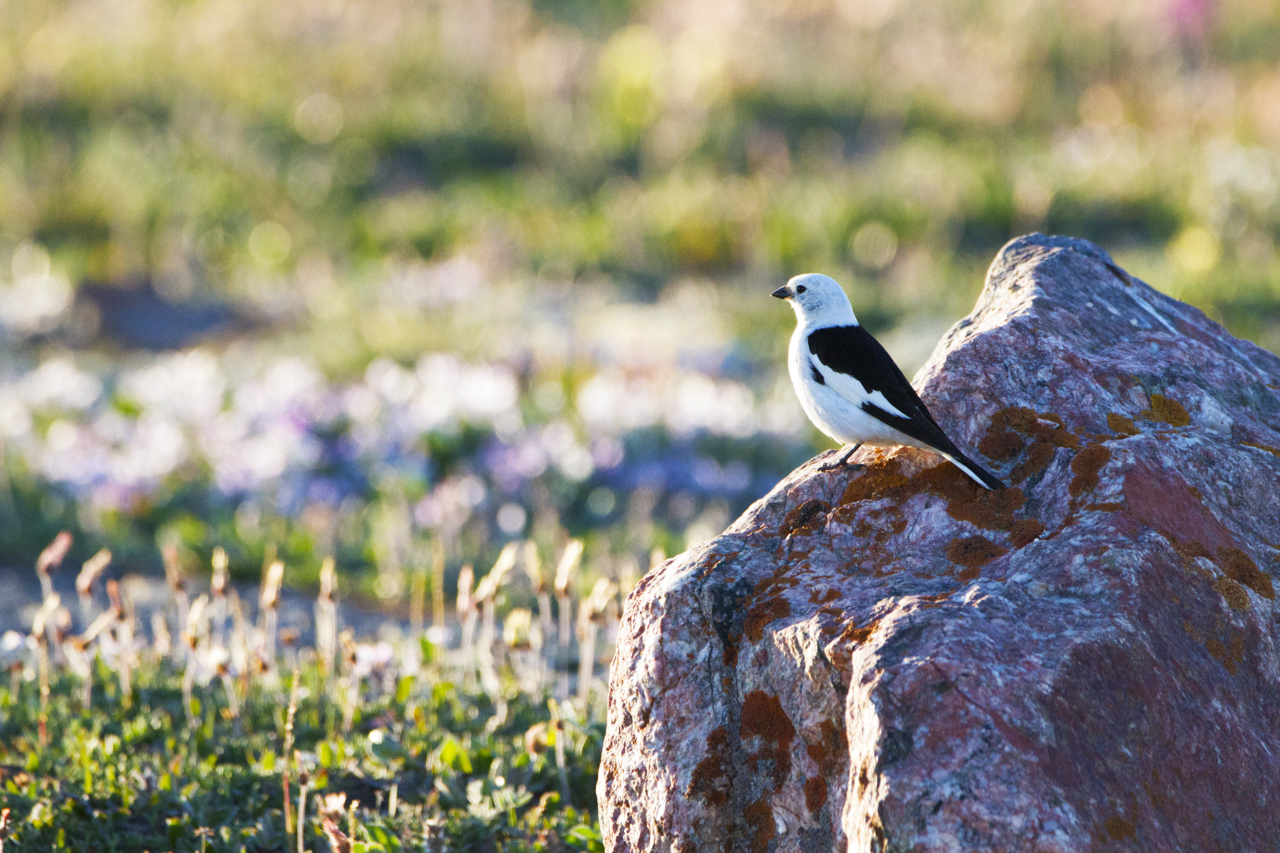
The presence of the Arctic Fox, observed patrolling the coastline for nesting birds, provided a tangible look at the interdependencies of the northern food web. The success of the expedition’s birding survey—documenting species like the Pectoral Sandpiper, Lapland Longspur, and the Rough-legged Hawk—confirmed the biological richness of the region, but also highlighted the precariousness of these populations.
Implications for Conservation
The 2,000-kilometer journey served as a comprehensive survey of the Canadian wilderness, documenting the health of environments that are central to the continent’s ecological stability. The findings reinforce the necessity of international cooperation in monitoring climate change, as many of the species observed are trans-hemispheric migrants that rely on a chain of intact habitats from the southern prairies to the high Arctic.
As the expedition team departed, the primary takeaway was a sense of urgency. The Arctic is no longer a remote, isolated periphery but has become a focal point of global concern. The resilience of the species observed is remarkable, but the rate of environmental upheaval poses questions that remain unanswered. The data gathered during this ten-day period adds to the growing body of evidence that proactive conservation, grounded in both scientific research and community-led management, is essential to safeguarding these northern biomes for future generations.
