
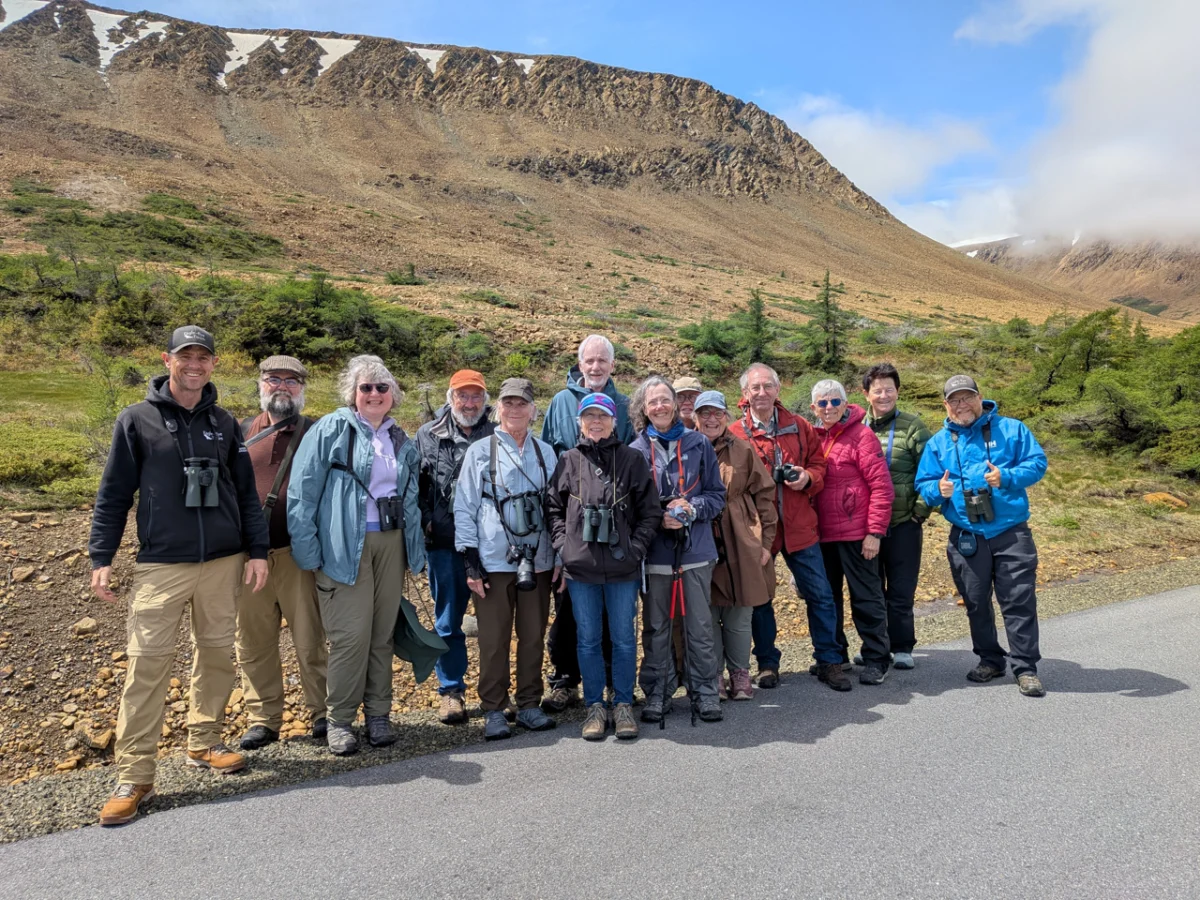
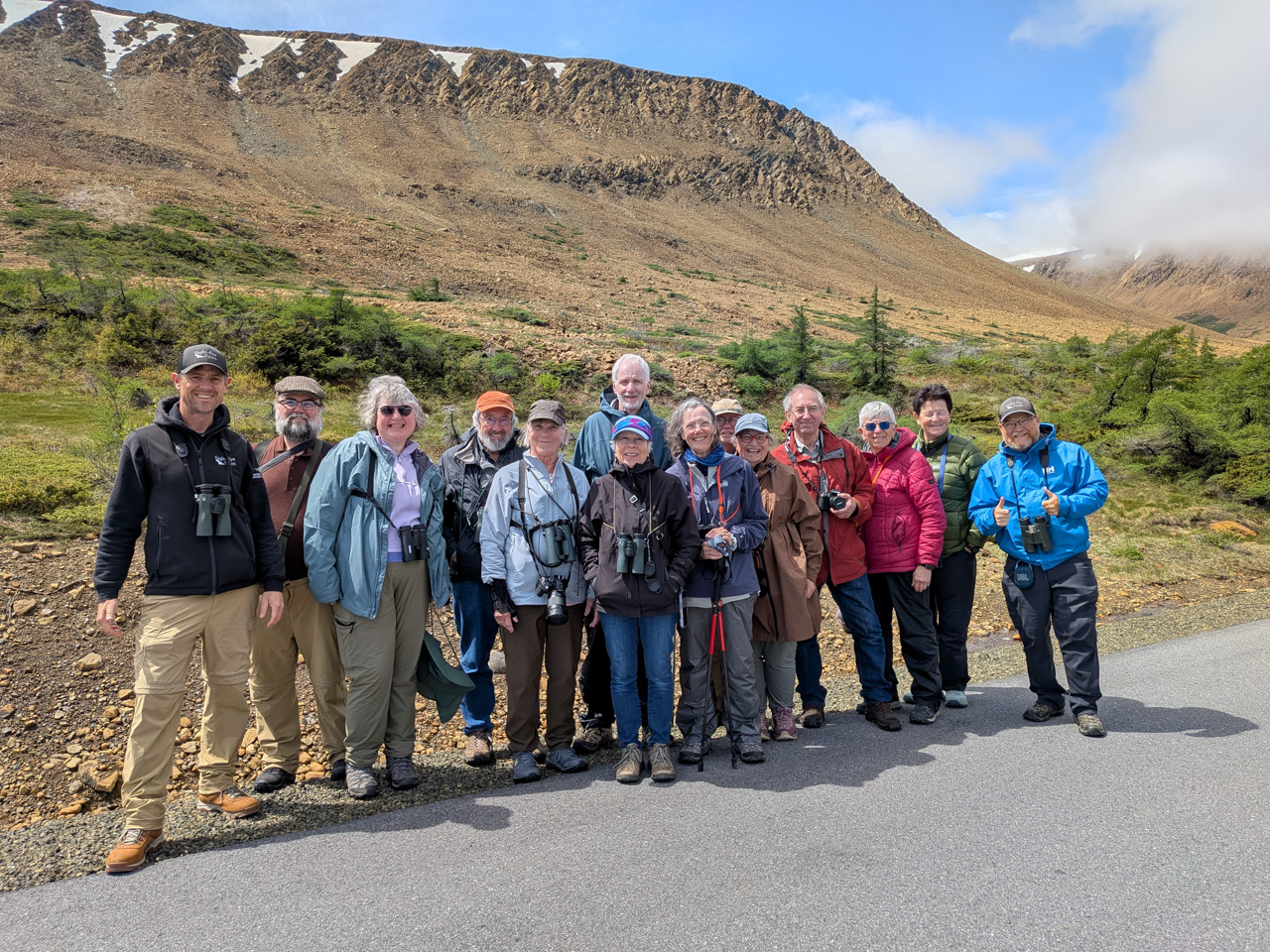
A group of twelve adventurers, supported by two expert guides, recently completed an intensive expedition across Newfoundland, documenting a remarkable diversity of ecosystems ranging from the dramatic fjords of the west coast to the hyperoceanic barrens of the Avalon Peninsula. This journey, which spanned from June 23 to July 3, 2026, provided a detailed snapshot of the island’s unique biological and geological heritage. The expedition highlighted not only the spectacular scenery of UNESCO-recognized sites but also served as an informal field survey of boreal songbirds, seabird colonies, and rare flora, reflecting the complex ecological health of the region.
The West Coast: Gros Morne and the Humber River
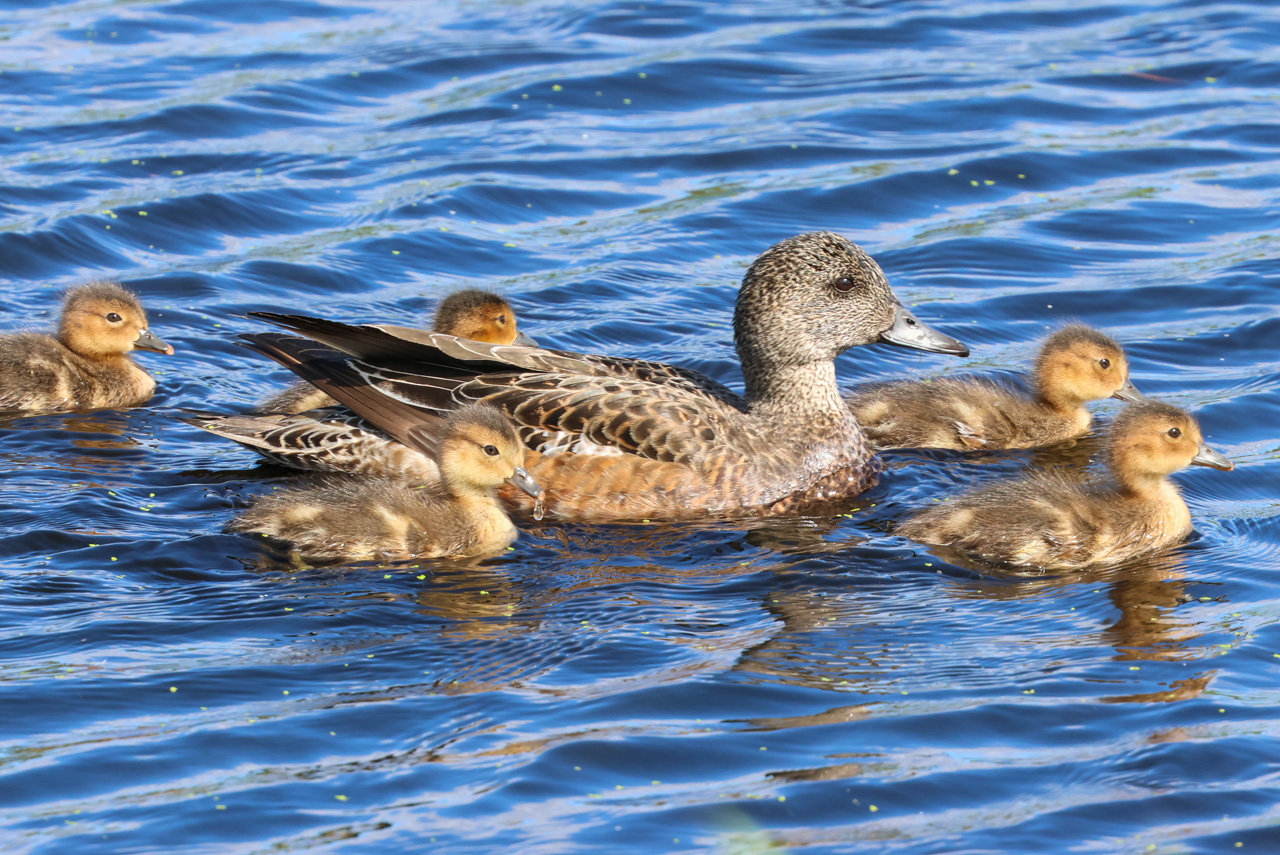
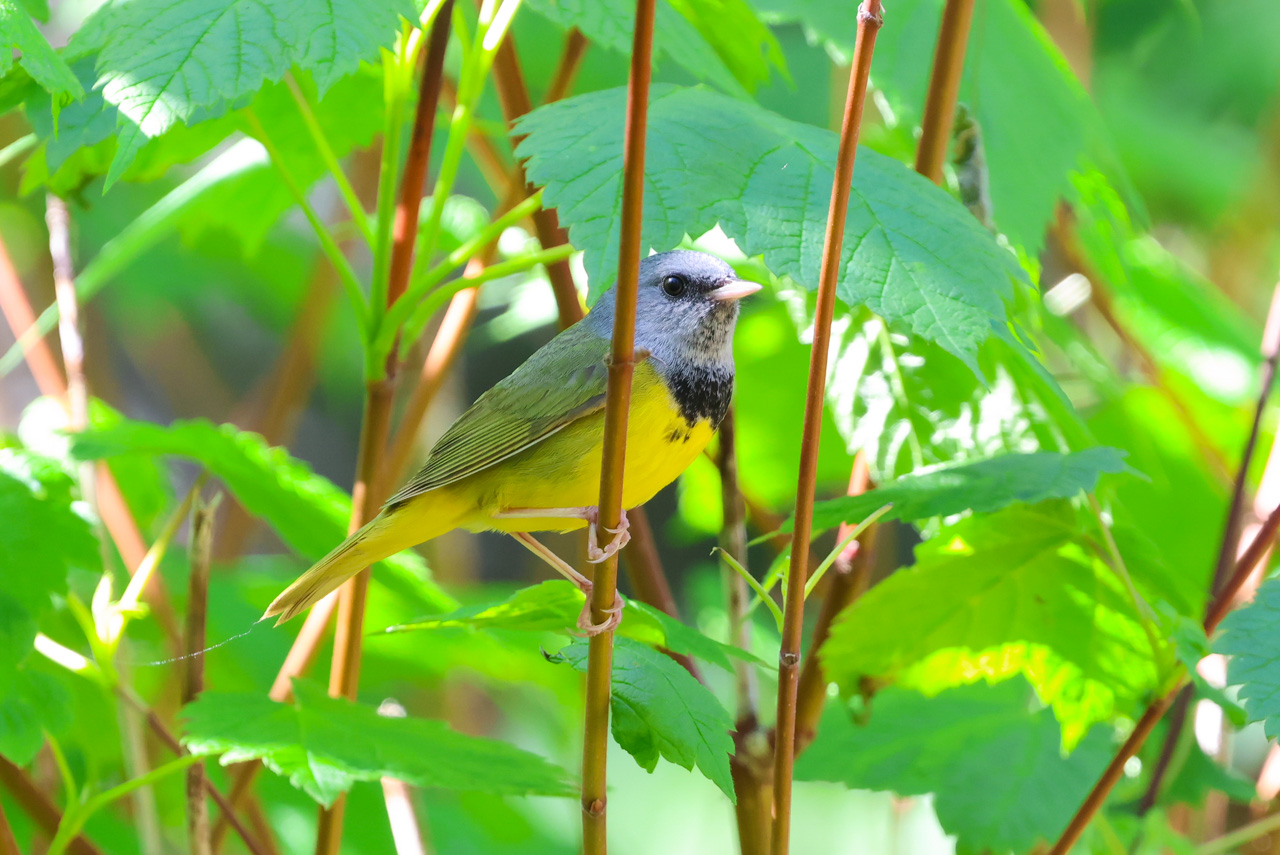
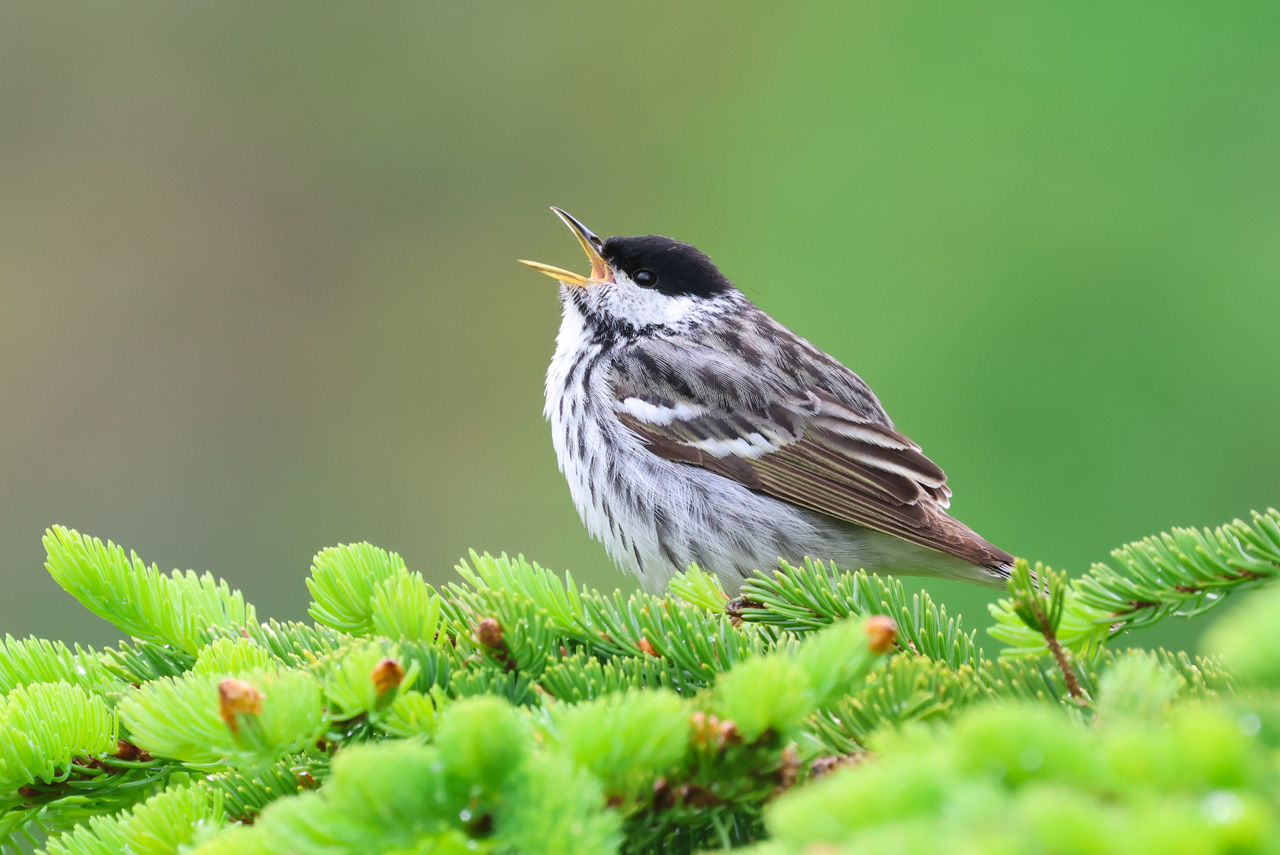
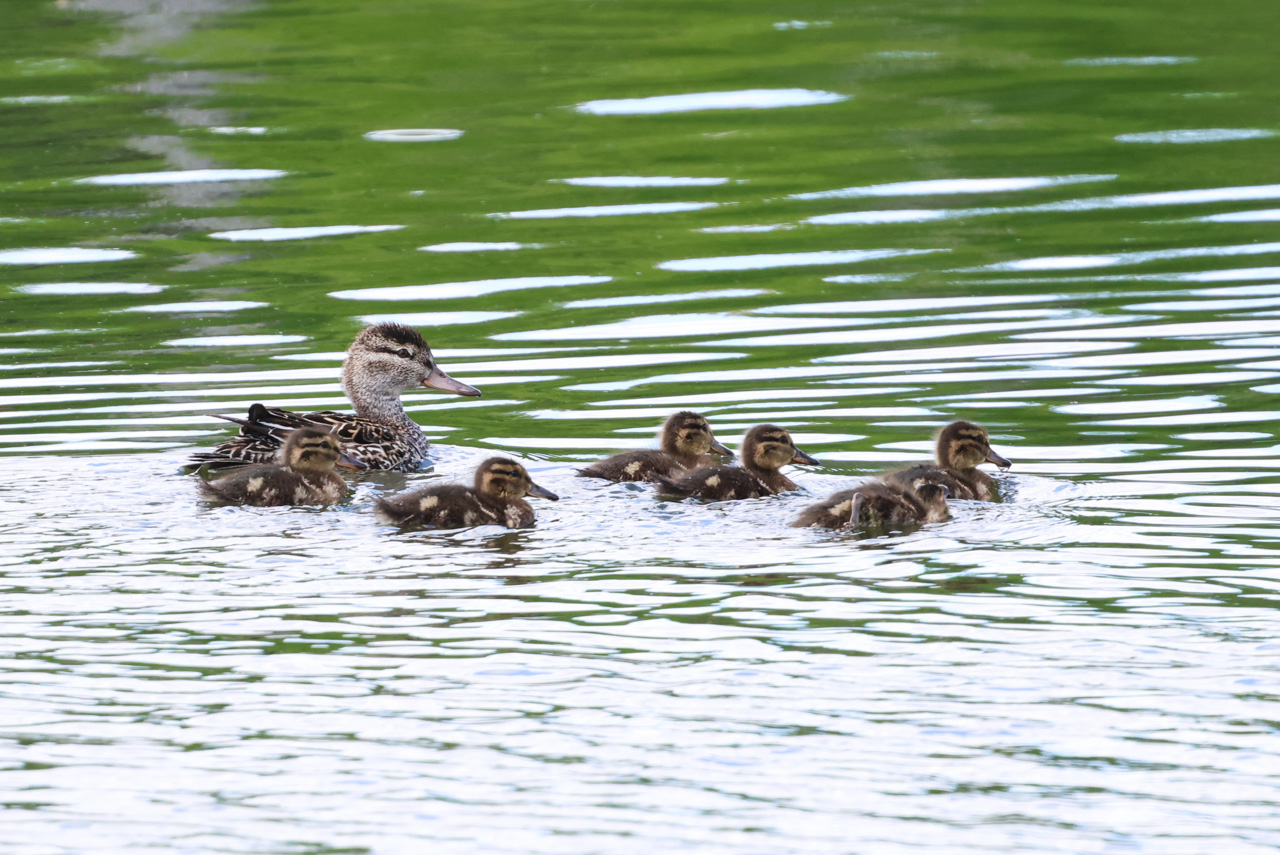
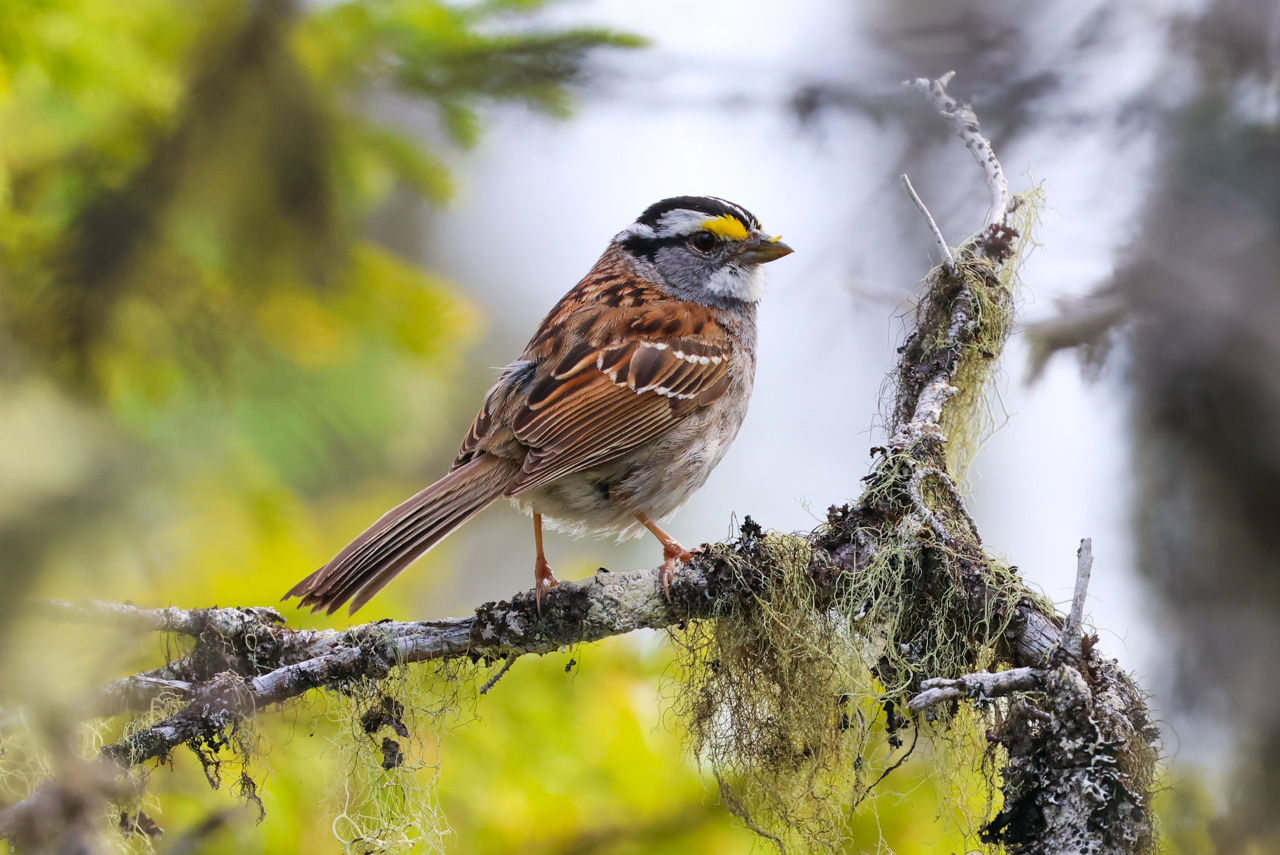
The expedition commenced in Deer Lake, an area characterized by its proximity to the Humber River and dense mixed boreal forests. On the morning of June 23, the team conducted a biological assessment along the Humber River trail. The survey yielded significant observations of local avian populations, including American Wigeons and Green-winged Teal, both of which were observed in family units, suggesting a successful breeding season. Among the notable sightings were the elusive Sora in wetland habitats, Lincoln’s Sparrows, and Alder Flycatchers. By midday, the group had identified ten species of warblers, including the Tennessee, Black-throated Green, Mourning, and a rare Bay-breasted Warbler.
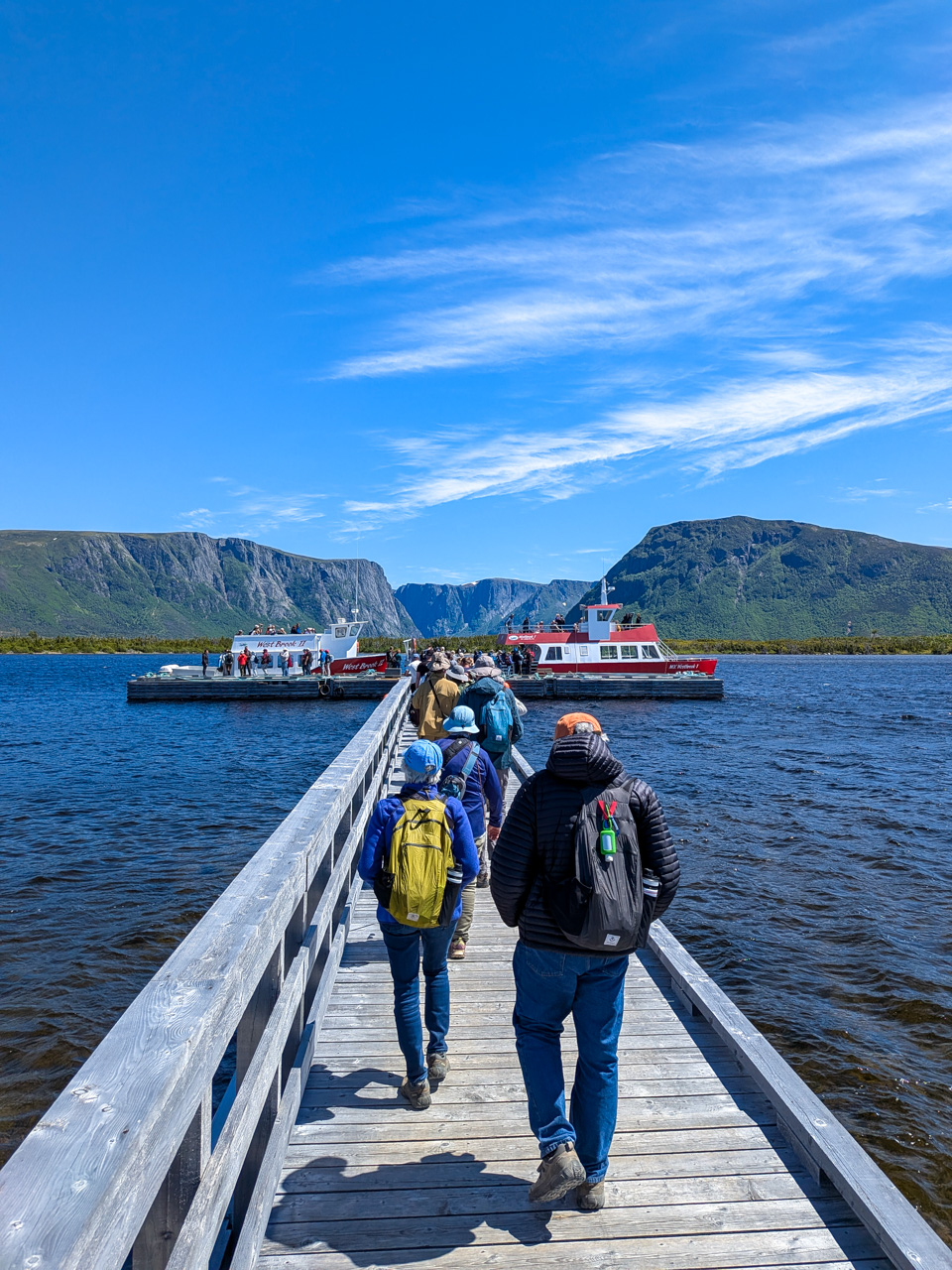
The focus then shifted to Gros Morne National Park, a UNESCO World Heritage site renowned for its geological significance, particularly its exposure of the Earth’s mantle at the Tablelands. The park’s geography—defined by glacier-carved fjords and towering cliffs—serves as a vital habitat for both terrestrial and migratory species. A boat tour of Western Brook Pond provided participants with a firsthand look at the vertical relief of the fjord, which rises over 600 meters from the water’s surface.
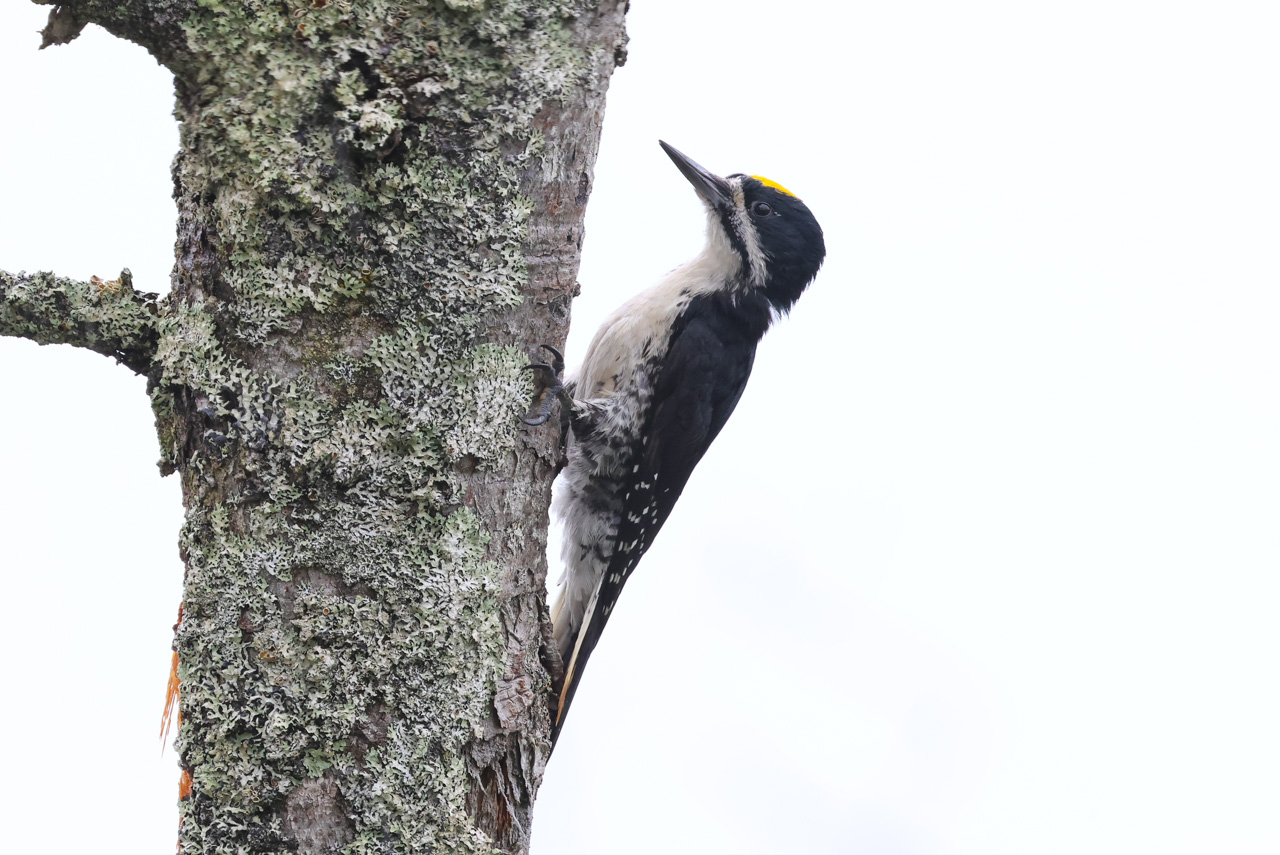
During the two-day tenure in the park, the group recorded sightings of Swainson’s Thrush, Blue-headed Vireo, Boreal Chickadee, and Pine Grosbeak. A significant observation occurred at The Arches Provincial Park, where the group identified a Black-backed Woodpecker. This species is often difficult to locate due to its preference for recently burned or insect-damaged coniferous forests, making the encounter a noteworthy data point for the trip. Coastal forays along the park’s boundary also revealed Bank Swallows, a species currently listed as threatened in Canada, underscoring the importance of these cliffside colonies for regional biodiversity.
Geological and Botanical Significance
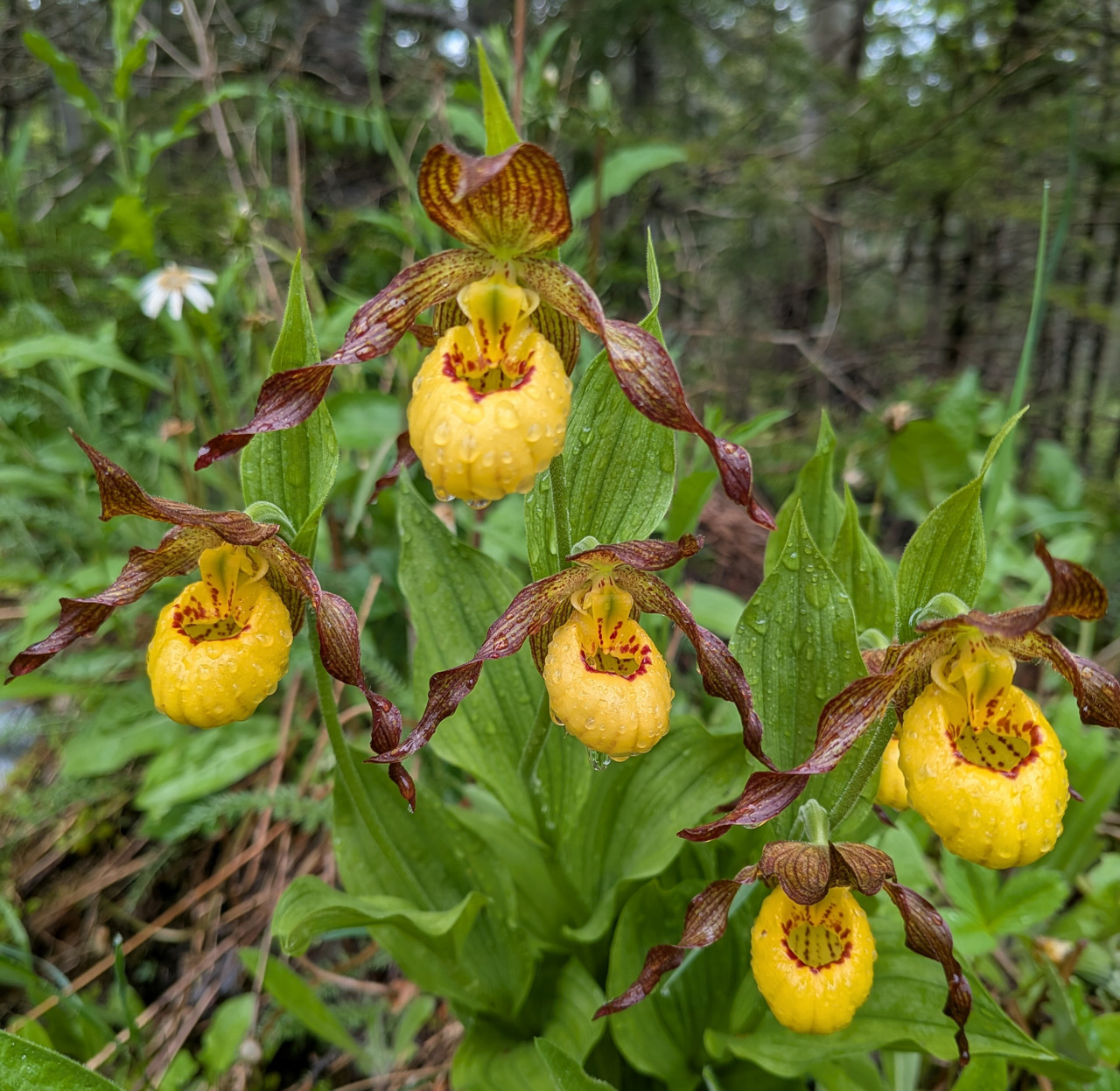
The expedition’s visit to the Tablelands provided a stark contrast to the surrounding boreal forests. The area is a prime example of an ophiolite, where the Earth’s mantle has been thrust upward. The high concentrations of heavy metals in the peridotite rock inhibit plant growth, resulting in a unique, barren landscape. Despite the harsh conditions, the team documented several specialized botanical species, including the Purple Pitcher Plant—the official provincial flower of Newfoundland and Labrador—along with Common Butterwort and Round-leaf Sundew. These carnivorous plants have adapted to the nutrient-poor soil by deriving nitrogen from insect prey.
Central Newfoundland: Interior Wetlands and River Systems
Moving into the central portion of the island on June 26, the group explored the Grand Falls-Windsor area, specifically the Corduroy Brook Nature Trail. The survey here noted a high rate of fledgling activity, with many adult birds observed transporting food, confirming the mid-summer peak of the nesting season. The Exploits Valley Salmonid Interpretation Centre served as a key stop, providing insights into the life cycle of the Atlantic Salmon. While recent heavy rainfall had increased the flow rate of the Exploits River, the group observed salmon successfully navigating the fish ladders—a testament to the resilience of the local salmonid populations despite fluctuating environmental conditions.
Terra Nova National Park and the Avalon Peninsula
Between June 27 and 28, the expedition focused on Terra Nova National Park, Canada’s most easterly national park. This region is critical for its sheltered inlets and old-growth boreal forests. Birding efforts here yielded observations of the Olive-sided Flycatcher, a species of conservation concern in North America, and the eastern Palm Warbler.
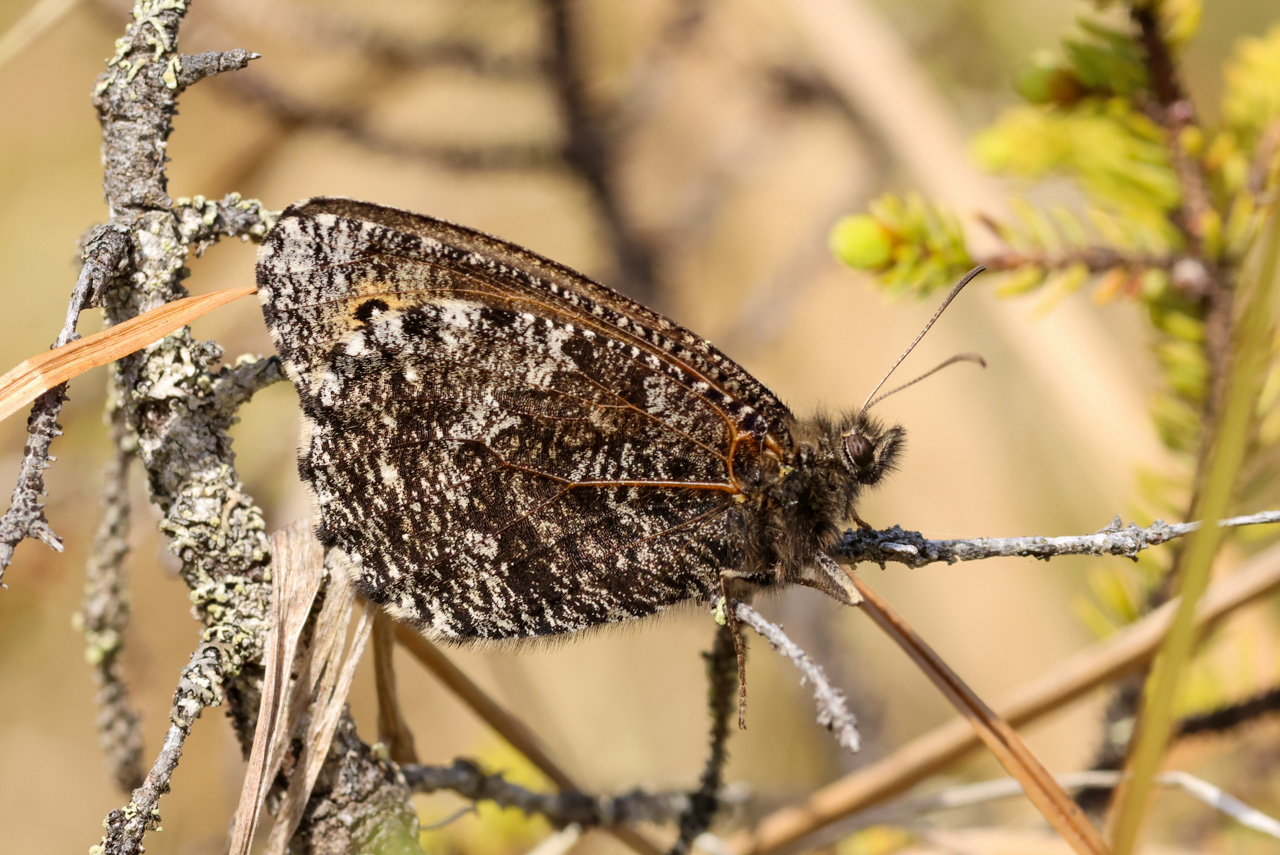
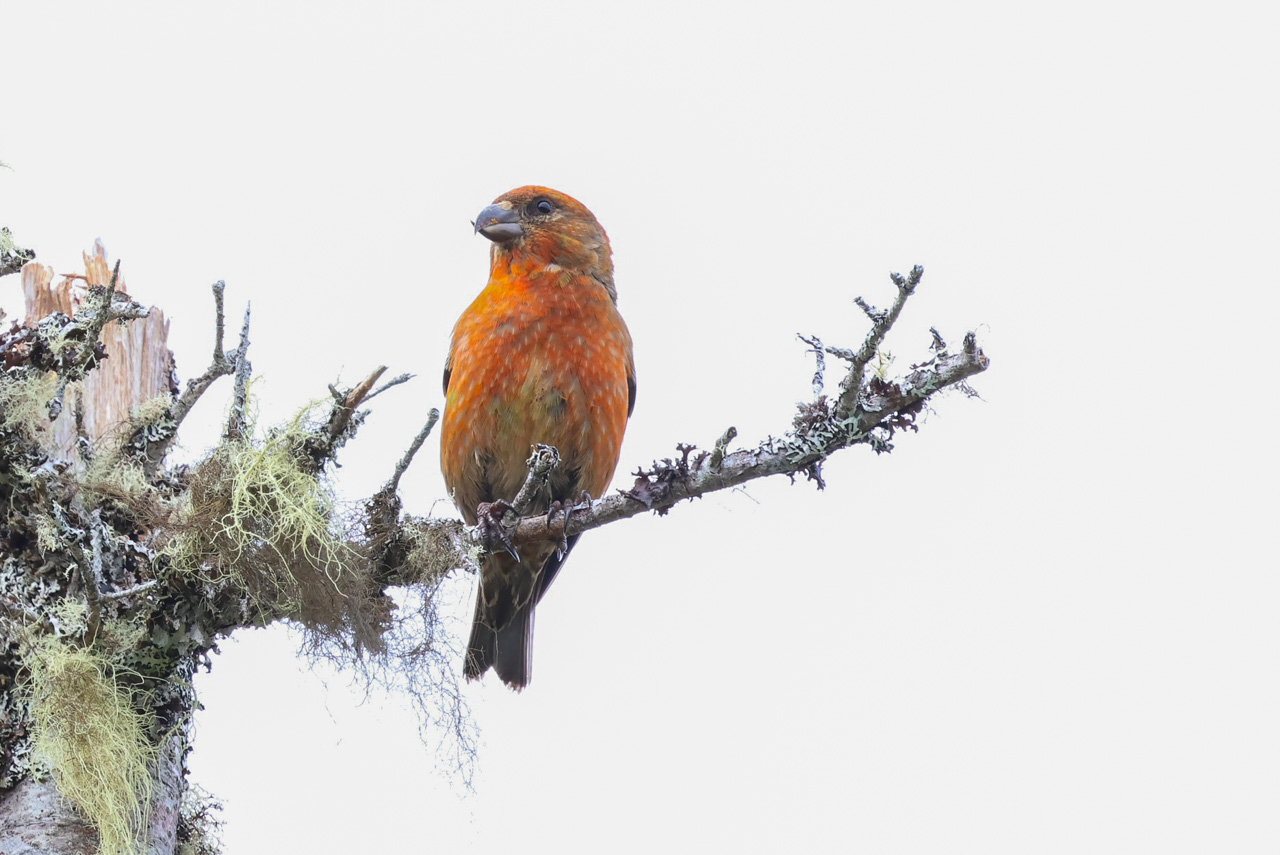
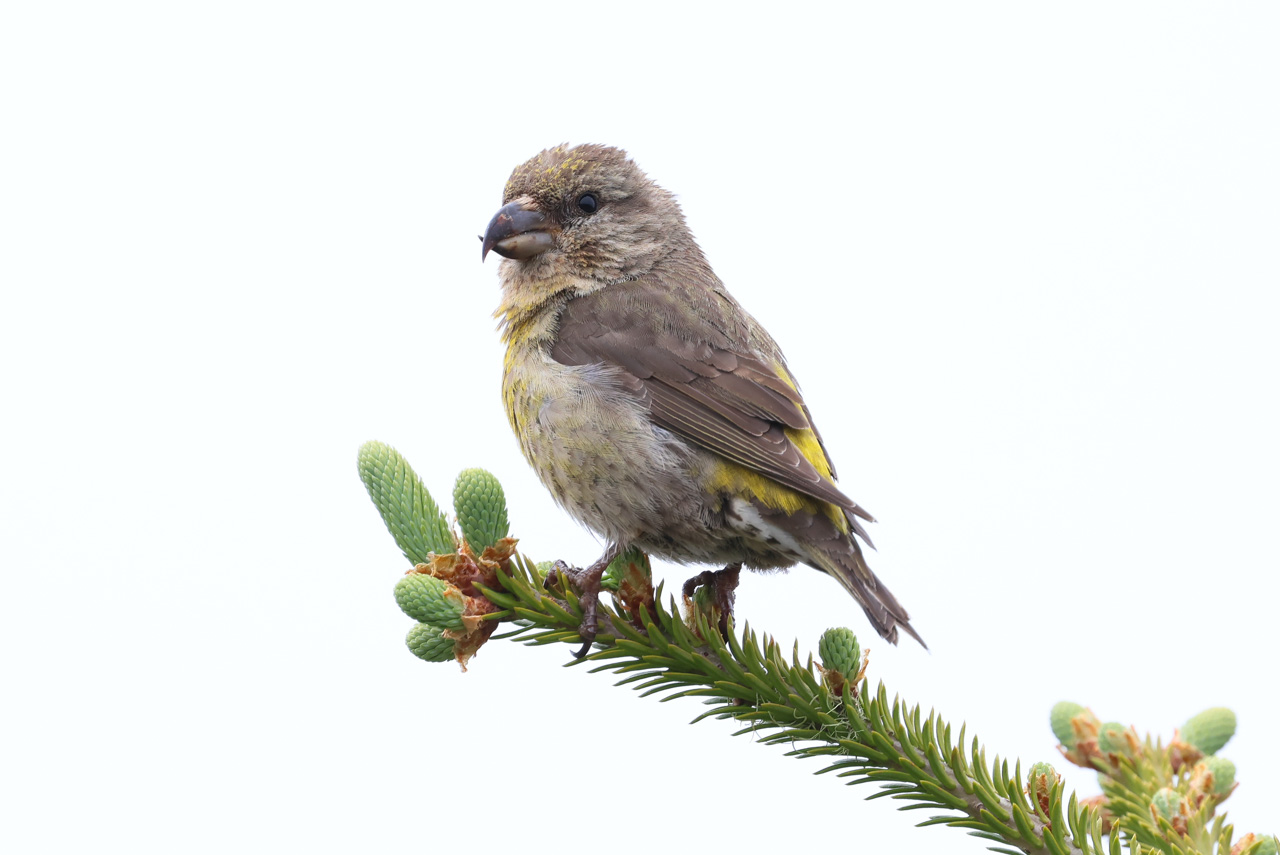
A significant highlight during this phase was the identification of the Arctic Jutta, a butterfly species characteristic of the northern boreal region. The team also conducted an auditory survey of Red Crossbills at the Castle Hill National Historic Site. By comparing vocalizations against established databases, the group confirmed the presence of the percna race, which is endemic to the island of Newfoundland and distinct from mainland populations.
The Avalon Peninsula and Global Biodiversity
The final phase of the expedition, from June 29 to July 3, focused on the Avalon Peninsula, an area defined by its "hyperoceanic barrens"—a habitat where subarctic tundra conditions exist at low elevations due to the influence of the North Atlantic.
At the Cape St. Mary’s Ecological Reserve, the group surveyed one of the most productive seabird colonies in the world. The reserve supports a vast population of Northern Gannets, Black-legged Kittiwakes, and Common Murres. During this visit, participants observed a Humpback Whale feeding in the nearshore waters, providing a rare opportunity to view marine megafauna in close proximity to the cliff-side colonies. This interaction highlights the integrated nature of the marine food web, where capelin—a small forage fish—draws both seabirds and cetaceans to the coastal zones during their annual spawning period, locally referred to as the "capelin roll."
The team’s visit to the Witless Bay Ecological Reserve confirmed the concentration of biodiversity in the region. With over 4.5 million seabirds nesting on the islands, including more than 250,000 pairs of Atlantic Puffins, the reserve is a cornerstone of Atlantic Canadian conservation. The identification of Northern Fulmars nesting on Ship Island was particularly significant, as this species is a relatively uncommon breeder in the region compared to the more abundant murres and kittiwakes.
Scientific and Cultural Synthesis
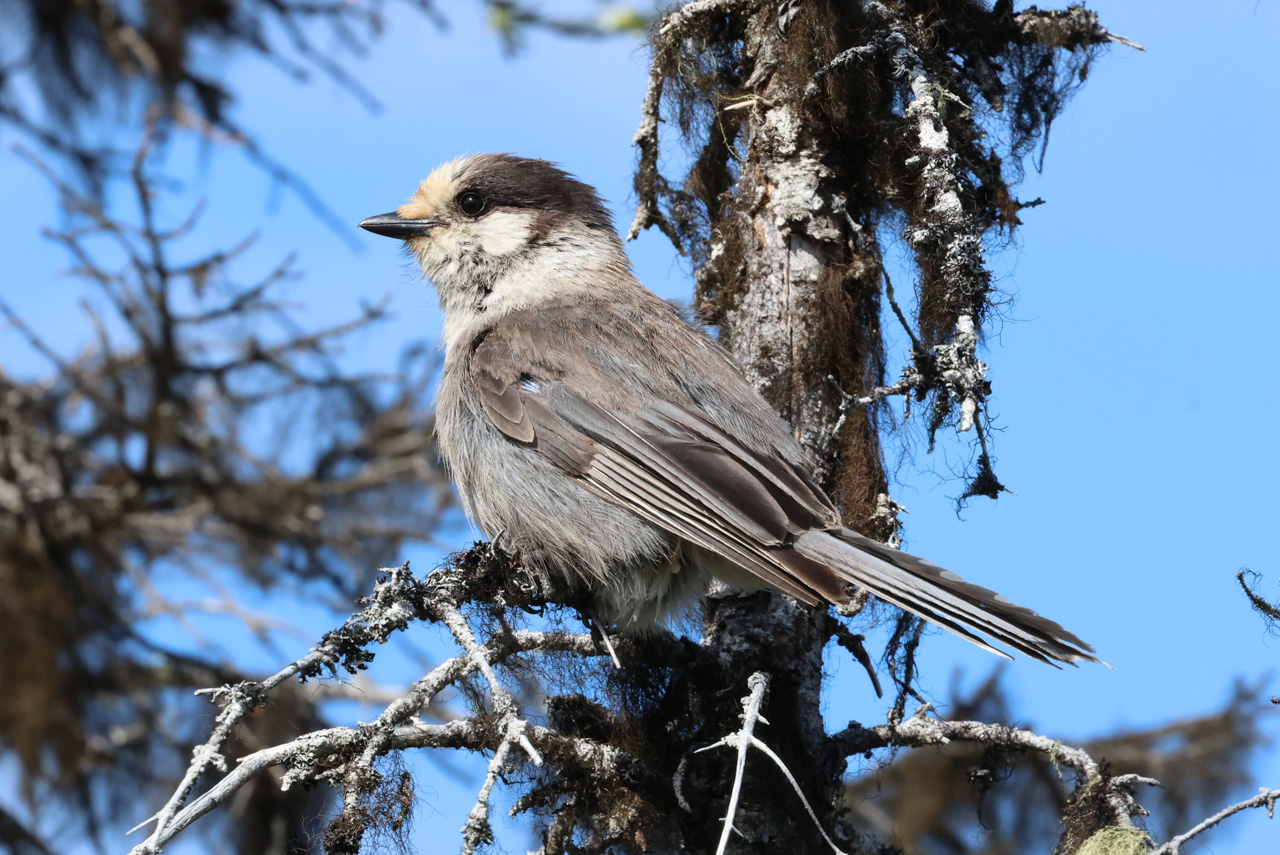
The final days of the expedition were centered in St. John’s. A visit to the Cape Spear National Historic Site allowed for a final assessment of bird populations at the easternmost point of the continent. Observations here included the Gray-cheeked Thrush, a species that has experienced a documented decline in Newfoundland over the last several decades, raising questions among researchers about habitat loss and the impact of climate shifts on high-latitude breeding grounds.
The expedition concluded with a visit to The Rooms, the provincial museum and art gallery, which provided the participants with a deeper understanding of the human history of Newfoundland, particularly the cod fishery that once served as the economic foundation of the island.
Broader Implications and Summary of Observations
The 2026 expedition underscores the status of Newfoundland as a primary laboratory for observing boreal and subarctic ecosystems. The data gathered—ranging from the identification of the endemic percna Red Crossbill to the documentation of threatened Bank Swallows—contributes to the broader understanding of regional species distribution.
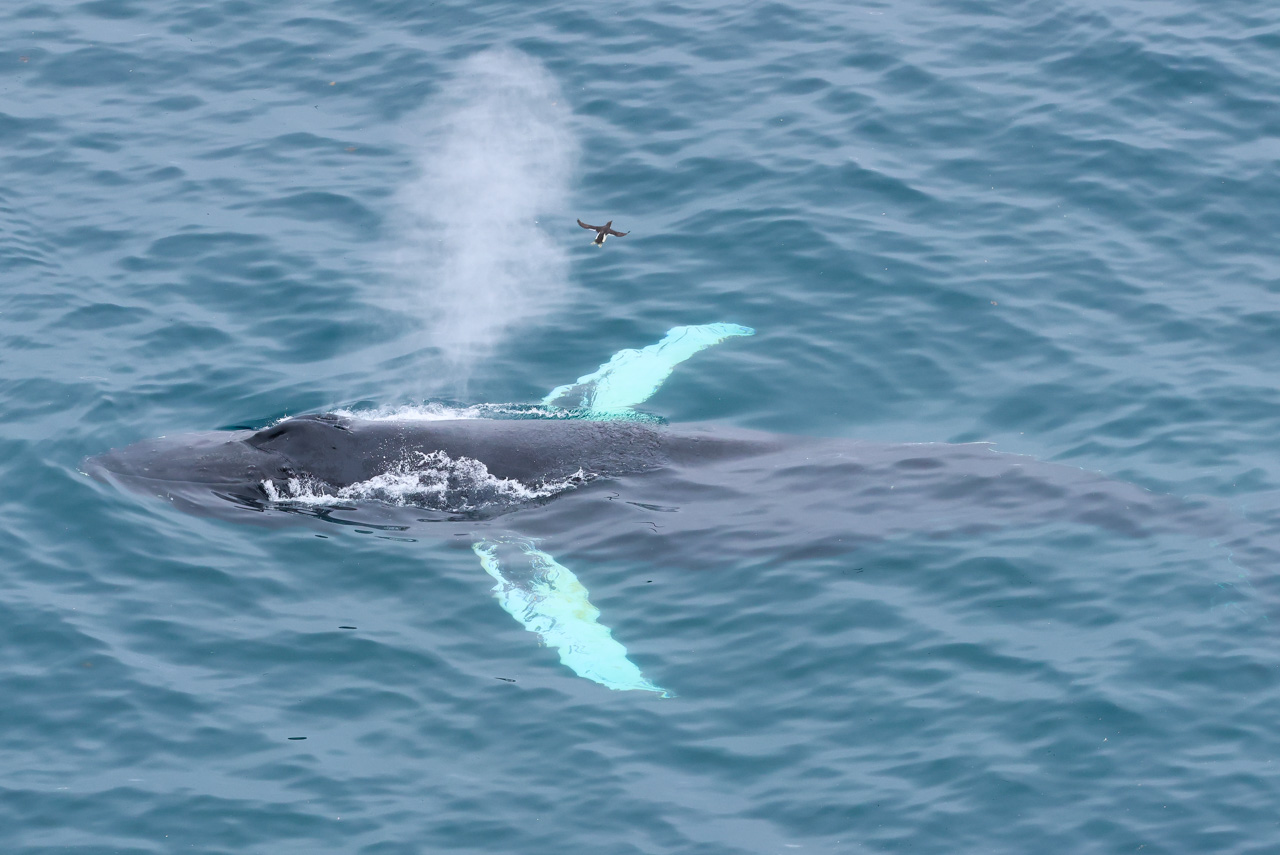
The successful observation of capelin spawning and the subsequent presence of Humpback Whales reinforces the critical nature of the marine-terrestrial interface in Newfoundland. As climate change continues to alter the distribution of cold-water species, the monitoring of these ecosystems by both professional researchers and guided expeditions remains an essential component of ecological oversight. The findings from this 11-day survey serve as a reminder of the fragility and the immense value of North America’s eastern frontier, suggesting that continued protection and study of these unique habitats are vital for the preservation of global biodiversity.
