
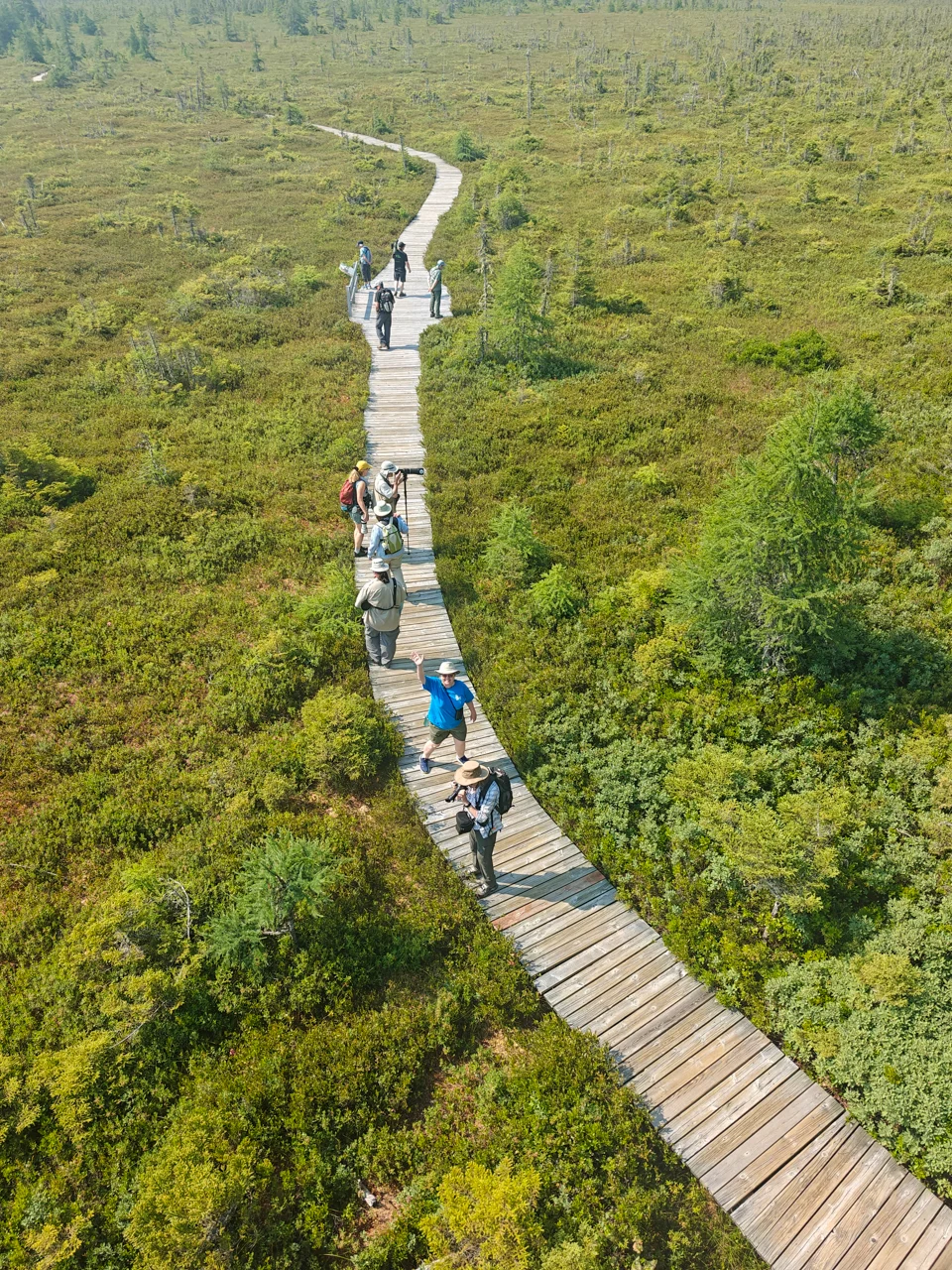
From August 3 to August 12, a dedicated group of birding enthusiasts embarked on a comprehensive ten-day expedition across New Brunswick, a Canadian province celebrated for its diverse boreal forests, tidal estuaries, and critical role as a stopover for migratory shorebirds. The tour, which served as a masterclass in late-summer avian activity, spanned several key ecological zones, ranging from the Acadian coastal regions of the north to the rugged, marine-rich environment of Grand Manan Island in the Bay of Fundy.
A Strategic Approach to Seasonal Migration
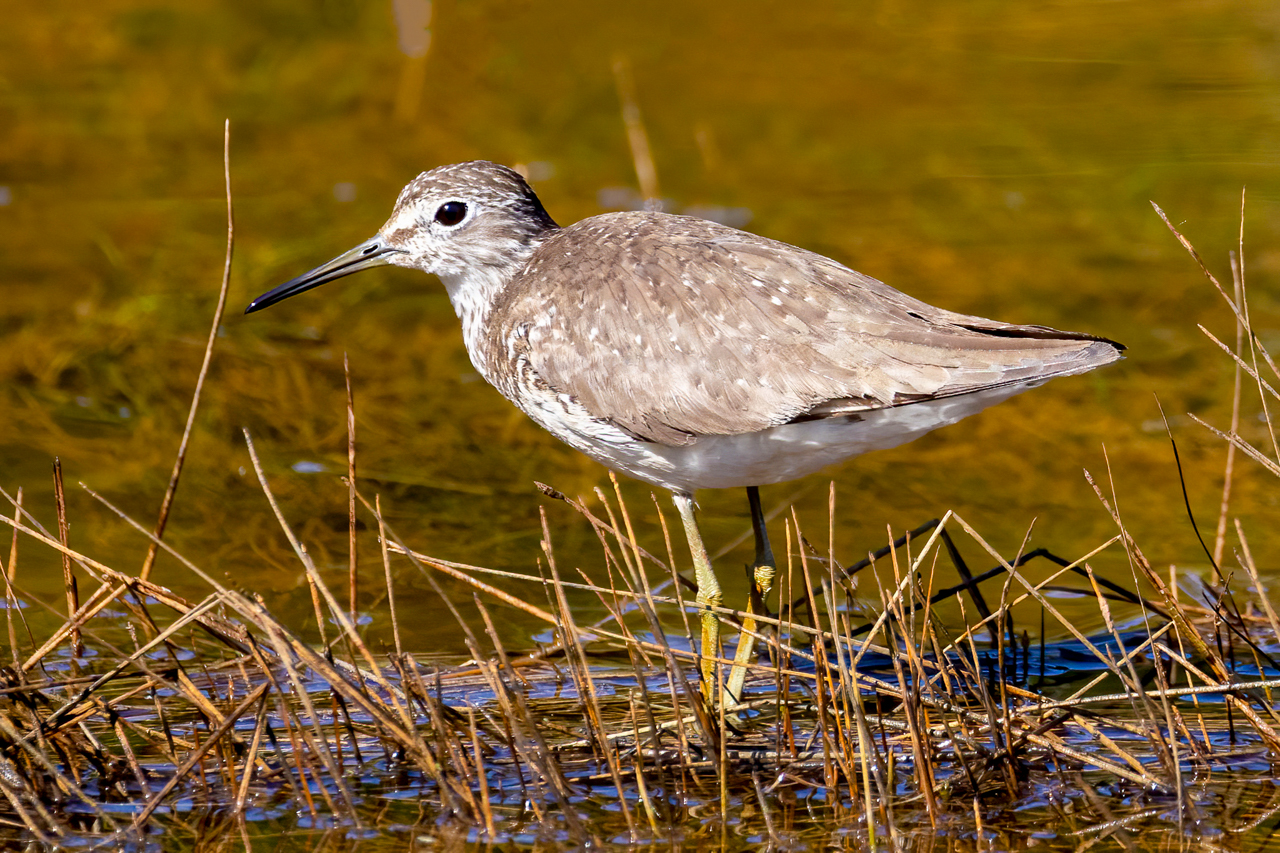
The timing of the expedition was carefully orchestrated to coincide with the post-breeding dispersal and the early stages of the southward migration of shorebirds. The Bay of Fundy is globally significant for its intertidal mudflats, which are essential for the survival of species such as the Semipalmated Sandpiper. These birds undertake a massive non-stop migration from the Arctic breeding grounds to the coast of South America. The expedition served as a scientific survey of these habitats, documenting the abundance and behavior of species that rely on the nutrient-rich mudflats exposed by the world’s highest tides.
Chronology of the Expedition
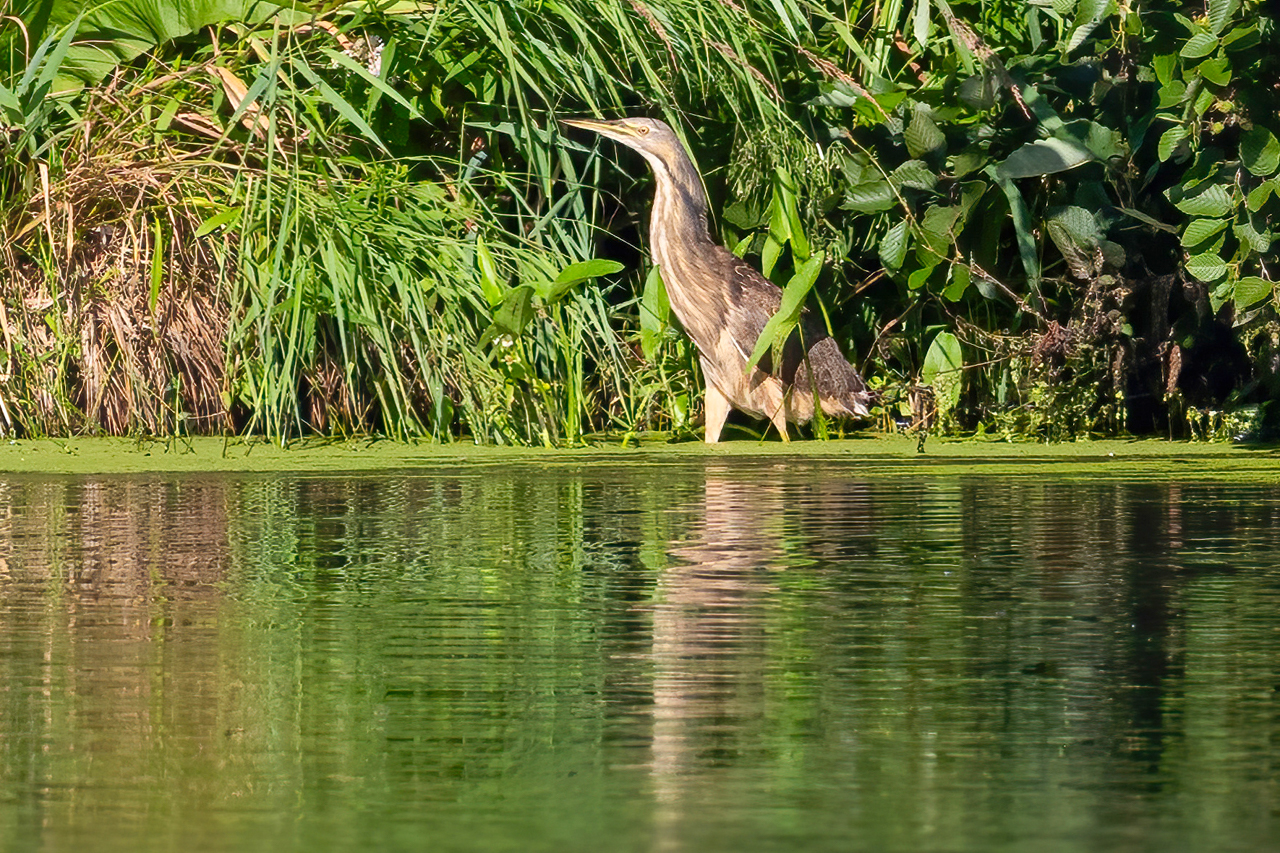
The tour commenced on August 3 in Moncton, establishing a logistical home base for initial excursions into the surrounding wetlands. The group’s early efforts focused on the Memramcook region and the Reid McManus Nature Reserve. Observations here were indicative of a healthy wetland ecosystem, with sightings of American Bittern, Great Blue Heron, and a variety of warblers, including the Blackburnian and Northern Parula.
By August 5, the focus shifted to the Acadian coast, specifically Kouchibouguac National Park. This segment of the trip highlighted the ecological connectivity between the Northumberland Strait and the inland bogs. The presence of species such as the Palm Warbler and Olive-sided Flycatcher provided insight into the avian diversity supported by the park’s protected habitats.
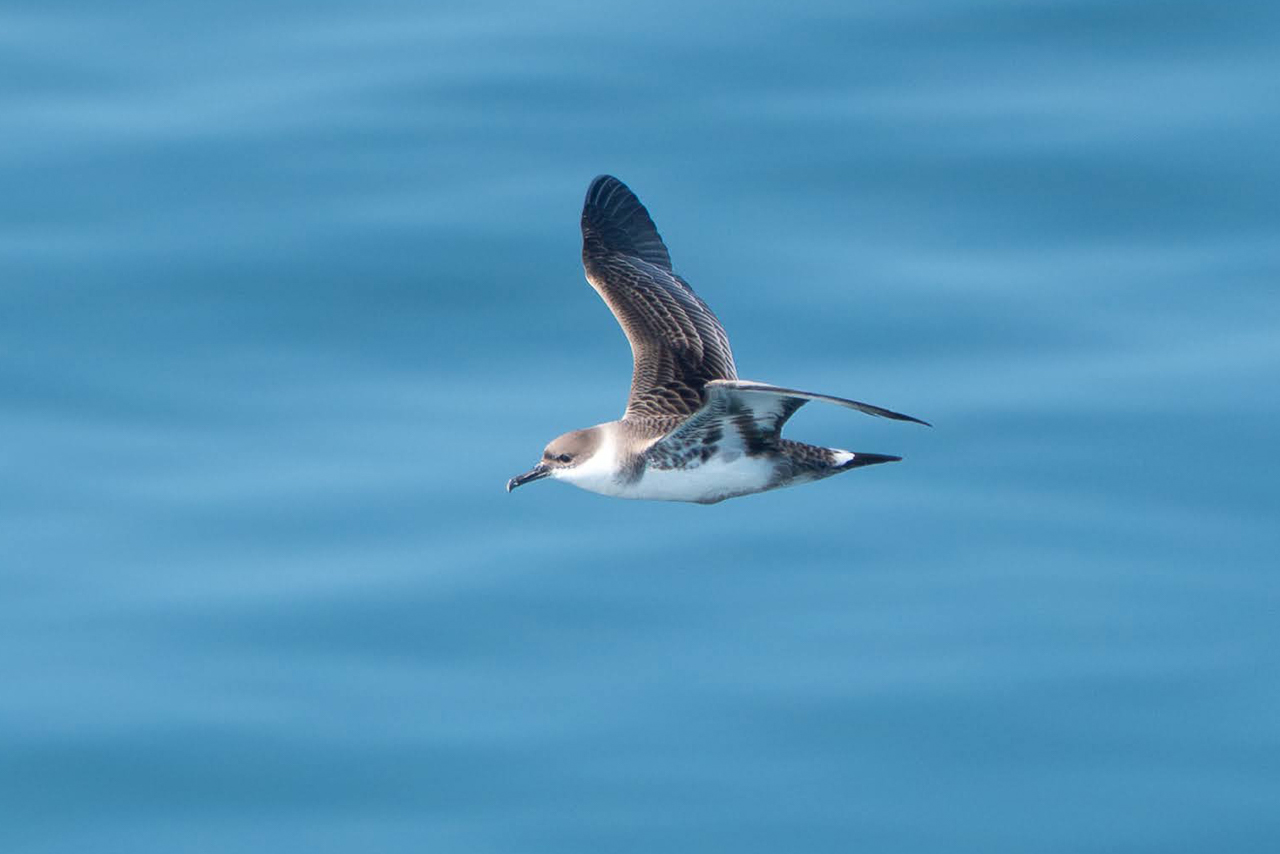
The middle phase of the journey, occurring from August 7 to August 10, saw the expedition transition to Grand Manan Island. The logistical challenges of reaching the island, coupled with the influence of the "Fundy fog," necessitated a flexible itinerary. Despite weather-related delays to pelagic boat excursions, the group successfully conducted offshore surveys. These surveys resulted in the documentation of several pelagic species, including Great and Sooty Shearwaters, Wilson’s Storm-Petrels, and notably, multiple sightings of the South Polar Skua. The close-range observation of a South Polar Skua on the water represented a significant avian encounter, providing rare data points for local researchers monitoring marine bird populations.
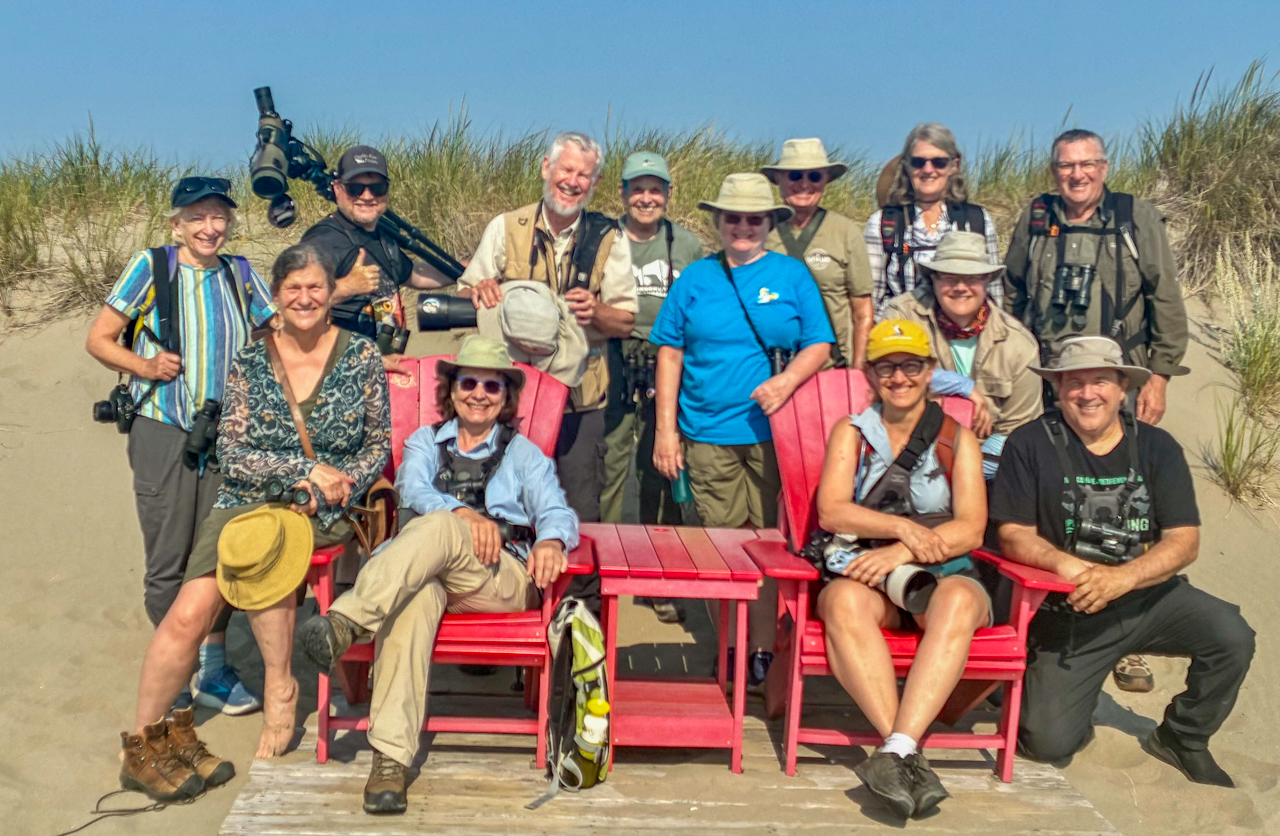
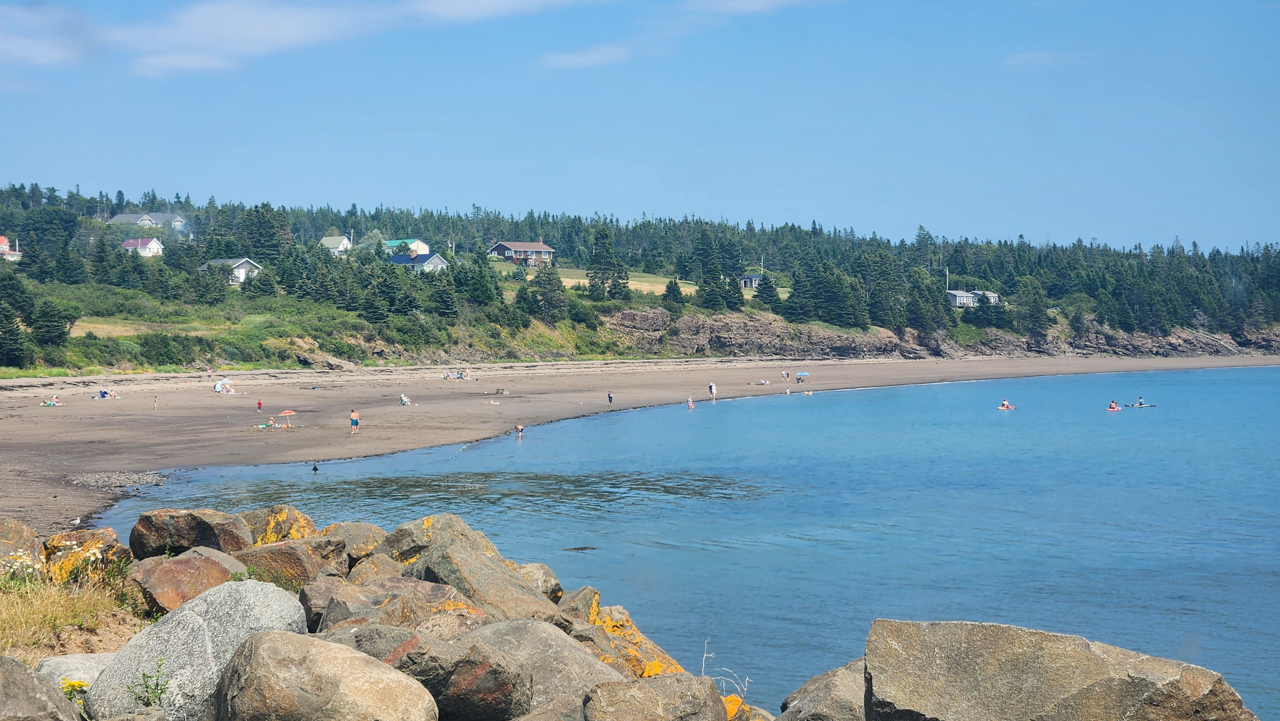
The final days of the trip, from August 11 to August 12, returned to the Bay of Fundy shoreline, specifically targeting Mary’s Point and a return to the Johnson Mills Shorebird Reserve. The conclusion of the trip provided the most dramatic spectacle: the arrival of approximately 100,000 Semipalmated Sandpipers at Johnson Mills. This convergence of shorebirds—a phenomenon known as a "murmuration"—offered an unparalleled look at the sheer scale of the migration passing through the region.
Ecological Data and Avian Significance
The data collected during this ten-day window underscores New Brunswick’s status as a critical node in the Western Hemisphere Shorebird Reserve Network. The sight of 100,000 sandpipers huddling on the receding tide line at Johnson Mills is not merely a tourist attraction but a stark reminder of the fragile dependency of these species on the Bay of Fundy’s mudflats.
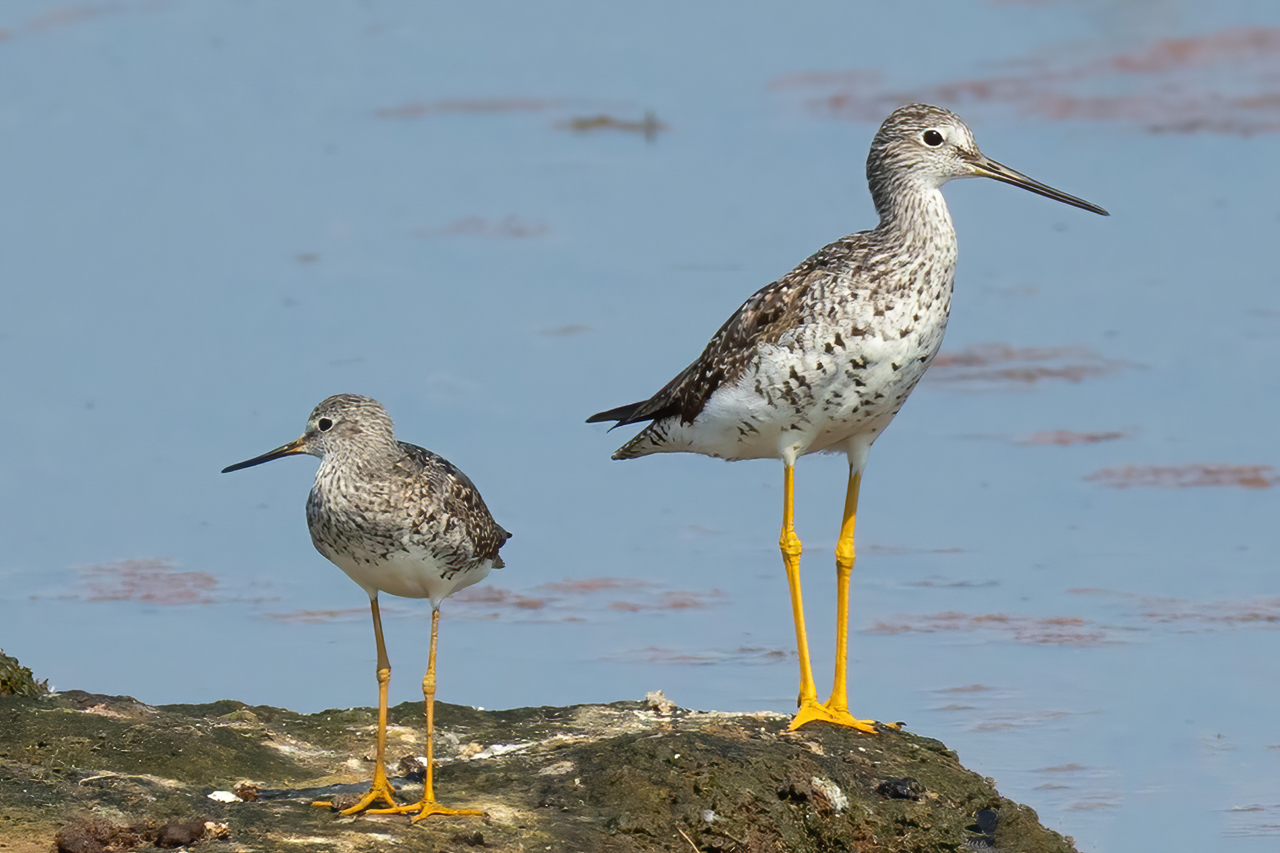
The presence of the Peregrine Falcon at these sites serves as a natural regulator of the shorebird populations. By forcing the flocks into flight, the predator triggers the massive, synchronized aerial displays that define the region’s late-summer birding experience. Furthermore, the identification of two American Oystercatchers—a species with a very limited breeding population in Canada—on White Head Island highlights the importance of protecting smaller, isolated islets that offer refuge for sensitive nesting species.
Institutional and Conservation Implications
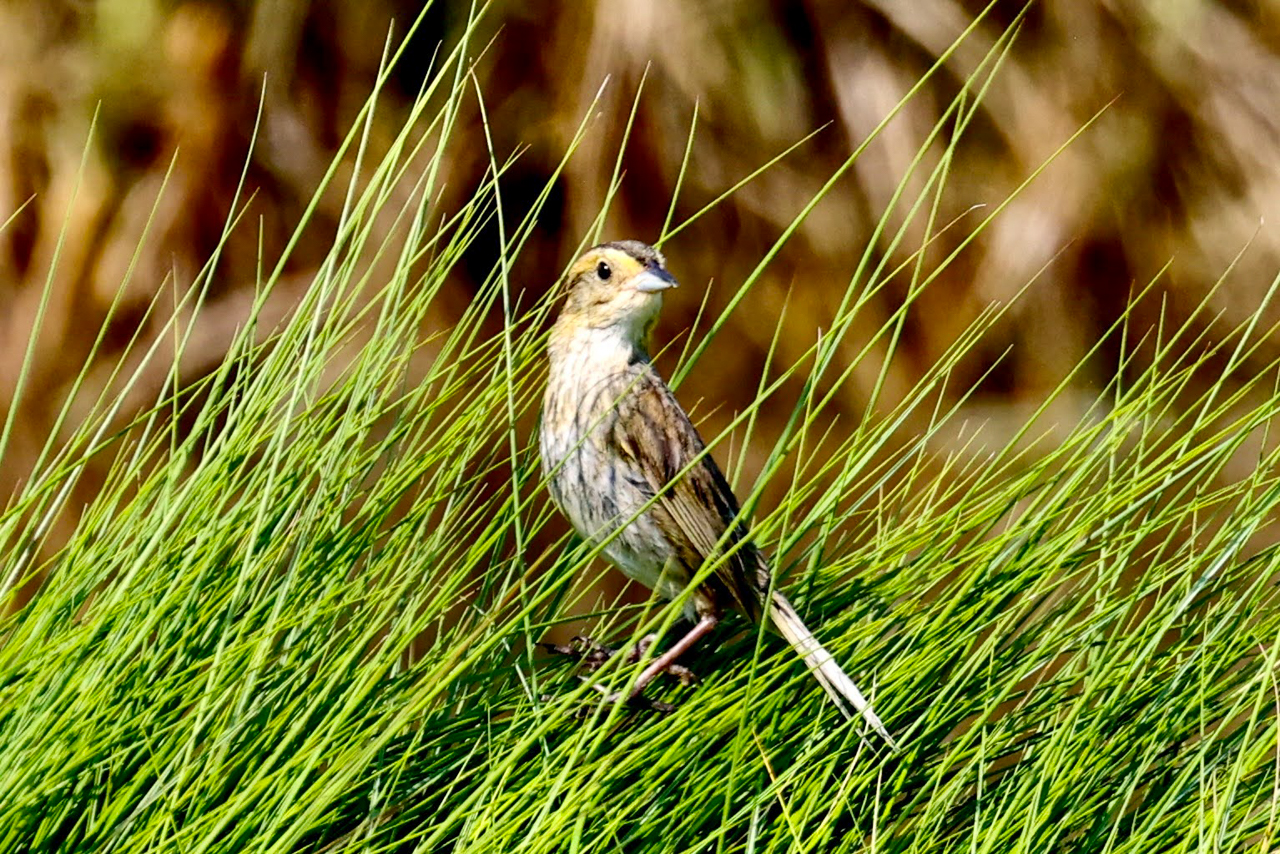
The successful identification of various species, including the regional rarity of the Wilson’s Phalarope at the Petitcodiac lagoons and the Great Egret in Salisbury, suggests that the region remains a vital corridor for vagrant birds and shifting populations. Ornithological experts often point to the "Funnel Effect" of the Bay of Fundy, where geography forces migratory birds into a concentrated path, making these areas ideal for both observational tourism and academic study.
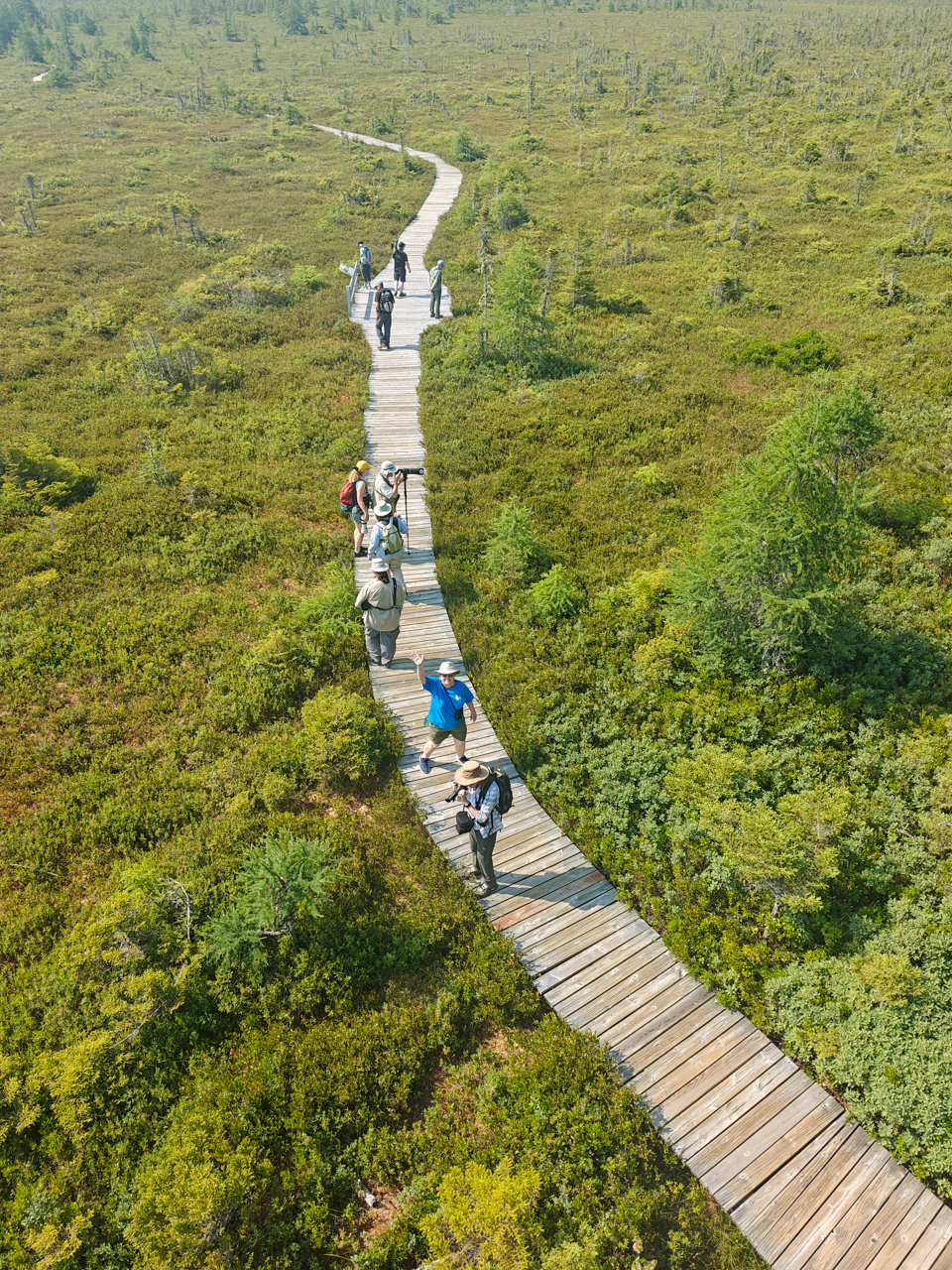
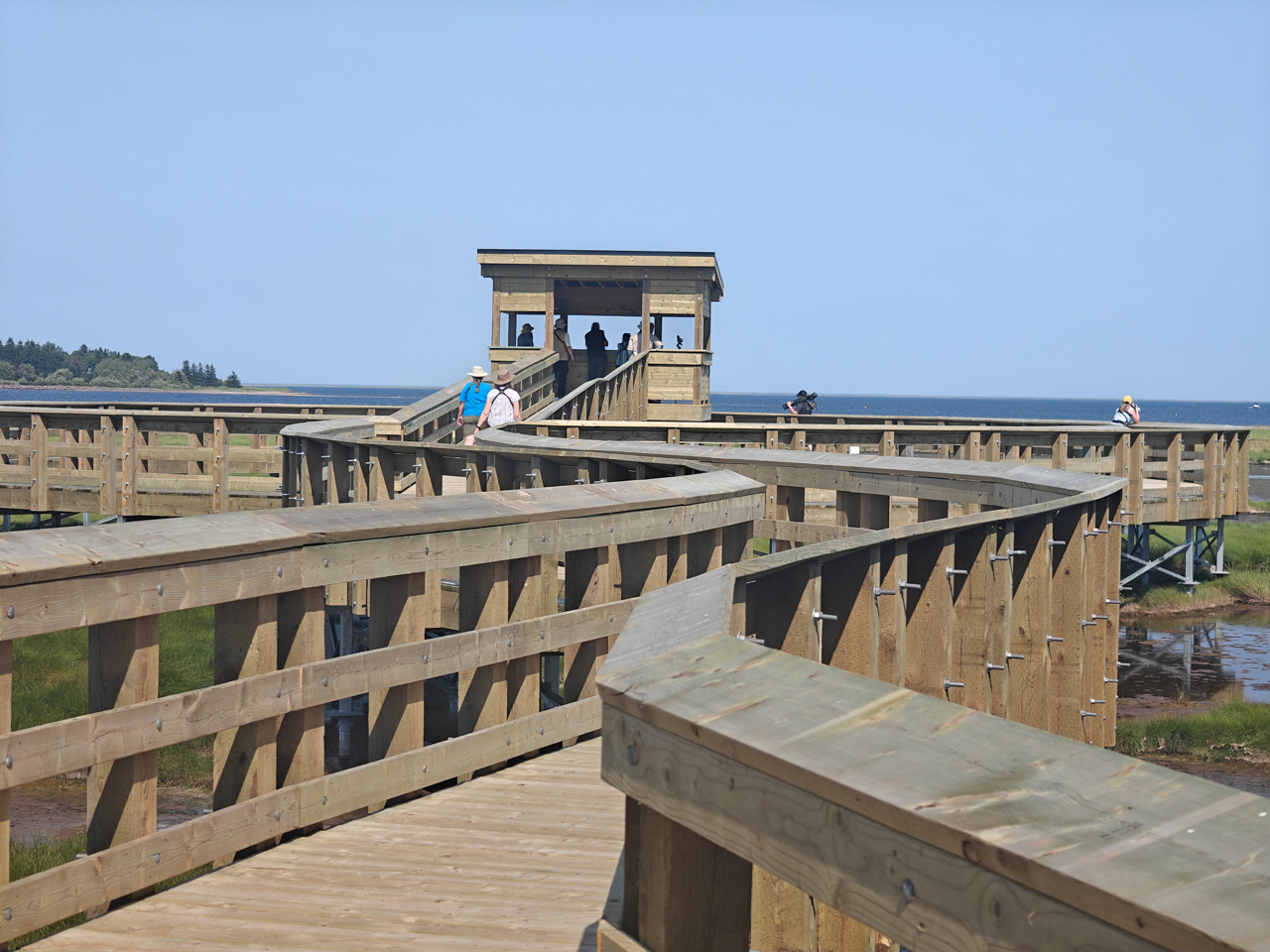
From a conservation perspective, the tour highlighted the impact of human infrastructure on habitat, such as the newly constructed boardwalks at the Rotary Park in Bouctouche. While these structures provide public access, they also facilitate long-term monitoring by allowing observers to track species populations in real-time without disturbing the delicate marsh environments. The interaction between the human presence—including birders and local residents—and the wildlife population at sites like the Sackville Waterfowl Park remains a delicate balance that authorities in New Brunswick continue to manage through protected status designations.
Synthesis of Findings
The expedition provided a high-resolution snapshot of New Brunswick’s avian health in early August 2026. Several key takeaways can be inferred from the observations:
- Species Resilience: Despite shifting climatic conditions and seasonal volatility, the region’s wetlands continue to support a high density of both resident and migratory species.
- Marine Biodiversity: The success of the pelagic trips, particularly the encounters with Humpback Whales, Atlantic White-sided Dolphins, and various shearwater species, confirms that the Bay of Fundy remains one of the most productive marine ecosystems in the North Atlantic.
- Migration Dynamics: The sheer volume of Semipalmated Sandpipers observed at the end of the tour confirms that the peak of the shorebird migration remains consistent with long-term historical averages, despite environmental pressures elsewhere in their flyway.
Regional Economic and Scientific Impact
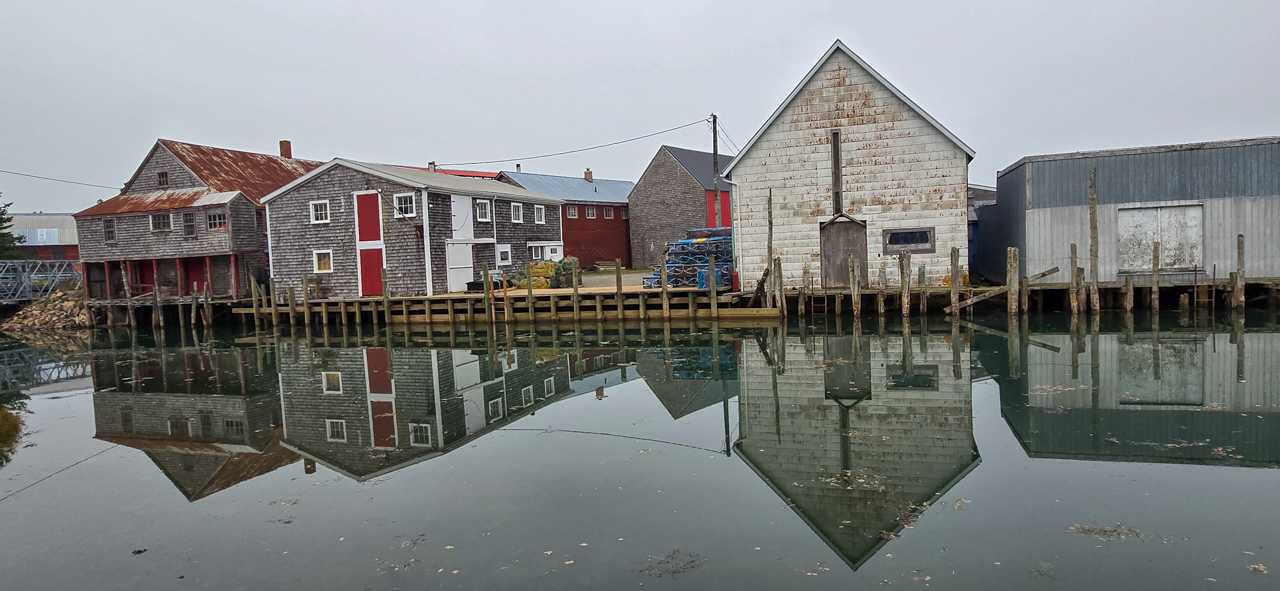
Birding tourism in New Brunswick contributes significantly to the local economy, particularly in smaller communities such as Alma and on islands like Grand Manan. The influx of enthusiasts during the peak of the migration season provides a financial incentive for the preservation of these critical habitats. The "lobster capital" of Alma, for instance, benefits from the logistical support required by birding expeditions, illustrating the symbiotic relationship between conservation-focused tourism and local enterprise.
The findings from this specific trip align with larger, ongoing efforts by provincial and federal environmental agencies to monitor the health of the Bay of Fundy. By documenting the presence of rare species and the consistency of the migration, expeditions like this provide the necessary documentation to justify continued environmental protections for the mudflats and coastal forests that define New Brunswick’s geography.
Concluding Observations
The 2026 New Brunswick birding tour concluded not only with a comprehensive list of over 50 species recorded in individual marsh sites but also with a renewed appreciation for the precision of biological timing. The transformation of the Johnson Mills mudflats from a quiet, exposed tidal zone to a bustling, avian-dense hub of activity served as a poignant reminder of the importance of these ecological stopovers.
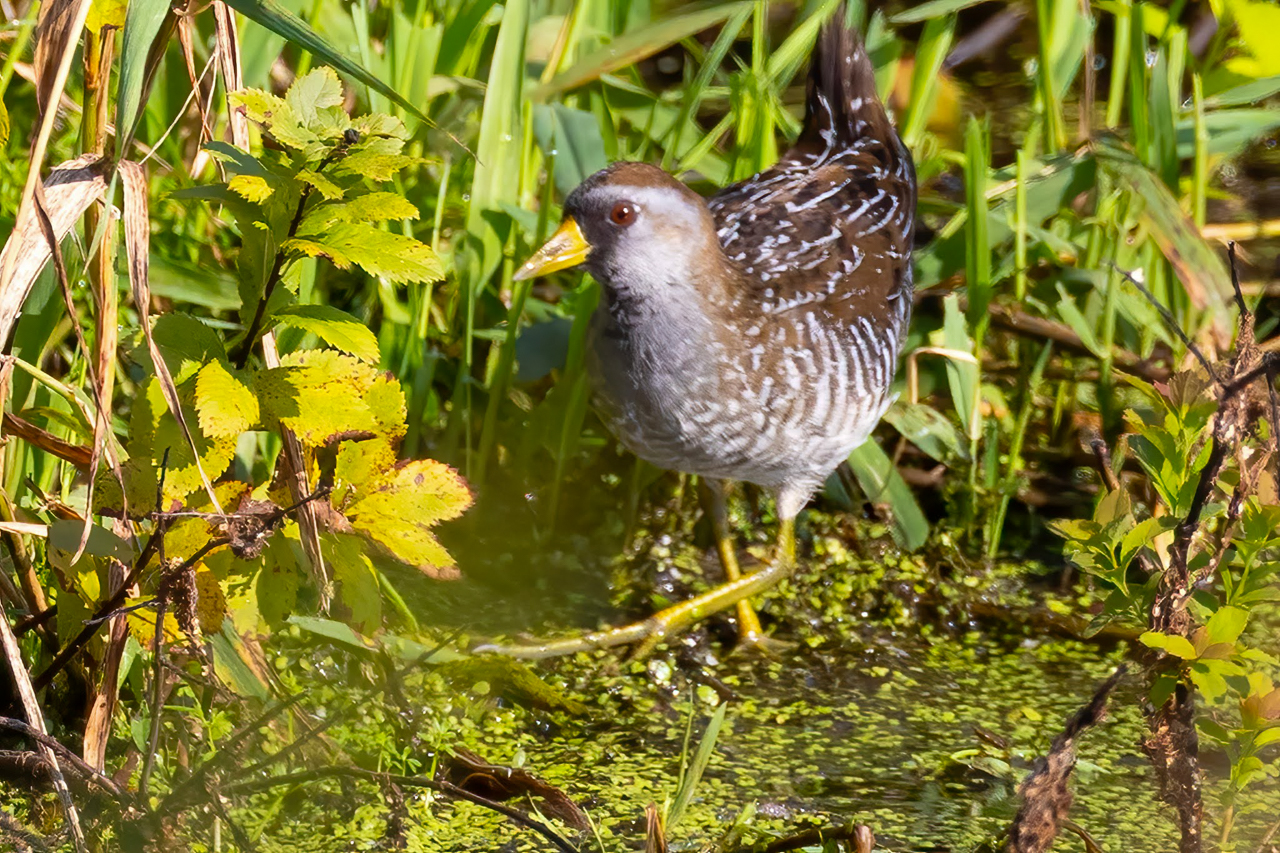
As the group dispersed from Moncton on August 12, the lingering image of the swirling sandpiper flocks served as a testament to the success of the trip. The expedition achieved its goal of providing a balanced view of New Brunswick’s birding landscape, encompassing everything from the skittish Sora in dense reeds to the majestic, pelagic wanderers of the open bay. Through careful observation and documentation, the participants contributed to the broader narrative of Atlantic Canadian ecology, reinforcing the status of the province as a premier destination for those seeking to understand the complex, shifting patterns of North American bird migration.
