
The North Shore of the Gulf of St. Lawrence has long been recognized by naturalists as a critical corridor for North American biodiversity, and recent field expeditions conducted by Eagle-Eye Tours have underscored the region’s significance as a premier destination for both avian and marine wildlife observation. During a multi-day survey aligned with the annual Tadoussac Bird Festival, observers documented a diverse array of species, ranging from endemic marine mammals to long-distance migratory raptors and shorebirds, providing a comprehensive snapshot of the ecosystem’s current health during the peak autumn migration window.
A Marine Sanctuary: The Beluga Populations of the St. Lawrence
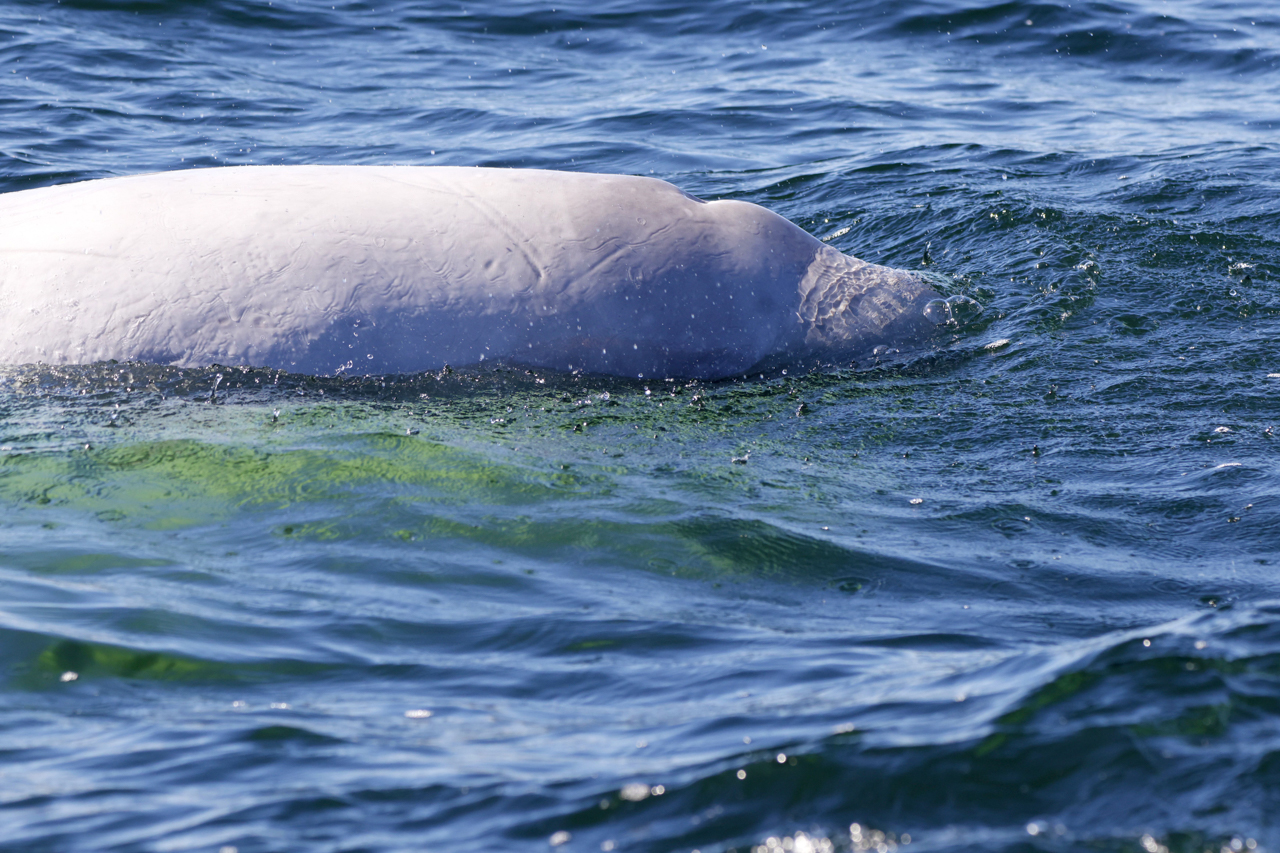
The expedition’s nautical leg focused on the waters surrounding the Saguenay–St. Lawrence Marine Park, a unique ecosystem where cold, nutrient-rich waters from the Labrador Current mix with the warmer currents of the St. Lawrence River. This confluence creates a biological hotspot that sustains an isolated population of approximately 1,000 beluga whales (Delphinapterus leucas). Genetic studies have indicated that this specific population has remained distinct from their Arctic counterparts since the retreat of the glaciers at the end of the last Ice Age.
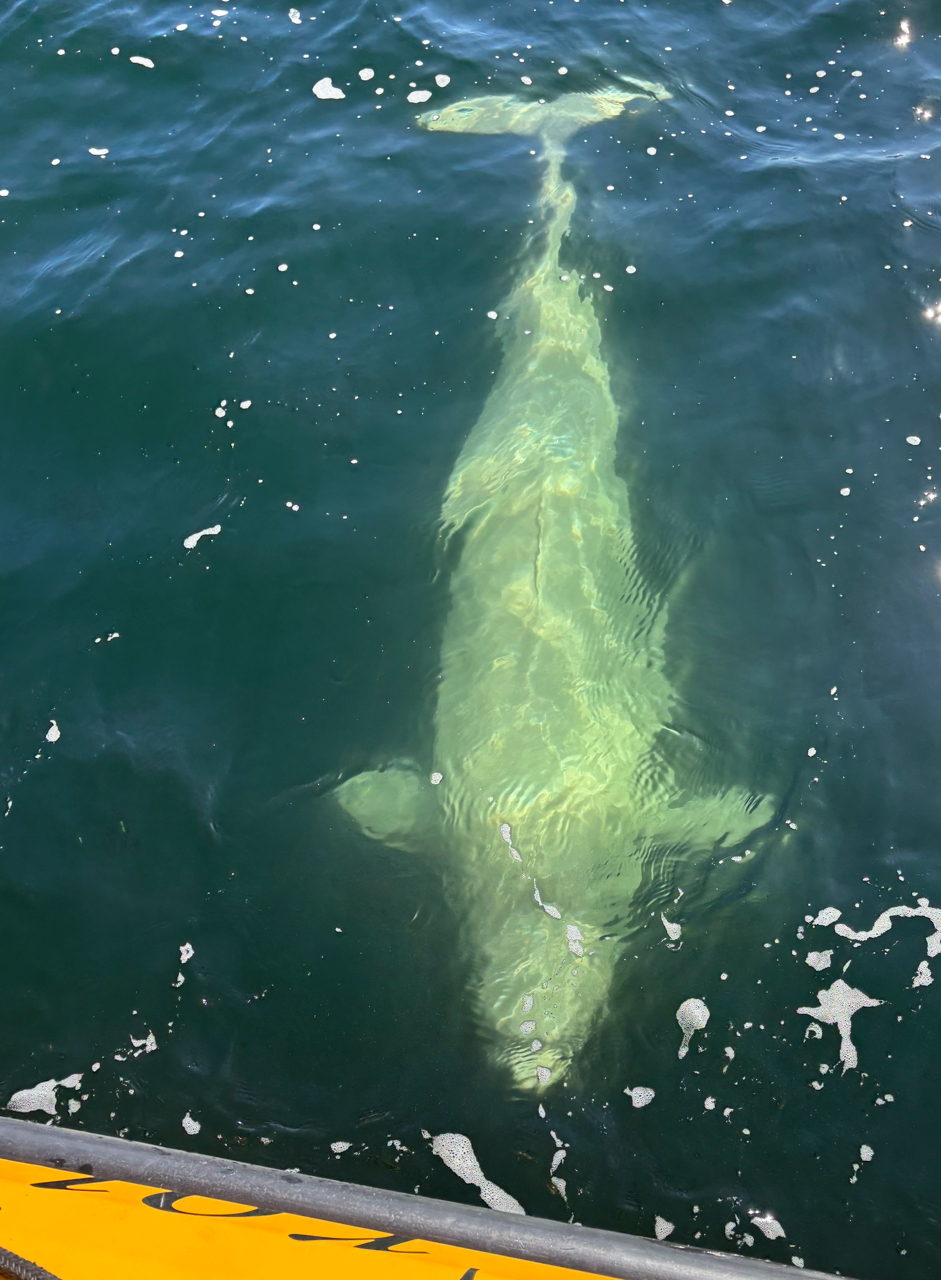
During the excursion, participants observed a pod of these cetaceans exhibiting high levels of curiosity, a behavior often noted in younger or particularly socialized individuals. The presence of these whales near idling vessels, while managed under strict provincial and federal wildlife protection guidelines, offers researchers rare opportunities for non-invasive behavioral observation. The interaction serves as a potent reminder of the importance of the Marine Park’s regulatory framework, which seeks to balance commercial tourism with the protection of a species currently listed as endangered under the Species at Risk Act (SARA).
The Dynamics of Migration: Avian Movements in the Tadoussac Corridor
The temporal scheduling of the expedition to coincide with the Tadoussac Bird Festival allowed observers to document the seasonal movement of thousands of raptors and passerines. Tadoussac is situated at a geographical bottleneck where the St. Lawrence River widens significantly. For many birds of prey, the prospect of crossing kilometers of open, cold water is evolutionarily disadvantageous, leading them to concentrate along the North Shore’s coastline before maneuvering toward safer transit points.
Data collected during the festival and the accompanying tour highlighted significant sightings of Peregrine falcons (Falco peregrinus), Bald eagles (Haliaeetus leucocephalus), and Northern harriers (Circus hudsonius). Ornithologists note that the sheer volume of birds utilizing this flyway makes it one of the most important migration conduits in Eastern Canada. The dedication of local researchers, some of whom have conducted daily monitoring for over eight years, provides longitudinal data that is essential for understanding shifting migration patterns in the face of climate change.
Kleptoparasitism and Pelagic Observations
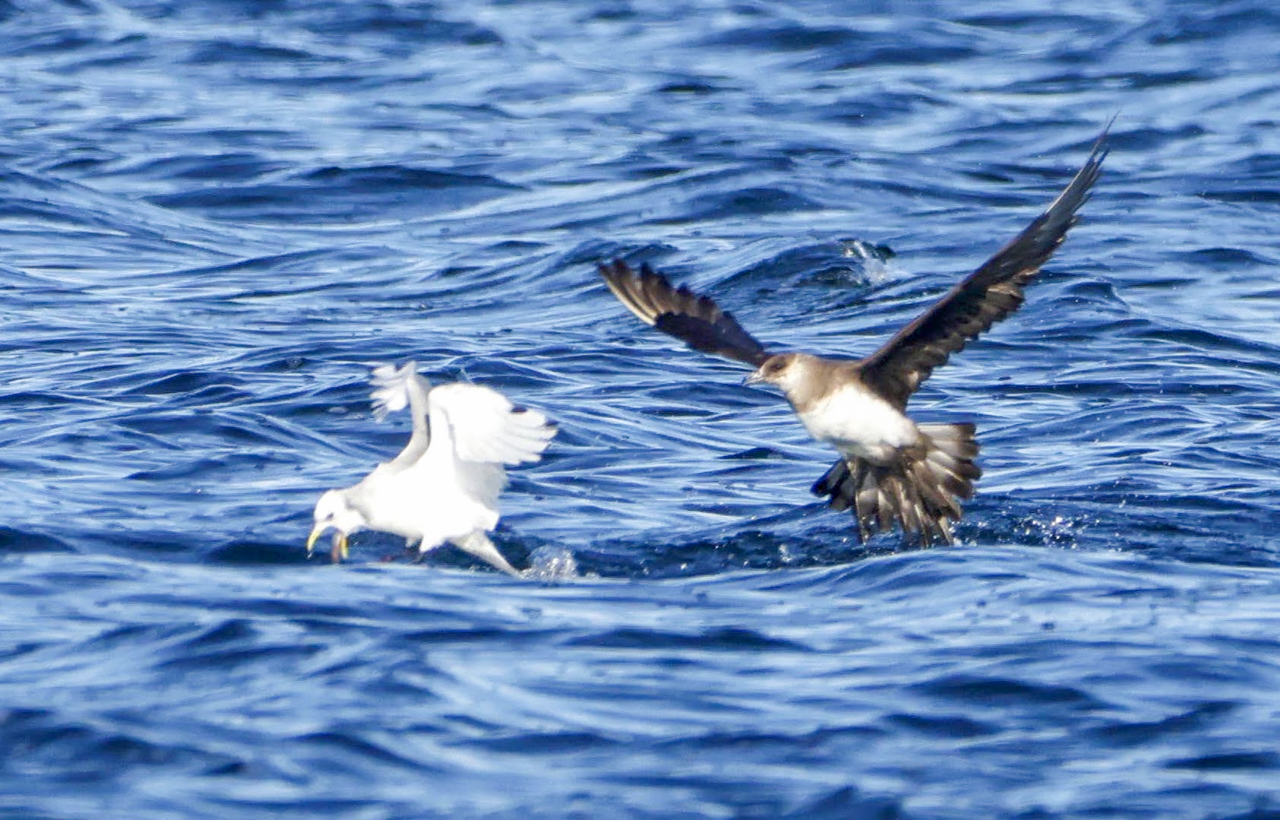
Among the most notable scientific observations of the tour was the high frequency of interactions involving the Parasitic Jaeger (Stercorarius parasiticus). Known for their specialized foraging strategy known as "kleptoparasitism," these birds are adept at intercepting gulls and other seabirds to force the regurgitation of prey.
The observation of at least 11 individuals—a notably high count for this species in a single survey—provided an opportunity to document the aggressive resource competition that characterizes the pelagic environment. Beyond the jaegers, the expedition recorded the presence of the Little Gull (Hydrocoloeus minutus), a species that typically breeds in the Palearctic but maintains a sparse, elusive presence in North American waters. The sighting of the Little Gull, alongside large rafts of Common Eider (Somateria mollissima) reaching up to 7,000 individuals, reinforces the Gulf’s status as a critical staging area for marine birds preparing for winter.
The Role of Citizen Science and Conservation Advocacy
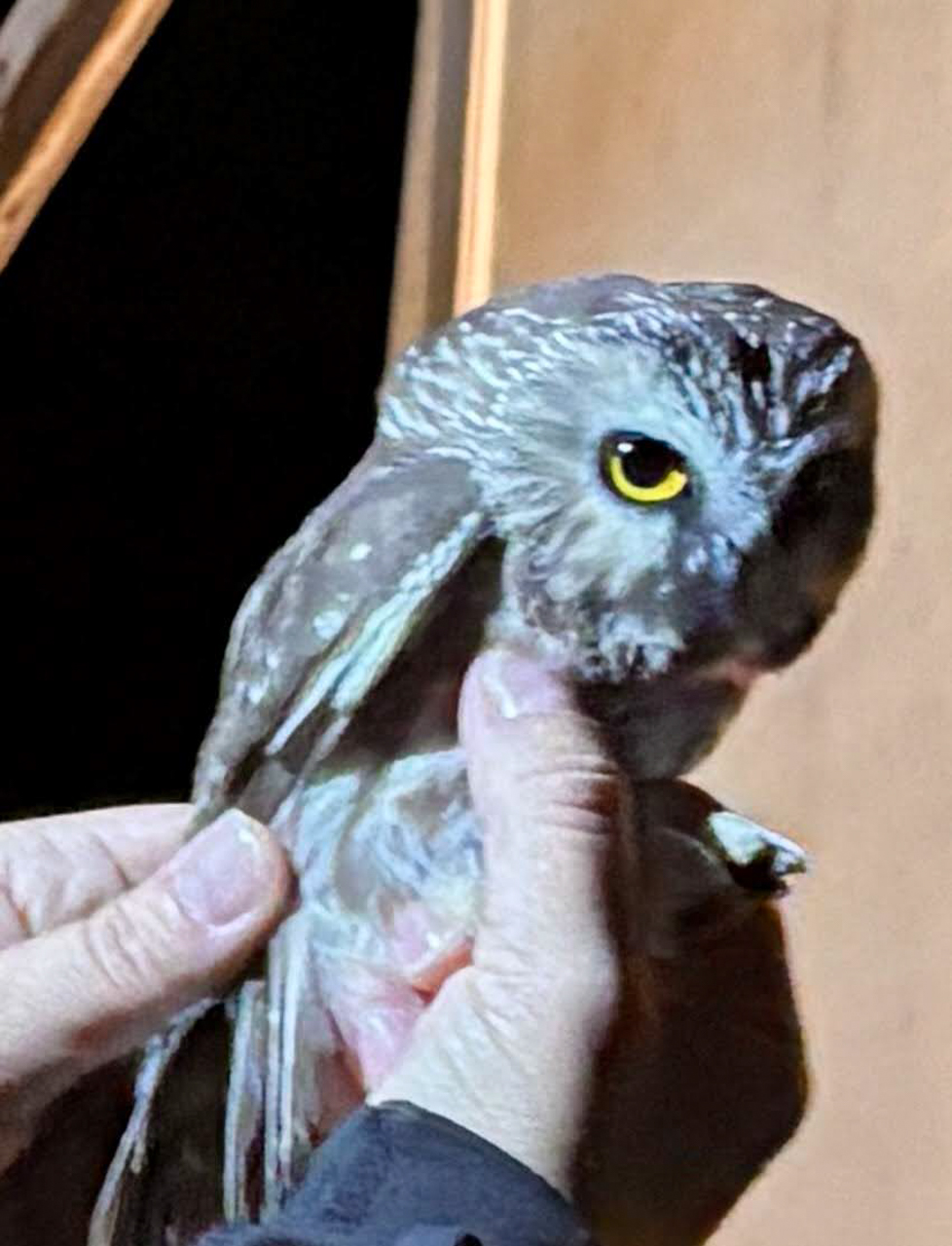
The Tadoussac Bird Festival functions as more than a tourism event; it acts as a hub for scientific outreach. By integrating public education with field research, such as the mist-netting and banding of the Northern Saw-Whet Owl (Aegolius acadicus), organizers effectively bridge the gap between academic ornithology and the general public.
The Northern Saw-Whet Owl, despite its diminutive size—often weighing less than a starling—is an apex predator within its micro-niche. The banding process, conducted by volunteers and professionals under strict permit, contributes to the North American Banding Council’s database, allowing researchers to track the dispersal and survival rates of these nocturnal hunters. Such initiatives are vital for the continued support of protected areas, as public appreciation often translates into political and financial capital for conservation efforts.
Regional Biodiversity: Shorebirds and the Snow Goose Migration
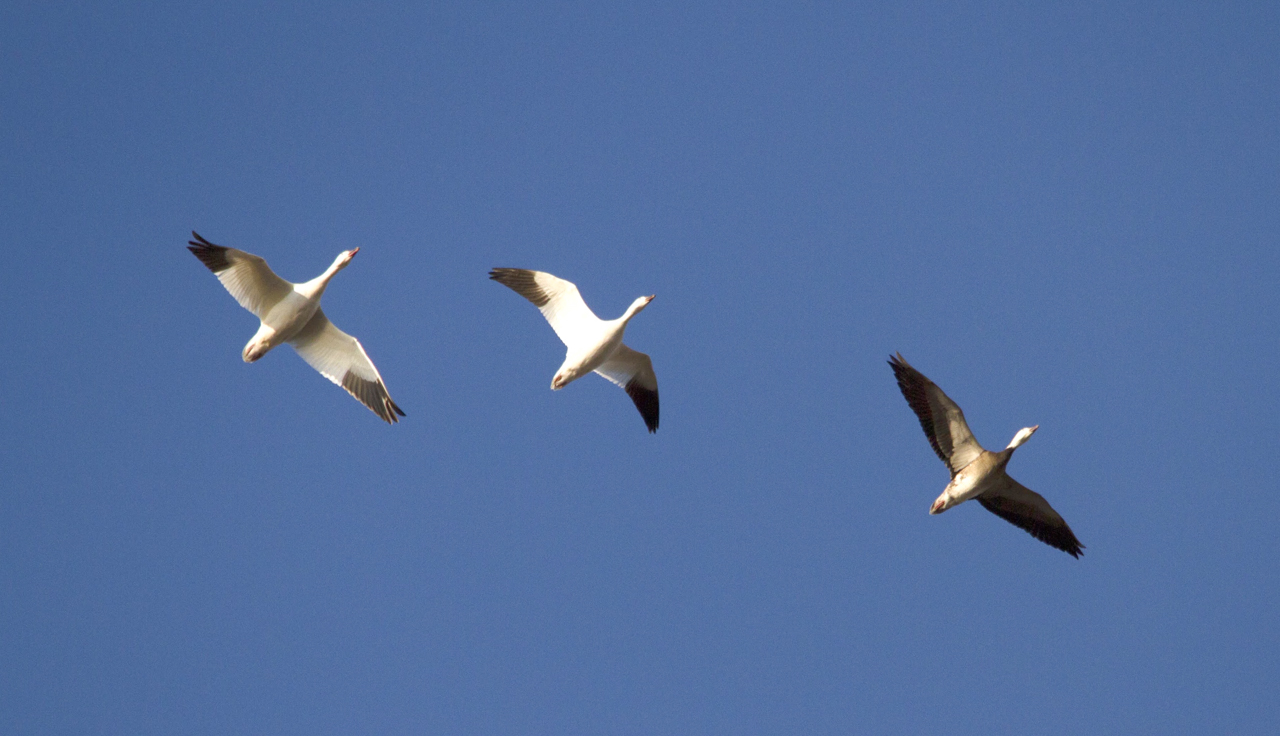
The migration of the Greater Snow Goose (Anser caerulescens atlanticus) remains the most visible phenomenon of the region. As tens of thousands of these birds descend upon the coastal fields and bays to refuel, they create a landscape-level shift in regional ecology. The presence of "blue morph" geese—an infrequent color variant—among the standard white flocks provided further interest for observers.
Shorebird populations also saw significant activity, with sightings of Dunlin, Semipalmated Sandpipers, and the elusive Hudsonian Godwit. The ability of these birds to camouflage themselves against the shoreline upon landing illustrates the intense selection pressures they face during their long-distance flights from the Arctic tundra to their wintering grounds in South America.
Economic and Environmental Implications
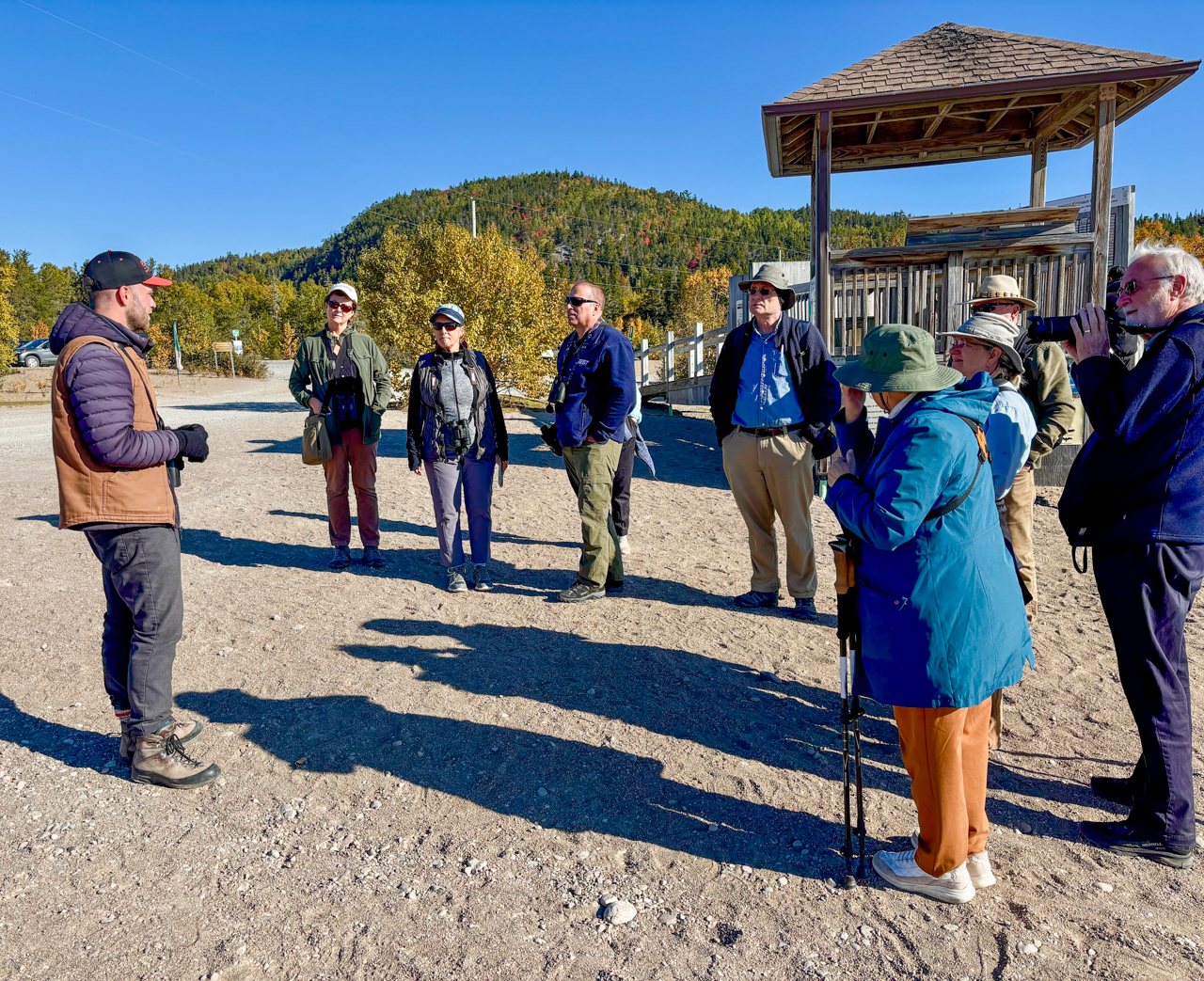
The synergy between eco-tourism and conservation science is a defining characteristic of the North Shore. The economic impact of the birding community supports the infrastructure necessary for long-term monitoring stations. When local guides and researchers collaborate, the result is a high-value educational experience that prioritizes the welfare of the wildlife above the immediate demands of the industry.
However, the region faces ongoing challenges. Increasing marine traffic, potential industrial development, and the warming of the St. Lawrence Gulf waters pose risks to the delicate equilibrium of these habitats. The observations made during this expedition—such as the reliance of raptors on specific land-based thermals and the necessity of undisturbed staging grounds for shorebirds—provide anecdotal evidence that supports broader scientific calls for stricter habitat management.
Conclusion: A Reflective Perspective on Nature
The expedition concluded with a synthesis of the biological and emotional impacts of witnessing such massive migratory events. The reference to the works of Mary Oliver regarding the "family of things" highlights a growing sentiment among modern naturalists: that human beings are not merely observers of these cycles but are embedded participants within them.
The data gathered, from the count of jaegers to the documentation of seal populations and avian flyway patterns, serves as a testament to the North Shore’s ecological vitality. As the Tadoussac Bird Festival and similar organizations continue their work, the necessity for robust, science-backed environmental policy becomes increasingly clear. The region serves as a microcosm of global ecological shifts, and the documentation of its current state remains a priority for the scientific community, ensuring that these migratory rhythms remain a fixture of the landscape for generations to come.
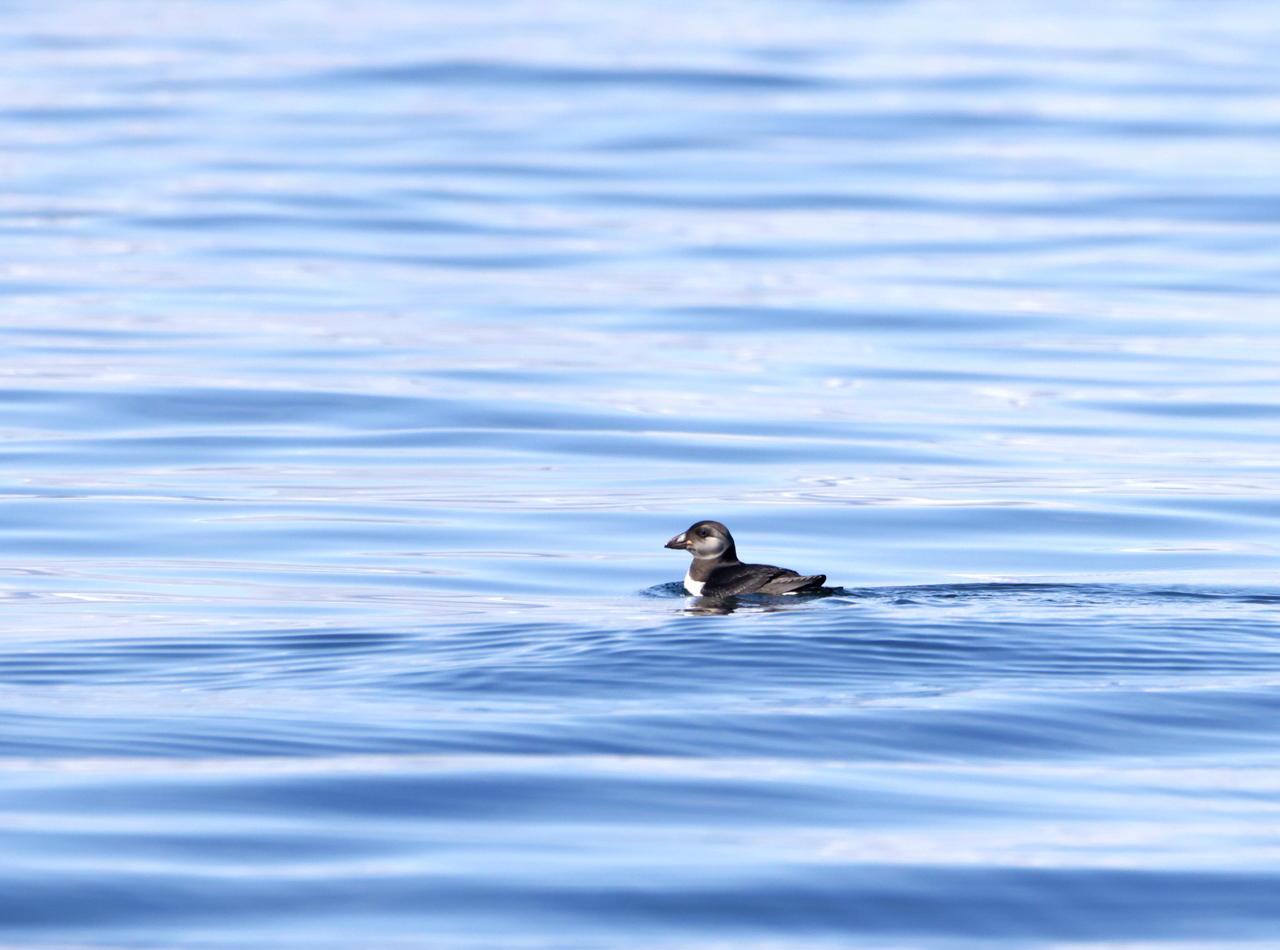
By prioritizing education and fostering a culture of observation, these expeditions demonstrate that the stewardship of our natural world is most effective when it is informed by the direct, empirical study of the species with whom we share the planet. The successful completion of this tour is a reminder that while the natural world is resilient, its continued health relies on the constant, vigilant monitoring provided by both professionals and informed, passionate citizens.
