
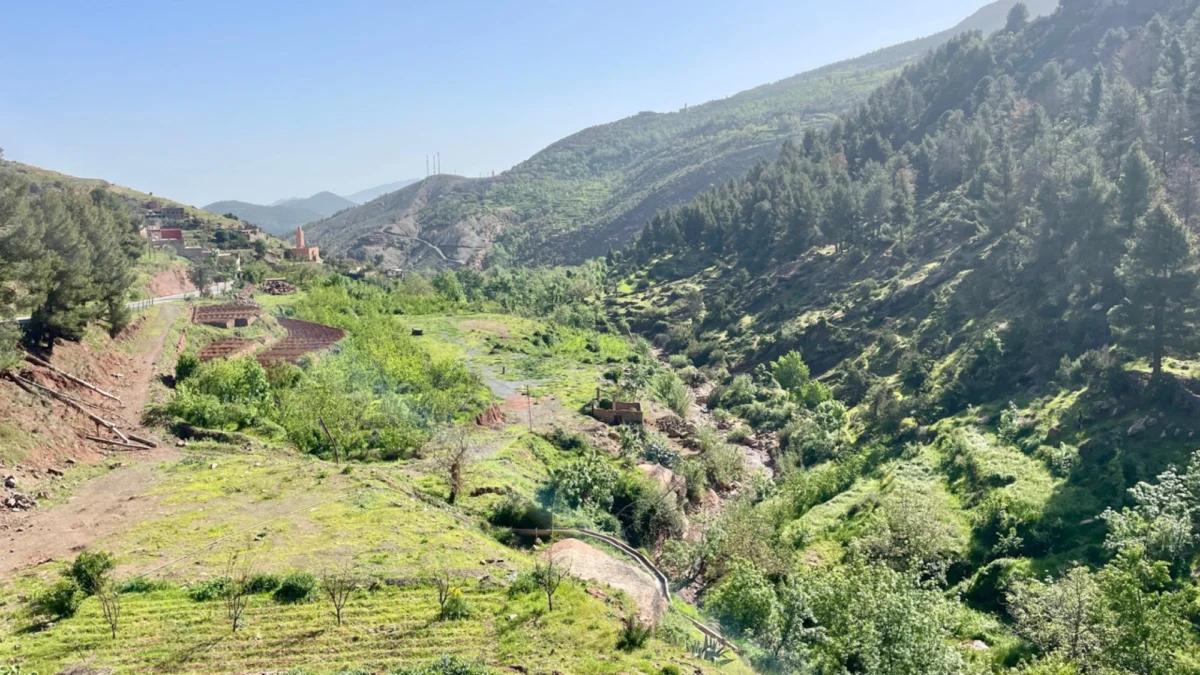
The late April to early May expedition across Morocco served as a high-level biological survey, tracing a transformative geographical arc from the cultural epicenter of Marrakesh, through the rugged elevations of the High Atlas, across the arid expanses of the Saharan fringe, and concluding within the nutrient-rich wetlands of the Souss-Massa region. This multi-habitat traverse, conducted during the peak of the spring migration period, allowed observers to document a diverse array of resident species, localized breeders, and transient migrants, while simultaneously cataloging significant reptilian and botanical data. The journey, characterized by shifting environmental conditions and varied ecological niches, provided an essential snapshot of North African biodiversity in 2026.

Chronology of the Expedition
The tour commenced in Marrakesh, where participants were introduced to the immediate urban wildlife presence. The city’s historic Jemaa el-Fna square served as a primary observation point, where aerial foraging by Little Swifts and the movement of White Storks underscored the integration of wildlife within anthropogenic landscapes.
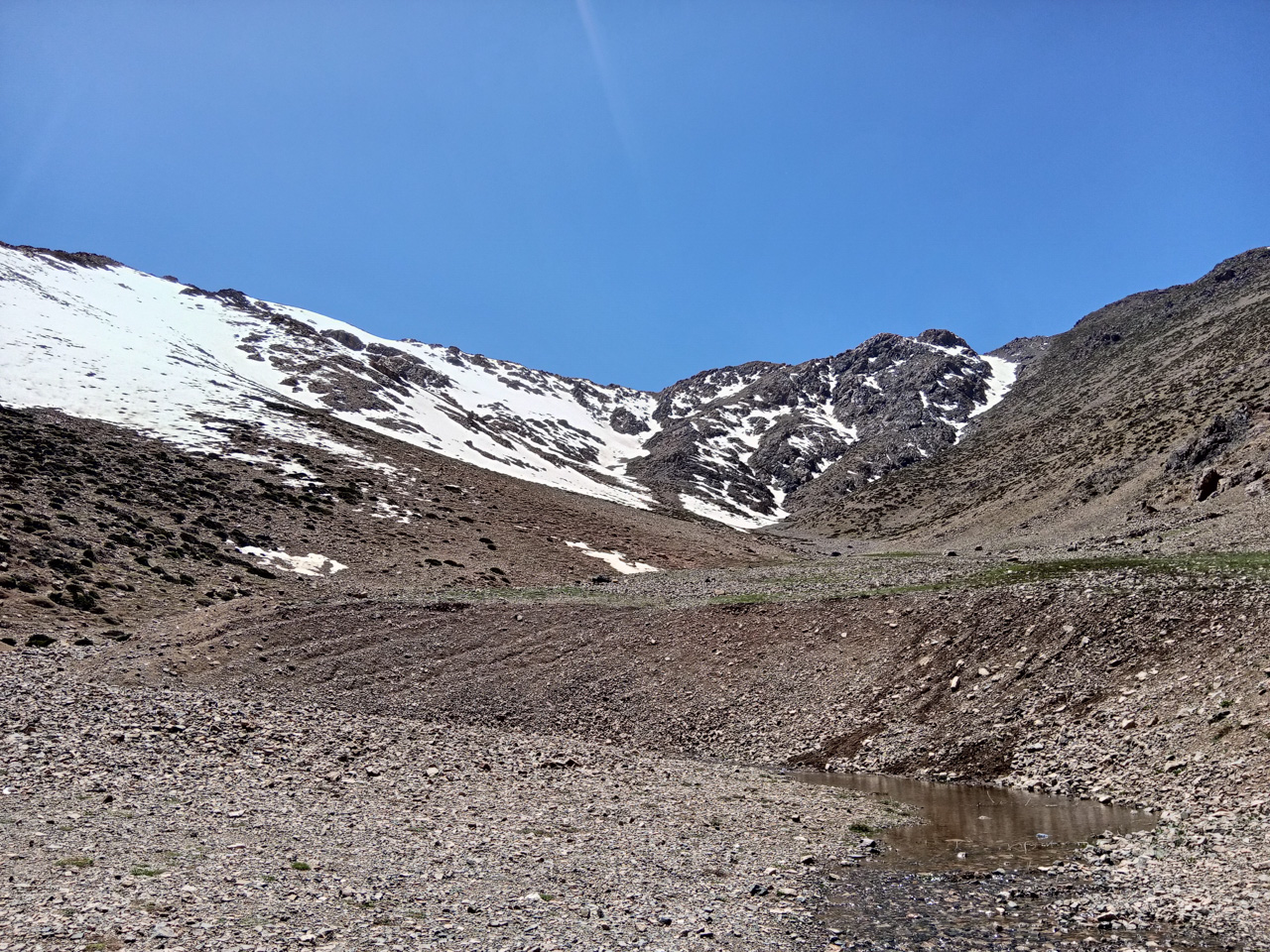
On the second day, the expedition transitioned to the alpine environment of Oukaimeden in the High Atlas. At these higher altitudes, researchers recorded key indicator species such as the Red-billed and Alpine Choughs, alongside the Horned Lark and the endemic Atlas Wheatear. The presence of these species, coupled with the observation of Andalucian Wall Lizards and Atlas Dwarf Lizards among residual snow patches, provided data on the resilience of high-altitude biota in the face of seasonal climatic fluctuations.
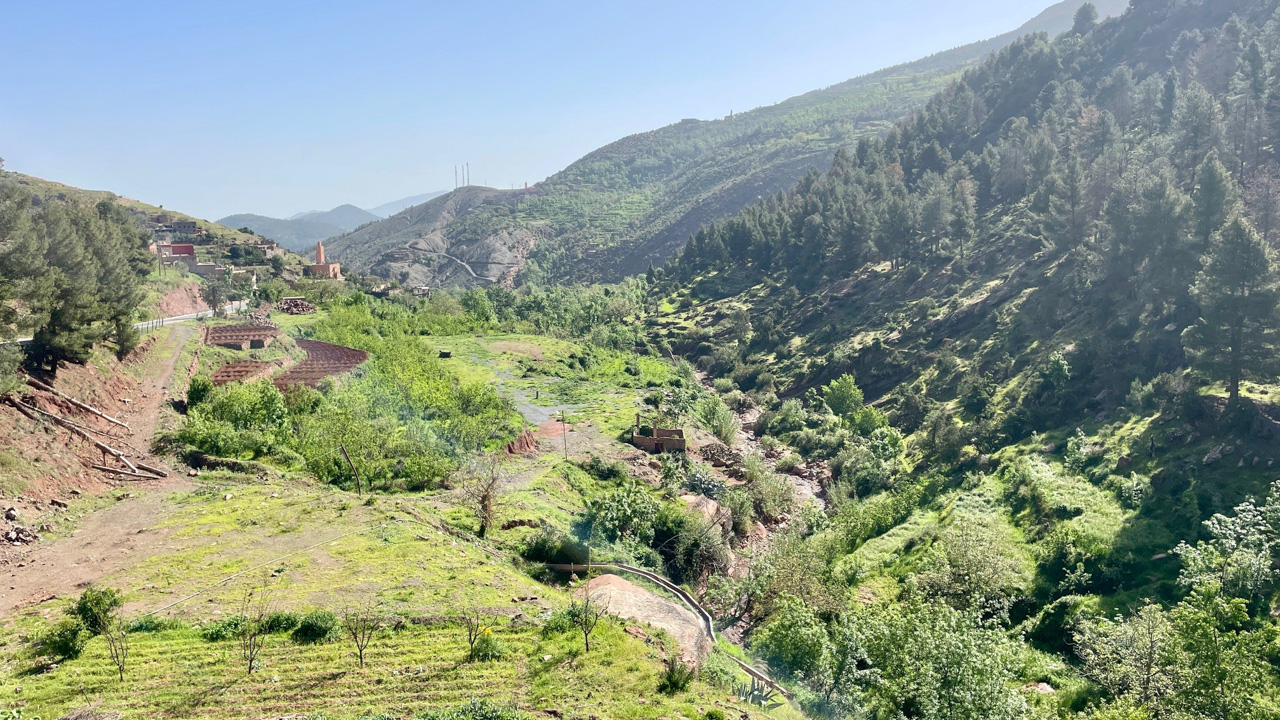
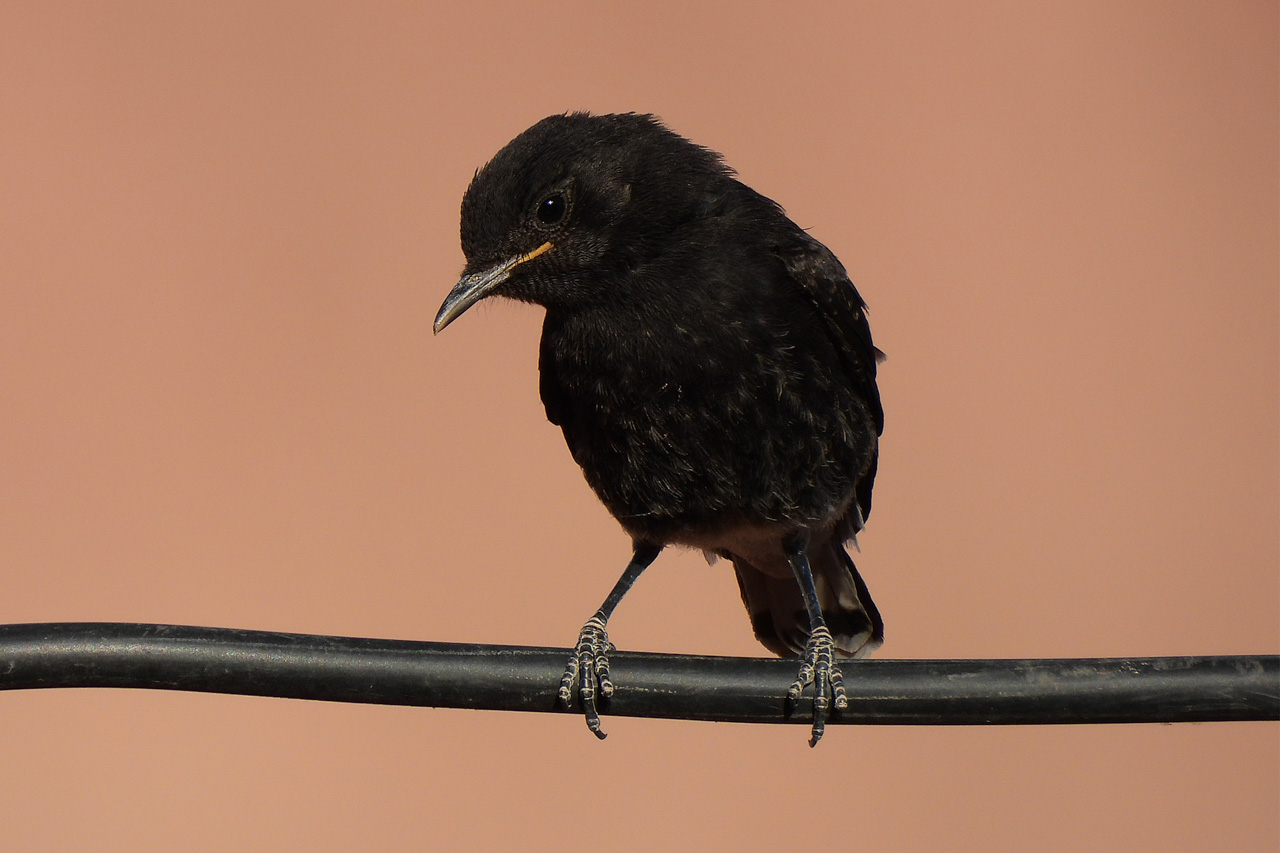
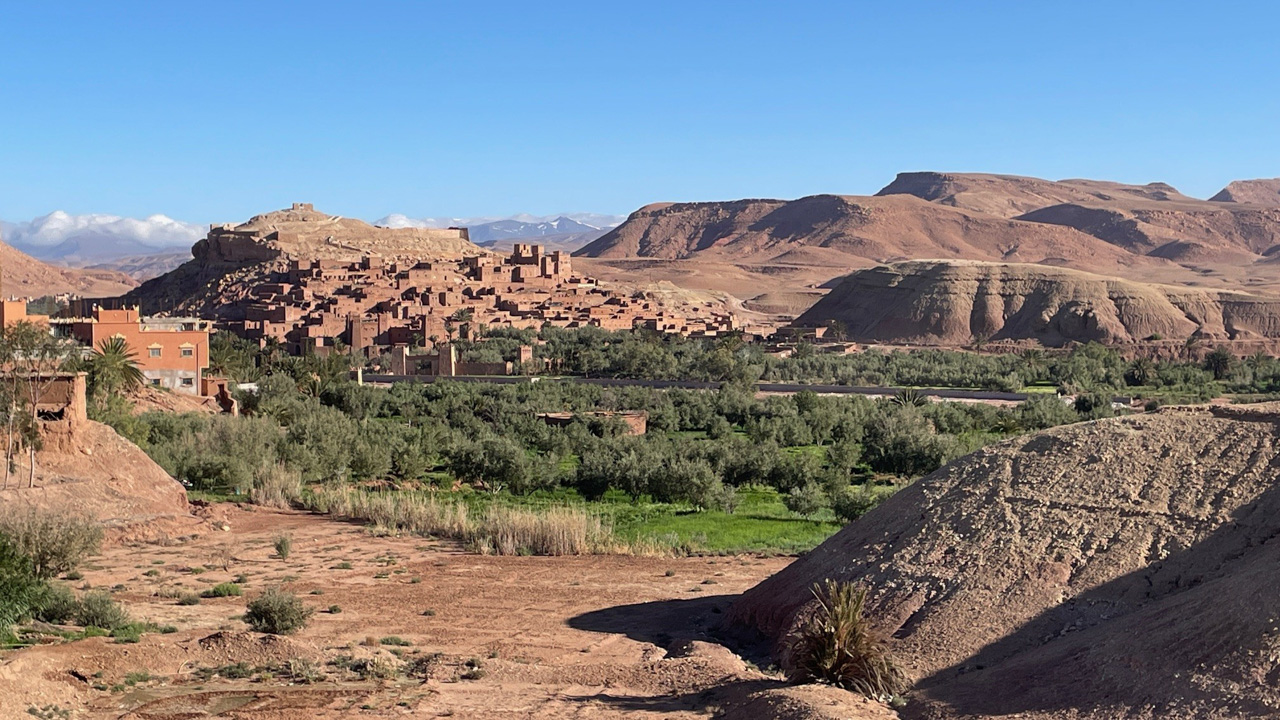
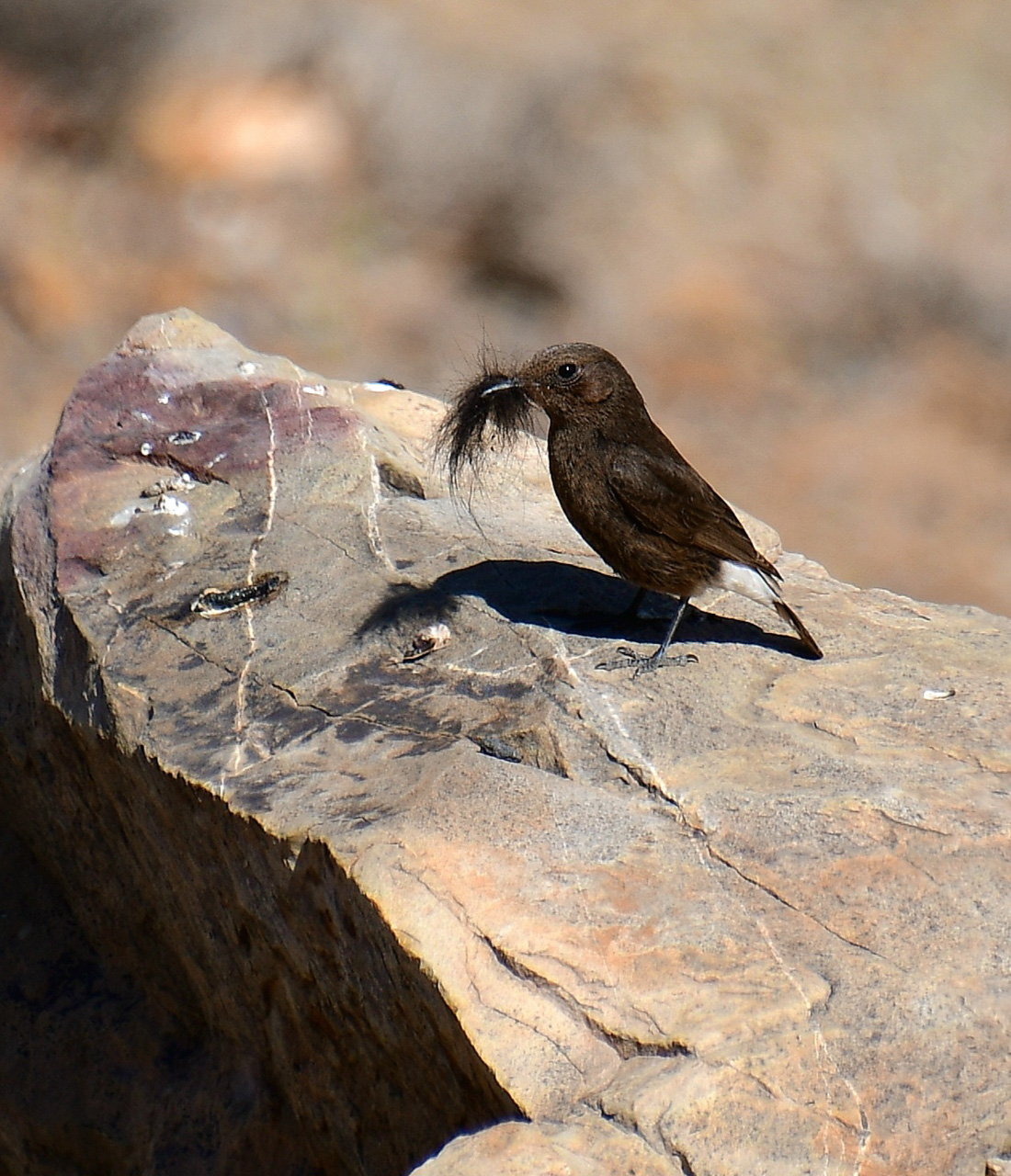
The journey progressed through the Escale Forest, where the documentation of Barbary Thuja, Dwarf Palm, and Moroccan Lavender highlighted the botanical richness of the mid-altitude zones. As the group traversed the Tizi n’Tichka Pass, ornithological focus shifted toward species adapted to rocky montane habitats, such as the Thekla Lark and Black Wheatear. The subsequent stop at the UNESCO-recognized site of Ait Ben Haddou demonstrated the coexistence of historical architecture and avian life, with the White-crowned Wheatear noted as a primary resident.
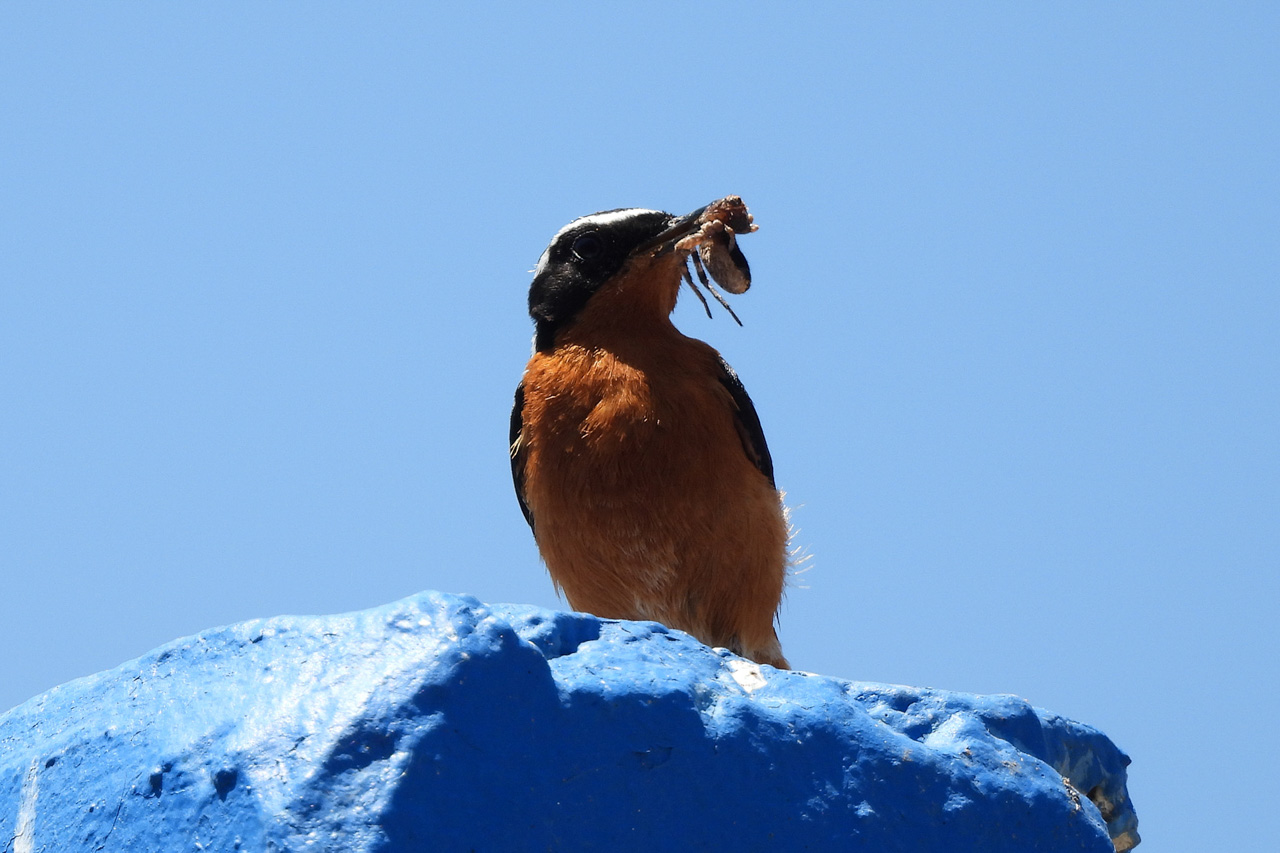
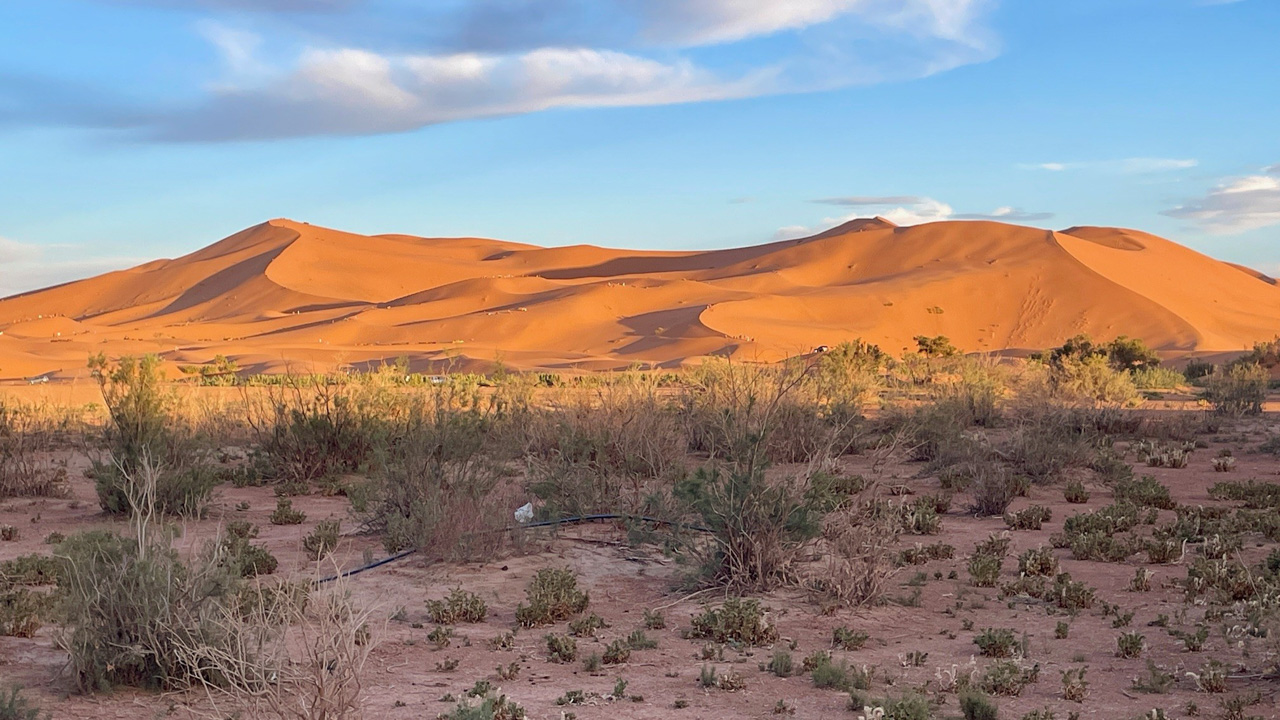
By the fifth day, the expedition entered the arid zone near Tinejdad and the Jorf khettaras—ancient irrigation systems that serve as critical micro-habitats in the desert. The team’s arrival at the Erg Chebbi dunes marked a shift into the true Saharan environment, characterized by intense heat and unique morphological adaptations among the local fauna. The following day was dedicated to a comprehensive survey of the Erg Chebbi and Dayet Srij wetlands. This contrast between the extreme aridity of the dunes and the aquatic productivity of the Srij wetlands offered a rare opportunity to observe species like the African Desert Warbler and Fulvous Babbler alongside wetland specialists such as the Marbled Duck, Greater Flamingo, and various migrant shorebirds.
The latter half of the itinerary included visits to the Rissani souk, the Todra and Dades Gorges, and the coastal zones of Taroudant and Tamri. These locations provided essential sightings of the Pharaoh Eagle-Owl, Lanner Falcon, and the critically endangered Northern Bald Ibis, a species of significant conservation concern globally. The journey concluded at the Souss Estuary, where the intersection of freshwater and Atlantic marine influence created an ideal final survey site for migratory waders and coastal raptors.
Ecological and Ornithological Highlights
The expedition yielded a notable list of sightings that underscore the biological importance of Morocco’s varied landscape. The following species were identified as primary highlights of the survey:
- Northern Bald Ibis (Geronticus eremita): Observed in the vicinity of Tamri, these sightings remain of high conservation interest given the restricted global distribution of the species.
- Egyptian Nightjar (Caprimulgus aegyptius): Documented via targeted surveys near the Erg Chebbi dunes, this elusive species remains a focal point for ornithological research in the region.
- Marbled Duck (Marmaronetta angustirostris): Recorded in the Souss-Massa wetlands, this species serves as a vital indicator of habitat health in North African aquatic ecosystems.
- Pharaoh Eagle-Owl (Bubo ascalaphus): Identified within the rocky corridors of the Imiter Gorges, showcasing the niche specialization of top predators in desert environments.
- Specialized Larks: The expedition successfully documented the Thick-billed, Temminck’s, and Thekla Larks, providing essential population data for these arid-adapted species.
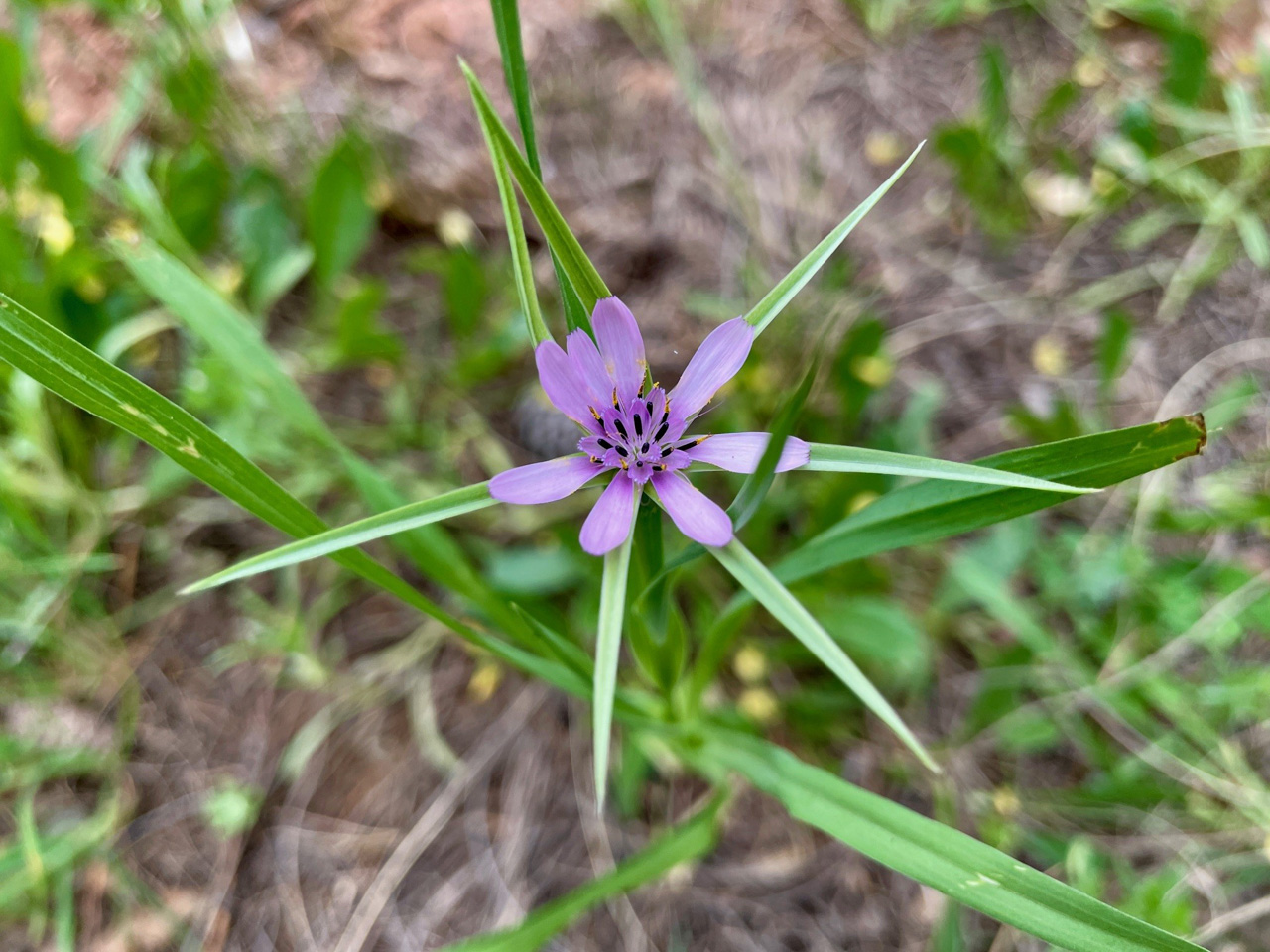
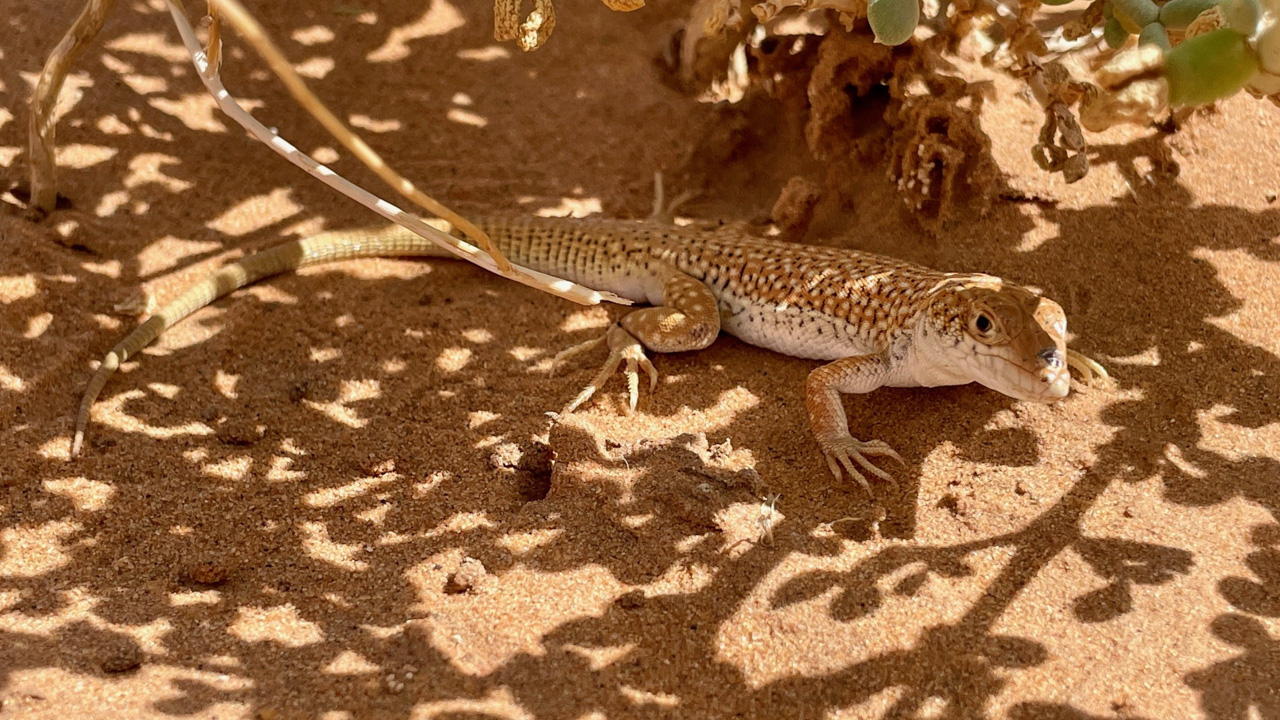
Beyond avian life, the expedition cataloged a diverse range of herpetofauna. Notable records included the Moroccan Spiny-tailed Lizard (Uromastyx nigriventris), the Bosc’s Fringe-toed Lizard, and several species of Acanthodactylus. Botanical observations were equally robust, with researchers documenting unique xerophytic plants including Citrullus colocynthis and various Euphorbia species.
Analysis of Regional Biodiversity and Conservation Implications
The 2026 expedition highlights the critical role of Morocco as a strategic corridor for both resident and migratory wildlife. The variety of habitats surveyed—ranging from alpine tundra to hyper-arid desert and coastal estuaries—represents a unique convergence zone for European and African biological influences.
The "patchy" nature of migration noted by the participants suggests that environmental factors, including shifts in rainfall patterns and regional temperatures, continue to influence the timing and density of migratory movements. The successful observation of the Northern Bald Ibis at the Tamri site, in particular, reinforces the necessity of protecting the coastal scrub and cliff habitats that remain essential for the survival of this species.
Furthermore, the integration of traditional land-use practices, such as the maintenance of the Jorf khettaras and the management of palm groves in Rissani, illustrates the potential for human-managed landscapes to provide refugia for wildlife. These systems maintain critical moisture levels in an otherwise desiccated environment, supporting not only local agriculture but also a high density of bird and reptile life.
Feedback and Participant Observations
While formal statements were not solicited from the wildlife experts, the collective experience of the group underscores the value of structured, multi-habitat surveys. Participants noted that the "atmospheric landscapes" and the "rich supporting cast" of non-avian species were instrumental in providing a holistic understanding of the Moroccan ecosystem. The hospitality encountered in remote regions was frequently cited as a facilitator for logistical success, allowing the expedition to access remote areas such as the Imiter Gorges with minimal disruption to the local ecology.
Broader Impact and Future Outlook
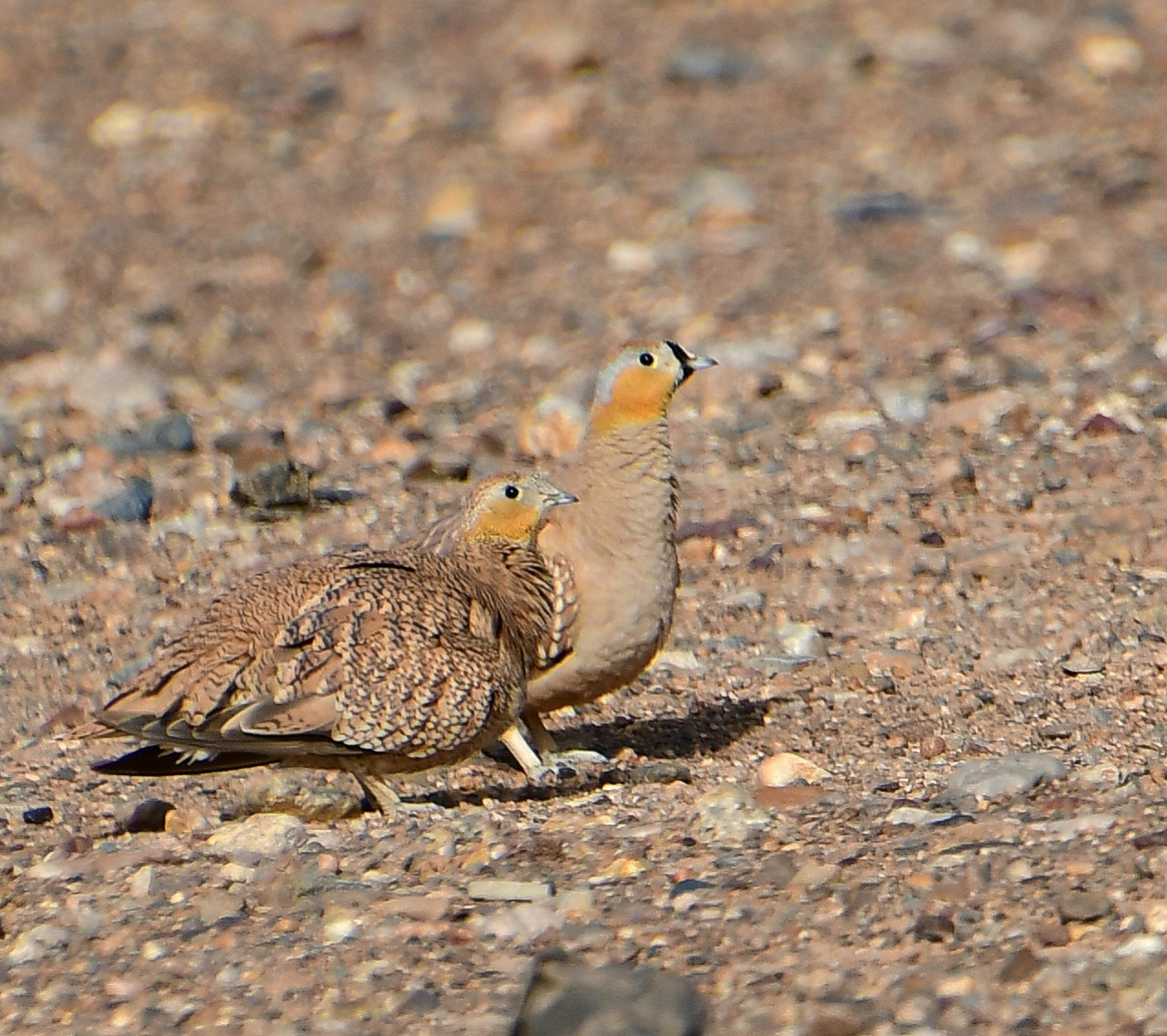
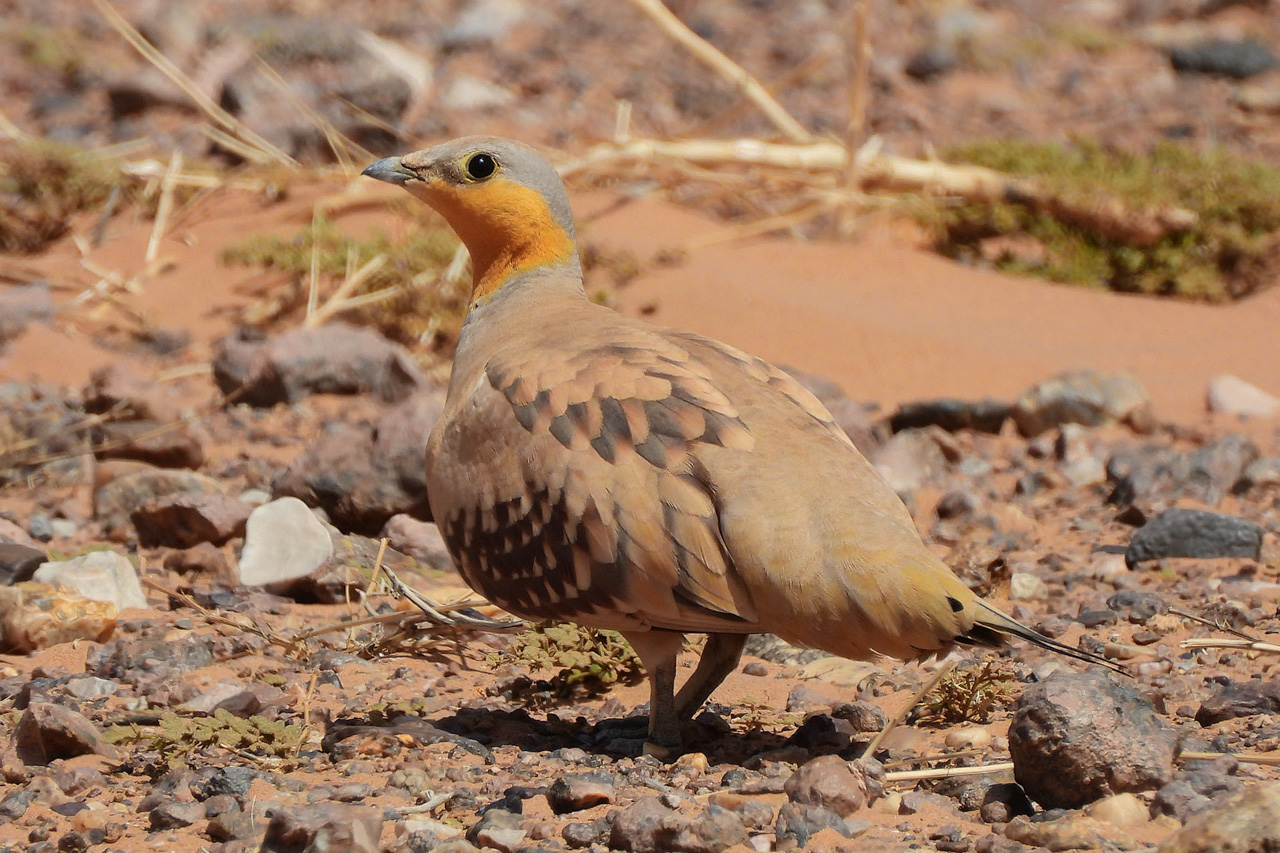
The data collected during this late spring window contributes to the ongoing longitudinal understanding of species distribution in Northwest Africa. As climate change continues to impact the Sahel and Saharan fringes, the continued observation of species such as the African Desert Warbler and various sandgrouse populations becomes increasingly significant.
The findings from this survey suggest that while some migratory patterns are fluctuating, the resident populations of localized breeders in Morocco remain relatively stable, provided that the habitat fragmentation occurring in coastal and mountain regions is mitigated. The expedition serves as a model for how high-level ecological observation can coexist with cultural engagement, fostering a deeper appreciation for the preservation of these complex, interconnected environments.
In conclusion, the late April to early May journey across Morocco provided a comprehensive overview of the country’s ecological vitality. From the high-altitude peaks of the Atlas to the vital, life-sustaining wetlands of the Souss-Massa National Park, the survey underscored the importance of maintaining diverse habitat connectivity. As conservation efforts in the region move forward, the data gathered on these specific species will provide a baseline for future population studies, ensuring that the rich, diverse, and highly specialized biota of Morocco remains a focus for international scientific interest and environmental stewardship for years to come.
