
In June 2026, Her Imperial Highness Princess Takamado of Japan embarked on a significant international excursion that bridged the gap between the high-octane energy of professional sport and the delicate equilibrium of global biodiversity. While her primary itinerary was dictated by the schedule of the 2026 FIFA World Cup—a tournament held across North America—the Princess utilized her time in Mexico and the United States to highlight critical conservation efforts. Through her dual roles as Honorary President of the Japan Football Association and Honorary President of BirdLife International, she offered a unique perspective on the intersection of human passion and ecological stewardship.
The Monterrey Expedition: Biodiversity in the Sierra Madre
The Princess’s journey began in Monterrey, Nuevo León, Mexico, a region characterized by its rugged terrain and extreme climatic fluctuations. During the 2026 World Cup, Monterrey served as a key host city, providing a backdrop for thousands of international visitors. However, for the Princess, the true spectacle lay within the Chipinque Ecological Park.
Spanning 1,791 hectares, Chipinque is a vital component of the Sierra Madre Oriental mountain range. Established in 1992, this protected area is more than a recreational site; it is a critical refuge for endemic species. The park’s elevation, reaching up to 2,200 meters, creates a distinct microclimate that stands in stark contrast to the stifling 39°C heat often experienced in the city below.

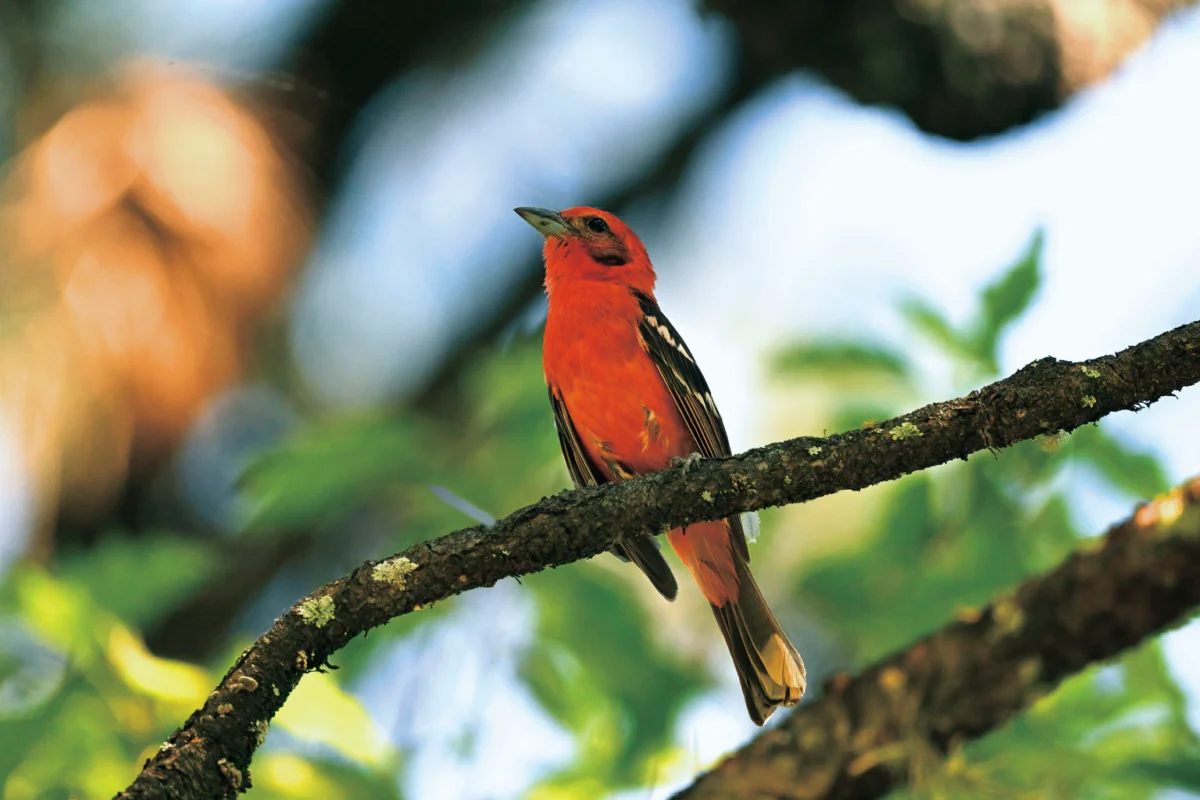
During her visit, the Princess noted the botanical diversity of the region, specifically highlighting the prominence of pine species. Mexico is globally recognized as a center of diversity for the genus Pinus, hosting nearly 50% of the world’s 110 known species. This botanical wealth supports a complex web of insect life, which in turn sustains a vibrant avian population. Among the species documented by the Princess were the Flame-colored Tanager (Piranga bidentata), known for its distinctive white wing bars, and the Dusky-capped Flycatcher (Myiarchus tuberculifer). Her observations were facilitated by Pronatura, the BirdLife International partner in Mexico, which has been instrumental in advocating for the protection of the Sierra Madre forests against the pressures of urban expansion.
Dallas and the Restoration of the Trinity River
Following her engagement in Mexico, the Princess traveled to Dallas, Texas, to witness further conservation initiatives. The focal point of this visit was the Trinity River Audubon Center. The center represents a triumph of environmental reclamation, having been constructed on land that once functioned as an illegal dumping ground.
Since its opening in 2008, the 48-hectare site has been transformed into a mosaic of restored habitats, including lowland broadleaf forests, wetlands, and the rare Blackland Prairie. The site’s proximity to central Dallas—just a 10-minute drive—highlights a modern trend in urban planning: the integration of "green lungs" into metropolitan centers to provide both ecological services and public educational space.
In Dallas, the Princess observed a diverse array of water birds, including the Tricolored Heron and the American White Ibis. The National Audubon Society, which manages the center, provided technical insights into the site’s function as a stopover for migratory birds traversing the Central Flyway. These species rely heavily on the integrity of such wetlands to survive the seasonal transitions that define their life cycles.

Chronology of the 2026 Engagement
- Early June 2026: Commencement of the international tour coinciding with the FIFA World Cup tournament schedule.
- Mid-June 2026: Field study at Chipinque Ecological Park, Monterrey, focusing on montane forest bird species and butterfly population density.
- Late June 2026: Site visit to the Trinity River Audubon Center, Dallas, to review wetland restoration and urban conservation programs.
- July 2026: Synthesis of field photography and ecological reporting for publication in Fujingahou Magazine.
Comparative Analysis: Sport and Nature
The Princess’s reflections during this trip draw a compelling parallel between the intensity of global sports and the urgency of environmental conservation. By comparing the fervor of football supporters in the stadiums of Monterrey and Dallas to the dedication of conservationists working in the field, she underscores a shared human trait: the capacity for profound passion.
From an analytical standpoint, the implications of these visits are significant. The 2026 World Cup brought unprecedented levels of tourism and infrastructure pressure to these regions. The presence of a high-profile figure advocating for biodiversity during such a massive sporting event serves as a strategic reminder that hosting international events must be balanced with the long-term protection of local ecosystems.
Institutional Responses and Conservation Impacts
BirdLife International, the global partnership that facilitated these visits, has noted that the Princess’s involvement provides more than just visibility. Her role as Honorary President serves as a catalyst for international cooperation. In her discussions with Pronatura and the National Audubon Society, the focus remained on the pragmatic challenges of conservation: habitat fragmentation, climate-induced range shifts, and the necessity of community-based education.
"The passion for protecting the natural world and the ecosystems we cherish is every bit as powerful as the enthusiasm of supporters cheering from the stands," the Princess remarked, reflecting on the synergy between the two worlds.

Broader Environmental Implications
The data gathered during these visits—ranging from the high pine-tree density in the Sierra Madre to the successful conversion of landfill into productive wetland in Dallas—demonstrates the efficacy of localized, science-based conservation. However, the threats remain systemic. Both Mexico and the United States face ongoing pressures from land-use changes, drought, and the broader impacts of a warming climate, which directly affect the migration patterns of species like the American White Ibis.
The Trinity River Audubon Center, for instance, serves as a model for "re-wilding" urban spaces. Its existence proves that even severely degraded land can be returned to a state of ecological utility if sufficient investment and long-term management strategies are applied. For Monterrey, the challenge remains protecting the high-altitude forests that serve as water catchment areas for the rapidly growing city.
Conclusion: A Legacy of Observation
As the 2026 FIFA World Cup concluded, the legacy of this particular diplomatic and scientific mission remains. By documenting these birds and their habitats, the Princess has provided a visual record that serves both as a scientific observation and an appeal for stewardship. Her work emphasizes that the health of our natural environment is not a peripheral concern, but rather the essential foundation upon which all human activities—including international sports and cultural exchange—are built.
The detailed documentation of these species, published through Fujingahou and supported by organizations like BirdLife International, serves as a permanent archive of the environmental state of these regions in the summer of 2026. This record will undoubtedly assist researchers and conservationists in tracking the long-term health of these ecosystems, ensuring that the passion witnessed by the Princess is translated into lasting, measurable protection for the planet’s most vulnerable species.
