
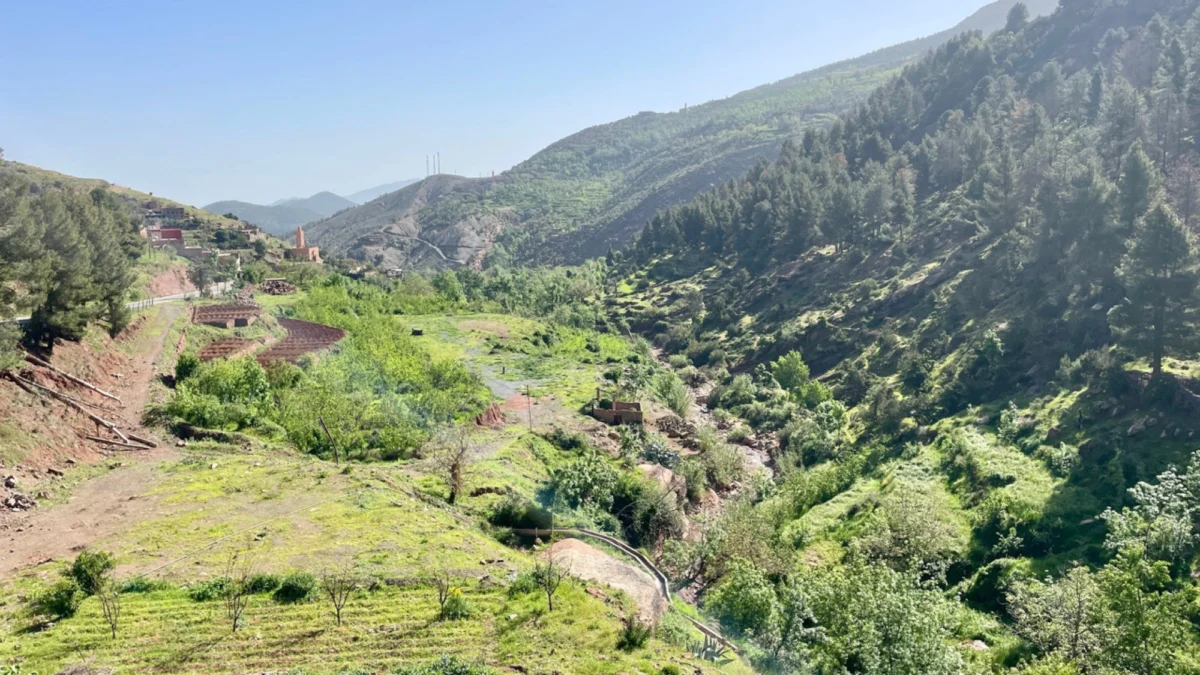
The spring 2026 expedition across Morocco, spanning from late April to early May, served as a comprehensive survey of the North African country’s diverse biological landscape. Tracing a trajectory that commenced in the historic city of Marrakesh, transitioned through the rugged elevations of the High Atlas, traversed the arid fringes of the Sahara, and concluded in the vital wetlands of the Souss region, the tour provided a robust dataset on resident avian specialities and endemic flora and fauna. By integrating high-altitude alpine zones with desert ecosystems and coastal estuaries, the expedition offered a granular look at the ecological health of these varied habitats during a critical migration period.

Chronology of the Expedition
The journey began in Marrakesh, where participants utilized the city’s urban environment as a baseline for local biodiversity. The Jemaa el-Fna area, while primarily a cultural hub, served as a vantage point for observing common species such as the Little Swift and White Stork.
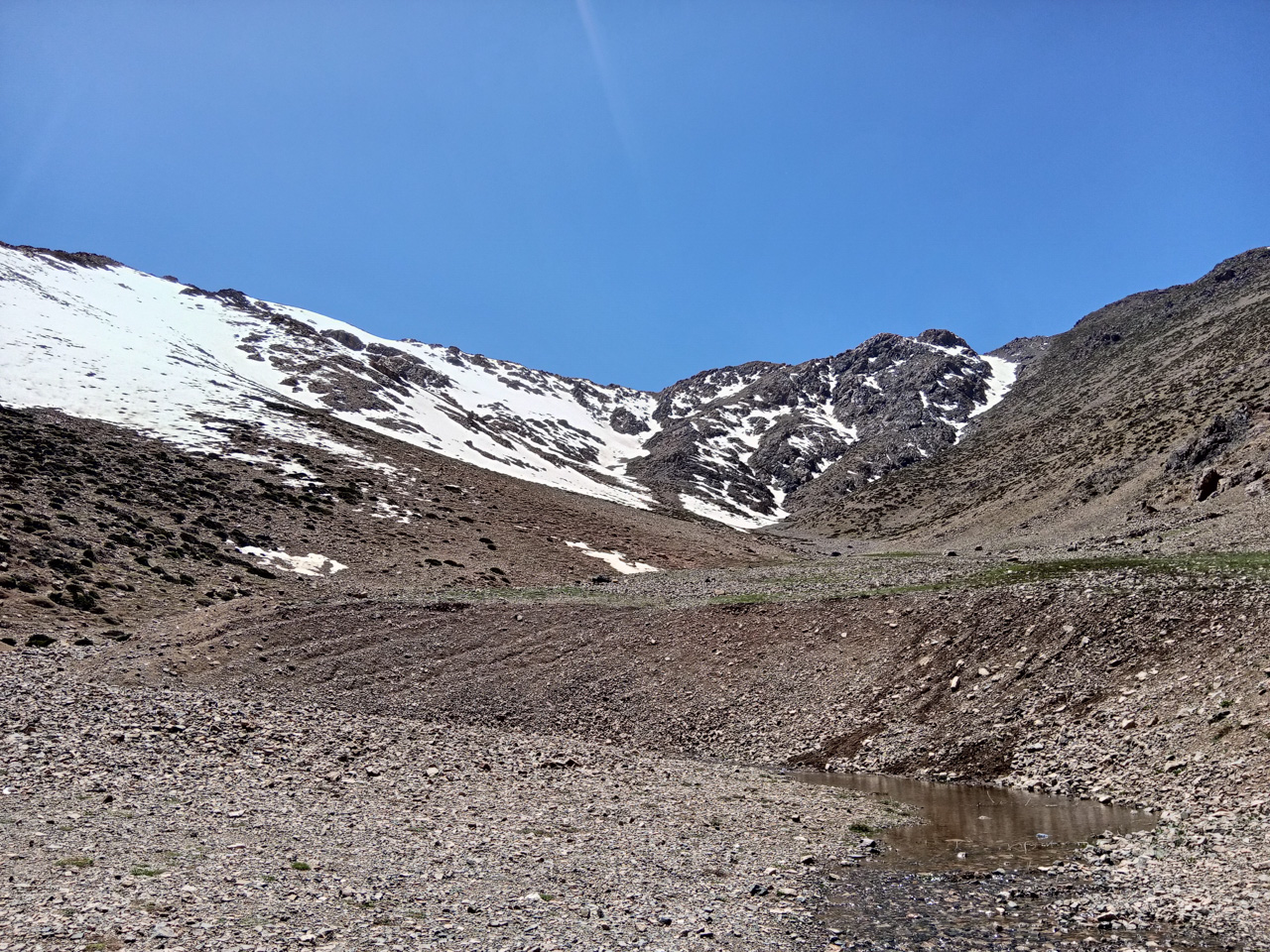
By the second day, the group ascended the High Atlas. The Oukaimeden plateau, a region characterized by its distinct alpine climate and lingering seasonal snow, acted as a primary site for high-altitude specialist species. The team recorded consistent sightings of Red-billed and Alpine Choughs, along with the Horned Lark and Atlas Wheatear. The presence of the Andalucian Wall Lizard and the Atlas Dwarf Lizard in these elevations highlighted the sensitivity of these reptiles to micro-climatic shifts.
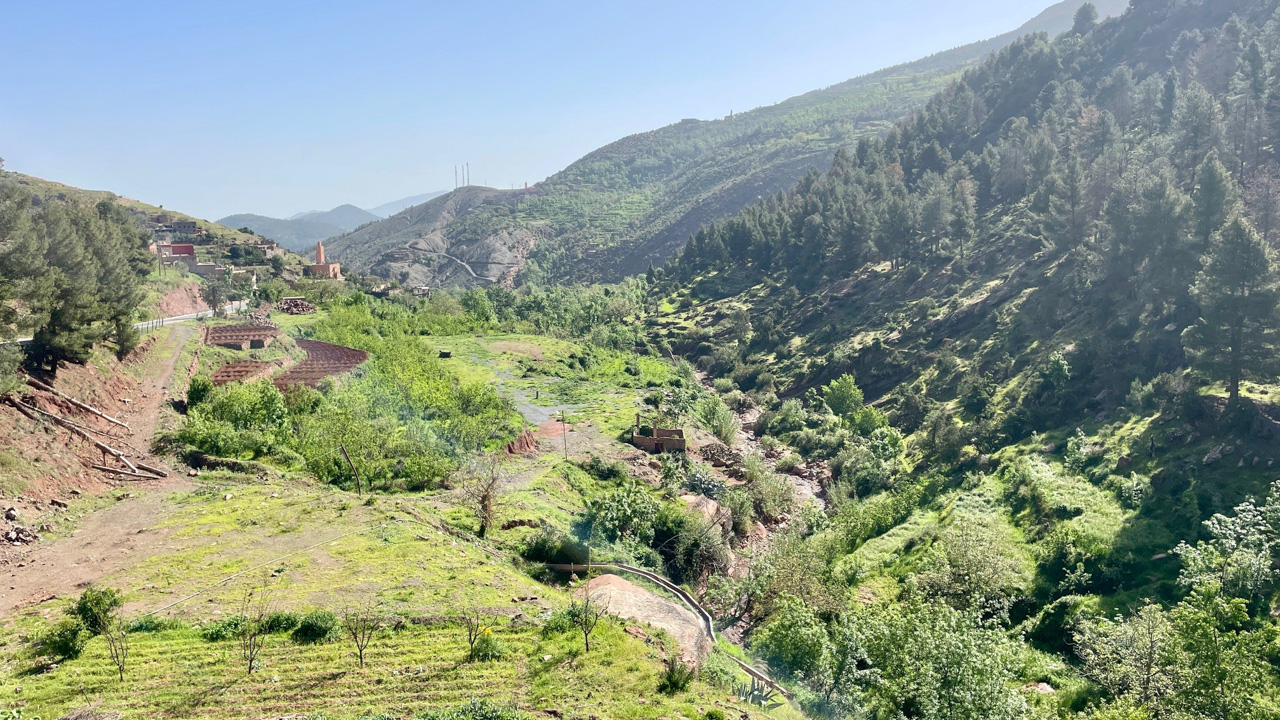
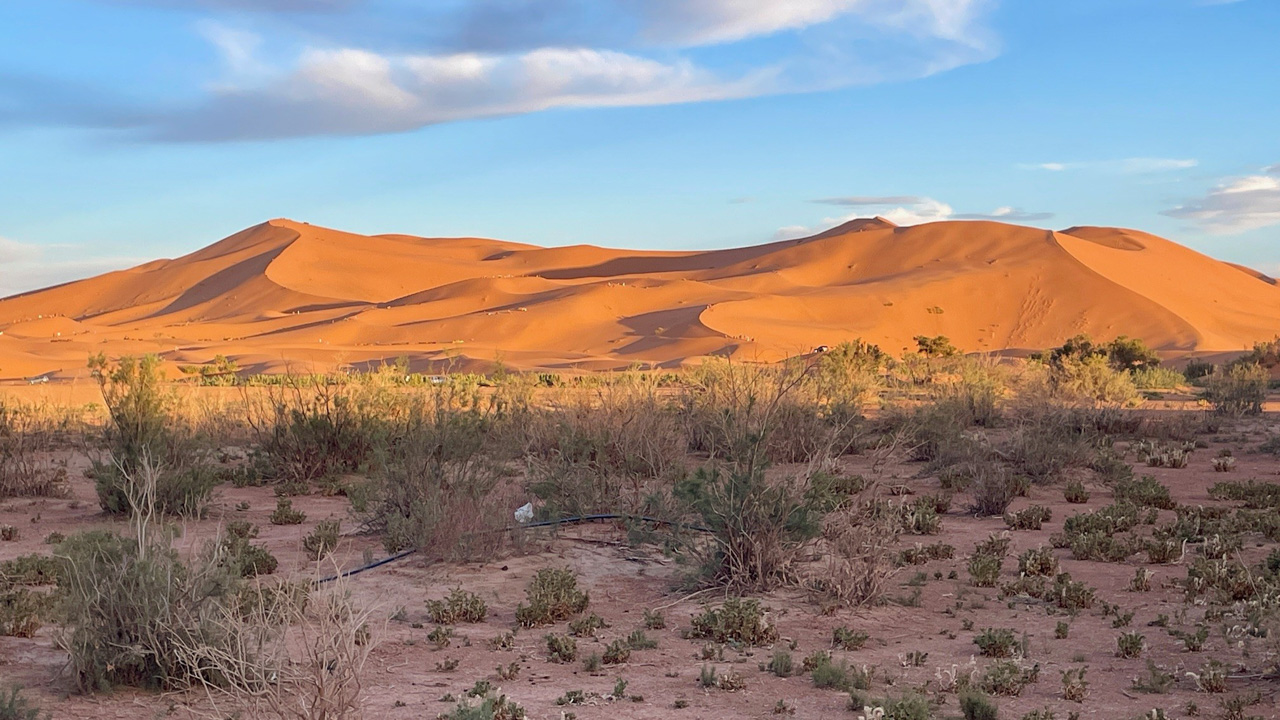
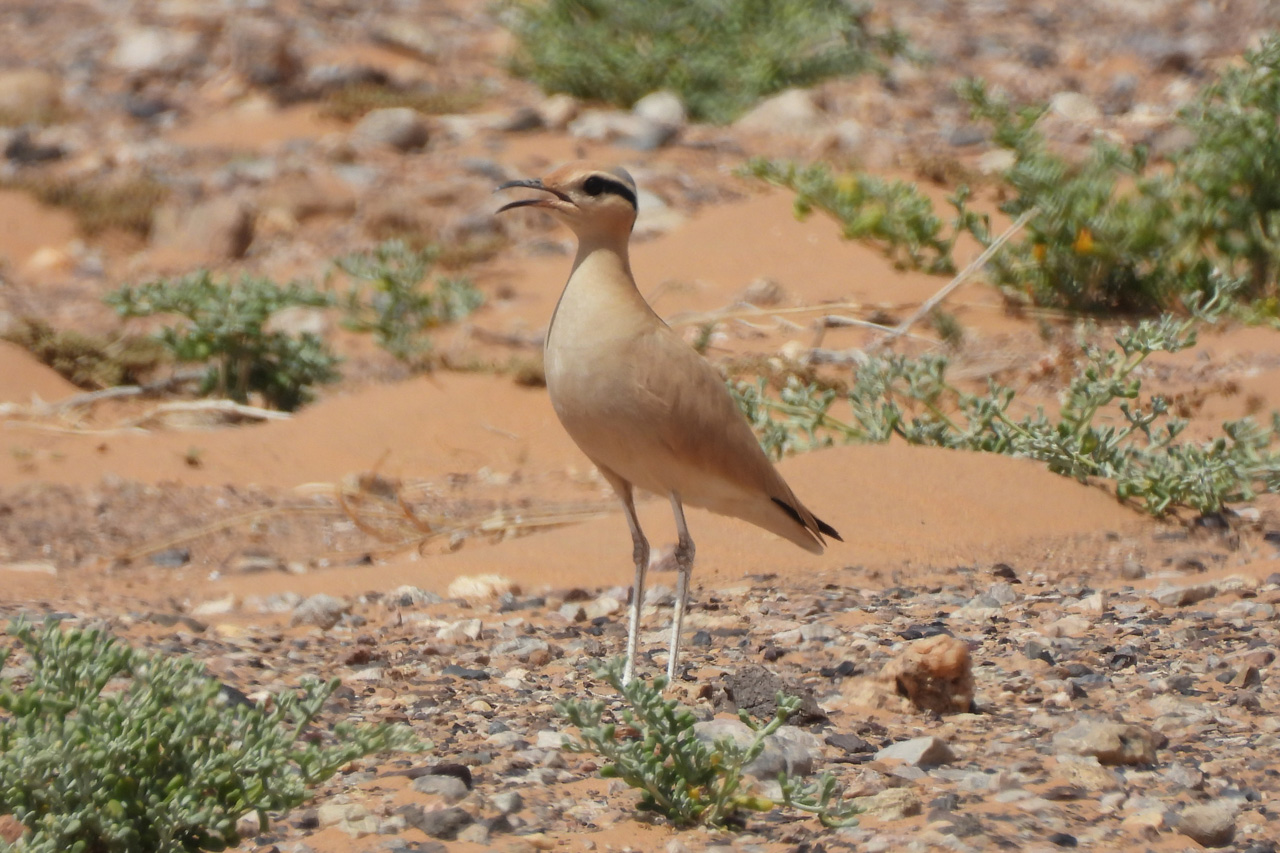
Transitioning toward the Sahara, the expedition navigated the Tizi n’Tichka Pass on day three. The Escale Forest provided a botanical highlight, featuring the indigenous Barbary Thuja and Moroccan Lavender. This area acted as a transition zone between the temperate northern slopes and the arid southern plains. By the time the team reached the Tagdilt Track and the Erg Chebbi dunes on days four through six, the focus shifted to extreme-environment specialists. The sightings of the Egyptian Nightjar—a notoriously elusive species—and the African Desert Warbler underscored the success of the targeted field research. The inclusion of the Dayet Srij wetlands in this desert context offered a necessary contrast, hosting migratory shorebirds and the Marbled Duck, demonstrating the importance of desert oases for avian endurance during migration.
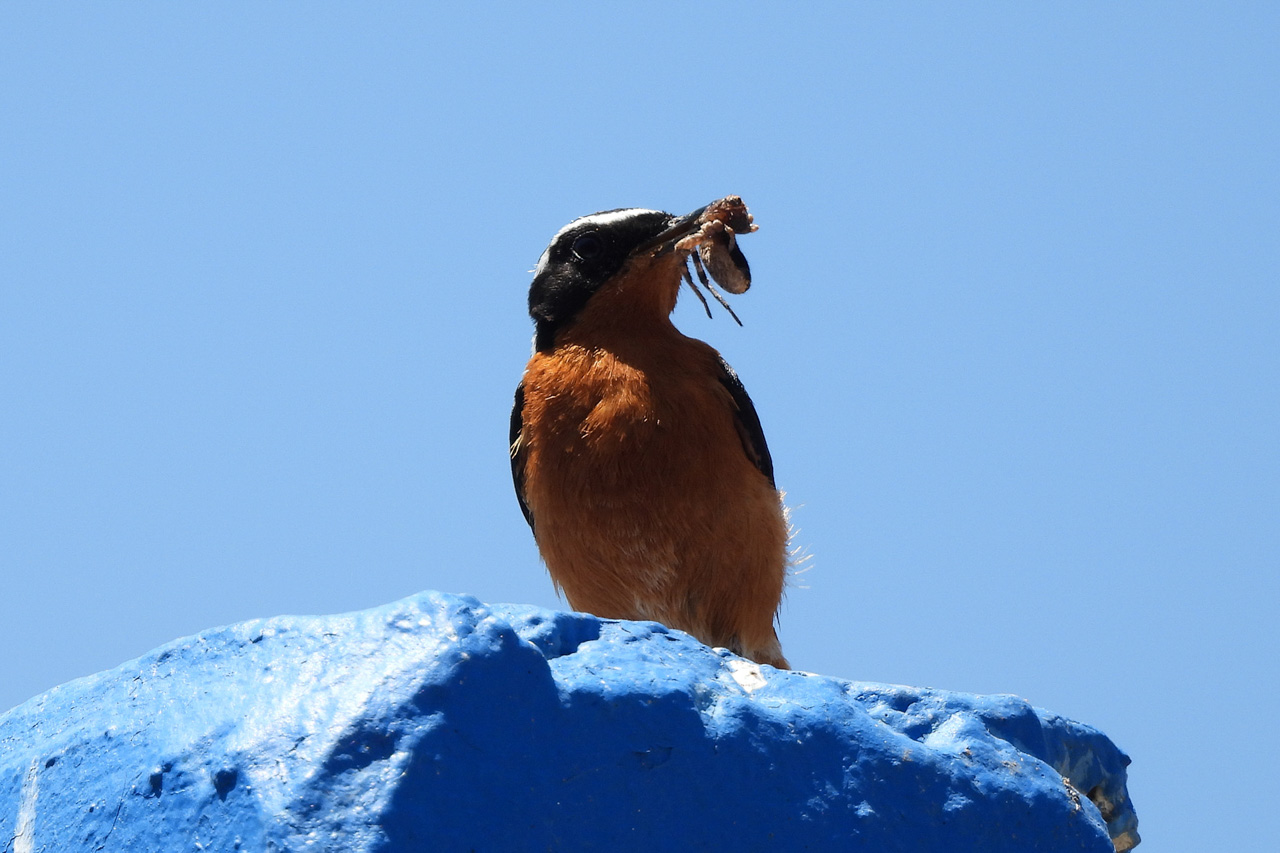
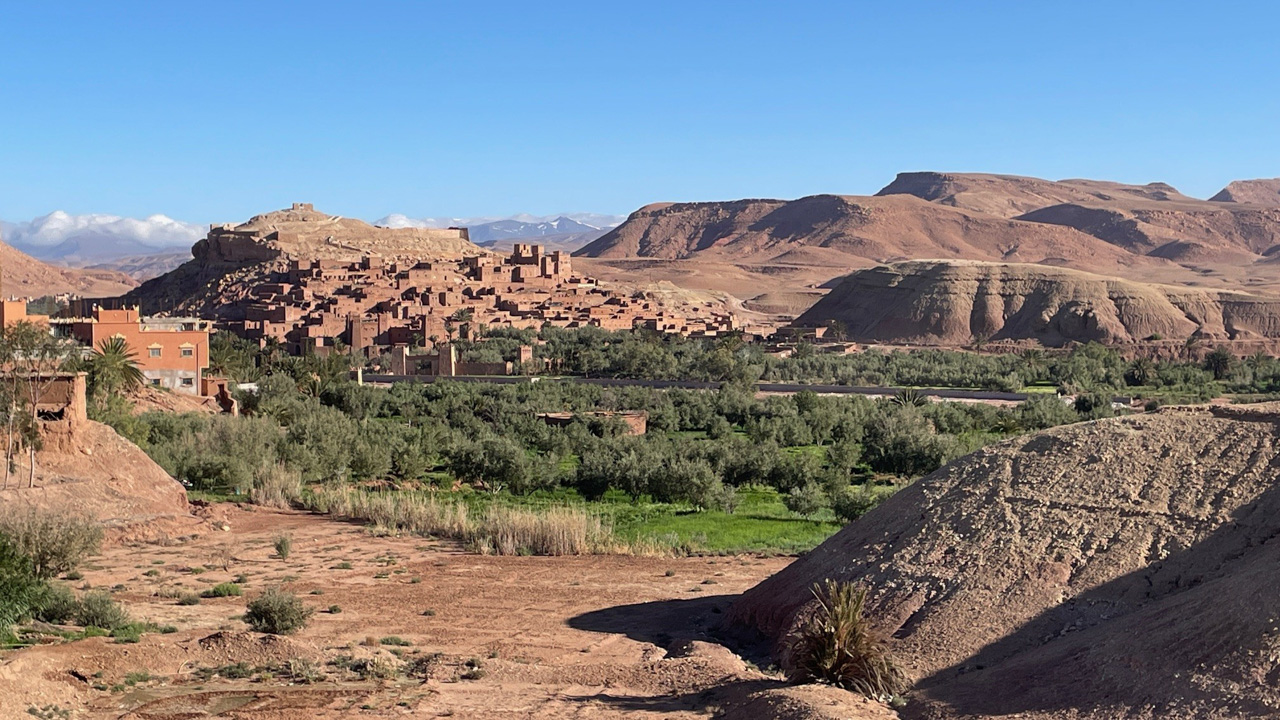
The final leg of the tour, moving through the Todra and Dades Gorges and ending at the Atlantic coast, allowed for a broader assessment of Morocco’s coastal biodiversity. At the Tamri region, the focus shifted to the Northern Bald Ibis, a species of significant conservation concern. The expedition concluded at the Souss Estuary, providing a final data point on the interactions between local resident species and the migratory populations moving through the Atlantic flyway.
Ecological Significance and Biodiversity Data
The expedition’s findings reflect the broader ecological significance of the Maghreb region. The Northern Bald Ibis, which was observed in the Tamri area, remains a focal point for global conservation efforts. Its presence in Morocco is heavily monitored, and sightings during the spring migration provide vital data on the stability of the remaining wild colonies.
The herpetological records gathered throughout the tour—ranging from the Moroccan Spiny-tailed Lizard in the hamada regions to the various Acanthodactylus species—provide a useful index for assessing the health of arid-land ecosystems. These lizards are often considered "indicator species" for desertification; their presence and activity levels offer researchers a barometer for the impact of changing weather patterns on the desert floor.
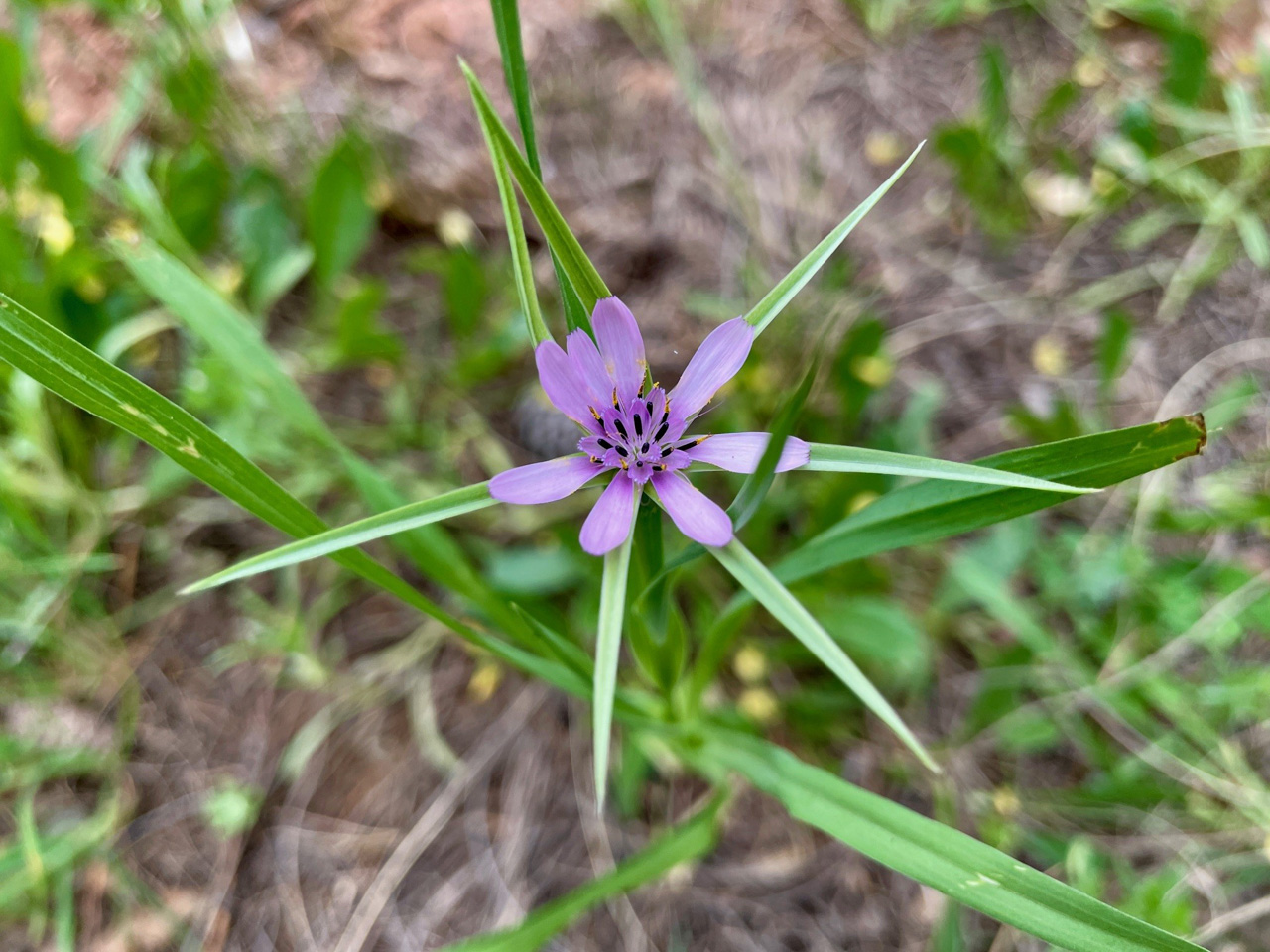
Botanically, the documentation of rare plants such as the Slender Salsify and the endemic Moroccan Lavender in the Escale Forest highlights the importance of preserving these micro-habitats. The preservation of these flora species is inextricably linked to the survival of the insect populations that sustain the avian life observed during the expedition.
Analysis of Migration Patterns and Habitat Health
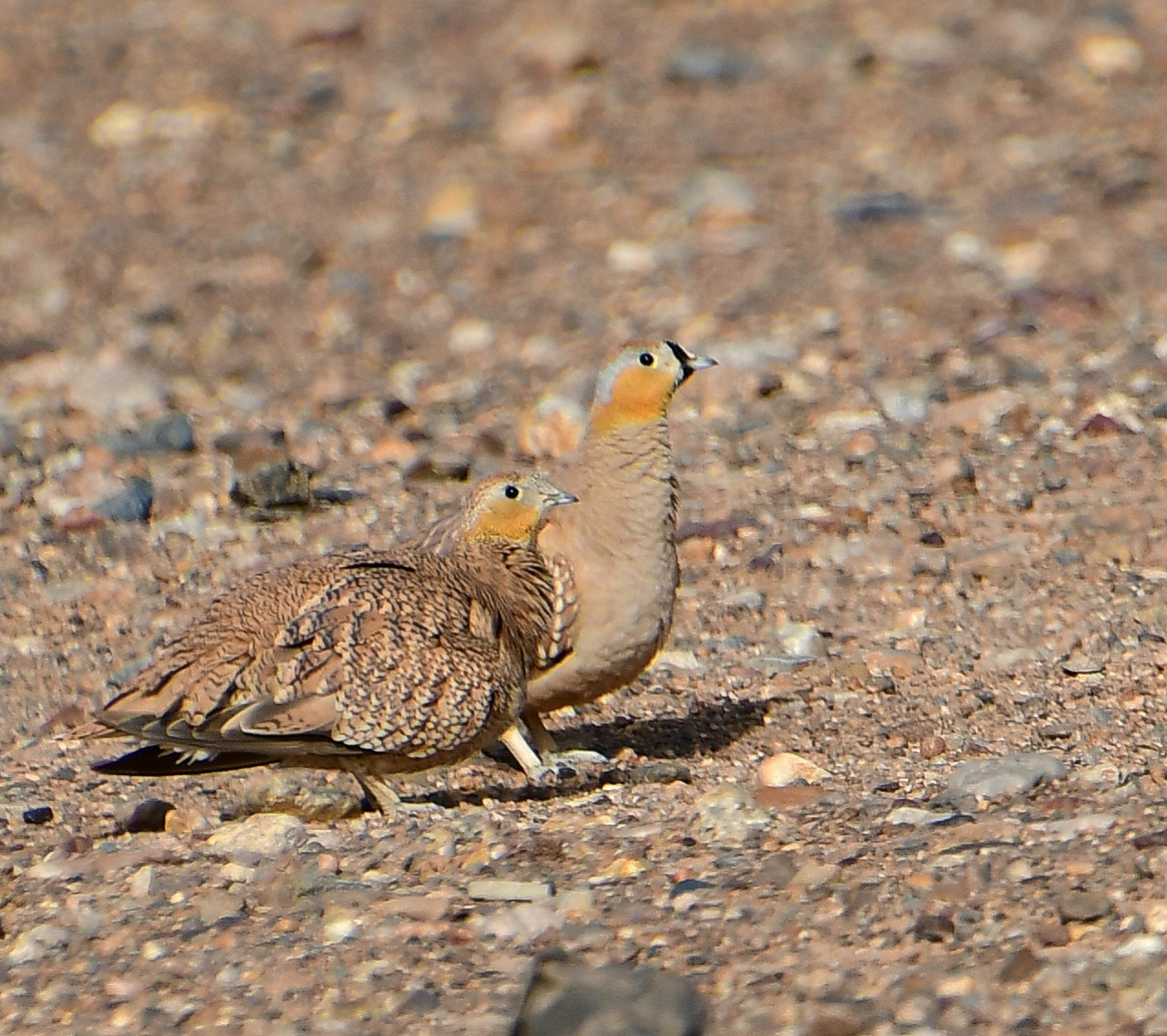
Field observations during this spring cycle indicated a "patchy" migratory flow, a phenomenon that has been noted by ornithologists across the Mediterranean basin in recent years. While the lack of a massive, unified migratory wave can be attributed to fluctuating meteorological conditions over the Sahara, the "rich supporting cast" of resident species suggests that the local ecosystems remain resilient.
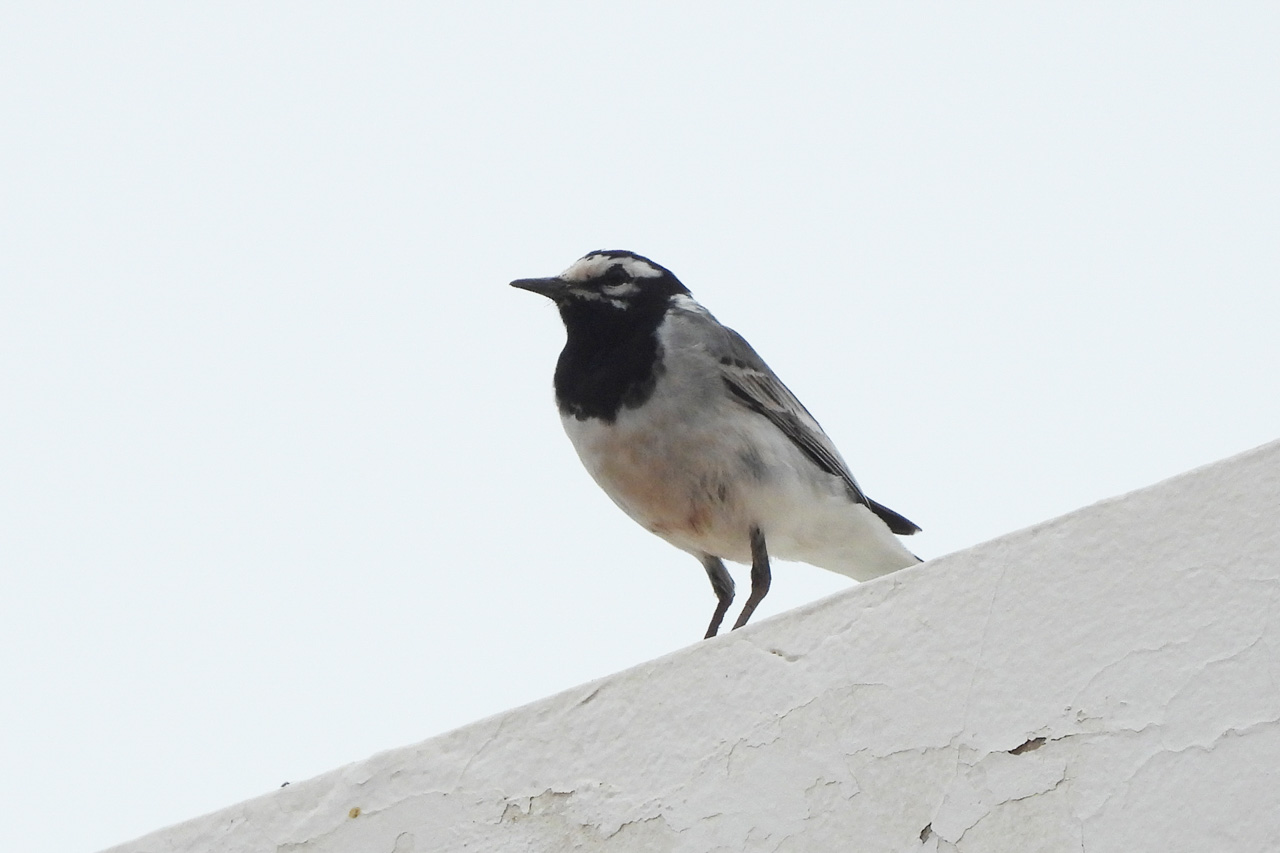
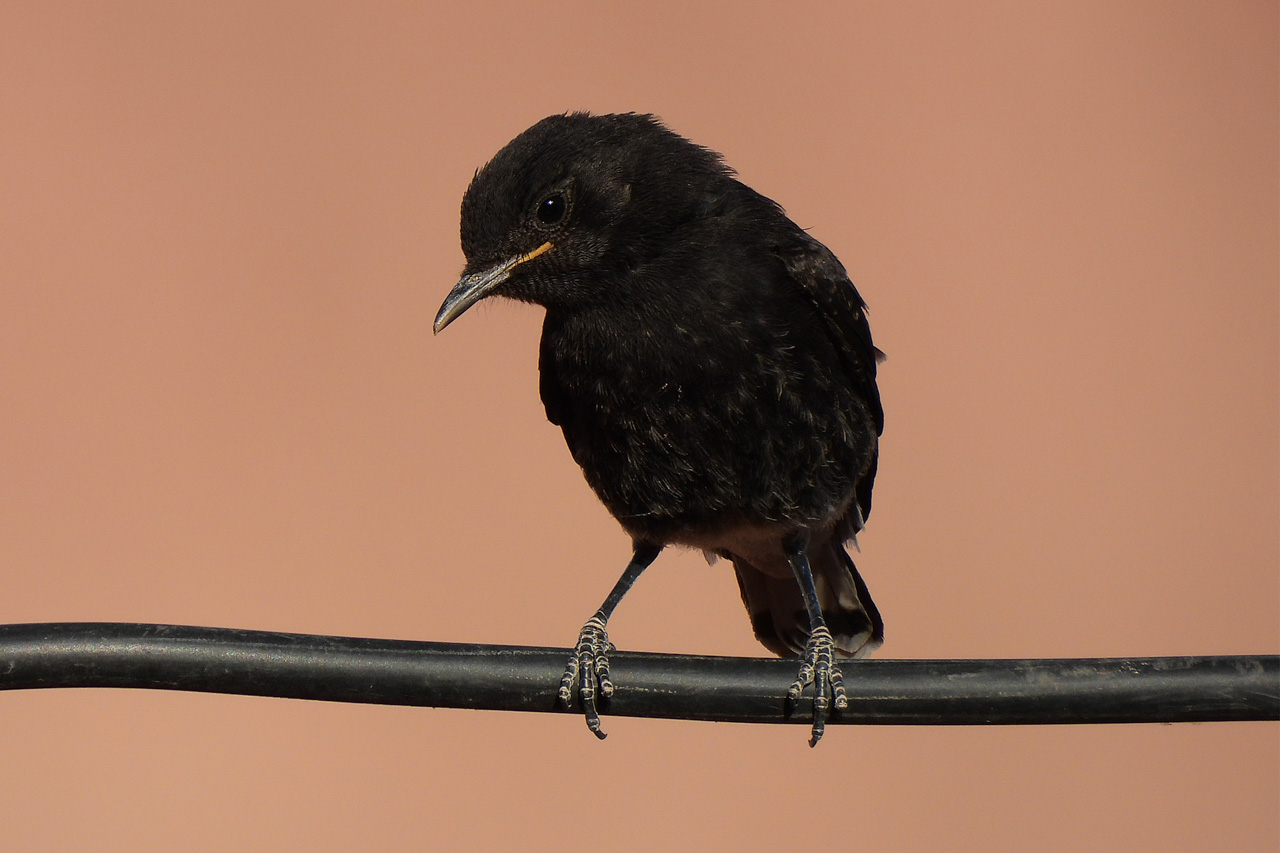
The successful observation of species such as the Pharaoh Eagle-Owl and the Streaked Scrub Warbler confirms that the core habitats in the High Atlas and the desert fringes are currently maintaining enough ecological complexity to support high-level predators and specialized foragers. The use of traditional irrigation systems, such as the Jorf khettaras, continues to serve as an unintentional but vital support mechanism for biodiversity, as these systems create artificial wetlands that act as stepping stones for migrating birds.
Implications for Future Conservation
The data collected during this twelve-day expedition serves as a microcosm for the larger challenges facing North African biodiversity. The juxtaposition of human-centric sites like the Rissani souk and the pristine wilderness of the Erg Chebbi dunes illustrates the delicate balance between local economic activity and conservation.
From an analytical standpoint, the expedition highlights three primary implications for future ecological management in Morocco:
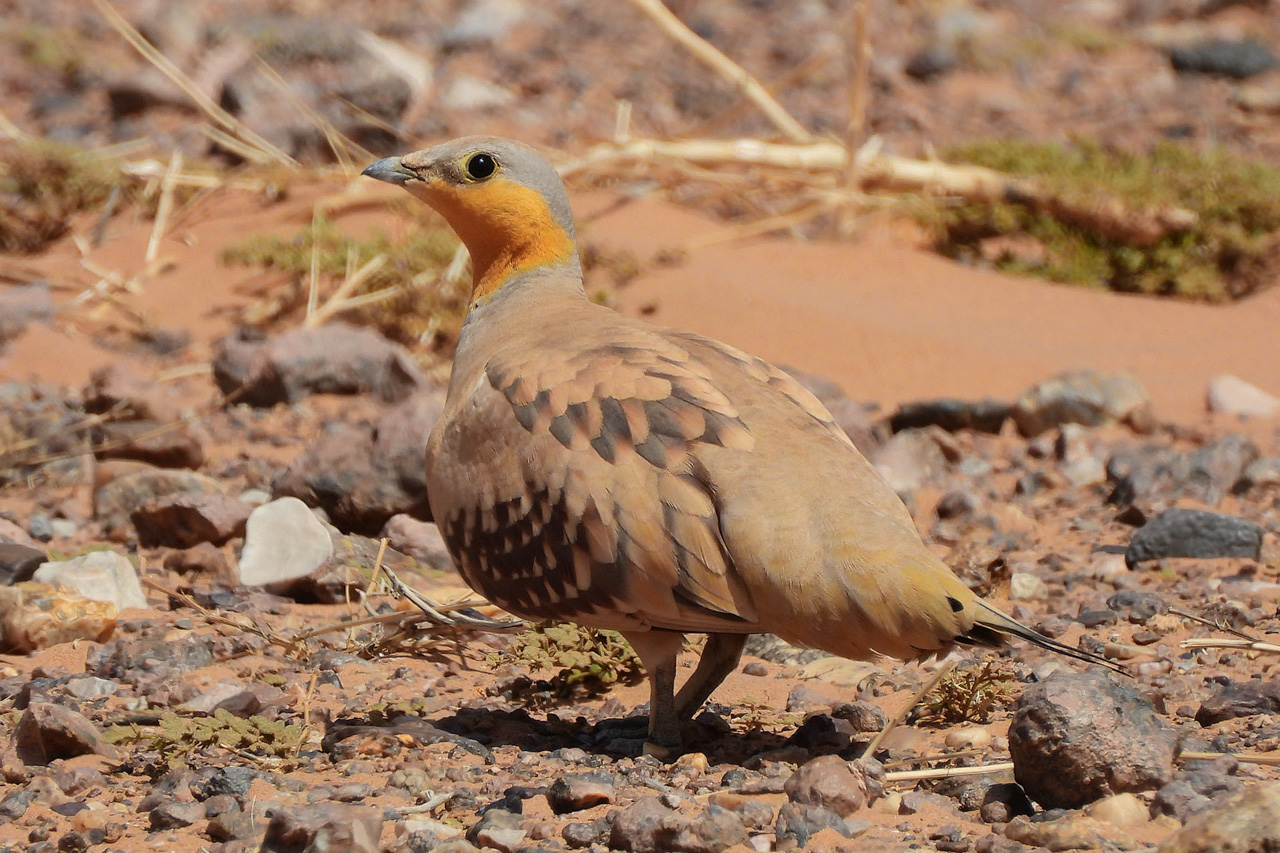
- The Necessity of Corridor Protection: The movement between the High Atlas and the Atlantic coast demonstrates that avian species do not rely on isolated parks but on a continuous corridor of habitats. Ensuring that the areas between protected zones, such as the scrublands near the Dades Gorge, are not further degraded is essential for maintaining migratory success.
- Monitoring of Climate-Sensitive Species: The reliance of species like the Atlas Dwarf Lizard on specific temperature gradients suggests that even minor shifts in average annual temperatures could cause significant range contractions. Future expeditions should prioritize longitudinal studies to track the movement of these populations over the next decade.
- Synergy Between Tourism and Science: The engagement of local guides and the utilization of community-managed sites, such as the argan cooperatives and the birding camps near Erg Chebbi, demonstrate a viable model for "citizen science" tourism. This model provides economic incentives for local populations to protect, rather than exploit, the natural resources that attract international researchers and birdwatchers.
Conclusion
The 2026 spring expedition to Morocco provided a comprehensive snapshot of a region in ecological transition. By bridging the gap between the alpine environment of the High Atlas and the coastal wetlands of the Atlantic, the tour produced a valuable catalog of avian and reptilian life. As global conservation efforts continue to grapple with the complexities of climate change and habitat fragmentation, the persistence of species such as the Northern Bald Ibis and the various larks and warblers documented during this trip offers a cautiously optimistic outlook. The success of this journey reinforces the importance of consistent field observations in documenting the health of the North African flyway, ensuring that the rich biodiversity of the region remains a priority for both local stakeholders and the international scientific community. The combination of high-altitude mountain slopes, arid desert dunes, and fertile coastal estuaries continues to make Morocco one of the most vital biodiversity hotspots in the Mediterranean region.
