

Recent field surveys and a specialized birding expedition across Southern Alberta have concluded, documenting a total of 113 bird species and eight mammal species within the province’s unique ecological corridors. The journey, which spanned from the wetland sloughs of the Calgary outskirts to the fossil-rich sediments of Dinosaur Provincial Park, highlighted the intersection of modern avian biodiversity and the ancient geological history of the Canadian Prairies. Researchers and enthusiasts involved in the excursion noted that the sightings, which included rare migratory gulls and declining prairie songbirds, provide critical data on the health of Alberta’s diverse ecosystems during the peak of the spring breeding season.

Exceptional Migratory Sightings and Wetland Diversity
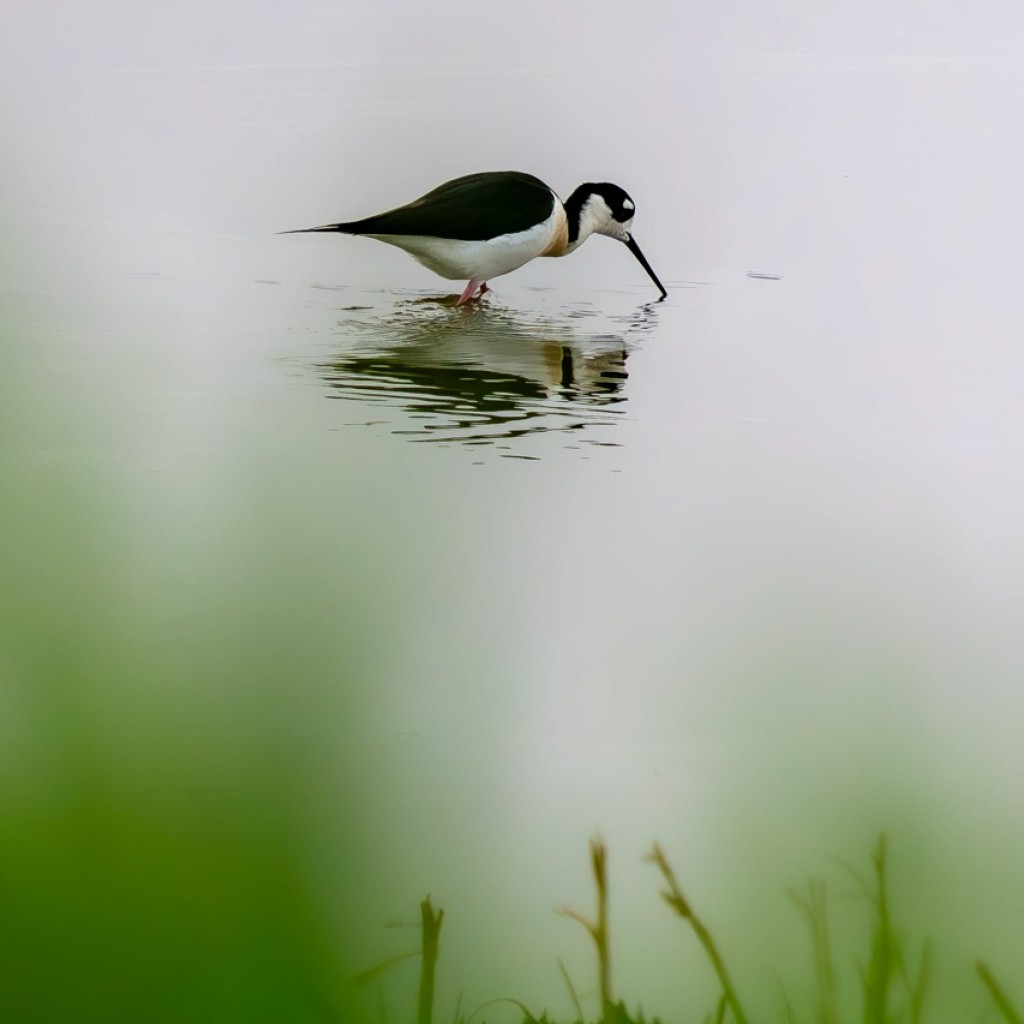
The expedition commenced in the immediate vicinity of Calgary, where an unassuming pond—Rocky Pond—served as a significant focal point for early-season waterbird activity. Observations at this location exceeded typical expectations for suburban birding, yielding 11 species of ducks and nine species of shorebirds. Among the most notable behavioral observations were the courtship displays of male Ruddy Ducks, characterized by their unique "bubble-blowing" ritual.
However, the scientific highlight of the initial phase was the identification of a Sabine’s Gull. This species is an Arctic-breeding seabird known for one of the longest migration routes of any gull, traveling from northern tundra wetlands to the nutrient-dense waters off the coasts of South America and Southern Africa. While a migration route exists over Alberta, these birds typically traverse the province at high altitudes. Their presence at ground level is usually associated with severe weather events; experts suggest that the heavy winds and rain preceding the trip likely forced the individual to seek temporary refuge at Rocky Pond.
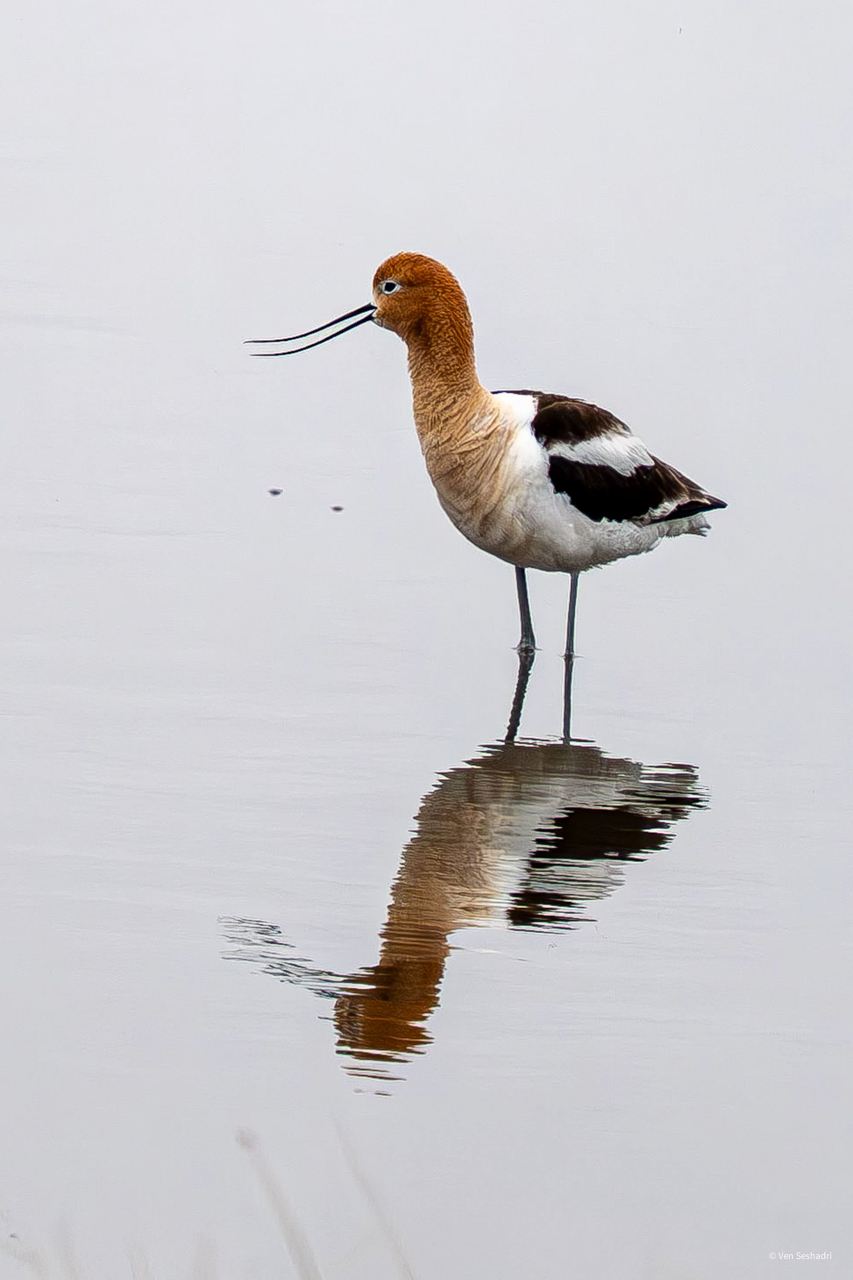
In addition to the Sabine’s Gull, the group recorded a trio of White-rumped Sandpipers foraging alongside Semipalmated Sandpipers and Wilson’s Phalaropes. The White-rumped Sandpiper is frequently cited as a challenging species to track within Alberta, making this sighting a significant data point for the regional spring census.
Transitions Through the Agricultural Belt and Riparian Corridors
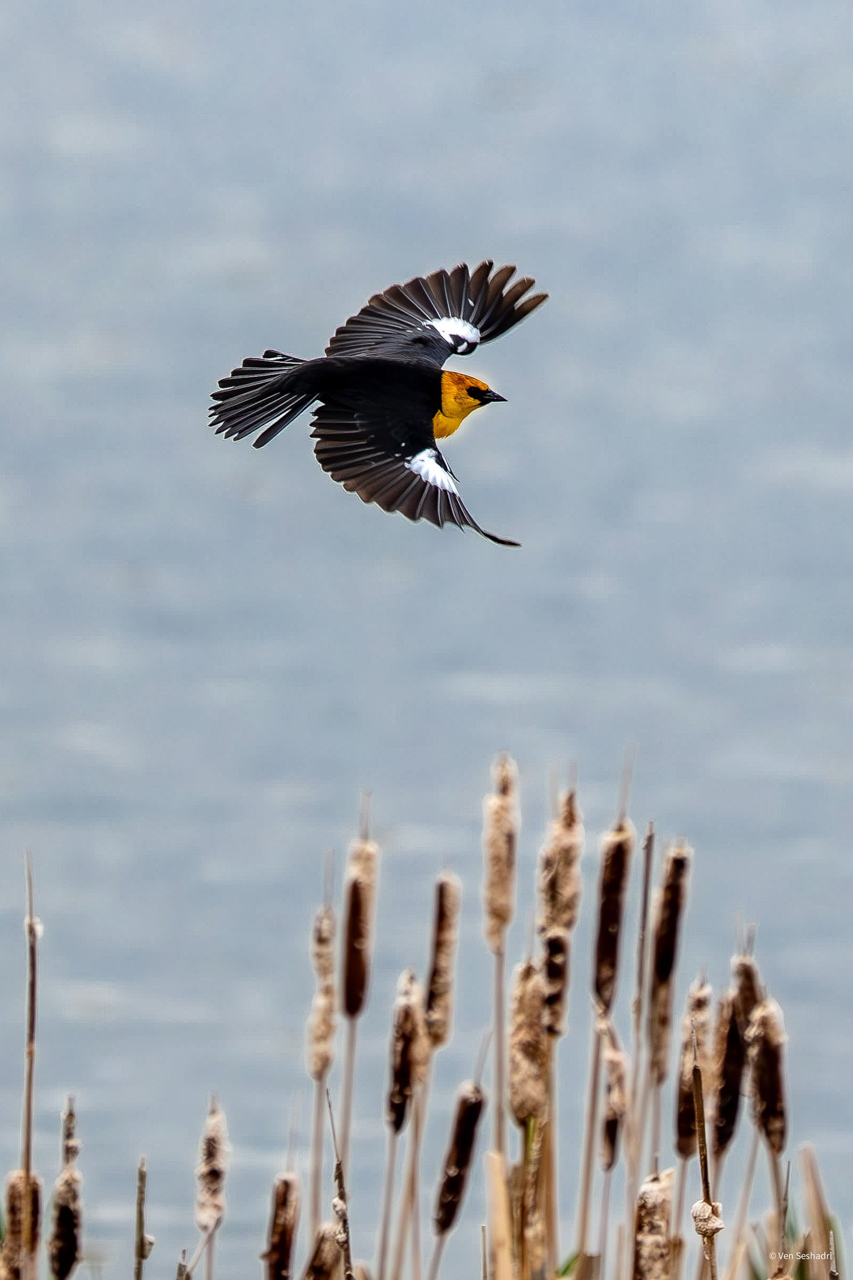
Moving eastward from Calgary toward the Red Deer River valley, the expedition traversed a mosaic of agricultural lands and prairie sloughs. At Bruce Lake, a total of 56 species were recorded, including a rare female Hooded Merganser. This area proved to be a vibrant acoustic environment, dominated by the songs of Yellow-headed and Red-winged Blackbirds.
A significant find at Bruce Lake was the Nelson’s Sparrow, a species considered a rarity for that specific location. Though the bird remained concealed within the dense cattail vegetation, its diagnostic song was verified by the group. This highlights the importance of acoustic monitoring in assessing avian presence in dense wetland habitats.
The transition between ecosystems was further illustrated by the presence of both Eastern and Western Warbling Vireos. Alberta occupies a unique position as a hybrid zone for these two species. While they are nearly indistinguishable by plumage, the expedition focused on their vocalizations to differentiate them. The Eastern variant’s song is characterized by a longer, more musical cascade of notes, whereas the Western variant produces a shorter, choppier song. Observing these nuances provides valuable insight into the distribution of hybrid populations within the province’s deciduous parklands.
The Geological Significance of the Red Deer River Valley
As the expedition descended into the Red Deer River valley, the focus shifted toward the integration of biology and geology. The Bleriot Ferry crossing provided a vantage point for observing the river’s high sediment load, a direct consequence of recent heavy rainfall. In this riparian zone, observers identified intergrades of the Northern Flicker. These birds displayed a mix of characteristics from both the "yellow-shafted" and "red-shafted" forms, confirming that the Drumheller region remains a central hub for the interbreeding of these two distinct lineages.
The expedition’s arrival at Horsethief Canyon offered a cross-section of the Late Cretaceous Period. The canyon walls, composed of sandstone, mudstone, and shale, were deposited approximately 75 million years ago in ancient floodplains and estuaries. This geological backdrop hosted a variety of raptors and canyon-dwelling species. A Golden Eagle was observed soaring against storm clouds, outclassing a nearby Red-tailed Hawk in size and aerial dominance. The canyon also yielded sightings of the Rock Wren and the Mountain Bluebird, species that have adapted to the rugged, arid terrain of the badlands.
Conservation Concerns and Prairie Population Eruptions
Day three of the expedition focused on the shortgrass prairie near Cessford, an area that provided a stark look at both the resilience and the vulnerability of prairie bird species. Despite thick morning fog, the group identified Ferruginous Hawks at a nesting site. These hawks are specialized predators that rely almost exclusively on Richardson’s Ground Squirrels, making them a key indicator species for the health of the prairie food web.
The most striking observation in the Cessford area was the high density of Lark Buntings and Chestnut-collared Longspurs. Lark Buntings are known for their nomadic nature, moving across the Great Plains in response to environmental factors like grasshopper abundance and rainfall. This year appeared to be a "boom" year for the species in Southern Alberta.
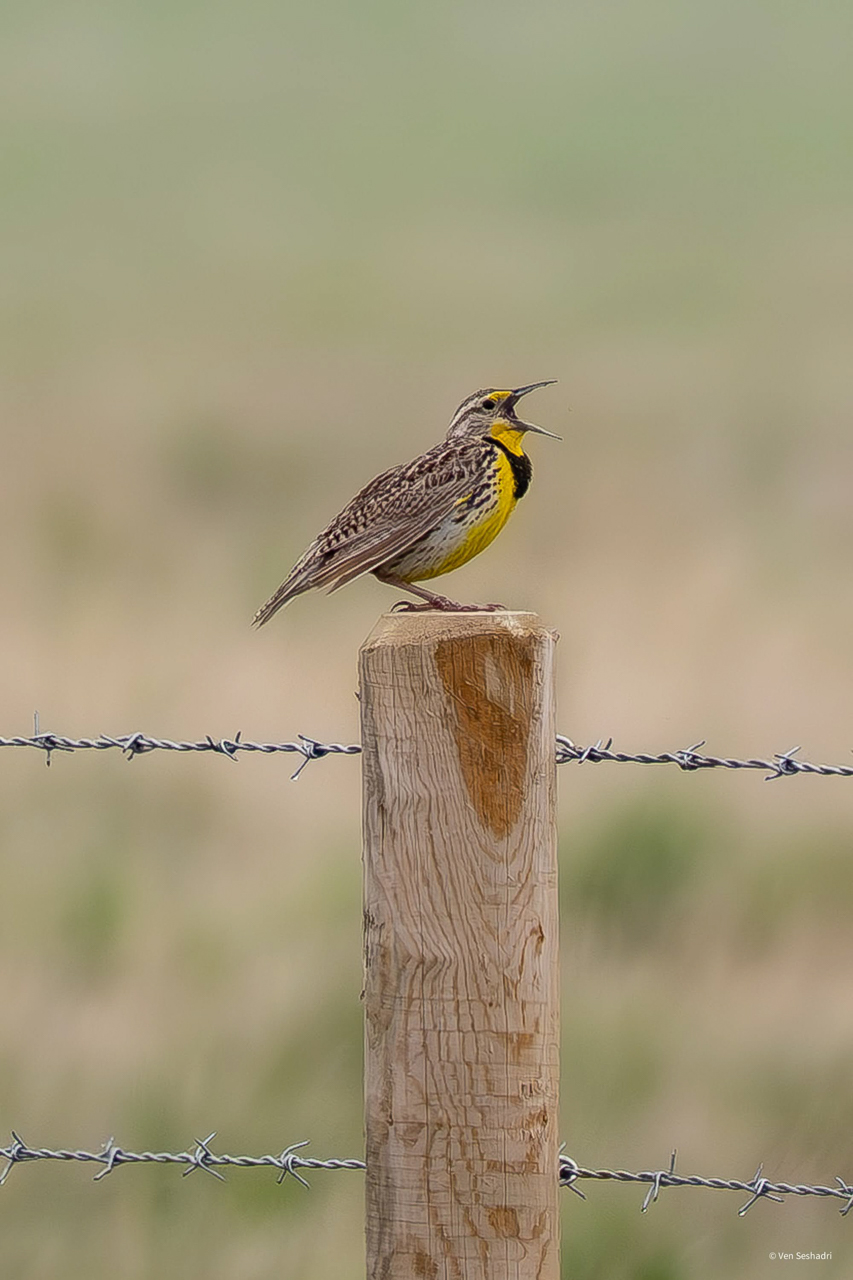
More significantly, the group recorded a conservative count of 30 Chestnut-collared Longspurs. This species has faced a staggering population decline of 94% to 96% since the 1970s, primarily due to habitat loss and the fragmentation of native prairies. The sight of dozens of males performing aerial displays was described by participants as a "glimpse back in time," representing a remnant of the historical abundance of the Canadian shortgrass ecosystem.
Dinosaur Provincial Park: A UNESCO World Heritage Perspective
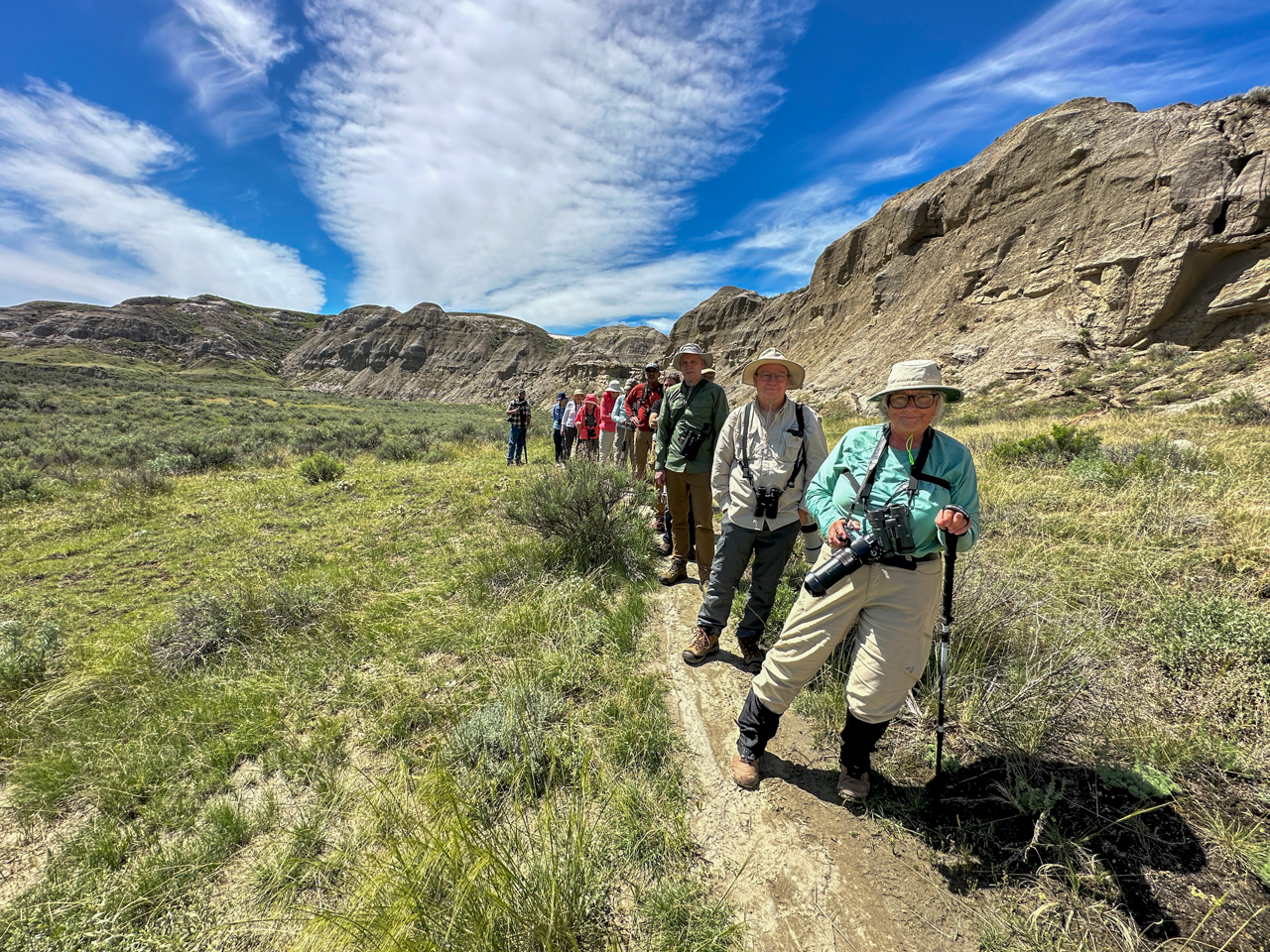
The afternoon of the third day was spent at Dinosaur Provincial Park, a UNESCO World Heritage site recognized for its unparalleled fossil record. The park’s badlands were formed by the erosion of sediments deposited near the end of the Age of Dinosaurs. Today, this landscape supports a specialized array of wildlife.
The expedition documented several reptilian species, including the Prairie Rattlesnake and the Bullsnake. These sightings underscore the park’s role as a sanctuary for Alberta’s most iconic reptiles. In a notable display of inter-species competition, a Northern House Wren was observed utilizing an old Cliff Swallow nest on a cliff face, potentially having evicted a Rock Wren that had been seen using the same nest days earlier. Such observations highlight the intense competition for nesting sites in an environment where natural cavities are limited.
The day concluded with a visit to the "hoodoos" south of Drumheller. These narrow pillars of rock, protected by harder capstones, are the result of millions of years of differential erosion. They serve as a visual reminder of the slow but constant forces that shape the Alberta landscape.
Paleontological Integration and the Royal Tyrrell Museum
The final phase of the trip bridged the gap between modern ornithology and its prehistoric roots. Birds are scientifically classified as the last surviving lineage of theropod dinosaurs, making the visit to the Royal Tyrrell Museum of Palaeontology a logical conclusion to a birding expedition.
Established in 1985 and named after geologist Joseph Burr Tyrrell—who discovered the first documented dinosaur fossil in the Red Deer River valley in 1884—the museum is a global leader in research. The expedition participants were granted a behind-the-scenes tour of the collections with Dr. Christopher West, providing a rare look at the fossils of the very creatures that preceded modern avian life. The museum’s work in reconstructing Late Cretaceous ecosystems provides the necessary context for understanding why the Red Deer River valley remains such a biodiverse region today.
Final Analysis and Ecological Outlook
The expedition concluded with a final count of 113 bird species, a testament to the ecological richness of Southern Alberta. The data gathered from this trip reinforces several key points for regional conservation:
- The Importance of Wetland Buffers: The high diversity at Rocky Pond, located so close to an urban center like Calgary, demonstrates that even small, unassuming wetlands are vital stopover points for rare migrants like the Sabine’s Gull.
- Native Prairie Preservation: The abundance of Chestnut-collared Longspurs near Cessford highlights the urgent need to protect remaining tracts of native shortgrass prairie, which serve as the last strongholds for declining songbirds.
- Climate and Weather Impacts: The presence of high-altitude migrants at ground level underscores how shifting weather patterns and storm events can influence bird distribution and visibility.
As the participants departed from Calgary on the fifth day, the consensus was that the trip offered more than just a list of sightings. It provided a comprehensive narrative of Alberta’s natural history, linking the 75-million-year-old fossils of the badlands to the vibrant, singing prairie of the present day. The success of the expedition serves as a call to action for continued monitoring and habitat protection in one of North America’s most unique environmental corridors.
