

The annual Alaska Birding Tour concluded its 13-day traverse across the state’s most critical avian habitats this June, providing a comprehensive survey of both resident species and rare trans-Pacific migrants. Spanning from the temperate rainforests and fjords of the Kenai Peninsula to the high-arctic tundra of Utqiaġvik, the expedition documented a vast array of species, including several high-priority targets for North American ornithology. The tour, which commenced in Anchorage and moved through Nome and Seward before finishing above the Arctic Circle, highlighted the ecological significance of Alaska as a nexus for global flyways.

Strategic Commencement in Anchorage and the Nome Frontier
The expedition began with a strategic assembly in Anchorage on May 27, where participants and guides reviewed the logistical complexities of navigating three distinct Alaskan ecoregions. Anchorage serves as the primary hub for such expeditions, offering immediate access to the boreal forests and coastal marshes that host a variety of early-season breeders.
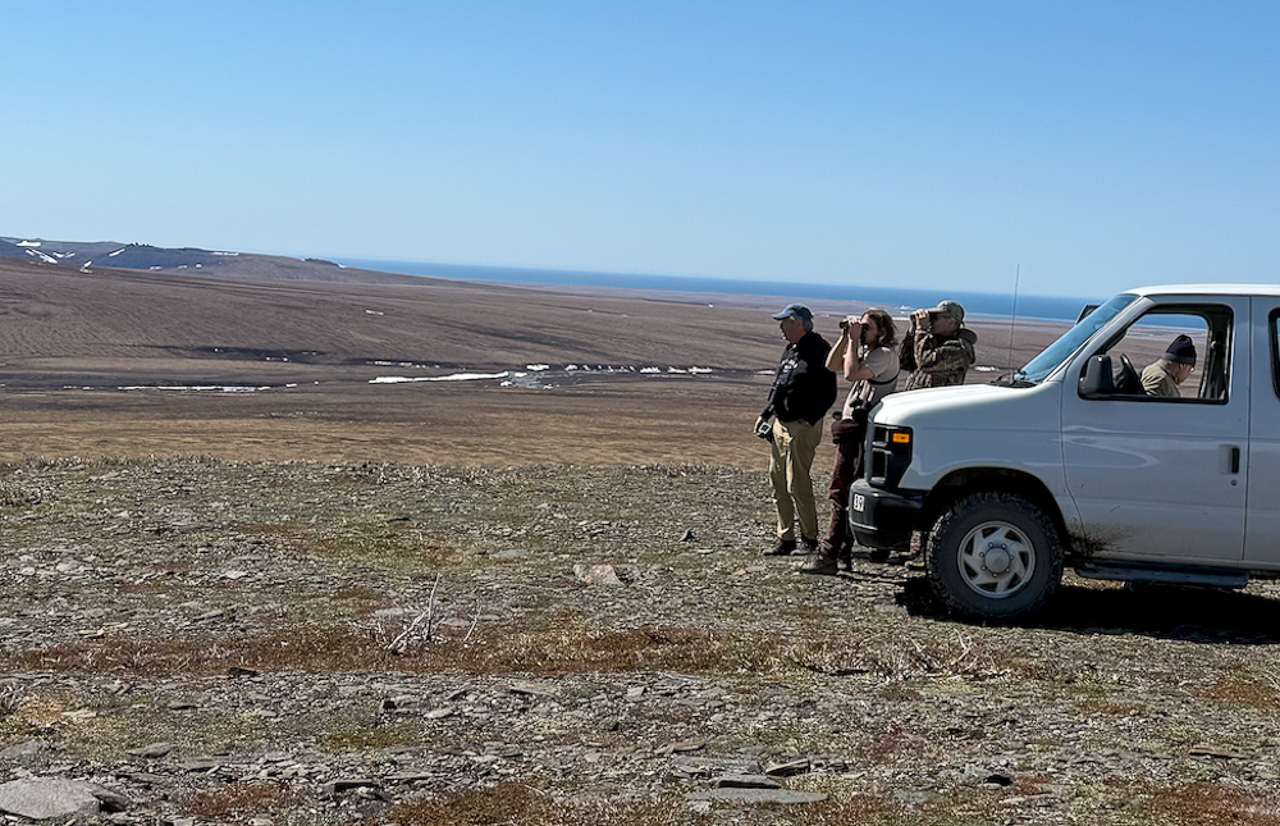
On May 28, the group transitioned to Nome, situated on the edge of the Bering Sea. Nome is globally recognized by birders for its unique positioning, which allows for the observation of "Old World" species that cross the Bering Strait from Asia to breed in North America. The first day in Nome, focused on Council Road, yielded immediate results. Notable sightings included the Sabine’s Gull and Arctic Tern, species that represent the incredible migratory endurance of polar birds. Offshore at the Nome River Mouth, the presence of approximately 20 Aleutian Terns was particularly significant, as this species is a highly sought-after specialty with a restricted breeding range.
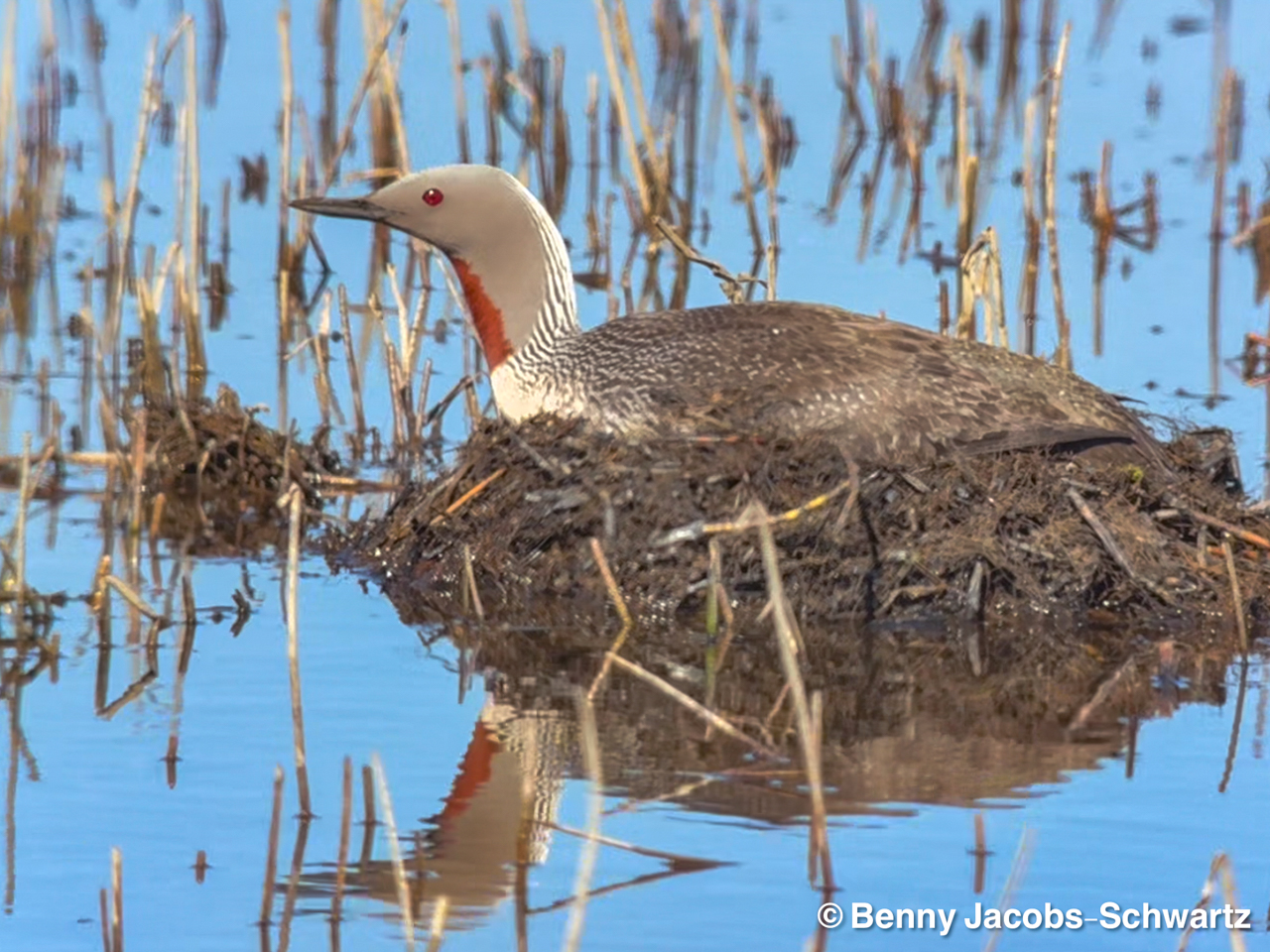
The survey of the coastal tundra along Council Road also documented the Willow Ptarmigan, Alaska’s state bird, which was found to be common throughout the region. The group observed several shorebird species, including the Bar-tailed Godwit. This species is a biological marvel, known for performing the longest non-stop migratory flight of any bird, traveling from New Zealand to Alaska in a single journey.
Rare Breeding Success and Tundra Specialties
As the expedition moved into its second and third days in Nome, the focus shifted to the Kougarok and Teller Roads, which provide access to the interior uplands and rocky tundra. On May 29, the group targeted the Bristle-thighed Curlew, a shorebird with an exceptionally small global population and a highly restricted breeding range in the remote hills of western Alaska. Following a rigorous hike across the tussock tundra, the group successfully located two individuals, allowing for a rare side-by-side comparison with the more common Hudsonian Whimbrel.
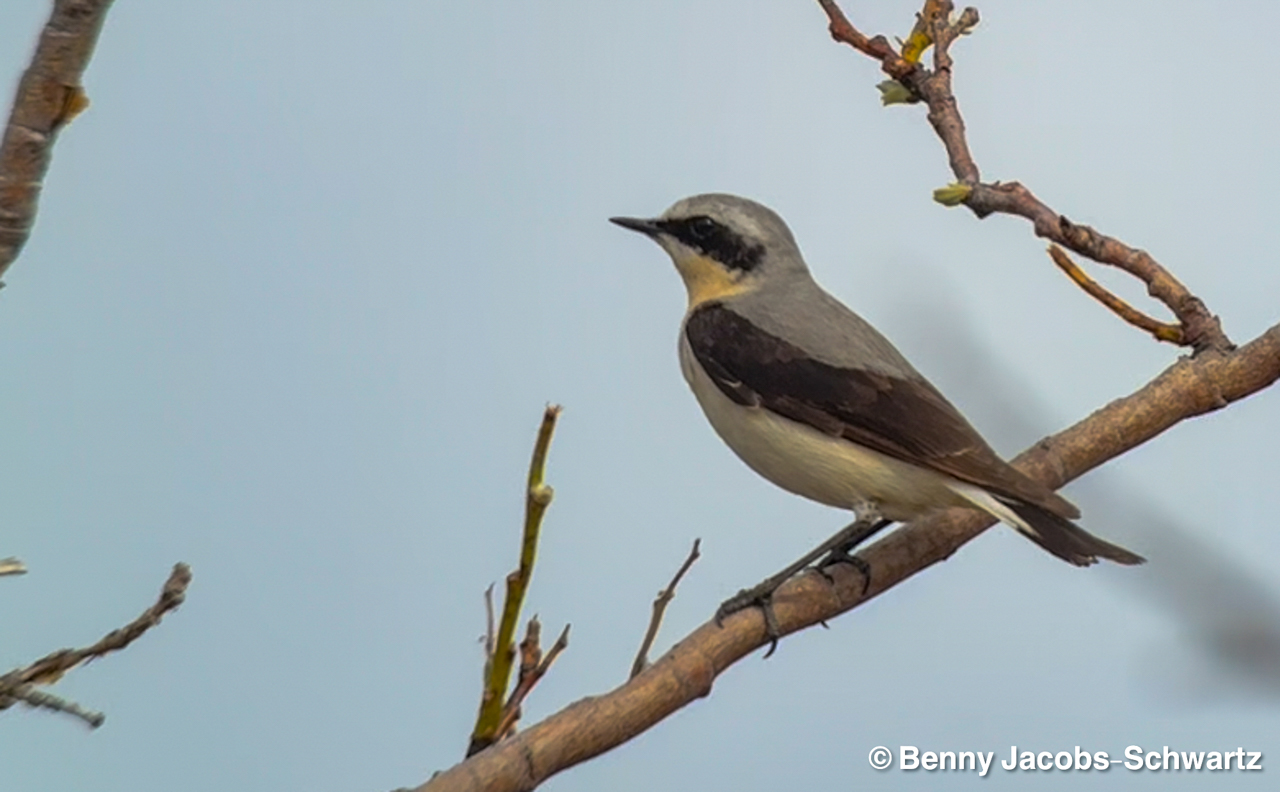
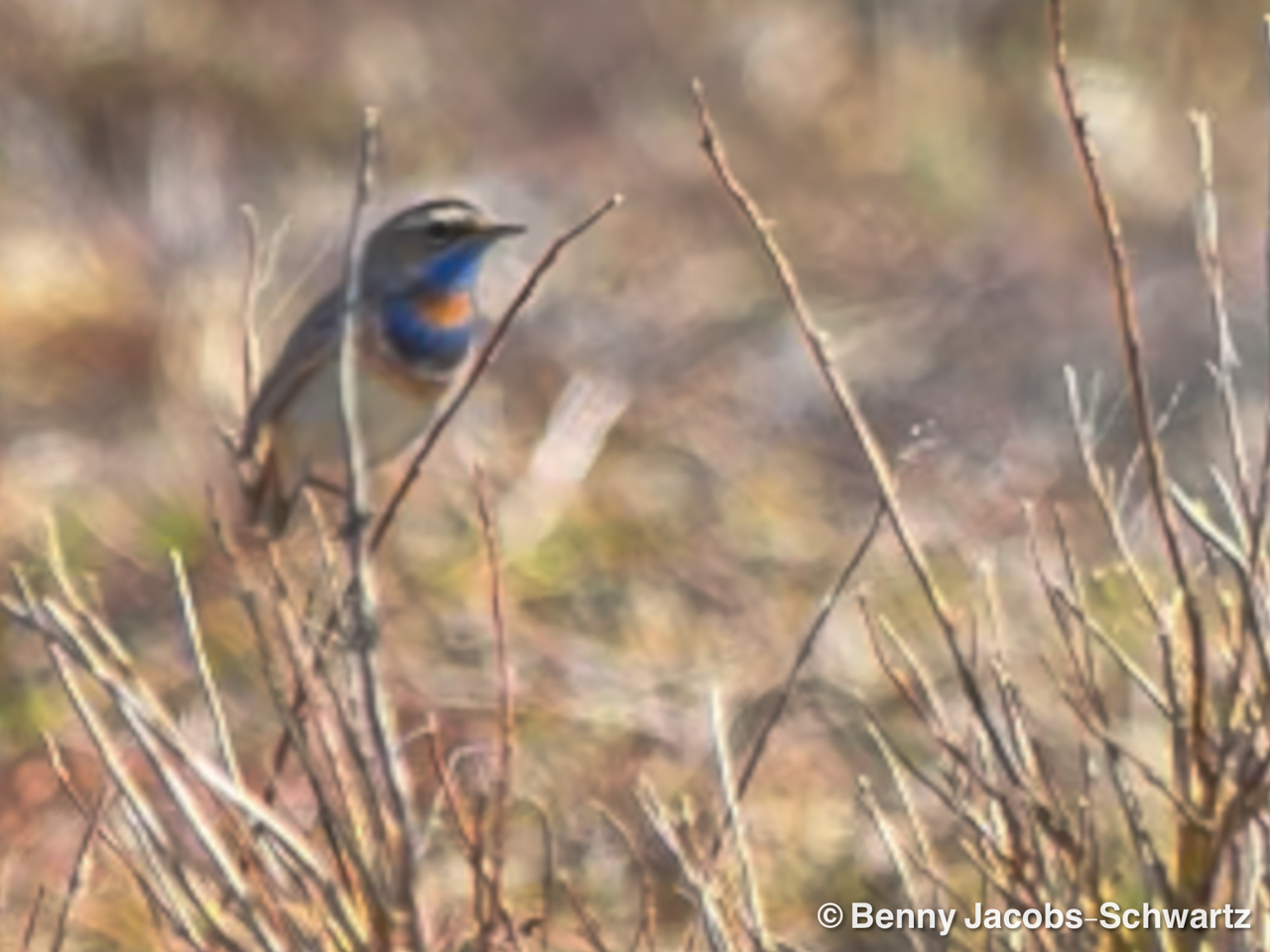
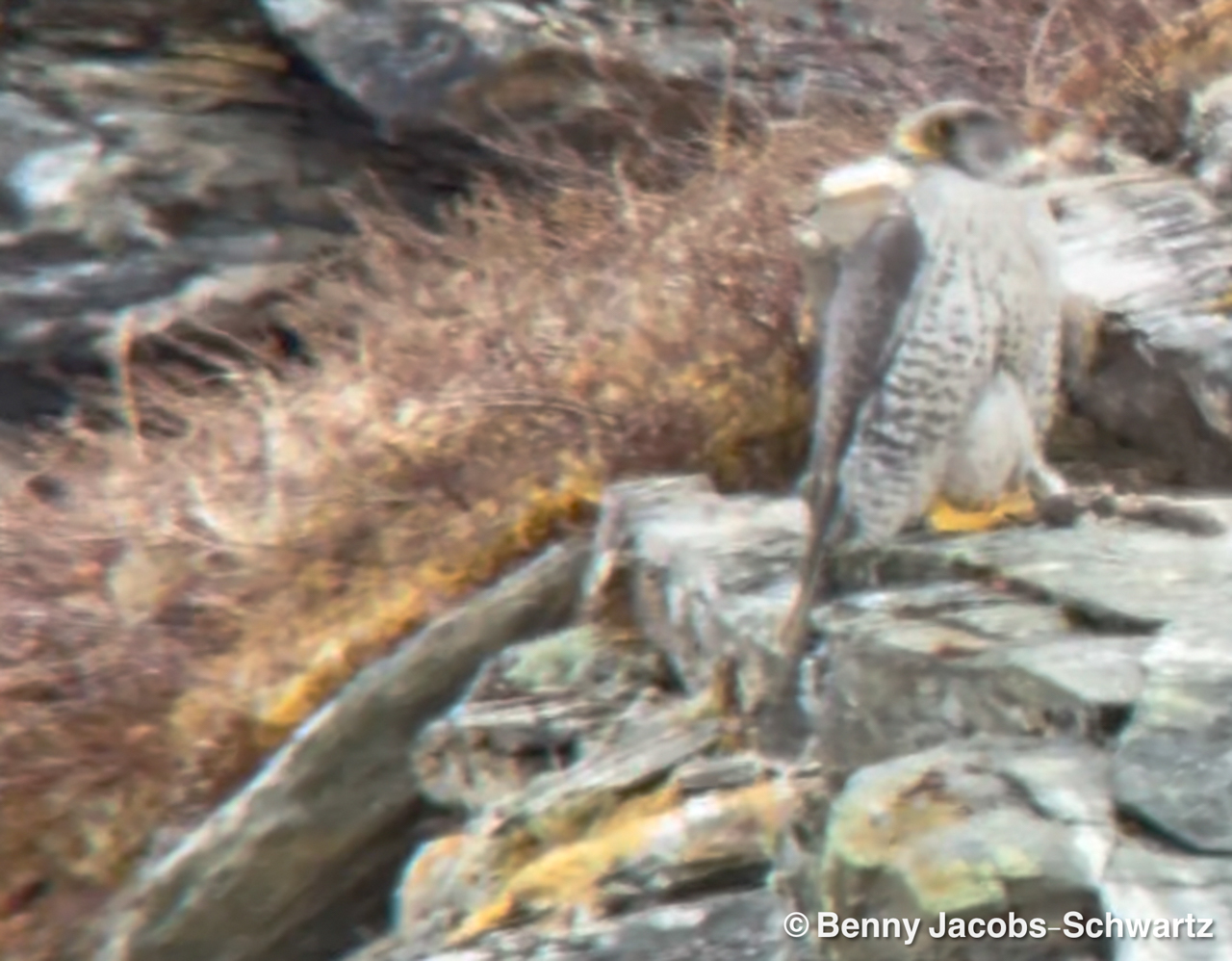
The interior search also produced sightings of the Bluethroat, an Old World flycatcher that breeds in western Alaska. The timing of the tour was critical for this species, as males perform their elaborate aerial displays for only a brief window in late May and early June. The presence of a nesting Golden Eagle and several Long-tailed Jaegers further underscored the health of the local raptor and predator populations.
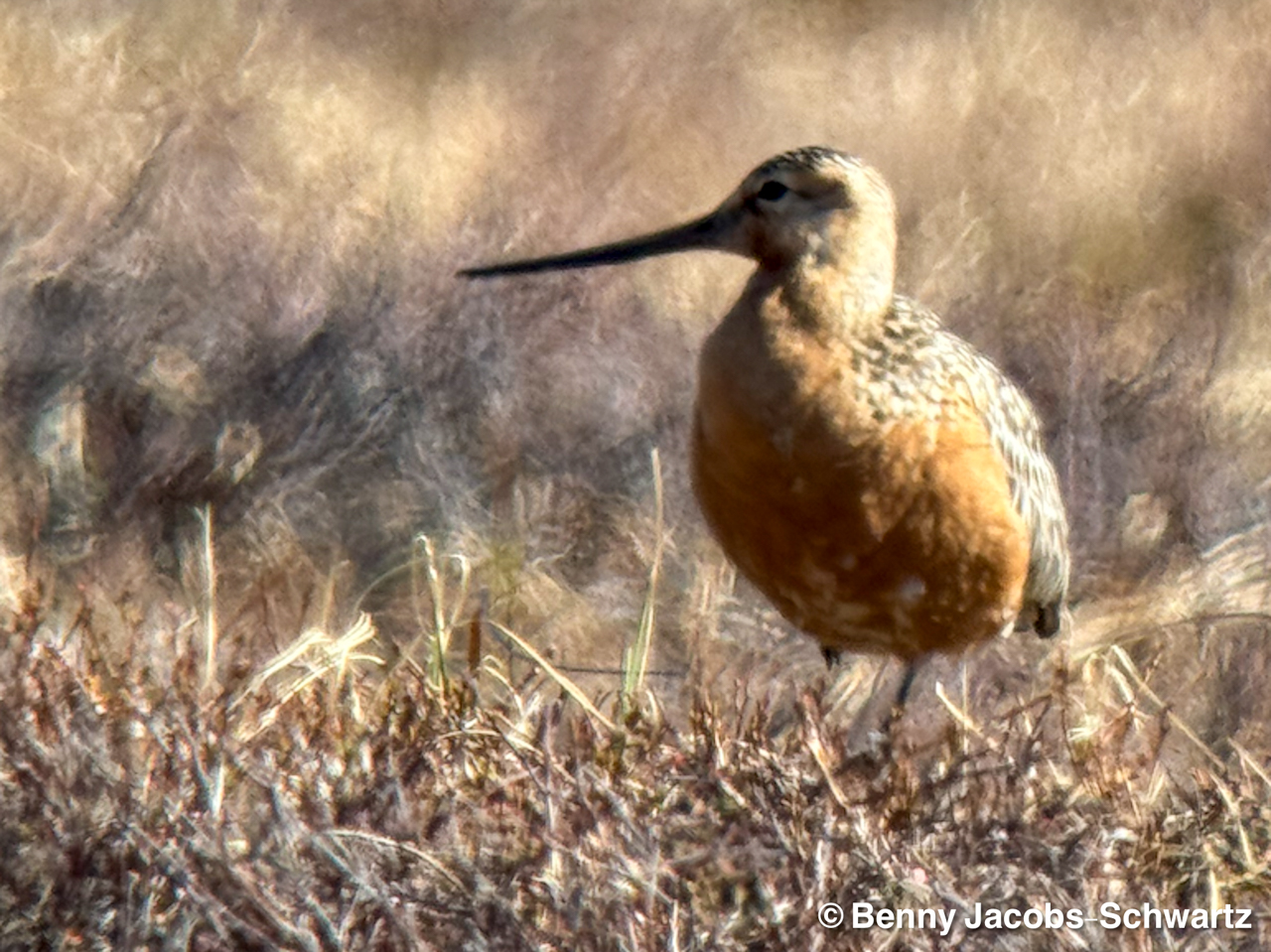
On May 30, the expedition explored Teller Road, identifying the Northern Wheatear and Rock Ptarmigan amidst a landscape of rocky outcrops. The discovery of an Arctic Warbler represented the first report of the season for the region, marking the arrival of another long-distance migrant from Asian wintering grounds.
Transition to the Kenai Peninsula and Marine Ecosystems
After four days of intensive study in the Nome region, the expedition returned to Anchorage before heading south to the Kenai Peninsula on June 1. This transition allowed for a shift from arctic tundra to boreal forest and marine fjord ecosystems. In Anchorage’s Kincaid Park and Potter Marsh, the group documented boreal specialties including the Canada Jay and Boreal Chickadee, as well as a nesting Trumpeter Swan.
The arrival in Seward on June 2 facilitated a full-day maritime survey of Kenai Fjords National Park. Marine expeditions are essential for documenting alcids and other pelagic species that are inaccessible from land. The group recorded several Kittlitz’s Murrelets near the Northwestern Glacier. This species is of particular conservation concern due to its reliance on glacial-edge habitats, which are increasingly threatened by climate change. Other marine highlights included Horned and Tufted Puffins, Rhinoceros Auklets, and Marbled Murrelets. The presence of Humpback Whales during the return trip provided additional data on the productivity of the Resurrection Bay ecosystem.
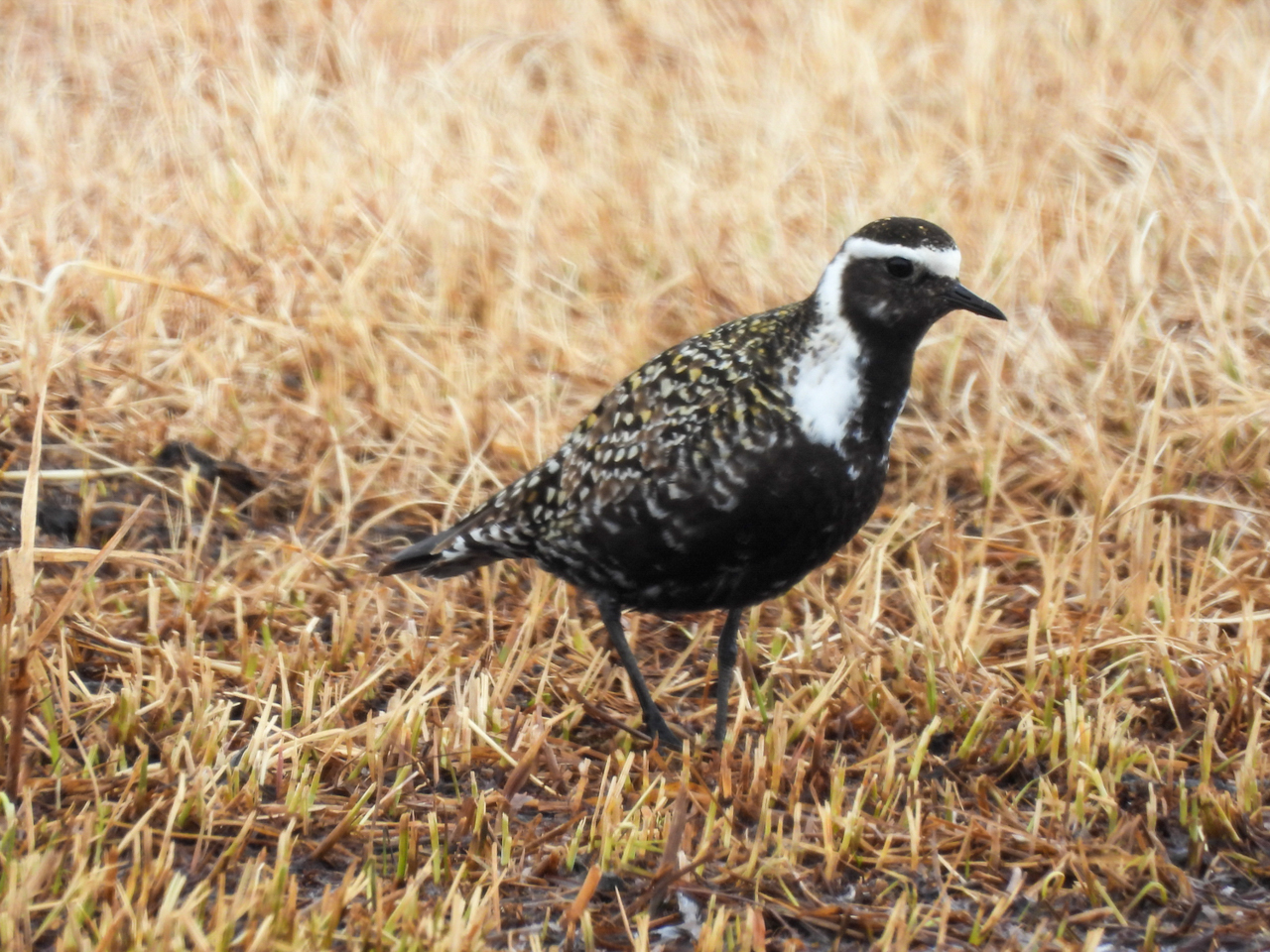
On June 3, the group explored the Sitka Spruce forests of Lowell Point, adding the Rufous Hummingbird and Chestnut-backed Chickadee to the expedition list. A significant observation was made at a local stream, where an American Dipper was seen feeding chicks, a testament to the timing of the breeding season in the coastal rainforest.
High Arctic Survey: Utqiaġvik and the Frozen Frontier
The final leg of the tour, beginning on June 4, took the group to Utqiaġvik (formerly Barrow), the northernmost city in the United States. Located 300 miles north of the Arctic Circle, Utqiaġvik provides a starkly different environment. Despite the late spring date, the group found the landscape still largely covered in snow and ice, with temperatures hovering near freezing.
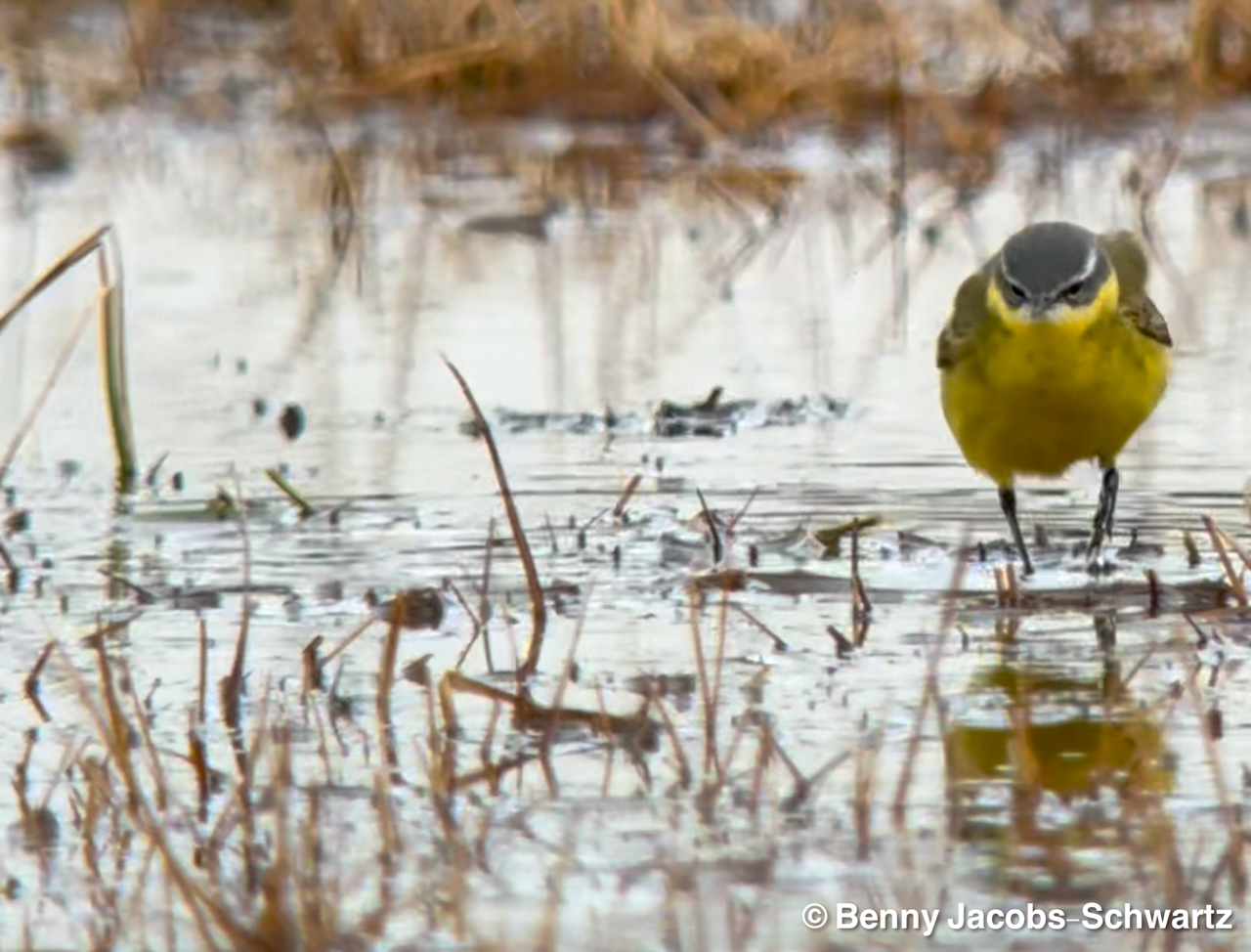
The extreme conditions did not deter avian activity. The expedition documented several high-latitude rarities, most notably a Red-throated Pipit and a Red-necked Stint. These sightings are highly prized by the ornithological community, as they represent species that primarily breed in Siberia but occasionally spill over into Northern Alaska.
On June 5 and 6, as more lagoons began to open, the group observed a significant movement of King Eiders migrating north over the pack ice. The highlight of the Utqiaġvik session was the discovery of a Eurasian Skylark, a rare visitor to the North American mainland. Additionally, the group successfully located Steller’s Eiders in roadside ponds. The Steller’s Eider is listed as a threatened species under the Endangered Species Act, and the observation of these birds in their breeding plumage is a critical data point for monitoring the health of the local population.
The expedition concluded its field observations with a sighting of the iconic Snowy Owl. A stunning male was observed on the tundra, providing a clear example of the apex predators that govern the arctic food web.
Scientific Context and Environmental Implications
The data gathered during this 13-day expedition provides a valuable snapshot of the 2024 breeding season in Alaska. The presence of numerous trans-Pacific migrants in Nome and Utqiaġvik suggests that the migratory corridors between Asia and North America remain active, despite varying weather conditions.
The observation of species like the Yellow-billed Loon and the Kittlitz’s Murrelet is particularly relevant to ongoing conservation efforts. Both species have limited ranges and are sensitive to environmental shifts. The fact that the group found Utqiaġvik still "locked in winter" in early June highlights the inter-annual variability of the Arctic, which can significantly impact the nesting success of ground-breeding shorebirds and waterfowl. If snow persists too late into June, birds may face shortened windows for chick-rearing, potentially affecting recruitment rates.
Economic Impact of Avian Tourism
Beyond the scientific value, expeditions of this nature underscore the economic importance of birding tourism to the state of Alaska. Nome, Seward, and Utqiaġvik benefit significantly from the arrival of birders from around the world. This "aviculture tourism" provides essential revenue for local hotels, transport services, and guides, creating a financial incentive for the preservation of critical habitats.
As the participants departed Anchorage on June 8, the tour was deemed an unqualified success. By documenting over 150 species across thousands of miles, the expedition reinforced Alaska’s status as one of the world’s premier destinations for biological study and wildlife observation. The findings will be contributed to citizen science databases like eBird, helping researchers track long-term trends in avian distribution and the impacts of a changing climate on the northernmost reaches of the globe.
